Members
Alisa Syar is the breeder behind SilverIce Alaskan Malamutes. Read about the kennel’s beginnings, champions, Malamute puppies, photos & more!

Alisa Syar
The Weekly Brief
The best of SHOWSIGHT editorials, weekly wins, and breeder commentary — delivered to your inbox every Sunday morning.
Interview with Alisa Syar, Breeder of SilverIce Alaskan Malamutes
Alisa Syar: I live in Granite Bay, California. I have been in purebred dogs for 32 years, 30 years breeding Alaskan Malamutes.
Alisa Syar: My kennel name is SilverIce. I currently keep 15 Alaskan Malamutes, one Siberian Husky, and two Pekingese.
We have been blessed by many No. 1 Alaskan Malamutes, Best in Show Winners, Specialty and National Specialty Winners, Westminster KC Breed Winners, and AKC Classic Group Winners.
These lovely Malamutes were purchased for our breeding program, bred by SilverIce, co-bred by SilverIce, or they are dogs we have co-owned and presented—ALL noteworthy winners we are proud of:
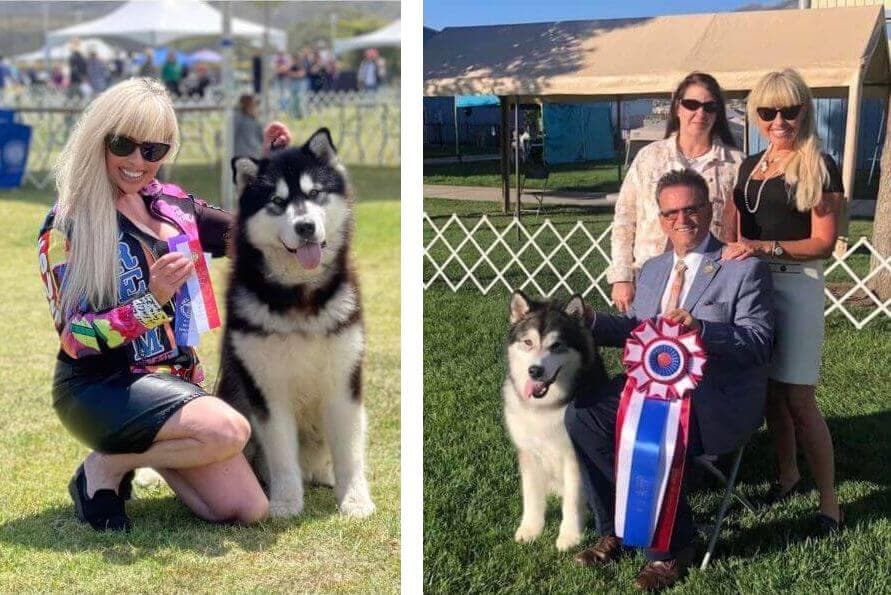
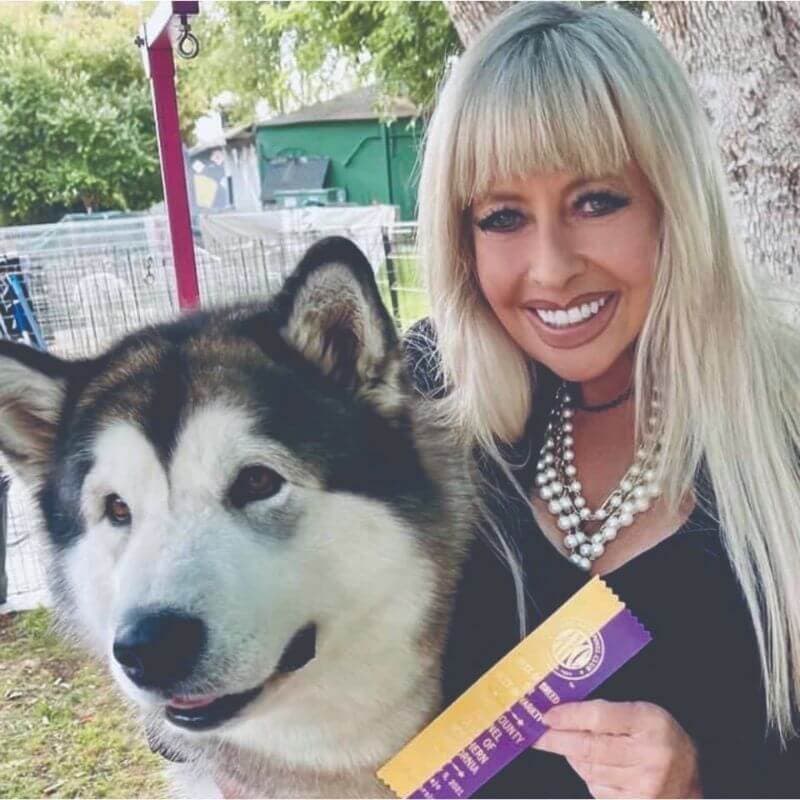
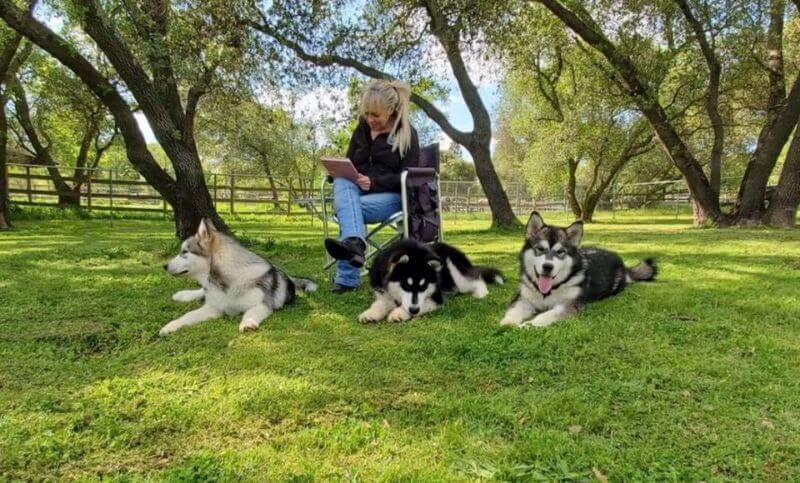
Alisa Syar: We have a lovely Country Inn boarding kennel on five acres in Northern California. Our place is set up like a horse breeding farm with indoor/outdoor runs, separate climate-controlled building, large grassy play paddocks, and a beautiful pond area. Our kennel home is set up with a cozy, attached apartment for whelping puppies. The puppies are raised with us in the house with love and care.
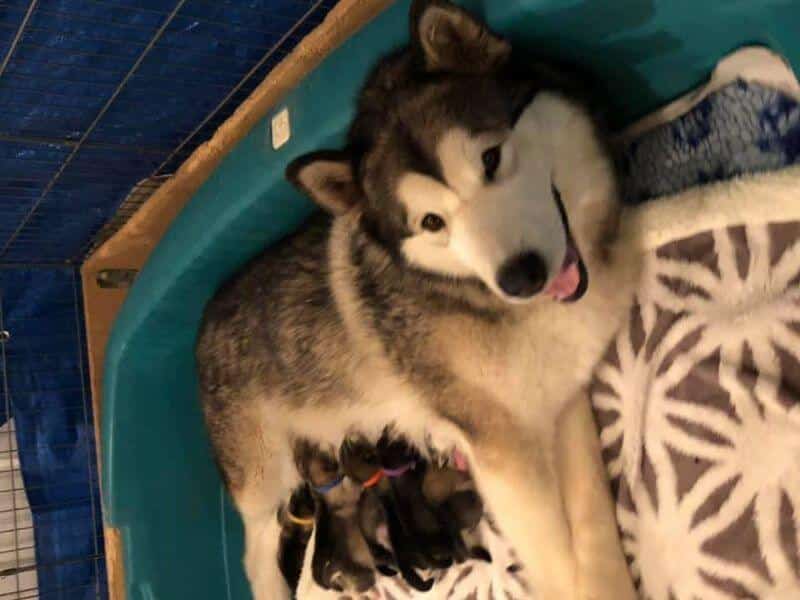
Alisa Syar: We make our decisions between 8-14 weeks. We select puppies on breed type, structure, soundness, and temperament.
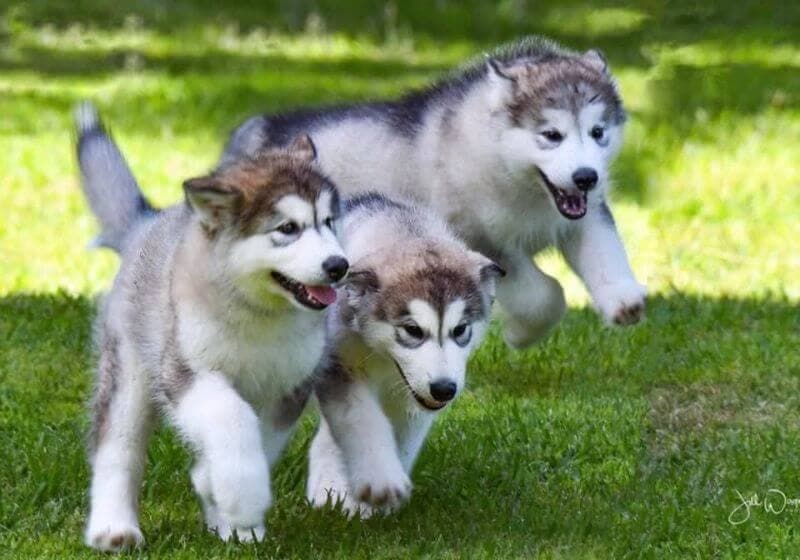
Alisa Syar: We train our puppies by taking them to conformation training classes. We socialize our puppies and we train them on the grooming table for show preparation.
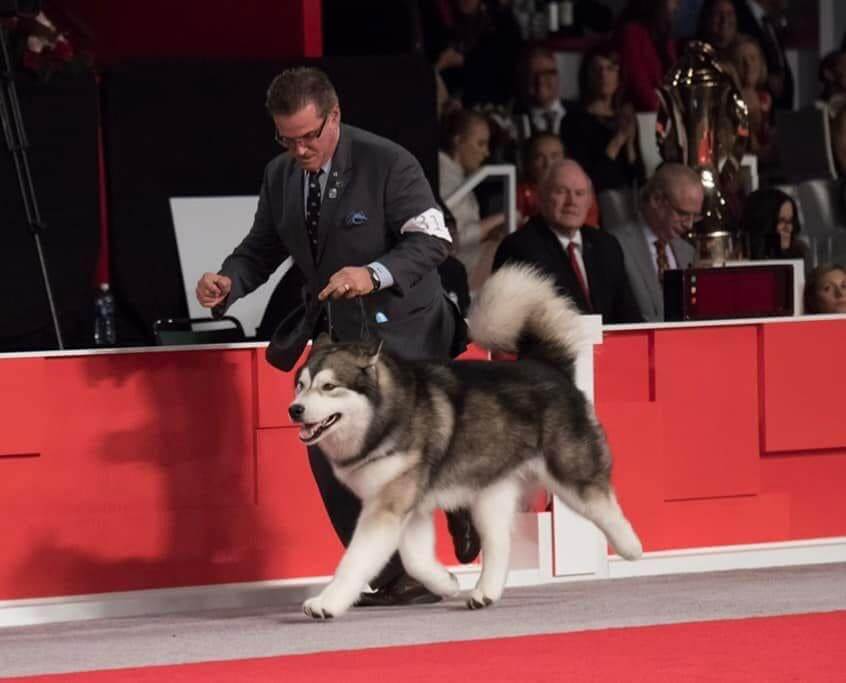
Alisa Syar: The Alaskan Malamute is a natural breed, with no trimming to the outline permitted. Trimming is allowable only to clean up the appearance of the feet. The thick, coarse, stand-off coat of the Malamute is neatly groomed and blown out.
The Malamute should not be raced around the ring. They should always be shown at a powerful and free-moving gait, converging towards the centerline at a trot or faster speed. When shown, the profile of the Malamute should be presented with the handler standing rather than kneeling.
Alisa Syar: Yes, like in all breeds, there are a few health issues with varying degrees of potential occurrence to be aware of such as Hip Dysplasia, Hypothyroidism, Cataracts, Epilepsy, Addison’s and Cushing’s Disease.
The Malamute being an Arctic breed can tend to require a higher amount of zinc and other trace minerals nutritionally in comparison to non-Arctic breeds. Over the years, it has been my personal experience that I’ve found the Malamute to thrive on a higher fat ratio diet as opposed to an overly high protein content diet.
Alisa Syar: I feel the breed is in good condition overall. I would like to see more correct structure in the front end and rear assemblies, with correct front-to-rear balance. We are seeing too many straight fronts, with over-angulation in the rear. The standard calls for moderate angulation and overall balance.
Another issue is tight or curled tails. Again, the standard calls for tails to be a waving plume over the back, not tight or laying on the back. The Malamute should have thick, large, snowshoe feet accompanied by substantial bone and overall substance. The breed has “moderated” on temperaments over the years, but should never be expected to be that of a Golden Retriever. A couple of things I have observed trending are lack of leg in proportion to the body and excessive length of loin.
Alisa Syar: YES, the Alaskan Malamute is a great family dog. Malamutes require a fenced-in yard, and puppies do best with early crate training. The breed is friendly and affectionate, and they are playful clowns. They are good with children but are a high-energy dog. Malamutes can be dog aggressive and are possessive of food. Malamutes are loyal, loving, and strong-minded, but with proper training the breed makes a lovely family pet.
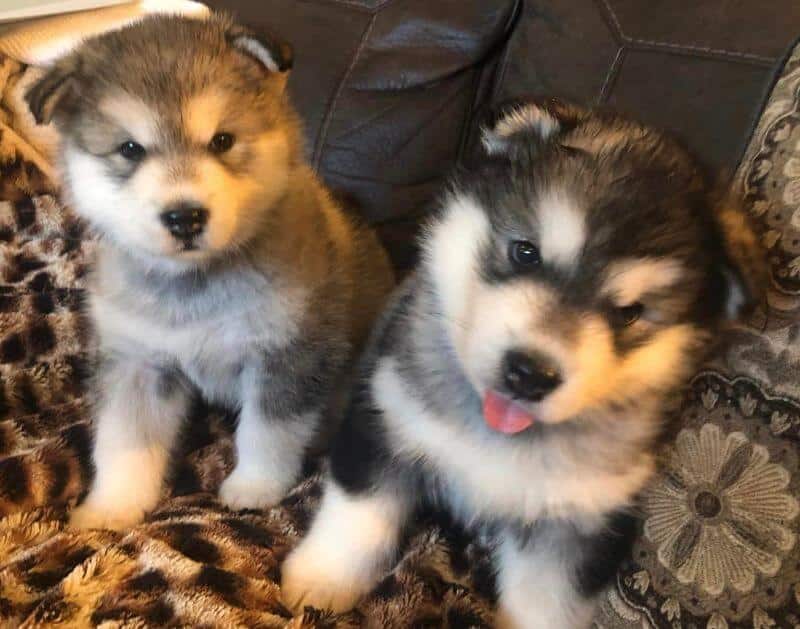
The best candidates to own a Malamute are people who are outdoorsy types that like to exercise and hike. The Alaskan Malamute thrives on activities with their owners. With proper training, a Malamute makes a lovely family pet.
Alisa Syar: The breed has lost many of its iconic foundation breeders and genuine guardians of the breed standard. The majority of breeders currently seem to concern themselves with only producing their next prospective dog to garner awards and accolades rather than focusing on the overall direction of the breed and respecting the standard.
Alisa Syar: Alaskan Malamutes are true “snow dogs.” I have taken my dogs to be in the snow numerous times, and it is always amazing to me how their instincts kick in and how they are right at home in the snow.
The best way to ensure a long and happy relationship with a purebred dog is to purchase one from a responsible breeder. Not sure where to begin finding a breeder? Contact the National Parent Club’s Breeder Referral person, which you can find on the AKC Breeder Referral Contacts page.
Did you know nearly every recognized AKC purebred has a dedicated rescue group? Find your new best friend on the AKC Rescue Network Listing.
Showsight Magazine is the only publication to offer dedicated Digital Breed Magazines for ALL recognized AKC Breeds.
Read and learn more about the loyal Alaskan Malamute dog breed with articles and information in our Alaskan Malamute Dog Breed Magazine.

Meet the Breeders