Members
01/Overview
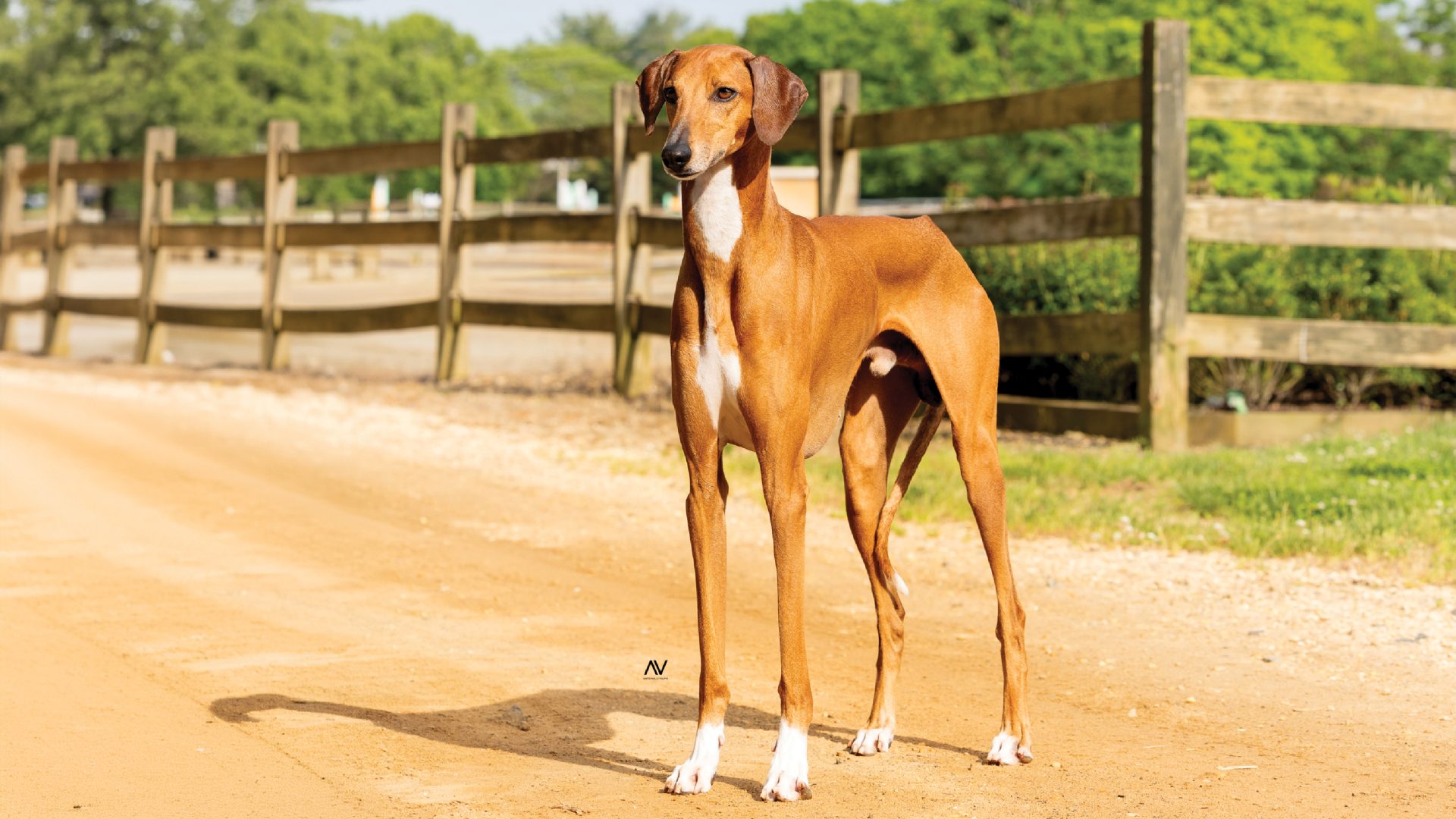
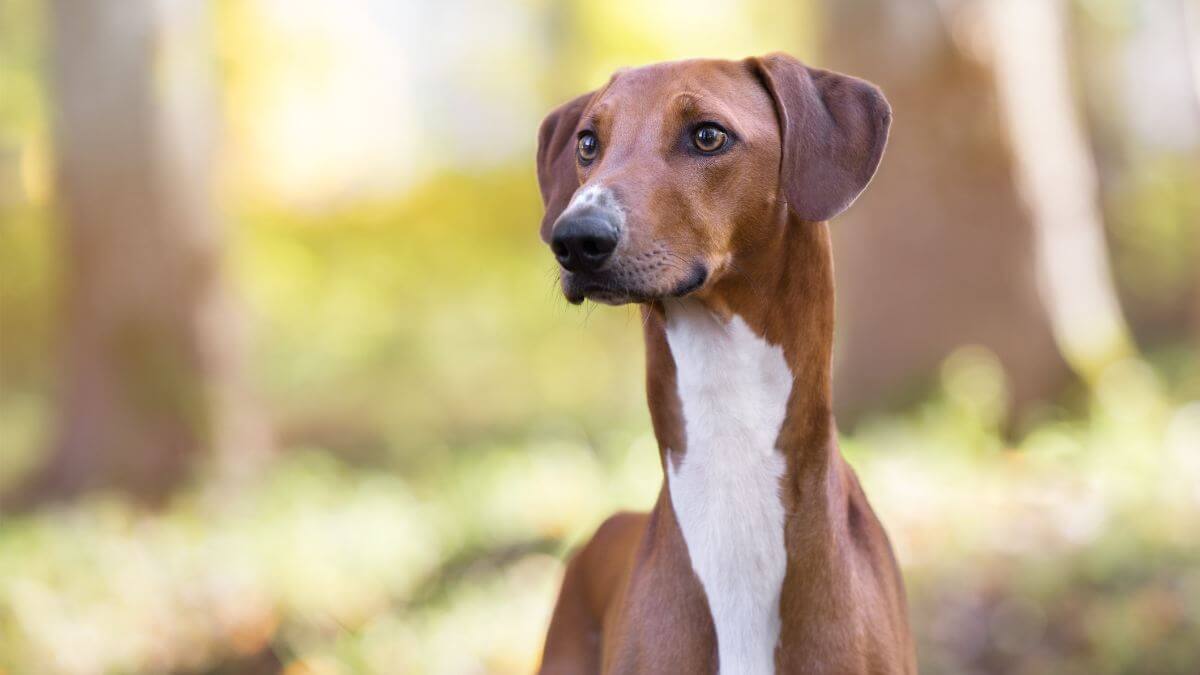
The Azawakh is an ancient and noble sighthound originating in the Sahel region of Northern Africa. Valued for its uncommon loyalty and unusual elegance, as well as its keen hunting abilities, this unique purebred has traditionally been used by the nomadic Tuareg people to hunt game and guard encampments. With its tall, slender physique and regal nature, the Azawakh not only excels in its functional roles as a hunting and guarding dog, it also exudes an uncommon aura of dignity and reserve.
Highlights
02/History
The story of the Azawakh begins in the unforgiving landscape of North Africa, particularly within the Sahel regions of Mali, Niger, and Burkina Faso. As the companion of the nomadic Tuareg people, this tall and lanky sighthound served as both hunter and protector, and even became a symbol of prestige.
The name "Azawakh" is derived from the Azawagh Valley. Historically, the breed was prized for its hunting abilities, especially in pursuit of fast-moving game such as hare and gazelle. The hounds’ exceptional agility and speed made the dogs perfect for the task, and their keen senses proved invaluable in the sparse terrain of their homelands.
Beyond hunting, the bond between the Azawakh and the Tuareg was deeply intimate. The hounds weren't merely tools but also cherished family members. They shared the tents with their human counterparts, providing warmth on cold nights, and they stood as vigilant guards, ever watchful for unseen threats.
It wasn't until the 1970s that the Azawakh made its way outside of Africa. The hound’s elegance and unique appearance quickly garnered attention from dog enthusiasts in France and Yugoslavia, and efforts soon began to promote the throughout Europe. The first Azawakhs were welcomed to the United States in 1987.
In terms of official recognition, the Fédération Cynologique Internationale (FCI) first acknowledged the Azawakh in 1981. The Royal Kennel Club (UK) followed in the early 2000s, and the American Kennel Club (AKC) granted full recognition to the breed in 2019.
03/Appearance
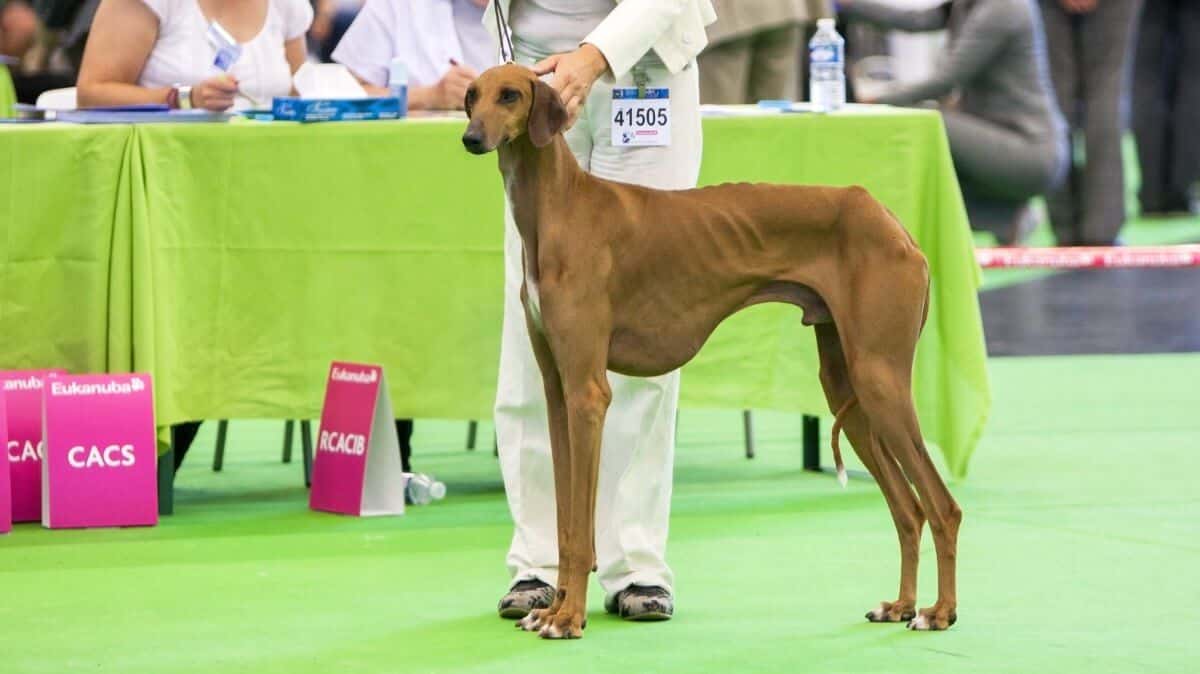
Adult male Azawakhs typically stand between 25 and 29 inches tall at the shoulder, while mature females usually range from 23 to 27 inches in height.
Males generally weigh between 44 and 55 pounds, while females weigh slightly less, usually from 33 to 44 pounds.
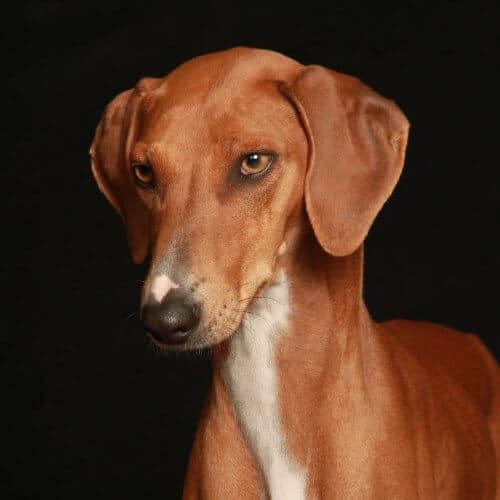
Skull: Fine and elongated, the skull of the Azawakh is almost flat but has a slight curve. The width between the ears is notably less than half the total length of the head.
Expression: The expression is regal and alert, showcasing a vigilant nature and aristocratic demeanor.
Eyes: Almond-shaped and set slightly oblique, the eyes can range from dark to amber in color, depending on the color of the coat. They offer a gaze that's both penetrating and gentle.
Ears: The ears are of medium size, hanging, and set high. They are thin and tapered, with a slightly rounded tip, typically falling close to the head.
Muzzle: The muzzle is chiseled and refined, ending in a straight nose bridge. It blends seamlessly with the rest of the head, giving the breed its distinctive profile.
Nose: Typically black in color or a shade that matches the coat’s color, the nose is well-defined and complements the breed's keen sense of smell.
Bite: The Azawakh possesses a scissor bite, where the upper incisors closely overlap the lower incisors. Full dentition is required, and undershot or overshot teeth are unacceptable
The Azawakh is defined by specific proportions that underscore its decidedly unique frame. The length of the body, compared to the height at the withers, follows a 9:10 ratio. It's worth noting that this ratio may be slightly higher in females. The breed’s light bone structure and lean musculature, coupled with its deep chest, are designed for swift, enduring pursuits in a harsh desert environment. The Azawakh's bones are refined but strong, enhancing this sighthound's affinity for both speed and endurance.
Texture: The Azawakh's coat is short and fine, fitting tightly over the entire body. This sleek covering provides unequalled protection against the intense heat of its desert environment while also allowing for efficient cooling. A harsh texture or semi-long coat is therefore unacceptable.
Standard Colors
04/Consider
Owning an Azawakh is a commitment to understanding and appreciating the unique qualities of this breed. While these hounds are revered for their elegance and grace, there's more to the breed than meets the eye. This hound requires a special kind of understanding and care.
Interaction With Family
The level of affection a breed typically shows towards family members and familiar individuals.
Good With Other Dogs
The innate friendliness of a dog towards other dogs can depend on its breed.
Good With Young Children
The degree to which a breed will typically be patient with young children.
Amount Of Shedding
How much hair a breed typically leaves behind on clothes, furniture and floors.
Frequency Of Grooming
How often a breed needs brushing, bathing or a professional trim to stay in condition.
Amount Of Drooling
How prone a breed is to drool, worth knowing before you keep a towel by the door.
Openness To Strangers
How openly a breed tends to greet new people, visitors and strangers.
Protective Nature
How likely a breed is to alert you to anything unfamiliar, and stand between you and it.
Playfulness Level
How enthusiastic a breed stays about games and play well past puppyhood.
Trainability Level
How readily a breed takes direction and works with you rather than around you.
Barking Level
How much a breed uses its voice, and how readily.
Energy Level
How much get-up-and-go a breed brings to an average day.
Health
Lifespan: The Azawakh typically lives from 12 to 15 years. With proper care and a healthy lifestyle, these hounds can happily lead fulfilling and active lives well into their senior years.
Azawakhs are intelligent and independent thinkers. The breed's independence, however, can pose a challenge for novice dog owners. These hounds have a penchant for forming strong bonds with their families, often becoming incredibly protective. This protective streak extends to an innate wariness of strangers. An Azawakh can display a reserved demeanor around unfamiliar faces, so early and consistent socialization is paramount to help these dogs become more at ease in a variety of social situations. Their intelligence demands consistent training and a handler who comprehends the breed's deeply sensitive nature. The breed’s need for companionship is strong, and these dogs thrive best when they're involved in regular family activities. Although they generally get along well with other dogs they've been raised with, their pronounced prey drive can entice them to chase after smaller pets.
Exercise Expectations
The Azawakh’s lean and muscular build gives it the capability for high-intensity activities. However, energy levels can vary from dog to dog. Some can be more laid-back, while others can be a bundle of energy. Typically, a few good runs in a securely fenced area a couple of times a week, coupled with daily walks, can provide all the exercise that's needed. It's important to be mindful of the weather and avoid exercising during the hottest parts of the day. Also, over-exercising a puppy can lead to joint and bone issues, while under-exercising can result in pent-up energy that leads to undesirable behaviors such as excessive barking.
The Azawakh can adapt to a variety of lifestyles, but there are some considerations for supporting the comfort and well-being of this unique breed. For starters, the sensitive nature of these dogs means they thrive best in a calm and stable environment. Ensuring a peaceful home atmosphere, coupled with regular routines and daily exercise, can help to make them feel secure. Temperature sensitivity is another consideration. In colder climates, it's essential to provide the Azawakh with protective clothing when outdoors, and early morning or late evening outings are best when the weather's hot and humid. In the company of other dogs, especially those they are meeting for the first time, the breed's territorial nature might surface. Proper introductions are needed. However, the breed's playfulness can make the Azawakh adept at a variety of games and dog sports. And although they can be reserved around people they don't know, they are especially gentle and affectionate with children they know well.
05/Puppies
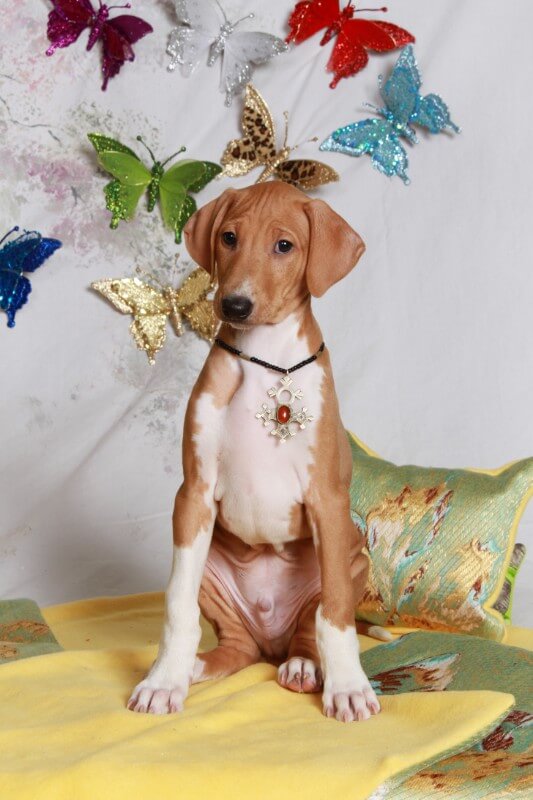
The arrival of a litter of Azawakh puppies is a fun and exciting experience that requires a commitment to providing for the specific needs of each pup. As they grow, each pup will show glimpses of the grace and poise that defines their breed. But like all puppies, Azawakhs need consistent care during the first year of life to ensure they grow up to become a healthy and happy adult.
The Azawakh puppy can be rather delicate during its first weeks and months. The breed's lean structure and fine coat mean the pup doesn't have much to shield it from physical harm or drastic changes in temperature. Making sure the environment is always comfortable is essential. Nutrition also plays a pivotal role during the puppy's growth phase. A balanced diet for large-breed puppies can support the development of strong bones and muscles, though it's always best to follow the breeder's recommendations. Socialization is another crucial aspect of a puppy's development. Exposure to various people, pets, sounds, and experiences can help to shape a more outgoing temperament. Early positive interactions with other animals can also help to reduce the chances of aggressive or overly timid behavior. Training should start early; however, the Azawakh's sensitive nature means the pup will respond best to positive reinforcement techniques. Harsh training methods will be counterproductive and can even instill fear or mistrust. Lastly, regular health check-ups are essential to ensure the puppy is up-to-date on all vaccinations and is growing without any physical or behavioral problems.
06/Activities
The innate agility and elegant build of the Azawakh make this astonishing sighthound suitable for a variety of outdoor adventures and dog sports.
Lure Coursing: This sport capitalizes on a dog’s natural prey drive, allowing it to chase a mechanically operated lure across a field, mimicking the unpredictability of hunting live prey.
Fast CAT: This is a timed 100-yard dash where the Azawakh's speed is put to the test.
Agility: By navigating a timed obstacle course, dogs can display both their speed and finesse with the proper training.
Obedience: In this precision-based event, Azawakhs can demonstrate their intelligence and their ability to follow a series of commands in a structured environment.
Rally Obedience: This is a more “freestyle” form of Obedience in which dogs and their handlers navigate a course that showcases the team’s versatility and training.
Conformation Shows: Dog shows are competitive events in which breed like the Azawakh are assessed on how closely their appearance, movement, and character conform to the Breed Standard.
Engaging in these sports and activities provides ample opportunity for Azawakh owners to connect with their dogs in a social setting, ensuring that both hound and handler enjoy a rewarding and invigorating experience.
Gallery
07/Standards
The Azawakh is recognized by the world's leading registries and kennel organizations, which categorize the breed into a specific Group based on its unique characteristics. This breed is recognized worldwide under the following Group designations:
The ideal Azawakh is described by a Breed Standard that is approved by each of the world’s leading registries and kennel organizations. The Breed Standards for this breed may be found in the following links:
08/Clubs
The Azawakh has a dedicated community of enthusiasts and breeders who are passionate about preserving the unique heritage and characteristics of this African sighthound. For those interested in learning more about the Azawakh, joining a breed club can be an excellent way to connect with other enthusiasts.In the United States, the American Azawakh Association (AAA) is the primary organization dedicated to the breed. Founded on February 7, 1988, the AAA and its members remain committed to the breed, focusing on the preservation of its health, temperament, and physical conformation. Beyond setting standards for breeding and exhibition, the association hosts events, champions education, and acts as a resource for admirers of this extraordinary breed.In Canada, the Azawakh Club of Canada is the central organization dedicated to the breed's welfare. The club plays a pivotal role in promoting the breed by upholding the Breed Standard and educating the public about the Azawakh's many distinctive qualities.The Azawakh Association of the United Kingdom was founded in 2002 and gained full recognition for the breed in 2015. As the parent club in Great Britain, the AAUK endeavors to preserve, protect, and promote the breed at events like Discover Dogs at Crufts.
09/Rescue
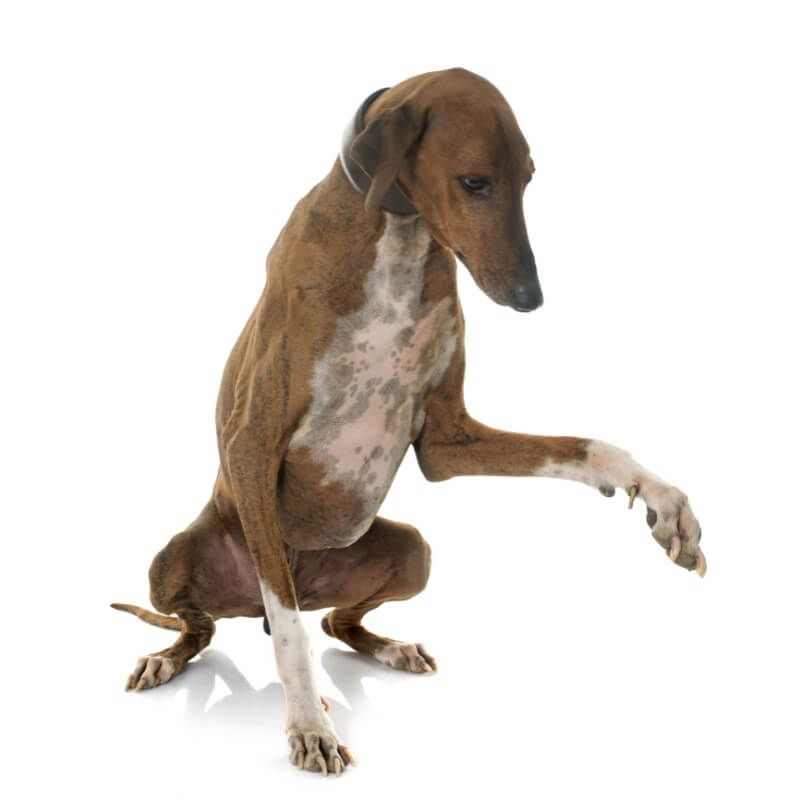 Rescue organizations and their volunteers play a vital role in supporting the needs of individual dogs, offering refuge and care as needed, and providing new beginnings.In the United States, Azawakh-Rescue is a community-driven organization dedicated to the breed. This collective is committed to providing aid to any Azawakh in need of rehoming. Additionally, the American Azawakh Association (AAA) also steps in to assist in rescue and rehoming efforts.In the United Kingdom, potential adopters and those looking to rehome an Azawakh are advised to consult the Azawakh Association of the United Kingdom for guidance on rescue and rehoming opportunities within the country.
10/Facts
Origins in the Sahara
The Azawakh hails from the Sahara Desert and the Sahel region, predominantly from countries like Mali, Niger, and Burkina Faso. These dogs were traditionally kept by the Tuareg, Fula, and other nomadic peoples.
Purpose
Primarily known as a sighthound, the Azawakh was also used for guarding and as a loyal companion. The breed’s tall and slender build allows it to reach high speeds in short bursts, making it an effective hunter.
Physical Distinctiveness
Unlike other sighthounds, the Azawakh's proportions are more upright, with a deep chest and well-defined keel. Its skin is tight, showcasing its angles as well as its muscles.
Bonding
Azawakhs are known for their deep loyalty. They can be reserved with strangers but are intensely affectionate with their family members.
Endurance
Adapted to the harsh climates of the Sahel, the Azawakh possesses an incredible level of endurance. These dogs are capable of covering great distances in punishing desert terrain.
Health
The breed has a relatively low rate of genetic disorders compared to many other breeds. However, like all dogs, individuals can be susceptible to specific health risks.
Rarity
The Azawakh is considered a rare breed, even in Northern Africa. However, it remains a cherished partner for those who appreciate its many fine (if unusual) qualities.
11/FAQ
Azawakhs can reach speeds of up to 40 miles per hour. They are known for their incredible agility and endurance, two qualities that have made them prized hunting dogs in their native lands.

Written by
Dan Sayers is the Executive Editor of SHOWSIGHT. He is a member of the World Dog Press Association and the Dog Writers Association of America, which recognized his illustrations in the award-winning Encyclopedia of K-9 Terminology. Dan is a longtime supporter of the sport of dogs and an advocate for the conservation of recognized breeds in all their forms and functions. He is a member of the Morris and Essex Kennel Club, and for 45 years, the Irish Water Spaniel Club of America where he serves as AKC Delegate, Archivist, and approved Breed Mentor. Dan breeds under the Quiet Storm prefix and has judged the IWSCA National Specialty Sweepstakes twice.
Official Standard of the Azawakh
General Appearance: The Azawakh is an African sighthound of Afro-Asiatic type, which appeared in Europe towards 1970 and, comes from the Nigerien middle basin, among others, from the Valley of the Azawakh. For hundreds of years, he has been the companion of the nomads of the southern Sahara. Particularly leggy and elegant, the Azawakh gives a general impression of great fineness. His bone structure and musculature are transparent beneath fine and lean skin. This sighthound presents itself as a rangy dog whose body fits into a rectangle with its longer sides in a vertical position. Faults - Heavy general appearance.
Size, Weight, Proportion: Height at withers - Males 25 to 29 inches, females 23 to 27 inches. Serious Fault - Size deviating more than an inch from the norms of the standard. Weight - Males 44 to 55 pounds, females 33 to 44 pounds; in correct weight a minimum of three to five ribs and hip bones should be visible. Body Proportion - Length of body/height at withers - 9:10. Length of body is 90 percent height of hound. This ratio may be slightly higher in bitches.
Head: Eyes - Almond shaped, quite large. Their color is in keeping with the coat color. Eye rims are pigmented. Ears - Set quite high. They are fine, always drooping and flat, quite wide at the base, close to the skull, never a rose ear. Their shape is that of a triangle with a slightly rounded tip. Their base rises when the hound is attentive. Skull - The skull is almost flat, rather elongated. The width of the skull must definitely be inferior to half the length of the head. The width of the skull is 40 percent the length of the head. The superciliary arches and the frontal furrow are slightly marked. The occipital protuberance is clearly pronounced. Stop – Very slight. Faults - Wide back skull, prominent stop, rose ear. Muzzle - Long, straight, fine, lean and chiseled, rather narrow, without excess. Length of muzzle/length of head equals 1:2. Length of back skull is 50 percent length of head. Planes – Parallel, however sometimes the line of the skull and the bridge of the muzzle are slightly divergent. Nose - Nostrils well opened. The nose color is in keeping with the coat color. Lips and Jaw - Lips are fine and tight. Jaw is long and strong. Cheeks are flat. Bite - A scissor bite is preferable; a level bite is allowed. Serious Fault - An overshot or undershot jaw. Teeth - Full dentition; the teeth are healthy and strong.
Neck, Topline, Body: Neck - Good reach of neck which is long, fine and muscular, slightly arched. The skin is fine and does not form a dewlap. Topline - Nearly straight, horizontal or rising toward the hips. Withers are quite prominent. Body - Length of body/height at withers - 9:10. Length of body is 90 percent height of hound. This ratio may be slightly higher in bitches. Fault - Body too long. Chest - Depth of chest is 40 percent of height at withers. Well developed in length, deep but without reaching elbow level. It is not very wide, but must have enough space for the heart, so the sternal region of the chest must not abruptly become narrow. Forechest is not very wide. Ribs - Long, visible, slightly and evenly curved down to the sternum. Underline - The chest is curved like a keel consisting of dry muscle and visible skeleton. The brisket is well defined with the underline rising very high into the lumbar arch without interruption. Back - Nearly straight, horizontal or rising toward the hips. Hipbones are distinctly protruding and always placed at an equal or superior height to the height at the withers. Serious Fault - Hip bones placed lower than withers. Loin - The lumbar section is usually flat (horizontal), but a slight curve is common. Croup - Oblique without accentuated slant. Tail - The tail is set low, thin, lean, and tapered. Length should reach the hock. It is covered with the same type of hair as that of the body. It is carried hanging with the tip raised or when the hound is excited, it can be carried in a sickle, ring, or saber above the horizontal.
Forequarters: Forequarters are seen as a whole: long, fine, almost entirely vertical. Shoulders - Long, lean and muscular and only slightly slanting seen in profile. The scapulohumeral angle is very open (about 130 degrees). Dewclaws - may or may not be removed. Feet - Rounded shape, with fine and tightly closed toes. Pads may be pigmented.
Hindquarters: Hindquarters are seen as a whole: long and lean; legs perfectly vertical. Thighs - Long and prominent with lean muscles. The coxo-femoral angle is very open (about 130 degrees). Stifle - The femoro-tibial angle is very open (about 140 degrees). Hock - Hock joint and hock are straight and lean. Dewclaws – may or may not be removed. Feet - round shaped, with fine and tightly closed toes. Pads may be pigmented.
Skin and Coat: Skin - Fine, tight over the whole body. Hair - Short, fine, down to none on the belly. Color - Color and markings are immaterial. Serious Fault - Harsh or semi-long coat. Coat not identical to the standard.
Gait: The Azawakh's movement is agile and light, without hackney action or pounding. He has particularly graceful, elastic movement at the walk. The trot gives the appearance of floating effortlessly over the ground. At the trot, the front foot should not extend past the end of the nose. The gallop is leaping. The movement is an essential point of the breed. Fault - To move with exaggerated reach and drive or heaviness.
Character and Temperament: Quick, attentive, distant, reserved with strangers, but he can be gentle and affectionate with those he is willing to accept. Fault - Excessively timid, hysterical or aggressive character.
Approved February 8, 2018
Effective May 1, 2018
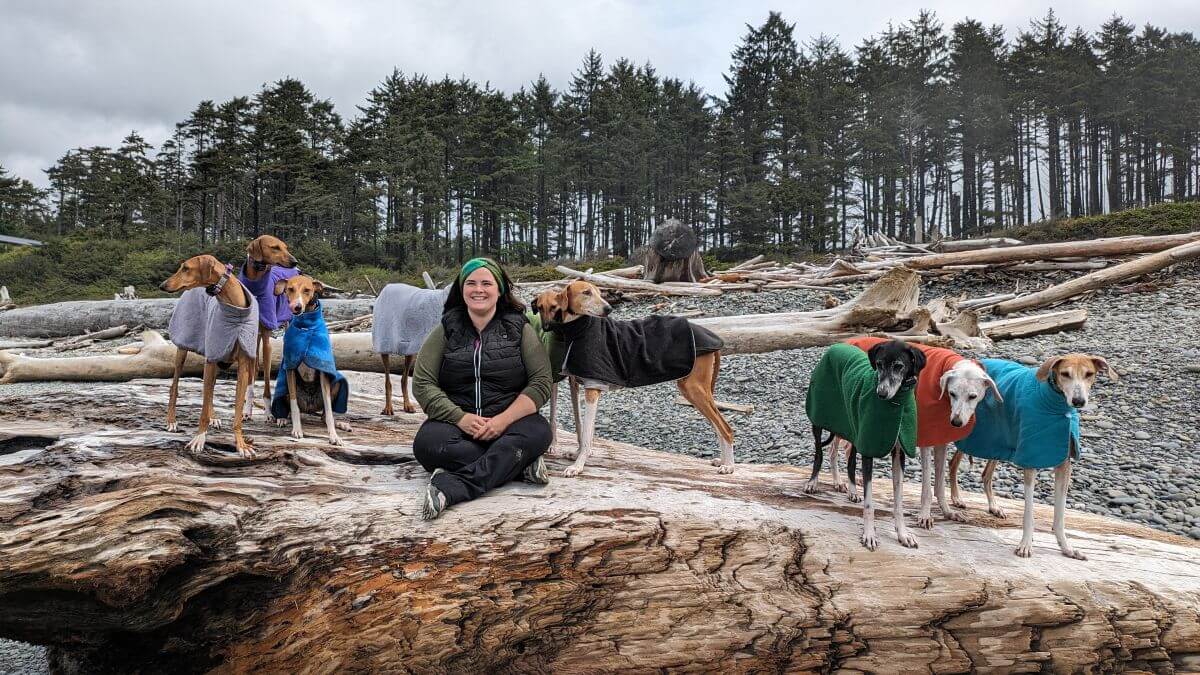
Kayley Paylor takes a closer look at Azawakh temperament, explaining key traits and how breed purpose shapes behavior.


American Kennel Club (AKC)
Daniel Smyth shares insights from judging at the 2025 AKC National Championship, reflecting on preparation, quality, and a standout year.

Meet the Breeders
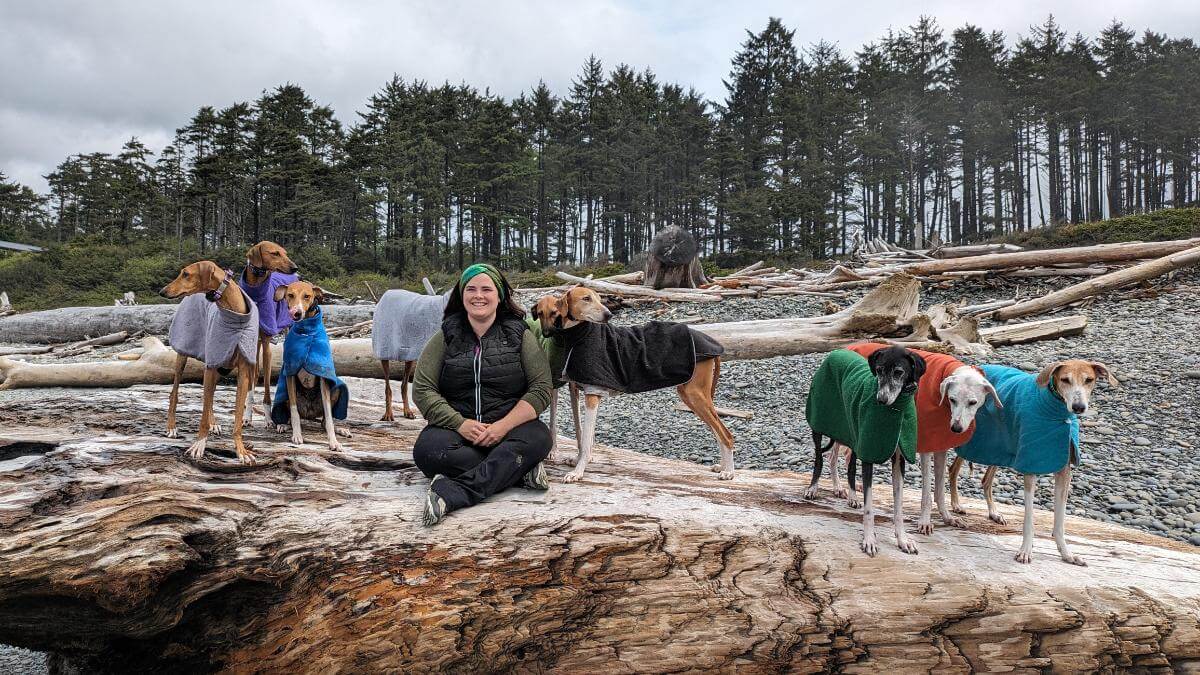
Kayley Paylor & Theresa Daykin of In Stride share their achievements and insights into breeding and promoting versatile Azawakhs.

Meet the Breeders
Lilia Berezkina of Ayur-es-Sahel shares her passion for Azawakhs, breeding philosophy, and preserving this rare sighthound breed.
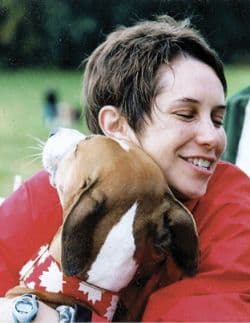
Discover the unique Azawakh, an African Sighthound shaped by nature and culture, known for its grace and loyalty.


Meet the Breeders
Discover Doug Koger’s journey in breeding Azawakh dogs, his passion for the breed, and insights on the dog show community.

Meet the Breeders
Lilia Berezkina is the breeder behind Ayur-es-Sahel Azawakh. Read about the kennel’s beginnings, the sires, the dams, the puppies, and more!
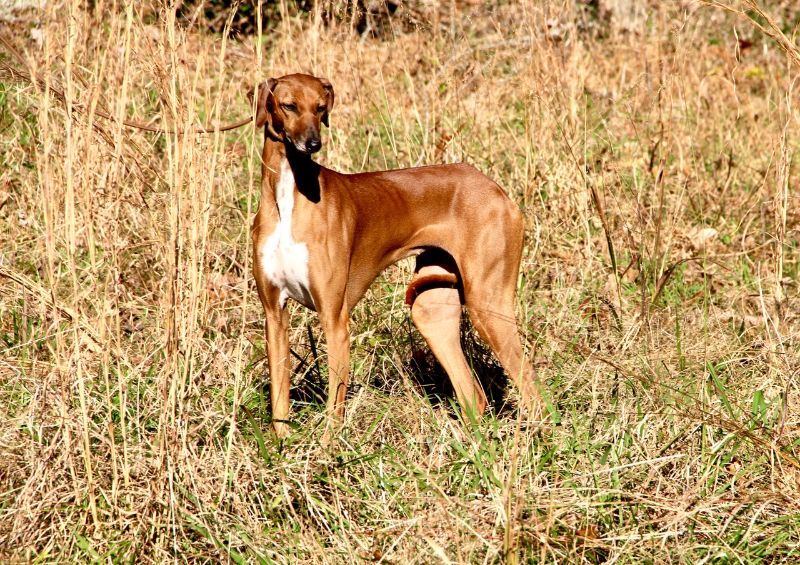
The Azawakh is known for its athleticism, intelligence, and independent nature. It is a sighthound native to the Sahel region of Africa.
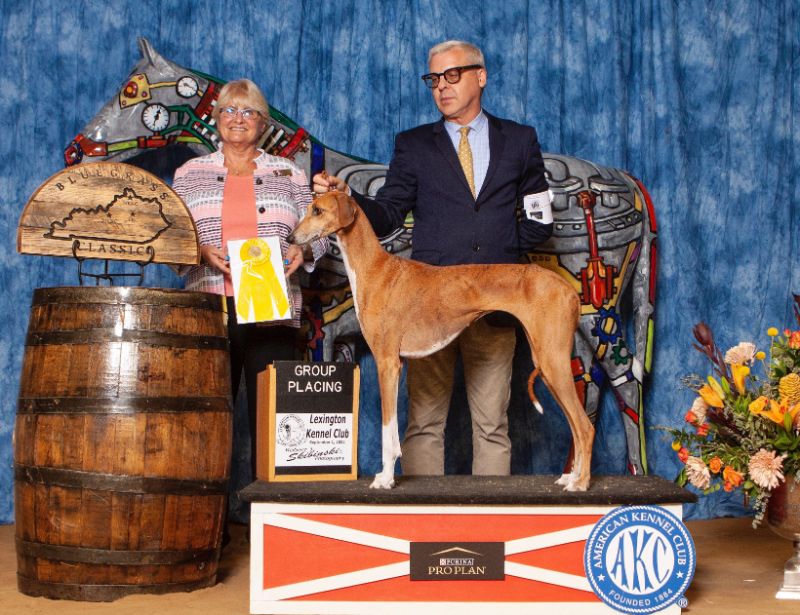

Meet the Breeders
Interview with Breeder/Owner Handler Doug Koger. Doug shares her experience in the world of purebred dogs and dog events.
The Azawakh's tail is another distinctive breed feature. Set low, the tail is slender and tapered, extending to the hock joint. In its natural state, it hangs with a slight upward curve towards the end, resembling a sickle shape. When the Azawakh is in motion or alert, the tail may rise but does not curl over the back. It is sparsely covered with short, fine hair, becoming only slightly bushier towards the tip.
Standard Markings
A Note About Color: Color is immaterial according to the AKC Standard; however, the FCI Standard allows only fawn, with or without brindling, and/or white patching that is limited to the extremities. White hairs may be present on the forechest, base of the neck and nape of the neck as a small spot, and as stockings on all four legs from the feet to the elbows and thighs. A white blaze is not desired, but a black mask may appear on a brindle-colored Azawakh.
Coat Type
Smooth
The structure of the coat this breed carries.
Coat Length
Short
How long the breed's coat grows when kept in condition.
Adaptability Level
How easily a breed copes with changes in home, routine, noise and weather.
Mental Stimulation Needs
How much a breed needs a job, a puzzle or training to stay content.
The Azawakh’s lean and athletic build necessitates a diet that can provide all the essential nutrients without contributing to unnecessary weight gain. It's essential to provide puppies with a diet specifically formulated for large breeds. Because they grow rapidly, Azawakh pups require food that supports their bone and muscle development. As they transition to adulthood, they need a balanced diet that caters to individual energy levels. Depending on an Azawakh’s weight, activity level, and age, the adult might consume between 2 and 3 cups of food daily. However, this can vary, and it's always best to consult with the dog's breeder and a veterinarian to determine the ideal amount. It's also worth noting that Azawakhs can have a fast metabolism. This means they can burn through calories quite rapidly, so it's important to monitor their overall condition regularly and adjust their food intake accordingly. And, in addition to providing regular meals, fresh drinking water should always be made available.
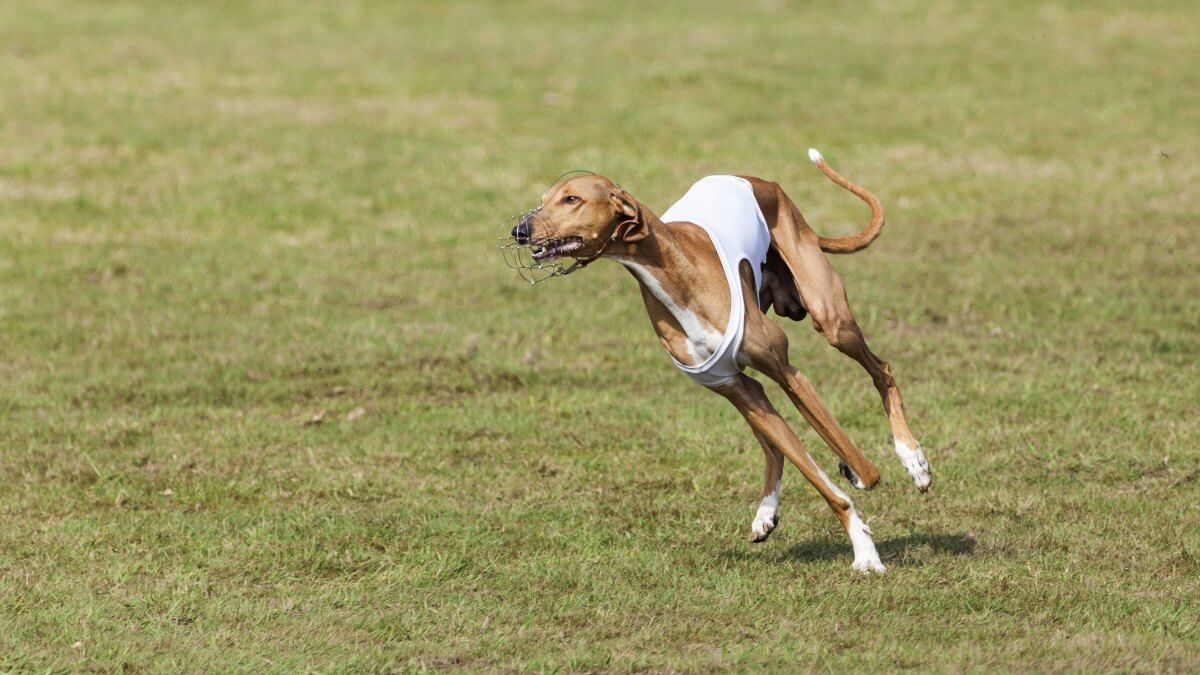
Training an Azawakh can be a challenging experience. These hounds are independent and intelligent, with an almost cat-like demeanor. This means that while they can pick up commands and cues quickly, they may choose to follow them on their own terms. Positive reinforcement, patience, and consistency are key, and harsh training methods are not recommended as they can damage the bond between dog and handler. Since Azawakhs have a strong prey drive and can be quite vocal, early training is needed to help moderate any tendency to bark excessively or give chase after smaller animals. Proper socialization and exposure to various people and different environments can help to ensure that the observant and mischievous Azawakh is a good neighbor as well as a loyal companion.
Grooming Expectations
The Azawakh’s coat sheds minimally, and a weekly brushing with a soft-bristle brush or grooming mitt will give the coat a healthy shine. However, since the coat is thin, these dogs can be more prone to cuts, scrapes, and irritations. It's important to regularly check the skin for abrasions or injuries that may require treatment. Baths are only required every couple of months or when the dog is particularly dirty, though it's important to use a mild dog shampoo to ensure the skin doesn't get irritated.