01/Overview
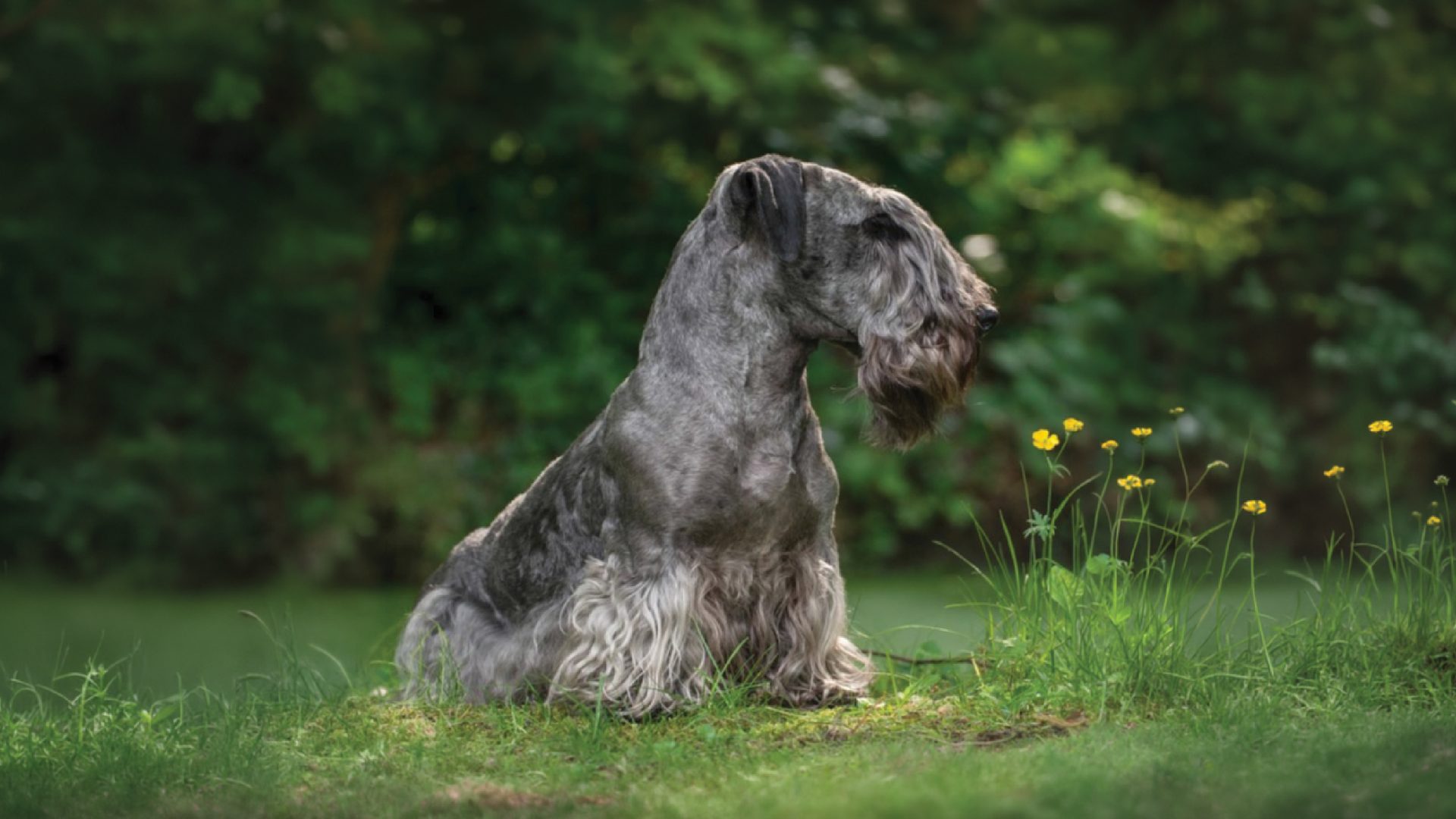
The Cesky Terrier is a small, sturdy, and adaptable breed known for its distinctive coat and furnishings, fine but firm in texture and slightly wavy. Originating in Czechoslovakia, this terrier was developed as a versatile hunting dog, capable of working in dense forests and rough terrain. Unlike many other terrier breeds, the Cesky is known for being more relaxed, less stubborn, and highly trainable, making it an excellent companion for families and hunters alike.
Highlights
02/History
The Cesky Terrier was developed in Czechoslovakia in 1948 by František Horák, a Czech geneticist, sportsman, and hunter. Horák aimed to create a versatile hunting terrier that was smaller, more cooperative, and better suited for working in densely wooded areas and burrows. He achieved this by crossbreeding the Scottish Terrier and the Sealyham Terrier, selecting for a longer body and soft coat, and an even temperament.
Initially bred for hunting small game such as foxes, badgers, and rabbits, the Cesky Terrier was designed to work in packs and be less aggressive than traditional terriers, making the breed more cooperative with other dogs. The soft, wavy coat was developed to repel dirt and protect the dogs in harsh environments, while their longer muzzle and well-developed chest enhanced their hunting abilities in those surroundings.
The breed gained recognition in Czechoslovakia in the 1960s and was later introduced to Western Europe and the United States. The American Kennel Club (AKC) officially recognized the Cesky Terrier in 2011, placing it in the Terrier Group. The breed is also recognized by the Fédération Cynologique Internationale (FCI) and The Royal Kennel Club (UK).
Despite its hunting origins, the Cesky Terrier has gained limited popularity as a family pet and show dog, thanks to its gentle disposition, adaptability, and unique appearance. Though still a rare breed, dedicated breeders and enthusiasts continue to promote and preserve its working abilities and companionable qualities.
03/Appearance
Male Cesky Terriers typically stand 11.5 inches tall at the withers, while females usually measure 10.5 inches tall. Weight is ideally between 13 to 22 pounds.
Skull: The Cesky Terrier has a long, slightly arched skull that is well-proportioned to its body, giving it a refined yet strong appearance.
Expression: Calm and intelligent, reflecting the breed’s gentle and friendly nature.
Eyes: Medium-sized, slightly deep-set, with a friendly and observant expression. Eye color ranges from light brown to dark brown, depending on the coat color.
Ears: Set moderately high, medium-sized, dropping to cover the ear opening, and lying close to the cheeks in a triangular shape with rounded tips.
Muzzle: Well-developed, slightly tapering but never pointed, providing strength for hunting game.
Nose: Well-pigmented and black in most dogs; however, chocolate-colored dogs may have a brown nose.
Bite: Scissor or level with strong, well-aligned teeth, crucial for the breed’s original function as a working terrier.
The Cesky Terrier has a low-set frame that is noticeably longer than it is tall. Despite the breed’s stature, strength of bone and well-developed muscles provide a balanced, lean, and athletic appearance. A deep chest and slightly arched loin contribute to the breed’s flexibility and endurance, essential for its original purpose as a hunting dog.
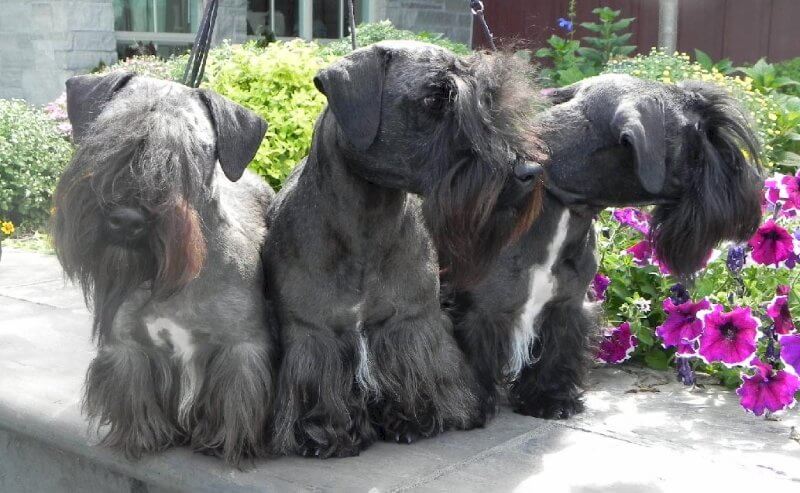
Texture: The Cesky Terrier has a soft, silky, and slightly wavy coat, with a fine yet firm texture that differs from that or other terriers. The coat is longer on the beard, legs, and underbelly, giving the breed its signature appearance. Unlike most terriers, the Cesky’s coat does not require stripping, but instead, is regularly trimmed with scissors or clippers to maintain the correct shape and function.
Standard Colors
Standard Markings
04/Consider
Welcoming a Cesky Terrier into the home requires understanding the breed’s moderate energy levels, grooming needs, and adaptable temperament. Unlike some other terriers, these dogs are less stubborn and more eager to please, making them easier to train. While affectionate and loyal, they thrive in homes where they receive regular interaction, exercise, and mental stimulation.
Interaction With Family
The level of affection a breed typically shows towards family members and familiar individuals.
Good With Other Dogs
The innate friendliness of a dog towards other dogs can depend on its breed.
Good With Young Children
The degree to which a breed will typically be patient with young children.
Amount Of Shedding
How much hair a breed typically leaves behind on clothes, furniture and floors.
Frequency Of Grooming
How often a breed needs brushing, bathing or a professional trim to stay in condition.
Amount Of Drooling
How prone a breed is to drool — worth knowing before you keep a towel by the door.
Openness To Strangers
How openly a breed tends to greet new people, visitors and strangers.
Protective Nature
How likely a breed is to alert you to — and stand between you and — anything unfamiliar.
Playfulness Level
How enthusiastic a breed stays about games and play well past puppyhood.
Trainability Level
How readily a breed takes direction and works with you rather than around you.
Barking Level
How much a breed uses its voice, and how readily.
Energy Level
How much get-up-and-go a breed brings to an average day.
Health
The Cesky Terrier is a generally healthy breed with a lifespan of 12 to 15 years. These dogs can be less prone to common disorders when compared to some other terriers, but responsible breeding, regular check-ups, and a well-balanced diet are necessary to ensure a long and healthy life for any dog.
The Cesky Terrier is gentle, affectionate, and highly adaptable, making it an excellent companion for families and individuals alike. Unlike other terrier breeds, these dogs are less stubborn and more cooperative, which makes training easier. They are loyal and form strong bonds with their families, thriving on human interaction, but they’re not overly demanding.
While generally friendly and social, Ceskys can be reserved with strangers, making them alert watchdogs without barking excessively. They get along well with other dogs, especially when socialized early, but their hunting instincts can make them less reliable around small pets. Their playful yet calm nature typically makes them well-suited for families with children.
Exercise Expectations
Ceskys can excel in dog sports such as Agility, Obedience, and Earthdog trials, which provide both physical and mental stimulation. While they enjoy outdoor adventures, they are also content relaxing indoors with their family, making them a well-balanced breed for most households.
Grooming Expectations
Cesky Terriers are adaptable and affectionate, making the breed a suitable option for a variety of living situations, including apartments and smaller homes with yards. These dogs thrive in close companionship with their caretakers; however, they do not do well when left alone for extended periods.
The Cesky’s calm indoor nature makes the breed easy to live with, but these dogs still need daily exercise and mental stimulation. Due to their hunting instincts, they should be supervised around small pets. With proper training and socialization, they make loyal, well-mannered companions for families, singles, and seniors alike.
05/Puppies
Raising a litter of Cesky Terrier puppies requires patience, consistency, and early socialization to help the little ones develop into well-mannered companions. These puppies are intelligent, affectionate, and playful, but they also have a curious and sometimes independent nature. Early exposure to varied environments, people, and other animals helps to shape their temperament and encourage confidence.
Proper socialization and training should begin as early as possible to prevent shyness and ensure the Cesky Terrier puppy grows into a confident adult. Introducing the pup to different sounds, experiences, and gentle handling will help with adjusting to household life.
The Cesky puppy requires a nutrient-rich diet suited for small to medium-sized breeds, divided into three to four meals per day to support steady growth. As the pup matures, it should be transitioned to two meals a day, with portion control to prevent excessive weight gain.
Basic training, including housebreaking, crate training, and obedience commands, should start early using positive reinforcement techniques. Providing safe chew toys helps with teething and prevents the establishment of any destructive behaviors. Regular grooming sessions should also begin early to get the puppy accustomed to brushing, ear cleaning, and nail trimming.
06/Activities
Agility: Cesky Terriers can perform well in Agility, maneuvering through obstacle courses with speed and precision.
Obedience: Their eagerness to please is well-suited for participating in Obedience Trials, where they showcase discipline and responsiveness.
Rally: This low-pressure activity combines elements of Obedience and general teamwork, allowing dogs to follow commands while moving through a predetermined course.
Earthdog Trials: As natural hunters, Ceskys enjoy Earthdog Trials, where they navigate underground tunnels in pursuit of hidden “prey.”
Scent Work: Their strong nose and problem-solving skills can make them excellent participants in Scent Work, searching for hidden scents in designated areas.
Tracking: Ceskys can excel in Tracking Trials, using their sense of smell to follow a trail over various terrain.
Fast CAT: Their moderate speed and prey drive are well-suited for Fast CAT, chasing a mechanical lure in a timed 100-yard dash.
Conformation: As a recognized breed by the AKC, Cesky Terriers can compete in Conformation dog shows, where judges evaluate them based on the Breed Standard.
Therapy Work: With their calm and affectionate nature, many Ceskys enjoy working as a Therapy Dog, providing emotional support in hospitals, nursing homes, and schools.
Gallery
07/Standards
The Cesky Terrier is recognized by the world’s leading registries and kennel organizations, which categorize the breed into a specific Group based on its unique characteristics. This breed is recognized worldwide under the following Group designations:
The ideal Cesky Terrier is described by a Breed Standard that is approved by each of the world’s leading registries and kennel organizations. The Standards for this breed may be found in the following links:
08/Clubs
American Cesky Terrier Fanciers Association: This is the official parent club for the breed in the United States, recognized by the American Kennel Club. The ACTFA supports responsible dog ownership and breed education, and its members organize Conformation, Companion, and Performance events.
The Cesky Terrier Club: The primary breed club in the United Kingdom, the members of this club tirelessly promote Cesky Terrier welfare, social and competitive events, and responsible breeding practices.
09/Rescue
The Cesky Terrier Club Welfare: This club facilitates the rescue and rehoming of Cesky Terriers across the United Kingdom, working to find suitable homes for dogs surrendered due to unforeseen circumstances.
If you are looking to find your Cesky Terrier, contacting breed-specific rescue organizations is a great way to provide a home for a dog in need.
10/Facts
A “Softer” Terrier
Unlike many terrier breeds, the Cesky Terrier was bred to be less stubborn and more sociable, making it one of the more adaptable terrier breeds.
Created by a Geneticist
The breed was developed in 1948 by František Horák, a Czech geneticist who carefully selected traits for hunting efficiency as well as for a calmer temperament.
A Rare Breed
The Cesky Terrier is considered one of the rarest of all dog breeds, with a small but dedicated following worldwide.
Developed for Pack Hunting
Unlike most terriers, Cesky Terriers were bred to hunt in packs, making them more social with other dogs than many terrier breeds.
11/FAQ
Cesky Terriers are low-shedding dogs, but their wavy coat requires regular trimming to maintain its shape and prevent matting.
Official Standard of the Cesky Terrier
General Appearance - The Cesky Terrier was developed to be a well-muscled, short legged and well-pigmented hunting terrier with natural drop ears and a natural tail. Correct coat and color are important. The Cesky is longer than it is tall and has a topline that rises slightly higher over the loin and rump. It sports a soft, silky coat in two color varieties, gray and coffee, the coffee color being extremely rare. The correct coat is clipped, not hand-stripped. The hallmarks of the breed should be unique unto itself with a lean body and graceful movement. They are reserved towards strangers, loyal to their owners, but ever keen and alert in their surroundings.
Size, Proportion Substance - Ideal Measurements - Height –The ideal Cesky should be 11½ inches at the withers for dogs, 10½ inches for bitches. Weight - ideally between 13 and 22 pounds, bitches weighing slightly less. Length - The length of the body, measured from sternum to buttocks should be in a ratio of approximately 1½ (Length) to 1 (Height). The overall balance is more important than any single specification.
Head - About 7 to 8 inches long, 3 to 4 inches wide and shaped like a long, blunt wedge. The plane of the forehead forms a slight but definite stop. The breadth between the ears is slightly larger for a dog than a bitch. The head should join the neck smoothly. Eyes - Almond shaped of medium size. Slightly deep set. The color is brown or dark brown; the color being lighter in coffee-colored dogs. Ears - Medium size, dropping in such a way to well cover the orifice. Ears are set rather high, the fold not to protrude over the top of the skull, with forward edge lying close to the cheek. Shaped like a triangle, with the shorter side of the triangle at the fold of the ear, that is longer than wide. Skull – Occipital protuberance easy to palpate, cheek bones moderately prominent. Frontal furrow only slightly marked. A shallow indentation running down the brows, and joining the muzzle with a moderate stop. Muzzle - Nasal bridge straight. Narrow foreface undesirable. Nose dark and well developed. The color is black in gray dogs, liver in coffee colored dogs. Teeth set square in a strong jaw, sound and regular, and of good size and full dentition. Either scissor or level bite is acceptable.
Neck, Topline and Body - Neck – Well muscled and strong. Medium-long, carried in a slight arch. Set firmly on the shoulders. Topline –A slight rise over the loin and rump. In profile, the highest point of the topline past the withers should be at the rump (not a roached back). Body – Fully muscled, longer than high. Withers not very pronounced with the neck set rather high. Rump is strongly developed, muscular; pelvis moderately slanting with the hip bones, slightly higher than the withers. Flanks should be well fitted with an ample but slightly tucked up belly. The chest should be cylindrical with well sprung ribs. The loins should be relatively long, muscular, broad and slightly rounded. Tail – The ideal length is 7 to 8 inches, set following the line of the rump. Tail may be carried downward, or with a slight bend at tip; or carried saber shaped horizontally or higher. All of these tail carriages are considered correct with none having preference over the other. A tail carried over the back almost touching the back, a gay or squirrel tail, reflects an incorrect tail set and is incorrect for the breed.
Forequarters - The shoulders should be muscular, well laid back and powerful. The elbows should fit closely to the sides; somewhat loose, neither turned in nor out. The forelegs should be short, straight, well boned and parallel. Dewclaws may be present. Forefeet should be large, with well-arched toes, strong nails and well-developed pads.
Hindquarters - Hind legs should be strong, well-muscled with strong and well developed hocks that are well let down and parallel to each other. The hind feet should be smaller than the forefeet but have well arched toes, strong nails and be well padded. The thighs are longer in proportion to the lower leg with stifle well bent.
Coat - Furnishings long, fine but firm, slightly wavy with a silky gloss; not too much overdone. The Cesky Terrier is groomed with scissors or by clipping. At the forepart of the head the hair is not to be clipped, thus forming a fall and beard. On the lower parts of the legs, under the chest and belly the hair should not be clipped either. In show condition the hair at the upper side of the neck, on the shoulders and on the back should not be longer than ½ inch; it should be shorter on the sides of the body and on the tail; and quite short on the ears, cheeks, at the lower side of the neck, on elbows, thighs and round the vent.
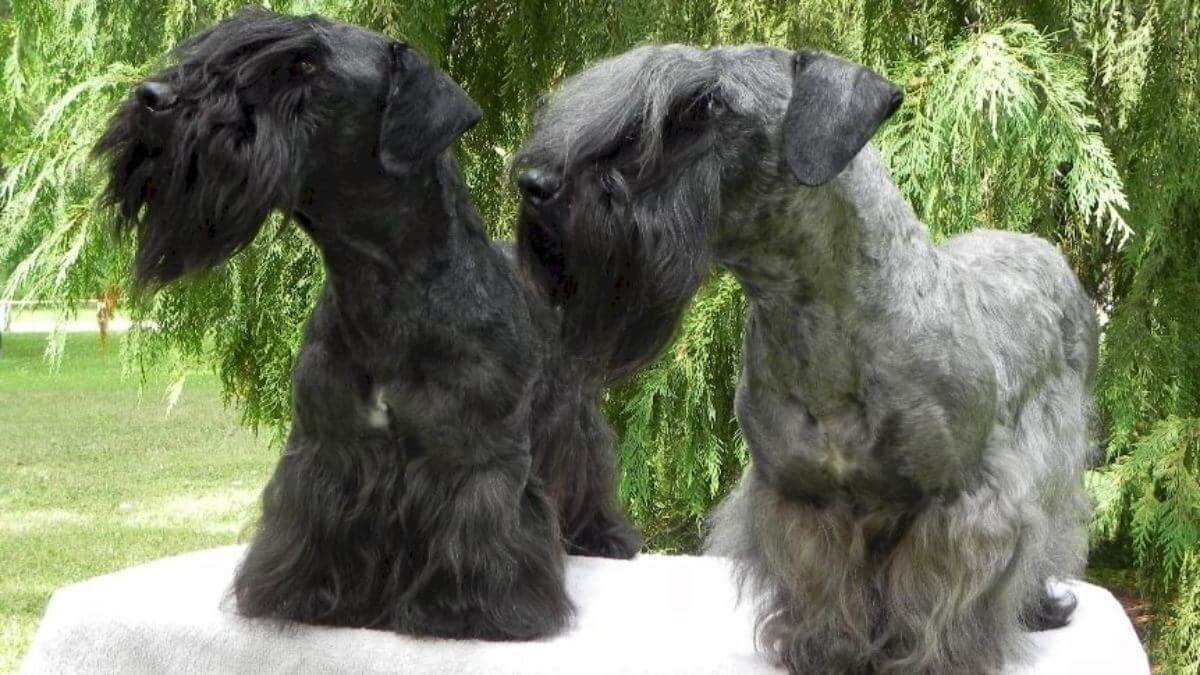
Color - All puppies are born black, or chocolate brown. In the mature dog, the correct color is any fairly uniform shade of gray ranging from charcoal to platinum gray, or light coffee. Darker pigment may appear on the head, ears, feet and tail. White, brown and yellow markings are permitted on the beard, cheeks, neck, chest, limbs, and around the vent. A white collar or white tip on the tail is permitted. The base color must always be predominant. A brindled or reverse brindled coat is permitted in a dog up to 2 years of age. Disqualifications - White markings covering more than 20 percent of the body; white blaze on the head; brindled or reverse brindled coat in dog over age 2.
Gait - The action should be free and even, with good reach in both the front and back, covering the ground effortlessly. This is a working terrier, which must have agility, freedom of movement and endurance to work.
Temperament - Balanced, non-aggressive, pleasant and cheerful companion, easy to train; somewhat reserved towards strangers; of calm and kind disposition. Not to be sparred in the show ring.
Faults - Any departure from the foregoing points should be considered a fault, and the seriousness with which the fault should be regarded should be in exact proportion to its degree, and its effect upon the health and welfare of the dog.
Disqualifications
A dog age 2 or older with a brindled or reverse brindled coat color.
White markings covering more than 20 percent of the body; white blaze on the head.
Approved November 14, 2017
Effective January 1, 2018
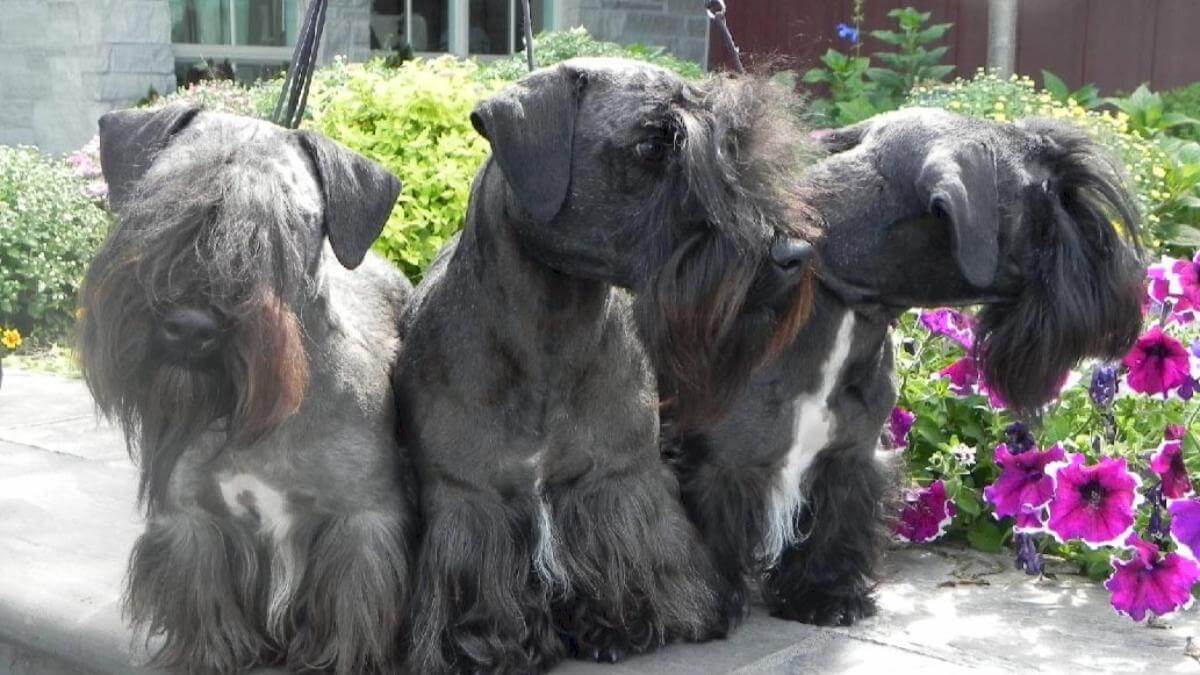

Discover the elegant, muscular Cesky Terrier – its unique topline, coat, and temperament make it a standout among terriers.
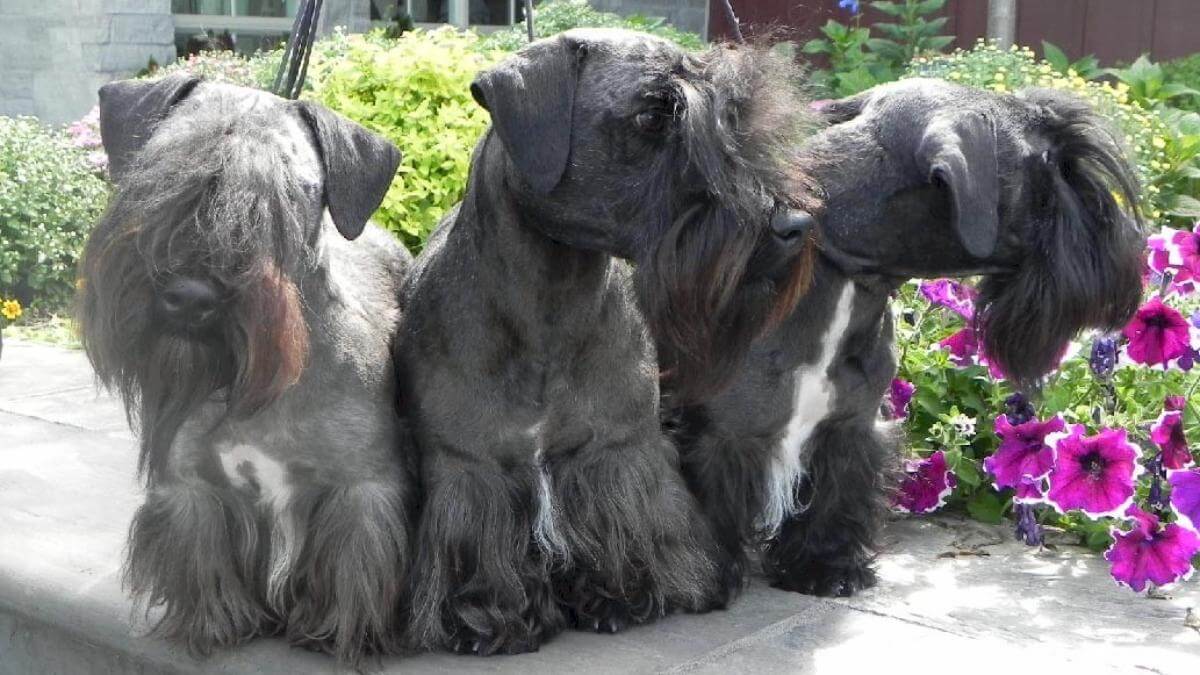
A guide to understanding Cesky Terrier standards, including their size, temperament, and unique traits for accurate judging.
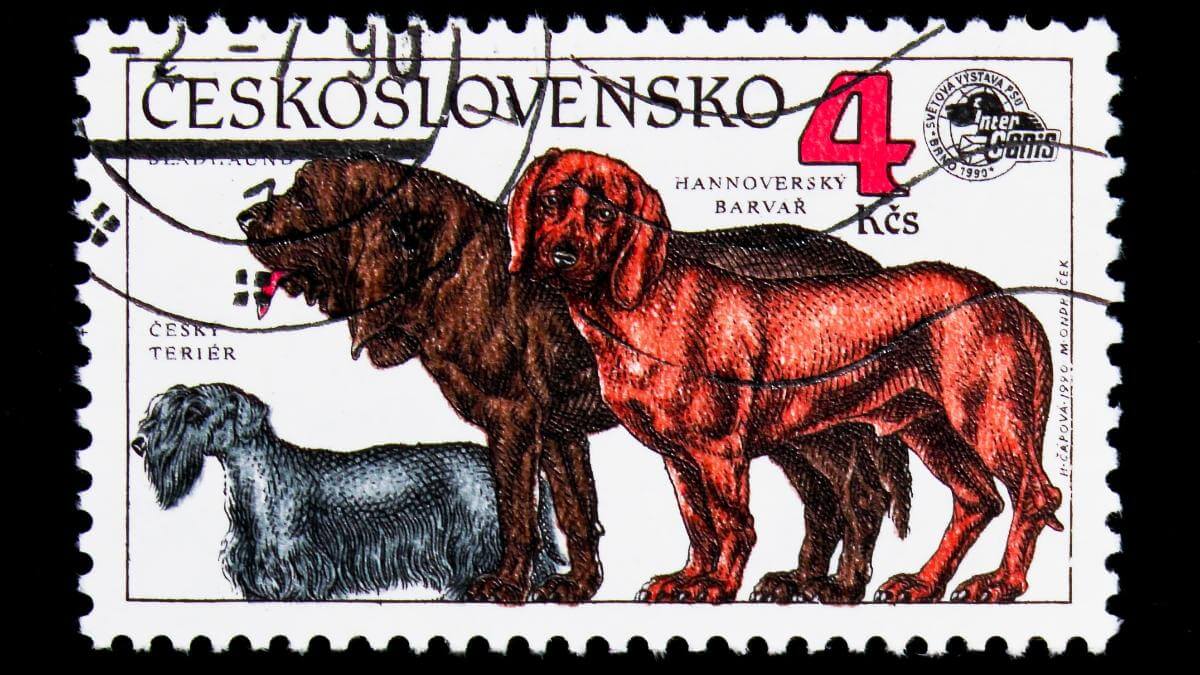
The Cesky Terrier was bred for hunting and companionship, combining strength, agility, and a loving, family-friendly nature.
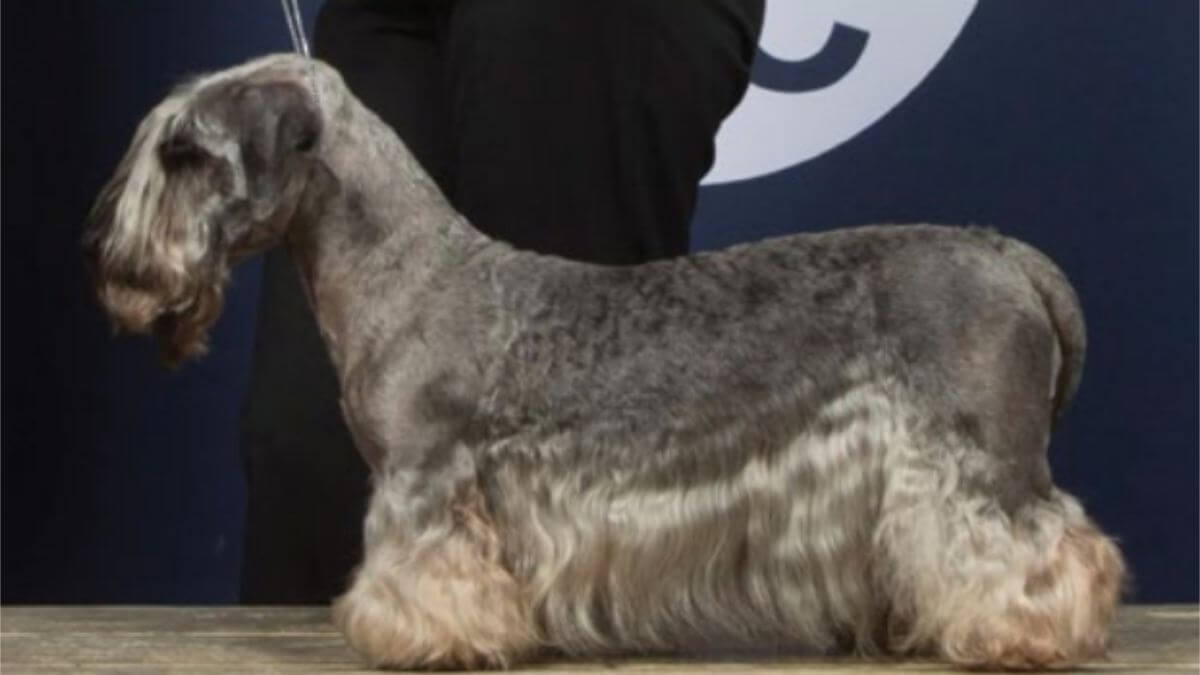

Discover the origins of the Cesky Terrier: Frantisek Horak’s journey in breeding the perfect working dog from Scotties and Sealies.
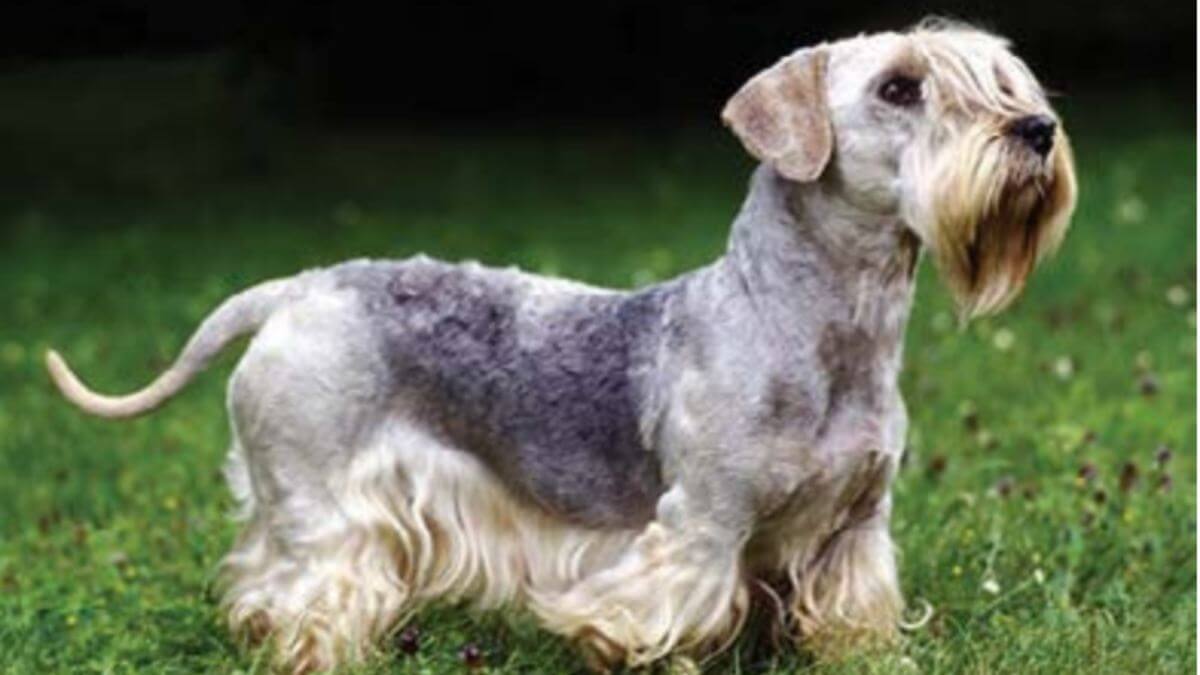
Explore the Cesky Terrier: a loyal, and non-aggressive breed, ideal for hunting and companionship. Learn about their coat and temperament.
All About Judging
Judging the Cesky Terrier: Unique in color and conformation, this agile breed combines hunting prowess with distinctive AKC recognition.
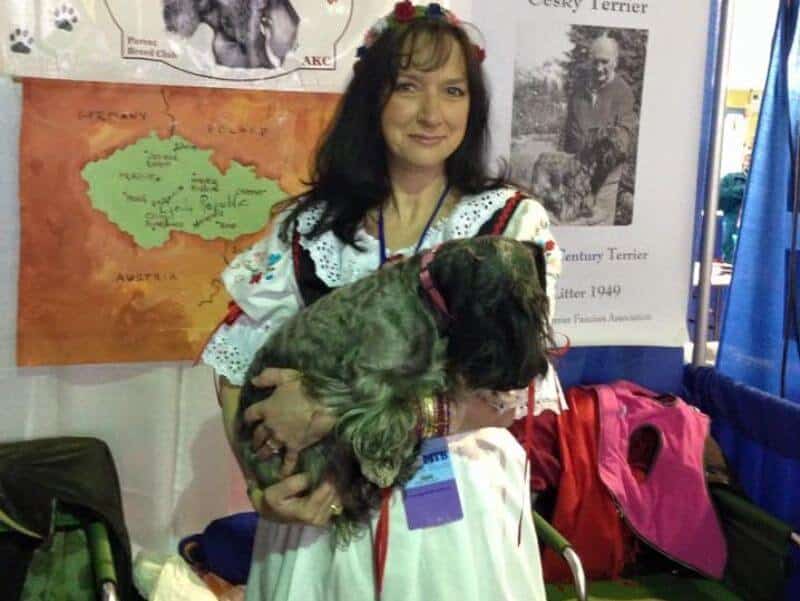

Meet the Breeders
Julie Gritten is the breeder behind Julerr Cesky Terriers. Read about kennel’s beginnings, champion dogs, puppies, photos & more!
Meet the Judges
Insights from the 2022 MCKC Breed Judge Dann Wilson. Read about the judge’s opinions on various topics regarding the show.
Meet the Breeders
Julie Gritten is the breeder behind Julerr Cesky Terriers. Read about kennel’s beginnings, champion dogs, puppies, photos & more!
The Cesky Terrier’s tail measures approximately 7 to 8 inches in length. It is never docked. The tail may be carried downward, or with a slight bend at the tip, or carried saber-shaped horizontally or higher. Unlike some terriers, the Cesky’s tail should never be carried over (and almost touching) the back. A gay or squirrel tail reflects an incorrect tail set and is incorrect for the breed.
A Note About Color: All puppies are born black, or chocolate brown. Correct color in a mature dog is any fairly uniform shade of gray, ranging from charcoal to platinum gray, or light coffee. Darker pigment may appear on the head, ears, feet, and tail. White, brown, or yellow markings are permitted on the beard, cheeks, neck, chest, limbs, and around the vent. A brindled or reverse brindled coat is permitted, but only in a dog up to two years of age. A white collar or a white tip on the tail is permitted; however, the base color must always be predominant. Disqualifications in the show ring include: white markings covering more than 20 percent of the body; a white blaze on the head; and brindled or reverse brindled coat on a dog over the age of two.
Coat Type
Wavy, Silky
The structure of the coat this breed carries.
Coat Length
Medium
How long the breed's coat grows when kept in condition.
Adaptability Level
How easily a breed copes with changes in home, routine, noise and weather.
Mental Stimulation Needs
How much a breed needs a job, a puzzle or training to stay content.
A nutrient-rich, well-balanced diet is essential for maintaining the Cesky Terrier’s muscular build and overall health. This breed generally does well on high-quality dry, wet, or raw diets that are rich in protein and healthy fats.
Puppies require three to four small meals per day for proper growth and development. As they mature, they can be transitioned to two meals per day, with portion sizes adjusted based on age, metabolism, and activity level. Most adult Ceskys need .75 to 1.5 cups of high-quality dry food per day, divided into two meals. Due to the breed’s tendency to gain weight, treats should be given in moderation, and meal portions should be carefully managed.
Cesky Terriers are intelligent, eager to please, and easier to train than most terrier breeds. They respond best to positive reinforcement techniques, including treats, praise, and interactive play. Their sensitive nature means that harsh corrections can discourage them. Gentle but firm guidance is recommended.
Early socialization and obedience training help to prevent shyness around strangers and encourage a well-mannered companion. While the Cesky has a natural prey drive, these dogs are less impulsive than other terriers, making them more reliable off-leash with proper recall training. Their intelligence makes them excellent candidates for Obedience, Agility, and scent-based sports that provide both mental and physical stimulation.
A weekly brushing routine helps to control tangles and keeps the coat looking neat and in good condition. Ears should be cleaned regularly, and nails trimmed to prevent overgrowth. Regular dental care is also essential to maintain oral health. While Ceskys are considered low-shedding, their coat does require consistent maintenance to look its best.