Members
01/Overview
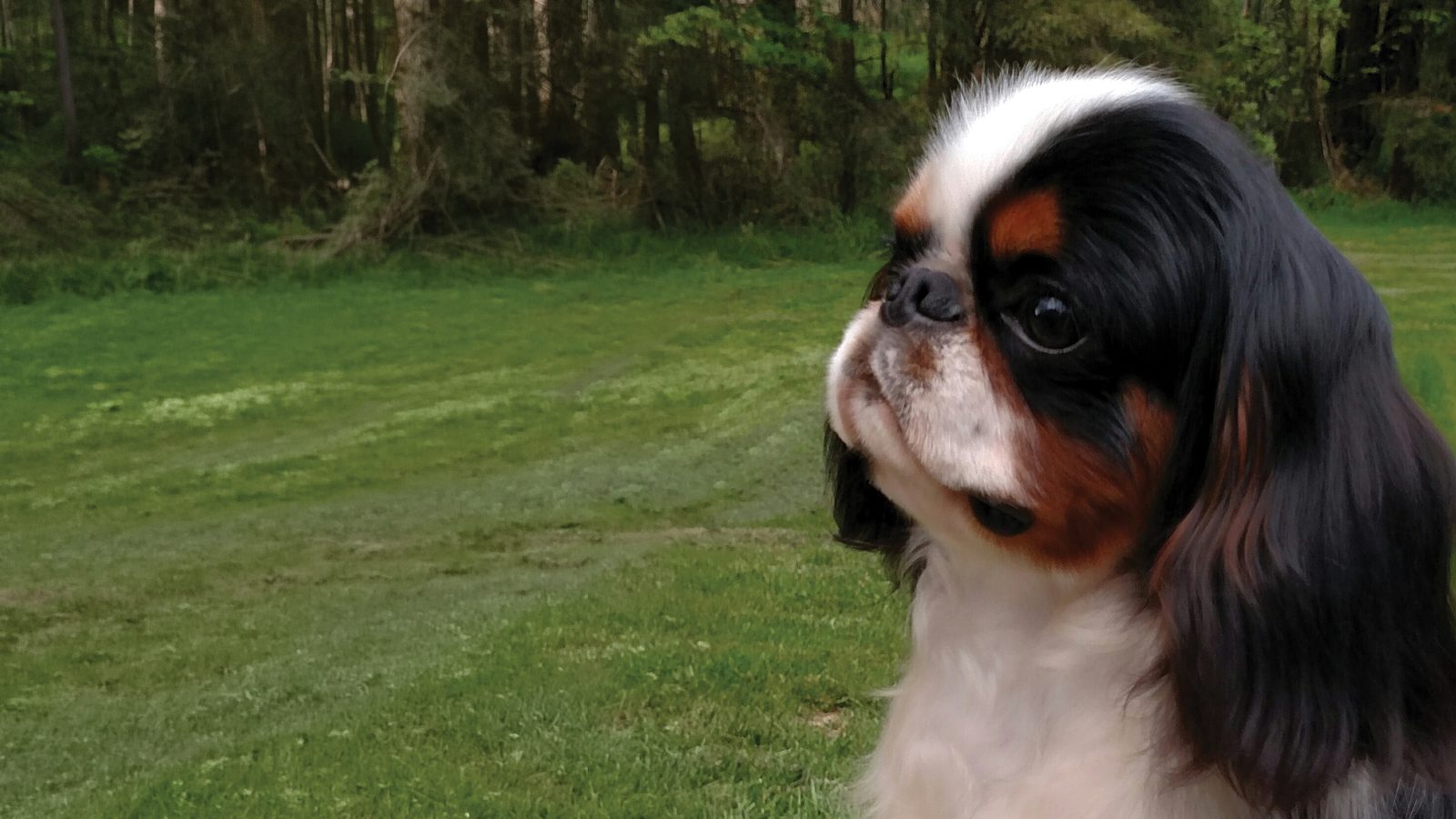
The English Toy Spaniel is a small, elegant companion breed known for its domed head, large dark eyes, short muzzle, silky coat, and gentle expression. The breed is affectionate, intelligent, sensitive, and usually closely attached to its family.
Also known in the United Kingdom as the King Charles Spaniel, the breed comes in four traditional color varieties: Blenheim, Prince Charles, King Charles, and Ruby.
Highlights
02/History
The English Toy Spaniel has a long history as a companion dog associated with European royalty and the aristocracy. Small spaniels of this general type appeared in paintings and written accounts for centuries, particularly in England.
The breed became closely associated with King Charles II during the seventeenth century. Charles was famously devoted to his small spaniels, and the dogs became strongly linked with the royal court, and ultimately, with his name.
Early toy spaniels had longer muzzles and a somewhat different head shape than the modern English Toy Spaniel. During the nineteenth century, breeders increasingly favored dogs with a more rounded skull, shorter muzzle, and larger eyes, creating the distinctive appearance recognized today.
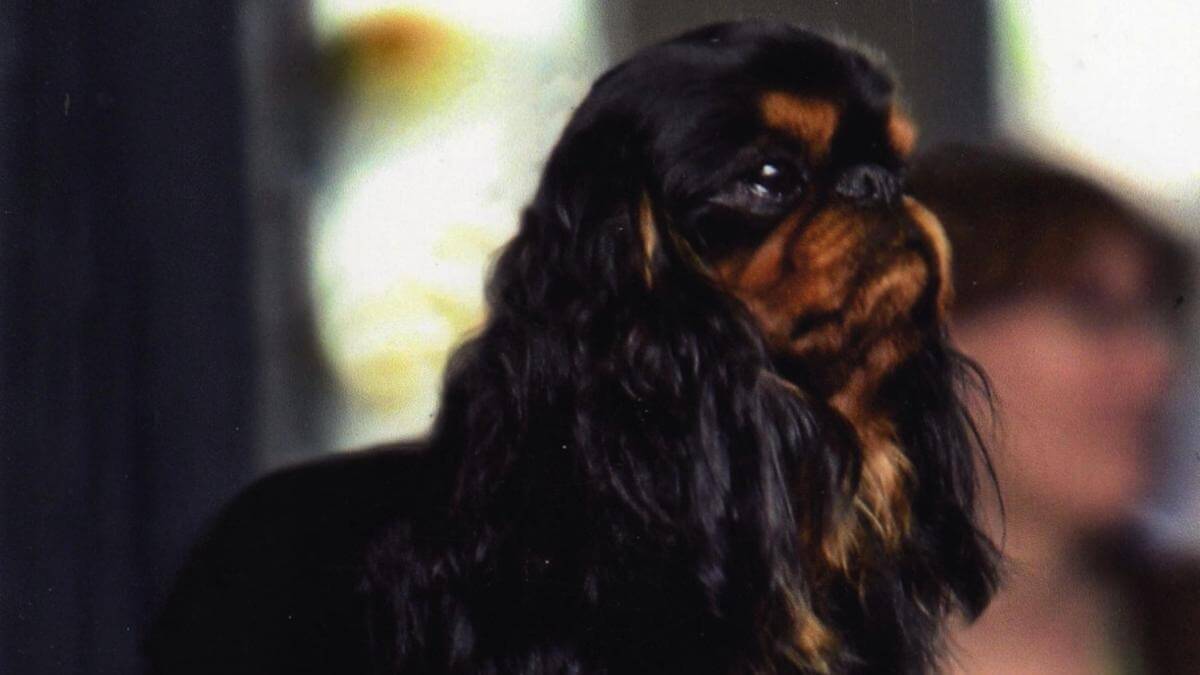
Several color varieties developed within the breed. The black-and-tan dogs became known as King Charles, the tricolors as Prince Charles, the red-and-white dogs as Blenheim, and the solid red dogs as Ruby.
The Blenheim variety takes its name from Blenheim Palace, the ancestral home of the Dukes of Marlborough, where red-and-white toy spaniels were bred for generations.
The breed became established in the United States during the nineteenth century. The American Kennel Club recognized the English Toy Spaniel in 1886 and placed the breed in the Toy Group.
The English Toy Spaniel Club of America serves as the breed’s AKC parent club. In the United Kingdom, the breed is known as the King Charles Spaniel and is recognized separately from the Cavalier King Charles Spaniel.
03/Appearance
A mature English Toy Spaniel stands approximately 9 to 10 inches tall at the withers and typically weighs between 8 and 14 pounds.
Skull: The English Toy Spaniel has a large, well-domed skull that is broad in proportion to the body. The head is one of the breed’s most distinctive features and should appear rounded without coarseness.
Expression: The expression is gentle, soft, and appealing, with a dignified and slightly solemn appearance.
Eyes: The eyes are large, dark, round, and set well apart. They should be expressive and prominent without appearing harsh.
Ears: The ears are very long, set low, and heavily feathered. They hang close to the cheeks and contribute strongly to the breed’s characteristic head shape.
Muzzle: The muzzle is very short, broad, and well cushioned, with the nose set high between the eyes.
Nose: The nose is black, short, and broad, with open nostrils.
Bite: The English Toy Spaniel has a slightly undershot bite, with the lower jaw broad and well developed.
The English Toy Spaniel is a compact, square-proportioned Toy breed with a short body and a sturdy build for its size. The overall appearance should be balanced, refined, and substantial without looking coarse or heavy.
The chest is broad and deep, the back is short and level, and the body is well ribbed. Bone is moderate and appropriate for a small companion breed, giving the dog a cobby, compact, and well-balanced outline.
Texture: The English Toy Spaniel has a heavily fringed silky coat with feathering on the ears, chest, legs, and tail. The coat should be straight or only slightly wavy and should not appear curly or woolly.
Standard Colors
Standard Markings
04/Consider
The English Toy Spaniel is affectionate, gentle, sensitive, and closely attached to its family. Anyone considering the breed should be prepared for regular companionship, thoughtful training, moderate exercise, regular coat and dental care, and attention to eye and heart health.
Interaction With Family
The level of affection a breed typically shows towards family members and familiar individuals.
Good With Other Dogs
The innate friendliness of a dog towards other dogs can depend on its breed.
Good With Young Children
The degree to which a breed will typically be patient with young children.
Amount Of Shedding
How much hair a breed typically leaves behind on clothes, furniture and floors.
Frequency Of Grooming
How often a breed needs brushing, bathing or a professional trim to stay in condition.
Amount Of Drooling
How prone a breed is to drool, worth knowing before you keep a towel by the door.
Openness To Strangers
How openly a breed tends to greet new people, visitors and strangers.
Protective Nature
How likely a breed is to alert you to anything unfamiliar, and stand between you and it.
Playfulness Level
How enthusiastic a breed stays about games and play well past puppyhood.
Trainability Level
How readily a breed takes direction and works with you rather than around you.
Barking Level
How much a breed uses its voice, and how readily.
Energy Level
How much get-up-and-go a breed brings to an average day.
Health
The English Toy Spaniel is generally a healthy breed with a typical lifespan of 10 to 12 years. Preventive veterinary care, balanced nutrition, regular exercise, dental care, and maintenance of a healthy weight can help support long-term health.
The English Toy Spaniel is affectionate, gentle, sensitive, and typically very devoted to its family. The breed often prefers staying close to familiar people and may form especially strong bonds within the household.
English Toys are usually calm indoors but can still be playful and curious. Some may be reserved with unfamiliar people, so early socialization can help this breed become more comfortable with visitors, other dogs, and new environments.
Because the breed is sensitive, patient handling and positive reinforcement generally work best. Harsh corrections can make an English Toy Spaniel timid or reluctant to engage.
Exercise Expectations
A healthy adult generally benefits from about 20 to 40 minutes of activity each day, divided into shorter sessions. Gentle games, trick training, and relaxed exploration can provide additional mental stimulation. Because of the breed’s short muzzle, exercise should be moderated in hot or humid weather. Activity should also be adjusted to the dog’s age, fitness level, and breathing comfort.
Grooming Expectations
The English Toy Spaniel is well suited to apartment or house living because of its small size and moderate exercise needs. The breed generally prefers living indoors and staying close to its family.
English Toys often do best in calm households where they receive regular companionship and gentle handling. Their small size and sensitive nature mean interactions with young children or much larger dogs should be supervised carefully.
The breed usually thrives with people who appreciate a quiet, affectionate, and devoted companion. Consistent routines, regular interaction, moderate exercise, and proper coat care help the English Toy Spaniel settle comfortably into family life.
05/Puppies
English Toy Spaniel puppies are affectionate, gentle, curious, and usually quick to form close bonds with their families. They benefit from early socialization, consistent routines, patient training, and careful handling from an early age.
An English Toy Spaniel puppy should have a predictable daily schedule that includes regular meals, potty breaks, naps, play, training, and quiet time. A crate or secure puppy area can provide a safe place to rest and can also support housetraining.
Early socialization should introduce the puppy to different people, well-mannered dogs, household sounds, surfaces, vehicles, and unfamiliar environments. These experiences should remain positive and appropriate for the puppy’s age.
Training can begin as soon as the puppy arrives home. Short sessions can focus on name response, recall, leash walking, house training, basic manners, and calm behavior around visitors. Because the breed is sensitive, patient and reward-based methods are generally the most effective.
A puppy should receive a complete and balanced diet formulated for growth. Young puppies generally do best with several small meals throughout the day before gradually transitioning to an adult feeding schedule.
Exercise should include supervised play, short walks, and gentle exploration rather than strenuous activity. Care should be taken in hot or humid weather because the breed’s short muzzle can make overheating more likely.
Regular veterinary visits are important during the first year. Grooming routines such as brushing, nail trimming, ear checks, facial cleaning, and tooth brushing should also begin early so that the puppy becomes comfortable with regular handling.
06/Activities
English Toy Spaniels are intelligent, responsive, and gentle dogs that can enjoy activities combining movement, focus, and close cooperation with a handler. Here are some of the dog sports and activities in which English Toy Spaniels may participate:
Obedience: English Toy Spaniels can demonstrate focus, responsiveness, and reliable performance with a handler.
Rally: Rally Obedience combines obedience exercises with movement through a designated course and can provide both mental and physical stimulation.
Agility: Some English Toy Spaniels may enjoy appropriately sized agility obstacles that encourage balance, coordination, and confidence.
Scent Work: The breed can use its sense of smell to locate specific odors hidden in containers, indoor spaces, outdoor areas, or vehicles.
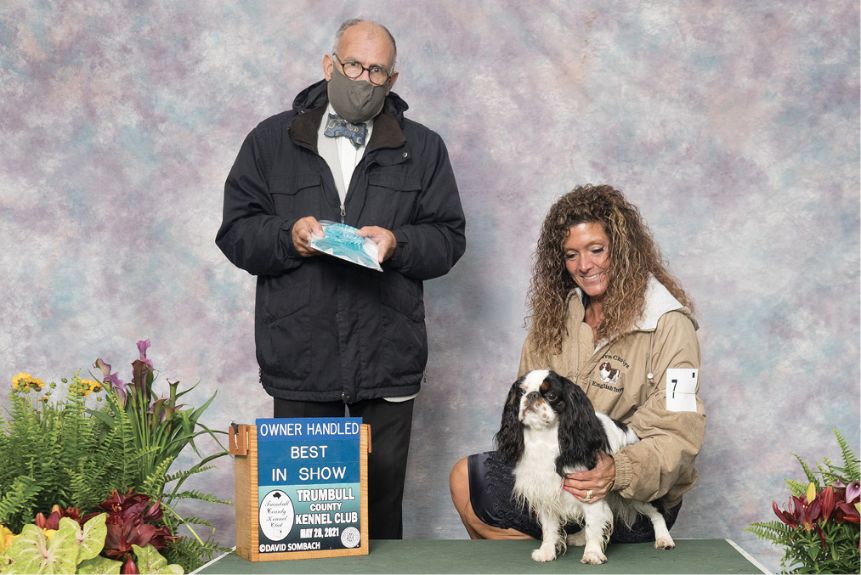
Conformation Shows: English Toy Spaniels compete in Conformation Shows, where judges evaluate each dog according to the Breed Standard, including structure, movement, coat, expression, temperament, and overall type.
Trick Dog: Trick training provides mental stimulation and gives the English Toy Spaniel an enjoyable way to use its intelligence and responsiveness.
Therapy Work: A calm, friendly, and well-socialized English Toy Spaniel may participate in therapy visits to hospitals, schools, assisted living facilities, and other settings.
Canine Good Citizen: English Toy Spaniels may participate in programs that evaluate everyday manners, social behavior, and reliability around people and other dogs.
Gallery
07/Standards
The English Toy Spaniel is recognized by the world’s leading registries and kennel organizations, which categorize the breed into a specific Group based on its unique characteristics. This breed is recognized worldwide under the following Group designations:
The ideal English Toy Spaniel is described by a Breed Standard that is approved by each of the world’s leading registries and kennel organizations. The Standards for this breed may be found in the following links:
08/Clubs
English Toy Spaniel clubs support breed education, responsible breeding, health initiatives, Conformation shows, Performance events, and adherence to the Breed Standard.
English Toy Spaniel Club of America: Organized around 1903, this is the national breed club for the English Toy Spaniel in the United States and the breed’s AKC parent club.
King Charles Spaniel Club: Founded in 1885, the breed club in the United Kingdom is dedicated to promoting and preserving the King Charles Spaniel, the name used for the English Toy Spaniel in the UK.
09/Rescue
Breed-specific rescue organizations help English Toy Spaniels that have been surrendered, abandoned, or need rehoming. These groups may provide foster care, veterinary treatment, behavioral evaluation, and placement with an appropriate adoptive family.
English Toy Spaniel Club of America Rescue Resources: The AKC parent club can provide rescue contacts, referrals, or guidance for English Toy Spaniels needing placement in the United States.
King Charles Spaniel Club Rescue Resources: Breed organizations in the United Kingdom may provide guidance or contacts for King Charles Spaniels needing rescue or rehoming.
Because the English Toy Spaniel is relatively uncommon, dogs available through dedicated rescue programs may be limited. Local shelters, toy breed rescue organizations, spaniel rescue groups, and national adoption databases can provide additional options for finding an English Toy Spaniel in need of a new home.
10/Facts
Known as the King Charles Spaniel in the UK
The English Toy Spaniel is called the King Charles Spaniel in the United Kingdom.
Closely Associated with King Charles II
The breed became strongly linked with King Charles II of England, who was famously devoted to small spaniels.
Four Traditional Color Varieties
The breed’s traditional varieties are Blenheim, Prince Charles, King Charles, and Ruby.
The Blenheim Name Comes from Blenheim Palace
The red-and-white variety takes its name from Blenheim Palace, where toy spaniels of this coloration were bred for generations.
11/FAQ
English Toy Spaniels can make excellent pets for people who want a gentle, affectionate, and devoted companion. They usually do best with regular companionship, calm handling, and a predictable routine.

Written by
Dan Sayers is the Executive Editor of SHOWSIGHT. He is a member of the World Dog Press Association and the Dog Writers Association of America, which recognized his illustrations in the award-winning Encyclopedia of K-9 Terminology. Dan is a longtime supporter of the sport of dogs and an advocate for the conservation of recognized breeds in all their forms and functions. He is a member of the Morris and Essex Kennel Club, and for 45 years, the Irish Water Spaniel Club of America where he serves as AKC Delegate, Archivist, and approved Breed Mentor. Dan breeds under the Quiet Storm prefix and has judged the IWSCA National Specialty Sweepstakes twice.
Official Standard of the English Toy Spaniel
General Appearance: The English Toy Spaniel is a compact, cobby and essentially square toy dog possessed of a short-nosed, domed head, a merry and affectionate demeanor and a silky, flowing coat. His compact, sturdy body and charming temperament, together with his rounded head, lustrous dark eye, and well cushioned face, proclaim him a dog of distinction and character. The important characteristics of the breed are exemplified by the head.
Size, Proportion, Substance: Size - The most desirable weight of an adult is eight to fourteen pounds. General symmetry and substance are more important than the actual weight; however, all other things being equal, the smaller sized dog is to be preferred. Proportion - Compact and essentially square in shape, built on cobby lines. Substance - Sturdy of frame, solidly constructed.
Head: Head large in comparison to size, with a plush, chubby look, albeit with a degree of refinement which prevents it from being coarse. Expression - Soft and appealing, indicating an intelligent nature. Eyes - Large and very dark brown or black, set squarely on line with the nose, with little or no white showing. The eye rims should be black. Ears - Very long and set low and close to the head, fringed with heavy feathering. Skull - High and well domed; from the side, curves as far out over the eyes as possible. Stop - Deep and well-defined. Muzzle - Very short, with the nose well laid back and with well developed cushioning under the eyes. Jaw - Square, broad, and deep, and well turned up, with lips properly meeting to give a finished appearance. Nose - Large and jet black in color, with large, wide open nostrils. Bite - Slightly undershot; teeth not to show. A wry mouth should be penalized; a hanging tongue is extremely objectionable.
Neck, Topline, Body: Neck - Moderate in length; nicely arched. Topline - Level. Body - Short, compact, square and deep, on cobby lines, with a broad back. Sturdy of frame, with good rib and deep brisket.
Tail: The tail is docked to two to four inches in length and carried at or just slightly above the level of the back. The set of the tail is at the back's level. Many are born with a shorter or screw tail which is acceptable. The feather on the tail should be silky and from three to four inches in length, constituting a marked "flag" of a square shape. The tail and its carriage is an index of the breed's attitude and character.
Forequarters: Shoulders well laid back; legs well boned and strong, dropping straight down from the elbow; strong in pastern. Feet, front and rear, are neat and compact; fused toes are often seen and are acceptable.
Hindquarters: Rear legs are well muscled and nicely angulated to indicate strength, and parallel of hock.
Coat: Profusely coated, heavy fringing on the ears, body, and on the chest, and with flowing feathering on both the front and hind legs, and feathering on the feet. The coat is straight or only slightly wavy, with a silken, glossy texture. Although the Blenheim and the Ruby rarely gain the length of coat and ears of the Prince Charles and King Charles, good coats and long ear fringes are a desired and prized attribute. Over-trimming of the body, feet or tail fringings should be penalized.
Color: The Blenheim (red and white) consists of a pearly white ground with deep red or chestnut markings evenly distributed in large patches. The ears and the cheeks are red, with a blaze of white extending from the nose up the forehead and ending between the ears in a crescentic curve. It is preferable that there be red markings around both eyes. The Blenheim often carries a thumb mark or "Blenheim Spot" placed on the top and the center of the skull. The Prince Charles (tricolor) consists of a pearly white ground, with evenly distributed black patches, solid black ears and black face markings. It is preferable that there be black markings around both eyes. The tan markings are of a rich color, and on the face, over the eyes, in the lining of the ears, and under the tail. The King Charles (black and tan) is a rich, glossy black with bright mahogany tan markings appearing on the cheeks, lining of the ears, over the eyes, on the legs and underneath the tail. The presence of a small white chest patch about the size of a quarter, or a few white hairs on the chest of a King Charles Spaniel are not to be penalized; other white markings are an extremely serious fault. The Ruby is a self-colored, rich mahogany red. The presence of a small white chest patch about the size of a quarter, or a few white hairs on the chest of a Ruby Spaniel are not to be penalized. Other white markings are an extremely serious fault.
Gait: Elegant with good reach in the front, and sound, driving rear action. The gait as a whole is free and lively, evidencing stable character and correct construction. In profile, the movement exhibits a good length of stride, and viewed from front and rear it is straight and true, resulting from straight-boned fronts and properly made and muscled hindquarters.
Temperament: The English Toy Spaniel is a bright and interested little dog, affectionate and willing to please.
Approved June 13, 1989
Effective August 1, 1989


Meet the Breeders
Jerome Elliott reflects on decades with Cheri-A English Toy Spaniels and Afghan Hounds, and his approach to preservation breeding.

Meet the Breeders
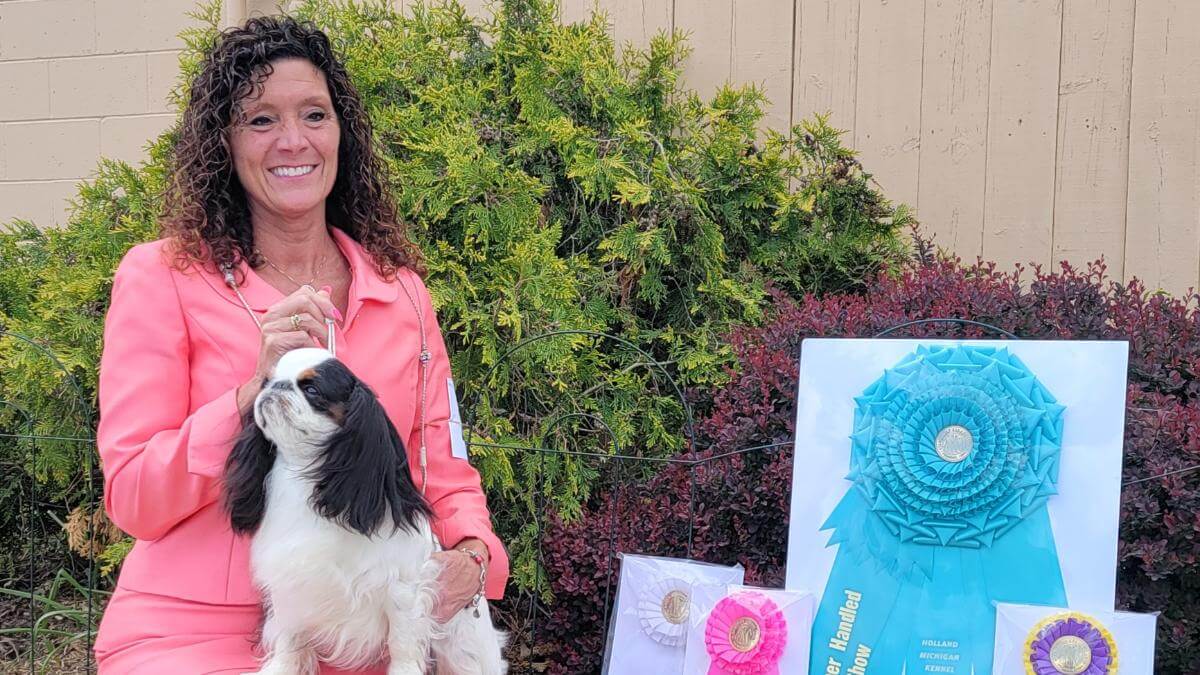
Dawn Charley of Luvn Chr-Lys shares her passion for English Toy Spaniels, breeding insights, and hopes for the future of the breed.

Explore the rich history, development, and modern-day preservation of the charming and regal King Charles Spaniel breed.

Meet the Breeders
Doug Johnson of Clussexx Kennel breeds top Spaniels and Kooikers with a focus on health, type, and predictability since 1984.
All About Judging
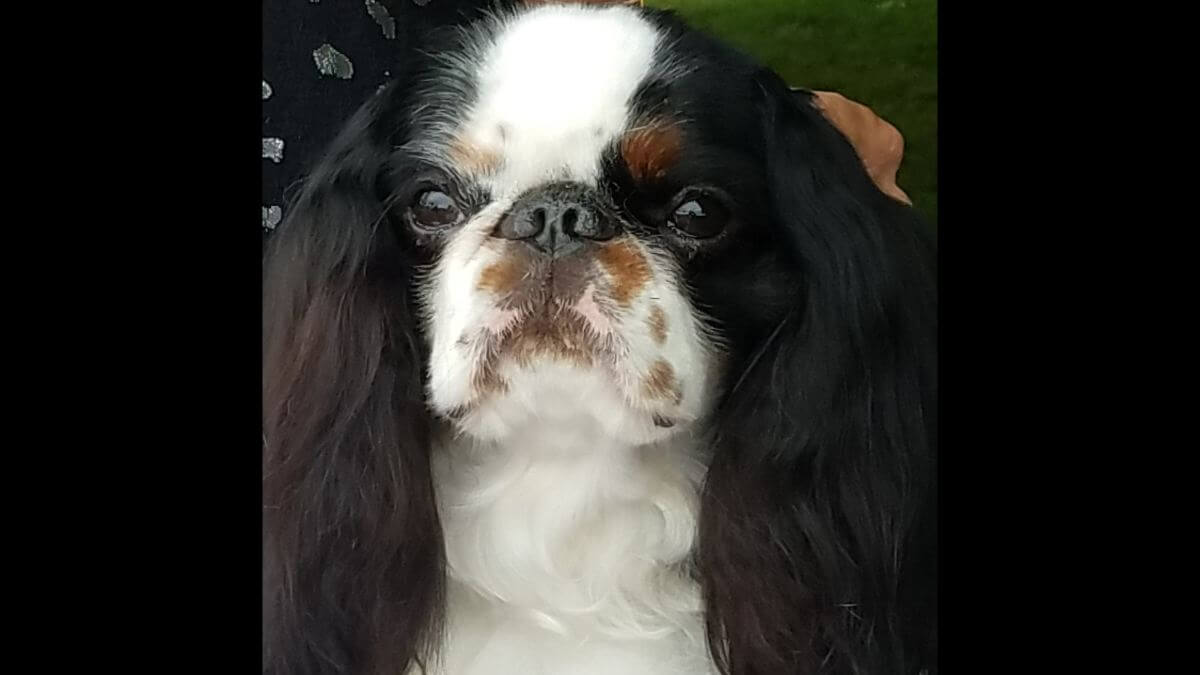
Discover expert insights into judging the English Toy Spaniel, a rare and charming breed, with tips for evaluating type and soundness.

Meet the Breeders
Luvn Chr-Lys English Toy Spaniels | Dawn Charleyshared insights on his journey in our community and sport.

Meet the Breeders
Doug Johnson on 40 years of breeding and judging English Toy, Clumber, Sussex, Welsh Springer Spaniels, and Kooikerhondje.
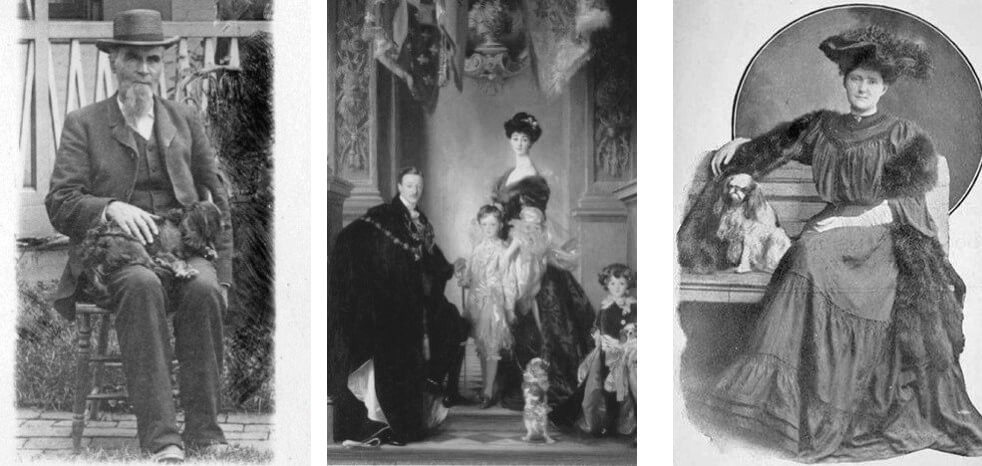

Richard LeBeau delves into the English Toy Spaniel’s history, detailing its AKC recognition, evolution in American society, and royal heritage.
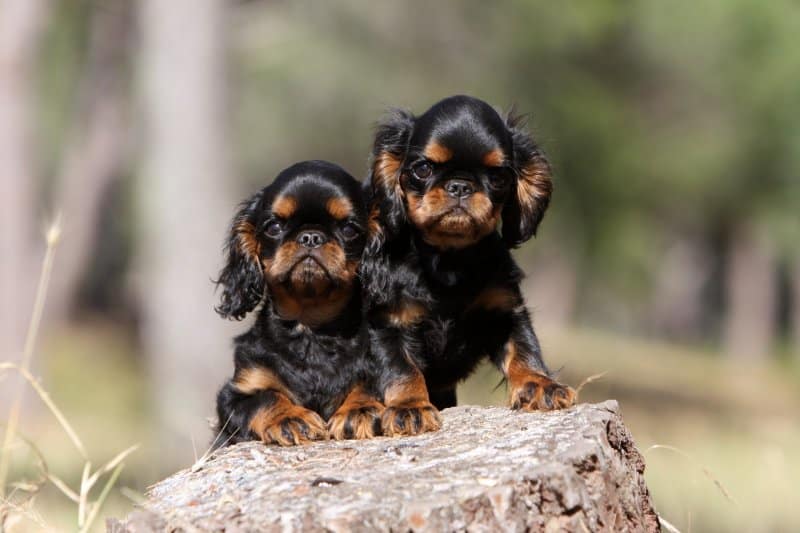
Discover the joys and challenges of living with an English Toy Spaniel, from their affectionate nature to their exercise needs.
The tail is traditionally docked to two to four inches in length and carried at or just slightly above the level of the back. The set of the tail is at the back's level. Many English Toys are born with a shorter or screw tail, which is acceptable. The feather on the tail should be silky and from three to four inches in length, constituting a marked "flag" of a square shape. The tail and its carriage is an index of the breed's attitude and character.
A Note About Color: The Blenheim (red and white) consists of a pearly white ground with deep red or chestnut markings evenly distributed in large patches. The ears and the cheeks are red, with a blaze of white extending from the nose up the forehead and ending between the ears in a crescentic curve. It is preferable that there be red markings around both eyes. The Blenheim often carries a thumb mark or "Blenheim Spot" placed on the top and the center of the skull. The Prince Charles (tricolor) consists of a pearly white ground, with evenly distributed black patches, solid black ears and black face markings. It is preferable that there be black markings around both eyes. The tan markings are of a rich color, and on the face, over the eyes, in the lining of the ears, and under the tail.
Coat Type
Double, Silky
The structure of the coat this breed carries.
Coat Length
Mediu
How long the breed's coat grows when kept in condition.
Adaptability Level
How easily a breed copes with changes in home, routine, noise and weather.
Mental Stimulation Needs
How much a breed needs a job, a puzzle or training to stay content.
An English Toy Spaniel should receive a complete and balanced diet suited to the dog’s age, activity level, and body condition. Portions should be measured carefully because excess weight can place additional strain on the joints, heart, and respiratory system.
Most mature dogs do well with two measured meals per day, while puppies may need three or four smaller meals as they grow. Treats can be useful during training but should remain a modest part of the dog’s total daily calorie intake.
Fresh water should always be available. Maintaining a lean body condition can help support mobility, breathing comfort, and overall health.
The English Toy Spaniel is intelligent and capable of learning well, but the breed can be sensitive and somewhat independent. Short, calm, and positive training sessions are usually the most effective.
Food rewards, praise, toys, and gentle play can maintain motivation. Early lessons should include recall, leash manners, housetraining, basic cues, and calm behavior around visitors and other dogs.
Consistency is important, but training should remain patient and encouraging. Repetition without variety can cause the breed to lose interest.
Extra attention should be given to the ears, chest, legs, and tail, where longer hair can tangle more easily. Bathing can be done as needed, followed by thorough drying and gentle brushing. Nails should be trimmed regularly, ears should be checked for debris or irritation, and teeth should be brushed routinely. The facial area should also be kept clean, particularly around the eyes.