Members
01/Overview
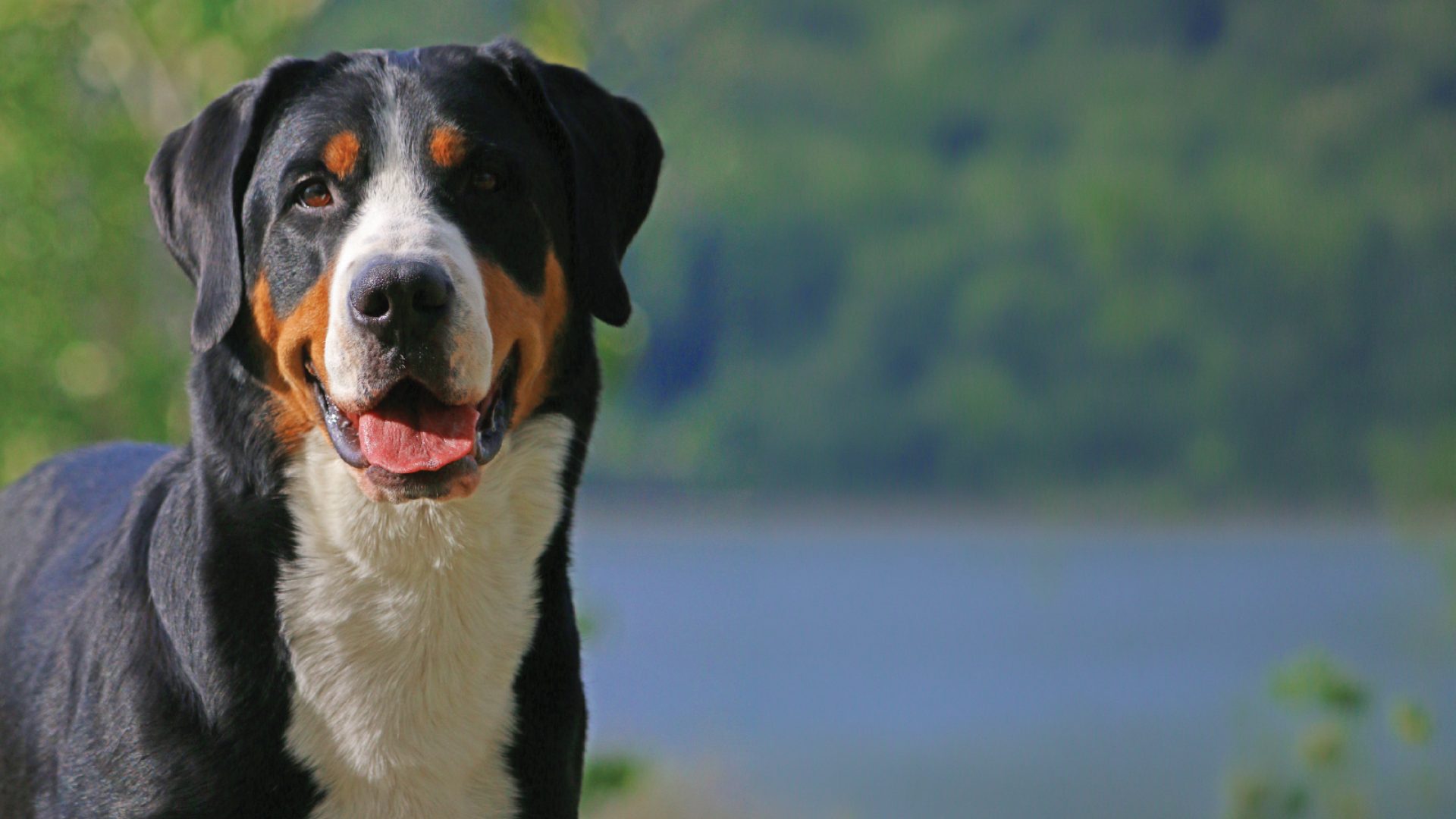
The Greater Swiss Mountain Dog is a large, powerful working breed known for its strength, versatility, and alert temperament. Originating in the Swiss Alps, these dogs were traditionally used as draft animals, drovers, and farm guardians. With their striking tri-colored coat and confident nature, they have become better recognized today as dependable companions and all-purpose farm dogs.
Highlights
02/History
The Greater Swiss Mountain Dog is one of four distinguished breeds of Swiss Sennenhunds. Believed to have descended in part from large mastiff-type dogs brought to the region by Roman legions over 2,000 years ago, these powerful canines became essential working dogs in the Swiss Alps. They were primarily used for pulling carts, guarding livestock, and assisting farmers with daily chores.
By the 19th century, the breed’s numbers had significantly declined due to the increasing mechanization of agriculture and the rise of other working breeds. However, in 1908, Swiss canine expert Albert Heim recognized a large, tri-colored dog at a dog show in Langenthal and identified it as a surviving example of the old Swiss draft dogs. Heim's efforts helped to revive the breed, leading to its official recognition by the Swiss Kennel Club (Schweizerische Kynologische Gesellschaft, SKG) in 1910.
The Fédération Cynologique Internationale (FCI) later recognized the breed, further establishing its presence in European working dog circles. The Greater Swiss Mountain Dog was officially recognized by the American Kennel Club (AKC) in 1995, classified within the Working Group.
Since its re-establishment, the breed has gained popularity as a versatile farm dog, a family companion, and a competitor in various dog sports. Despite its historical decline, dedicated breeders and enthusiasts have ensured the preservation of the “Swissy,” maintaining its traditional role as a strong, intelligent, and devoted working partner.
03/Appearance
Adult male Greater Swiss Mountain Dogs typically stand between 25.5 and 28.5 inches tall at the shoulder, while mature females range from 23.5 to 27 inches. Males generally weigh between 115 to 140 pounds, whereas females typically weigh from 85 to 110 pounds.
The Greater Swiss Mountain Dog is slightly longer than tall, in a ratio of 10 to 9, with a strong and well-balanced body. Its sturdy bone structure and deep chest provide the power necessary for pulling heavy loads, while its level topline and firm back contribute to its stability. The breed’s muscular build and moderate angulation allow for efficient movement, reflecting its heritage as a hardworking farm and draft dog.
Texture: The Greater Swiss Mountain Dog has a double coat that provides protection against harsh weather conditions. The topcoat is dense and measures from 1.25 to 2 inches in length. The thick undercoat is sometimes showing, and may be tawny to dark gray in color. This double coat is adaptable to varying climates, particularly cold mountain regions. Typically, white appears on the chest, running from the throat to the chest, as well as on all four feet and on the tip of the tail.
Standard Colors
Standard Markings
04/Consider
Owning a Greater Swiss Mountain Dog requires careful consideration due to the breed’s size, strength, and working heritage. The Swissy thrives in active households where it can receive proper training, exercise, and companionship. While affectionate and loyal, the breed needs a dedicated caretaker who understands its needs and is willing to invest time into socialization and obedience training.
Interaction With Family
The level of affection a breed typically shows towards family members and familiar individuals.
Good With Other Dogs
The innate friendliness of a dog towards other dogs can depend on its breed.
Good With Young Children
The degree to which a breed will typically be patient with young children.
Amount Of Shedding
How much hair a breed typically leaves behind on clothes, furniture and floors.
Frequency Of Grooming
How often a breed needs brushing, bathing or a professional trim to stay in condition.
Amount Of Drooling
How prone a breed is to drool, worth knowing before you keep a towel by the door.
Openness To Strangers
How openly a breed tends to greet new people, visitors and strangers.
Protective Nature
How likely a breed is to alert you to anything unfamiliar, and stand between you and it.
Playfulness Level
How enthusiastic a breed stays about games and play well past puppyhood.
Trainability Level
How readily a breed takes direction and works with you rather than around you.
Barking Level
How much a breed uses its voice, and how readily.
Energy Level
How much get-up-and-go a breed brings to an average day.
Health
The Greater Swiss Mountain Dog is generally a sturdy and healthy breed, but like all large dogs individuals can be prone to certain health concerns. With proper care, a Swissy typically lives between 8 and 11 years. Responsible breeders conduct health screenings to minimize the risk of inherited conditions, but prospective owners should be aware of common issues that can affect the breed.
The Greater Swiss Mountain Dog is confident, loyal, and affectionate but not ideal for novice owners due to its size and independent nature. Strong bonds with family members can cause them to dislike being left alone for prolonged periods. While friendly, they can be reserved with strangers and have natural watchdog instincts.
Swissies are generally good with other dogs and patient with children, though supervision is necessary due to their large size. They are intelligent but can be stubborn, responding best to firm yet positive training. Early socialization is key, and consistent leadership, praise, and rewards help to guide their somewhat strong-willed nature.
Exercise Expectations
Despite their working background, Swissies are known for being somewhat slow to mature and may exhibit clumsy behavior as young adults. They love spending time with their owners and do best when exercise includes interaction, such as hiking, obedience training, or structured play. They should, however, not be overexerted in hot weather due to their thick double coat.
The Greater Swiss Mountain Dog can adapt to various living situations but thrives in homes with plenty of space to move. While they can live in apartments if given enough exercise, they do best in homes with access to a fenced yard. Their thick coat makes them well-suited for cold weather, but they are sensitive to heat and should have access to shade and fresh water in warmer climates.
Swissies become deeply attached to their families and do not like being left alone for prolonged periods. They are naturally alert and may bark to signal unfamiliar activity, making them excellent watchdogs. A structured routine, proper training, and consistent companionship help them remain happy and well-adjusted as adult companions.
05/Puppies
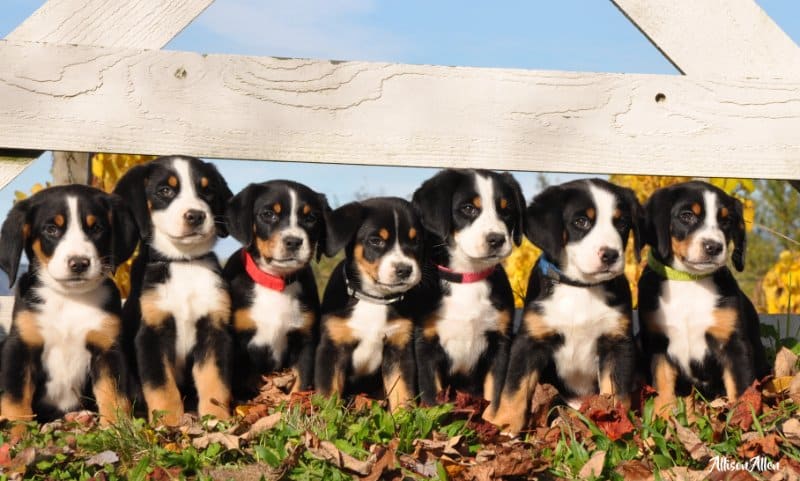
Greater Swiss Mountain Dog puppies require patience, consistency, and a commitment to proper training and socialization. These pups grow quickly but mature slowly, both physically and mentally. Early training and guidance are essential to make sure they develop into well-behaved adults. Due to their size and working heritage, Swissy puppies need structured routines, careful feeding, and controlled exercise to promote healthy development.
Bringing home a Greater Swiss Mountain Dog puppy requires preparation. A safe, designated space will help the pup settle in comfortably. Crate training is recommended to aid housebreaking and provide a secure resting place. Early socialization with different people, environments, and experiences helps to build confidence and can prevent timidity or excessive suspicion toward strangers.
Feeding should follow a controlled schedule with a large-breed puppy formula that will support slow, steady growth and reduce the risk of joint problems. Overfeeding or excessive calcium intake can contribute to orthopedic issues, so portions should be carefully measured. The Swissy pup should be fed three to four small meals a day until around six months of age, then transitioned to two meals per day.
Exercise must be carefully managed. While the Swissy puppy is typically active and playful, excessive running and jumping, or rough play, can strain developing joints. Short, supervised walks and light play sessions will provide appropriate activity without overexertion.
Early training should focus on basic obedience, leash manners, and impulse control. The Swissy pup is intelligent but can be stubborn, so consistent positive reinforcement works best. Teaching commands like “sit,” “stay,” and “leave it” early on helps to establish good behavior. Gentle but firm guidance is essential, as this pup quickly grows into a large and strong adult.
Regular veterinary checkups, vaccinations, and parasite prevention are crucial in the first year. Routine handling—such as brushing, nail trimming, and ear cleaning—should start early to help the puppy become comfortable with grooming as it grows.
06/Activities
Gallery
07/Standards
The Greater Swiss Mountain Dog is recognized by the world's leading registries and kennel organizations, which categorize the breed into a specific Group based on its unique characteristics. This breed is recognized worldwide under the following Group designations:
The ideal Greater Swiss Mountain Dog is described by a Breed Standard that is approved by each of the world’s leading registries and kennel organizations. The Breed Standards for this breed may be found in the following links:
08/Clubs
09/Rescue
10/Facts
Almost Extinct
By the late 19th century, the Greater Swiss Mountain Dog was nearly extinct due to the mechanization of farming, but it was rediscovered in 1908 by Swiss canine expert Albert Heim.
The “Poor Man’s Horse”
Historically used for pulling heavy loads, Swissies were valued by farmers who couldn’t afford horses, making them indispensable working dogs.
Late Maturity
Unlike most breeds, Swissies take 3 to 4 years to fully mature, both physically and mentally, leading to an extended puppy-like phase.
Unique Vocalizations
Some Swissies make a distinctive "woo-woo" sound, a mix between a bark and a howl, often used to communicate excitement or get attention.
Rare Tri-colored Draft Dog
While many draft dogs are solid-colored, Swissies stand out with their striking black, red, and white coat, making them one of the few tri-colored working breeds.
11/FAQ
Yes, Greater Swiss Mountain Dogs shed year-round, with heavier seasonal shedding in the spring and fall. Regular brushing helps to manage the loose hair and keeps the coat healthy.

Written by
Dan Sayers is the Executive Editor of SHOWSIGHT. He is a member of the World Dog Press Association and the Dog Writers Association of America, which recognized his illustrations in the award-winning Encyclopedia of K-9 Terminology. Dan is a longtime supporter of the sport of dogs and an advocate for the conservation of recognized breeds in all their forms and functions. He is a member of the Morris and Essex Kennel Club, and for 45 years, the Irish Water Spaniel Club of America where he serves as AKC Delegate, Archivist, and approved Breed Mentor. Dan breeds under the Quiet Storm prefix and has judged the IWSCA National Specialty Sweepstakes twice.


American Kennel Club (AKC)
Andrew Ritter reflects on judging at the 2025 AKC National Championship and shares his take on quality, organization, and the year ahead.
Meet the Judges
Robin Hug reflects on judging the 2025 National Dog Show, highlighting quality entries and standout breed performances.
Meet the Judges
Insights from John Ramirez on judging at the 2025 Morris & Essex show, highlighting quality entries and the event’s lasting tradition.
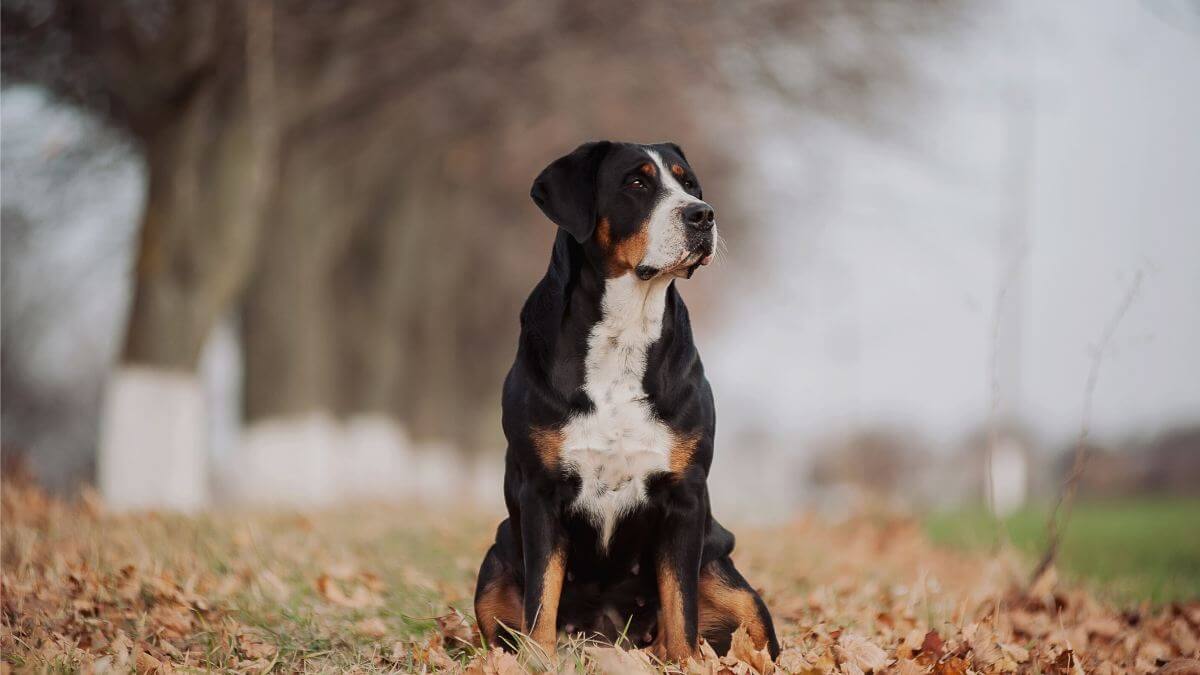
The Greater Swiss Mountain Dog is a powerful, versatile breed known for its history as a draft and drover dog.
All About Judging
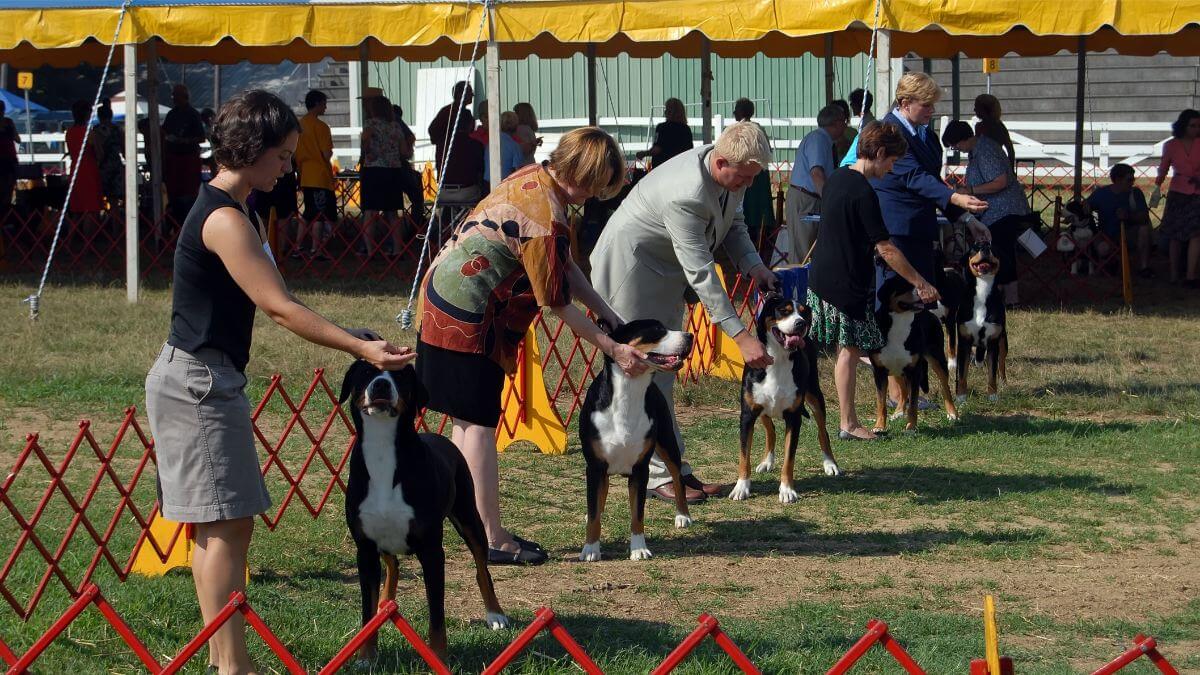
Learn how to judge the Greater Swiss Mountain Dog, focusing on size, structure, temperament, and movement.

Meet the Breeders
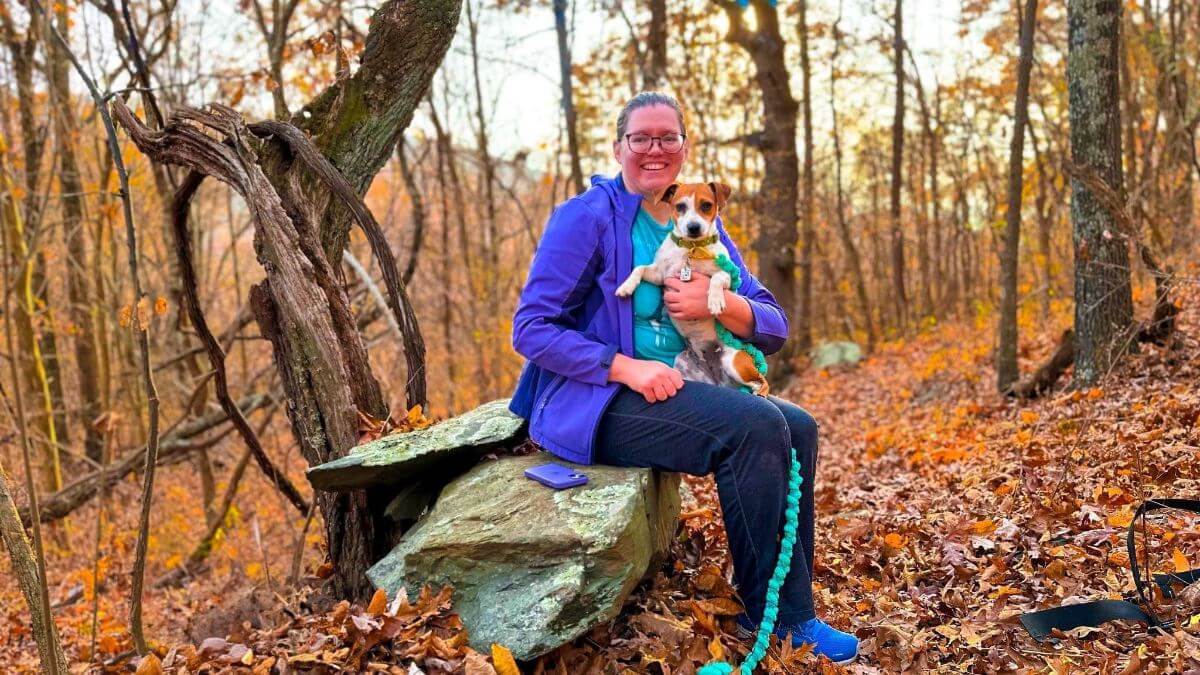
Martha Tubman is the breeder behind the Swallowfield. Read about the kennel’s beginnings, the champions, the puppies, and much more!
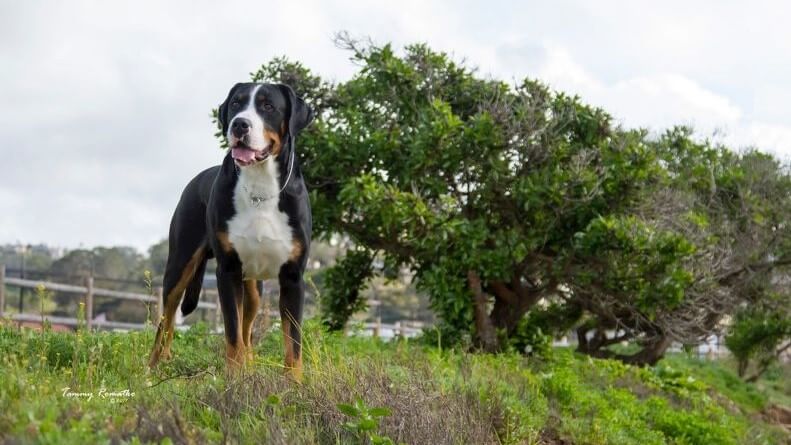
Explore the history, resilience, and rise of the Greater Swiss Mountain Dog, a loyal Swiss working breed turned beloved family pet.
All About Judging
The base coat color of the Greater Swiss Mountain Dog is always black with tan points; white feet, chest, tip of tail, muzzle, and blaze.
The Greater Swiss Mountain Dog has a long, thick tail that reaches at least to the hocks. At rest, the tail is carried low, hanging naturally. When the dog is alert or in motion, the tail is slightly raised but never curled over the back. The tail is covered with the same short, dense coat as the rest of the body, maintaining the dog’s natural and balanced appearance.
A Note About Color: The topcoat is black with rich rust (red) and white markings. Symmetry of markings is desired. On the head, rust typically appears over each eye, on each cheek, and on the underside of the ears. On the body, rust appears on both sides of the forechest, on all four legs, and underneath the tail. White markings typically appear on the head (as a blaze) and muzzle. The blaze may vary in length and width; it may be a very thin strip or it may extend over the top of the skull and meet with a white patch or collar on the neck. Any color other than tri-colored black, red, and white as described is a disqualification in the show ring.
Coat Type
Smooth
The structure of the coat this breed carries.
Coat Length
Short
How long the breed's coat grows when kept in condition.
Adaptability Level
How easily a breed copes with changes in home, routine, noise and weather.
Mental Stimulation Needs
How much a breed needs a job, a puzzle or training to stay content.
Swissies need a high-quality diet that supports their large build and energy levels. Puppies require large-breed formulas to promote steady growth and prevent joint issues. Adults typically eat 4 to 6 cups of dry food per day, split into two meals. Overfeeding should be avoided, as obesity and bloat are concerns.
Fresh water should always be available, and slow-feed bowls can help to prevent rapid eating. Treats should be given in moderation, and toxic human foods like chocolate, onions, and grapes must be avoided.
Swissies are intelligent but can be stubborn, making early, consistent training essential. They respond best to firm, positive reinforcement. Their natural watchdog instincts may lead to frequent barking, so teaching a “quiet” command can be helpful for managing this tendency.
Leash training is crucial, as the Swissy’s carting heritage can be expressed in a strong instinct to pull. Mental stimulation is just as important as physical exercise, so it’s important to provide a job for the dog to perform. With proper training and socialization, any dog can become a well-mannered companion and excel in activities like Obedience, Carting, and Weight Pull.
Grooming Expectations
Bathing is only necessary occasionally, as the Swissy’s coat naturally repels dirt. Routine care, including ear cleaning, nail trimming, and dental hygiene, is essential to keep the dog comfortable and healthy. The breed’s short coat is easy to maintain, but its size makes grooming tasks, such as nail trimming, more challenging without early acclimation.