Members
01/Overview
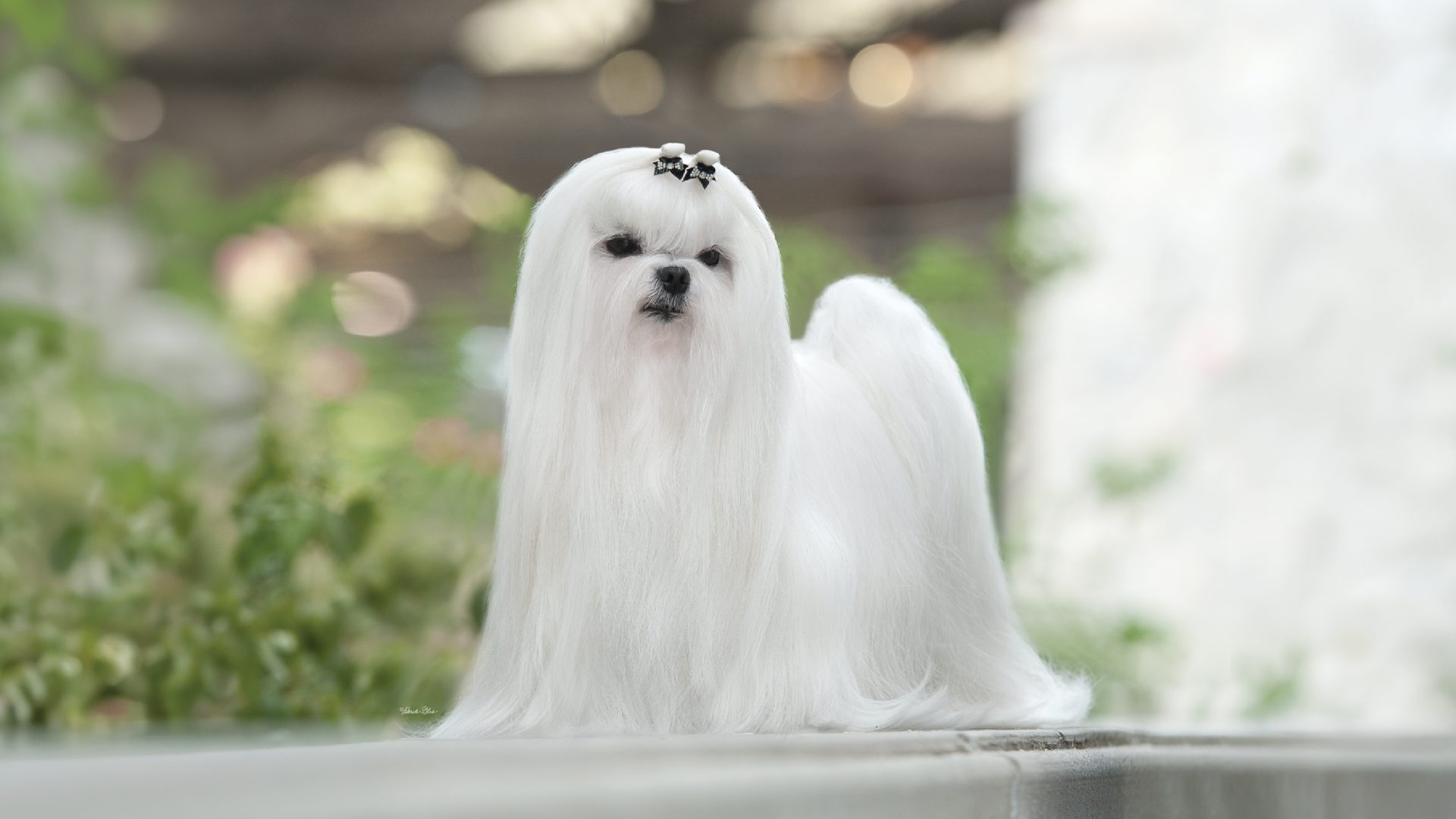
The Maltese is a petit purebred of ancient origin that hails from the Mediterranean Sea. Admired for centuries for its silky, white coat and affectionate nature, this playful yet fearless breed has graced the laps of dog lovers from Corfu to Croatia and from Cyprus to Sicily. The island of Malta, however, gave this distinctive breed its name. A favorite today among those who admire small dogs with big personalities, the Maltese remains a beloved companion in the home and a shining star in the show ring.
Highlights
02/History
The Maltese is one of the oldest of all Toy breeds, with a history that can be traced back over two millennia. The breed has been the companion of choice for royalty and nobility throughout the ages, valued for its beauty, elegance, and exceeding charm.
The origins of the Maltese are believed to be in the maritime cities of the central Mediterranean. This includes port cities on the island of Malta, hence the breed's name. The ancestors of those early dogs were likely small, spitz-type companions that were then selectively bred to achieve the diminutive size and luxurious coat that is seen today.
Historical records and artistic representations suggest the Maltese was a favored pet among the ancient Greeks, Romans, and Egyptians. Notable figures such as the Roman Emperor Claudius and the Greek philosopher Aristotle mentioned (or alluded to) the breed in their writings, highlighting the dogs' esteemed status in ancient societies.
The breed's purpose has always been that of a companion. Unlike so many of today's purebreds, the Maltese was not bred for hunting, herding, or guarding. Rather, these dogs were strictly kept for the pleasure and comfort of their human companions. The breed's gentle and affectionate nature made it particularly popular among ladies in aristocratic circles.
The official recognition of the Maltese by major kennel clubs came about centuries later. The American Kennel Club (AKC) recognized the breed in 1888. The Fédération Cynologique Internationale (FCI) and The Royal Kennel Club (UK) have also recognized the breed, further securing its status as a beloved companion worldwide.
Over millennia, the Maltese has remained a symbol of luxury and refinement. Despite changes in its appearance over time, this delightful and diminutive breed has retained its status as a highly prized and cherished companion dog, beloved for its beautiful coat, expressive eyes, and loving temperament.
03/Appearance
An adult Maltese typically stands from 7 to 9 inches tall at the shoulder. In terms of weight, a healthy adult Maltese generally weighs less than 7 pounds, presenting a compact and lightweight physique that is consistent across both genders.
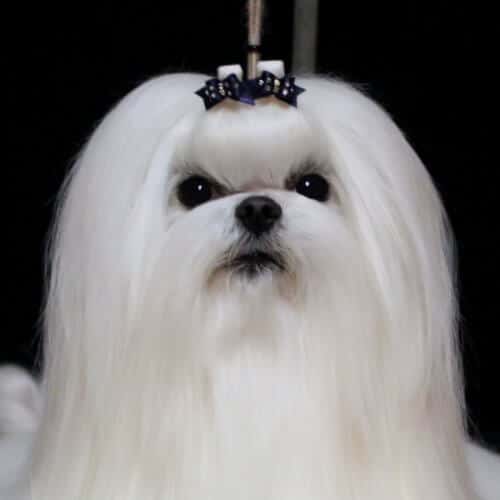
The Maltese is characterized by its balanced and well-proportioned body, exuding an appearance of grace and elegance. Despite the breed's small stature, these little dogs possess a compact yet sturdy build. Their substance is sufficient enough to provide a feeling of solidity, with well-sprung ribs and a level topline. This harmonious blend of proportions contributes greatly to the breed's distinctive appearance as well as its sprightly and light-footed movement.
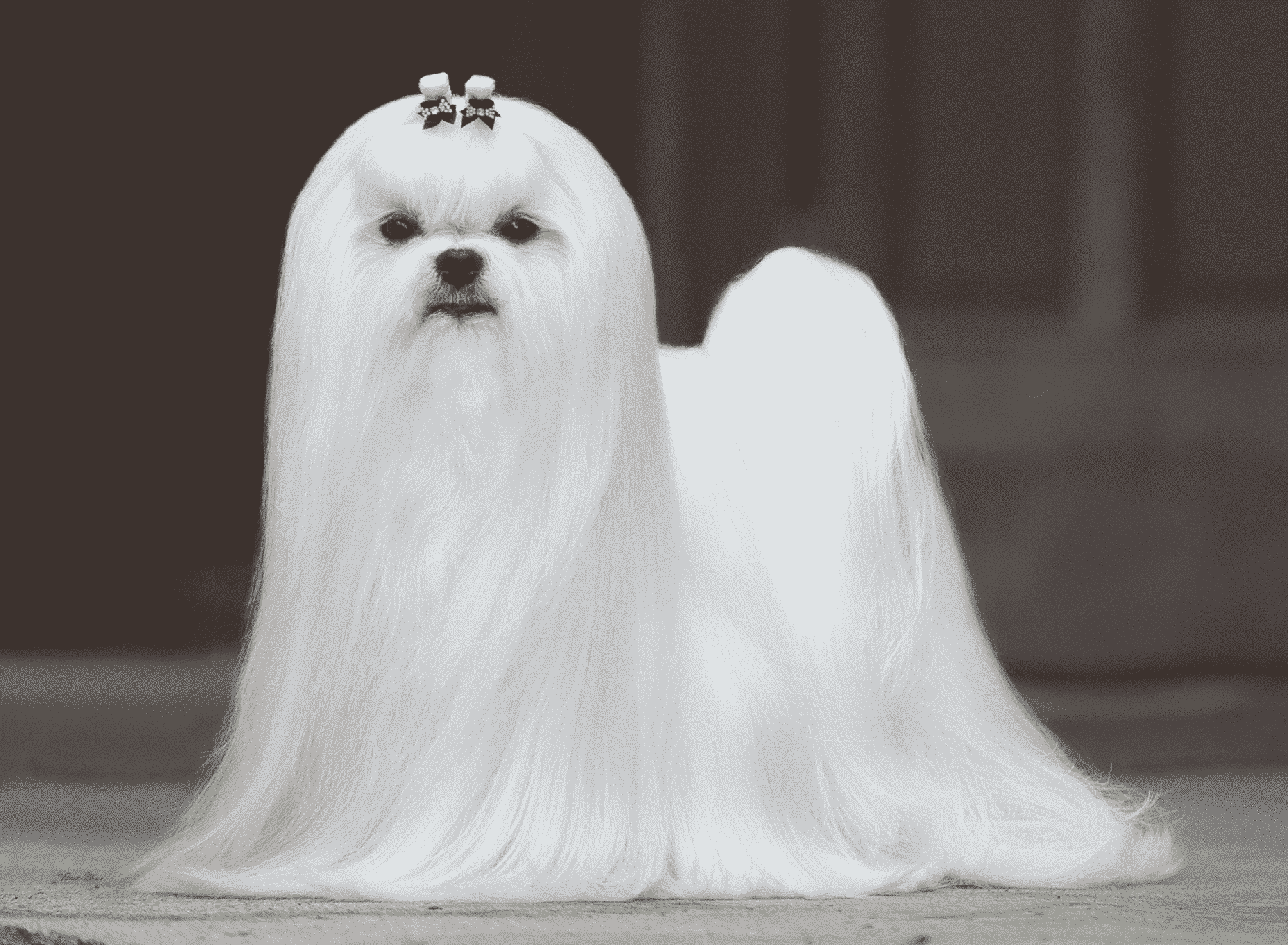
Texture: The beautiful coat of the Maltese is one of the breed's most distinctive features. It is a single coat of long, flat, and silky hairs that fall gracefully (almost) to the ground, giving this dog its elegant and aristocratic appearance. There is no undercoat. The straight coat bears no suggestion of a curly, kinky, or woolly texture, though it does require considerable grooming to prevent tangles and to maintain both its length and its luster.
Standard Colors
Standard Markings
04/Consider
Sharing life with a Maltese can be an endlessly delightful experience for people who appreciate beautiful dogs in small white packages. Known for their affectionate nature and small size, these diminutive creatures are particularly well-suited for companionship (and spoiling) thanks to their playful and gentle nature. However, prospective owners of this breed should be aware of the specific needs and responsibilities that come with caring for such a unique and captivating canine.
Interaction With Family
The level of affection a breed typically shows towards family members and familiar individuals.
Good With Other Dogs
The innate friendliness of a dog towards other dogs can depend on its breed.
Good With Young Children
The degree to which a breed will typically be patient with young children.
Amount Of Shedding
How much hair a breed typically leaves behind on clothes, furniture and floors.
Frequency Of Grooming
How often a breed needs brushing, bathing or a professional trim to stay in condition.
Amount Of Drooling
How prone a breed is to drool, worth knowing before you keep a towel by the door.
Openness To Strangers
How openly a breed tends to greet new people, visitors and strangers.
Protective Nature
How likely a breed is to alert you to anything unfamiliar, and stand between you and it.
Playfulness Level
How enthusiastic a breed stays about games and play well past puppyhood.
Trainability Level
How readily a breed takes direction and works with you rather than around you.
Barking Level
How much a breed uses its voice, and how readily.
Energy Level
How much get-up-and-go a breed brings to an average day.
Health
The Maltese is generally a healthy and hardy breed, enjoying a relatively long lifespan. Despite their diminutive size, these dogs are typically very resilient. With proper care, they can maintain good health and vitality for many years. The average lifespan of a Maltese ranges from 12 to 15 years. Regular veterinary check-ups, a balanced diet, and proper grooming are crucial in maintaining the health and well-being of the dog.
The Maltese is renowned for its gentle, affectionate, and responsive nature, making it an excellent companion for a variety of people, including those who are relatively new to dog ownership. These small dogs are known for their loving and loyal demeanor, forming strong bonds with their human companions.
Sensitivity is a notable trait in the Maltese; these dogs respond well to positive reinforcement and gentle training methods. Harsh words or actions can easily upset them, so a kind and consistent approach works best. Their sensitive nature also means they may not tolerate being left alone for extended periods. Maltese thrive on companionship and interaction, making them less suited for households where they would spend too much time by themselves.
In terms of compatibility with other pets and children, the Maltese generally does well. These dogs usually get along well with others and can coexist peacefully with household pets if socialized properly from a young age. However, due to their small size, interactions with very young children should always be supervised to make sure the dog isn't accidentally injured.
Despite the breed's small stature, the Maltese can be quite spirited and playful, enjoying interactive games and activities. The friendly nature of these dogs typically extends to strangers as well, though they may initially show some reservation. Early socialization is key to helping them become well-adjusted, confident adult dogs, comfortable in various situations and with different people.
Exercise Expectations
In terms of exercise, a Maltese does not require extensive physical activity. Short walks combined with some playtime throughout the day are usually sufficient to meet the dog's needs. However, it’s important to tailor the exercise routine to the individual's age, health, and energy level. Puppies and younger dogs will likely have more energy and require more playtime, while older dogs may prefer more leisurely walks. The intensity of the exercise should be moderate. Due to their small size, Maltese can tire easily, so it's important to avoid overly strenuous activities. They enjoy gentle play and short walks where they can explore their surroundings at a comfortable pace. Playfulness is a key trait of the Maltese. They often enjoy interactive games with their human companions, such as fetch or a very gentle tug-of-war. These activities not only provide physical exercise but also strengthen the bond between the dog and its caretaker. While the Maltese can adapt to various living situations, including apartments, they still need regular opportunities to move around and explore. Even in a small space, it's important to provide these dogs with toys and activities that keep them engaged and active. Despite the breed's adaptability, the Maltese is not a dog that tolerates extreme weather conditions well. In hot weather, it's important to make sure they do not overheat and provide them with access to shade and water. In colder climates, they may require a sweater or coat to stay warm during walks.
Living with a Maltese can be a uniquely rewarding experience, but it also involves specific considerations to support the dog's well-being and happiness in a home environment. This breed, known for its adaptability and affectionate nature, is well-suited for a variety of living environments, including both apartments and larger homes.
The breed's small size makes the Maltese an ideal choice for apartment living, as these dogs don't require a large amount of space. However, despite their adaptability to smaller living areas, it's important to provide them with regular exercise and mental stimulation. Daily walks and play sessions are essential to keep them physically fit and mentally engaged.
In terms of weather adaptability, the Maltese is somewhat sensitive. They can struggle in extreme temperatures, so they might need the extra warmth of a sweater or coat in colder temperatures. During hot weather, they should be kept cool and protected from overheating when outside for extended periods.
Maltese thrive on companionship and do not fare well when left alone for any duration. This breed can develop separation anxiety, which could lead a dog to exhibit undesirable behaviors such as excessive barking or destructiveness. Therefore, an environment that offers frequent interaction, whether with their human family members or other pets, is best for these gregarious and gentle-mannered dogs.
05/Puppies
The arrival of Maltese puppies is the beginning of a journey that's filled with joy. These delightful babies, known for their boundless energy and affectionate nature, will become integral members of their new families. Nurturing them is an engaging experience, one that requires dedicated attention to help them develop into healthy and well-adjusted adults.
Caring for a Maltese puppy involves a comprehensive approach, focusing on the pup's physical, mental, and emotional development. From the moment a puppy leaves for its new home, it requires careful nurturing to flourish.
A balanced diet tailored for small breed puppies is crucial for a Maltese puppy's growth. This breed has specific nutritional needs, so feeding a high-quality puppy food helps in the pup's development. The feeding schedule should be consistent, with meals divided into small portions throughout the day to support digestion and rising energy levels.
Early socialization and training are vital for the Maltese puppy. Introducing the pup to various people, environments, and other animals helps in developing social skills and an outgoing temperament. Positive reinforcement techniques work best for training, as this breed is sensitive and responds well to gentle guidance. Teaching basic obedience and housebreaking from the start will lay the foundation for a well-behaved adult dog.
Healthcare is another critical aspect of raising a Maltese. Regular veterinary check-ups, vaccinations, and deworming are necessary to protect the puppy from many common health issues. With its delicate size, the Maltese puppy can be prone to certain conditions, so close monitoring is important throughout the first year. Dental care should also be initiated early, as good oral hygiene is crucial for preventing dental problems later in life.
Since the Maltese thrives on togetherness, it's important to spend quality time together throughout its puppyhood. However, to prevent separation anxiety from becoming an issue, it can be a good idea to gradually allow the pup to be left alone for short periods at a time.
06/Activities
The Maltese, while primarily known as a diminutive companion dog, can also excels in a variety of dog sports. These activities not only provide physical and mental stimulation, they also strengthen the bond between the Maltese and the handler. Here are some activities and dog sports in which Maltese can participate:
Participating in these organized activities and sports can provide valuable physical exercise, mental stimulation, and socialization opportunities for a Maltese. It also allows owners to explore and develop their dog's natural abilities and interests, further enhancing the bond they share.
Gallery
07/Standards
The Maltese is recognized by the world's leading registries and kennel organizations, which categorize the breed into a specific Group based on its unique characteristics. This breed is recognized worldwide under the following Group designations:
The ideal Maltese is described by a Breed Standard that is approved by each of the world’s leading registries and kennel organizations. The Breed Standards for this breed may be found in the following links:
08/Clubs
09/Rescue
10/Facts
Ancient Breed
The Maltese is one of the oldest known dog breeds, with a history that dates back over 2,000 years. Ancient civilizations, such as the Greeks, Romans, and Egyptians, all cherished these dogs.
Aristocratic Companions
Throughout history, the Maltese has been a favorite among royals and nobles. The breed has graced the laps of queens and princesses, cementing its status as a luxurious and esteemed companion.
The Breed's Name
Despite common belief, the Maltese did not likely originate from Malta. Its name is derived from the Maltese word "Melita," which refers to a haven or port, linking the breed to places throughout the Mediterranean region.
Famous Admirers
Famous historical figures who were known to have Maltese include Mary Queen of Scots, Marie Antoinette, and Queen Elizabeth I.
Artistic Representations
The Maltese has been featured in paintings, sculptures, and writings throughout history. Its depiction in art dates back to ancient times, highlighting its longstanding popularity.
Unique Coat
The Maltese is known for its striking white coat, which is long, silky, and straight. Unlike most other breeds, the Maltese does not have an undercoat, which contributes to it being considered a "hypoallergenic" breed by some.
Therapeutic Qualities
In the 18th and 19th centuries, it was believed the Maltese had the ability to cure people of disease. The dogs were used to comforter the sick, a practice that has evolved into modern Therapy Dog work.
Size & Lifespan
The Maltese is a very small breed, typically weighing less than 7 pounds. Most dogs stand 7 to 9 inches tall at the shoulder. They have a relatively long lifespan, often living between 12 and 15 years, and sometimes even longer with proper care.
11/FAQ
Maltese are known for their minimal shedding. Their long, silky coat does not have an undercoat, which significantly reduces the amount of hair that's shed. This trait makes them an appealing choice for people with allergies or those who prefer a breed with minimal shedding.

Written by
Dan Sayers is the Executive Editor of SHOWSIGHT. He is a member of the World Dog Press Association and the Dog Writers Association of America, which recognized his illustrations in the award-winning Encyclopedia of K-9 Terminology. Dan is a longtime supporter of the sport of dogs and an advocate for the conservation of recognized breeds in all their forms and functions. He is a member of the Morris and Essex Kennel Club, and for 45 years, the Irish Water Spaniel Club of America where he serves as AKC Delegate, Archivist, and approved Breed Mentor. Dan breeds under the Quiet Storm prefix and has judged the IWSCA National Specialty Sweepstakes twice.
Official Standard of the Maltese
General Appearance: The Maltese is a toy dog covered from head to foot with a mantle of long, silky, white hair. He is gentle-mannered and affectionate, eager and sprightly in action, and, despite his size, possessed of the vigor needed for the satisfactory companion.
Head: Of medium length and in proportion to the size of the dog. The skull is slightly rounded on top, the stop moderate. The drop ears are rather low set and heavily feathered with long hair that hangs close to the head. Eyes are set not too far apart; they are very dark and round, their black rims enhancing the gentle yet alert expression. The muzzle is of medium length, fine and tapered but not snipy. The nose is black. The teeth meet in an even, edge-to-edge bite, or in a scissors bite.
Neck: Sufficient length of neck is desirable as promoting a high carriage of the head.
Body: Compact, the height from the withers to the ground equaling the length from the withers to the root of the tail. Shoulder blades are sloping, the elbows well knit and held close to the body. The back is level in topline, the ribs well sprung. The chest is fairly deep, the loins taut, strong, and just slightly tucked up underneath.
Tail: A long-haired plume carried gracefully over the back, its tip lying to the side over the quarter.
Legs and Feet: Legs are fine-boned and nicely feathered. Forelegs are straight, their pastern joints well knit and devoid of appreciable bend. Hind legs are strong and moderately angulated at stifles and hocks. The feet are small and round, with toe pads black. Scraggly hairs on the feet may be trimmed to give a neater appearance.
Coat and Color: The coat is single, that is, without undercoat. It hangs long, flat, and silky over the sides of the body almost, if not quite, to the ground. The long head-hair may be tied up in a topknot or it may be left hanging. Any suggestion of kinkiness, curliness, or woolly texture is objectionable. Color, pure white. Light tan or lemon on the ears is permissible, but not desirable.
Size: Weight under 7 pounds, with from 4 to 6 pounds preferred. Overall quality is to be favored over size.
Gait: The Maltese moves with a jaunty, smooth, flowing gait. Viewed from the side, he gives an impression of rapid movement, size considered. In the stride, the forelegs reach straight and free from the shoulders, with elbows close. Hind legs to move in a straight line. Cowhocks or any suggestion of hind leg toeing in or out are faults.
Temperament: For all his diminutive size, the Maltese seems to be without fear. His trust and affectionate responsiveness are very appealing. He is among the gentlest mannered of all little dogs, yet he is lively and playful as well as vigorous.
Approved March 10, 1964
The History of the Maltese – The Maltese dog, once called “The Jewels of Women,” is an ancient breed thought to be over 2,000 years old.
All About Judging
The biggest burden for judging the Maltese correctly lies with the breeders who are in charge of the direction of their breed. For we can only judge what you bring to us.
The tail of the Maltese is set high and arches gracefully over the dog's back. The tip lies to the side over the hindquarters, and the entire tail is covered with long, flowing hair that falls on either side. The impression made is altogether delightful and reflects the breed's pride of heritage and its lively personality.
The tail of the Maltese is an essential part of the breed's natural beauty, and its graceful carriage is indicative of the fearless and affectionate nature of this most exquisite and ancient purebred.
Coat Type
Silky
The structure of the coat this breed carries.
Coat Length
Long
How long the breed's coat grows when kept in condition.
Adaptability Level
How easily a breed copes with changes in home, routine, noise and weather.
Mental Stimulation Needs
How much a breed needs a job, a puzzle or training to stay content.
While the Maltese can be a joy to train due to the breed's intelligence and eagerness to please, potential owners should be aware of the dogs' tendency to bark. They may alert to notify you of strangers or unusual occurrences, which may not always be desired. This tendency can be managed with proper training and socialization. The breed's intelligent and curious nature tends to makes the Maltese a quick learner; however, these little lap dogs can also have a bit of a stubborn streak, so patience and consistency are crucial in training.
Proper nutrition is essential for the health and well-being of a Maltese. Given the breed's small size, the dietary needs of these dogs can be quite specific, so it's important to provide them with a balanced diet that meets their unique requirements.
When it comes to feeding a Maltese puppy, it's crucial to offer high-quality puppy food that's formulated for small breeds. Puppies have higher energy levels, so their diet should be rich in proteins and fats to support their growth and development. Feeding small, frequent meals—typically three to four times a day—is recommended to support their fast metabolism.
As a Maltese transitions into adulthood, its dietary needs will change. Adult dogs should be fed a high-quality dog food suitable for their age, size, and activity levels. The amount of food they require can vary based on their individual metabolism and activity, but generally, an adult will need about ¼ to ½ cup of dry dog food per day, divided into two meals. This should prevent overfeeding, which is crucial, as small breeds like the Maltese can be prone to obesity.
It's important to monitor the weight of a Maltese and adjust the food intake accordingly. Treats should be given in moderation and should not make up more than 10 percent of a dog's total calorie intake. Fresh water should always be available, as proper hydration is vital for maintaining a dog's overall good health.
Given the breed's small size, individual Maltese can also have specific preferences or sensitivities when it comes to food. Some may prefer wet food or a combination of wet and dry, while others may require special diets due to health issues like allergies or sensitivities. Consulting with the dog's breeder and a veterinarian can help to determine the best dietary plan for a Maltese, making sure the dog receives all the nutrients necessary for its health and happiness.
Training a Maltese, a breed known for its intelligence and desire to please, can be a rewarding experience for both the dog and its handler. These small wonders are generally quick to learn and are responsive to positive reinforcement techniques, making them well-suited for both novice and experienced dog owners.
One of the key aspects of training a Maltese is to start early. Puppyhood is the ideal time to begin basic obedience training, as it sets a foundation for good behavior and helps in socializing the dog. This breed, with its sharp intellect, often picks up commands quickly. Consistency is crucial for reinforcing these lessons.
Despite their small size, Maltese can have a tendency to bark. This natural alertness makes them excellent watchdogs, but it can become excessive if not managed properly. Training them to understand commands such as "quiet" or "no bark" is important, as is understanding the root cause of the barking, whether it’s due to excitement, anxiety, or alerting to strangers.
In terms of intelligence, the Maltese ranks high. These dogs are adept at learning tricks and enjoy engaging activities that challenge their minds. Puzzle toys and games that stimulate their intellect can be beneficial and enjoyable for them.
However, like many breeds, the Maltese can show a streak of independence, which may sometimes be mistaken for stubbornness. This trait calls for a patient and gentle approach to training. Harsh methods or scolding can be counterproductive, as the Maltese responds best to positive reinforcement and encouragement.
While Maltese may not be as prone to roaming as some larger breeds, it’s still important to provide a safe and secure environment. Exercise caution when training outdoors. Adequate fencing and continuous supervision are essential for keeping them safe whenever they're outside.
Maltese may chase smaller animals, but only due to their playful nature. and not because of any predatory instinct. Training these dogs to come when called, and to stay close to their handler during walks, is essential for their safety.
Grooming Expectations
One of the main grooming requirements for a Maltese is regular brushing. The breed's long, luxurious coat can easily become tangled or matted if not brushed frequently. It is advisable to brush the coat daily to prevent tangles and to keep it clean and glossy. Using a soft bristle brush or a comb specifically designed for long-haired, drop-coated breeds can make this process more effective and comfortable for the dog. In terms of shedding, the Maltese is known to be a low shedder. The hair of these dogs grows continuously, much like human hair, and there's no undercoat, which means they shed less than many other breeds. This trait makes them a good choice for people with allergies, as there is less dander and hair in the environment. However, regular grooming is still necessary to remove the loose hairs and prevent matting. Bathing is another important aspect of grooming a Maltese. Due to the breed's white coat, these dogs may require frequent baths to keep them looking clean and bright. Using a high-quality dog shampoo and conditioner can help to keep the coat soft and in good condition. It's important, however, to make sure the shampoo is thoroughly rinsed out to avoid any skin irritation. In addition to coat care, other grooming needs include regular nail trimming, as long nails can cause discomfort and affect the dog's gait. Ear cleaning is also important, especially since the breed's hanging ears can be prone to infections if not kept clean and dry. Regular dental care, including tooth brushing and professional cleanings, is crucial to prevent any dental issues, which can be common in small breeds like the Maltese.