01/Overview
The Mastiff is one of the largest and most powerful dog breeds in the world. Known for its immense size, noble expression, and gentle temperament, the Mastiff is a breed of ancient lineage that has served as a guardian, protector, and companion for centuries. Despite its imposing stature, the breed is renowned for its calm and affectionate nature, making it a loyal family companion. Mastiffs are deeply devoted to their human families, exhibiting a natural protectiveness without unnecessary aggression. Their combination of size, strength, and gentleness has made them a beloved breed for those seeking both companionship and a sense of security.
Highlights
02/History
The Mastiff is an ancient breed with origins dating back thousands of years. Large Molosser-type dogs, which are considered ancestors of the Mastiff, were depicted by early civilizations, including those of ancient Mesopotamia, Egypt, and Rome. These powerful dogs were used for guarding estates, hunting large game, and even fighting in battles and gladiator arenas.
The breed as it is known today is believed to have been refined in England, where it became the foundation for what is sometimes referred to as the English Mastiff. Mastiffs were valued as war dogs during the Roman invasion of Britain, with accounts suggesting that soldiers took British Mastiffs back to Rome to fight alongside their legions or in arenas against both wild animals and gladiators.
During the medieval period, Mastiffs were widely employed as estate guardians and as war dogs, often accompanying knights into battle. Their immense size and protective nature made them formidable protectors of castles and estates. However, like many large breeds, their numbers dwindled following major conflicts, particularly during and after World War I and World War II, when food shortages made it difficult to sustain such massive dogs.
The Mastiff was saved from near extinction through the efforts of dedicated breeders, particularly in England and the United States. The American Kennel Club (AKC) officially recognized the breed in 1885, further solidifying its place as a distinct and revered purebred. Today, the Mastiff continues to be a beloved companion and guardian, known for its loyalty, gentleness, and unwavering devotion to its family.
03/Appearance
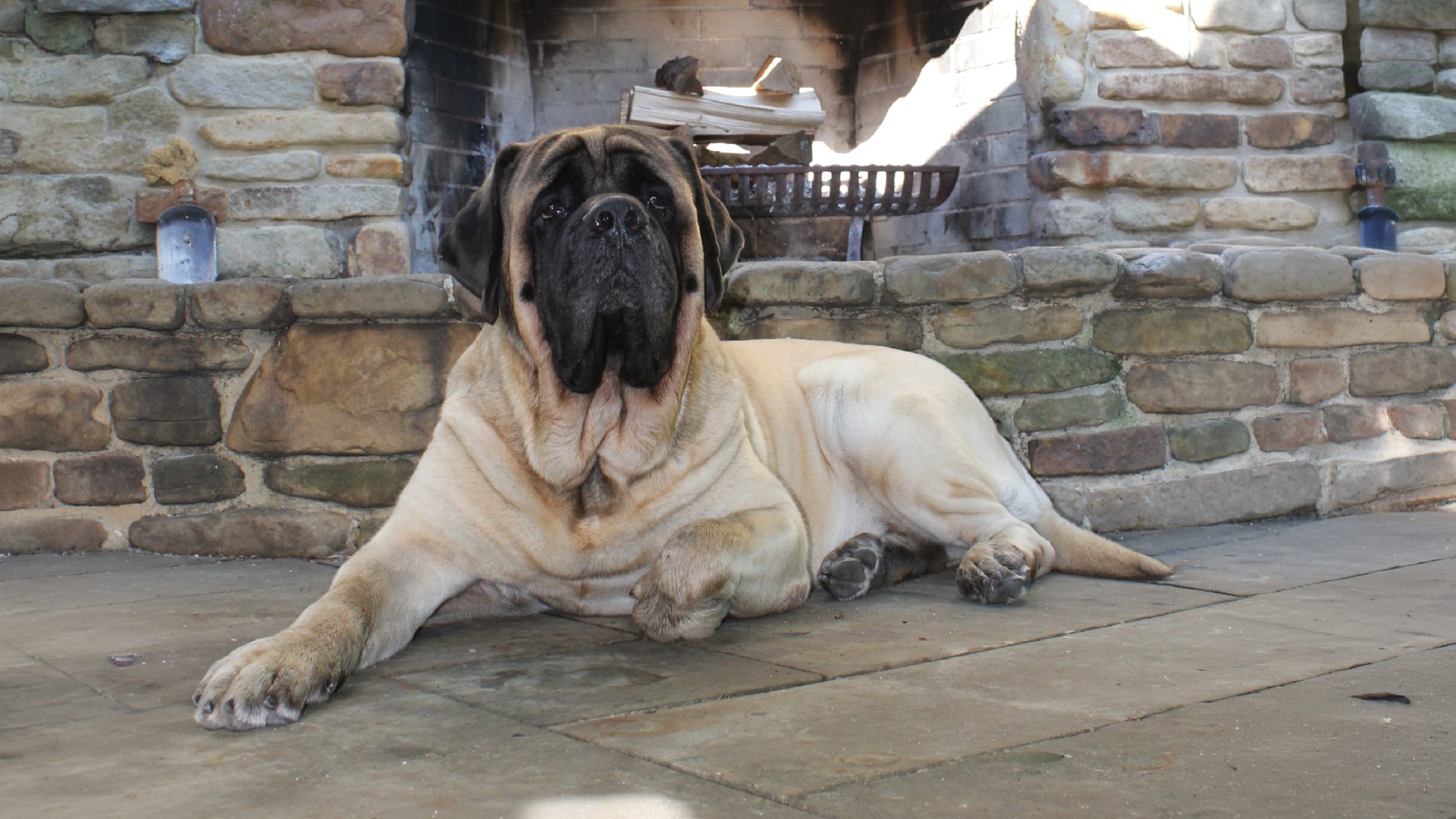
Mastiff males stand 30 inches tall, or more, at the shoulder and weigh between 160 and 230 pounds. Females stand at least 27.5 inches tall and typically weigh from 120 to 170 pounds.
Skull: Broad, massive, and square, with a well-defined stop. Noticeable wrinkles, especially when alert.
Expression: Alert but kindly, calm and dignified.
Eyes: Medium-sized, set wide apart, dark brown in color.
Ears: Small in proportion to the skull, V-shaped, set high, lying close to the cheeks.
Muzzle: Short, broad, deep, and truncated (blunt and square).
Nose: Large and well-defined, dark in color.
Bite: Scissors is preferred or slightly undershot; a level bite is acceptable.
The Mastiff's body is slightly longer than it is tall, giving it a rectangular profile from forechest to rump. The breed is well-proportioned, with a deep and broad chest that reaches well below the elbows. The ribs are well-sprung, and the topline is level, contributing to the overall impression of strength and balance. The bone structure is substantial, with thick, well-muscled limbs that support the breed’s considerable weight.
Texture: The Mastiff's outer coat is moderately short and straight, lying close to the body. It has a somewhat coarse texture, providing protection against the elements while requiring minimal grooming. The undercoat is short, dense, and close-fitting, offering additional insulation without excessive thickness.
Standard Colors
Standard Markings
04/Consider
Owning a Mastiff is a commitment that requires careful consideration due to the breed’s immense size, protective nature, and specific care needs. While they are gentle and affectionate with their families, their sheer mass and strength demand responsible ownership. Mastiffs are loyal companions that thrive in a home where they receive consistent training, socialization, and attention. Their health, exercise, and grooming requirements should also be taken into account when considering this breed as a companion in the home.
Interaction With Family
The level of affection a breed typically shows towards family members and familiar individuals.
Good With Other Dogs
The innate friendliness of a dog towards other dogs can depend on its breed.
Good With Young Children
The degree to which a breed will typically be patient with young children.
Amount Of Shedding
How much hair a breed typically leaves behind on clothes, furniture and floors.
Frequency Of Grooming
How often a breed needs brushing, bathing or a professional trim to stay in condition.
Amount Of Drooling
How prone a breed is to drool — worth knowing before you keep a towel by the door.
Openness To Strangers
How openly a breed tends to greet new people, visitors and strangers.
Protective Nature
How likely a breed is to alert you to — and stand between you and — anything unfamiliar.
Playfulness Level
How enthusiastic a breed stays about games and play well past puppyhood.
Trainability Level
How readily a breed takes direction and works with you rather than around you.
Barking Level
How much a breed uses its voice, and how readily.
Energy Level
How much get-up-and-go a breed brings to an average day.
Health
The Mastiff is a generally healthy breed, but due to its large size, it has a shorter lifespan than that of smaller dogs, typically ranging from 6 to 10 years. Proper care, regular veterinary checkups, and a well-balanced diet are essential for maintaining a Mastiff’s overall good health. Like all dog breeds and mixed breeds, Mastiffs are prone to certain genetic and structural health concerns that owners should be aware of in order to provide the best care possible.
The Mastiff is a loyal, affectionate, and gentle giant, known for its deep bond with its family. Despite their imposing size, these dogs are remarkably good-natured and have a calm, even-tempered disposition. While they are devoted to their loved ones, they can be reserved with strangers, making them natural guardians. Their protective nature does not translate into unnecessary aggression, but they will not hesitate to defend their home and family if needed.
Mastiffs are sensitive dogs that respond best to positive reinforcement and gentle guidance. They do not tolerate being left alone for extended periods and thrive best when they are included in daily family activities. While they can be good with children, supervision is essential due to their sheer size. They generally get along with other dogs, but early socialization is necessary to prevent any dominance-related issues. With their strong protective instincts, they may be wary of unfamiliar dogs or people, emphasizing the need for consistent training and exposure to various environments and interactions from an early age.
Exercise Expectations
Mastiffs enjoy leisurely walks and playtime in a securely fenced yard, but they do not have high endurance and should not be forced into strenuous activities like long-distance running. They prefer short bursts of activity followed by rest, making them well-suited for homes with ample space to move around at their own pace. Mental stimulation, such as training exercises and puzzle toys, can help to prevent boredom.
Grooming Expectations
Mastiffs adapt well to various living situations, but their large size requires plenty of indoor space to move comfortably. While they can live in apartments, they are better suited to homes with large yards, provided they are not left outdoors for extended periods. These dogs are not highly active indoors but they do need enough space to stretch out and rest comfortably.
Mastiffs are sensitive to extreme temperatures, particularly summer heat. Due to their short muzzle, they can be prone to heat exhaustion, so access to shade, fresh water, and air conditioning should always be available. Cold temperatures can also be challenging, so a coat or sweater in winter, if the dog is exposed to low temperatures for long periods, may be needed.
Mastiffs are deeply devoted to their families and thrive on companionship, so being left alone for long hours can lead to separation anxiety. This can result in destructive behaviors like chewing and digging. This breed is best suited to a home where someone is present for most of the day and can provide the attention and care required of these large and lovable companions.
05/Puppies
Raising a litter of Mastiff puppies requires patience, consistency, and attention to the breed’s unique nutritional and exercise needs. These pups may be small compared to their future size, but they grow rapidly and require special care to ensure proper development. Their slow maturation also means they remain puppy-like in behavior for several years, which makes early training and socialization essential.
A Mastiff puppy needs a structured routine to help grow into a well-behaved adult. Early socialization is crucial, exposing the pup to new people, environments, and other animals to build confidence and prevent fear-based behavior. Gentle but firm training should start as soon as the puppy arrives in its new home, focusing on basic commands, leash manners, and housebreaking.
The Mastiff puppy’s diet must be carefully managed to support steady growth without excessive weight gain. The pup should be fed a large-breed puppy formula in controlled portions, divided into three to four meals per day until adulthood is reached. Overfeeding or excessive calcium supplementation can contribute to joint and bone issues, so a breeder-guided feeding plan is recommended.
A growing puppy will require moderate exercise, avoiding high-impact activities that could strain developing joints. Short, controlled walks and gentle play sessions are best, as overexertion can lead to long-term orthopedic problems.
Grooming should begin early with a Mastiff puppy to accustom it to brushing, ear cleaning, nail trimming, and dental care. Additionally, since the breed tends to drool, helping a pup become comfortable with regular face cleaning from a young age is helpful.
06/Activities
Obedience: Mastiffs can excel in Obedience with proper training, as their intelligence and loyalty make them typically eager to please their human partners.
Rally Obedience: A more interactive form of Obedience, Rally Obedience allows Mastiffs to follow a structured course that reinforces the bond with their handler.
Guardian Work: Their strong protective nature makes Mastiffs well-suited for Guardian Work, where they can serve as natural watchdogs for their family and home.
Therapy Dog Work: With their gentle and affectionate temperament, individual Mastiffs can excel as Therapy Dogs, bringing comfort to those in hospitals, nursing homes, and schools.
Conformation Shows: Mastiffs can compete in Conformation Shows, where they are judged against a written Breed Standard for their breed type, structure, movement, and temperament.
Cart Pulling (Weight Pulling): Due to their massive size and strength, Mastiffs can engage in Cart Pulling or Weight Pulling, where they showcase their impressive natural power.
Scent Work: Mastiffs can participate in Scent Work, using their strong sense of smell to locate hidden scents in various environments.
Canine Good Citizen: Some Mastiffs have achieved their AKC Canine Good Citizen (CGC) title to demonstrate their good manners and obedience in public settings.
Gallery
07/Standards
The Mastiff is recognized by the world’s leading registries and kennel organizations, which categorize the breed into a specific Group based on its unique characteristics. This breed is recognized worldwide under the following Group designations:
The ideal Mastiff is described by a Breed Standard that is approved by each of the world’s leading registries and kennel organizations. The Standards for this breed may be found in the following links:
08/Clubs
Mastiff Club of America: Founded in 1929, the MCOA is the AKC-recognized parent club, dedicated to breed preservation, health research, and education. The club hosts specialty shows and social events nationwide.
Canadian Mastiff Club: The CMC, affiliated with the CKC, promotes responsible breeding, health awareness, and breed education while supporting Mastiff owners with training resources and activities.
Old English Mastiff Club: Established in 1883, the OEMC is the world’s oldest Mastiff club, recognized by The Royal Kennel Club (UK). The club’s members focus on breed preservation, support health testing, and promote responsible ownership.
09/Rescue
For those looking to adopt a Mastiff in need, several dedicated rescue organizations work to rehabilitate and rehome dogs in the United States and Canada, and in the United Kingdom. These groups focus on rescuing, fostering, and finding suitable homes for Mastiffs that have been surrendered or abandoned.
Mastiff Rescue Assistance Foundation, Inc.: Operated by the Mastiff Club of America, MRF is a nationwide rescue group that assists in the rehabilitation and rehoming of Mastiffs while promoting responsible ownership.
Great Plains Mastiff Rescue: A regional rescue serving Oklahoma, Texas, Missouri, Kansas, and surrounding states, its volunteer members are dedicated to rescuing and rehoming local Mastiffs in need.
Mastiff Rescue of Florida: Focused on rescuing and rehoming Mastiffs within the Sunshine State, this group ensures that any dog in need receives proper care and a suitable placement in a responsible home.
If a breed-specific rescue is unavailable in your area, local shelters, large-breed rescues, and general animal welfare organizations may have a Mastiff periodically that is in need of adoption.
10/Facts
One of the Largest Dog Breeds
The Mastiff is one of the heaviest of all recognized dog breeds, with some individuals exceeding 250 pounds.
Ancient War Dogs
Mastiffs were used in battle by the Romans and Persians, and even by Hannibal, who reportedly brought them across the Alps.
Inspired the Term “Fighting Like Mastiffs”
In medieval England, the Mastiff’s bravery and loyalty led to the phrase, meaning to fight with great tenacity.
A Mastiff Holds the Record for Heaviest Dog
A Mastiff named Zorba weighed 343 pounds, earning a place in the Guinness Book of World Records.
Symbol of Nobility
In medieval times, Mastiffs were owned by the nobility and often accompanied knights into battle.
Saved from Extinction
The breed nearly disappeared after World War II, but dedicated breeders in the US and UK successfully revived it.
11/FAQ
Yes, Mastiffs shed moderately year-round, with heavier shedding occurring seasonally. Regular brushing helps to manage any loose hair and keeps the breed’s short coat healthy.
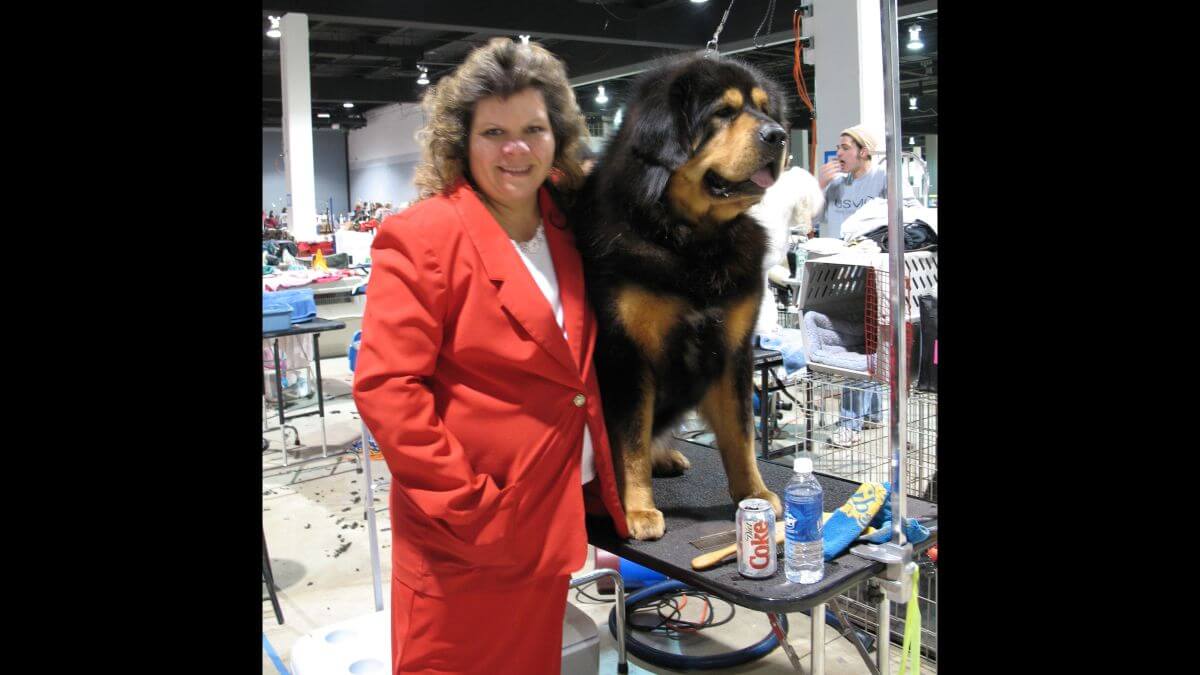

Meet the Breeders
Audrey Lee of Aujudon Tibetan Mastiffs shares her journey in dogs, her breeding philosophy, and decades of dedication to the breed.
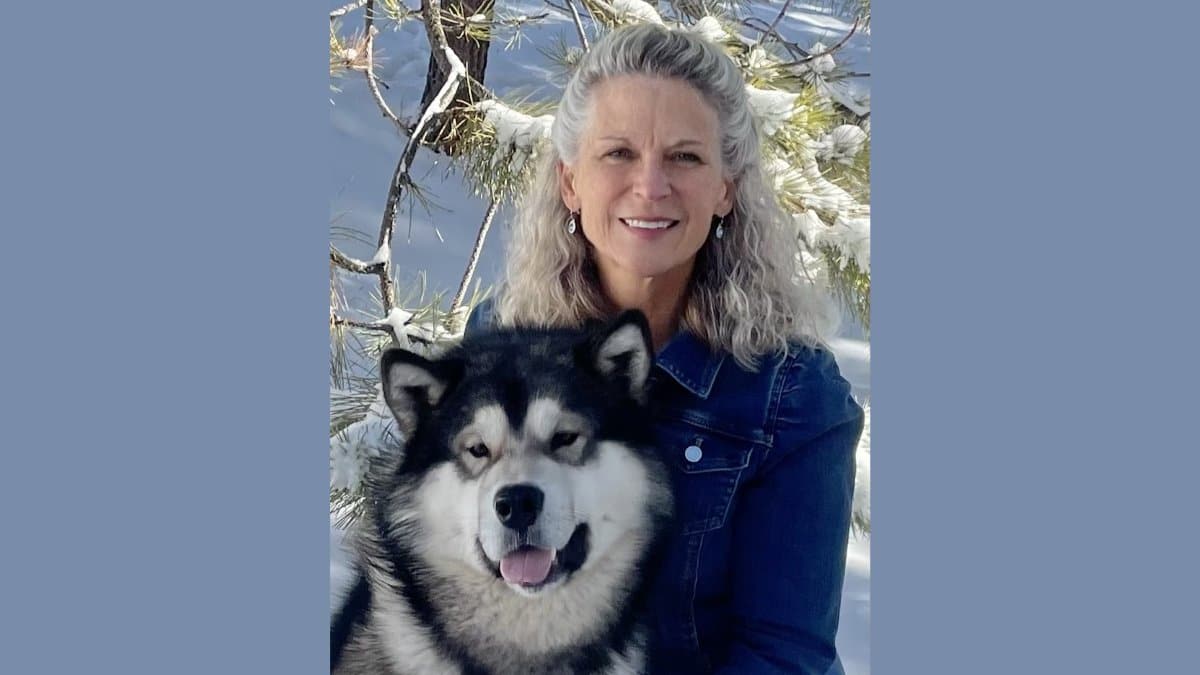

Meet the Judges
Robin Hug reflects on judging the 2025 National Dog Show, highlighting quality entries and standout breed performances.
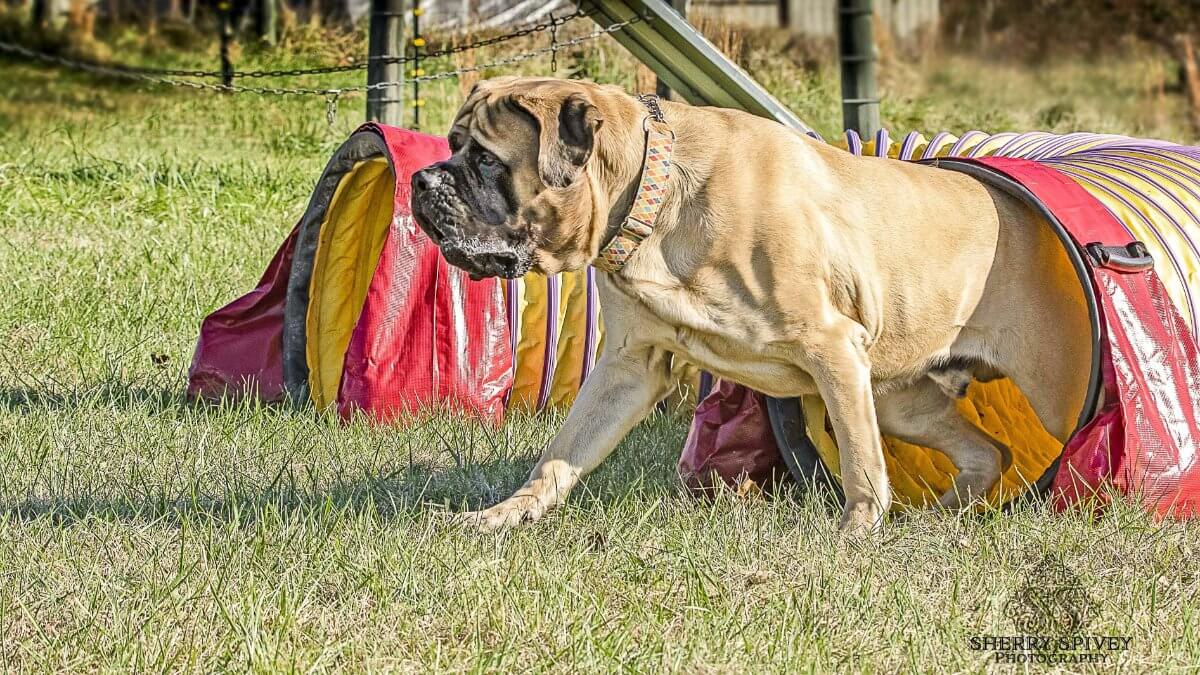

Scent Work
Celebrating the Mastiff’s strength, heart, and versatility! Learn how #MastiffsCan honors these gentle giants through training and teamwork.
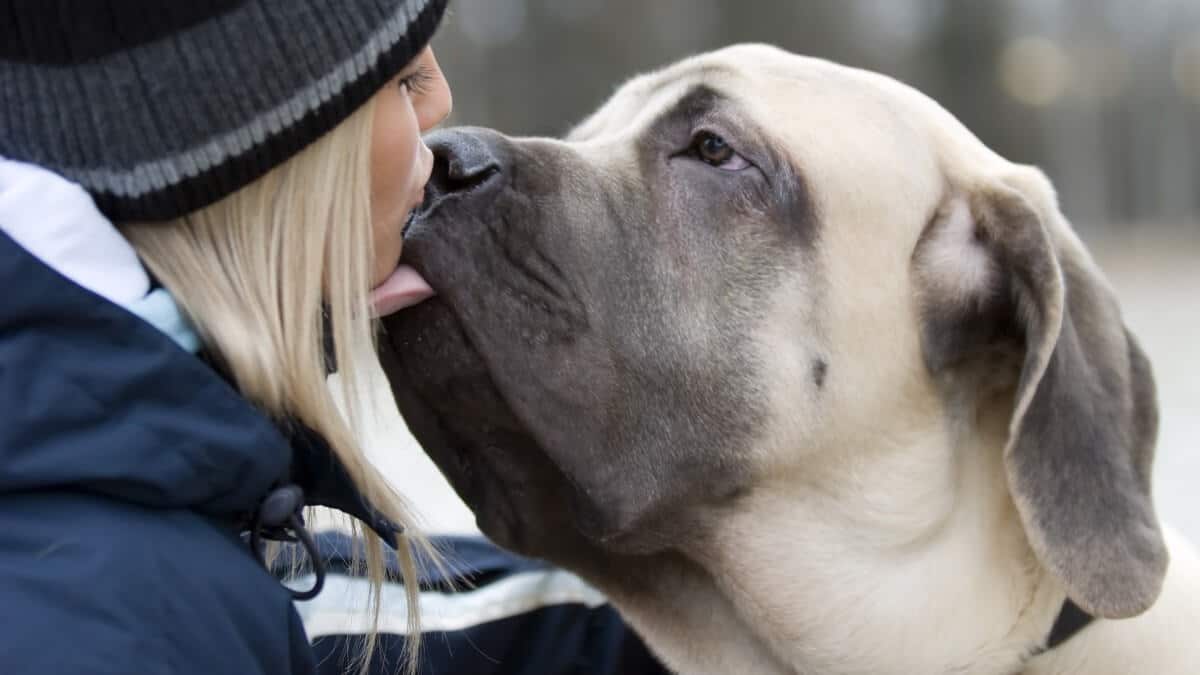
Learn why long coats and excessive white in Mastiffs threaten breed type and how breeders can preserve the Mastiff’s true identity.

Breed Conservation
Breeder, handler, and judge Diane Collings shares her lifelong journey in dogs, insights on Mastiff structure, breeding, and mentorship.


Breed Conservation
Meet Aggie Wasson, breeder, owner, and handler of Dogos and Mastiffs, sharing her journey, insights, and show ring success.

Meet the Breeders
Kirsten Ludwig of Nittany Chinooks shares her journey with this rare sled dog breed, its challenges, virtues, and preservation efforts.

Meet the Breeders
Kimberly Harac-Heruth of Impeccable Mastiffs shares insights on preserving Mastiff function, structure, health, and breed integrity.
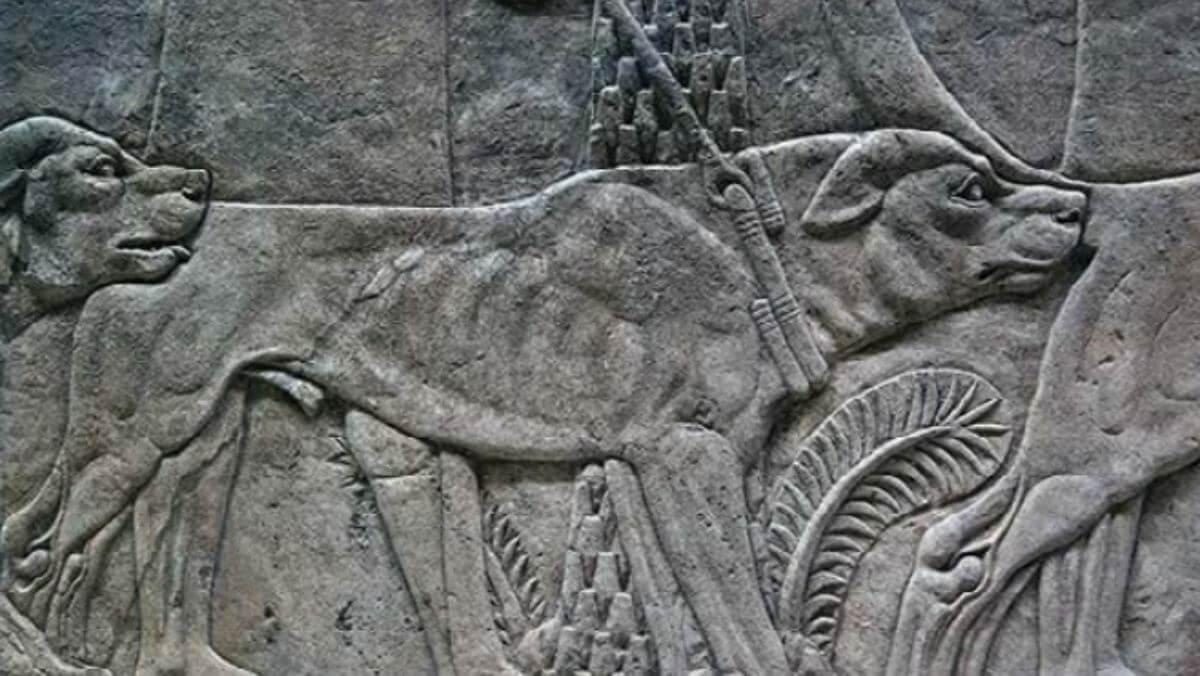
Explore the rich history of the English Mastiff, a giant watchdog with ancient roots, bred for loyalty and family devotion.
The Mastiff's tail is long and set moderately high, tapering toward the tip. It reaches at least to the hocks and is carried straight or with a slight upward curve when the dog is alert. It should never be curled over the back or carried too high. The tail is thick at the base and gradually tapers, complementing the breed’s overall balance and powerful build. The tail is never docked.
A Note About Color: The coat may be either fawn, apricot, or brindle in color. Brindle should have fawn or apricot as a background color, which should be completely covered with very dark stripes. The muzzle, ears, and nose must be dark, the blacker the better, with a similar color tone around the eyes and extending upwards between them. A small patch of white on the chest is acceptable, but excessive white on the chest, or white on any other part of the body, is considered a fault in the show ring.
Coat Type
Double
The structure of the coat this breed carries.
Coat Length
Short
How long the breed's coat grows when kept in condition.
Adaptability Level
How easily a breed copes with changes in home, routine, noise and weather.
Mental Stimulation Needs
How much a breed needs a job, a puzzle or training to stay content.
Mastiffs require a high-quality diet tailored to their large size, growth rate, and activity level. Puppies should be fed a large-breed puppy formula to support their slow and steady growth, preventing joint and bone issues. Overfeeding or rapid growth can lead to skeletal problems, so portion control is essential.
Adult Mastiffs typically consume between 6 to 10 cups of food per day, divided into two meals to reduce the risk of bloat. Their diet should be rich in high-quality protein, healthy fats, and balanced carbohydrates, ensuring they maintain a healthy weight without excessive bulk. Fresh water should always be available, and treats should be given in moderation to prevent obesity.
Mastiffs are intelligent but can be independent and stubborn, making early training and socialization crucial. They respond well to positive reinforcement, including treats and praise, but harsh training methods should be avoided as they are sensitive and may become resistant. Due to their protective nature, proper socialization from puppyhood is necessary to ensure they remain well-mannered and confident around new people and animals.
These dogs have a moderate tendency to bark, often using their deep voice to alert their owners rather than barking excessively. Their wanderlust potential is low, as they are more likely to stay close to their family, but they should always be securely fenced or leashed when outdoors. Given their strong instincts, some Mastiffs may have a moderate prey drive, so introductions to smaller animals should be handled thoughtfully.
Because of their size and strength, leash training is essential from a young age. Without proper training, a Mastiff could be difficult to manage as an adult. Consistency, patience, and firm yet gentle leadership will help to develop a well-behaved and obedient companion.
Bathing should be done only as needed, typically every 6 to 8 weeks, or when the dog gets dirty. The breed’s wrinkled face and loose skin folds, especially around the muzzle, should be cleaned regularly to prevent infections that could result from neglect. Mastiffs tend to drool, so wiping their face frequently, particularly after eating or drinking, is typically necessary. Regular ear cleaning, nail trimming, and dental care are also important to maintain good overall hygiene and to prevent common, and avoidable, health issues from developing.