Members
01/Overview
The Basset Hound is a distinctive, short-legged breed of dog originating from France. Known for its sad expression, long ears, and impeccable scenting ability, the "Basset" is both a skilled hunting companion and a beloved family pet.
Highlights
02/History
The lineage of the Basset Hound traces back to ancient times, with its distant ancestors depicted in artwork from civilizations as old as the ancient Egyptians. However, the breed recognized today has its origins primarily in France.
The name "Basset" is derived from the French word bas, meaning "low," aptly describing the breed's short stature. Basset Hounds were developed from the St. Hubert Hound, a predecessor to the modern Bloodhound. Their primary purpose was to hunt small game, such as rabbits and hares, by scent. Their short legs were advantageous in this endeavor, allowing hunters to follow the dogs on foot as they trailed their quarry.
During the Renaissance, Basset Hounds gained popularity in French aristocratic circles, with King Louis XIV being one of the breed’s notable admirers. As the Basset continued to evolve, different strains were developed, each tailored to a specific terrain and hunting need. This led to a variation in appearance among hounds from different regions.
The Basset's introduction to England occurred in the mid-19th century, and it quickly gained popularity. The first of the breed to be exhibited at a dog show entered the ring in 1863, and the hounds' many charms quickly assured its steady rise in popularity. It was during this period in England that a written Breed Standard was defined, leading to the Basset's consistency in appearance that is recognized today.
The American chapter of the Basset Hound's history began in the late 19th century. The breed was officially recognized by the American Kennel Club (AKC) in 1885, and its popularity soared in the 20th century. This was due in in large part due to the breed's depiction in popular culture, especially as the mascot of a major footwear brand.
Over the years, the Basset transitioned from being primarily a hunting dog to a much loved family pet. The breed’s gentle disposition, coupled with its distinctive figure, guaranteed its enduring appeal in America and elsewhere.
Today, while some Basset Hounds are still used as pack hunters in parts of France, many more enjoy life as a family companion, show dog, and as a participant in various dog sports. These activities reflect the breed's versatility and its endearing nature.
03/Appearance
When it comes to height, mature Basset Hounds typically stand less than 15 inches tall at the shoulder.
In terms of weight, adult Bassets generally weigh between 40 and 65 pounds.
Skull: The skull of the Basset Hound is well-proportioned and moderately domed. It transitions smoothly into the muzzle with a slight stop.
Expression: Their expression often appears melancholic, but it's also attentive. The soft and droopy eyes, paired with relaxed facial muscles, give this hound a calm and endearing look.
Eyes: The eyes are lozenge-shaped and are typically of a dark hazel color. They are neither too sunken nor too prominent. A slightly sad expression is a characteristic feature, giving these dogs their unique and loving appearance.
Ears: The ears are notably long, set low, and hang gracefully against the head. They are velvety to the touch and can reach at least to the end of the nose when drawn forward.
Muzzle: The muzzle is deep and full, but not pointy. It is almost parallel to the topline of the skull, with nostrils that are large for optimal scenting.
Nose: The nose is large with wide-open nostrils. It is usually black in color or dark-pigmented, although deep liver-colored noses may be seen that complement the color of the coat.
Bite: The Basset Hound possesses a scissors bite, where the upper incisors closely overlap the lower incisors. The teeth are large in size and the bite should never be undershot or overshot.
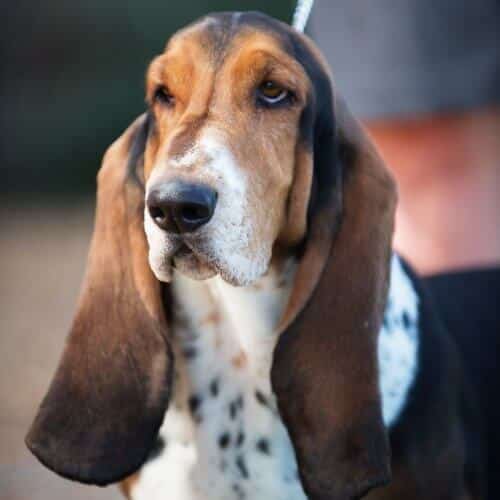
The Basset Hound is a robust and heavy-boned breed with a substantial appearance, despite its shorter stature. Its body is long, with the length being greater than the height. This elongation, coupled with a prominent chest and well-developed muscles, allows the Basset to function as a powerful and effective scent tracker. The breed is neither too heavy nor too light, carrying itself with dignity and striking a balance that showcases its endurance and strength.
Texture: The Basset Hound boasts a smooth, short coat that is dense enough to offer protection in most environments and in adverse weather conditions. The coat is rather hard to the touch, with skin that is loose and elastic. It is easy to care for; however, the various skin folds and long ears hold moisture and require regular attention to keep them clean and dry.
| Standard Color | |
|---|---|
| Black & White | ee |
| Black Brown & White | ee |
| Black Tan & White | ee |
| Black White & Brown | ee |
| Black White & Tan | ee |
| Brown Black & White | ee |
| Lemon & White | ee |
| Mahogany & White | ee |
| Red & White | ee |
| Black & Brown | ee |
| Black Red & White | ee |
| Blue & White | ee |
| Brown & White | ee |
| Tan & White | ee |
| White & Lemon | ee |
| White Black & Brown | ee |
| White Black & Red | ee |
04/Consider
When considering adding a Basset Hound to the home, it is essential to recognize and appreciate the unique attributes and requirements of this particular scenthound. While the breed's sad eyes, long ears, and amiable disposition often endear it to many, ownership comes with responsibilities.
Interaction With Family
The level of affection a breed typically shows towards family members and familiar individuals.
Good With Other Dogs
The innate friendliness of a dog towards other dogs can depend on its breed.
Good With Young Children
The degree to which a breed will typically be patient with young children.
Amount Of Shedding
How much hair a breed typically leaves behind on clothes, furniture and floors.
Frequency Of Grooming
How often a breed needs brushing, bathing or a professional trim to stay in condition.
Amount Of Drooling
How prone a breed is to drool, worth knowing before you keep a towel by the door.
Openness To Strangers
How openly a breed tends to greet new people, visitors and strangers.
Protective Nature
How likely a breed is to alert you to anything unfamiliar, and stand between you and it.
Playfulness Level
How enthusiastic a breed stays about games and play well past puppyhood.
Trainability Level
How readily a breed takes direction and works with you rather than around you.
Barking Level
How much a breed uses its voice, and how readily.
Energy Level
How much get-up-and-go a breed brings to an average day.
Health
The Basset Hound, like all breeds and mixed breeds, has its own unique set of health considerations to be aware of. Generally, these hounds are a robust and hearty breed, but certain genetic predispositions can affect their health. Lifespan: On average, Basset Hounds have a lifespan of 12 to 13 years. This range can be influenced by factors such as diet, exercise, genetics, and overall care.
The Basset Hound is a breed that charms many with its gentle and affable nature. Recognized for their unwavering loyalty, these short-legged hounds make for wonderful companions with both families and individual dog lovers.
For novice dog owners, the Basset Hound presents an attractive choice. The breed’s calm and tolerant temperament aligns well with those who might not have experience with canine companions. However, it's essential to recognize that Basset Hounds, while easy-going, can occasionally display a stubborn streak, especially during training sessions.
Basset Hounds are notably sensitive creatures. Emotionally, they thrive on close companionship and may feel the sting of loneliness if left alone for long durations. This bond with their people means that extended solitude might lead to feelings of separation anxiety. Physically, their sensitive skin can sometimes be delicate, making them potentially more reactive to certain grooming products or environmental elements.
Socially, Basset Hounds are generally amicable with other dogs. Their sociable nature is a testament to their breed, and with the right introductions, they often integrate well into households with multiple pets. This sociability extends to humans too. Families with young children will find that Bassets, with their patient and gentle demeanor, can be excellent companions. As always, it's crucial to be sure that interactions between dogs and young children are supervised to guarantee everyone’s safety.
Exercise Expectations
At their core, Basset Hounds are scent hounds, which means they are hardwired to follow their noses. Walks are not only a means of physical exercise but also a way of providing the dog with a plethora of sensory stimuli. A daily walk allows the Basset to engage with its environment, tracking various scents and exploring the immediate surroundings. This not only caters to the Basset’s physical needs, it also provides much-needed mental stimulation. In terms of energy levels, the Basset Hound is a moderate dog breed. Bassets typically enjoy play sessions and can be quite lively, especially during their younger years. Incorporating short play sessions in the yard or indoors, coupled with daily walks, can be an excellent way to make sure they are getting adequate exercise. Despite their shorter stature, Basset Hounds have a surprising intensity to their play at times. They enjoy games like fetch, although they might be more interested in sniffing the ball rather than bringing it back! It's essential to monitor a Basset Hound’s exercise, especially during hot weather. The breed’s heavy-boned structure and loose skin can make these dogs susceptible to overheating. Early morning or late evening walks during warmer months can help to avoid any heat-related problems. Additionally, the Basset’s unique physique means these short-legged hounds can be prone to joint issues, so it's vital to offer exercise that is consistent but not overly strenuous.
The Basset Hound, with its soulful eyes and charming demeanor, can quickly become a beloved member of any household. Living with one, however, requires an understanding of the breed’s unique characteristics and needs.
Firstly, Basset Hounds are quite adaptable to apartment living, provided their exercise requirements are met. The breed’s moderate energy levels mean these dogs may be content lounging around after a good walk or play session. However, it's worth noting that they can occasionally be vocal, especially when they want attention or if they sense someone approaching their home.
When it comes to weather sensitivity, Basset Hounds fare reasonably well in cooler climates. Their dense coat provides some protection against the cold, but as always, extreme conditions should be avoided. It's vital to ensure they have a warm place to retreat to during colder months. Conversely, in hot weather, Bassets can be susceptible to overheating. Their short noses and heavy-set bodies mean they don't dissipate heat as effectively as some other breeds. On particularly warm days, it's essential to limit their exercise, provide ample shade, and provide access to fresh water.
Lastly, Basset Hounds are social creatures. They thrive on human interaction and can form strong bonds with family members. While they're generally content being left alone for short periods, prolonged isolation can lead to boredom and resultant destructive behaviors. It's beneficial, therefore, to provide them with toys or activities when they're alone and to offer plenty of interaction when family members are home.
05/Puppies
The sight of a Basset Hound puppy, with its oversized paws, floppy ears, and soulful eyes, can melt even the hardest of hearts. These puppies embody the essence of innocence and playfulness. However, as with any purebred dog, raising a Basset puppy requires dedication, patience, and knowledge about its specific needs during this crucial stage of life.
Basset Hound puppies are playful, curious, and full of energy. From the moment they come into your home, it's essential to provide a safe environment for them to explore and grow. Since they are scent hounds, they'll start using their noses early on, sniffing out every corner of their new residence.
Nutrition is paramount during this growth phase. Basset puppies require a balanced diet that caters to their specific needs. It's advised to feed them high-quality puppy food that supports bone and joint health, especially given their unique skeletal structure. It’;s important to always make sure they have access to fresh water.
Socialization is another vital aspect of their early development. Introducing Basset puppies to different environments, people, and other animals in a controlled manner can help to shape their adult temperament. This period is also an excellent time to begin basic training, instilling good behaviors from a very young age.
Physical care is equally important. The Basset’s long ears and skin folds require regular checks, even as puppies. Ensuring the ears are clean and dry, and attending to the skin folds, can prevent potential health issues from becoming chronic down the line.
Lastly, while Basset Hounds might be bundles of energy, it's essential to avoid over-exercising them. Their bones and joints are still developing, and strenuous activities could cause damage. Sso, short, controlled play sessions and walks are best until they mature.
06/Activities
Engaging a Basset Hound in activities and dog sports can be a rewarding experience for both the dog and its favorite person. While these hounds may not be the first breed that comes to mind when one thinks of agility or speed-based sports, their keen sense of smell and tracking abilities open up a world of specialized activities suited to their natural instincts.
Tracking and Scent Work: Given their scent hound lineage, Bassets excel in Tracking and Scent Work. These events tap into their natural instincts, making them not only enjoyable for the dog but also a sight to behold for spectators as they see this hound in its element, nose to the ground and tail wagging.
Rally: Rally is a sport where dogs and handlers navigate a course together, following various directives which instruct specific obedience exercises. Basset Hounds, with the right training, can participate and enjoy this structured activity, showcasing their ability to follow commands and work in tandem with their handlers.
Barn Hunt: A newer sport, Barn Hunt, tests a dog's vermin hunting abilities. Bassets, with their keen nose, can excel in this sport, searching for a rat (safely enclosed in a secure tube) hidden among bales of hay.
Conformation Shows: Basset Hounds are often participants in Conformation Shows, where their adherence to the Breed Standard, including their appearance, movement, and temperament, are judged. Participating in such shows can be a great way to bond with the dog and also a way of meeting other breed enthusiasts.
Canine Good Citizen (CGC): While not a sport, per se, the CGC program recognizes well-mannered dogs. Given their generally friendly and docile nature, with the right training, many Bassets can achieve this distinction.
Therapy Work: Their gentle disposition and affectionate nature make Basset Hounds excellent candidates for becoming a Therapy Dog. With proper training and certification, these lovable hounds can be permitted to visit hospitals, schools, and nursing homes, providing comfort and joy to those they meet.
While Basset Hounds may not dominate in high-speed or agility-focused sports, there's a plethora of activities and dog sports where they can shine. Engaging them in such activities can provide both mental and physical stimulation, strengthen the bond between dog and handler, and offer an opportunity for socialization with other dogs and people.
Gallery
07/Standards
The Basset Hound is recognized by the world's leading registries and kennel organizations, which categorize the breed into a specific Group based on its unique characteristics. This breed is recognized worldwide under the following Group designations:
The ideal Basset Hound is described by a Breed Standard that is approved by each of the world’s leading registries and kennel organizations. The Breed Standards for this breed may be found in the following links:
08/Clubs
Breed clubs have always been instrumental in the promotion, welfare, and preservation of specific breeds, and for the Basset Hound, this is no exception. In various countries, there are clubs devoted to celebrating and supporting the legacy of this distinctive hound.In the United States, the Basset Hound Club of America (BHCA) stands out as the pillar of the Basset Hound community. Established in the early 20th century, the BHCA has continually championed the breed's written Standard, encouraged responsible breeding practices, and provided invaluable education on the unique attributes and care requirements of the breed. This club also regularly organizes events, bringing together a passionate community of Basset Hound enthusiasts.In Canada, the Basset Hound Club of Canada (BHCC) stands as a testament to the dedication and love for this delightful breed. This organization places great emphasis on ensuring the health and welfare of the Basset. Providing resources tailored to breeders, owners, and those considering adoption, the BHCC is instrumental in connecting and educating the Basset Hound community. Additionally, the club holds a variety of events throughout the year, further strengthening the bond among its members and the dogs they adore.In the United Kingdom, the rich history of the Basset Hound Club (BHC) is hard to overlook. As one of the oldest and most established breed clubs for the breed, the BHC has played a pivotal role from the Basset's early days in the UK. This club has not only influenced the breed's written standard of perfection over the years, it has also been a beacon for promoting the overall well-being of the breed. Through a range of resources and events, the BHC continues to bring together a vibrant community of Basset Hound aficionados.For those passionate about the Basset Hound, being part of these clubs offers a wealth of benefits. From exclusive events and educational content to networking with like-minded individuals, membership deepens one's appreciation and connection to these endearing hounds.
09/Rescue
Rescue groups occupy a vital position in the canine world, offering many dogs, including Basset Hounds, an opportunity for a renewed life in loving homes. These organizations are typically driven by devoted volunteers who dedicate their time to the rescue, rehabilitation, and rehoming of dogs, particularly those that have faced abandonment, mistreatment, or surrender.In the United States, the Guardian Angel Basset Rescue has earned a reputation for its dedication to Basset Hounds in need. Actively working to place these lovable hounds in suitable homes, the group’s volunteers also ensure that each dog receives medical care, training, and other essential resources to thrive in their new environments.Similarly, In Canada, the Basset Hound Rescue of Ontario stands as a beacon of hope for many Bassets in need across the country. Through community outreach, awareness initiatives, and special adoption events, this group works diligently to decrease the number of Bassets in shelters and makes sure that each one finds a permanent, loving home.In the United Kingdom, the Basset Rescue Network of Great Britain is renowned for its commitment to the breed. Working often in collaboration with the Basset Hound Club in the UK, this organization places paramount importance on the welfare of the Basset and furnishes valuable resources to those considering adoption.
10/Facts
Scent Extraordinaires
The Basset Hound possesses the second-best sense of smell among all dog breeds, surpassed only by the Bloodhound. The breed’s extraordinary olfactory capabilities make these dogs exceptional scent hounds.
French Roots
The name “Basset” originates from the French word “bas,” meaning “low.” True to their name, Basset Hounds have a low-built body structure, making them closer to the ground, which aids in their scent-tracking abilities.
Cinematic Stars
Basset Hounds have made notable appearances in popular culture and film, with one of the most famous being “Flash” from The Dukes of Hazzard television series.
Vocal Hounds
Bassets are known for their unique vocalizations, which include howling, baying, and even "talking." Their vocal range is a charming yet distinctive feature of the breed.
Historic Hunters
Historically, Basset Hounds were bred in France for hunting small game. Their keen nose and steadfast stamina made them exceptional at tracking hares and rabbits.
Distinguished Appearance
One of the breed's most distinguished features is its skin, which hangs in loose folds, most especially around the head and neck. This saggy skin, paired with the Basset Hound’s droopy eyes and long ears, gives these dogs their iconic, mournful expression, which many owners and enthusiasts have come to adore.
11/FAQ
Basset Hounds typically have a lifespan of 12 to 13 years. Like all dogs, their longevity can be influenced by factors such as genetics, health care, and overall well-being. Proper care, a balanced diet, and regular veterinary check-ups can contribute to a healthy and long life.

Written by
Dan Sayers is the Executive Editor of SHOWSIGHT. He is a member of the World Dog Press Association and the Dog Writers Association of America, which recognized his illustrations in the award-winning Encyclopedia of K-9 Terminology. Dan is a longtime supporter of the sport of dogs and an advocate for the conservation of recognized breeds in all their forms and functions. He is a member of the Morris and Essex Kennel Club, and for 45 years, the Irish Water Spaniel Club of America where he serves as AKC Delegate, Archivist, and approved Breed Mentor. Dan breeds under the Quiet Storm prefix and has judged the IWSCA National Specialty Sweepstakes twice.
Official Standard for the Basset Hound
General Appearance: The Basset Hound possesses in marked degree those characteristics which equip it admirably to follow a trail over and through difficult terrain. It is a short-legged dog, heavier in bone, size considered, than any other breed of dog, and while its movement is deliberate, it is in no sense clumsy. In temperament it is mild, never sharp or timid. It is capable of great endurance in the field and is extreme in its devotion.
Head: The head is large and well proportioned. Its length from occiput to muzzle is greater than the width at the brow. In overall appearance the head is of medium width. The skull is well domed, showing a pronounced occipital protuberance. A broad flat skull is a fault. The length from nose to stop is approximately the length from stop to occiput. The sides are flat and free from cheek bumps. Viewed in profile the top lines of the muzzle and skull are straight and lie in parallel planes, with a moderately defined stop. The skin over the whole of the head is loose, falling in distinct wrinkles over the brow when the head is lowered. A dry head and tight skin are faults. The muzzle is deep, heavy, and free from snipiness. The nose is darkly pigmented, preferably black, with large wide-open nostrils. A deep liver-colored nose conforming to the coloring of the head is permissible but not desirable. The teeth are large, sound, and regular, meeting in either a scissors or an even bite. A bite either overshot or undershot is a serious fault. The lips are darkly pigmented and are pendulous, falling squarely in front and, toward the back, in loose hanging flews. The dewlap is very pronounced. The neck is powerful, of good length, and well arched. The eyes are soft, sad, and slightly sunken, showing a prominent haw, and in color are brown, dark brown preferred. A somewhat lighter-colored eye conforming to the general coloring of the dog is acceptable but not desirable. Very light or protruding eyes are faults. The ears are extremely long, low set, and when drawn forward, fold well over the end of the nose. They are velvety in texture, hanging in loose folds with the ends curling slightly inward. They are set far back on the head at the base of the skull and, in repose, appear to be set on the neck. A high set or flat ear is a serious fault.
Forequarters: The chest is deep and full with prominent sternum showing clearly in front of the legs. The shoulders and elbows are set close against the sides of the chest. The distance from the deepest point of the chest to the ground, while it must be adequate to allow free movement when working in the field, is not to be more than one-third the total height at the withers of an adult Basset. The shoulders are well laid back and powerful. Steepness in shoulder, fiddle fronts, and elbows that are out, are serious faults. The forelegs are short, powerful, heavy in bone, with wrinkled skin. Knuckling over of the front legs is a disqualification. The paw is massive, very heavy with tough heavy pads, well rounded and with both feet inclined equally a trifle outward, balancing the width of the shoulders. Feet down at the pastern are a serious fault. The toes are neither pinched together nor splayed, with the weight of the forepart of the body borne evenly on each. The dewclaws may be removed.
Body: The rib structure is long, smooth, and extends well back. The ribs are well sprung, allowing adequate room for heart and lungs. Flatsidedness and flanged ribs are faults. The topline is straight, level, and free from any tendency to sag or roach, which are faults.
Hindquarters: The hindquarters are very full and well rounded, and are approximately equal to the shoulders in width. They must not appear slack or light in relation to the overall depth of the body. The dog stands firmly on its hind legs showing a well-let-down stifle with no tendency toward a crouching stance. Viewed from behind, the hind legs are parallel, with the hocks turning neither in nor out. Cowhocks or bowed legs are serious faults. The hind feet point straight ahead. Steep, poorly angulated hindquarters are a serious fault. The dewclaws, if any, may be removed.
Tail: The tail is not to be docked, and is set in continuation of the spine with but slight curvature, and carried gaily in hound fashion. The hair on the underside of the tail is coarse.
Size: The height should not exceed 14 inches. Height over 15 inches at the highest point of the shoulder blade is a disqualification.
Gait: The Basset Hound moves in a smooth, powerful, and effortless manner. Being a scenting dog with short legs, it holds its nose low to the ground. Its gait is absolutely true with perfect coordination between the front and hind legs, and it moves in a straight line with hind feet following in line with the front feet, the hocks well bent with no stiffness of action. The front legs do not paddle, weave, or overlap, and the elbows must lie close to the body. Going away, the hind legs are parallel.
Coat: The coat is hard, smooth, and short, with sufficient density to be of use in all weather. The skin is loose and elastic. A distinctly long coat is a disqualification.
Color: Any recognized hound color is acceptable and the distribution of color and markings is of no importance.
Disqualifications: Height of more than 15 inches at the highest point of the shoulder blade. Knuckled over front legs. Distinctly long coat.
Approved January 14, 1964
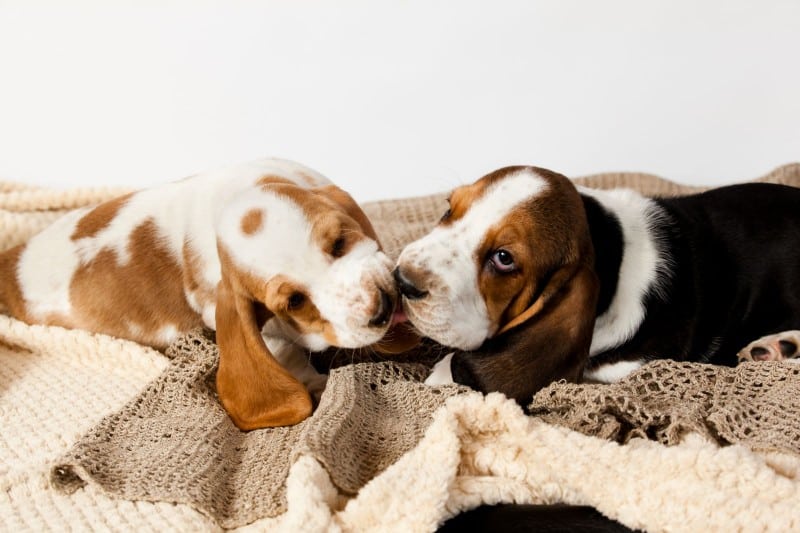

Basset Hound Color: Any recognized hound color is acceptable and the distribution of color and markings is of no importance. Read more.
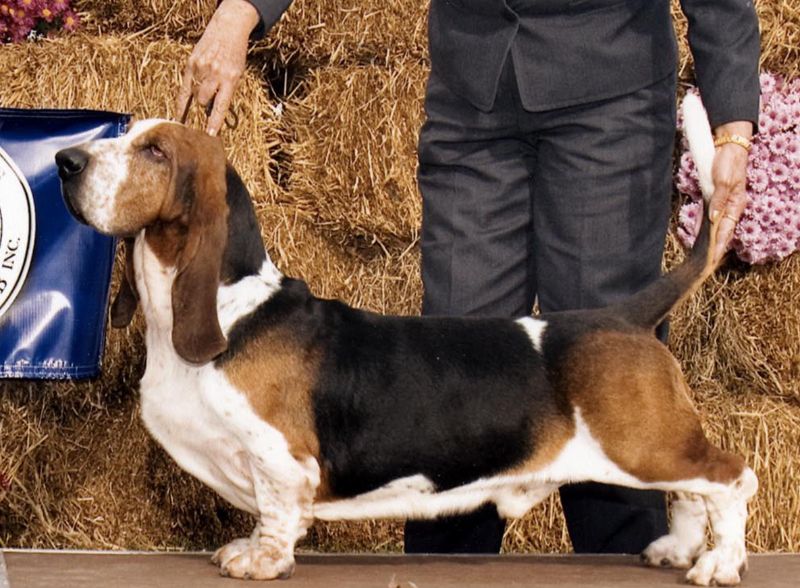
Basset Hounds have a wrap-around front. Their deep chest must house a strong heart and lungs for field endurance and long hunting days.
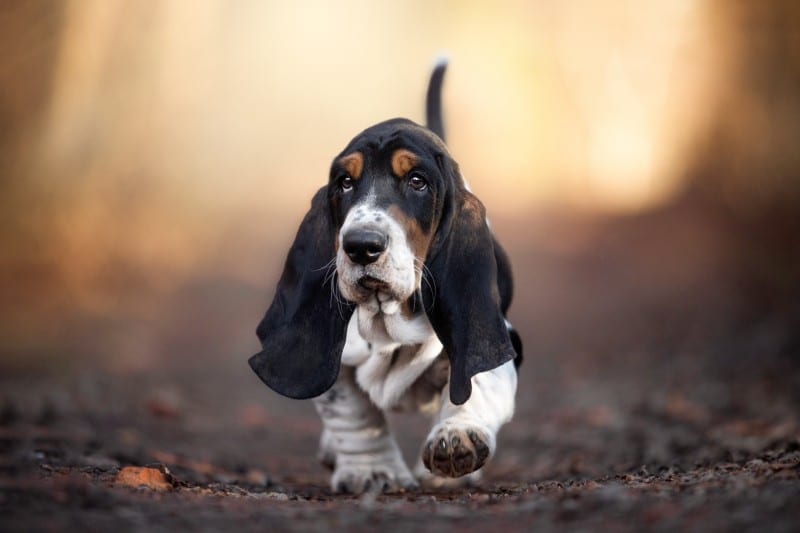

The Basset Hound is a short-legged dog, heavier in bone, size-considered, than any other breed of dog. Read more.
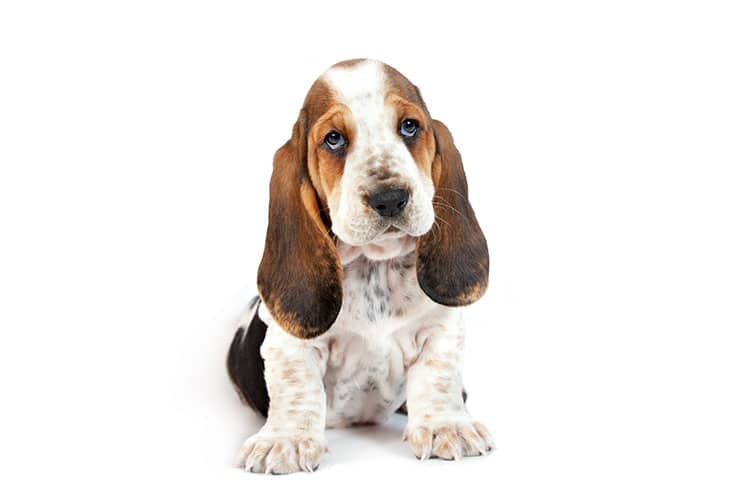

Breeding with Intention
Prioritization comes into play when we decide to breed or place a class of dogs in a show due to the many criteria involved.
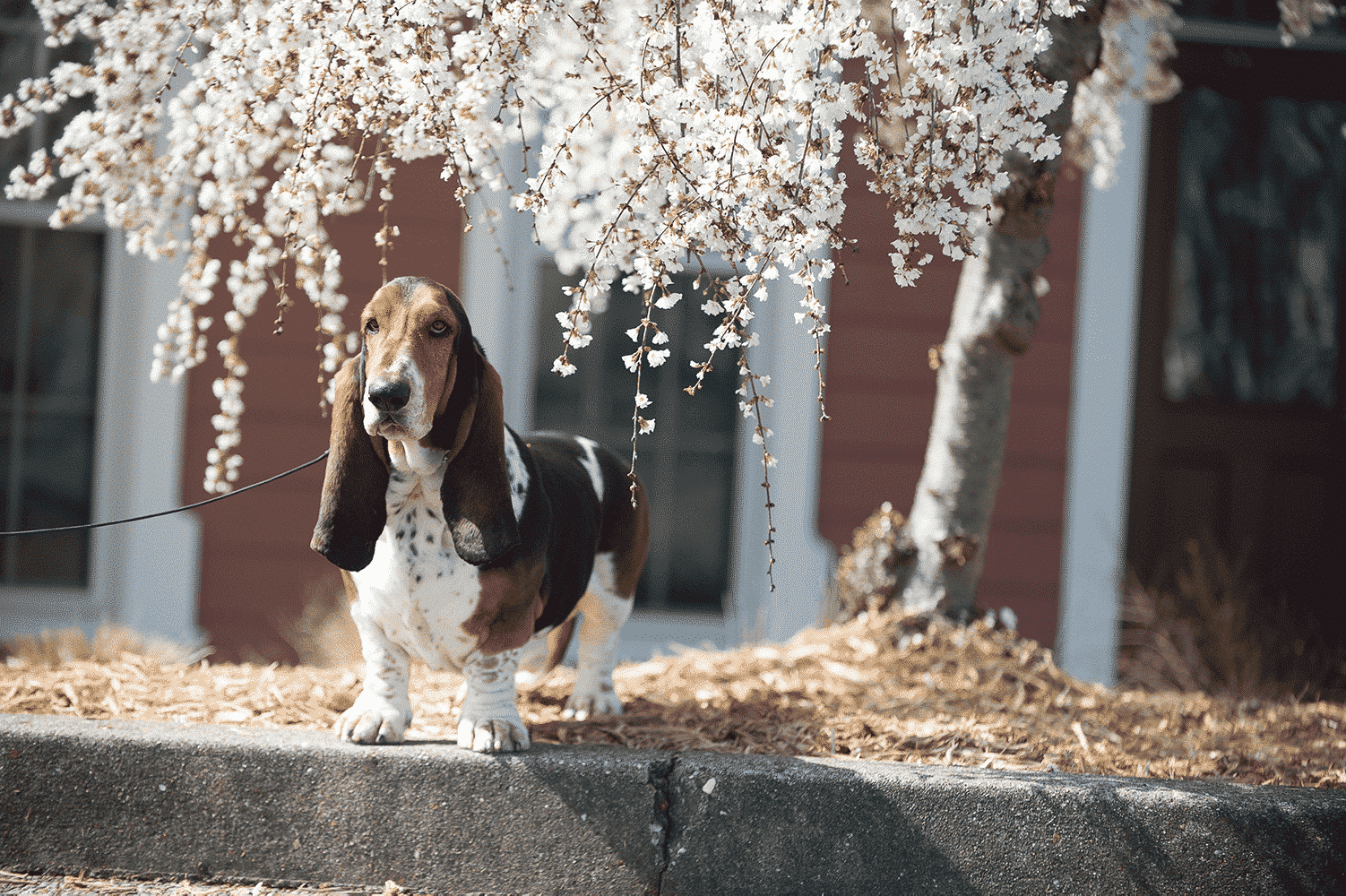
All About Judging
Read on to learn how the Basset Hound breed is judged in the AKC conformation show ring based on the Basset’s original purpose.
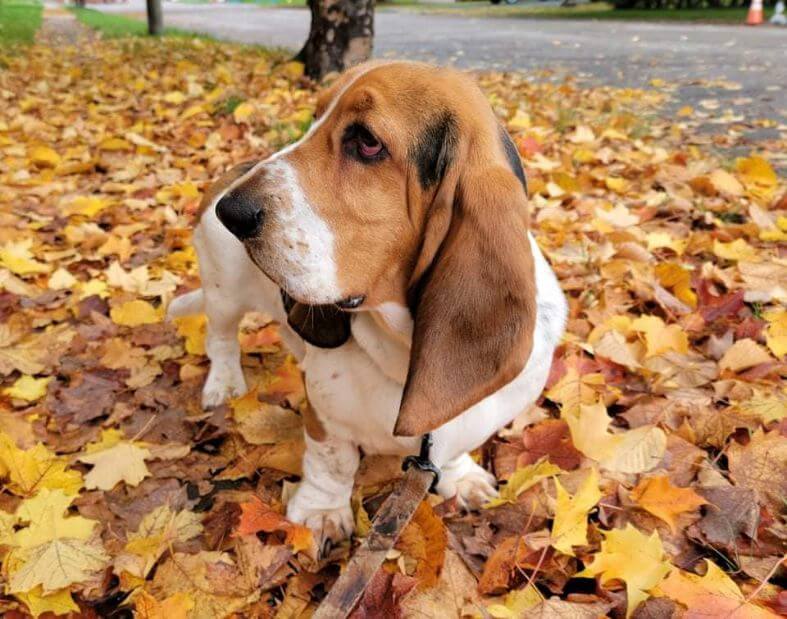
Meet the Breeders
Interview with Hound Group Breeder Corey Rigoni – Renaissance Basset Hounds – I live in Parma, Michigan, between Detroit and Chicago.
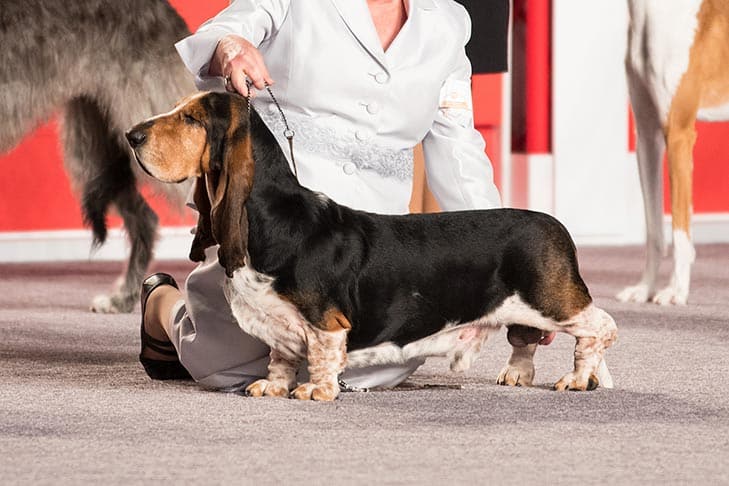

All About Judging
I have been honored to judge the Basset Hound Club of America nationals several times, and have been made a Basset Hound Club of America life
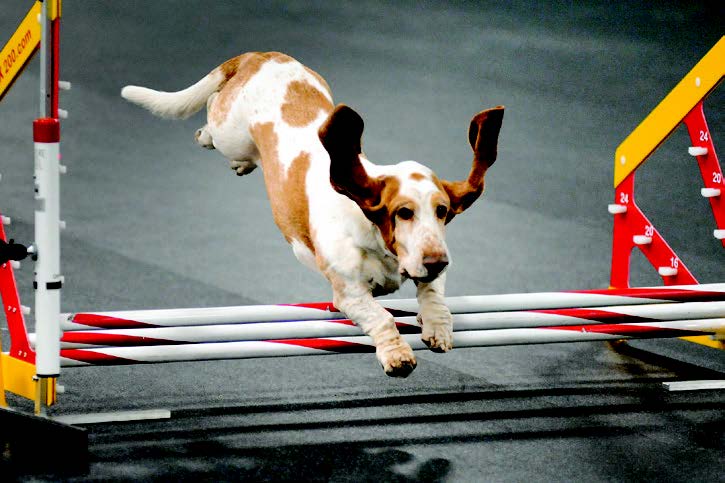
Agility
If you believe the Basset Hound is best pretending to be a lap rug, you might be surprised to find them well suited for many activities.
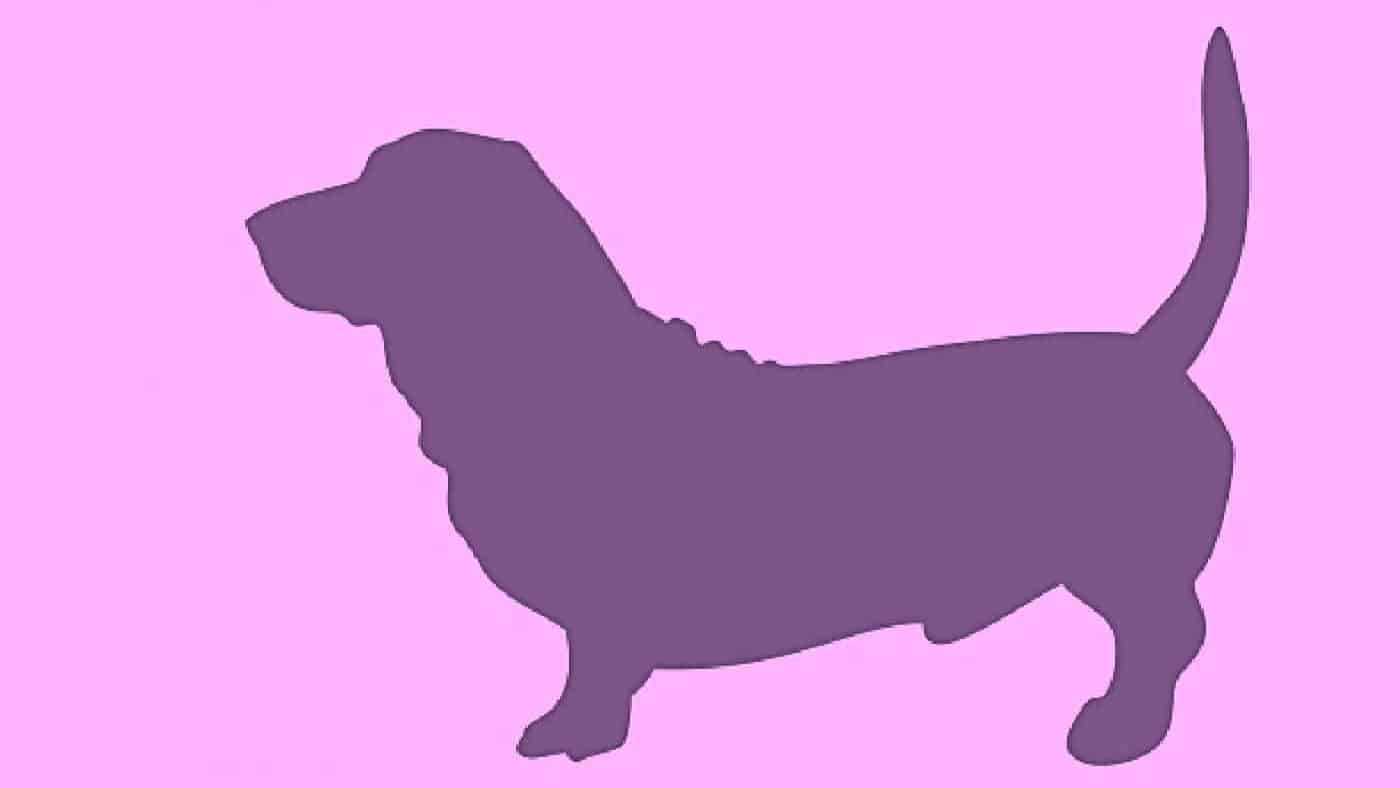

All About Judging
Discover a judge’s call halting a Basset Hound’s career, diving into testicle controversy and fault judging. Witness canine excellence.
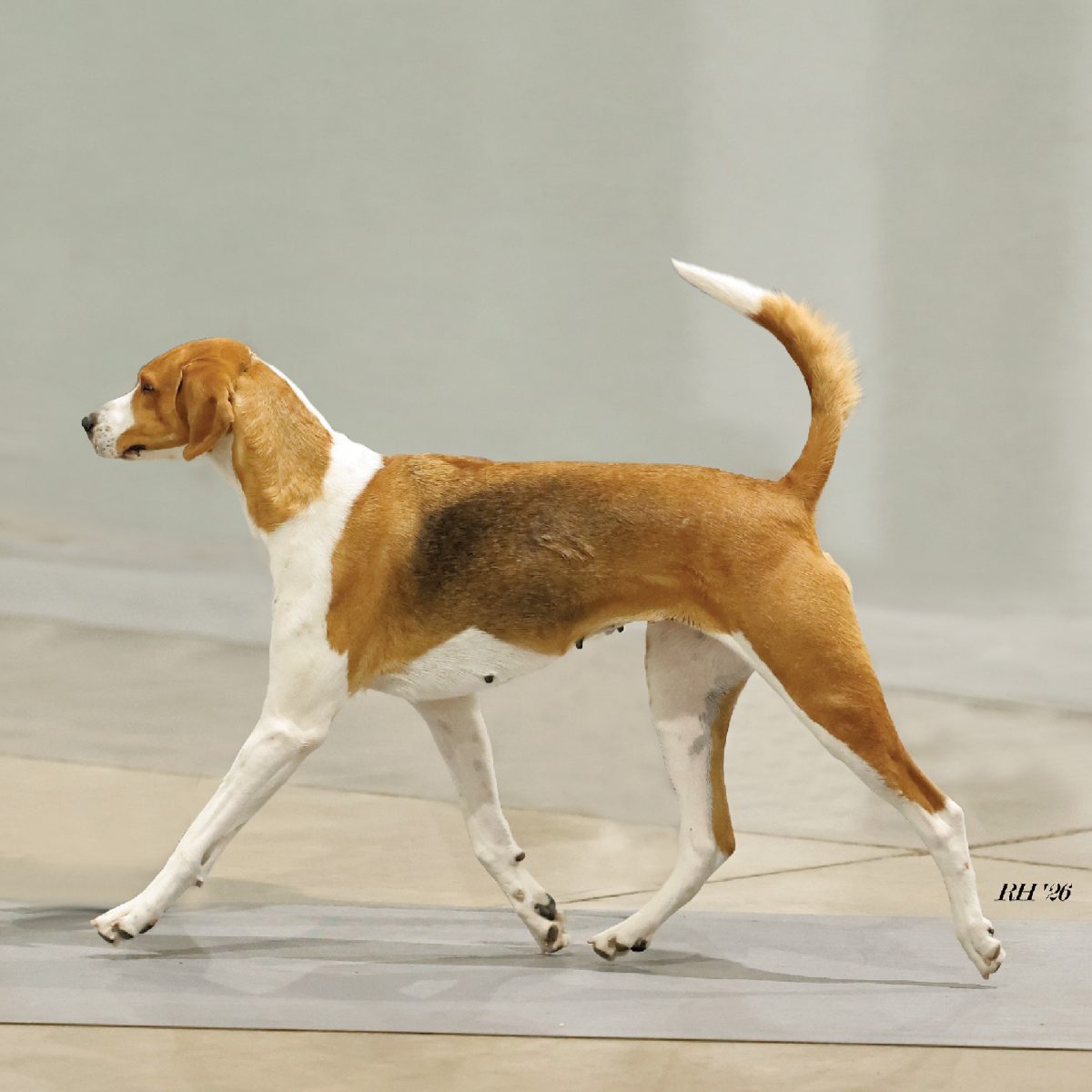
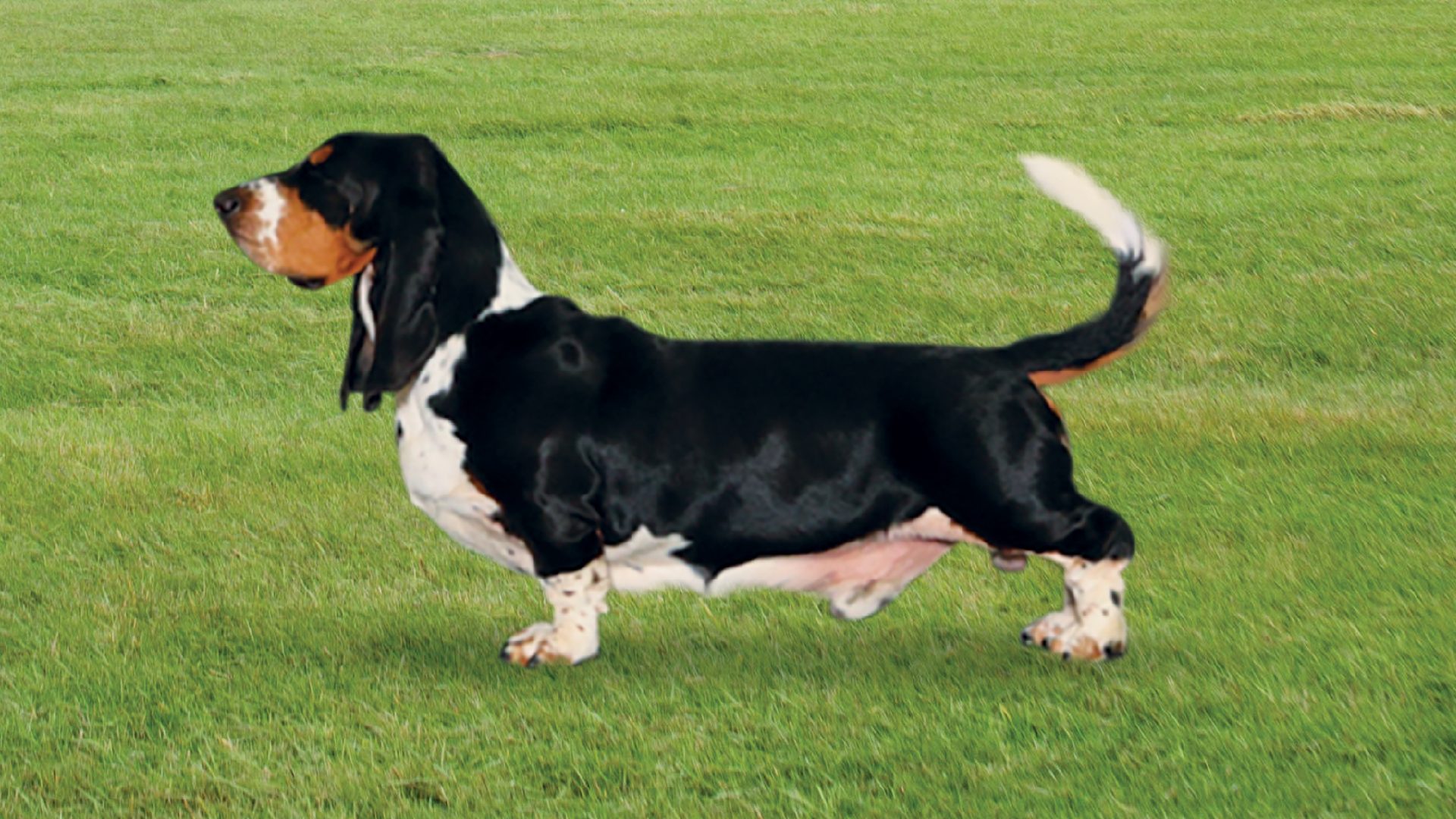
The Basset Hound's tail, often referred to as a "stern," plays a significant role in the breed's silhouette and is a vital aspect of the hound’s appearance.
The tail is set rather high and extends in a gentle curve. When the Basset is in motion or alert, the tail is carried elevated but does not curl over the back. It tapers from a wide base to a fine point and is of moderate length, reaching at least to the hocks.
The hair on the tail is longer and slightly more coarse than that on the rest of the body, giving it a brush-like appearance. This is particularly noticeable on the underside of the tail. More notable is the white tip on the end of the tail. This feature is especially beneficial during a hunt as it increases the hound’s visibility, allowing the hunter to spot the Basset from a distance as it trails a scent through tall grass or thick underbrush.
The tail of the Basset Hound should be free from any kinks or deformities, flowing in a smooth curve from the topline. As a significant feature of the breed, the tail is expressive in its movement and is indicative of the hound's mood and attentiveness.
Standard Markings
A Note About Color: The coat may appear in any recognized hound color, although combinations of red & white and black, and tan & white, appear most often.
Coat Type
Smooth
The structure of the coat this breed carries.
Coat Length
Short
How long the breed's coat grows when kept in condition.
Adaptability Level
How easily a breed copes with changes in home, routine, noise and weather.
Mental Stimulation Needs
How much a breed needs a job, a puzzle or training to stay content.
When it comes to strangers, the Basset Hound typically leans towards friendliness rather than aggression or suspicion. These happy hounds might alert their owners to newcomers with a distinctive bark, but they aren't typically known to be overly protective.
Proper nutrition plays a vital role in ensuring the well-being and longevity of a Basset Hound. As with any dog breed, the dietary needs of a Basset Hound can vary based on factors such as age, activity level, and overall health.
Puppies have specific nutritional requirements to support their developing bones, muscles, and organs. For Basset Hound puppies, it's essential to provide them with a balanced diet tailored for their growth phase. Typically, puppy formulas designed for medium-sized breeds are appropriate. As pups transition into adulthood, usually around the age of one, their dietary needs will change.
Adult Basset Hounds have a moderate appetite, but they can be prone to obesity due to their tendency to be less active. An average adult Basset Hound typically requires about 1.5 to 2.5 cups of high-quality dry dog food daily, divided into two meals. It's crucial to monitor their weight and adjust portions accordingly. Overfeeding or providing calorie-rich treats frequently can lead to weight gain, which poses health risks for this already heavy-boned breed.
Factors such as activity levels, age, metabolism, and overall health will influence the exact amount of food a Basset Hound needs. Active individuals might require more calories, while older or less active dogs may need a diet with fewer calories in order to maintain a healthy weight.
It's always beneficial to consult with a veterinarian or a canine nutritionist to determine the best diet plan for a Basset Hound. These health professionals can offer guidance on appropriate food choices, portion sizes, and any dietary supplements which might benefit the particular dog. Remember, it is always necessary to provide fresh water at all times, ensuring the Basset stays hydrated. Regular monitoring of weight and body condition will allow dietary adjustments to be made as necessary to promote a long, healthy life.
Training a Basset Hound can be both a delightful and challenging endeavor. Known for their endearing personalities, these dogs also come with a streak of independence that can sometimes be perceived as stubbornness.
Basset Hounds are intelligent dogs, and with the right approach, they can be taught a wide range of commands and behaviors. However, they're often guided by their noses and can be easily distracted by intriguing scents. It's this strong olfactory drive that sometimes makes them appear uninterested in training, as they might prefer following a scent trail over responding to a command.
When training a Basset Hound, positive reinforcement methods are most effective. These dogs respond well to rewards, be they treats, praise, or play. Punitive measures or harsh training techniques are not only ineffective, they can also harm the bond between the dog and the owner. Patience, consistency, and gentle guidance are the keys to successful training.
Basset Hounds are generally quiet dogs, but they have a distinctive bark which they might employ to alert their people of someone approaching their territory or if they are simply bored. Proper training and socialization can help to manage excessive barking and will ensure they only bark when necessary.
In terms of intelligence, Bassets are quite smart. However, their independent nature might sometimes give an impression otherwise. Engaging their minds with puzzle toys or scent-based games can be a great way to stimulate them mentally and make use of their keen sense of smell.
While Basset Hounds don't typically show a high potential to roam, their noses can sometimes lead them on adventures. It's essential, therefore, to have a secure fence if they are allowed to be off-leash in open areas, and recall training is crucial.
Predatory instincts aren't very pronounced in the Basset Hound as compared to some other breeds. However, the scent drive of these dogs can sometimes be mistaken for a chase drive, especially if they're tracking small animals.
Grooming Expectations
The coat of a Basset Hound is smooth and short, but it's denser than it might appear at first glance. The breed’s coat type is relatively easy to groom, but Bassets do shed, albeit moderately. Regular brushing, at least once a week, can help with removing loose hairs and ensuring the coat remains clean and shiny. A firm bristle brush is usually sufficient for this task, effectively removing dead hair and distributing the skin's natural oils throughout the coat. One of the most notable features of the Basset Hound is the breed’s loose, elastic skin, which forms wrinkles and folds, particularly around the head and neck. While these folds add to the Basset’s charm, they also need specific care. Moisture and debris can accumulate in these skin folds, leading to irritation or infections. It's essential to regularly check these areas, cleaning them gently with a soft, damp cloth and making sure they are thoroughly dried. Basset Hounds have long ears that do not receive a lot of air circulation. This can create a humid environment conducive to infections. Regularly checking the ears for signs of redness, bad odor, or excessive wax is vital. Cleaning with a vet-approved ear solution can help to prevent potential issues. Basset Hounds, with their sad eyes, can sometimes be prone to tear staining. Wiping the area beneath their eyes with a soft cloth can help to reduce staining and will keep the area clean. Lastly, as with all dogs, regular nail trimming is necessary. Basset Hounds might not wear down their nails as quickly as more active breeds, making regular nail trims essential to prevent overgrowth.