Members
The Weekly Brief
The best of SHOWSIGHT editorials, weekly wins, and breeder commentary — delivered to your inbox every Sunday morning.
The Toy Group is incredibly diverse, as the Toy Breeds originated from vastly different working backgrounds, but they were all bred to be human companions. Many of the breeds are scaled-down versions of larger working, hunting, or guarding dogs. We have breeds like the Toy Fox Terrier that retain the sharp prey drive of their larger terrier ancestors, so they are the hunters. We have the tracker in the Italian Greyhound as they act like a miniature sighthound, built for speed. The aristocrats are the breeds like the Pekingese and Japanese Chin.
The one trait that all Toy dogs share is the deep love for their owners, but the way they express this love varies. Some are gentle, cuddly, and very laid-back, and others are fearless and stand their ground.
Within the Toy Group, there is found almost every coat type, such as hairless, short coats, long silky hair, and double coats with dense, soft undercoats and harsh outer coats.
So, Toy breeds may be diverse, and diminutive, but they certainly do not lack spirit, and their versatility allows them to be adaptable to a wide range of lifestyles. They are smart, full of energy, and eager to please. Let us review each Breed in this powerful Group.
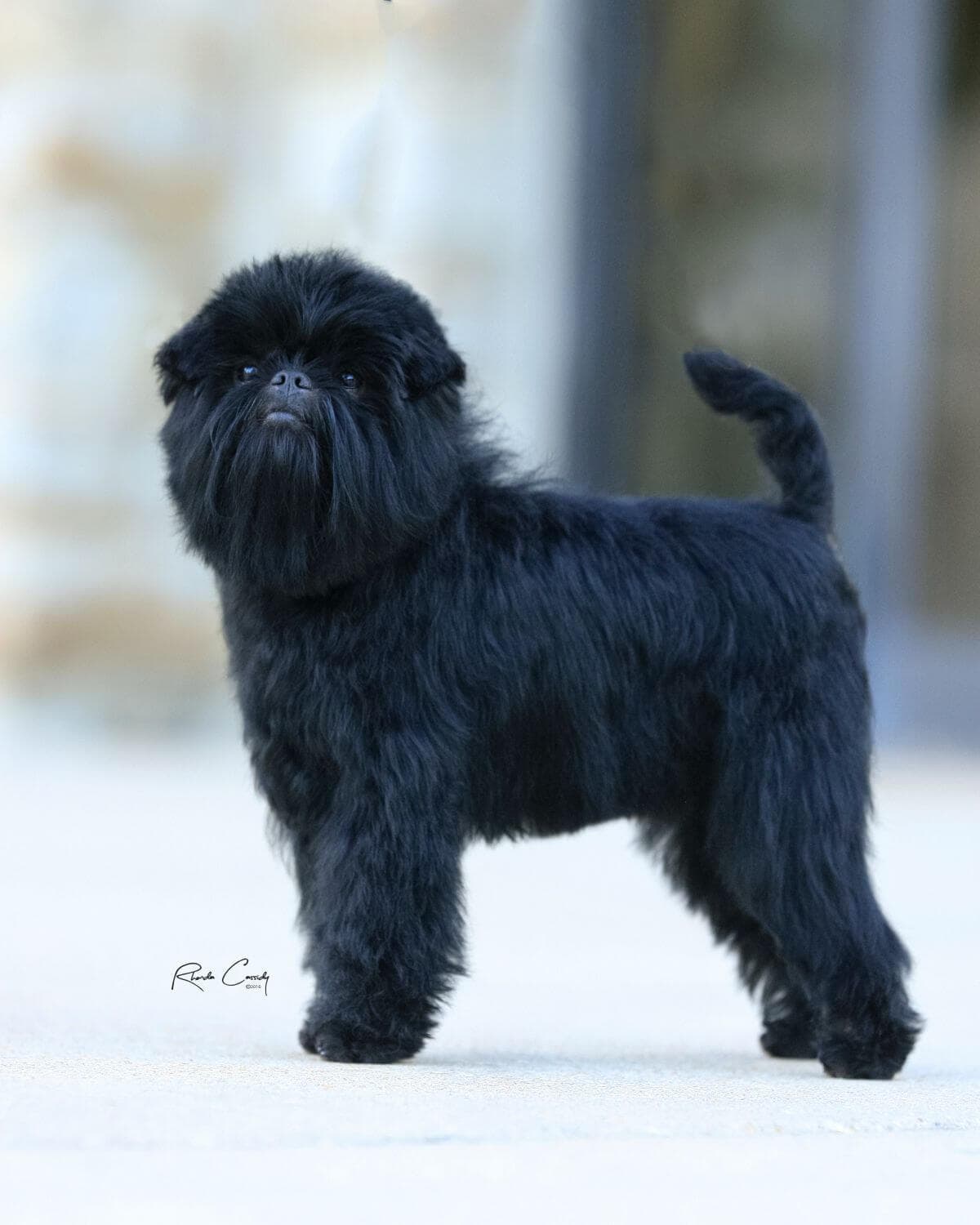
The Affenpinscher is a balanced, sturdy, and square-appearing terrier-like Toy dog. The following priorities of type should be considered when judging the breed:
Monkey-like expression
Square and sturdy appearance
Comical and inquisitive attitude
Harsh coat
Hind legs set well under the body
Sound gait
Their comic and loving qualities make Affens a loveable companion as well as a small watch dog and a great show dog.
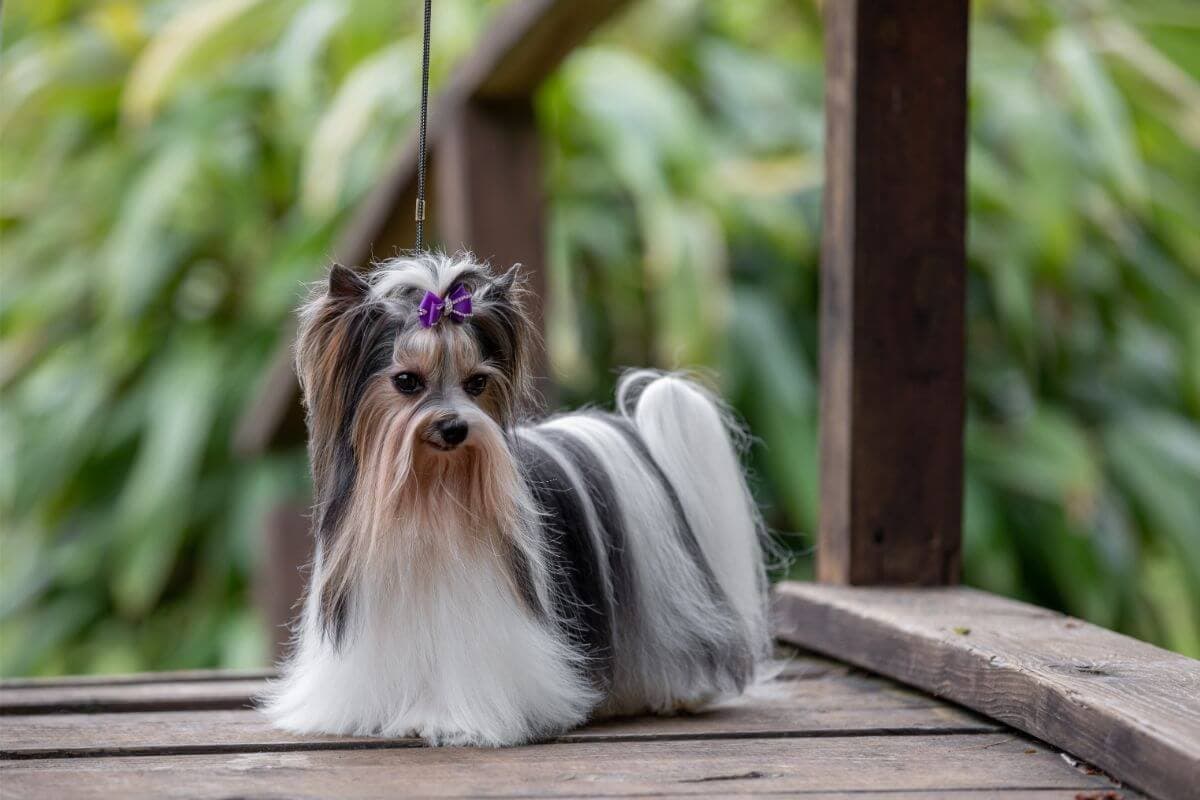
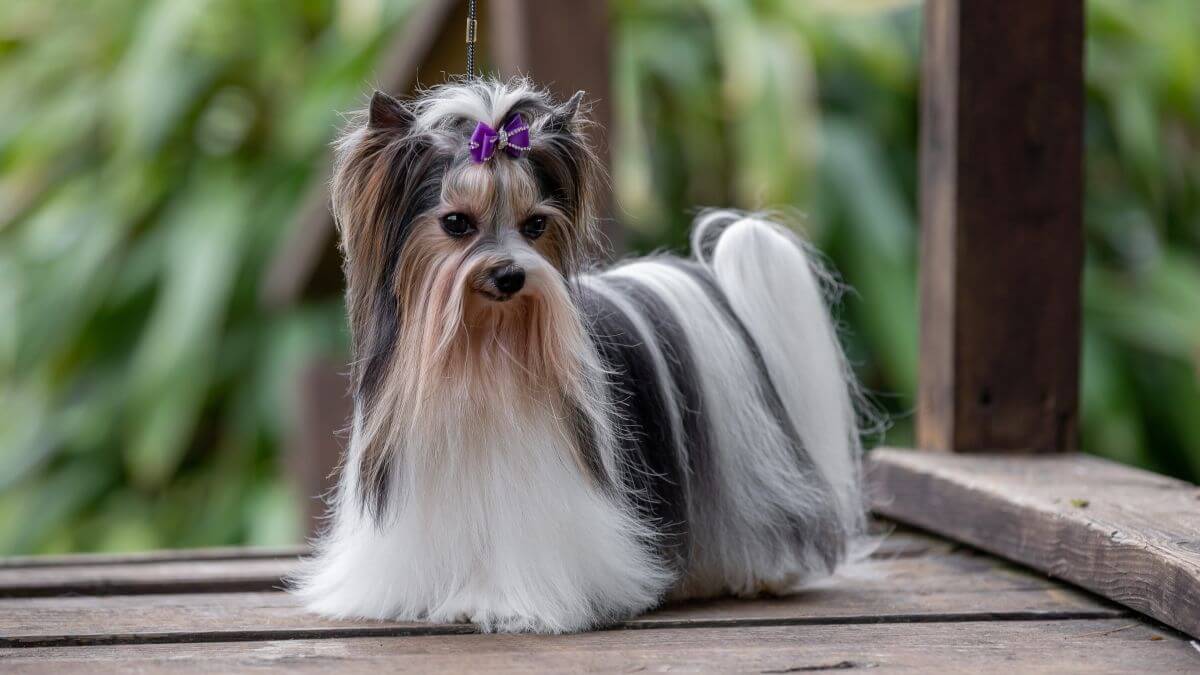
The Biewer Terrier originated in Germany and is a happy-go-lucky, elegant, and tri-colored breed. They weigh 4 to 8 pounds and stand from 7 to 11 inches tall. They are known for a long, silky, and soft coat with a signature ponytail tied atop their head. They move with confidence and in a straightforward manner, and their fun-loving attitude enhances their charming temperament.
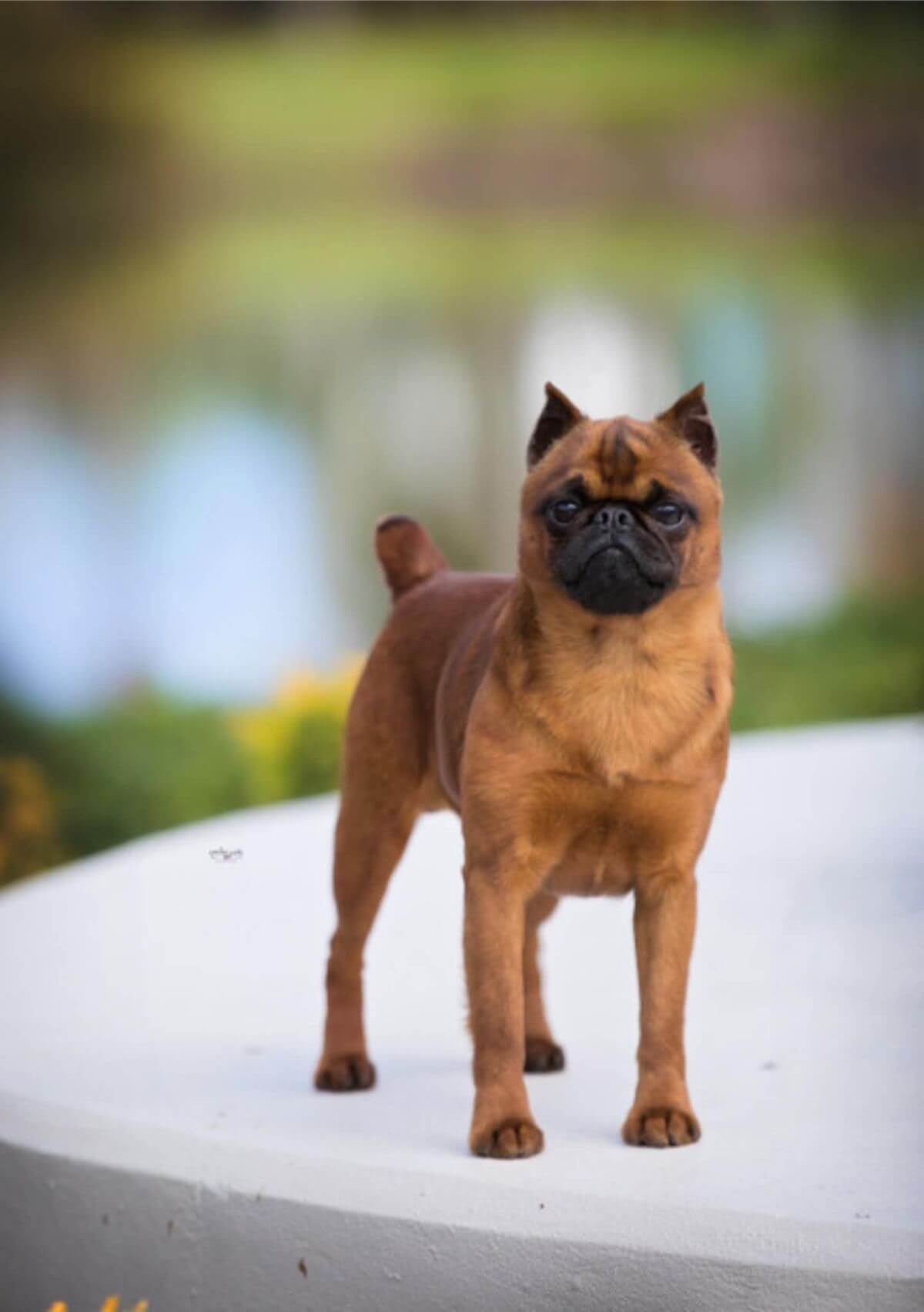
The Brussels Griffon is a double-tracking Toy dog that should appear square and cobby, and the head is the essence of breed type. Evaluate the head as a whole unit. When judging, look for large eyes, a rounded topskull, a domed forehead, and a wide, turned-up jaw. A thumb exam is used to check the undershot bite. They have two types of coat. The Rough coat is wiry and dense. The Smooth coat is straight, tight, and glossy. The two varieties are the same except for coat. When moving, observe the trot to be a moderate reach and drive, maintaining a steady topline.
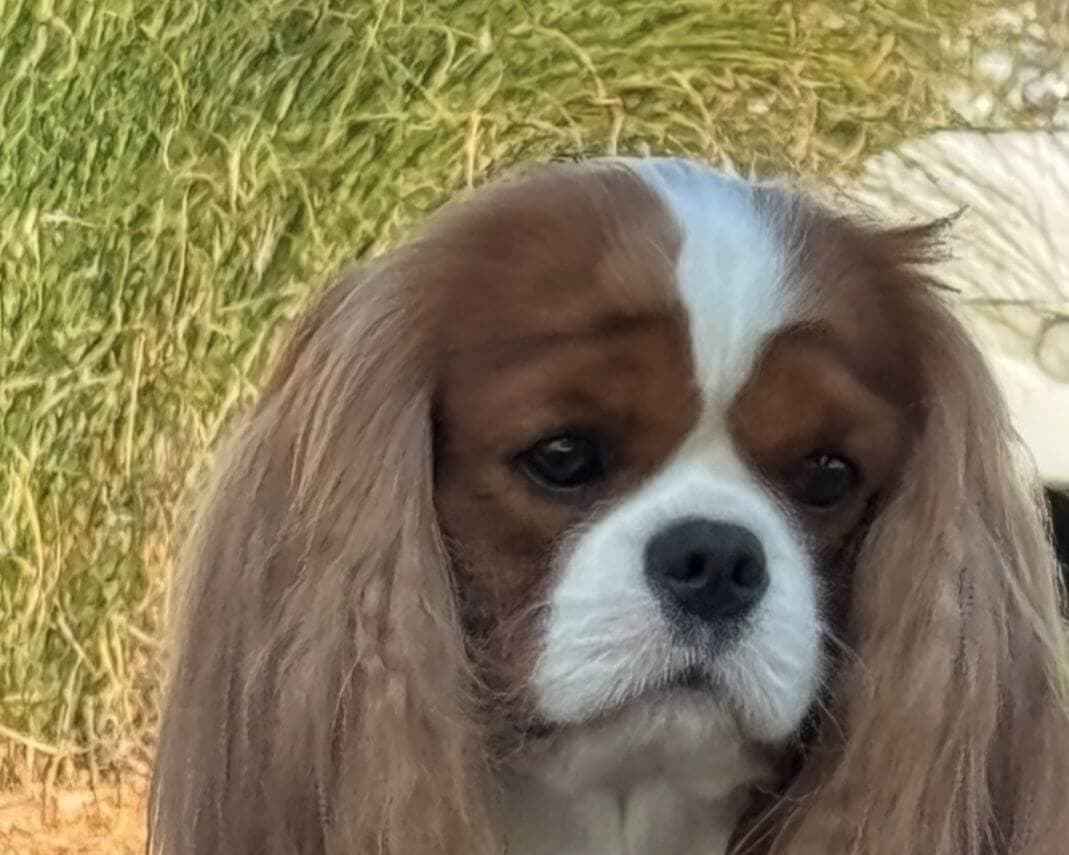
The Cavalier King Charles Spaniel should appear as a well-balanced, graceful, and elegant toy spaniel. Look for an un-sculpted silky coat, a constantly wagging tail, and a sweet, melting expression. The head and expression are a hallmark of the breed. The skull should be almost flat with a shallow stop. The eyes are large, round, dark brown, and well set apart and accompanied by cushioning under the eyes. The temperament is gay, affectionate, fearless, and joyful. The movement is free and elegant, and exhibits good reach in the front and strong drive from the rear.
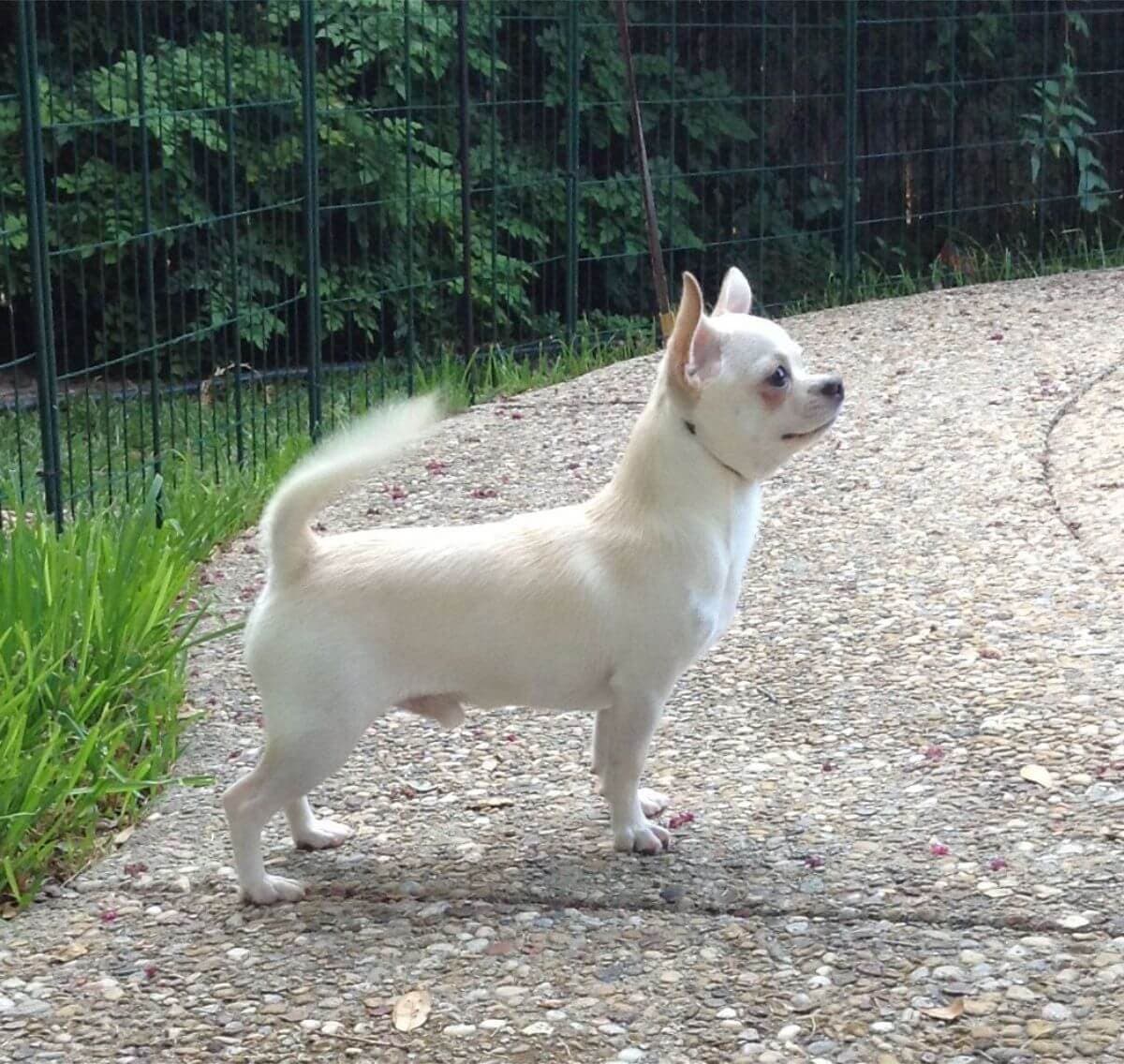
The small size, loyalty, alertness, and sauciness make the Chihuahua a great choice as a companion or a show dog. The Chihuahua is shown in two varieties, the Smooth Coat and Long Coat, and the two varieties are based solely on coat, as everything else is the same under the coats. When judging the Chihuahua, emphasis should be placed on the total dog. When examining the Chihuahua on the table, be sure to approach in a straightforward manner without quick movement. When observing on the go-around, look for a well-balanced dog, not over six pounds, that exhibits a level topline and a head held high, and moving with a firm reach and drive.
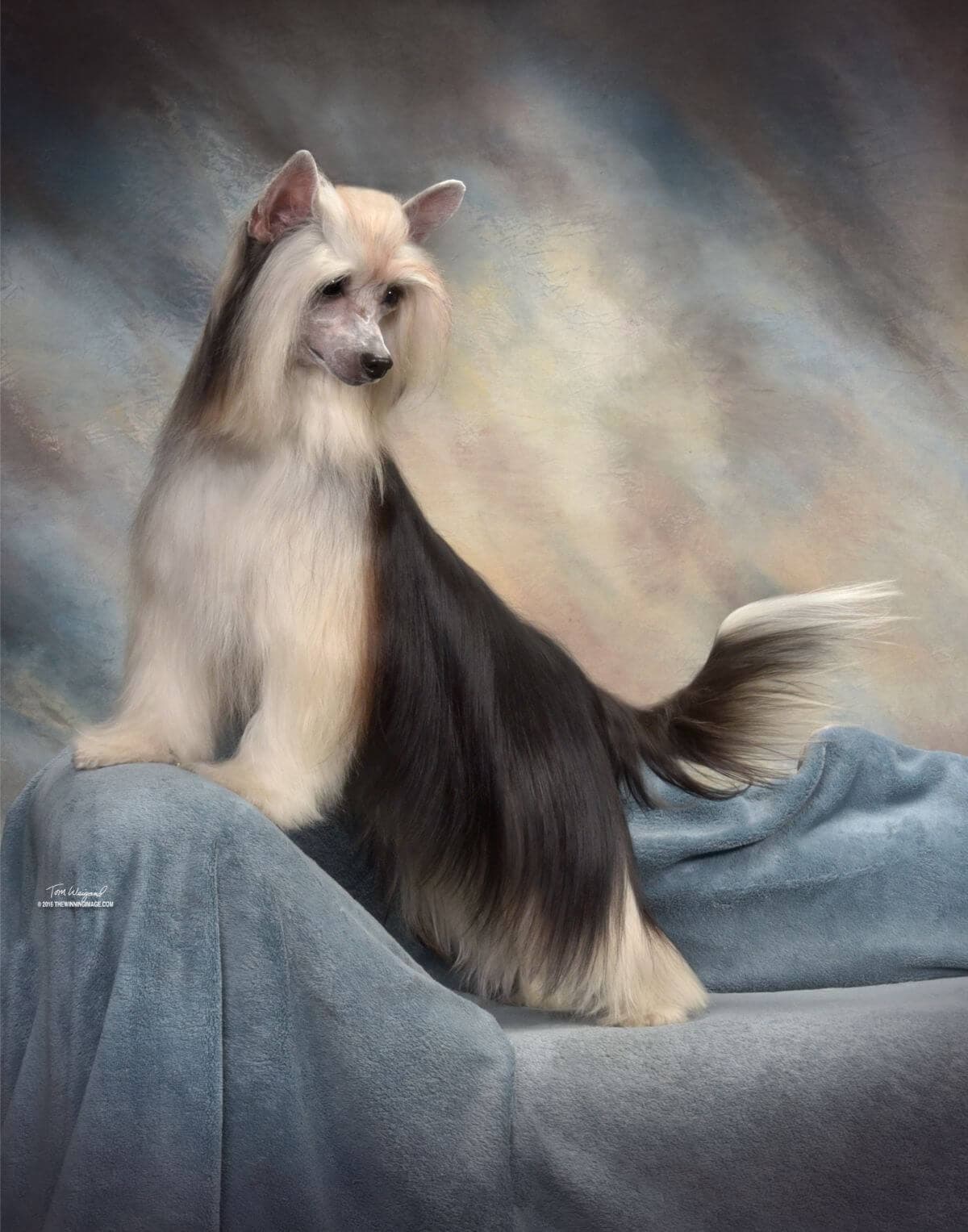
The Chinese Crested is an elegant, fine-boned, graceful, and rectangular Toy dog. They come in two varieties, either the Hairless or the Powderpuff coats. When examining, look for almond eyes, a wedge-shaped head, large and erect ears, and a scissors bite. The tail is a breed characteristic, so it should be slender and long enough to reach the hock, and when in motion, the tail should be carried gaily and slightly forward. Always use a gentle approach.
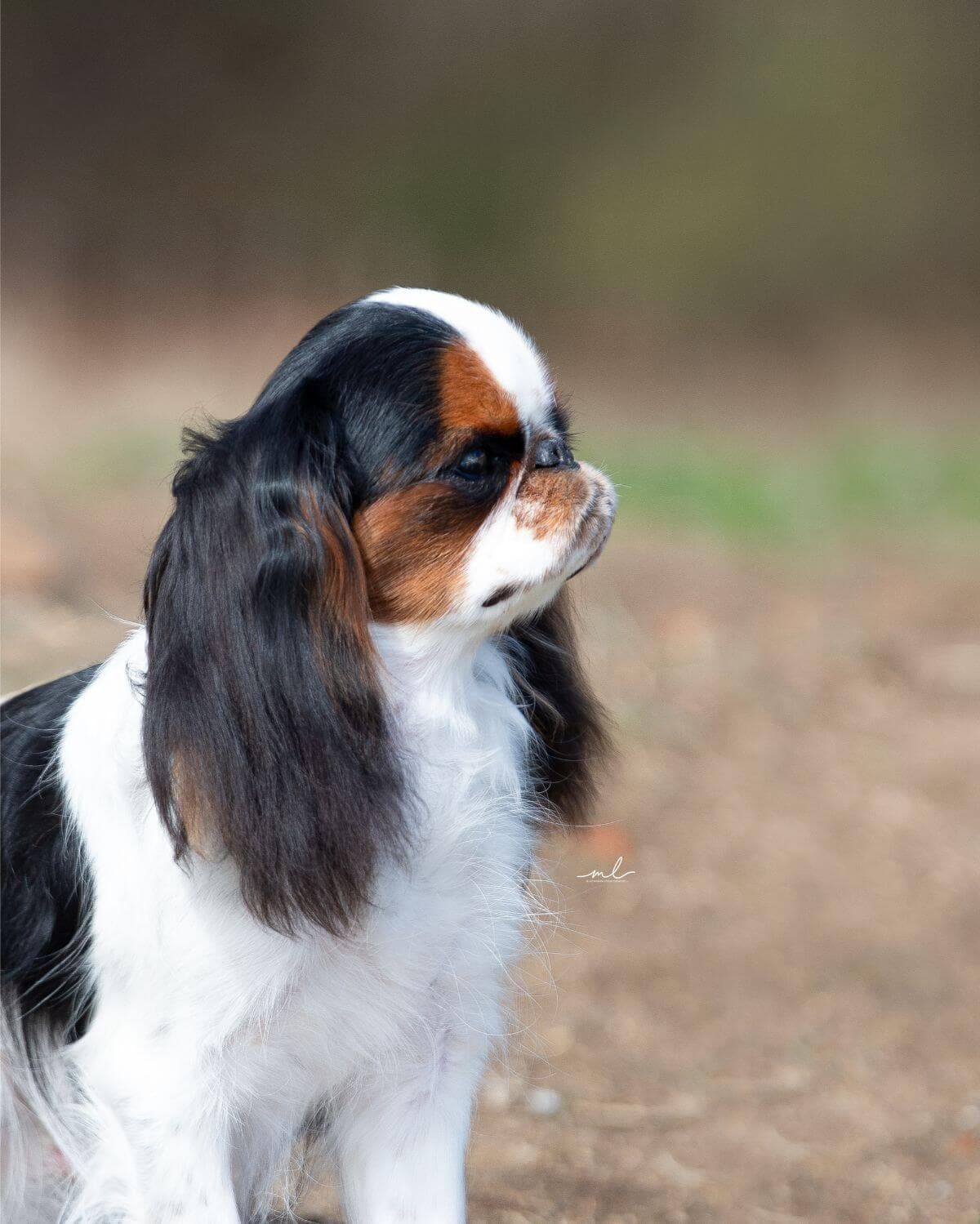
The beginning of the Standard lists the important characteristics of the English Toy Spaniel and they are exemplified by the head. The head is to be large, round, and domed, and it is the defining feature. The eyes are dark and round, and are in line with the nose. Cushioning under the eyes enhances a soft expression. A square muzzle with a turned-up jaw enhances an intelligent expression. Ears are low set and are feathered heavily. The English Toy Spaniel is essentially a square dog with good reach and drive, and length of stride. They weigh around 8 to 14 pounds and stand 9 to 11 inches tall. The coat comes in four distinct colors: Blenheim, King Charles, Prince Charles, and Ruby. They are bright, loving, and intelligent, allowing them to be a devoted companion.
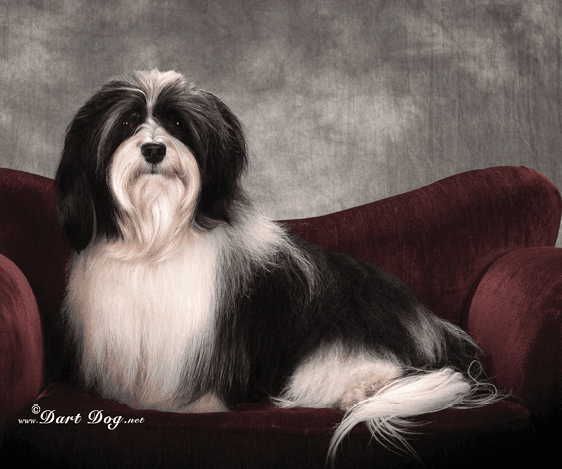
As you observe a class of Havanese entering the ring, notice the elements of breed type that set them apart from other breeds. The topline is straight but not level, as the topline rises slightly from the withers to the rump. A correct outline reveals a slightly longer than tall outline, with high head carriage and a tail arched over the back. Gait shows a springy and elegant movement with moderate reach and drive. The coat is soft, silky, wavy, and abundant. Temperament is displayed by a playful, sweet, and non-quarrelsome attitude. These elements immediately identify the Havanese.
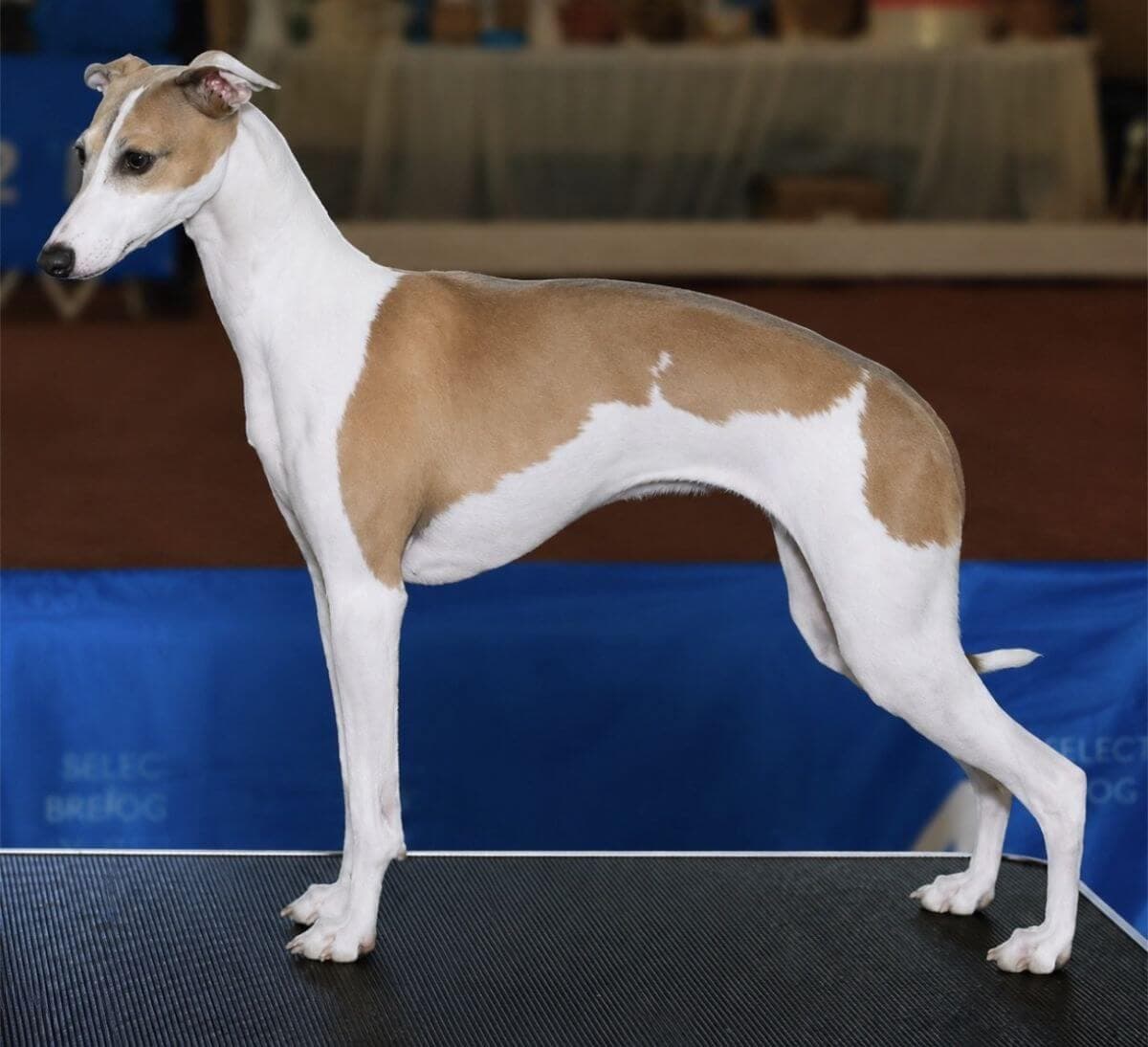
The Italian Greyhound is a Toy dog and they are also a small hound. They have several characteristics to consider when judging. Firstly, they should display ideal elegance and grace. The neck is arched, long, and slender. The head is narrow with a long and fine muzzle. The eyes are dark, and in size are medium. Ears are small and fine. This is a silhouette breed with the signature “S” curves. To describe the upper “S” curve, the curve begins with a slender, gracefully arched neck that extends smoothly into the withers which act as the highest point of the topline. From the withers, the back is straight and level before it forms a gentle, upward arch over the loin. At the croup, this arch then droops and slopes downward into the hindquarters. The lower “S” curve starts with a deep and narrow chest dropping to the level of the elbows. This forms the upper part of the inverted curve. The line then rises sharply toward the rear, creating the defined tuck-up at the flanks. These lines give the Italian Greyhound balance and elegance. Movement is described as high-stepping and free, with the front and hind legs moving forward in a straight line.
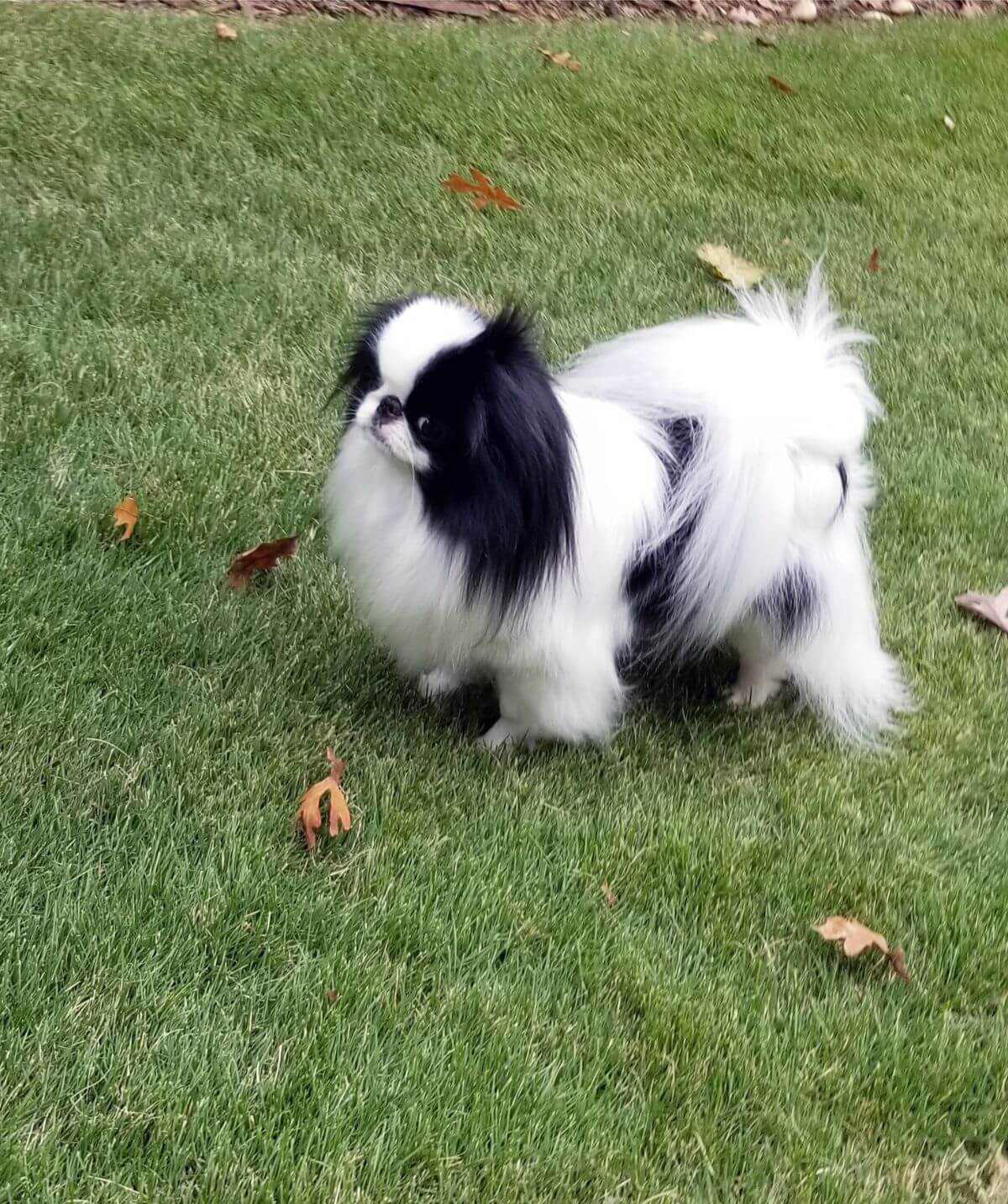
It is believed that the Japanese Chin originated in China and was later gifted to Japanese nobility. They are small, lively, and balanced, with an Oriental expression. The outline presents a square appearance. Their coat is soft, silky, straight, and abundant, with a plumed tail carried over the back that curves to either side of the back. Movement is described as lively and stylish, moving straight with front and rear legs following in the same plane. The Oriental expression is characterized by the large, broad head, short muzzle, large wide-set eyes, and the ear feathering. The eyes are round and large, and a small amount of white showing in the inner corners gives the dog a look of astonishment. The jaw is wide and the bite is slightly undershot. Completing the look, they have a short, broad muzzle, deep stop, and a short nose. The skull is large, broad, and slightly rounded between the ears which are V-shaped and hanging. Japanese Chin are stylish and lively in movement.
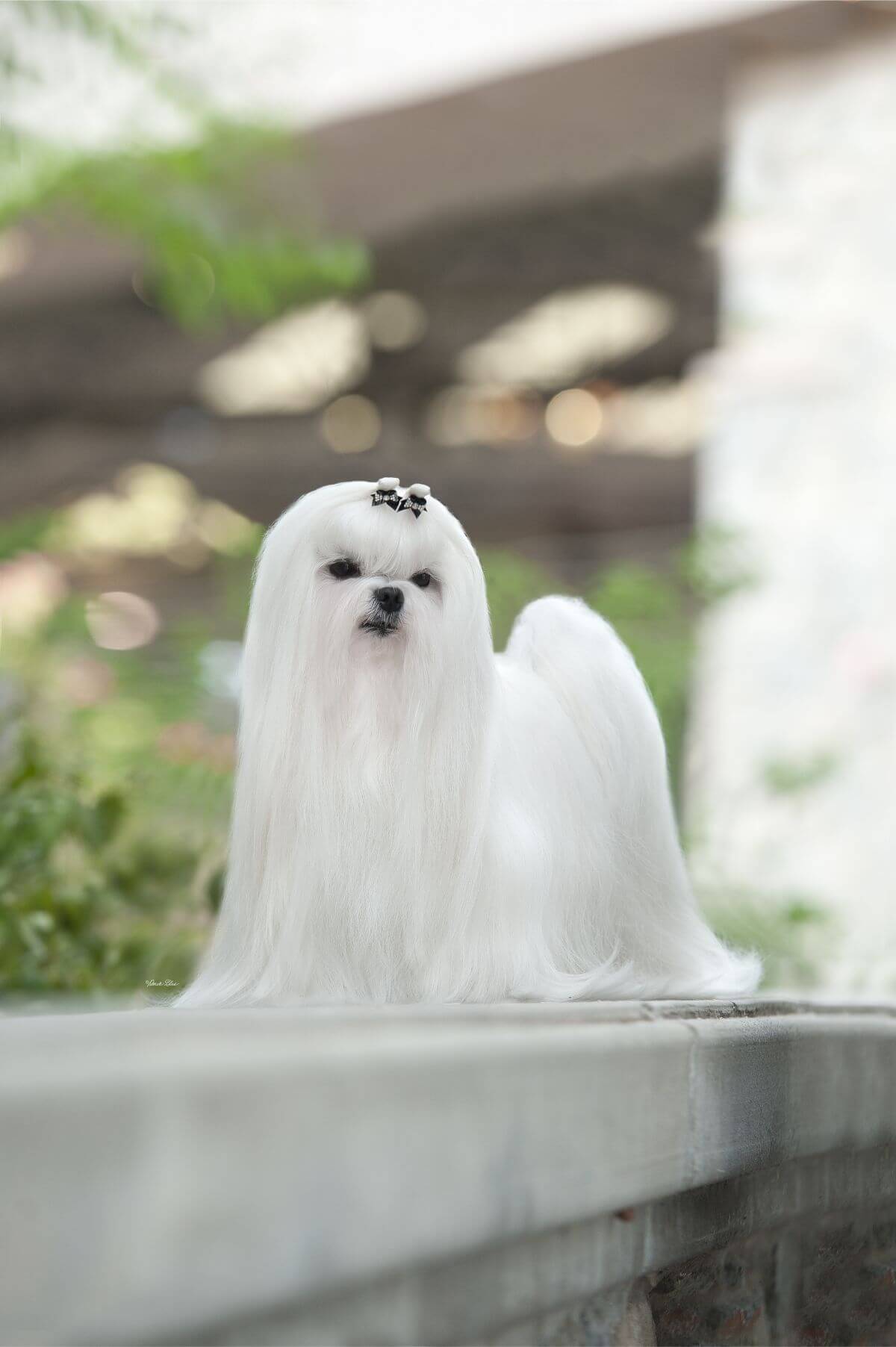
Observing a Maltese involves evaluating specific traits like the single, silky, pure white coat, the correct smooth and flowing gait, and drop ears set rather low. The breed’s compact body presents a square appearance with a level topline. The head features a black nose, scissors bite, and dark, round eyes. The dark eye rims frame the gentle expression. The chest is deep, elbows are close to the body, and the loins are strong and slightly tucked up. Even with the diminutive size, Maltese are fearless, playful, vigorous, and very appealing. Maltese are one of the oldest breeds, and the breed is historically tied to the island of Malta.
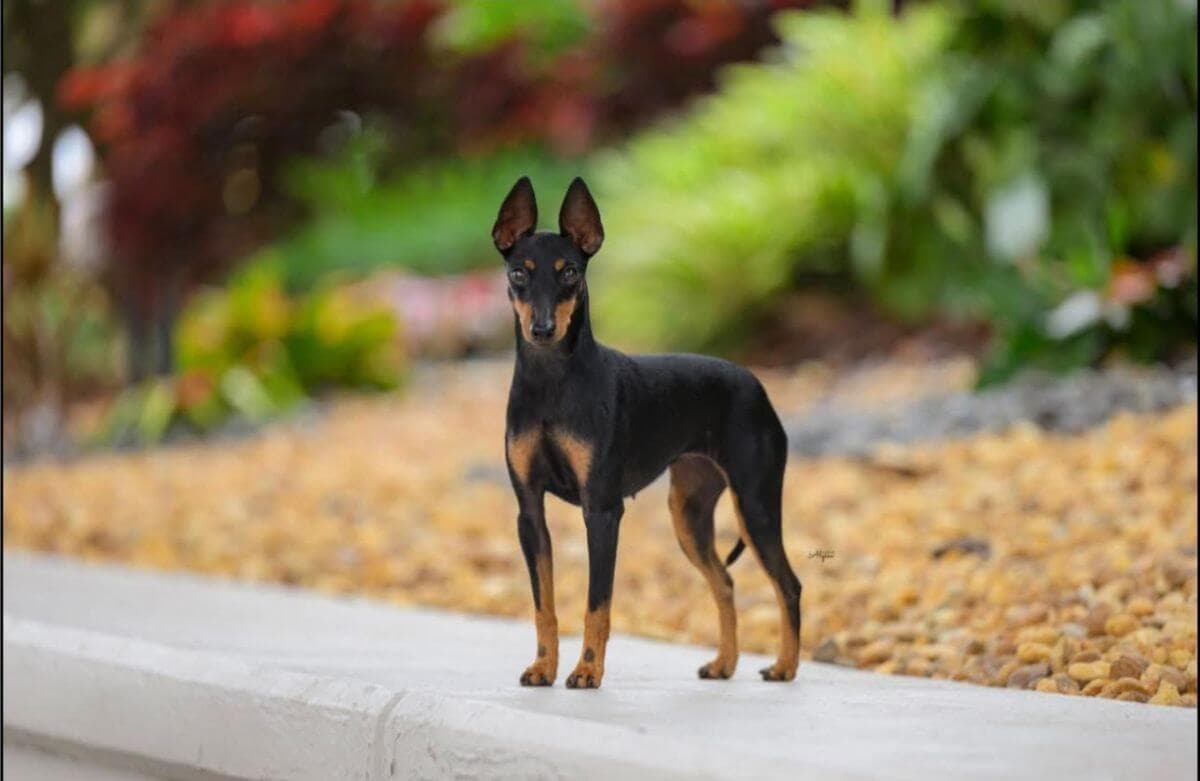
When judging a Toy Manchester Terrier, focus on a compact, rectangular, and muscular dog with an alert expression. An adult should not exceed 12 pounds. It should have upright ears and a jet-black and rich mahogany tan coat, and move in a straight, free-flowing trot with good reach and drive. Always make the table exam brief, as prolonged handling can cause stress. The breed is an ideal candidate for several dog activities such as Barn Hunt, Tracking, Rally, Agility, and Flyball as well as Conformation.
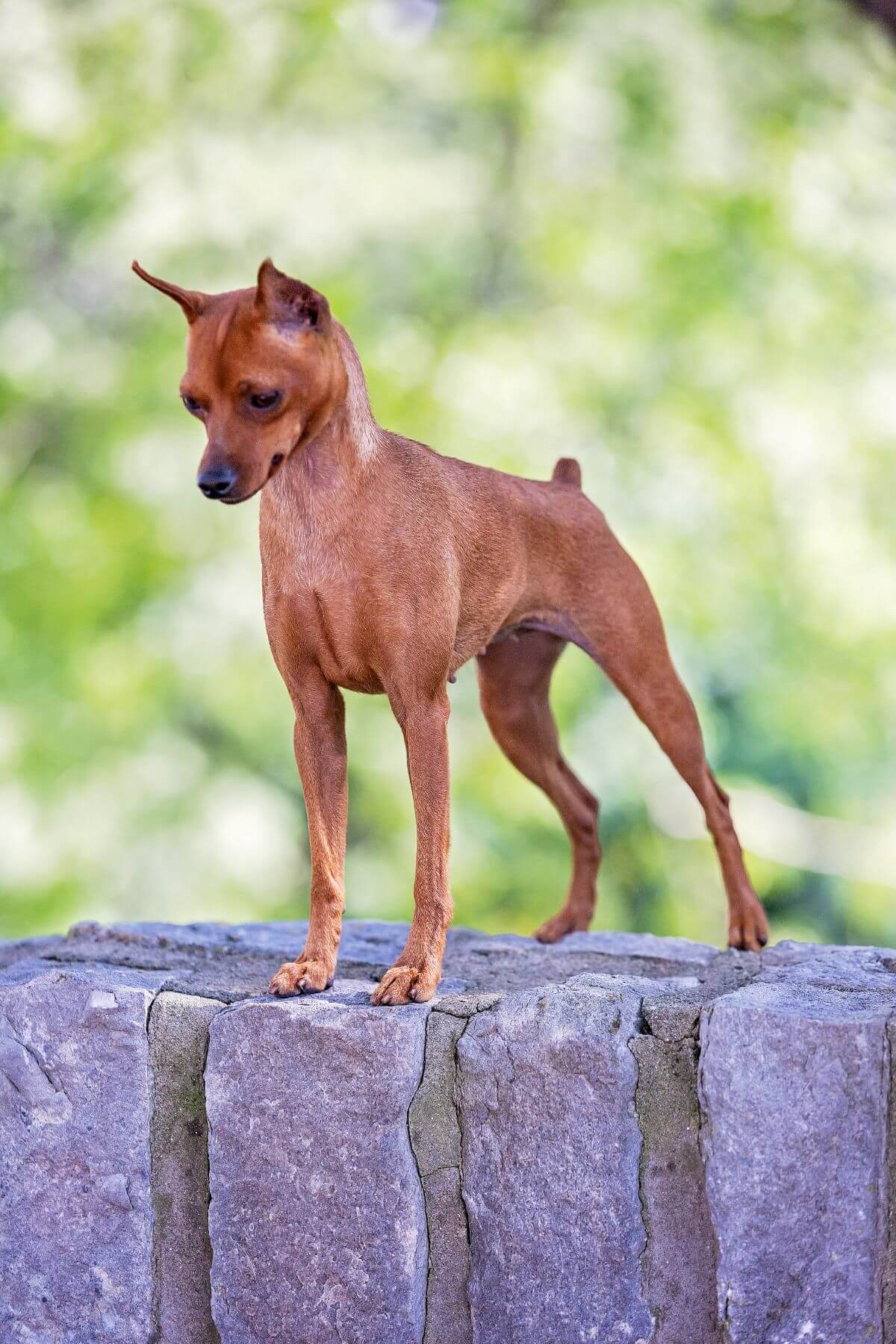
Judging the Miniature Pinscher includes evaluating the breed’s square proportions, hackney-like gait, and spirited temperament. However, remember to judge the overall package. Check for a head in proportion to the body, erect high-set ears, a scissors bite, oval-shaped eyes, a slightly arched neck, small feet, and clean, sloping shoulders with elbows close to the body. They are known for their hackney-like gait, which is best observed while they are moving around the ring. The front legs move straight forward with the wrists noticeably bending as each foot lifts. The rear should drive smoothly. While moving, the head and tail are carried high. Remember to keep the table exam brief.
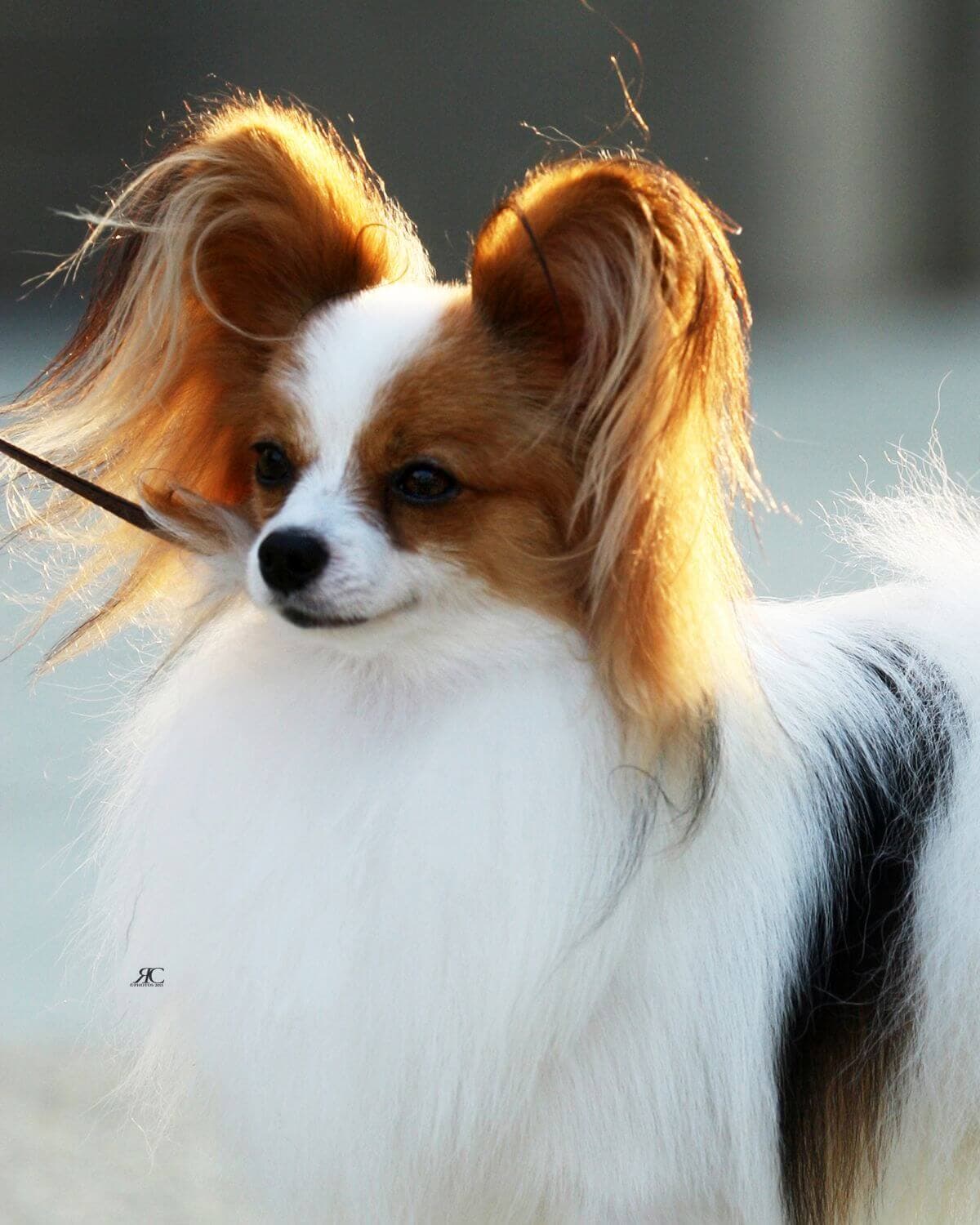
The evaluation of the Papillon should be based on a level topline, graceful movement, size, and the butterfly ears. The body should be slightly longer than tall, with an elegant and fine-boned look. Ears being the hallmark of the breed should be large, rounded at the tips, and set on the side of the head at a 45-degree angle. The coat is parti-colored or white with patches of any color(s). The color(s) other than white must cover both ears, back and front, and extend over both eyes. A white blaze is preferred to highlight the butterfly pattern. Movement should be easy, graceful, and free. Papillons are friendly, happy, and alert.
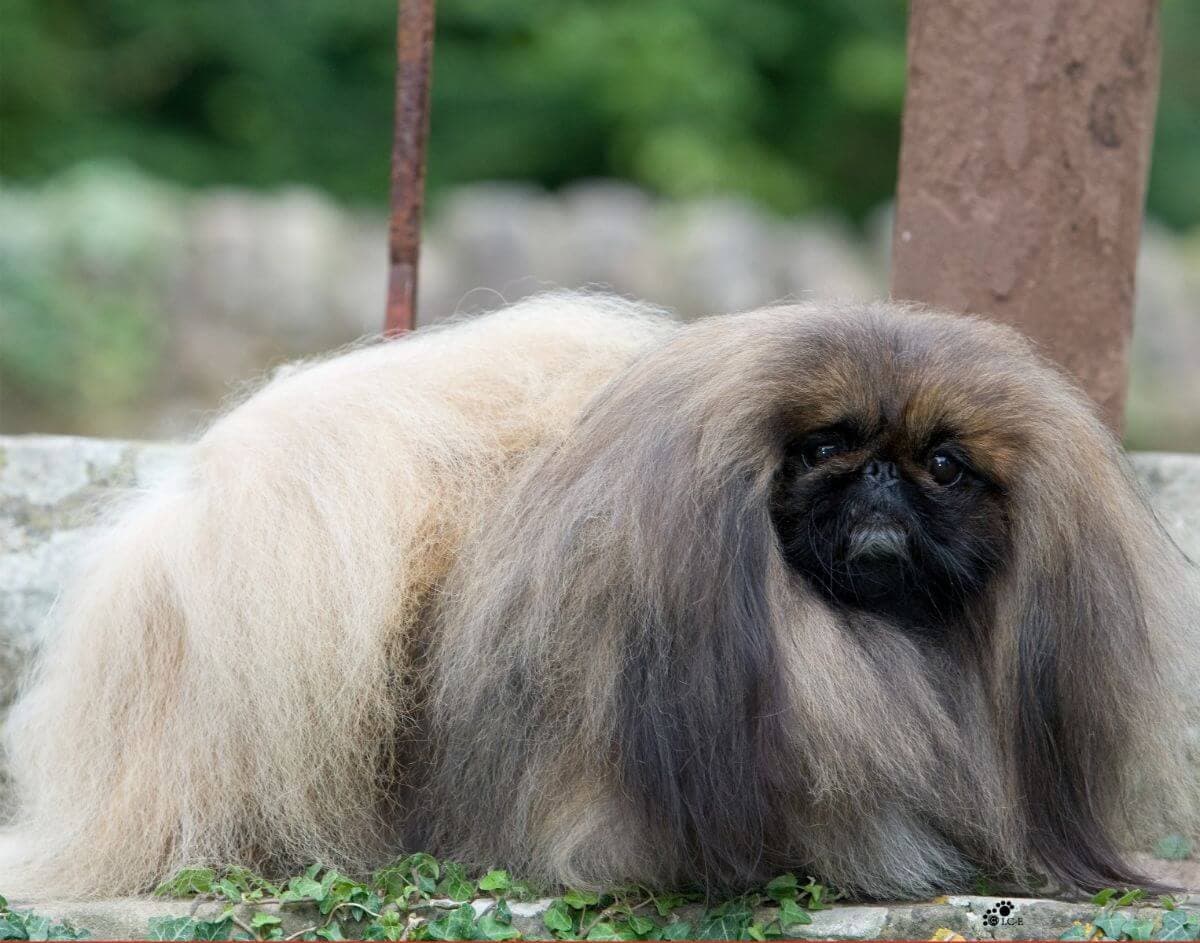
Although a Toy dog, a Pekingese should feel dense and solid; a pear-shaped outline with a heavy and wide front tapering to a narrower rear. The elbows are close to the body and the front feet are slightly turned out. The head should be massive, rectangular, and framed by thick ear fringes. The muzzle is flat, broad, and well-filled below the eyes. The nose is broad, black, and short, and the stop is obscured by the over-nose wrinkle. A thumb exam is used to check the undershot bite. The skull is wider than deep, which adds to the desired rectangular, envelope-shaped appearance of the head. The topline should be flat and completely level. To correctly lift a Pekingese during the table exam, place one hand under the broad chest between the front legs and slide your other hand beneath the body in front of the hindquarters. Gently lift together, being sure to support the dog’s heavy front. The gait is free and strong with a slight roll over the shoulders. This motion should be free of bouncing. The rolling gait results from bowed forelegs, laid-back shoulders, a broad chest, and a narrow, light rear.
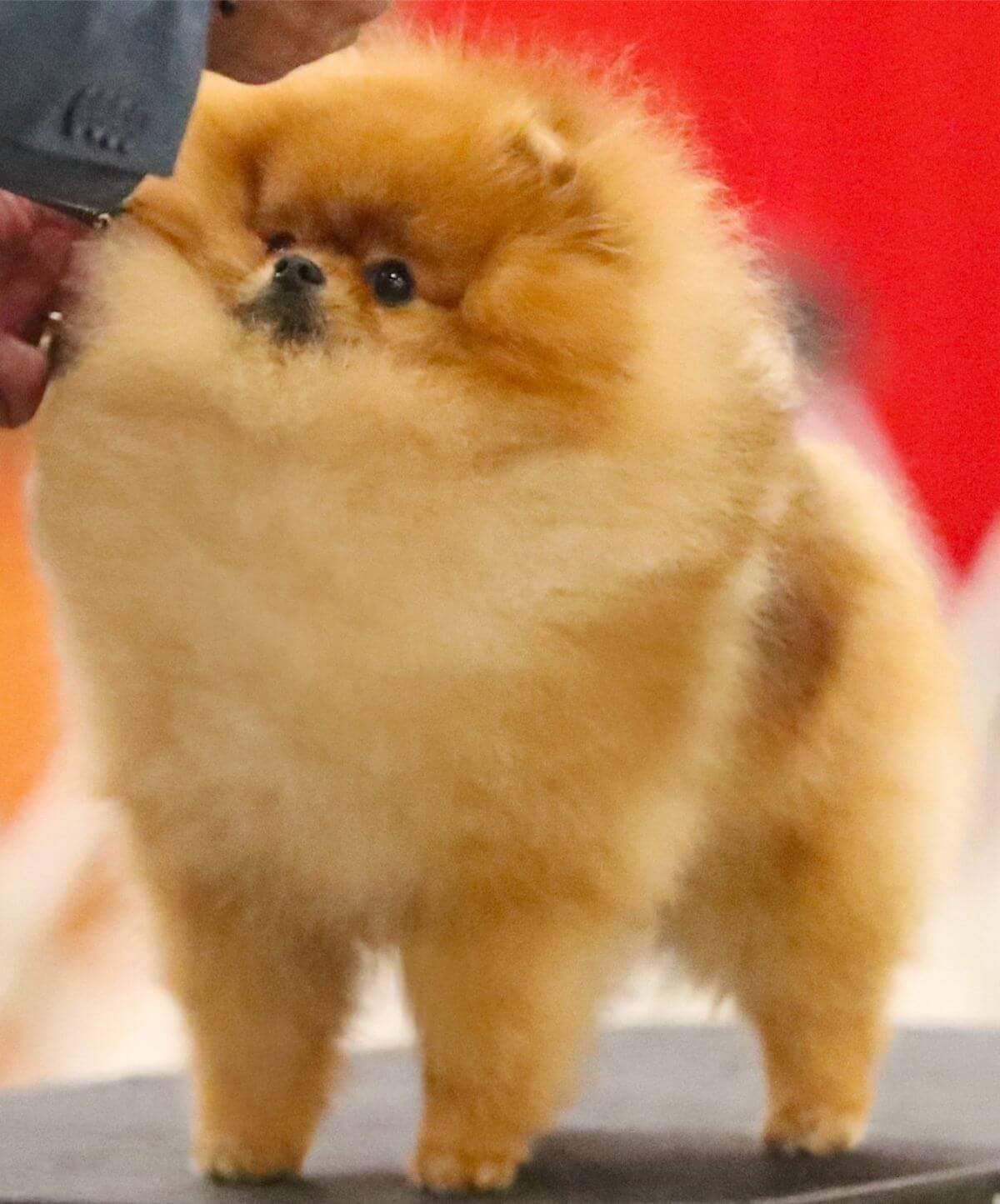
The Pomeranian should be compact, square, and fit into an imaginary circle. They should be alert, lively, and carry themselves proudly with a high head carriage. Their coat should be double with a soft, dense undercoat and an outercoat that is long and straight with a harsh texture. Trimming for neatness is allowed. The plumed tail is to be carried flat and straight over the back. The breed’s movement has good reach and drive, displaying ground-covering movement that should never be viewed as busy or ineffective. Gait is free, smooth, and brisk. Recently, the Pomeranian breed was recognized at the World Dog Show in Italy. Congratulations to owners Marina Persic and Jung MinSoo on Ch. Artistry’s All That Is Good being awarded Reserve Best in Show. What a remarkable achievement!
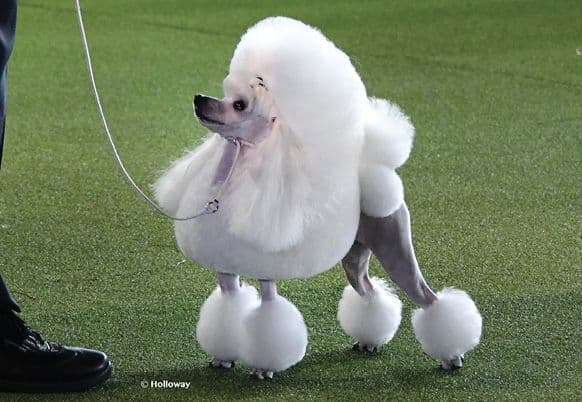
The Toy Poodle is judged by the same Standard as the Miniature and Standard Poodles except that the Toy Poodle must be 10 inches or under. Check for a square breed with a high head carriage, level topline, high tail set, and a smooth, straightforward trot. Toy Poodles are intelligent, loving, and athletic companions in a tiny frame.
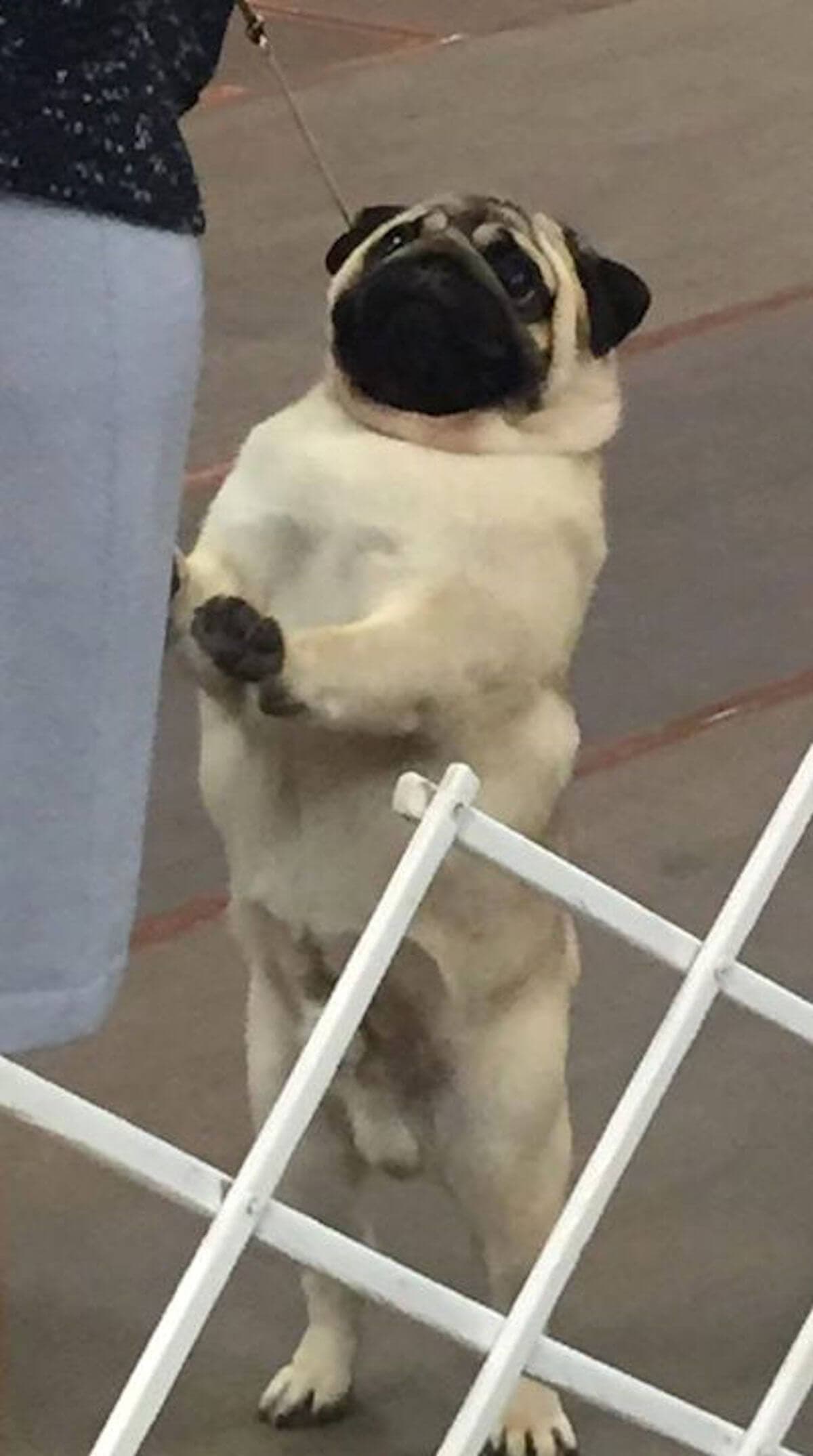
When you see a Pug, remember the phrase “Multum in Parvo”—a lot of dog in a small space. Look for a large, round head, square body, and a high-set, tightly curled tail. To evaluate the head, cup your fingers behind the ears, feel the wrinkles on the head, slide your hand down the side of the head to feel the width of the jaw, and finish the exam by using your thumb to check the slightly undershot bite. Pugs have a sound, double-tracking movement. The front and the rear should be doing the same thing. When moving away, you should only see the rear legs, and when coming toward you, only the front legs should be seen. The gait should be free and jaunty.
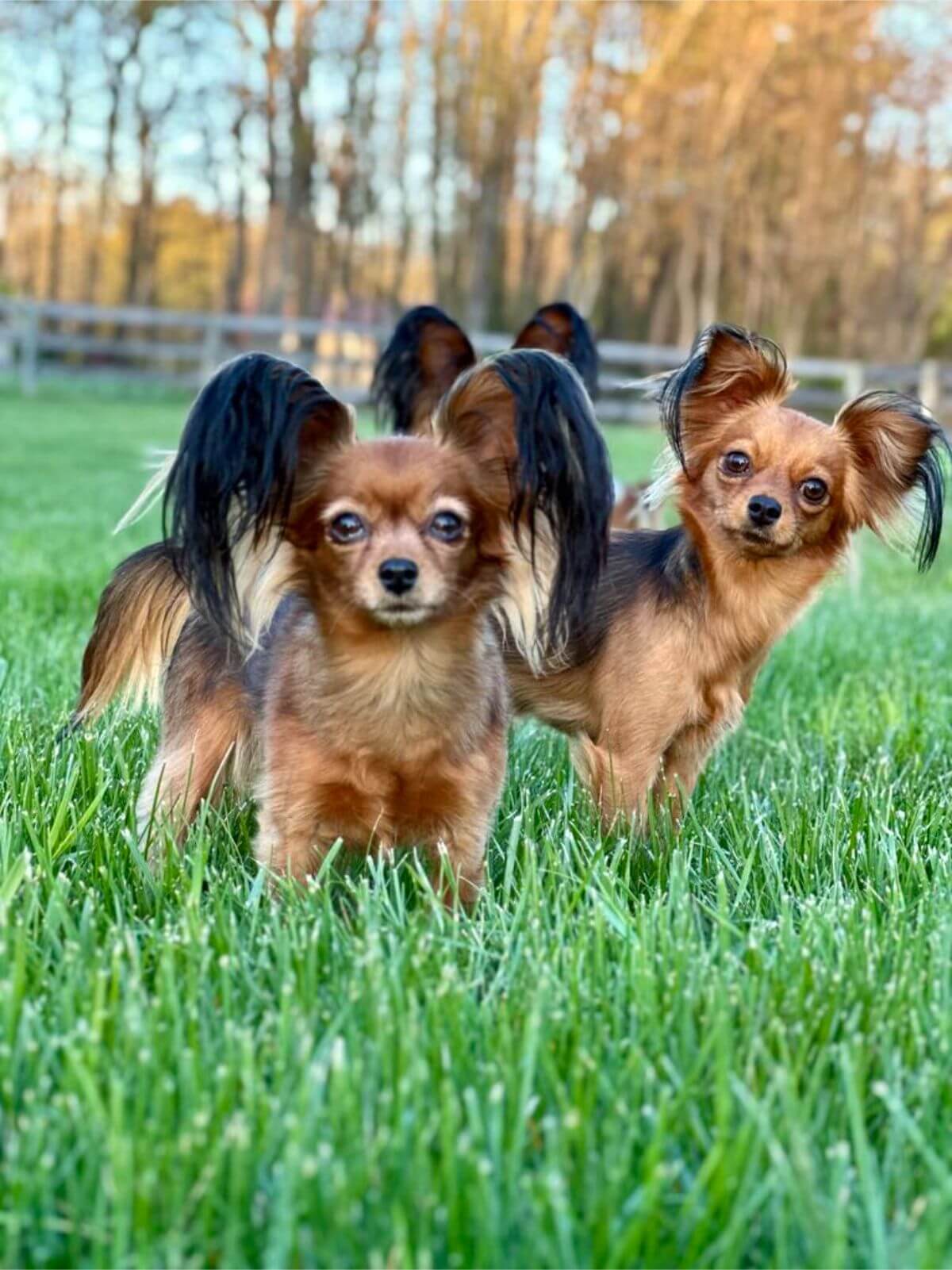
The Russian Toy is a small, active, cheerful, and lively dog, displaying long legs, fine bones, and lean muscles. There are two types: long-coated and smooth-coated. The head is small compared to the body, with a distinct stop and a wedge shape. Ears are large, high set, and erect. Eyes are large, dark, and set wide apart. When judging, evaluate the overall balance and a square and elegant silhouette along with their cheerful temperament.
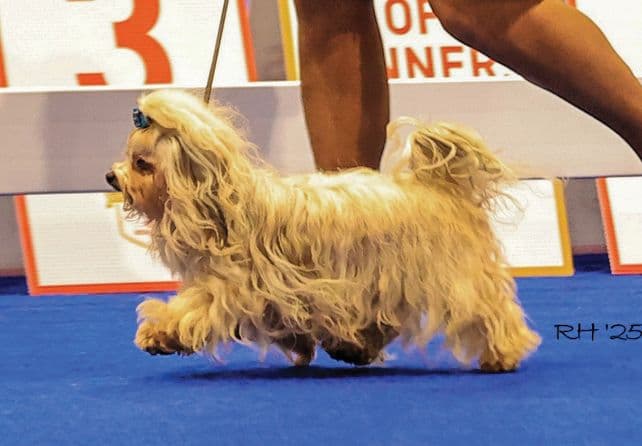
We welcome the Russian Tsvetnaya Bolonka as the newest Toy Breed to be added to the Toy Group. This breed is a small, sturdy companion, slightly longer than tall, and known for a naturally curly, wavy coat that appears disheveled. A mustache and beard are breed characteristics that must be visible. The tail is covered by coat, and is medium in length and curls over the back. Bolonki are allowed to come in all colors, except spotted, parti-color, merle, or solid white. The movement is flowing, with good reach and drive.
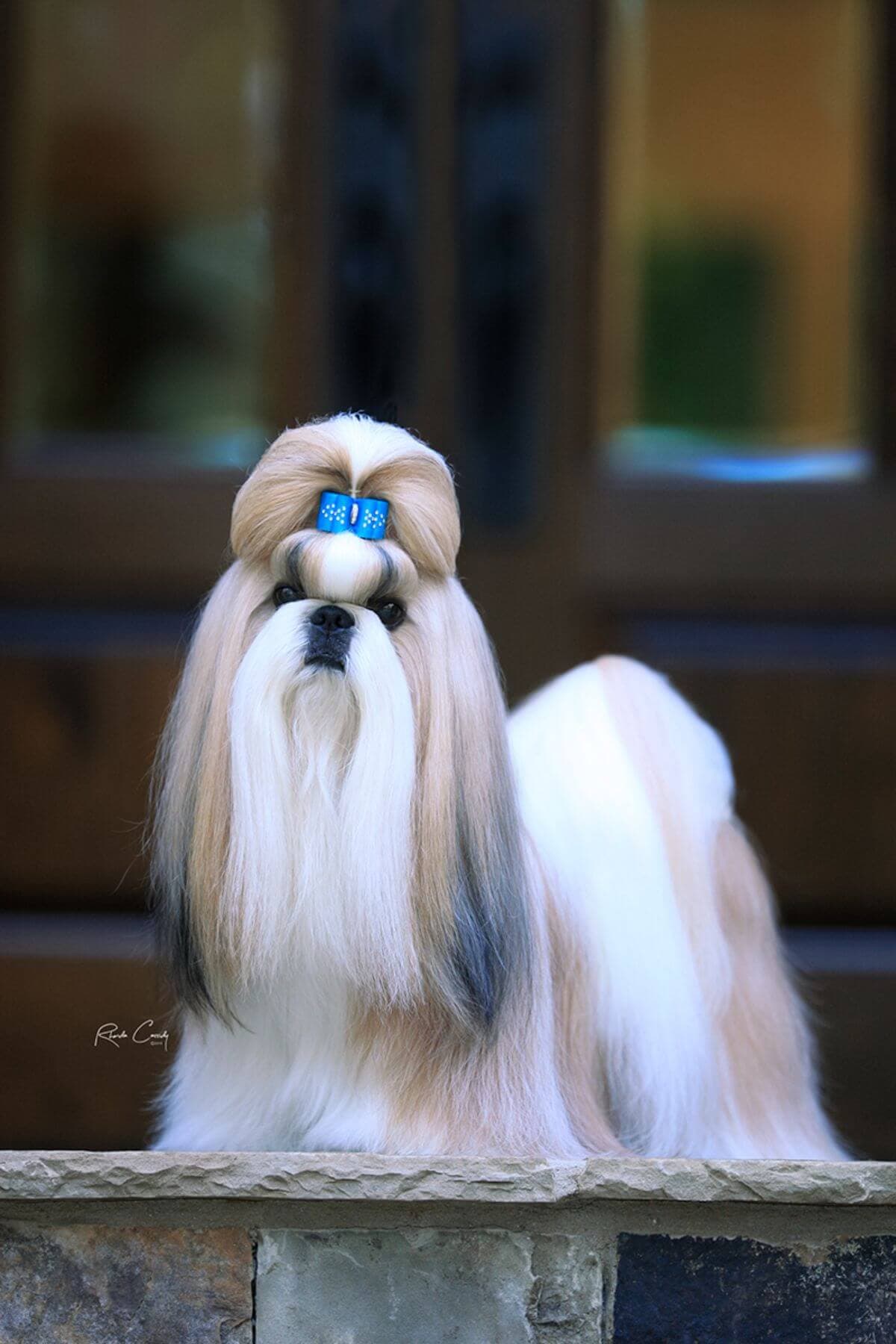
Essential characteristics and breed type of a Shih Tzu include a large, round head, a rectangular body, a smooth, effortless, and flowing gait, and a long, dense, silky double coat. When moving, the head is held high and appears arrogant. Shih Tzu are happy, outgoing and trusting, and friendly to all people.
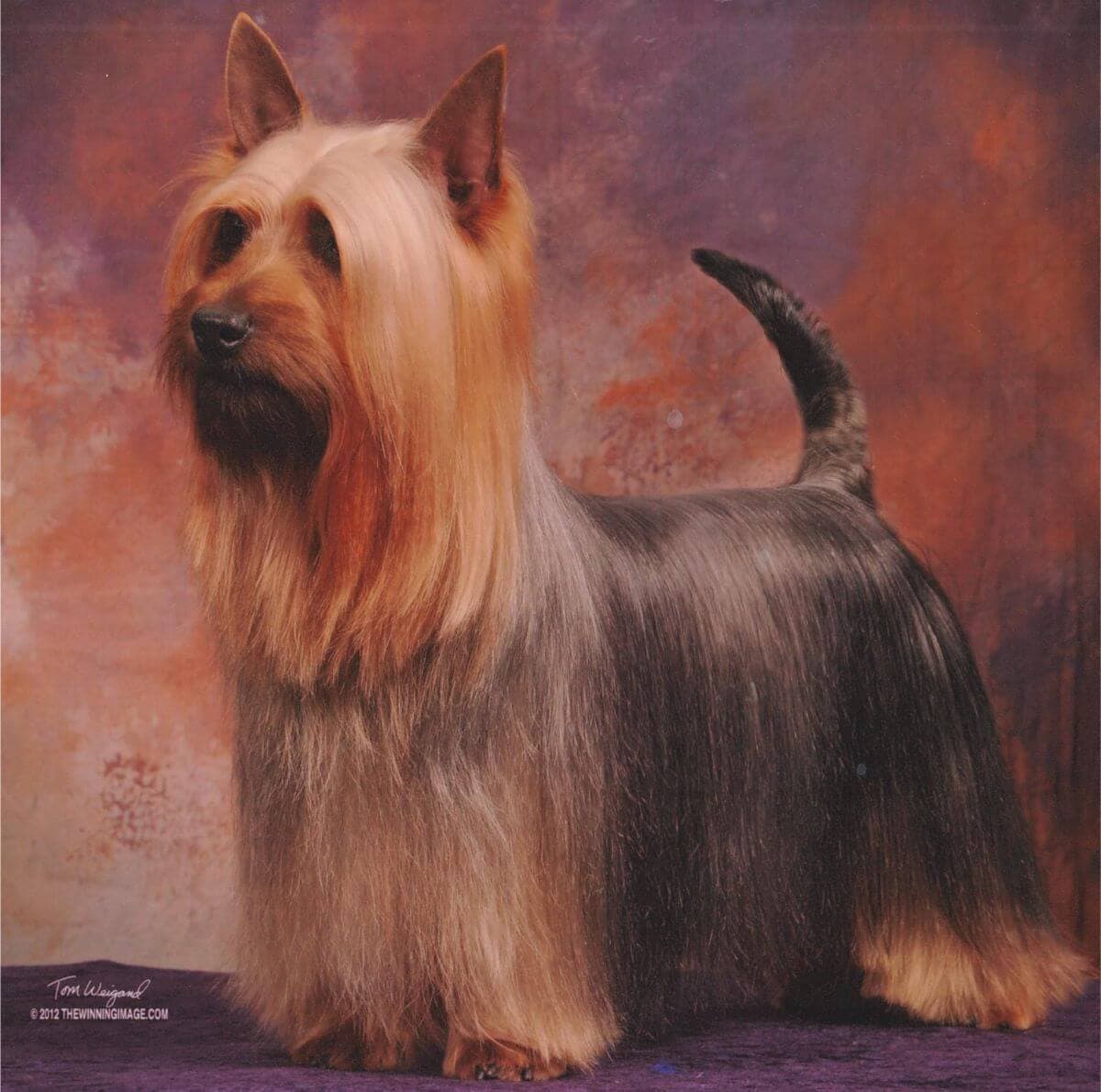
When judging the Silky Terrier, check for a low-set body, slightly longer than tall proportions with substance to suggest the ability to hunt. The coat is silky in texture, parted from the stop to the tail. The head is wedge-shaped, with small, dark eyes and ears that are V-shaped, set high, and carried erect. Teeth are strong with a scissors bite. The gait is free, lively, and straightforward. Silkies have the keen air of a terrier.
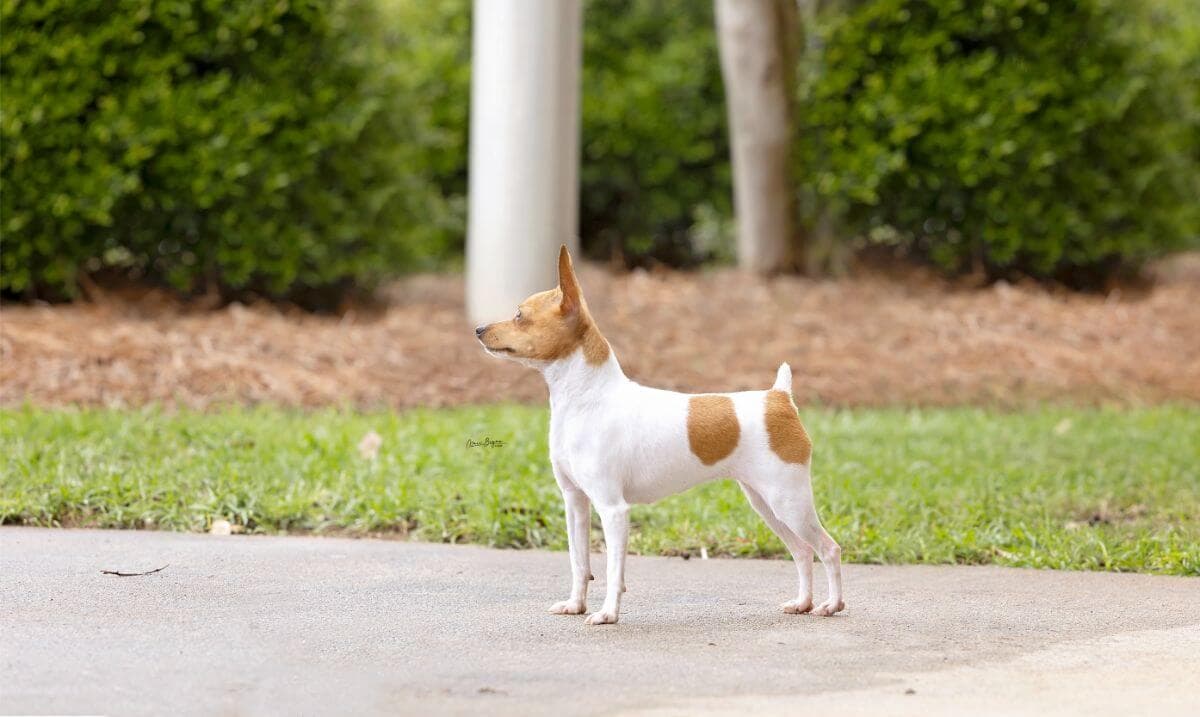
The Toy Fox Terrier is truly a Terrier and a Toy! Terrier traits are their keen intelligence, strength, animation, and courage, and yet they have the diminutiveness of a Toy dog. The TFT is square, eyes are dark, ears are high and close, the topline is level, and the gait is smooth and flowing. The TFT is a highly animated Toy dog that is entertaining and playful throughout his life.
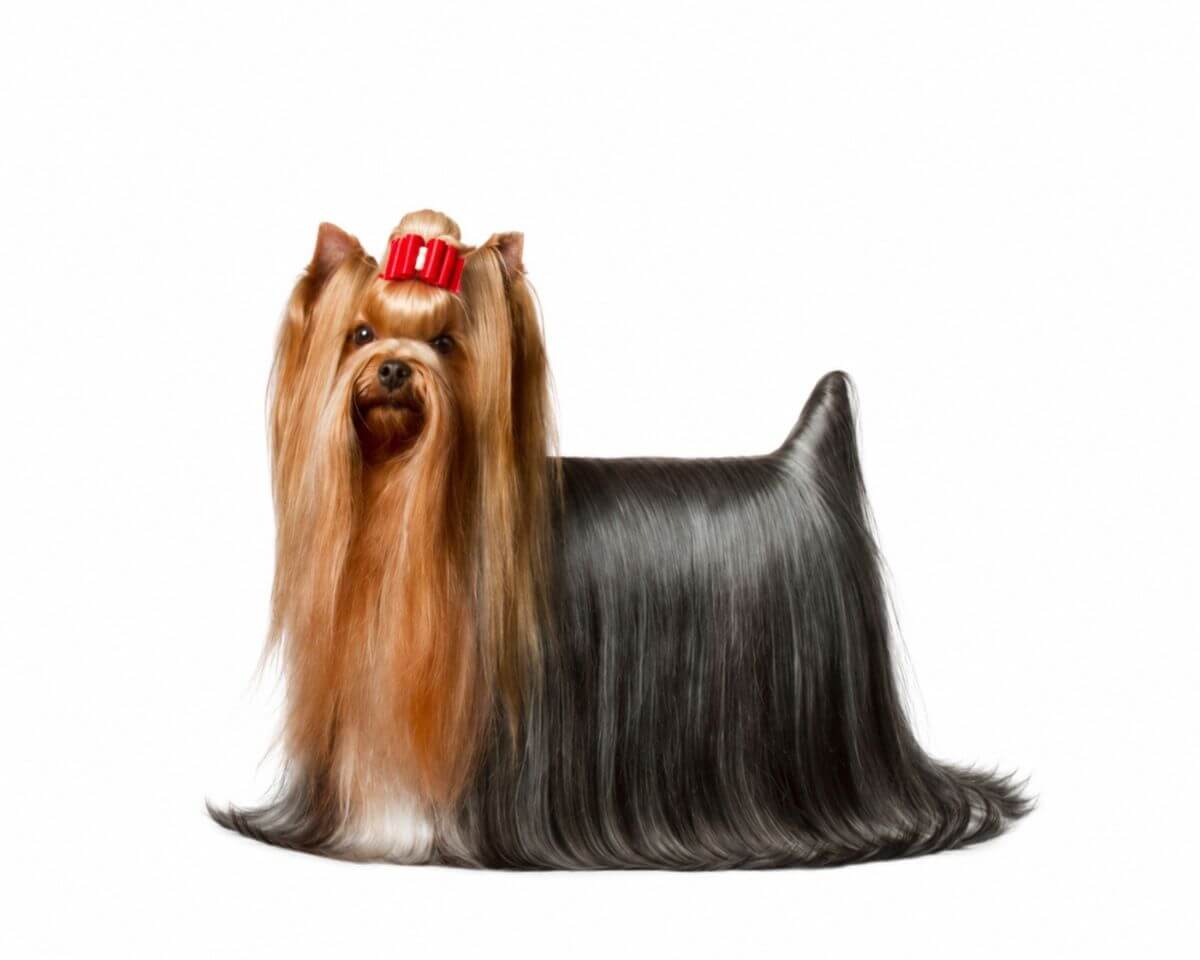
Judge the Yorkshire Terrier based on a Standard that emphasizes a square build and a level back and topline. The coat is important and must be straight and silky in texture. The body color should be a lustrous steel blue. The head fall is a rich golden tan, which is deeper in color at the sides of the head, at the ear root, and on the muzzle. The head is small, the nose is black, the eyes are medium-sized, and the ears are small and V-shaped. The gait is smooth and straight, and Yorkies maintain a level topline when moving. They are confident and give the appearance of self-importance and vigor.
At the end of the day, it is easy to see that Toy dogs may be short in stature but they are not short on personality. While their physical differences are vast, they all share one common thread: a fierce dedication to their humans. If you are looking for a best friend, a pocket-sized protector, or a lap warmer, the Toy Group has a perfect companion or show dog for you!
I hope this brief review of each of the breeds in the Toy Group will be helpful. But, as always, refer to the Breed Standards to complete your understanding of each breed.

American Kennel Club (AKC)
Gus Sinibaldi reflects on judging the National Owner-Handled Series Terrier and Toy Groups at the 2025 AKC National Championship.