Members
01/Overview
The Yorkshire Terrier is named after County of Yorkshire in Northern England.
Huddersfield Ben (b.1865) is recognized as the “Father of the Breed.”
Highlights
02/History
Go to: www.YTCA.org. Check out “History of the Yorkshire Terrier” by Joan Gordon.
03/Appearance
7-8” at shoulders; No more than 7 pounds
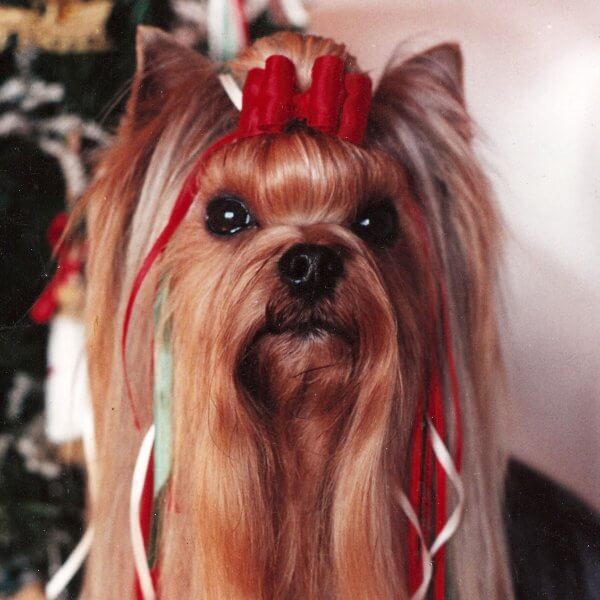
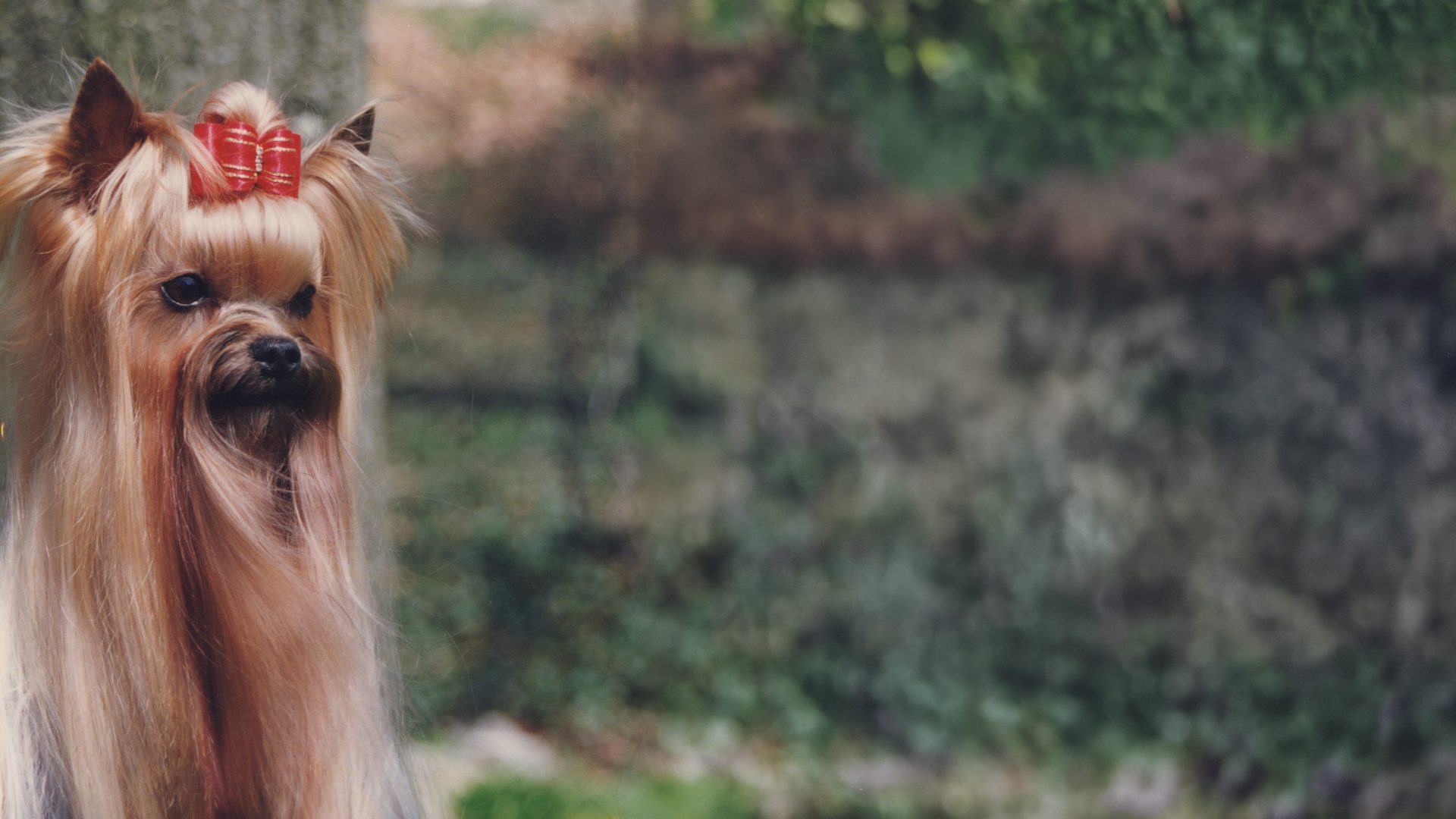
The body is neat, compact and well proportioned. The dog’s high head carriage and confident manner should give the appearance of vigor and self importance.
Texture: A long-haired toy terrier whose blue and tan coat is parted on the face and from the base of the skull to the end of the tail, and hangs evenly and quite straight down each side of body. Hair is glossy, fine, and silky in texture.
Standard Colors
04/Consider
Interaction With Family
The level of affection a breed typically shows towards family members and familiar individuals.
Good With Other Dogs
The innate friendliness of a dog towards other dogs can depend on its breed.
Good With Young Children
The degree to which a breed will typically be patient with young children.
Amount Of Shedding
How much hair a breed typically leaves behind on clothes, furniture and floors.
Frequency Of Grooming
How often a breed needs brushing, bathing or a professional trim to stay in condition.
Amount Of Drooling
How prone a breed is to drool, worth knowing before you keep a towel by the door.
Openness To Strangers
How openly a breed tends to greet new people, visitors and strangers.
Protective Nature
How likely a breed is to alert you to anything unfamiliar, and stand between you and it.
Playfulness Level
How enthusiastic a breed stays about games and play well past puppyhood.
Trainability Level
How readily a breed takes direction and works with you rather than around you.
Barking Level
How much a breed uses its voice, and how readily.
Energy Level
How much get-up-and-go a breed brings to an average day.
Health
The Yorkshire Terrier is generally a healthy breed. Lifespan: 12-15 years
Very vocal. Needs a job to keep busy. Extremely loyal to the family and presents as a “guard” dog in spite of their size.
Exercise Expectations
Grooming Expectations
They are extremely affectionate and very curious. Love to chase squirrels and bark at strangers. Very sociable and happy to cuddle up next to you.
05/Puppies
Puppies should not be sold until they are at least 12 weeks of age and have had their initial vaccinations.
06/Activities
Conformation shows, Companion & Performance (Agility, Obedience, Earth Dog, FCAT) are some of the many areas Yorkies can compete in.
Gallery
07/Standards
The Yorkshire Terrier is recognized by the world's leading registries and kennel organizations, which categorize the breed into a specific Group based on its unique characteristics. This breed is recognized worldwide under the following Group designations:
The ideal Yorkshire Terrier is described by a Breed Standard that is approved by each of the world’s leading registries and kennel organizations. The Breed Standards for this breed may be found in the following links:
08/Clubs
09/Rescue
10/Facts
A Decorated Hero
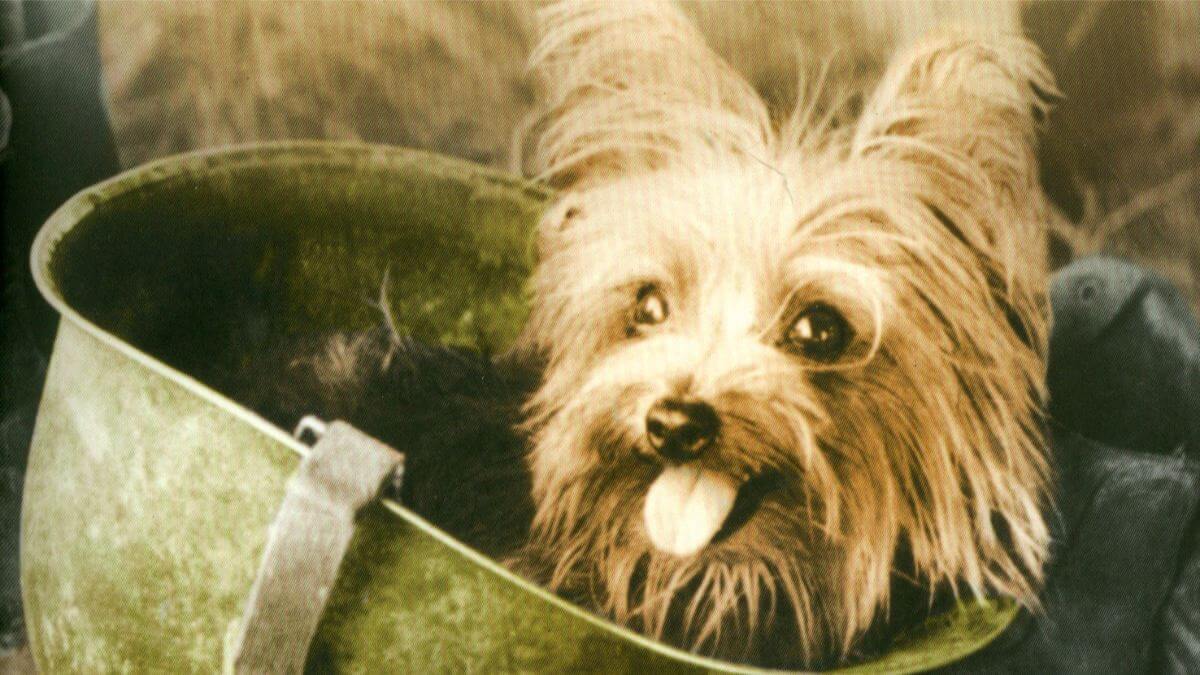
In 1944, a Yorkshire Terrier named “Smoky” was found by an American soldier in the New Guinea jungle. She was bought by Corporal William A. Wynne and back-packed through the rest of the war, accompanying Wynne on combat flights in the Pacific, warning soldiers of advancing troops, and going into foxholes. Weighing only four pounds, she was awarded eight battle stars. She was awarded posthumously the PDSA Certificate for Bravery or Devotion in April 2011.
Westminster Winner
A Yorkshire Terrier has only won Best in Show at The Westminster Kennel Club Dog Show once, in 1978; Ch. Cede Higgins, owned by Barbara and Charles Switzer.
11/FAQ
There is no such thing as a teacup in any breed. Some litters produce a smaller puppy who is considered to be the “runt” of the litter. Extremely small Yorkies (2-3 lbs) are rare and never used for breeding by reputable breeders. They require more smaller meals per day and must be watched closely for any signs of distress.
Written by
Yorkshire Terrier Club of America, Inc.
Founded in 1951, the Yorkshire Terrier Club of America (YTCA) serves as the official AKC Parent Club for the breed in the United States. With a mission centered on preservation, education, and responsible breeding, the YTCA is dedicated to protecting the integrity of the Yorkshire Terrier. The club supports breeders and owners alike in maintaining true breed type, sound health, and stable temperament, while fostering a spirit of camaraderie among its members. Always guided by the best interests of the breed, the YTCA continues to be a vital force in promoting the excellence and welfare of Yorkshire Terriers nationwide.
Official Standard of the Yorkshire Terrier
General Appearance: That of a long-haired toy terrier whose blue and tan coat is parted on the face and from the base of the skull to the end of the tail and hangs evenly and quite straight down each side of body. The body is neat, compact and well proportioned. The dog's high head carriage and confident manner should give the appearance of vigor and self-importance.
Head: Small and rather flat on top, the skull not too prominent or round, the muzzle not too long, with the bite neither undershot nor overshot and teeth sound. Either scissors bite or level bite is acceptable. The nose is black. Eyes are medium in size and not too prominent; dark in color and sparkling with a sharp, intelligent expression. Eye rims are dark. Ears are small, V-shaped, carried erect and set not too far apart.
Body: Well proportioned and very compact. The back is rather short, the backline level, with height at shoulder the same as at the rump.
Legs and Feet: Forelegs should be straight, elbows neither in nor out. Hind legs straight when viewed from behind, but stifles are moderately bent when viewed from the sides. Feet are round with black toenails. Dewclaws, if any, are generally removed from the hind legs. Dewclaws on the forelegs may be removed.
Tail: Docked to a medium length and carried slightly higher than the level of the back.
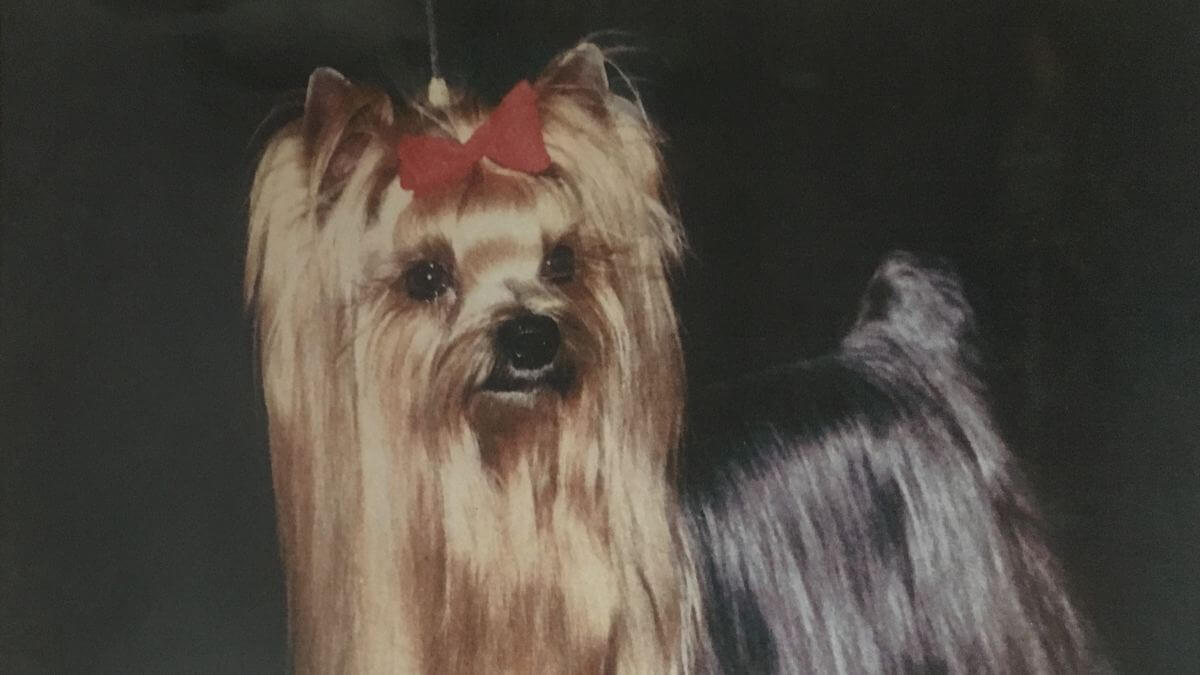
Coat: Quality, texture and quantity of coat are of prime importance. Hair is glossy, fine and silky in texture. Coat on the body is moderately long and perfectly straight (not wavy). It may be trimmed to floor length to give ease of movement and a neater appearance, if desired. The fall on the head is long, tied with one bow in center of head or parted in the middle and tied with two bows. Hair on muzzle is very long. Hair should be trimmed short on tips of ears and may be trimmed on feet to give them a neat appearance.
Colors: Puppies are born black and tan and are normally darker in body color, showing an intermingling of black hair in the tan until they are matured. Color of hair on body and richness of tan on head and legs are of prime importance in adult dogs, to which the following color requirements apply: Blue - Is a dark steel-blue, not a silver-blue and not mingled with fawn, bronzy or black hairs. Tan - All tan hair is darker at the roots than in the middle, shading to still lighter tan at the tips. There should be no sooty or black hair intermingled with any of the tan.
Color on Body: The blue extends over the body from back of neck to root of tail. Hair on tail is a darker blue, especially at end of tail.
Headfall: A rich golden tan, deeper in color at sides of head, at ear roots and on the muzzle, with ears a deep rich tan. Tan color should not extend down on back of neck.
Chest and Legs: A bright, rich tan, not extending above the elbow on the forelegs nor above the stifle on the hind legs.
Weight: Must not exceed seven pounds.
Disqualifications: Any solid color or combination of colors other than blue and tan as described above. Any white markings other than a small white spot on the forechest that does not exceed 1 inch at its longest dimension.
Approved July 10, 2007
Effective October 1, 2007
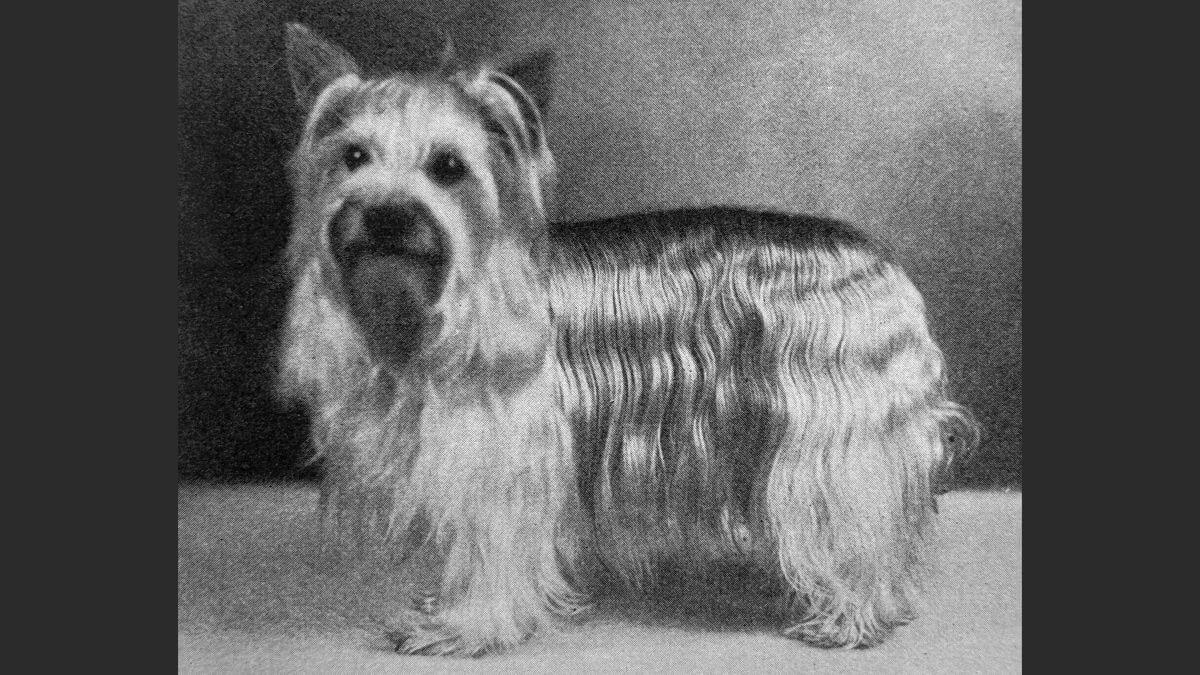
A 1935 look at the Yorkshire Terrier traces the breed from pampered show dog to its roots as a practical, working terrier with real utility.
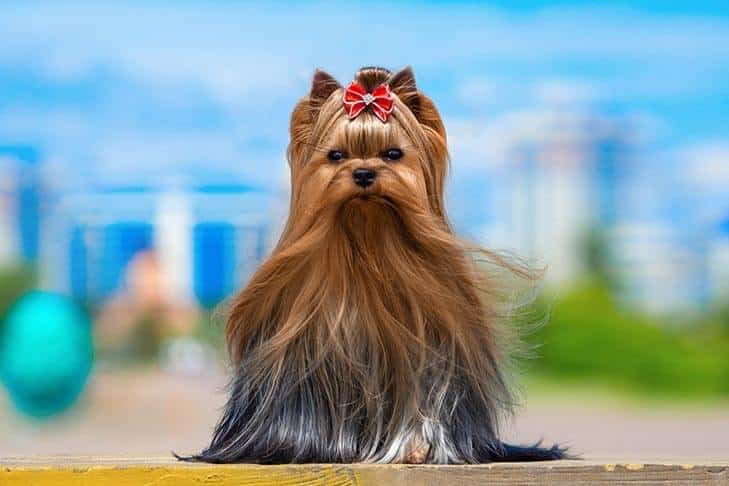
Dog Shows
Master the art of presenting the Yorkshire Terrier with expert tips on grooming, handling, and ring etiquette to showcase your dog’s best.
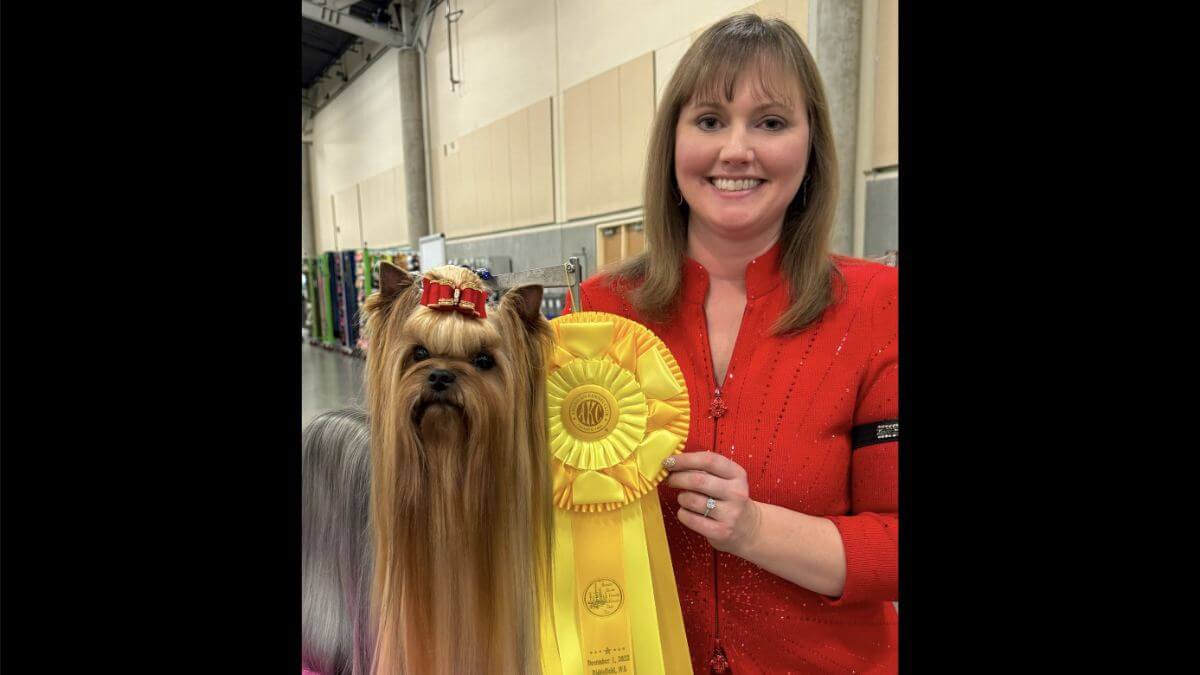

Meet the Breeders
Michele Shute of Magnifique shares her insights on Yorkshire Terriers, show puppy selection, breed trends, and the dog show community.

Meet the Breeders
Vicki Edwards of Sugarfoot shares her insights on Yorkshire Terriers, show puppy selection, breed trends, and the dog show community.

Meet the Breeders
Michelle Chaney of Sagebrooke shares her insights on Yorkshire Terriers, show puppy selection, breed trends, and the dog show community.
Dog Shows
Discover the thriving Yorkshire Terrier breed in America, celebrated for its improved structure, showmanship, and versatility in events.
All About Judging
Explore the intricate breed standard of Yorkshire Terriers’ and learn more about the coat, color, and texture.
Meet the Breeders
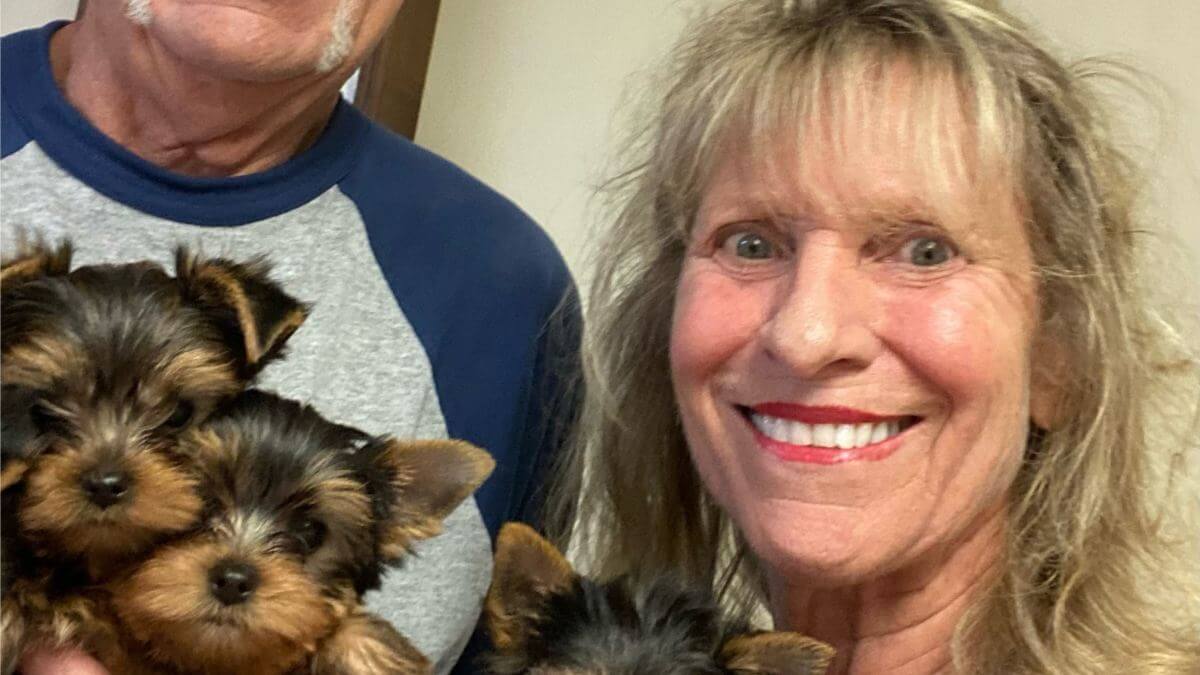
Nancy Smith of Hekan Kennel shares 40 years of breeding Yorkshire Terriers and insights on dog shows and responsible ownership.
Meet the Breeders
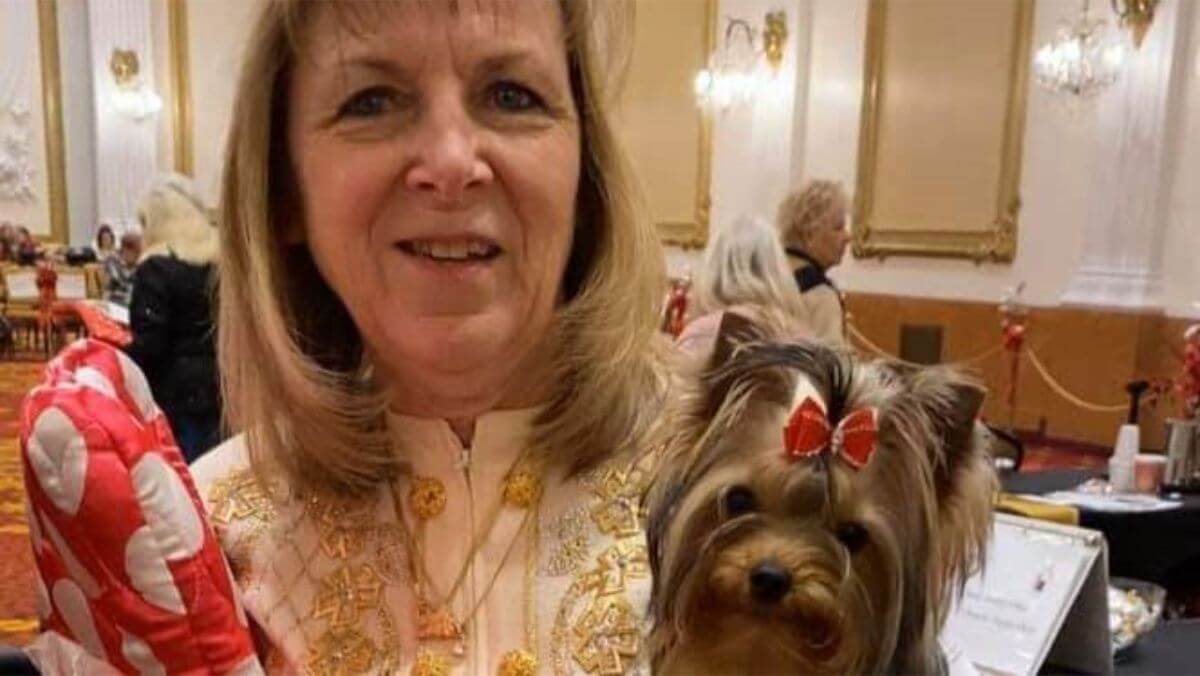
Meet Michelle “Muffin” Chaney, a passionate breeder and owner-handler of Yorkshire Terriers from Southeastern Iowa.
The tail is docked to a medium length and carried slightly higher than the level of the back.
A Note About Color: Puppies are born black and tan and are normally darker in body color, showing an intermingling of black hair in the tan until they are matured. Color of hair on the body and richness of tan and legs are of prime importance in adult dogs, to which the following color requirements apply:
Coat Type
Silky
The structure of the coat this breed carries.
Coat Length
Long
How long the breed's coat grows when kept in condition.
Adaptability Level
How easily a breed copes with changes in home, routine, noise and weather.
Mental Stimulation Needs
How much a breed needs a job, a puzzle or training to stay content.
A well-balanced diet is most important. Table scraps should be kept to a bare minimum. There are particular foods created for this specific breed.
Yorkies are extremely intelligent with a very good memory. Training repetition is the best path to take. Obedience training is very valuable in creating a well-behaved family pet