Members
01/Overview
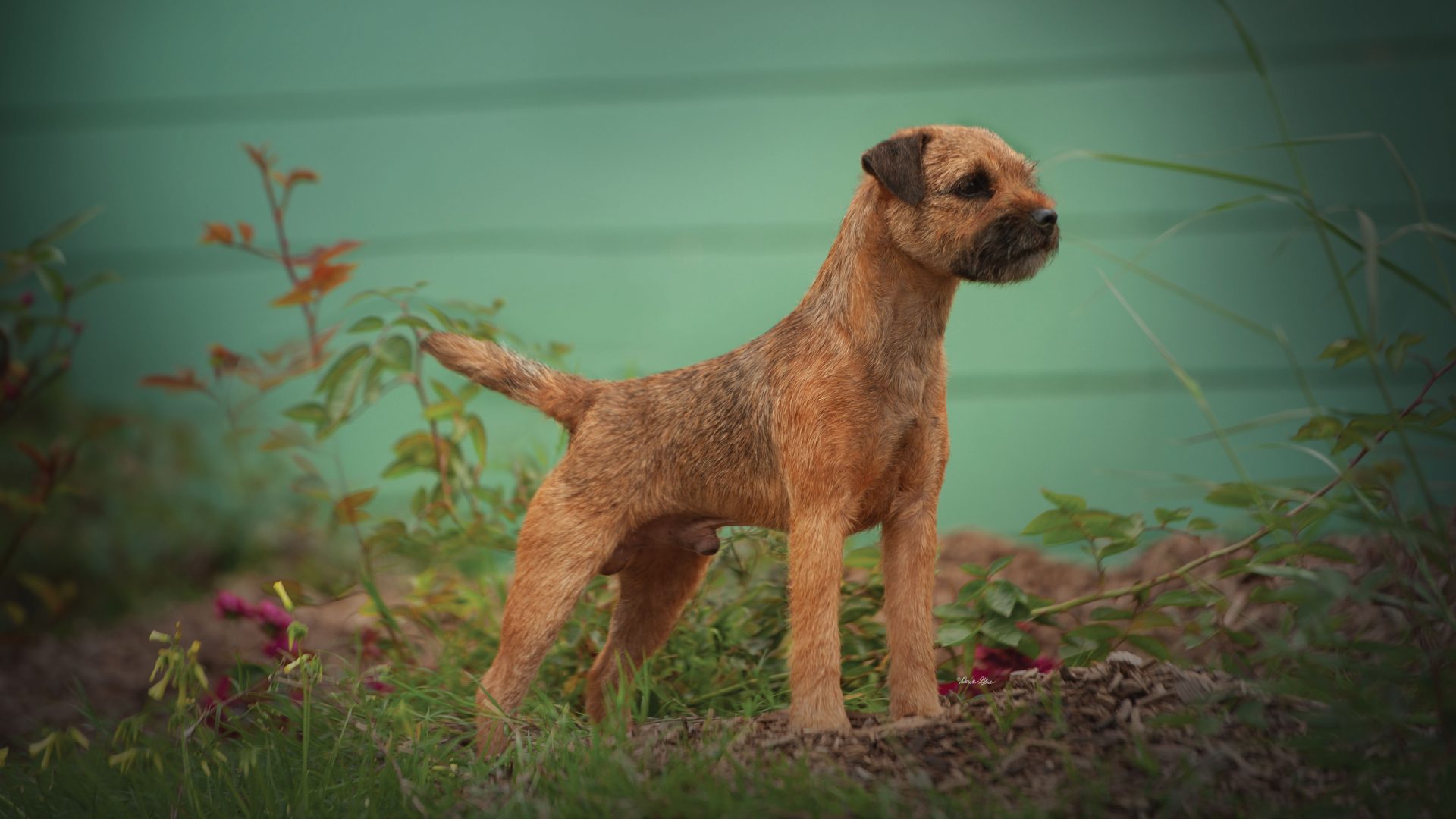
The Border Terrier is a true working terrier, built to function both above and below ground. The breed’s physical and mental characteristics support its historical use as a hunter of vermin, badger, otter, and fox. Although the Border does not strongly resemble most other terrier breeds, this good-natured companion is as “game as they come.” The breed’s signature “otter head” is a distinctive breed feature, but it is only one of many. The Border’s legs are long enough to follow a horse yet short enough to allow the dog to “go-to-ground.” Once underground, the dog’s body is long enough to allow it to turn around, and its loose, thick skin and wiry coat prevent serious injury. Fearless on the offensive, the affectionate Border is reasonably obedient in the home, easily trained and endlessly appealing.
Highlights
02/History
The Border Terrier was developed during the 18th century in Northumberland, England, along the border with Scotland. Local farmers and shepherds wanted a game little terrier for controlling predators, and sportsmen wanted a dog with sufficiently long legs for following behind horses. The breed was therefore developed to run with foxhounds and then go-to-ground in pursuit of the quarry.
The terriers that were originally bred to work the moorlands and rocky outcrops around Coquetdale near Rothbury were less distinctive than today’s terriers. The Border Terrier was most probably developed from the same stock that produced both the Bedlington and Dandie Dinmont Terriers. (Some Borders grow a soft topknot of hair similar to these breeds.) The Bedlington was originally known as the Rothbury Terrier, while the Border was called by a number of names, including the Coquetdale Terrier.
Early breeders included William Allen and his son, James Allen, who sold some of their dogs to Mr. Ned Dunn of Whitlea and Mr. James Davidson of Hindlee. Hindlee is perhaps best known as the inspiration for the character Dandie Dinmont in Sir Walter Scott’s novel, Guy Mannering. These breeders initially utilized their dogs to control the foxes that preyed upon local sheep. However, as foxhunting developed into a sport, the dogs were incorporated as an integral part of the hunt.
The Robson family, under the mastership of Mr. John Robson, utilized terriers with their Border Foxhounds. Mr. Jacob Robson, Mr. E. L. Dobson, and Mr. S. Dodd succeeded as masters of the pack, each encouraging the breeding of terriers used to chase foxes and dispatch them underground. Border Terriers were also used by Mr. Tom Robson on otter and badger, running his dogs with the Northern Counties Otterhounds and the Dumfries Otterhounds.
In the 1870s, terriers began to appear on the bench at dog shows, initially as “Any Breed or Variety of British, Colonial or Foreign Dog—not Classified.” The Robson and Dodd families wrote the original Breed Standard as a precursor to the Border Terrier’s full recognition. In 1920, The Kennel Club of England officially recognized the breed, and ten years later the American Kennel Club followed suit.
03/Appearance
Adult Border Terriers typically stand between 12 and 15 inches tall at the shoulder, and weigh between 13 and 15.5 pounds for males and 11.5 to 14 pounds for females.
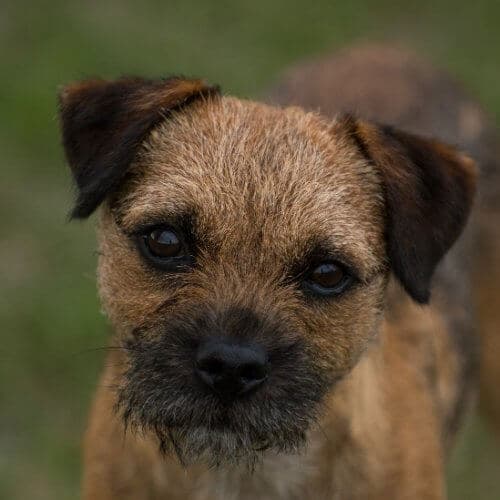
Skull: The Border Terrier’s head is described as being similar to that of an otter. The skull is moderately broad and flat, with plenty of width between the ears and between the eyes. The cheeks are slightly full, and there’s a slight, moderately broad curve at the stop rather than a pronounced indentation.
Expression: The expression is full of fire and intelligence, with a look of fearless determination.
Eyes: The eyes are dark hazel in color, neither prominent and bulging nor small and beady. Their placement enhances the head’s otter-like appearance.
Ears: The ears are small and V-shaped, with a moderately thick leather. They are set somewhat on the sides of the skull, not high on the head, and drop close to the cheeks. The ears should not break above the level of the skull.
Muzzle: The muzzle is short and well filled. Its length is one-third the total length from the nose to the occiput, enhancing the head’s “ottery” look. A dark muzzle is a desirable characteristic.
Nose: The nose is always black and of good size, complementing the muzzle’s dark coloration.
Bite: The Border Terrier possesses strong teeth that are large in proportion to the dog’s size. They meet in a formidable scissors bite that can deliver a punishing grip.
 Faye & Jade Unrau Photography[/caption]
In terms of proportion, the Border Terrier presents a slightly longer than tall silhouette. The height at the withers is slightly greater than the distance from the withers to the tail; approximately 1-1.5 inches in a 14-pound dog. The breed is strongly put together, reflecting both its endurance and agility. The body is deep and fairly narrow, capable of being spanned behind the shoulders. The ribs are deep (not over-sprung) and carried well back. The body’s underline is fairly straight. The forelegs are straight, not too heavy in bone, with small and compact feet. Muscular and racy hindquarters have long thighs, well-bent stifles, well-let-down hocks, and compact feet.
Texture: The Border Terrier has a very thick and loose-fitting skin with a protective double coat. A soft, dense undercoat is overlaid with a wiry topcoat that lies flat to the body. The outer coat’s texture is somewhat “broken,” with no tendency to curl or wave. The coat of this working terrier is relatively easy to maintain. Weekly brushing keeps it neat and clean, and bathing is only required when the coat gets particularly dirty. Seasonal shedding requires the use of a slicker brush to remove the dead hair, and hand-stripping is recommended twice a year to keep the dog looking its best. The coat should never be scissored. Depending on the coat’s length, texture, and thickness, a Border’s natural coat can give the dog an appealing “scruffy” appearance.
Standard Colors
04/Consider
When considering the Border Terrier as a companion, prospective owners should be prepared for a dog that is easily trained but “game as they come.” These good-natured dogs require a secure home and yard to keep them safe, and regular activity to keep them engaged.
Interaction With Family
The level of affection a breed typically shows towards family members and familiar individuals.
Good With Other Dogs
The innate friendliness of a dog towards other dogs can depend on its breed.
Good With Young Children
The degree to which a breed will typically be patient with young children.
Amount Of Shedding
How much hair a breed typically leaves behind on clothes, furniture and floors.
Frequency Of Grooming
How often a breed needs brushing, bathing or a professional trim to stay in condition.
Amount Of Drooling
How prone a breed is to drool, worth knowing before you keep a towel by the door.
Openness To Strangers
How openly a breed tends to greet new people, visitors and strangers.
Protective Nature
How likely a breed is to alert you to anything unfamiliar, and stand between you and it.
Playfulness Level
How enthusiastic a breed stays about games and play well past puppyhood.
Trainability Level
How readily a breed takes direction and works with you rather than around you.
Barking Level
How much a breed uses its voice, and how readily.
Energy Level
How much get-up-and-go a breed brings to an average day.
Health
The Border Terrier is considered a relatively healthy breed. Responsible preservation breeders health test their dogs to minimize the risk of a disease being passed from parents to puppies. However, individual dogs are not immune to health problems, so early detection and management are important aspects of care. In general, the Border Terrier’s average lifespan ranges from 12 to 14 years.
The Border Terrier is an active breed, renowned for its fearless and affectionate personality. This determined dog can be a joy to have a round, but it is not the best choice for everyone. It’s important to speak with responsible breeders and spend time with their dogs before committing to caring for one of these working terriers.
Borders do enjoy attention from their favorite people, but they don’t seek it constantly. As they go about their daily activities, they typically like to check in every once in a while. Although they are not noisy dogs, they will definitely alert to a stranger at the door or an errant squirrel in the yard. And at the end of a busy day, they typically like nothing more than to cozy up for some television viewing before bedtime.
While Border Terriers are generally good with children, they should be properly introduced to make sure everyone can get along. Puppies are extremely active and can get into trouble in the blink of an eye, so all interactions should be carefully monitored. Although most Borders are trusting and eager to please, they are sensitive too. So, rough treatment can have a negative effect on the dog’s inherently trusting nature.
Exercise Expectations
Border Terriers also enjoy regular walks and play sessions. A stroll around the neighborhood allows the dog to explore its environment, keeping its senses engaged. While indoors, interactive games, puzzle toys, and short training sessions can channel the dog’s energy and prevent destructive behaviors that can result from boredom. Despite the breed’s smaller size, Border Terriers are “hard as nails” when it comes to participating in various dog sports. Agility, Barn Hunt, Earthdog, Flyball, Nosework, and Tracking are just some of the organized activities that allow these dogs to have fun and stay fit. During the “off season,” a fenced yard can provide a safe space to exercise.
Living with a Border Terrier can be a fun-filled experience, but it does come with certain responsibilities. The breed’s free and agile stride allows these dogs to travel far and wide, so outdoor activities need to take place in a fenced yard or on a reliable collar or harness. Be forewarned, these functional terriers like to roam!
Since the breed was developed to hunt in packs, the typical Border Terrier is less dog-aggressive than most other terrier breeds. In fact, these dogs enjoy the company of other dogs as much as they appreciate the companionship of their human family. Typically, they are affectionate in the home and fearless in the face of a foe.
Border Terriers are easily trained, provided the methods support the breed’s inherent good nature. Although they are bold hunters, they are also companionable and respond best to instruction that is clear. With proper training and adequate exercise, these dogs can provide endless enjoyment for people who enjoy a loyal, affectionate, and capable canine companion.
05/Puppies
Bringing a litter of Border Terrier puppies into the world is an exciting event that supports the preservation of this unique breed. It also demands a commitment that requires preparation and understanding of each puppy’s specific needs during its early development.
When caring for a Border Terrier puppy, it’s important to provide a safe, nurturing environment for the little one. From the moment the first pup arrives in its new home, it’s essential to establish a routine that includes regular feeding and potty breaks as well as a sleep schedule. Consistency in these areas will aid in housebreaking and helps the pup feel secure in its new surroundings.
Feeding a high-quality diet formulated for small breed puppies is essential to support the pup’s rapid growth and energy needs. It’s important to follow the recommended feeding guidelines and refrain from giving treats except during short training sessions.
Socialization is another important aspect of puppy care. Exposure to various people and animals in safe environments can encourage confidence and prevent fearfulness or aggression later in life. Early socialization and positive training methods are the foundation for good behavior.
Regular veterinary check-ups are vital during the Border Terrier’s first year. Each appointment allows the puppy’s growth to be monitored and ensures all vaccinations and deworming medications are administered. Additionally, implementing a routine grooming regimen early on can acclimate the pup to being handled and sets the course for maintaining good overall health throughout the dog’s lifetime.
06/Activities
Border Terriers are active and agile dogs with a keen intelligence, making them well-suited for a variety of activities and dog sports. Engaging these working dogs in a sport not only taps into their natural instincts, it also provides an outlet for their considerable energy and enthusiasm.
Agility: This fast-paced sport is popular with Border Terrier enthusiasts, as it channels the breed's agility and intelligence. Navigating obstacle courses provides mental and physical challenges that support the dog and handler’s teamwork.
Barn Hunt: In these events, dogs use their sense of smell to locate and signal the presence of a rat (safely enclosed in a protective tube) hidden in a course made of hay bales. It's an exciting way for Border Terriers to engage their vermin-hunting instincts.
Obedience: Participation in Obedience Trials provides an excellent opportunity for Border Terriers to demonstrate their intelligence and willingness to work closely with their handlers. These events test a dog's ability to follow commands and signals.
Earthdog: Designed to test the working capabilities of terriers and Dachshunds, Earthdog Trials allow Border Terriers to navigate underground mazes in pursuit of a scent. This activity is instinctual for these dogs and provides a constructive outlet for their hunting drive.
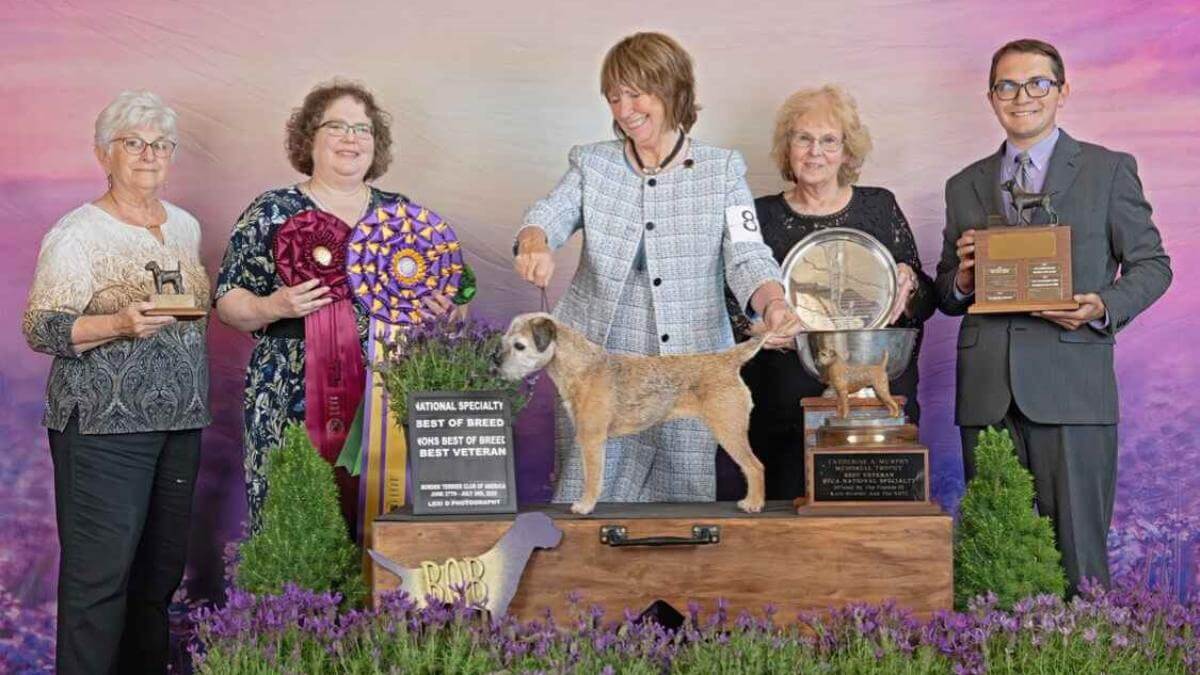
Conformation Shows: Border Terriers often participate in Conformation Shows, where they are judged against the Breed Standard. Dog shows celebrate the breed's physical attributes and temperament, and they promote responsible breeding practices.
Therapy Work: Border Terriers can excel in Therapy Work due to their affectionate nature. Visiting hospitals, nursing homes, and schools allows the dogs to offer comfort to patients, residents, and students who may benefit from the experience.
Tracking: Due to the breed’s prey drive and excellent sense of smell, Border Terriers can excel at Tracking. In this sport, several levels of difficulty allow dogs to follow pre-plotted scent trails over various terrain and obstacles.
These activities and others can provide Border Terriers with both mental and physical engagement, helping to alleviate boredom and modify any behavioral issues. Participation in dog sports also offers great opportunities for socialization with other dogs and their owners.
Gallery
07/Standards
The Border Terrier is recognized by the world’s leading registries and kennel organizations, which categorize the breed into a specific Group based on its unique characteristics. This breed is recognized worldwide under the following Group designations:
The ideal Border Terrier is described by a Breed Standard that is approved by each of the world’s leading registries and kennel organizations. The Breed Standards for this breed may be found in the following links:
08/Clubs
Border Terrier Clubs play an important role in bringing together breed enthusiasts, offering a social network for supporting education, camaraderie, and breed advocacy. These organizations are crucial for promoting all aspects of the breed, organizing social and competitive events, and supporting breed-specific research and rescue efforts.The Border Terrier Club of America (BTCA), founded in 1949, is the central organization for anyone who has a passion for the breed in the United States. The club holds many events throughout the year, including specialty shows and educational seminars that foster a sense of community and shared purpose among its members.In the United Kingdom, the Border Terrier Club is one of the oldest breed clubs. Founded in 1920, its members are committed to promoting the breed through shows, seminars, and health initiatives, all aimed at supporting the welfare of this decidedly British breed.Membership in these Border Terrier clubs offers numerous benefits, including access to information, participation in events, and opportunities to connect with other devotees of the breed. These organizations also play a critical role in breed advocacy, supporting ethical breeding practices and educating the public on the breed's unique characteristics and needs.
09/Rescue
Dedicated rescue organizations operate to rehabilitate and rehome any Border Terrier in need. The volunteers who support these groups are quick to act whenever there’s a need, providing a world-weary Border with a second chance at finding a forever home.In the United States, North American Border Terrier Welfare, Inc. is a well-regarded organization that’s committed to the breed's welfare. The group faithfully rescues Borders from shelters, pounds, and homelessness caused by the illness or death of an owner, ensuring each dog finds a new, happy home.For those who may be thinking about a Border Terrier as a family companion, these groups, along with the breed clubs, can facilitate placement of a dog with someone who is willing and able to care for a lovable Border with a questionable past.
10/Facts
Origin
The Border Terrier was developed during the 18th century along the border between England and Scotland. Its ancestors also produced the Dandie Dinmont and Bedlington Terriers.
Fox Hunts
The breed was initially used to control predators that were killing sheep grazing on the moors. Local sportsmen encouraged their dogs to run with foxhounds and then go-to-ground in pursuit of the fox, otter, and badger.
Family-Friendly
The Border Terrier likes to be included in most family activities, and they tend to welcome friends and strangers alike with the same effusive greeting.
Digging Instinct
Stemming from their historical role in the fox hunt, Borders Terriers have a natural instinct to dig. They can also be inclined to climb fences, so security is all-important.
Pelting
The thick and loose skin of the Border Terrier may be grabbed by two hands and lifted to assess a dog’s ability to maneuver underground and avoid injury if bitten by prey.
Spanning
The process of spanning the Border Terrier’s brisket with both hands is done to see if the dog is capable of going-to-ground—and to determine if it can get out of the hole! The practice is still used today in the Conformation show ring.
Mail Service Mascot
A Border Terrier named Owney became the mascot of the United States Post Office when he cuddled up on a pile of mailbags in Albany, New York. Befriended by the postmaster, he soon began traveling the rails across America.
Montpelier
The home of U.S. President James Madison welcomed many Border Terriers when the historic property was the home of Mrs. Marion duPont Scott, an early member of the Border Terrier Club of America.
Targeting Turtles
A Border Terrier named Ghillie was trained to find Western Chicken Turtles, a species thought to be in decline in West Texas.
R.A.T.S.
In New York City, a Border Terrier named Rosie once joined the Ryders Alley Trencher-fed Society to help reduce the rat population on the means streets of Midtown.
11/FAQ
Border Terriers can be excellent pets in the right environment. The breed’s smaller size and affectionate personality can make these dog’s a great companion for families, singles, and seniors alike. Borders are typically anxious to please, though they can be independent-minded and don’t care to be left alone for extended periods.

Written by
Dan Sayers is the Executive Editor of SHOWSIGHT. He is a member of the World Dog Press Association and the Dog Writers Association of America, which recognized his illustrations in the award-winning Encyclopedia of K-9 Terminology. Dan is a longtime supporter of the sport of dogs and an advocate for the conservation of recognized breeds in all their forms and functions. He is a member of the Morris and Essex Kennel Club, and for 45 years, the Irish Water Spaniel Club of America where he serves as AKC Delegate, Archivist, and approved Breed Mentor. Dan breeds under the Quiet Storm prefix and has judged the IWSCA National Specialty Sweepstakes twice.
Official Standard of the Border Terrier
General Appearance: He is an active terrier of medium bone, strongly put together, suggesting endurance and agility, but rather narrow in shoulder, body and quarter. The body is covered with a somewhat broken though close-fitting and intensely wiry jacket. The characteristic "otter" head with its keen eye, combined with a body poise which is "at the alert," gives a look of fearless and implacable determination characteristic of the breed. Since the Border Terrier is a working terrier of a size to go to ground and able, within reason, to follow a horse, his conformation should be such that he be ideally built to do his job. No deviations from this ideal conformation should be permitted, which would impair his usefulness in running his quarry to earth and in bolting it therefrom. For this work he must be alert, active and agile, and capable of squeezing through narrow apertures and rapidly traversing any kind of terrain. His head, "like that of an otter," is distinctive, and his temperament ideally exemplifies that of a terrier. By nature he is good-tempered, affectionate, obedient, and easily trained. In the field he is hard as nails "game as they come" and driving in attack. It should be the aim of Border Terrier breeders to avoid such over emphasis of any point in the Standard as might lead to unbalanced exaggeration.
Size, Proportion, Substance: Weight - Dogs, 13 to 15½ pounds, bitches, 11½ to 14 pounds, are appropriate weights for Border Terriers in hardworking condition. The proportions should be that the height at the withers is slightly greater than the distance from the withers to the tail, i.e. by possibly 1 to 1½ inches in a 14-pound dog. Of medium bone, strongly put together, suggesting endurance and agility, but rather narrow in shoulder, body and quarter.
Head: Similar to that of an otter. Eyes dark hazel and full of fire and intelligence. Moderate in size, neither prominent nor small and beady. Ears small, V-shaped and of moderate thickness, dark preferred. Not set high on the head but somewhat on the side, and dropping forward close to the cheeks. They should not break above the level of the skull. Moderately broad and flat in skull with plenty of width between the eyes and between the ears. A slight, moderately broad curve at the stop rather than a pronounced indentation. Cheeks slightly full. Muzzle short and "well filled." A dark muzzle is characteristic and desirable. A few short whiskers are natural to the breed. Nose black, and of a good size. Teeth strong, with a scissors bite, large in proportion to size of dog.
Neck, Topline, Body: Neck clean, muscular and only long enough to give a well-balanced appearance. It should gradually widen into the shoulder. Back strong but laterally supple, with no suspicion of a dip behind the shoulder. Loin strong. Body deep, fairly narrow and of sufficient length to avoid any suggestions of lack of range and agility. The body should be capable of being spanned by a man's hands behind the shoulders. Brisket not excessively deep or narrow. Deep ribs carried well back and not oversprung in view of the desired depth and narrowness of the body. The underline fairly straight. Tail moderately short, thick at the base, then tapering. Not set on too high. Carried gaily when at the alert, but not over the back. When at ease, a Border may drop his stern.
Forequarters: Shoulders well laid back and of good length, the blades converging to the withers gradually from a brisket not excessively deep or narrow. Forelegs straight and not too heavy in bone and placed slightly wider than in a Fox Terrier. Feet small and compact. Toes should point forward and be moderately arched with thick pads.
Hindquarters: Muscular and racy, with thighs long and nicely molded. Stifles well bent and hocks well let down. Feet as in front.
Coat: A short and dense undercoat covered with a very wiry and somewhat broken topcoat which should lie closely, but it must not show any tendency to curl or wave. With such a coat a Border should be able to be exhibited almost in his natural state, nothing more in the way of trimming being needed than a tidying up of the head, neck and feet. Hide very thick and loose fitting.
Color: Red, grizzle and tan, blue and tan, or wheaten. A small amount of white may be allowed on the chest but white on the feet should be penalized. A dark muzzle is characteristic and desirable.
Gait: Straight and rhythmical before and behind, with good length of stride and flexing of stifle and hock. The dog should respond to his handler with a gait which is free, agile and quick.
Temperament: His temperament ideally exemplifies that of a terrier. By nature he is good-tempered, affectionate, obedient, and easily trained. In the field he is hard as nails, "game as they come" and driving in attack.
Scale of Points
Head, ears, neck and teeth 20
Legs and feet 15
Coat and skin 10
Shoulders and chest 10
Eyes and expression 10
Back and loin 10
Hindquarters 10
Tail 5
General Appearance 10
Total 100
Approved March 14, 1950
Reformatted July 13, 1990

All About Judging
Rosie the Border Terrier proves true working ability can thrive in show dogs, excelling in earthwork, conformation, and more.
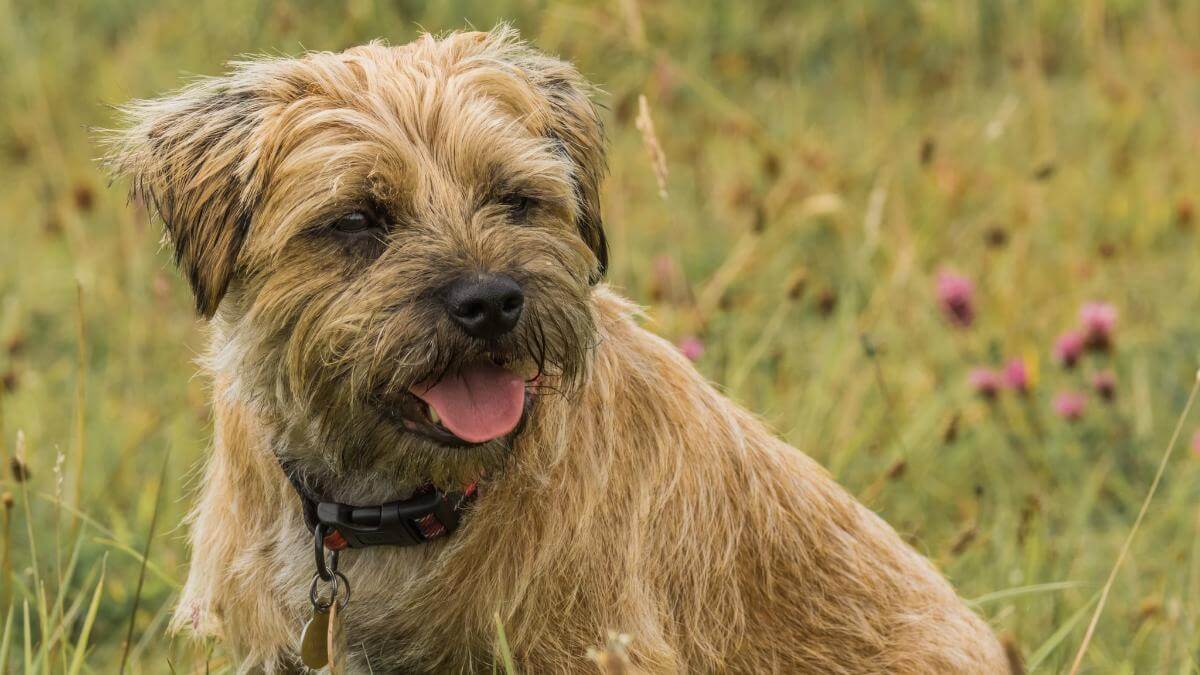
The Border Terrier is a courageous, versatile, and intelligent dog, known for its hunting skills, friendly temperament, and adaptability.
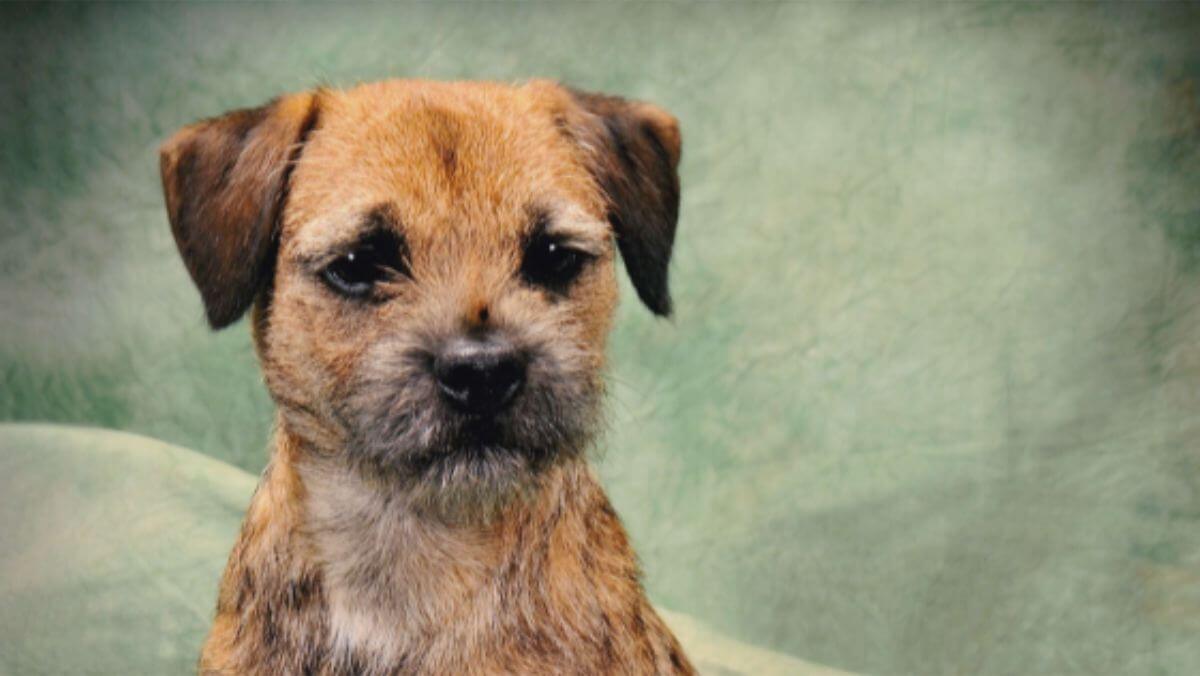
Meet Halley, a clever Border Terrier from Richmond, BC, who dazzles as a Snow Goose Hazer and a beloved library reading dog!
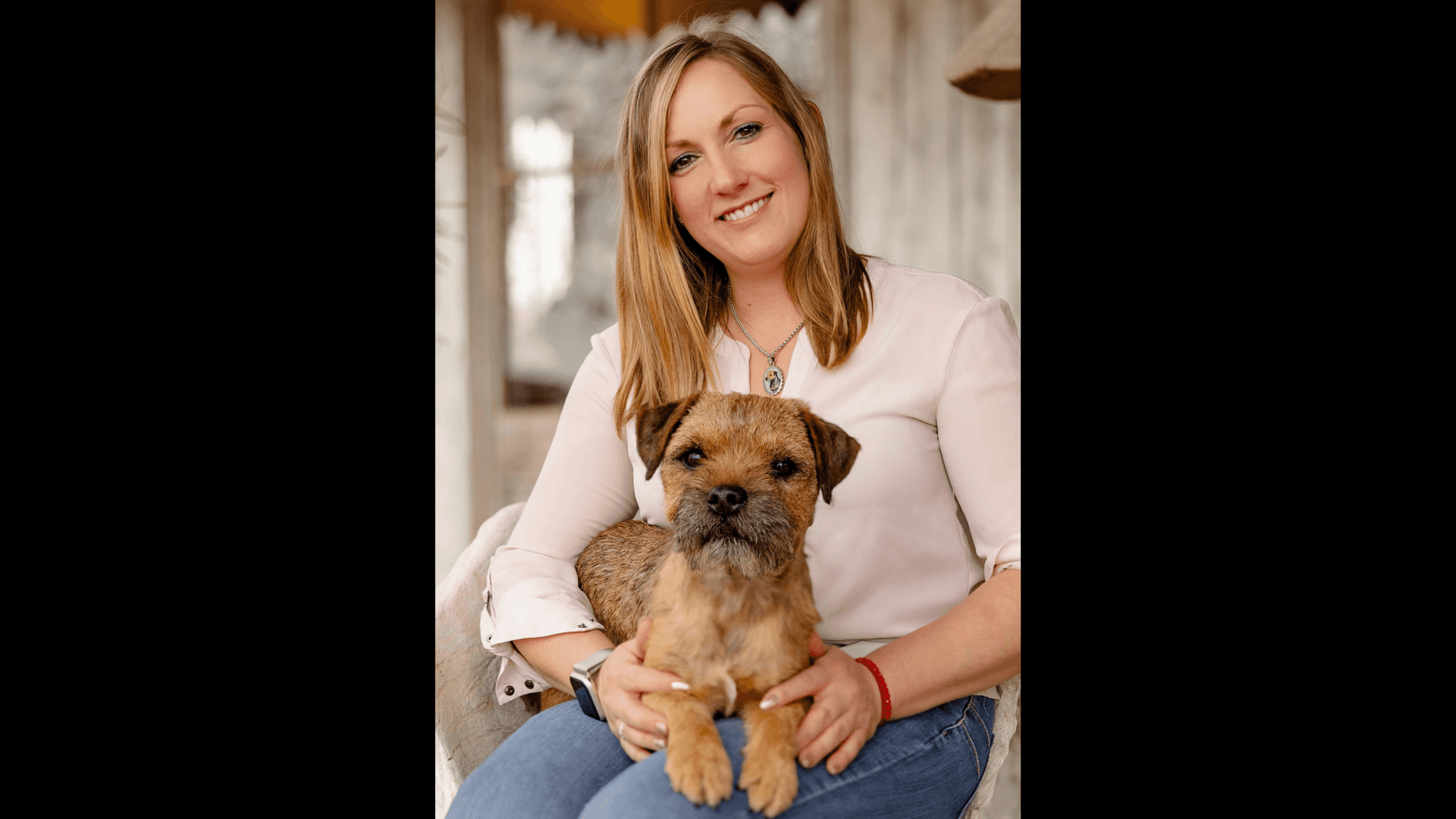

Meet the Professional Handlers
Interview with Emily Burdon: Third-generation dog handler shares insights on her career, the dog sport today, and its challenges.
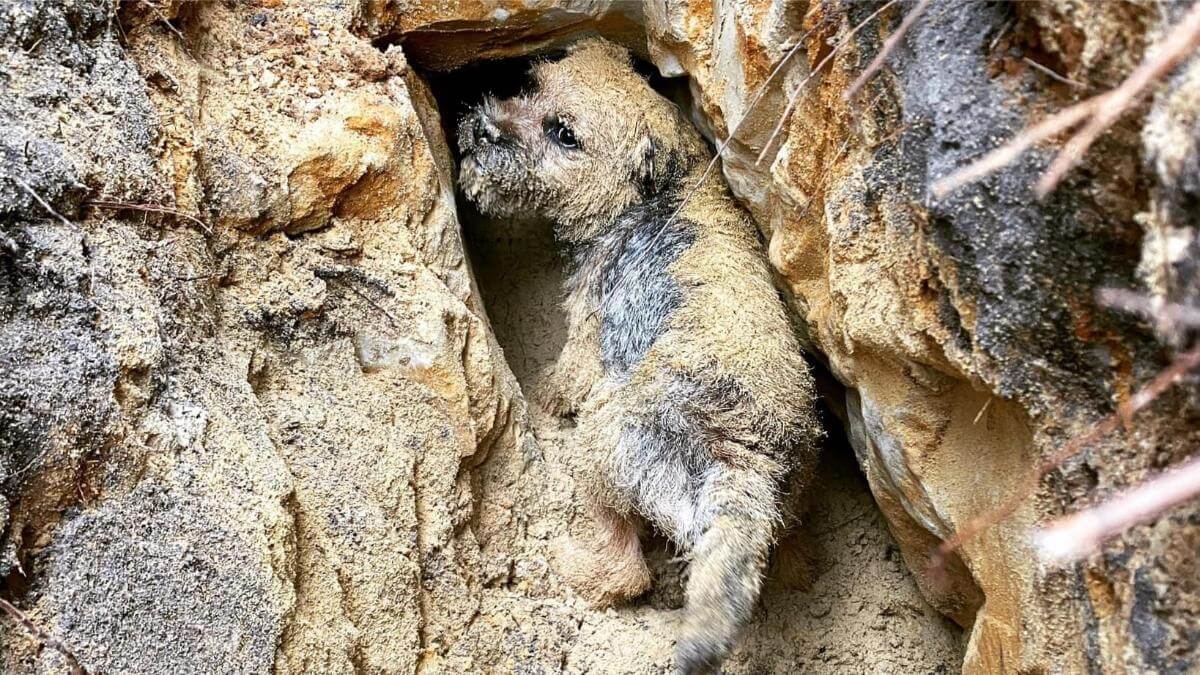
Explore the Border Terrier’s vocation and its impact on breed preservation, emphasizing the traits that enable its hunting proficiency.
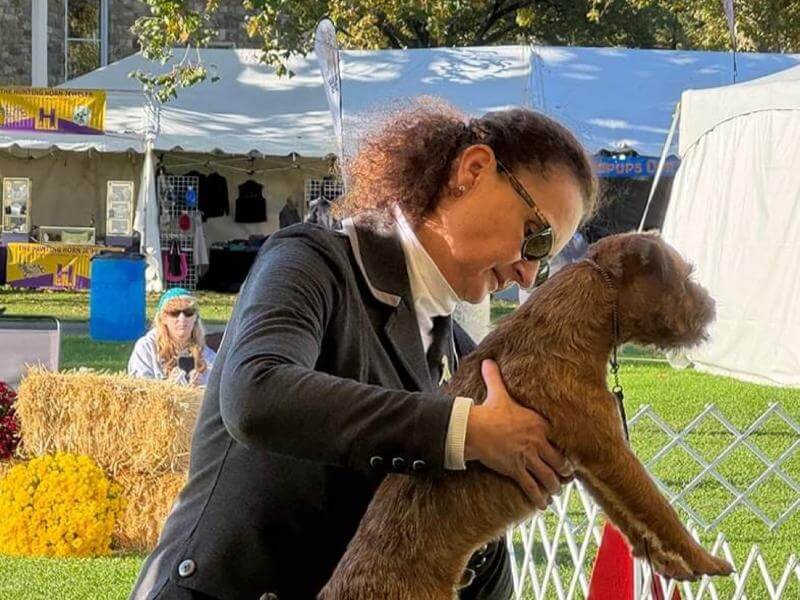

Meet the Judges
Interview with D’Arcy M. Downs-Vollbracht 2023 MCKC Dog Show Breed Judge. Read about her experience with judging at the prestigious dog show.
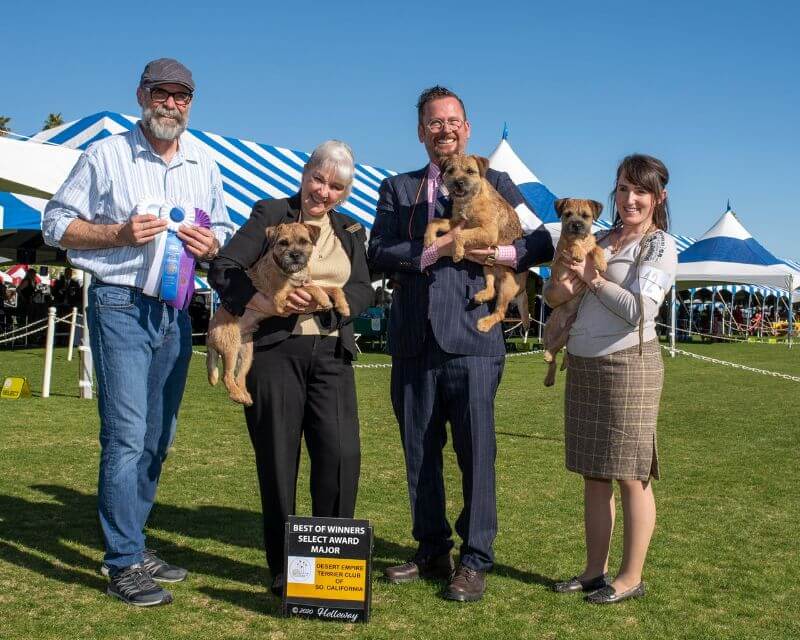

Meet the Breeders
Peter Holson is the breeder of Mchill’s Border Terriers. Read about the kennel’s beginnings, the dogs, the puppies, and much more.
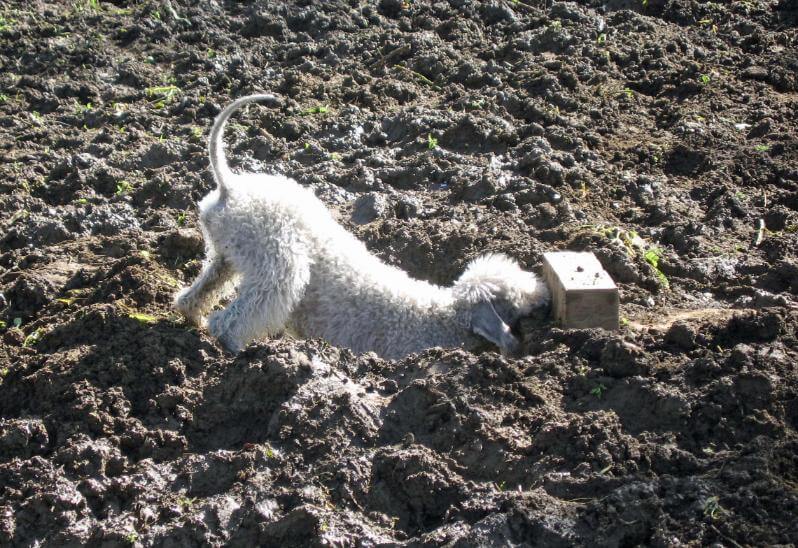
Earthdog
NATIONAL EARTHDOG TESTS hosted by the Bedlington Terrier Club of America, Monday (Columbus Day) October 10, 2022. Ev-ry Place, LLC., 1333
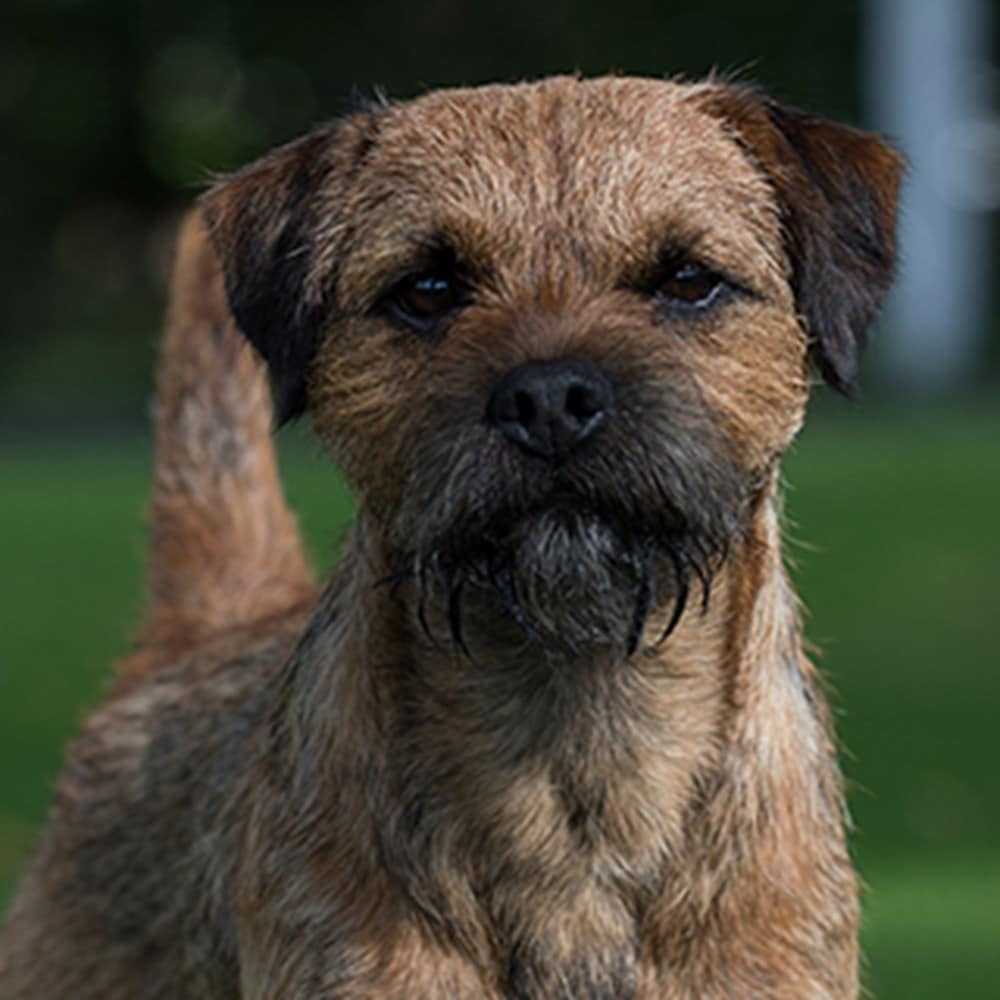

All About Judging
The Otter Head | Hallmark of the Border Terrier – The look and shape of the head distinguishes the Border Terrier from other Terriers and
The tail of the Border Terrier enhances the breed’s moderate appearance. It is thick at the base, tapering towards the tip, and set on not too high. When the dog is alert, the tail is carried gaily. In repose, it relaxes and may drop. The tail should not be long, low set, or carried over the back.
Standard Markings
A Note About Color: The Border Terrier’s coat may be red, grizzle & tan, blue & tan, or wheaten. Red coats can range from a rich “foxy” red to shades of light or coppery red. Grizzle describes a coat with dark-tipped hairs that give an overlay of color to a red or tan coat. The amount of grizzle can be fairly light overall or extensive. Blue & tan coats and dark grizzle coats are differentiated by the undercoat; blue & tan dogs have a black undercoat. Wheaten dogs are a clear, light tan. Puppies are typically born dark (except for blue & tans) and it can be difficult to predict the coat’s adult color. Black points in the form of dark ears and a dark muzzle are characteristic of the breed. A small amount of white is only allowed on the chest. White on the feet is not acceptable. In all coat colors, a ring of coarse silver-based hair on the tail is usually found about one-third the distance from its base.
Coat Type
Wiry
The structure of the coat this breed carries.
Coat Length
Short
How long the breed's coat grows when kept in condition.
Adaptability Level
How easily a breed copes with changes in home, routine, noise and weather.
Mental Stimulation Needs
How much a breed needs a job, a puzzle or training to stay content.
Border Terriers love to eat as much as they love keeping busy. To maintain their waistlines, it’s important to feed a balanced diet on a regular schedule. Overfeeding can lead to obesity, which is particularly harmful to smaller dogs. Treats should be low calorie and offered only sparingly, preferably as a positive reward during training sessions.
For puppies, a diet rich in high-quality, easily digestible protein is vital for healthy development. Pups should be fed small, frequent meals that support their rapid growth phase without overburdening their digestive system. Transitioning to adult food should occur at around one year of age. Mature Borders will typically need anywhere from 1/2 to 1 cup of high-quality dry food per day, divided into two meals.
Hydration is just as crucial as nutrition, especially for such an active breed. It’s important to provide puppies and adult dogs with access to fresh water throughout the day, especially after intense activity and during the months of warmer weather and increased humidity.
When it comes to training a Border Terrier, it’s important to set reasonable expectations. Early socialization is key for getting a puppy to associate learning with a reward. As the pup grows, treats, praise, and gentle caresses can be used to support the little one’s progress.
Training a Border Terrier, however, can present a unique set of challenges. Although the breed is typically easygoing (for a terrier) and willing to please, these dogs do have a mind of their own and like to think for themselves. Understanding these traits is key to any training regimen.
Since the Border Terrier loves being outside, distractions can make outdoor training sessions particularly challenging. The breed has a healthy prey drive and likes to wander, so it’s important to train only in areas that are reliably secure. Thankfully, the desire to roam can sometimes be mitigated by offering tasty morsels as a reward for good behavior.
Grooming Expectations
Border Terriers are not as high maintenance as some of the other terrier breeds. However, they are not exactly carefree when it comes to coat care. Their grooming routine needs to be consistent, with weekly brushing needed to keep the coat looking its best. Bathing should only be needed when the dog gets especially dirty. The coat of the Border Terrier sheds to some degree. To remove all of the dead hair and preserve the coat’s wiry texture, hand-stripping is necessary. This process is typically performed twice a year. It should be noted that clipping the coat will only shorten the length; it doesn’t remove the dead hair. A coat that is hand-stripped will typically grow back in 8 to 10 weeks.