Members
01/Overview
The Giant Schnauzer is a large, powerful working breed known for its intelligence, loyalty, and versatility. Originally developed in Germany, this breed has served as a farm dog, cattle herder, and later, as a guard and police dog, showcasing its adaptability and strong work ethic.
Highlights
02/History
The Giant Schnauzer originated in the Bavarian region of Germany in the 17th century, where it was initially bred as a multipurpose farm dog. Farmers needed a powerful and intelligent dog to drive livestock, protect property, and assist with other demanding tasks on large farms. The breed is a larger version of the Standard Schnauzer, with whom it shares much of its ancestry.
The Giant was developed by crossing the Standard Schnauzer with larger breeds such as the Great Dane, Bouvier des Flandres, and likely other herding and working breeds. This selective breeding resulted in a dog with the strength and size needed for cattle herding, coupled with the intelligence and loyalty of the familiar schnauzer.
By the late 19th century, the Giant Schnauzer began transitioning from a farm dog to a guard dog and protector. Its imposing size, keen intelligence, and natural protective instincts made it a favored breed for guarding breweries, stockyards, and other businesses in urban areas of Germany. During World War I, the breed’s abilities were further recognized, and the breed was used as a military and police dog.
The Giant Schnauzer was officially recognized as a distinct breed by the German Kennel Club (Deutscher Hundestammbuch) in 1925. The American Kennel Club (AKC) granted full recognition to the breed in 1930, placing it in the Working Group. Despite its versatility and capabilities, the Giant has always been a relatively unknown breed outside its native Germany.
03/Appearance
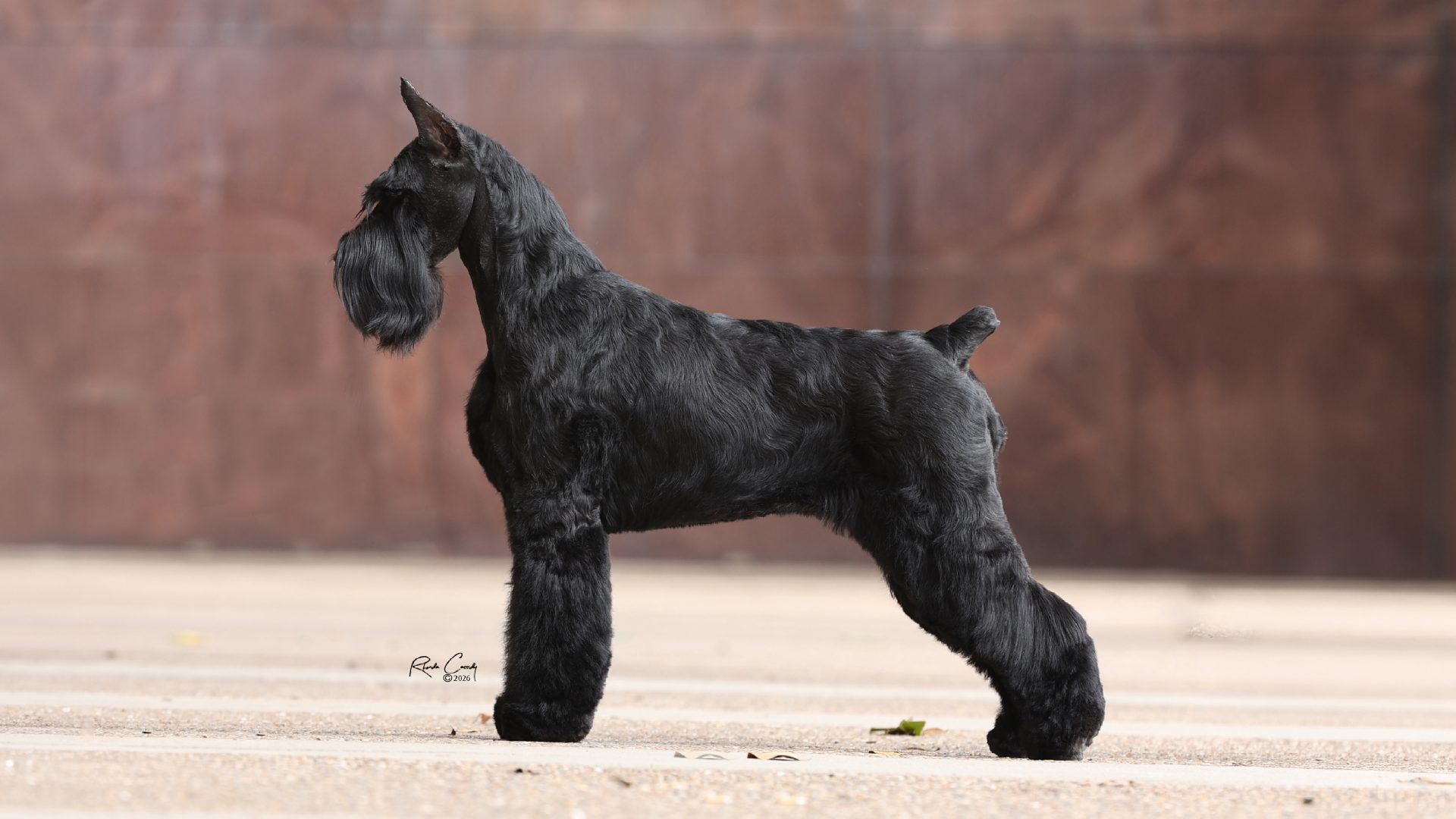
The Giant Schnauzer is a large and more powerful version of the Standard Schnauzer, presenting a bold and valiant figure of a dog. Nearly square in proportion, the Giant is a robust, strongly built, and well muscled dog with a courageous and commanding presence.
Adult Giant Schnauzer males typically stand 25.5 to 27.5 inches tall at the shoulder and weigh 60 to 85 pounds. Mature females generally stand from 23.5 to 25.5 inches tall and weigh 55 to 75 pounds.
Skull: The Giant Schnauzer's rectangular skull is moderately broad between the ears, with an occiput that is not too prominent. The skull is flat and the stop is pronounced.
Expression: Keen and alert, the expression reflects the breed’s intelligence and readiness to work.
Eyes: Medium-sized, dark brown, and deeply set, the oval eyes convey confidence and spirit.
Ears: Set high on the skull, the ears may be cropped or left natural. Natural button ears are V-shaped and fold close to the head.
Muzzle: Strong and rectangular, the muzzle ends in a blunt square shape and is balanced with the skull.
Nose: Broad and black, with well-developed nostrils.
Bite: The Giant Schnauzer has powerful jaws and a clean scissors bite, with a full complement of sound white teeth (6/6 incisors, 2/2 canines, 8/8 premolars, 4/6 molars..
The Giant Schnauzer has a square, well-balanced build, with the length of the body approximately equal to the height at the withers. Its sturdy, muscular frame exudes power and endurance, emphasizing the breed's working heritage and versatility.
Texture: The coat of the Giant Schnauzer is hard, wiry, and very dense. It consists of a harsh outer coat and a soft undercoat. The coat stands slightly off the back, providing protection in all types of weather, and the hallmark beard and eyebrows offer both protection and a bit of drama.
Standard Colors
04/Consider
The Giant Schnauzer is a bold and intelligent breed, but it requires commitment and understanding from its owner or handler. As a large, active working dog, the Giant thrives in environments that provide plenty of mental and physical stimulation. It's essential, therefore, to consider the dog’s needs for space, exercise, and training before bringing home one of these watchful and courageous canines.
Interaction With Family
The level of affection a breed typically shows towards family members and familiar individuals.
Good With Other Dogs
The innate friendliness of a dog towards other dogs can depend on its breed.
Good With Young Children
The degree to which a breed will typically be patient with young children.
Amount Of Shedding
How much hair a breed typically leaves behind on clothes, furniture and floors.
Frequency Of Grooming
How often a breed needs brushing, bathing or a professional trim to stay in condition.
Amount Of Drooling
How prone a breed is to drool, worth knowing before you keep a towel by the door.
Openness To Strangers
How openly a breed tends to greet new people, visitors and strangers.
Protective Nature
How likely a breed is to alert you to anything unfamiliar, and stand between you and it.
Playfulness Level
How enthusiastic a breed stays about games and play well past puppyhood.
Trainability Level
How readily a breed takes direction and works with you rather than around you.
Barking Level
How much a breed uses its voice, and how readily.
Energy Level
How much get-up-and-go a breed brings to an average day.
Health
The Giant Schnauzer is a generally healthy breed, with a lifespan of 10 to 13 years. However, like all dogs, individuals may be prone to certain health issues. But with proper care and regular veterinary check-ups, this dog can lead a long and healthy life.
The Giant Schnauzer is an intelligent, loyal, and assertive breed with a strong work ethic. These dogs are well-suited for experienced owners who can provide consistent training and leadership. While highly affectionate with their families, they can be reserved or cautious around strangers, making them excellent guard dogs. Giants typically get along well with other dogs if properly socialized from an early age, but their assertive nature may require careful introductions to unfamiliar dogs.
This breed is generally good with older children, thanks to their protective and watchful nature, but their size and energy may be overwhelming for very young kids. Giants form deep bonds with their human companions and thrive in active households where they can be part of daily activities and are not left alone for extended periods.
Exercise Expectations
Without sufficient exercise, a Giant may become bored and potentially develop destructive behaviors. A minimum of one to two hours of vigorous exercise per day is ideal for meeting the needs of this breed. These dogs are best suited for active families or individuals who can include them in outdoor activities and provide plenty of opportunities to explore and play.
The Giant Schnauzer is best suited for homes with ample space to accommodate the breed’s size and energy level. While these dogs can sometimes adapt to apartment living, they need frequent outdoor exercise and mental stimulation to prevent boredom. A securely fenced yard is preferred for providing a safe outdoor space to play and explore.
Giant Schnauzers are well-suited for cooler climates due to its dense, weather-resistant coat, but it can also tolerate warmer weather with proper care and hydration. These dogs form strong bonds with their families and do not do well when left alone for extended periods. They thrive in households where they can be active participants in daily life, enjoying both physical activities and close companionship.
05/Puppies
Giant Schnauzer puppies are energetic and curious, and full of personality. Due to their size, intelligence, and active nature, they require dedicated care, early socialization, and consistent training to grow into well-mannered and confident adults.
Caring for a Giant Schnauzer puppy involves meeting its physical, mental, and emotional needs. Proper nutrition is critical during the growth phase. The puppy should be fed high-quality, large-breed puppy food, divided into three to four meals a day to support steady growth and reduce the risk of bloat. Fresh water should always be available.
Socialization is a vital part of raising a Giant puppy. Exposure to a variety of people, environments, and animals encourages confidence. Basic obedience training should start early, as the breed’s inherent intelligence and assertiveness can lead to stubborn behaviors without proper guidance. Using positive reinforcement methods, such as treats, praise, and play, will support any interaction.
Exercise is important, but it should be age-appropriate. Over-exercising a growing puppy can strain developing joints, so short, controlled play sessions and gentle walks are best. Additionally, providing safe chew toys and interactive games helps to channel excess energy and keeps the pup mentally stimulated.
Regular veterinary visits for early vaccinations, health check-ups, and advice on growth and development are essential during the puppy stage. Receiving support from the puppy’s breeder is also essential, as is establishing a consistent routine for feeding, training, and playtime. These routines will set a solid foundation for a healthy and happy Giant Schnauzer.
06/Activities
Agility: Giant Schnauzers can excel in Agility, where their athleticism and intelligence are on full display as they navigate challenging obstacle courses with speed and precision.
Obedience: Their eagerness to learn and their ability to follow commands make them stand out competitors in Obedience Trials, where precision and teamwork with their handler are key.
Rally Obedience: In Rally Obedience, Giants can shine as they navigate a series of stations with their handlers, requiring various commands and actions that combine discipline with fun.
Tracking: Tracking engages the breed’s powerful sense of smell, allowing them to excel in scent-based tasks and follow trails with remarkable focus.
Conformation Shows: Giant Schnauzers are frequent competitors in Conformation Shows, where they showcase their valiant figure, vigorous movement, and vivacious spirit.
Therapy Work: Their calm and steady temperament can make them exceptional for Therapy Work, bringing comfort and companionship to individuals in hospitals, nursing homes, and schools.
Search and Rescue: Search and Rescue utilizes their intelligence and determination as they assist in locating missing persons in challenging conditions.
Gallery
07/Standards
The Giant Schnauzer is recognized by the world's leading registries and kennel organizations, which categorize the breed into a specific Group based on its unique characteristics. This breed is recognized worldwide under the following Group designations:
The ideal Giant Schnauzer is described by a Breed Standard that is approved by each of the world’s leading registries and kennel organizations. The Breed Standards for this breed may be found in the following links:
08/Clubs
Giant Schnauzer Club of America (GSCA): Founded in 1962, the GSCA is the official parent club for the breed in the United States, dedicated to promoting and preserving the Giant Schnauzer through educational initiatives, social events, and breed advocacy.
Giant Schnauzer Club of Canada (GSCC): Established in 1981, the GSCC supports the breed in Canada by providing resources for owners, hosting events, and maintaining the Breed Standard.
Giant Schnauzer Club (UK): Founded in 1977, this club serves as the primary organization for Giant Schnauzer enthusiasts in the United Kingdom, offering guidance and support for breed devotees and show participants.
09/Rescue
HT-Z Giant Schnauzer Rescue: Founded in 2000 by Carolyn Janak in memory of Hertha Thomas-Zagari, an avid Giant Schnauzer enthusiast, this organization operates as a 501(c)(3) nonprofit rescue serving all 50 states in the US.
Giant Schnauzer Rescue UK: Focused on rescuing and rehoming Giant Schnauzers across the United Kingdom, this group works with families to ensure the best possible placement for any Giant in need.
10/Facts
Cattle-Driving Heritage
The Giant Schnauzer was originally bred in Germany to drive cattle, and later transitioned into police and military work due to the breed’s versatility and intelligence.
Largest of the Schnauzers
Despite the name, the Giant Schnauzer is not a true giant breed but is the largest variety among the three Schnauzers—Miniature, Standard, and Giant.
Functional Facial Features
The breed’s iconic beard and bushy eyebrows were developed to protect the face from pests and debris while working in rugged environments.
Wartime Contributions
During both World Wars, Giant Schnauzers served as messengers and guard dogs, showcasing their trainability and reliability in critical service roles.
Name Origins
The name “Schnauzer” is derived from the German word "Schnauze," meaning “muzzle,” a nod to their distinct facial appearance.
11/FAQ
Yes, Giant Schnauzers do shed, but their wiry coat tends to shed minimally compared to other breeds. Regular grooming, including brushing, helps to control shedding and maintains the coat’s weather-resistant texture.

Written by
Dan Sayers is the Executive Editor of SHOWSIGHT. He is a member of the World Dog Press Association and the Dog Writers Association of America, which recognized his illustrations in the award-winning Encyclopedia of K-9 Terminology. Dan is a longtime supporter of the sport of dogs and an advocate for the conservation of recognized breeds in all their forms and functions. He is a member of the Morris and Essex Kennel Club, and for 45 years, the Irish Water Spaniel Club of America where he serves as AKC Delegate, Archivist, and approved Breed Mentor. Dan breeds under the Quiet Storm prefix and has judged the IWSCA National Specialty Sweepstakes twice.


Meet the Judges
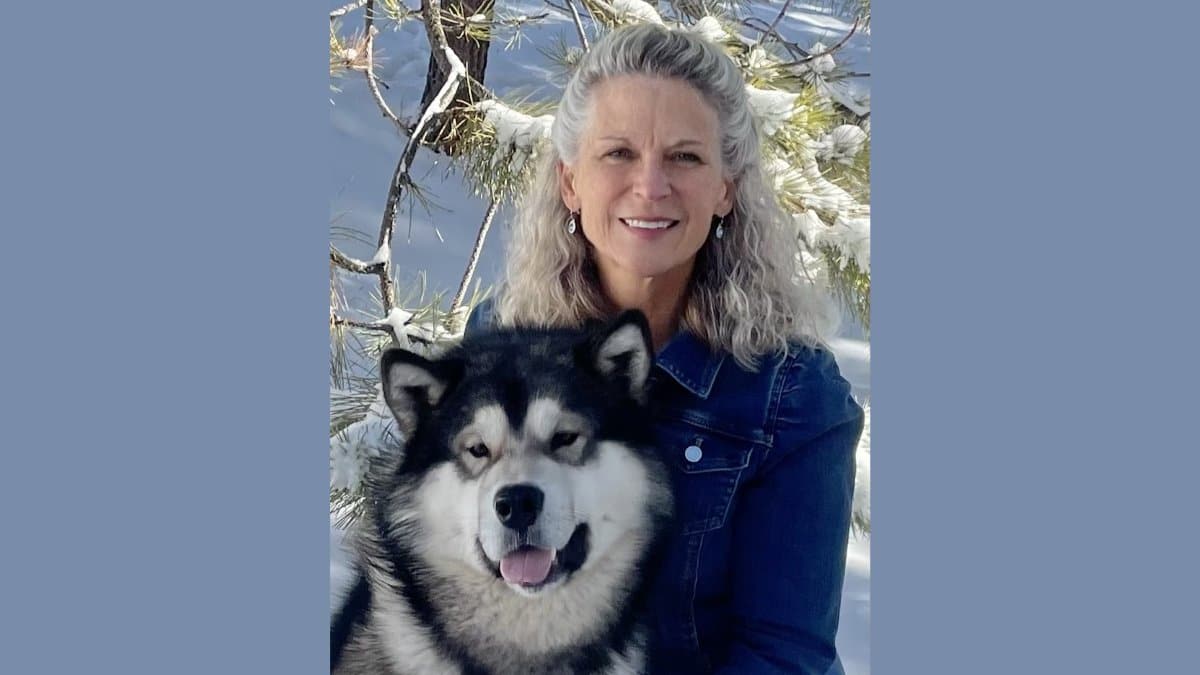
Sandra Pretari Hickson reflects on judging at Westminster 2026, highlighting entry depth, breed quality, and key winners.
Meet the Judges
Robin Hug reflects on judging the 2025 National Dog Show, highlighting quality entries and standout breed performances.

Meet the Judges
Edward Fojtik reflects on judging Morris & Essex 2025, his breed assignments, and the pageantry that makes the show unforgettable for all!


Meet the Breeders
From pet-store pup to Westminster Best in Show, Hearthmore Giant Schnauzers celebrates a journey of passion, purpose, and legacy.
Dog Shows
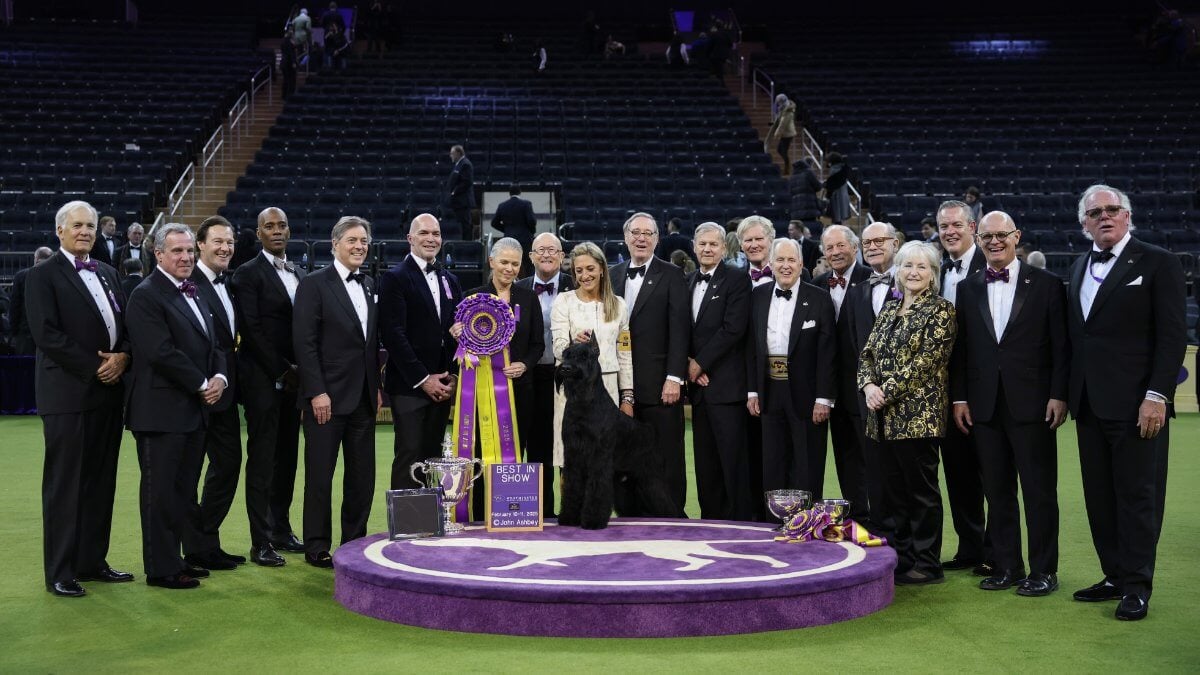
Monty, the Giant Schnauzer from Ocean City, NJ, wins Best in Show at the 149th Westminster Kennel Club Dog Show under Judge Paula Nykiel.
Dog Shows
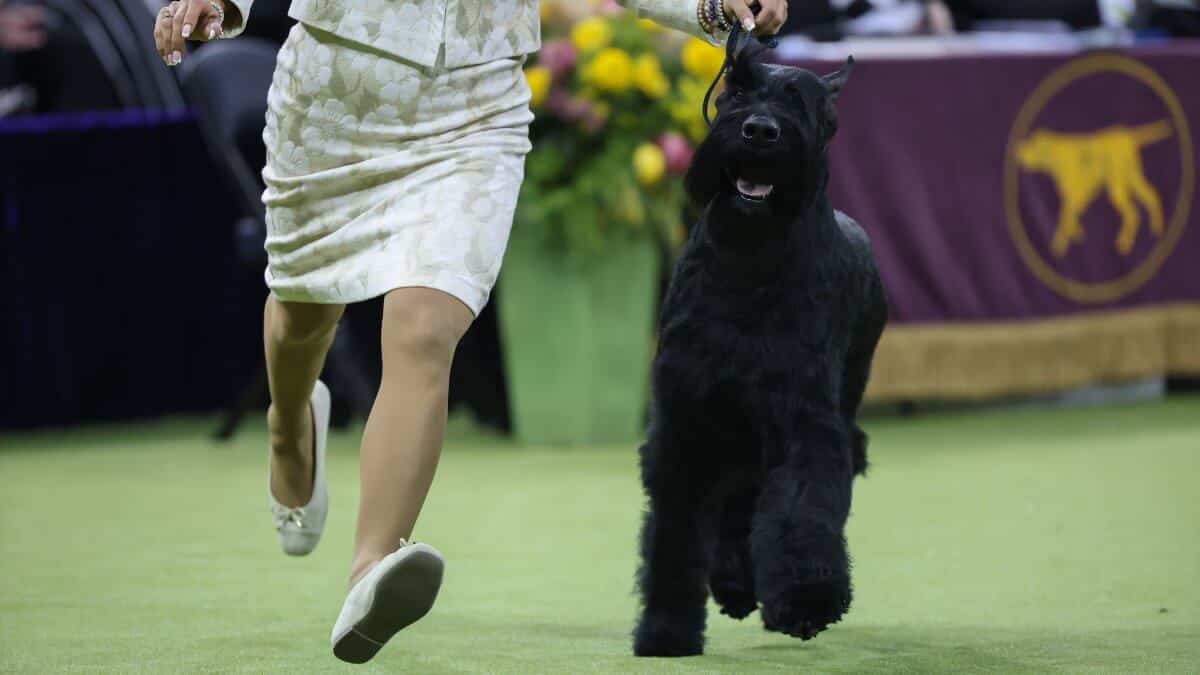
Ocean City’s Giant Schnauzer, Monty, wins the Working Group at the 149th Westminster Kennel Club Dog Show under judge Dr. Nikša Lemo.

AKC National Championship (Orlando)
Judge Carl Gene Liepmann reflects on his Best in Show role at the 2024 AKC National Championship and the event’s impact on purebred dogs.
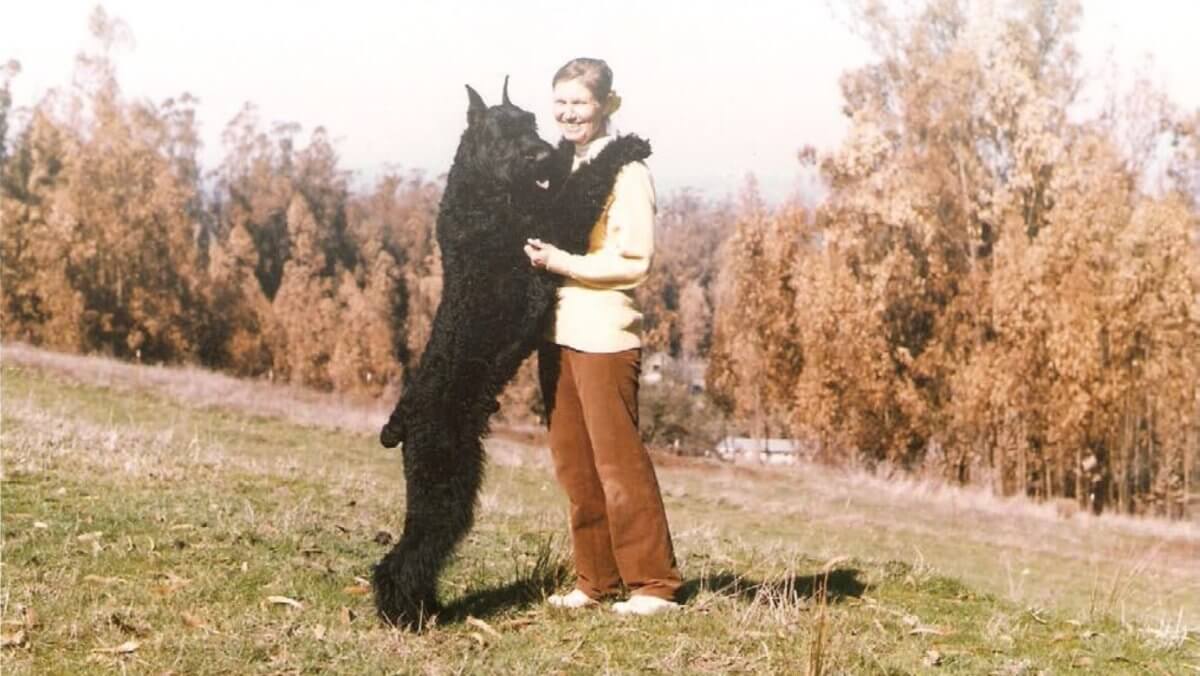
Explore the Giant and Standard Schnauzer varieties: sizes, coats, and training advice. Learn about their suitability as family pets.
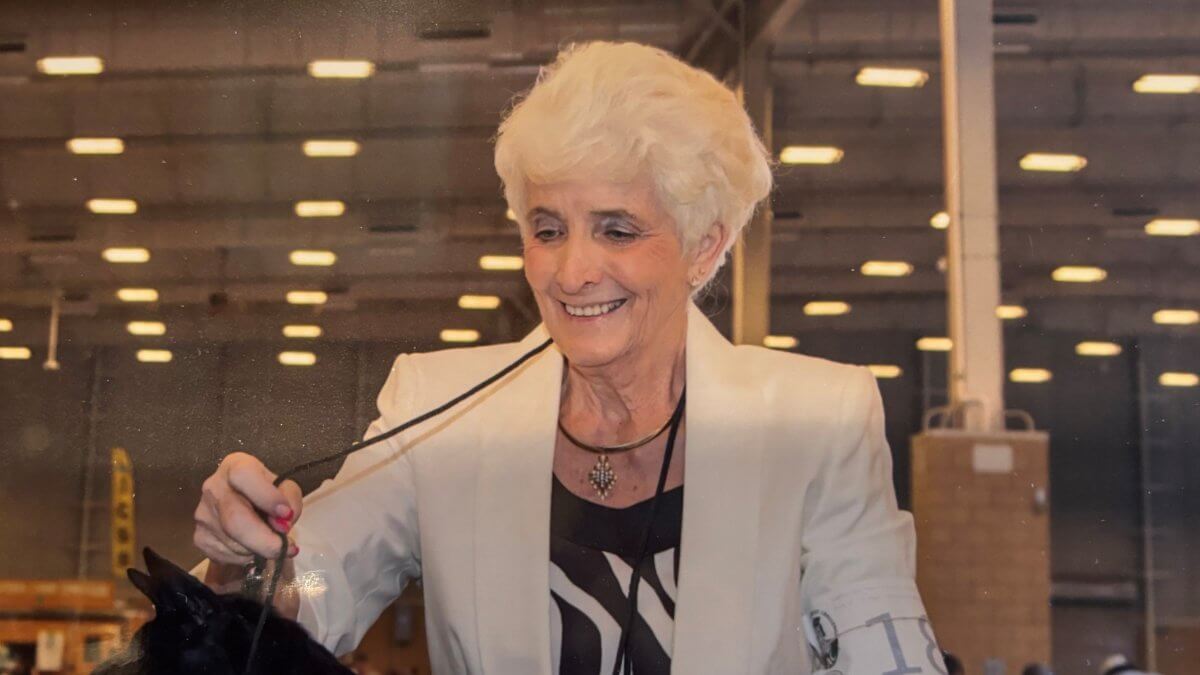
Meet the Breeders
Patricia Poole is the breeder behind Twilight Giant Schnauzers. Read about the kennel’s beginnings, champion dogs, puppies, photos & more!
The traditionally docked tail of the Giant Schnauzer is set moderately high and carried high when the dog is excited. When natural, the tail is moderately long and carried in a sabre or sickle shape.
A Note About Color: The Giant Schnauzer is either a solid black or a pepper and salt-colored dog. Black dogs are pure black, with only a small white spot on the chest allowed. Pepper and salt dogs have a banded outer coat (white with black, and black with white) and some black hairs, appearing gray from a distance. All shades are acceptable. A dark facial mask harmonizes with the body coat and emphasizes the expression. The coat of the eyebrows, whiskers, cheeks, throat, chest, legs, and under the tail is lighter in color but nevertheless “peppered.”
Coat Type
Wiry, Double
The structure of the coat this breed carries.
Coat Length
Medium
How long the breed's coat grows when kept in condition.
Adaptability Level
How easily a breed copes with changes in home, routine, noise and weather.
Mental Stimulation Needs
How much a breed needs a job, a puzzle or training to stay content.
Feeding a Giant Schnauzer requires careful attention to the dog’s size, age, and activity level. Puppies need high-quality, breed-appropriate puppy food formulated for large breeds to support their rapid growth. Dividing meals into three to four smaller portions per day can help to prevent overfeeding and reduce the risk of bloat.
Adult Giants require a balanced diet to maintain their energy and muscle mass. On average, they can consume between three and four cups of dry food daily, divided into two meals. However, the exact amount will vary based on activity level, metabolism, and individual needs. Providing fresh water at all times is essential, and regular consultations with a veterinarian can ensure that all nutritional requirements are being met.
Training a Giant Schnauzer can be both rewarding and challenging due to the breed’s intelligence and independent nature. These dogs are quick learners but require consistent and positive reinforcement to stay engaged. Early socialization is critical to developing a well-rounded dog, as their natural protective instincts can lead to wariness around strangers if not properly managed.
This breed thrives in structured training environments and excels in advanced Obedience, Agility, and other performance sports. Giants tend to bark to alert their families to any perceived threat, so teaching them controlled barking can help to manage this tendency. Their high intelligence means they can sometimes outsmart inexperienced handlers, so consistent boundaries and mental stimulation are crucial to prevent undesirable behaviors like stubbornness or willfulness.
Grooming Expectations
Giants require periodic hand-stripping or clipping to maintain the coat’s characteristic harsh texture. Professional grooming every few months is often recommended for pet owners unfamiliar with the process. While these dogs are not heavy shedders, regular grooming helps to minimize any shedding and keeps the coat in good condition. Attention should also be given to ear cleaning, nail trimming, and dental care as part of an overall grooming routine.