Members
01/Overview
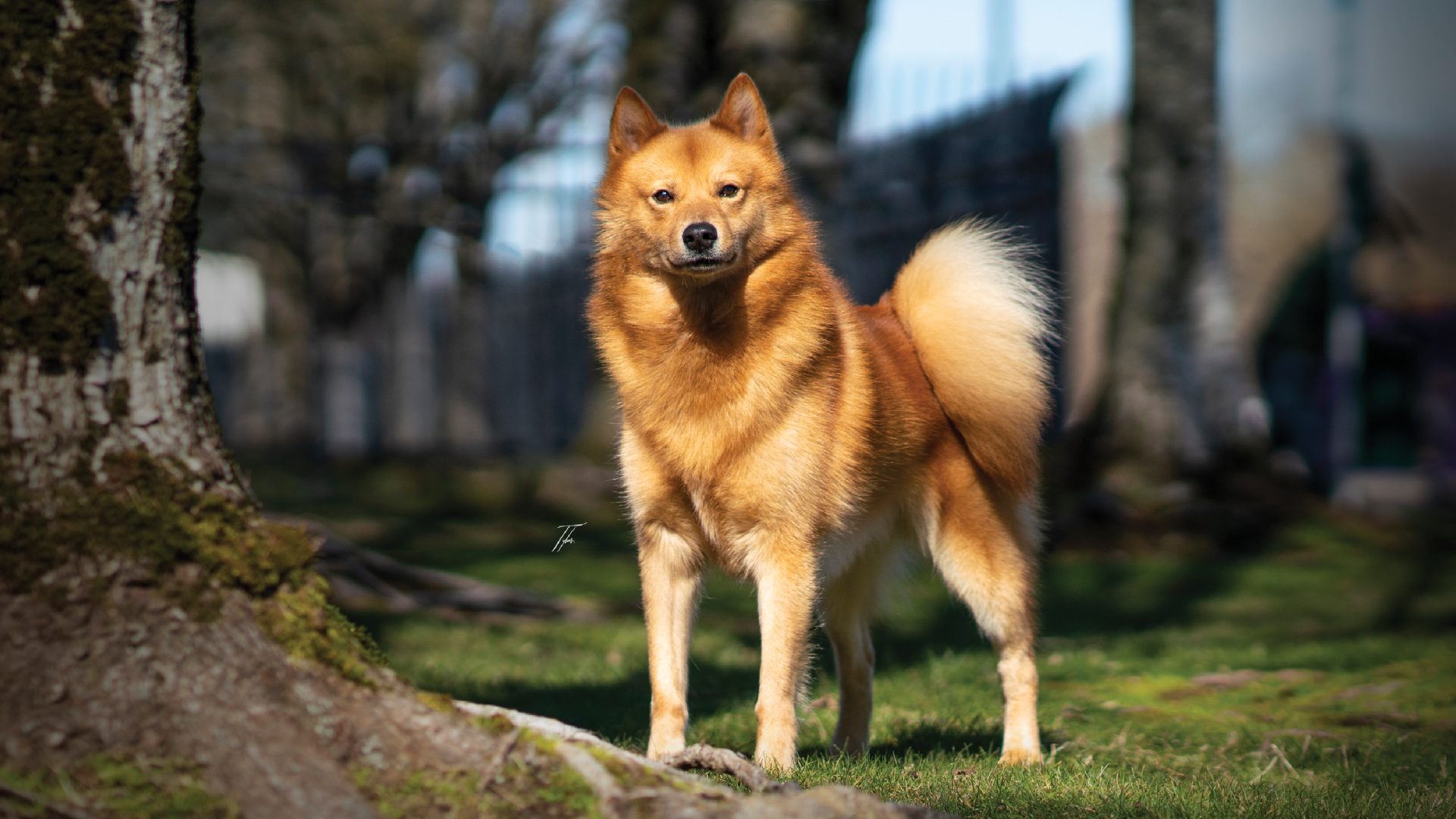
The lively Finnish Spitz, the flame-colored, foxy-faced breed from the “Land of 60,000 Lakes,” is a small but fearless hunting dog whose unique style of tracking and indicating quarry has earned him the nickname the “Barking Bird Dog.”
Highlights
02/History
The Finnish Spitz originated in Finland and emerged from ancient spitz-type dogs used by people living in the northern regions of Europe. For centuries, these dogs assisted hunters in heavily forested areas where game could be difficult to locate and follow.
The breed was used to hunt several types of game, including squirrels, small mammals, and birds. It became especially valued for hunting capercaillie and other forest birds. After locating a bird in a tree, the dog barked steadily and moved around the trunk to hold the bird’s attention while guiding the hunter to the location.
Because remote Finnish communities bred dogs according to working ability, regional types developed with relatively little outside influence. During the nineteenth century, however, increased travel and crossbreeding placed the traditional Finnish hunting dog at risk of disappearing.
Finnish sportsman Hugo Roos and his hunting companion Hugo Sandberg are closely associated with the breed’s preservation. After seeing native hunting dogs working in northern Finland during the late nineteenth century, they searched remote areas for typical examples and encouraged the development of a consistent breed type.
The Finnish Kennel Club recognized the breed in 1892, when the first written Breed Standard was also established. Early names included Finnish Barking Bird Dog, reflecting the dog’s specialized hunting method. The name Finnish Spitz was officially adopted in English-speaking countries during the twentieth century.
The Finnish Spitz became Finland’s national dog in 1979. The breed remains an important part of Finnish hunting culture, and barking competitions are held to evaluate the voice, persistence, and working ability of individual dogs.
The Fédération Cynologique Internationale recognizes the Finnish Spitz as a Finnish breed and places it in Group 5, Spitz and Primitive Types, Section 2, Nordic Hunting Dogs. The Royal Kennel Club recognizes the breed in the Hound Group. The American Kennel Club officially recognized the Finnish Spitz in 1988
03/Appearance
An adult male Finnish Spitz stands 17.5 to 20 inches tall at the withers and weighs 25 to 33 pounds. A mature female stands between 15.5 and 18 inches tall and weighs 20 to 28 pounds.
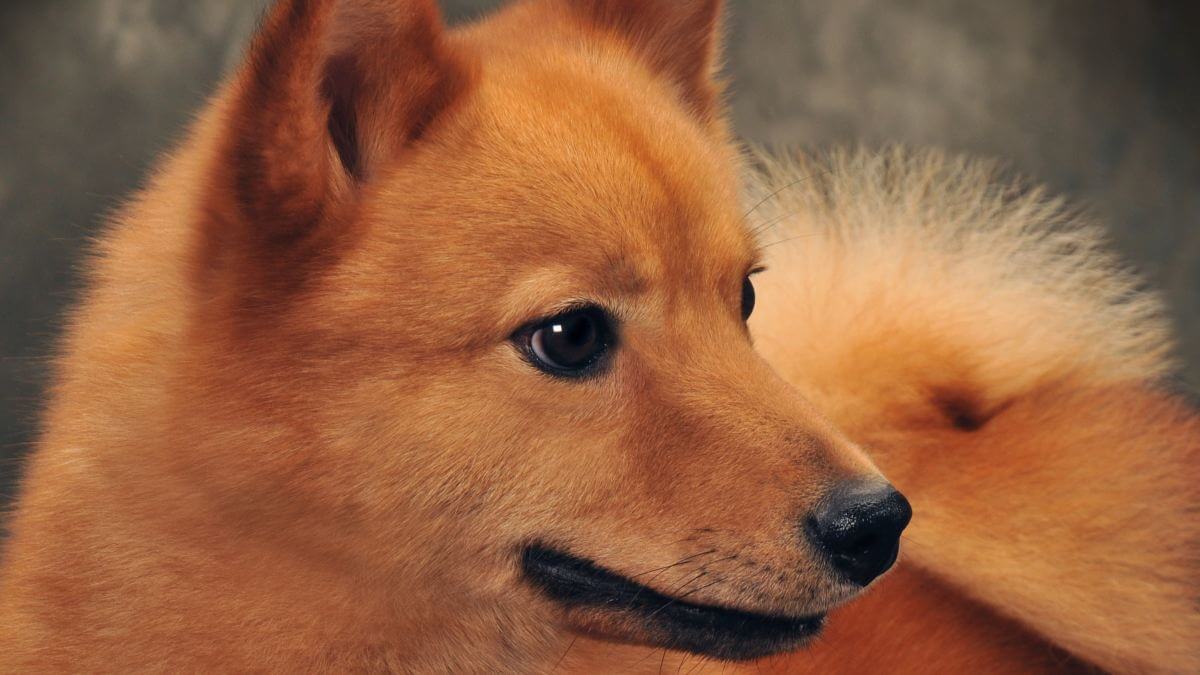
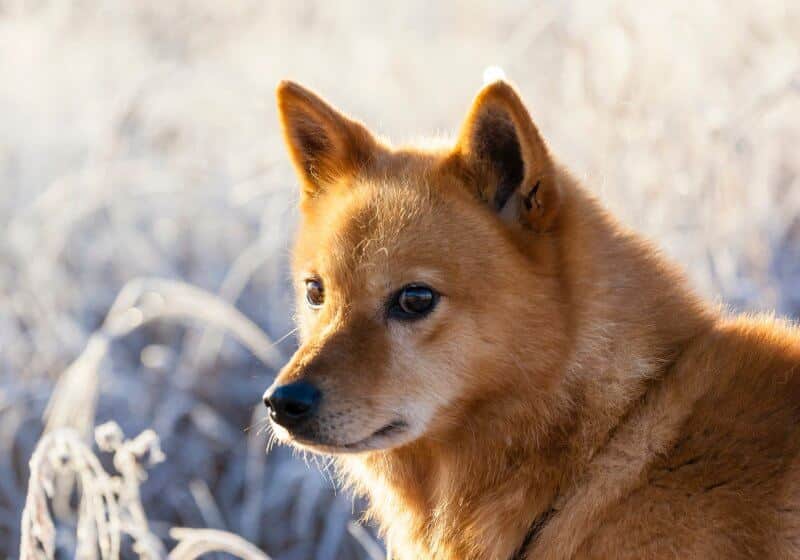
Skull: The Finnish Spitz has a moderately broad skull that is slightly arched and tapers gradually toward the muzzle. The head should appear clean and fox-like, with balanced proportions and no coarseness.
Expression: The expression is lively, alert, and intelligent, reflecting the breed’s active and attentive nature.
Eyes: The eyes are almond-shaped, moderately set, and dark in color. They should have a bright, animated expression without appearing round or protruding.
Ears: The ears are small, erect, pointed, and set high on the head. They are mobile and contribute strongly to the Finnish Spitz’s alert appearance.
Muzzle: The muzzle is narrow, clean, and tapers gradually toward the nose. It should be shorter than the skull and remain strong without appearing snipy.
Nose: The nose is black and well developed.
Bite: The Finnish Spitz has strong teeth that meet in a scissors bite.
The Finnish Spitz is square in profile, with the length of the body approximately equal to the height at the withers. The breed is well balanced, lightly built, and neither coarse nor heavy.
The chest is deep but not broad, reaching approximately to the elbows, and the ribs are well sprung. Bone is proportionate to the dog’s size, providing strength and endurance without reducing agility or freedom of movement. Males should appear distinctly masculine, while females should retain a feminine appearance.
Texture: The Finnish Spitz has a dense double coat. The outer coat is moderately long, straight, and harsh, while the undercoat is short, soft, and thick. The hair is shorter on the head and front of the legs and longer around the neck, shoulders, back of the thighs, and tail, creating the breed’s characteristic spitz outline.
Standard Colors
Standard Markings
04/Consider
The Finnish Spitz is an active, intelligent, and independent hunting breed with a strong instinct to bark. Anyone considering this breed should be prepared to provide consistent training, daily exercise, mental stimulation, and secure surroundings. Its vocal nature and hunting drive may not suit every household.
Interaction With Family
The level of affection a breed typically shows towards family members and familiar individuals.
Good With Other Dogs
The innate friendliness of a dog towards other dogs can depend on its breed.
Good With Young Children
The degree to which a breed will typically be patient with young children.
Amount Of Shedding
How much hair a breed typically leaves behind on clothes, furniture and floors.
Frequency Of Grooming
How often a breed needs brushing, bathing or a professional trim to stay in condition.
Amount Of Drooling
How prone a breed is to drool, worth knowing before you keep a towel by the door.
Openness To Strangers
How openly a breed tends to greet new people, visitors and strangers.
Protective Nature
How likely a breed is to alert you to anything unfamiliar, and stand between you and it.
Playfulness Level
How enthusiastic a breed stays about games and play well past puppyhood.
Trainability Level
How readily a breed takes direction and works with you rather than around you.
Barking Level
How much a breed uses its voice, and how readily.
Energy Level
How much get-up-and-go a breed brings to an average day.
Health
The Finnish Spitz is generally considered a sturdy and long-lived breed. A Finnish Spitz typically has a lifespan of 13 to 15 years. Balanced nutrition, regular exercise, preventive veterinary care, dental hygiene, and maintenance of a healthy weight can support a dog throughout its life.
The Finnish Spitz is lively, alert, and strongly aware of its surroundings. This independent hunting breed forms close bonds with familiar people but may be reserved with strangers.
A Finnish Spitz can live successfully with an experienced first-time caretaker who understands the breed’s vocal nature and independent thinking. Patient training and consistent boundaries are important because the dog may lose interest in repetitive instruction.
Finnish Spitz are often affectionate with children and can live with other dogs when properly socialized. Their prey drive may make life with smaller pets more challenging, particularly when the dog has not been raised with them.
The breed enjoys companionship but is not usually as dependent as some companion dogs. Even so, long periods without exercise, interaction, or mental stimulation can lead to excessive barking or destructive behavior.
Exercise Expectations
A healthy adult generally benefits from about 60 minutes of exercise each day, although some individuals may need more. Scent games, Tracking, puzzle toys, and Trick Dog training can provide additional mental stimulation.
Grooming Expectations
The Finnish Spitz can adapt to apartment living when given enough exercise, training, and mental stimulation. However, the breed’s strong tendency to bark may create difficulties in buildings with close neighbors.
Secure surroundings are essential because the dog may chase birds or small animals. Outdoor activity should take place on a leash or within a safely fenced area.
The dense double coat allows the Finnish Spitz to tolerate cool weather well. In hot and humid conditions, exercise should take place during cooler parts of the day, with shade and fresh water readily available.
A Finnish Spitz usually does best with people who appreciate an active, independent, and highly vocal companion. Regular exercise, patient training, and clear household routines are especially important.
05/Puppies
Finnish Spitz puppies are lively, curious, and quick to notice changes in their surroundings. Early routines, positive socialization, patient training, and age-appropriate activity help each puppy develop into a confident and manageable adult.
A Finnish Spitz puppy benefits from a predictable schedule that includes regular meals, potty breaks, sleep, play, training, and quiet time. A crate or secure puppy area can provide a safe place to rest and support housetraining when direct supervision is not possible.
Early socialization should introduce the puppy to different people, well-mannered dogs, household sounds, surfaces, vehicles, and unfamiliar environments. These experiences should remain positive and suitable for the puppy’s age.
Training can begin as soon as the puppy arrives home. Short sessions can introduce name response, recall, leash walking, basic manners, and calm behavior around visitors.
A Finnish Spitz puppy should receive a complete and balanced diet formulated for growth. Exercise should focus on supervised play, short walks, and gentle exploration rather than forced running or repetitive jumping.
Regular veterinary visits are important during the first year. Grooming should also begin early so that the puppy becomes comfortable with brushing, nail trimming, ear checks, tooth brushing, and general handling.
06/Activities
Finnish Spitz are intelligent, athletic, and alert dogs that can enjoy activities requiring stamina, focus, and independent problem-solving. Here are some of the dog sports and activities in which Finnish Spitz may participate:
Tracking: Finnish Spitz can use their scenting ability and persistence to follow a trail across different types of terrain.
Scent Work: The breed can search for specific odors hidden in containers, indoor spaces, outdoor areas, or vehicles.
Rally: Rally Obedience combines a course of numbered stations with varied exercises that can help to keep training engaging for this independent breed.
Obedience: Finnish Spitz can demonstrate learned exercises, attention, and cooperation with a handler in Obedience Trials.
Agility: The breed can use its balance, speed, and coordination while navigating obstacle courses.
Fast CAT: This timed 100-yard dash gives the Finnish Spitz an opportunity to run in a controlled setting.
Conformation Shows: Finnish Spitz compete in Conformation Shows, where judges evaluate each dog according to the Breed Standard, including structure, movement, coat, expression, temperament, and overall breed type.
Trick Dog: Trick training provides mental stimulation and strengthens communication between the dog and handler.
Hiking: Healthy adult Finnish Spitz can enjoy hiking when properly conditioned and kept under control in secured areas.
Canine Good Citizen: Finnish Spitz may participate in programs that evaluate everyday manners, social behavior, and reliability around people and other dogs.
Gallery
07/Standards
The Finnish Spitz is recognized by the world’s leading registries and kennel organizations, which categorize the breed into a specific Group based on its unique characteristics. This breed is recognized worldwide under the following Group designations:
The ideal Finnish Spitz is described by a Breed Standard that is approved by each of the world’s leading registries and kennel organizations. The Standards for this breed may be found in the following links:
08/Clubs
Finnish Spitz clubs support breed education, responsible breeding, health initiatives, rescue work, and participation in Conformation shows and performance events.
Finnish Spitz Club of America: Formed in 1975, this is the national breed club for the Finnish Spitz in the United States and the breed’s AKC parent club.
Canadian Finnish Spitz Club: Formed in 1976, Canada’s national organization for the Finnish Spitz welcomes breeders, exhibitors, companion dog families, and other breed enthusiasts.
The Finnish Spitz Society: Founded in 1971, this United Kingdom breed club promotes the Finnish Spitz through dog shows and educational initiatives.
09/Rescue
Breed-specific rescue options for the Finnish Spitz are limited because the breed is relatively uncommon. National breed clubs may help connect people with available dogs, foster contacts, or provide assistance with rehoming a dog in need.
Local animal shelters and broader rescue organizations may occasionally receive a Finnish Spitz or Finnish Spitz mix. Prospective adopters can also search national adoption databases and contact nearby breed clubs for current information about a dog that may need to be placed in a new home.
10/Facts
Finland’s National Dog
The Finnish Spitz was officially named the national dog of Finland in 1979.
Bark-Pointing Hunter
The breed locates game birds in trees and barks to guide the hunter while keeping the bird’s attention focused on the dog.
Barking Competitions
In Finland, Finnish Spitz take part in hunting trials and barking competitions that evaluate voice, persistence, and working ability.
Saved by Two Hugos
Hugo Roos and Hugo Sandberg played important roles in preserving the traditional Finnish hunting dog during the late nineteenth century.
11/FAQ
Finnish Spitz can make excellent pets for active people who appreciate an intelligent, independent, and vocal companion. They need regular exercise, patient training, and secure surroundings.

Written by
Dan Sayers is the Executive Editor of SHOWSIGHT. He is a member of the World Dog Press Association and the Dog Writers Association of America, which recognized his illustrations in the award-winning Encyclopedia of K-9 Terminology. Dan is a longtime supporter of the sport of dogs and an advocate for the conservation of recognized breeds in all their forms and functions. He is a member of the Morris and Essex Kennel Club, and for 45 years, the Irish Water Spaniel Club of America where he serves as AKC Delegate, Archivist, and approved Breed Mentor. Dan breeds under the Quiet Storm prefix and has judged the IWSCA National Specialty Sweepstakes twice.
Official Standard of the Finnish Spitz
General Appearance: The Finnish Spitz presents a fox-like picture. The breed has long been used to hunt small game and birds. The pointed muzzle, erect ears, dense coat and curled tail denotes its northern heritage. The Finnish Spitz’s whole being shows liveliness, which is especially evident in the eyes, ears and tail. Males are decidedly masculine without coarseness. Bitches are decidedly feminine without over-refinement. The Finnish Spitz's most important characteristics are its square, well-balanced body that is symmetrical with no exaggerated features, a glorious red-gold coat, his bold carriage and brisk movement. Any deviation from the ideal described standard should be penalized to the extent of the deviation. Structural faults common to all breeds are as undesirable in the Finnish Spitz as in any other breed, even though such faults may not be mentioned in the standard.
Size, Proportion, Substance: Size - Height at the withers in dogs, 17½ to 20 inches; in bitches, 15½ to 18 inches. Proportion - Square: length from forechest to buttocks equal to height from withers to ground. The coat may distort the square appearance. Substance - Substance and bone in proportion to overall dog.
Head: Clean cut and fox-like. Longer from occiput to tip of nose than broad at widest part of skull in a ratio of 7:4. More refined with less coat or ruff in females than in males, but still in the same ratio. A muscular or coarse head, or a long or narrow head with snipy muzzle, is to be penalized. Expression - Fox-like and lively. Eyes - Almond-shaped with black rims. Obliquely set with moderate spacing between, neither too far apart nor too close. Outer corners tilted upward. Dark in color with a keen and alert expression. Any deviation, runny, weepy, round or light eyes should be faulted. Ears - Set on high. When alert, upward standing, open to the front with tips directly above the outer corner of the eyes. Small erect, sharply pointed and very mobile. Ears set too high, too low, or too close together, long or excessive hair inside the ears are faults. Skull - Flat between ears with some minimal rounding ahead of earset. Forehead a little arched. Skull to muzzle ratio 4:3. Stop - Moderate. Muzzle - Narrow as seen from the front, above and from the side; of equal width and depth where its insets to the skull, tapering somewhat, equally from all angles. Nose - Black. Any deviation is to be penalized. Circumference of the nose to be 80 percent of the circumference of the muzzle at its origin. Lips - Black; thin and tight. Bite - Scissors bite. Wry mouth is to be severely faulted.
Neck, Topline, Body: Neck - Well set, muscular. Clean, with no excess skin below the muzzle. Appearing shorter in males due to their heavier ruff. Topline - level and strong from withers to croup. Body - Muscular, square. Chest - Deep; brisket reaches to the elbow. Ratio of chest depth to distance from withers to ground is 4:9. Ribs - Well sprung. Tuck-up - Slightly drawn up. Loin - Short. Tail - Set on just below level of topline, forming a single curl falling over the loin with tip pointing towards the thigh. Plumed, curving vigorously from its base in an arch forward, downward, and backward, pressing flat against either thigh with tip extending to middle part of thigh. When straightened, the tip of the tailbone reaches the hock joint. Low or high tail-set, too curly a tail, or a short tail is to be faulted.
Forequarters: Shoulders - The layback of the shoulders is thirty degrees to the vertical. Legs -Viewed from the front, moderately spaced, parallel and straight with elbows close to the body and turned neither out nor in. Bone strong without being heavy, always in proportion to the dog. Fine bone, which limits endurance, or heavy bone, which makes working movement cumbersome, is to be faulted. Pasterns - Viewed from the side, slope slightly. Weak pasterns are to be penalized. Dewclaws - May be removed. Feet - Rounded, compact foot with well-arched toes, tightly bunched or close-cupped, the two center toes being only slightly longer than those on the outside. The toe pads should be deeply cushioned and covered with thick skin. The impression left by such a foot is rounded in contrast to oval.
Hindquarters: Angulation in balance with the forequarters. Thighs - Muscular. Hocks -Moderately let down. Straight and parallel. Dewclaws - Removed. Feet - As in front.
Coat: The coat is double with a short, soft, dense undercoat and long, harsh straight guard hairs measuring approximately one to two inches on the body. Hair on the head and legs is short and close; it is longest and most dense on plume of tail and back of thighs. The outer coat is stiffer and longer on the neck and back, and in males considerably more profuse at the shoulder, giving them a more ruffed appearance. Males carry more coat than females. No trimming of the coat except for feet is allowed. Whiskers shall not be trimmed. Any trimming of coat shall be severely faulted. Silky, wavy, long or short coat is to be faulted.
Color: Varying shades of golden-red ranging from pale honey to deep auburn are allowed, with no preference given to shades at either extreme so long as the color is bright and clear. As the undercoat is a paler color, the effect of this shading is a coat which appears to glow. White markings on the tips of the toes and a quarter-sized spot or narrow white strip, ideally no wider than ½ inch, on the forechest are permitted. Black hairs along lipline and sparse, separate black hairs on tail and back permitted. Puppies may have a good many black hairs which decrease with age, black on tail persisting longer. Muddy or unclear color, any white on the body except as specified, is to be penalized.
Gait: The Finnish Spitz is quick and light on his feet, steps out briskly, trots with lively grace, and tends to single-track as the speed increases. When hunting he moves at a gallop. The angulation called for permits him to break into a working gait quickly. Sound movement is essential for stamina and agility.
Temperament: Active and friendly, lively and eager, faithful; brave, but cautious. Shyness, any tendency toward unprovoked aggression is to be penalized.
Approved July 9, 2018
Effective October 3, 2018
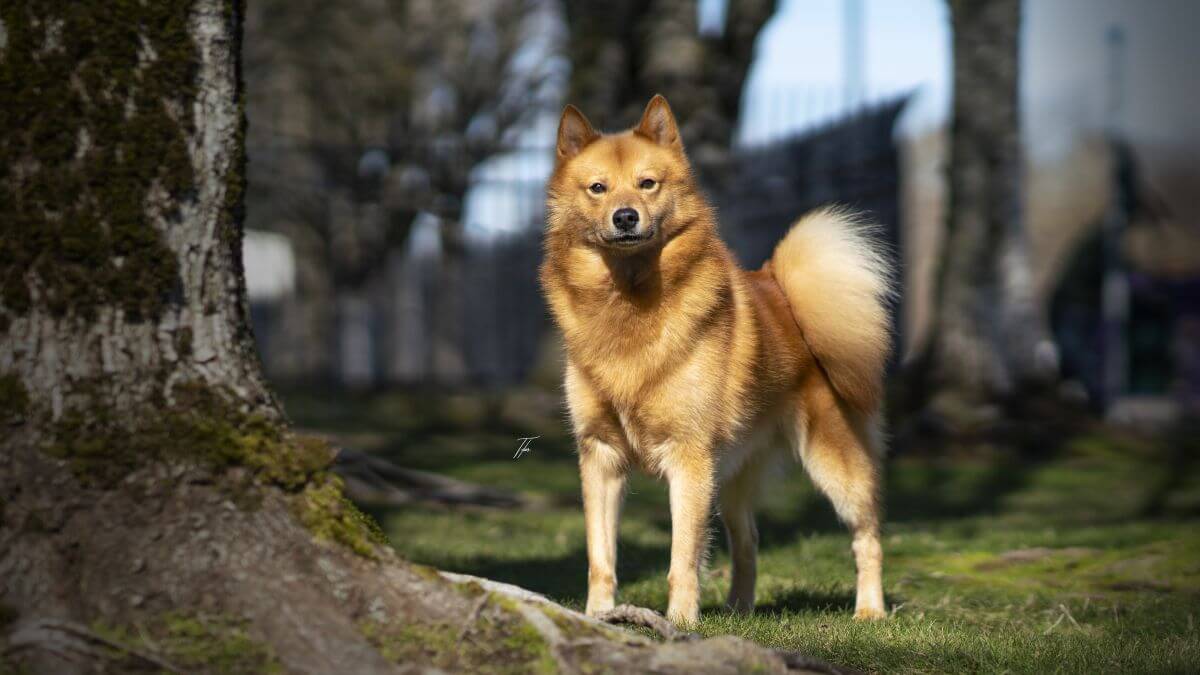

Holly Horton takes a closer look at the Finnish Spitz, exploring the breed’s hunting roots, intelligence, personality, and famous bark.


Meet the Judges
Edna González reflects on judging Non-Sporting breeds at Westminster 2026, sharing insights on her assignments and overall impressions.

Dog Shows
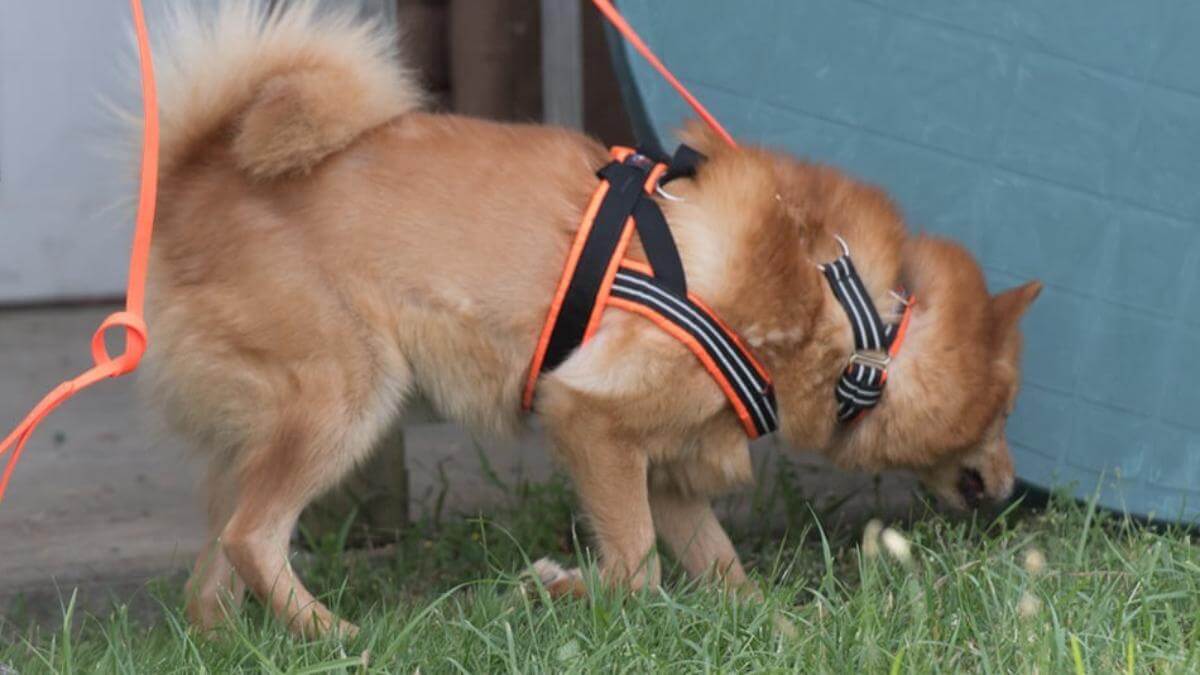
The Finnish Spitz, known for its barking ability, excels in hunting, performance events, and as a loving family companion.
Service Dog
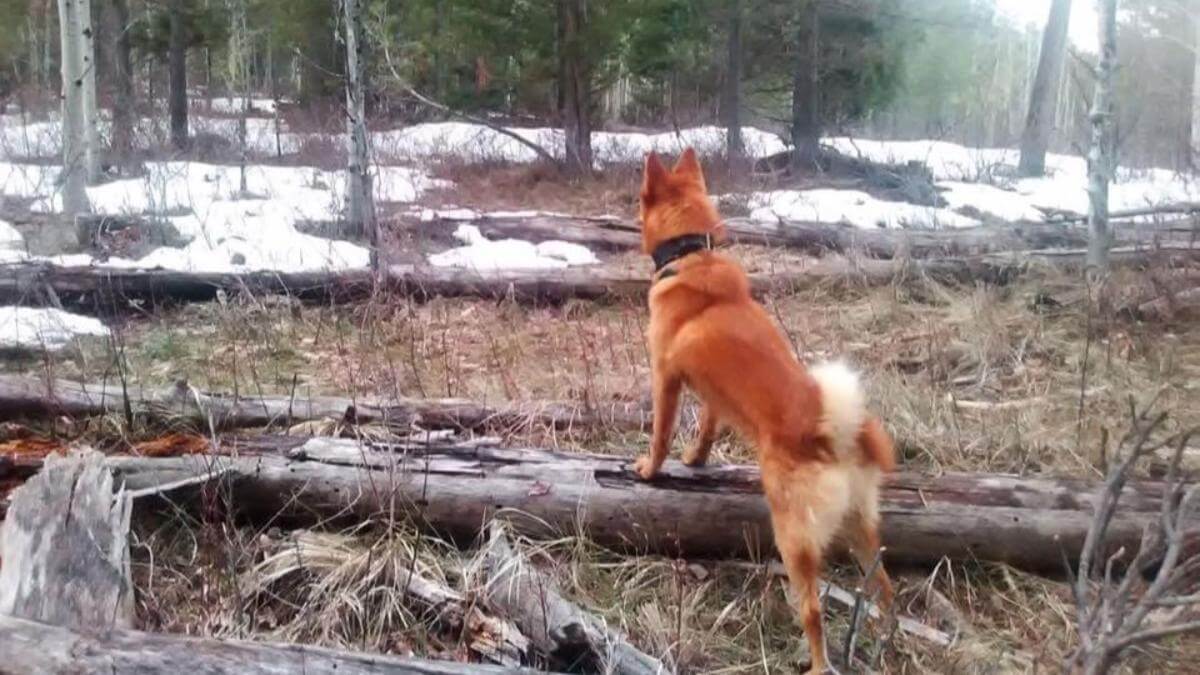
Explore the versatile Finnish Spitz, a talented hunter, loyal companion, and active participant in obedience, agility, and more.
Dog Sports
Discover the Finnish Spitz: Finland’s National Dog, a devoted, agile companion and skilled hunter with minimal grooming needs.

All About Judging
Finnish Spitz, Finland’s National Dog, is one of the world’s few basal breeds. This red-gold, square spitz was bred to hunt birds and game.
The tail is one of the Finnish Spitz’s most distinctive features. It is set just below the level of the topline and curves forward tightly over the back, then turns downward and backward to lie flat against the thigh. The tail should be well feathered and contribute to the breed’s characteristic square, balanced outline.
A Note About Color: The coat color of the Finnish Finnish is varying shades of golden-red ranging from pale honey to deep auburn, with no preference given to shades at either extreme so long as the color is bright and clear. The undercoat is a paler color; the effect of this shading is a coat which appears to glow. White markings on the tips of the toes and a quarter-sized spot or narrow white strip, ideally no wider than one-half inch, on the forechest are permitted. Black hairs along the lip line and sparse, separate black hairs on the tail and back are permitted. Puppies may have “a good many” black hairs which decrease with age; black on the tail persisting longer. Muddy or unclear color, any white on the body except as specified, is to be penalized in the show ring.
Coat Type
Double
The structure of the coat this breed carries.
Coat Length
Medium
How long the breed's coat grows when kept in condition.
Adaptability Level
How easily a breed copes with changes in home, routine, noise and weather.
Mental Stimulation Needs
How much a breed needs a job, a puzzle or training to stay content.
A Finnish Spitz should receive a complete and balanced diet suited to the dog’s age, activity level, and body condition. Portions should be measured carefully to prevent unwanted weight gain.
A puppy generally needs three or four small meals each day before gradually moving to two meals. Most adult Finnish Spitz are fed twice daily and eat approximately one and one-half to two cups of dry food per day, depending on the dog’s food, weight, and activity level.
Treats should be given in moderation, and fresh water should always be available.
The Finnish Spitz is intelligent and capable of learning quickly, but its independence can make training challenging. Short, varied sessions using praise, food rewards, toys, and play are usually most effective.
Early socialization should introduce the puppy to different people, dogs, sounds, surfaces, and environments. Clear expectations are important because the breed may develop unwanted habits when rules are inconsistent.
Barking is a natural part of the Finnish Spitz’s hunting heritage. Training can teach the dog when to stop after giving an alert, but completely eliminating vocal behavior would be unrealistic.
The breed’s hunting instinct can interfere with recall when birds or small animals are nearby. Off-leash exercise should take place only in a securely enclosed area.
Bathing is only needed occasionally unless the dog becomes particularly dirty. The coat should not be shaved. Nails should be trimmed regularly, ears should be checked for irritation or debris, and teeth should be brushed routinely.