Members
01/Overview
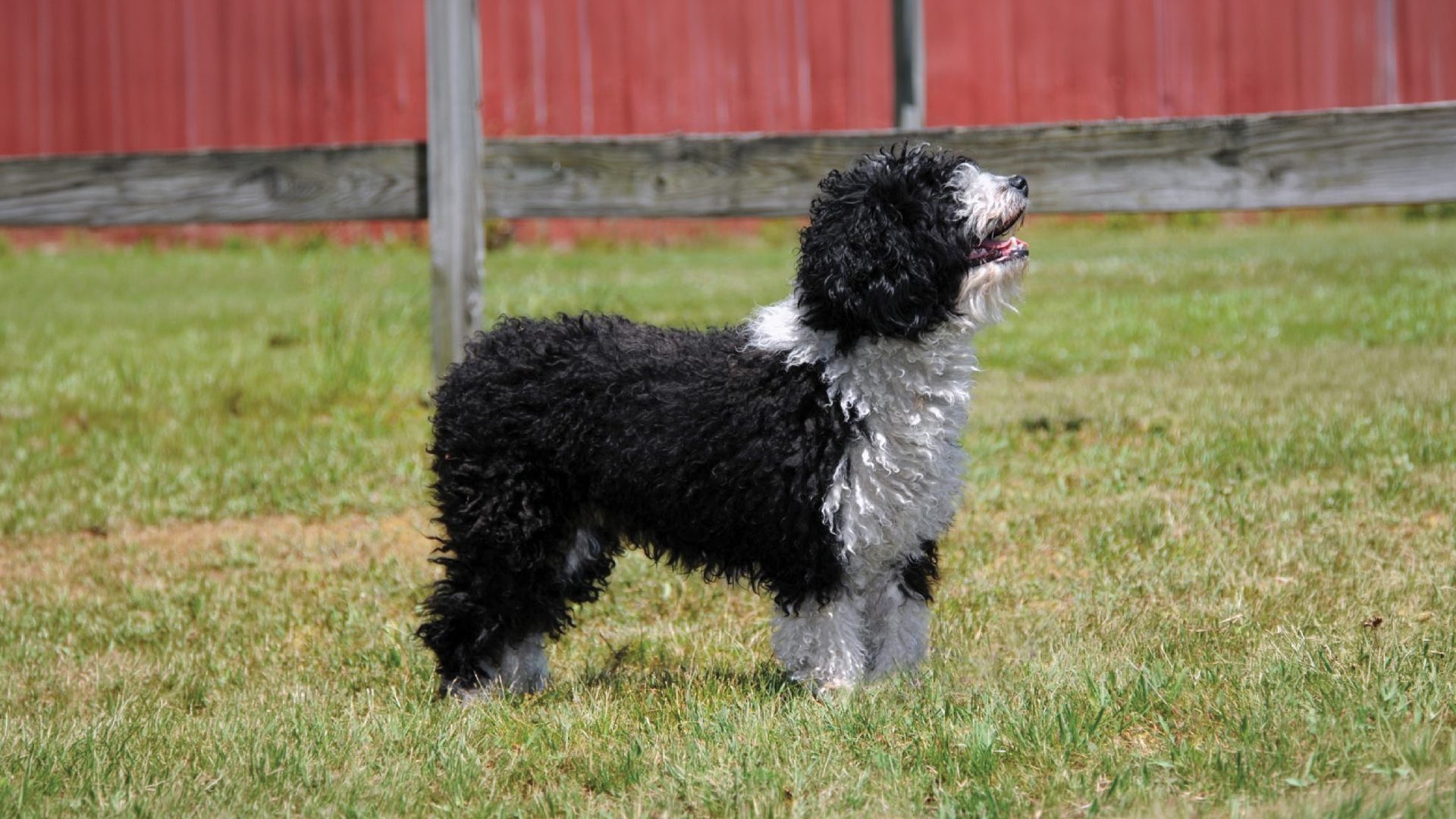
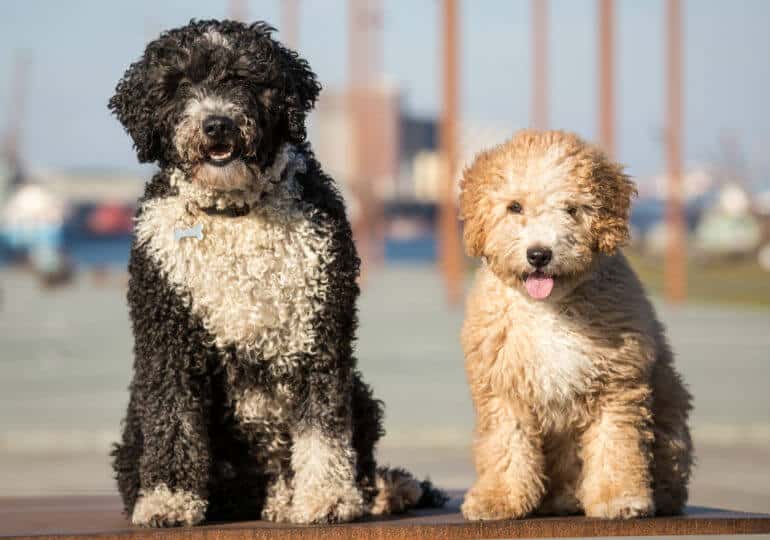
The Spanish Water Dog, or Perro de Agua Espanol, is a versatile and agile breed that was developed in Spain for many purposes, including herding and water-related jobs. These dogs are known for their curly and water-resistant coat as well as for their naturally protective nature. They excel as working dogs and are devoted and energetic companions for active families. People today admire this medium-sized breed for its intelligence and unwavering loyalty as a companion.
Highlights
02/History
The Spanish Water Dog was first recorded in historical literature in 1110 AD and has been known by a variety of names, including Perro Turco Andaluz, Perro de Lanas, and Perro de Agua Espanol.
There are two basic explanations regarding the arrival in Spain of the breed’s ancestors. According to the first theory, the ancestors of today’s dogs arrived in a period dominated by the Moors. The second theory claims that the breed’s forefathers traveled aboard Turkish ships between 600 and 900 AD.
Montesinos (1989) references a suggestion that the Spanish Water Dog's origins are in Turkey and Hungary, citing similarities with the corded hair of the Hungarian Puli, but he claims the true origin is in Andaluz and that it is the most ancient breed of water dog. Flores (1982) believes the Spanish Water Dog is the same breed as the 10th-century Perro Turco.
The Spanish Water Dog was primarily used in the central and southern regions of Spain to drive herds of goats, sheep, cows, and pigs to seasonal pastures, and secondarily for hunting fowl and small animals. During the off-season, the northern dogs most likely hunted and served other purposes. According to Caballero, this rustic breed was used in the Cuenca Minera del Guadioto mines to safeguard mule transportation, defend against thieves, and manage the rat population.
The Spanish Kennel Club formally recognized the Spanish Water Dog in 1985. The American Kennel Club recognized the breed as a member of the Herding Group in 2015.
03/Appearance
Mature male Spanish Water Dogs typically stand between 17.5 and 19.75 inches at the shoulder, while females usually measure between 15.75 and 18 inches.
Spanish Water Dog males typically weigh between 40 and 49 pounds, while females weigh 31 to 40 pounds.
Skull: The skull of a Spanish Water Dog is broad and flat, with an apparent but not abrupt stop. It is slightly rounded and well-proportioned, with a ratio to the muzzle of 3 to 2.
Expression: The breed is known for its alert and attentive expression, their “look” often conveying a watchful sense of intelligence and curiosity.
Eyes: The SWD typically has medium-sized, almond-shaped eyes, set obliquely in the skull. The eye color is usually hazel to dark chestnut and harmonizes with the coat’s color.
Ears: The ears are set above the eye level and hang close to the head. They are triangular in shape with slightly rounded tips.
Muzzle: The muzzle is wide at the base, tapering slightly to the tip, with a strong lower jaw. The cheeks are well filled below the eyes.
Nose: The nose is well-pigmented and is the same color as the darkest color of the coat. The nostrils are open, allowing for good olfactory function.
Bite: Spanish Water Dogs should have a complete set of strong, well-aligned teeth with a level or scissors bite, where the upper incisors overlap the lower incisors.
The Spanish Water Dog (SWD) is a well-proportioned and balanced breed. The length of the body, from the point of the shoulder to the point of the buttocks, is slightly longer than the height at the withers at a ratio of 9 to 8. Spanish Water Dogs are considered a medium-sized breed with a sturdy and robust build. They are strong and muscular, reflecting their heritage as working dogs capable of various physical tasks, including herding, hunting, and water work.
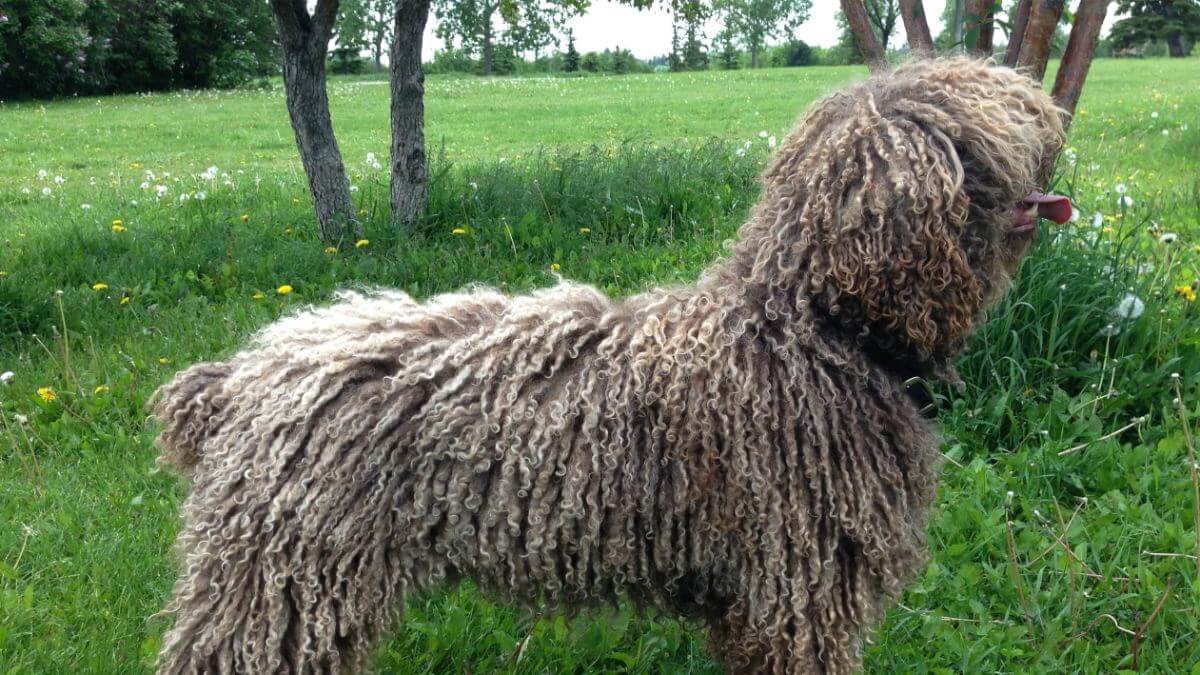
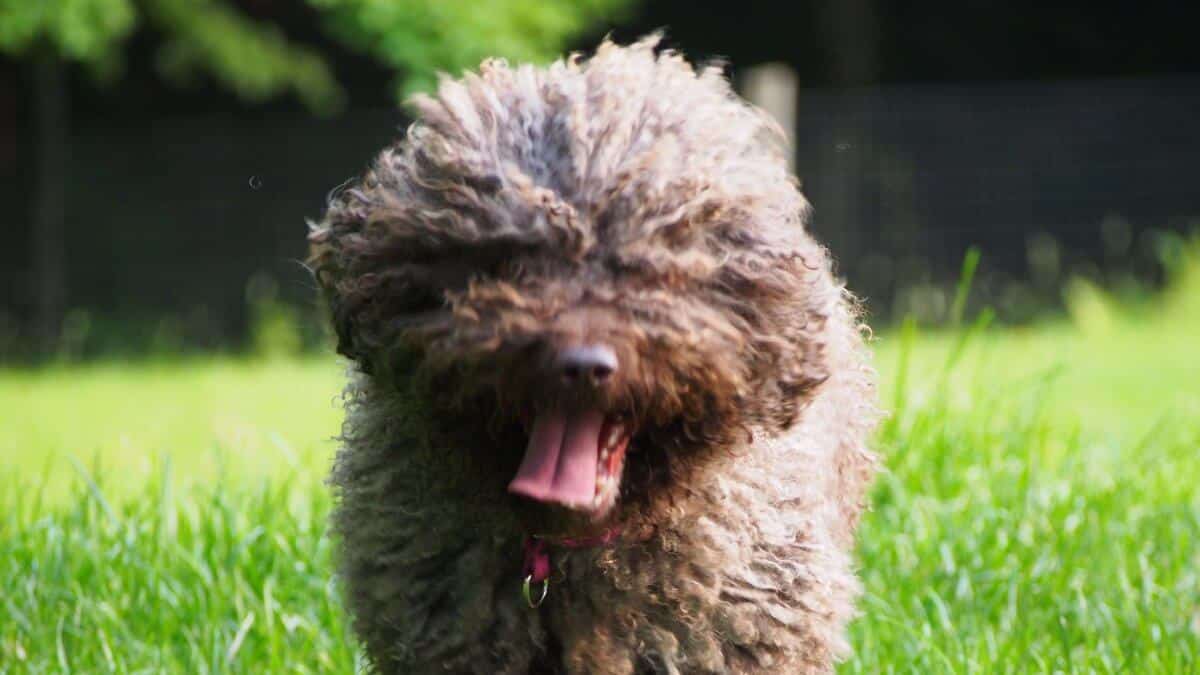
Texture: The Spanish Water Dog has a single coat that is a hallmark of the breed. It is curly and wooly in texture, growing in pencil-thin cords over the head and body.
Standard Colors
04/Consider
Spanish Water Dogs thrive on activity and require both physical and mental stimulation to keep happy and interested. They are recognized for their friendly temperament and deep relationships with their human families, making them ideal candidates for houses with plenty of interaction and activity. Whether herding or cuddling, these dogs provide their owners with both utility and companionship.
Interaction With Family
The level of affection a breed typically shows towards family members and familiar individuals.
Good With Other Dogs
The innate friendliness of a dog towards other dogs can depend on its breed.
Good With Young Children
The degree to which a breed will typically be patient with young children.
Amount Of Shedding
How much hair a breed typically leaves behind on clothes, furniture and floors.
Frequency Of Grooming
How often a breed needs brushing, bathing or a professional trim to stay in condition.
Amount Of Drooling
How prone a breed is to drool, worth knowing before you keep a towel by the door.
Openness To Strangers
How openly a breed tends to greet new people, visitors and strangers.
Protective Nature
How likely a breed is to alert you to anything unfamiliar, and stand between you and it.
Playfulness Level
How enthusiastic a breed stays about games and play well past puppyhood.
Trainability Level
How readily a breed takes direction and works with you rather than around you.
Barking Level
How much a breed uses its voice, and how readily.
Energy Level
How much get-up-and-go a breed brings to an average day.
Health
Spanish Water Dogs are generally healthy, although, like all breeds, they are prone to some health issues. While not all individuals may develop these conditions, it is critical to be aware of them while selecting this breed. The average lifespan of the Spanish Water Dog is 12 to 14 years, but with proper care, a balanced diet, and regular check-ups, many can thrive beyond these years.
Spanish Water Dogs are highly intelligent dogs. They are quick learners and are known to excel in various dog sports and training activities. Their intelligence makes them adaptable and responsive to commands.
These dogs are often deeply loyal to their owners and form strong bonds with their families. They enjoy being around people and are known for their affectionate and devoted nature. Spanish Water Dogs are typically friendly and social dogs. They tend to get along well with children and other pets when properly socialized from a young age.
Spanish Water Dogs have a lot of energy, which is a reflection of their historical role as working dogs. They require regular exercise and mental stimulation to stay happy and healthy. Daily walks, playtime, and engaging activities are essential to meet their energy needs.
Spanish Water Dogs have a strong work ethic due to their history as herders and water dogs. While they may not have the same working demands as in the past, they often enjoy tasks and activities that engage their minds and bodies. They excel in dog sports and activities like herding, agility, and obedience.
Spanish Water Dogs tend to be curious about their surroundings. They enjoy exploring and investigating new things, which is a testament to their inquisitive nature. They often retain a playful and youthful spirit throughout their lives, making them delightful companions for play and outdoor adventures.
Exercise Expectations
Regular walks are essential for these dogs. Aim for at least one to two walks a day, each lasting around 30 minutes to an hour. These walks provide physical exercise and mental stimulation as they explore their environment. Games like fetch, frisbee, tug-of-war, and hide-and-seek are great for expending their energy and strengthening the bond with their owners. These dogs excel in various dog sports. Considering activities like agility, obedience, herding, and even dock diving and engaging in dog sports provides them with both physical exercise and mental challenges. Many Spanish Water Dogs have a natural affinity for water due to their historical roles as water workers. Swimming is an excellent way to provide them with a full-body workout and keep them cool in warm weather. In addition to physical exercise, these dogs need mental stimulation. Puzzle toys, interactive feeders, and obedience training sessions can engage their minds and prevent boredom.
Living with a Spanish Water Dog is an enriching experience that brings together a unique blend of history, intelligence, adaptability, and loyalty. This breed, renowned for its versatile nature, is an exceptional companion for those who appreciate an active and intelligent dog.
Spanish Water Dogs are highly intelligent and quick learners. They thrive on mental stimulation and excel in various training activities, from obedience to dog sports. This intelligence makes them engaging and responsive companions, always eager to please.
They form strong bonds with their owners. They are loyal and affectionate, often following owners around the house and seeking company. They thrive on attention and will be constant companions. Spanish Water Dogs are more than just pets; they become an integral part of the family.
They retain a playful spirit throughout their lives. They enjoy interactive playtime, making them excellent playmates for children and adults alike. While they are generally friendly, they have a natural watchful instinct. They make excellent watchdogs, alerting you to any unusual occurrences
Whether in rural or urban environments, Spanish Water Dogs adapt with ease. They find fulfillment in both active and relaxed settings, making them well-suited for a variety of lifestyles. Their ability to adjust to different situations makes them a great fit for diverse living situations.
05/Puppies
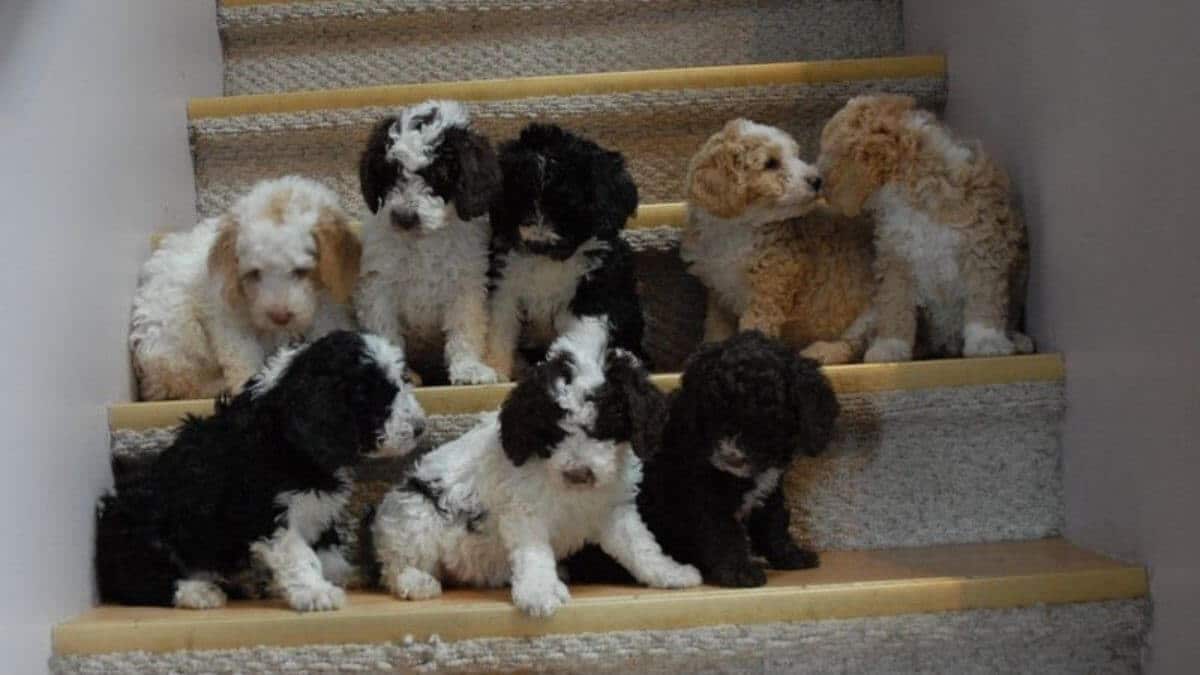
Welcoming a Spanish Water Dog puppy into life is the beginning of a remarkable journey filled with boundless energy, intelligence, and unwavering loyalty. These puppies are known for their delightful appearance and an inherent potential to become devoted companions.
Caring for Spanish Water Dog puppies is a journey filled with joy, challenges, and the profound bond that forms between owner and furry companion. These puppies, known for their intelligence, energy, and loyalty, require attentive care to ensure they grow into healthy and well-behaved adults.
Early socialization is a crucial aspect of raising Spanish Water Dog puppies. These intelligent and adaptable dogs benefit from exposure to various people, animals, and environments during their formative weeks. Introducing them to new experiences, places, and faces helps them build a strong foundation for life.
Puppies have boundless energy, and Spanish Water Dog puppies are no exception. Regular exercise and playtime are essential for their physical and mental well-being. Engaging in supervised play, and taking care not to overexert them, especially during their growth phase is crucial. Fun games and activities become opportunities for learning and bonding.
Nutrition is essential during the puppy's growing phases. To ensure a Spanish Water Dog puppy gets all the nutrition it needs for good growth, feed it high-quality puppy chow. Making a regular feeding schedule is also a smart idea. Regular veterinary check-ups are crucial in the first year of life. Vaccinations, deworming, and basic health checks should be performed to ensure the puppy is growing normally.
06/Activities
Spanish Water Dogs are versatile and energetic dogs that thrive on physical activity and mental stimulation. Engaging them in activities and dog sports not only helps them maintain their health and happiness but also strengthens the bond between owner and dog.
Herding: Spanish Water Dogs have a strong herding instinct due to their historical role as herders. Herding trials and classes are excellent outlets for them to use their natural talents. They can work with livestock or even in herding trials with specially trained sheep.
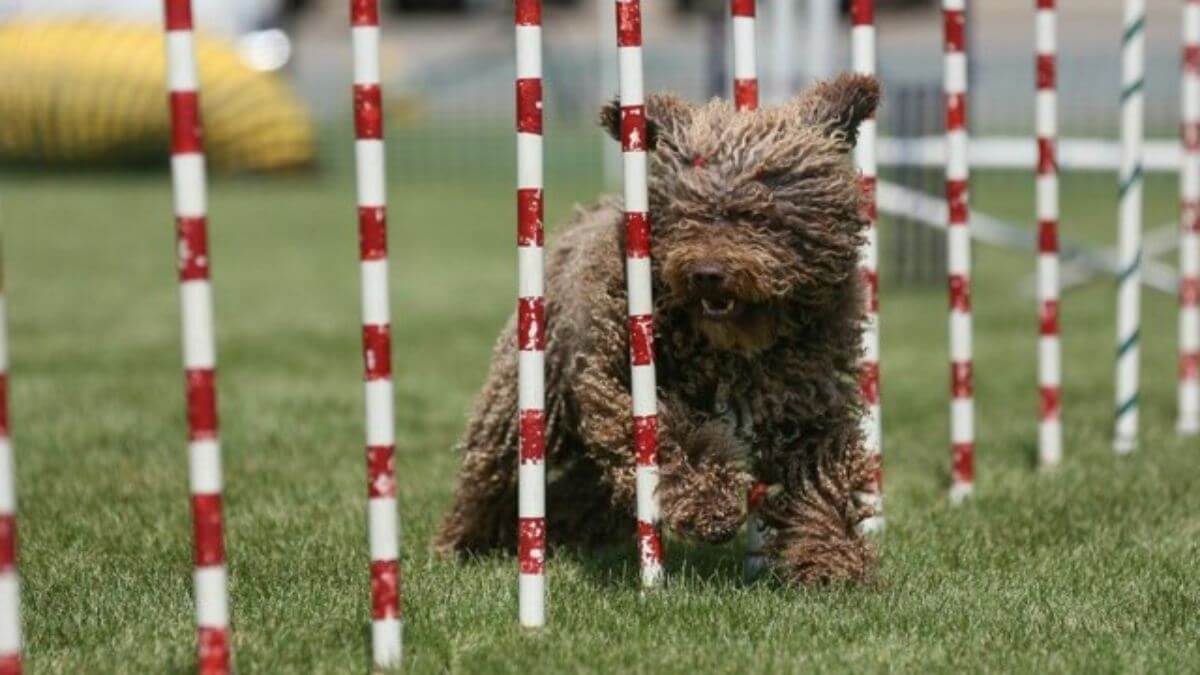
Agility: Agility is a popular dog sport that involves navigating a course with various obstacles, including jumps, tunnels, weave poles, and more. Spanish Water Dogs are agile and quick learners, making them adept at agility courses.
Obedience: Obedience training is an essential activity for Spanish Water Dogs. They are intelligent and eager to please, which makes them highly trainable. Obedience classes and competitions allow them to showcase their skills and follow commands with precision.
Dock Diving: Spanish Water Dogs often have a natural affinity for water. Dock diving competitions involve dogs jumping into a pool of water from a dock, aiming for distance or height. Their strong swimming abilities make them excellent competitors in this sport.
Flyball: Flyball is a relay race for dogs that involves jumping over hurdles and triggering a spring-loaded box to release a tennis ball. Spanish Water Dogs are agile and can excel in this high-energy sport.
Search and Rescue: These dogs have been used in search and rescue missions due to their strong work ethic and intelligence. They can be trained in search and rescue tasks, helping locate missing persons in various environments.
Tracking: Tracking is a dog sport where dogs follow a scent trail to locate an object or person. Spanish Water Dogs have a keen sense of smell and can be trained for tracking activities.
Swimming and Water Activities: As the name suggests, Spanish Water Dogs typically enjoy swimming and water-related activities. Whether it's retrieving toys in the water or participating in water sports, they are in their element when near water.
07/Standards
The Spanish Water Dog is recognized by the world’s leading registries and kennel organizations, which categorize the breed into a specific Group based on its unique characteristics. This breed is recognized worldwide under the following Group designations:
The ideal Spanish Water Dog is described by a Breed Standard that is approved by each of the world’s leading registries and kennel organizations. The Standards for this breed may be found in the following links:
08/Clubs
Spanish Water Dog clubs are organizations dedicated to promoting and preserving the Spanish Water Dog breed. These clubs provide a community for breed enthusiasts, owners, and breeders to share information, resources, and support for the betterment of the breed.
The Spanish Water Dog Club of America (SWDCA) as the AKC Parent Club for the breed, is dedicated to the protection and preservation of the Spanish Water Dog. The Club's goal is to provide education and support to fanciers, breeders, and judges to maintain the structure and natural working abilities of the breed.
The Spanish Water Dog Club is the official club for Spanish Water Dogs in the United Kingdom. They provide information on breed standards, health, and training, and they organize events and activities for owners and enthusiasts.
Joining or engaging with these and similar clubs provides Spanish Water Dog enthusiasts with a wealth of knowledge and opportunities to connect with others who share the same passion for this iconic breed.
09/Rescue
The Spanish Water Dog Club of America Rescue has a rescue program in the United States that focuses on rehoming Spanish Water Dogs in need. They provide a network of volunteers and resources for rescue and adoption.
Spanish Water Dog Rescue UK is a dedicated rescue organization for Spanish Water Dogs in the United Kingdom. They work to rescue, rehabilitate, and rehome dogs of this breed. They also provide information and support for owners in need.
Supporting Spanish Water Dog rescue groups through volunteering, fostering, or making donations is also a meaningful way to contribute to the welfare of these dogs. Rescue organizations rely on the assistance of volunteers and donors to continue their important work in saving and rehoming Spanish Water Dogs in need.
10/Facts
Low Shedding
Due to their unique coat, Spanish Water Dogs are considered a low-shedding breed. This characteristic can be advantageous for people with allergies.
Working Heritage
In Spain, Spanish Water Dogs are considered a national treasure and are celebrated for their historical and cultural significance.
Vigilant Watchdogs
Spanish Water Dogs often display a natural watchful instinct and are vigilant when it comes to guarding their home and family.
Heritage Preservation
Organizations and enthusiasts in Spain are dedicated to preserving the heritage and cultural significance of the Spanish Water Dog breed.
11/FAQ
Spanish Water Dogs, as a breed, are not inherently aggressive. They are known to be loyal, affectionate, and intelligent. However, like any breed, individual temperament can vary, and proper socialization and training from a young age are critical. They do have a strong working drive and a protective nature, which, if not managed with appropriate training, could manifest in wariness or protective aggression around strangers or unfamiliar situations.

Written by
Dan Sayers is the Executive Editor of SHOWSIGHT. He is a member of the World Dog Press Association and the Dog Writers Association of America, which recognized his illustrations in the award-winning Encyclopedia of K-9 Terminology. Dan is a longtime supporter of the sport of dogs and an advocate for the conservation of recognized breeds in all their forms and functions. He is a member of the Morris and Essex Kennel Club, and for 45 years, the Irish Water Spaniel Club of America where he serves as AKC Delegate, Archivist, and approved Breed Mentor. Dan breeds under the Quiet Storm prefix and has judged the IWSCA National Specialty Sweepstakes twice.
Official Standard for the Spanish Water Dog
General Appearance: A rustic breed of the Iberian Peninsula, the Spanish Water Dog is a sturdy, athletic dog of medium size and weight that is suited to perform a variety of tasks including herding, hunting, and assisting fishermen. His working ability is attributed to an intense desire to please. In profile, the Spanish Water Dog is slightly longer than tall. His distinctive rustic curly, single coat is a hallmark of the breed. He must always be shown in a natural coat and never be aesthetically groomed in any way. Traditionally, he has a docked tail; today, all tail lengths are equally acceptable.
Size, Proportion, Substance: Size-Height at the withers: Dogs, 17 ½ to 19 ¾ inches; Bitches 15¾ to 18 inches. Weight- In proportion to height. Proportion-Measured from point of shoulder to buttocks and withers to the ground 9:8. Substance- Solidly built, robust, muscular with moderate bone but neither coarse nor refined.
Head: Head- is in balance with the body. Expression is alert and attentive. Eyes are slightly oblique, very expressive and have a shade of brown from hazel to dark chestnut, with the color harmonizing with the coat. Ears are set above eye level. They are dropped, and triangular in shape with slightly rounded tips. The tips should not reach past the inside corner of the eye. Skull is broad and flat. Occiput is not prominent. Ratio of cranium to muzzle is 3:2. Stop is apparent but not abrupt. Muzzle is wide at the base, tapering slightly to the tip, strong lower jaw, never snipey. Cheeks are well filled below the eyes. Planes of skull and muzzle are parallel. Nose is of the same color or slightly darker than the darkest color of the coat and has well defined nostrils. Beige or white dogs may have either black or brown pigment. Lips are well fitting, labial corners well defined and are pigmented as the nose. Flews are tight. Scissors bite preferred, level bite accepted. Teeth are strong with full dentition.
Neck, Topline, Body: Neck is strong and moderate in length, blending smoothly into the shoulders. Back is straight and topline is firm and level. Body is robust. The body is slightly longer than tall in an approximate ratio of 9:8 measured from the point of shoulder to the point of buttocks. Chest is broad and well let down, reaching the elbows. Depth of chest to height at withers is 50 percent. Loin is short. The length of the back comes from the length of the ribcage, not from that of the loin. Croup is slightly sloping. Tail is set smoothly into the croup neither high nor low. The tail is historically docked; today all tail lengths are equally acceptable. Docked tails are docked between the 2nd and 4th vertebrae. Full length tails reach approximately to the hock. Some individuals display a brachyury (natural bob-tail) gene which can shorten the tail anywhere from an almost full tail to no tail at all. Preferred carriage is scimitar-like, carried either high or low. Preference is not to be given to docked or undocked tails. Skin is supple and adheres closely to the body.
Forequarters: Shoulders are well-muscled and well-laid back and approximately the same length as the upper arm. Elbows are close to the chest and turn neither in nor out. Legs are straight, and strong with moderate bone. Pasterns are strong and flexible. Front dewclaws may be removed. Feet are round and compact. Toes are tight and well arched.
Hindquarters: The hindquarters give an impression of strength and energetic impulsion. Angulation is in balance with the front. Upper thigh is well muscled. Stifle is well bent. Second thigh is well developed. Hock joint is well let down. Rear pastern is short and perpendicular to the ground. Dewclaws if present are to be removed. Feet are as the front.
Color: The Spanish Water Dog may be solid (in its various shades of black, brown, beige, or white), Irish-marked or parti-color where one of the colors must be white. Disqualifications-Tricolor, tan-point, parti-color where one of the colors is not white, or albino.
Coat: The rustic coat is a hallmark of the breed. Any brushing, scissoring, aesthetic trimming or sculpting of the coat destroys breed type and must be penalized so severely as to eliminate the dog from competition. The hair is a single coat, always curly and of a wooly texture. For shows, the recommended extended length of the coat is between 1-6 inches to demonstrate the quality of the curl or cord. There is no preference for length of coat within this range. The sole breed clip is a utilitarian kennel clip, one length all over the entire dog. Left to grow long, coats will develop roughly pencil-thin cords that are distinct from those of other breeds in their degree of felting: from loose to tight, with the quality of the curl being evident throughout. Cords must have natural fish-hook curls at the tips indicating a lack of scissoring or shaping. Puppy coats: Puppy coat (up to 15 months) may be wavy and somewhat softer than adult coat. Most puppy coats will not form cords. Disqualification- Smooth or wavy coat.
Gait: Movement is efficient, free, smooth, and ground covering. Balance combines good reach in forequarters with front foot reaching the nose, and equally strong drive in the rear. As speed increases, the feet converge toward the centerline of gravity while the back remains firm and level.
Temperament: The Spanish Water Dog is faithful, obedient, lively, hard-working, and watchful. He is highly intelligent with an outstanding learning ability. His loyalty and protective instincts make him a self-appointed guardian to his owner, his family and his property. He should be neither timid nor shy, but is naturally suspicious of strangers. He is very affectionate with his own people.
Disqualifications: Tricolor, tan-point or parti-color, where one of the colors is not white, or albino. Smooth or wavy coat.
Approved November 8, 2022
Effective February 1, 2023


Meet the Judges
Sharon Ann Redmer reflects on judging Herding breeds at Westminster 2026, highlighting breed function, type, and standout winners.

American Kennel Club (AKC)
Marie Ann Falconer reflects on judging Collies, Shetland Sheepdogs, Spanish Water Dogs and Swedish Vallhunds at the 2025 AKC Nat Championship.


Meet the Breeders
Melanie Wood of Caramel Kennel breeds champion Spanish Water Dogs in Florida, focused on health, temperament, and AKC standards.

All About Judging
Explore the journey of Spanish Water Dogs in AKC shows, tackling coat, proportion, and grooming challenges since 2015.
The Spanish Water Dog: a loyal, high-energy breed with strong guarding instincts, thriving on training, socialization, and family life.
All About Judging
Explore the unique history, purpose, and judging considerations of the versatile Spanish Water Dog, a true herding breed.

Dog Shows
Explore the unique coat of the Spanish Water Dog, a rustic breed with a rich history and distinct grooming standards in the show ring.
Meet the Breeders
Interview with Herding Group Breeder Lisa Harper – I live in central Connecticut; third generation on the family farm. My family, originally
The tail of the Spanish Water Dog was traditionally docked to prevent it from becoming injured as the dog performed its myriad of duties. Docking between the second and fourth vertebrae was the rule, although natural bob-tails do occur in the breed. Today, all tail lengths are acceptable. The natural tail reaches at least to the hock, but is not excessively long. It is carried distinctively in a scimitar shape. When at rest, it hangs down, but when the dog is alert or excited, the tail can be raised but should not curl over the back. Like the rest of the Spanish Water Dog's body, the tail is covered with curly hair to protect the dog from the elements, particularly when working in the water.
Standard Markings
A Note About Color: The Spanish Water Dog’s coat is unmistakably unique and is never to be brushed, scissored, or blown out for any reason. It is a single coat that grows to a length of 1 to 6 inches and is always curly and wooly, except in puppies which generally have wavy coats. The SWD is traditionally clipped annually to a length of one-quarter inch. Throughout the year, the coat develops pencil-thin cords that end with fish hook curls at the tips. Color may be solid or parti-colored, although parti-colored dogs lacking white and tri-colored, tan-point, and albino dogs are not acceptable in the breed.
Coat Type
Corded, Curly
The structure of the coat this breed carries.
Coat Length
Medium
How long the breed's coat grows when kept in condition.
Adaptability Level
How easily a breed copes with changes in home, routine, noise and weather.
Mental Stimulation Needs
How much a breed needs a job, a puzzle or training to stay content.
The foundation of a Spanish Water Dog's nutrition is a balanced diet. High-quality commercial dog food is readily available and formulated to meet their specific dietary needs. When selecting dog food, it's imperative to ensure that the primary ingredient is a quality protein source, such as meat or fish. These proteins provide essential amino acids for muscle maintenance and growth.
Portion control is a key consideration in maintaining a healthy weight for Spanish Water Dogs. Factors like age, size, activity level, and metabolism influence the amount of food they require. Although following the feeding recommendations on the dog food packaging is a useful starting point, consulting with a veterinarian is crucial.
Establishing a regular feeding schedule is another critical component of proper nutrition. Most adult Spanish Water Dogs are typically fed twice a day, while puppies may require more frequent meals. Consistency in feeding times not only helps regulate their metabolism but also sets a routine that they can depend on.
Treats and snacks can be a delightful part of your Spanish Water Dog's life, serving as a reward during training and for expressing affection. However, it's essential to limit these additions to their diet to prevent excessive calorie intake.
As Spanish Water Dogs progress through different life stages, their nutritional requirements change. It is vital to provide age-appropriate food to meet their evolving needs, whether they are puppies, adults, or seniors. A balanced diet tailored to their specific life stage helps maintain their health and vitality.
Spanish Water Dogs are exceptionally intelligent. They have an innate ability to understand commands and adapt to various training exercises. Harnessing their intelligence allows them to learn quickly and excel in obedience, agility, and other dog sports. Their eagerness to learn and their problem-solving skills contribute to their success in training.
While their intelligence and adaptability are assets, Spanish Water Dogs also present some unique training challenges. Their independent nature can lead to occasional stubbornness or a desire to do things their way. Patience and consistency are crucial when training this breed. Using positive reinforcement techniques, such as rewards and praise, is often more effective than harsh methods.
Socialization is an essential aspect of training for Spanish Water Dogs. While they tend to be friendly, socializing them from a young age helps them become well-adjusted, confident dogs. Early exposure to various people, animals, and situations helps reduce potential anxiety or aggression.
Training is an indispensable component of nurturing the intelligence, adaptability, and loyalty of Spanish Water Dogs. These remarkable dogs thrive when given opportunities to learn and work alongside their owners. While there may be challenges to overcome, the rewards of effective training are well worth the effort. The result is a well-behaved, adaptable, and loyal companion who enriches the lives of its owners and showcases the incredible potential of the Spanish Water Dog breed.
Grooming Expectations
Regular brushing is essential to prevent matting and keep the coat healthy. Brushing Spanish Water Dog should be done at least a few times a week, if not daily, depending on their activity level and the condition of their coat, using a slicker brush or a pin brush to gently remove tangles and loose hair. These dogs do not require frequent baths, but they should be bathed when they are dirty or have been working in muddy or dirty conditions. After bathing or getting wet, it's crucial to thoroughly dry their coat using a towel or a low-heat blow dryer to prevent moisture from getting trapped in the coat, which can lead to matting and skin issues. Regularly check and clean their ears to prevent wax buildup and potential infections. The nails, if not naturally worn down through activity, will need periodic trimming. It's essential to ensure they aren't too long, as overly long nails can lead to discomfort and even injury.