Members
01/Overview
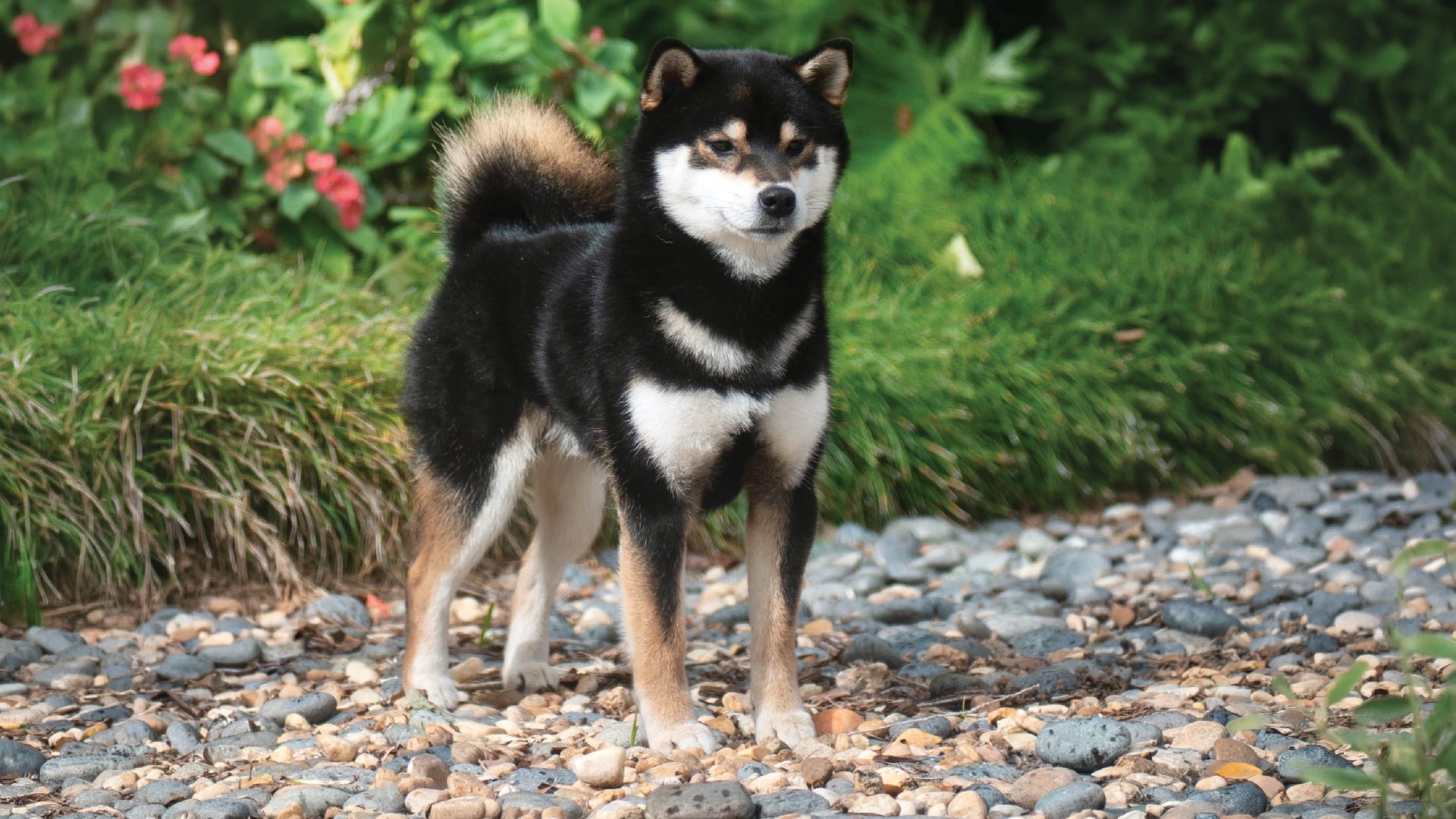
The Shiba Inu, or Shiba, a small but spirited breed, hails from Japan where it has been admired for centuries for its hunting prowess, keen alertness, and boldness of spirit. This breed, distinguished by its fox-like appearance, captures hearts with its combination of endearing charm and dignified independence. Originally bred to hunt by sight and by scent, the breed has evolved into a beloved companion, well-suited to both suburban and urban settings.
Highlights
02/History
The Shiba Inu boasts a rich and storied history, deeply rooted in the cultural heritage of Japan. Considered one of the oldest and smallest native dogs of Japan, its ancestry dates back several thousand years, possibly to around 7000 BC with the earliest immigrants to Japan. Small dogs within the 14 1/2 to 19 1/2 inch range were discovered in archaeological excavations of the Jomonjin or Rope-Pattern People, indicating the presence of early ancestors of today's Shiba.
Initially bred for hunting in Japan's mountainous areas, the Shiba Inu was adept at flushing out small game and birds and was occasionally used to hunt wild boar. The third century BC saw new immigrants bringing their dogs to Japan, which interbred with the Jomonjin dogs, resulting in canines with pointed, erect ears and curly or sickle tails.
The breed's name, "Shiba," is thought to mean "small" or "brushwood" in Japanese, possibly referring to the brushwood bushes where they hunted or to the fiery red color of the Shiba which matches the autumn color of brushwood leaves. The term "Inu" simply means "dog" in Japanese.
During the 7th century AD, the Yamato Court emphasized the importance of native breeds in Japanese culture by establishing an official department dedicated to the preservation and maintenance of dogs. This initiative highlighted the value placed on canine breeds within the societal framework of Japan. Despite Japan's isolation from the 17th through the 18th centuries, the introduction of some European dogs and the Chinese Chin occurred, leading to their interbreeding with native dogs in more populated areas. However, in the rural areas, the canine population remained relatively untouched, preserving the purity of native breeds.
Originally, there were three main varieties of Shiba from different regions, contributing to the breed variations seen today. These, along with other Japanese native dogs, led to the development of six distinct breeds categorized into three sizes:
Large Size: The Akita
Medium Size: The Kishu, Hokkaido, Shikoku, & Kai
Small Size: The Shiba
The Shiba Inu's history faced a significant challenge during World War II, with many perishing in bombing raids or from distemper in the post-war years. While the Mino and Sanin Shibas became nearly extinct, more of the Shinshu Shibas survived. Post-war, Shibas from remote areas were brought in, and breeding programs combined the remnants of various bloodlines to create the breed as known today.
The breed was officially recognized in Japan in 1936 and declared a national treasure, signifying its importance in Japanese culture and heritage. The American Kennel Club (AKC) recognized the Shiba Inu in 1992 and added it to the AKC Non-Sporting Group in 1993. This recognition not only established its presence in the United States but also marked a significant milestone in its global recognition. Additionally, the Shiba Inu is recognized by the Fédération Cynologique Internationale (FCI) and The Kennel Club (UK), further cementing its status in the canine world.
Today, celebrated for its spirited personality, fox-like appearance, and adaptability, the Shiba Inu is a beloved pet worldwide. Its history, from a skilled hunting companion to a treasured family member, highlights its resilience and enduring appeal.
03/Appearance
In terms of height and weight, an adult male Shiba Inu generally stands about 14.5 to 16.5 inches tall at the withers, while a mature female is slightly smaller, typically ranging from 13.5 to 15.5 inches in height.
Weight-wise, a well-proportioned male Shiba usually weighs around 23 pounds, and a female tends to weigh about 17 pounds.
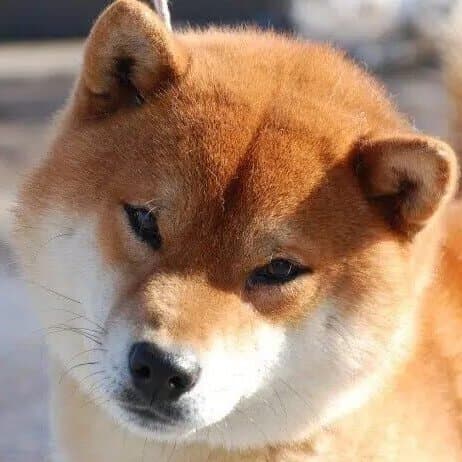
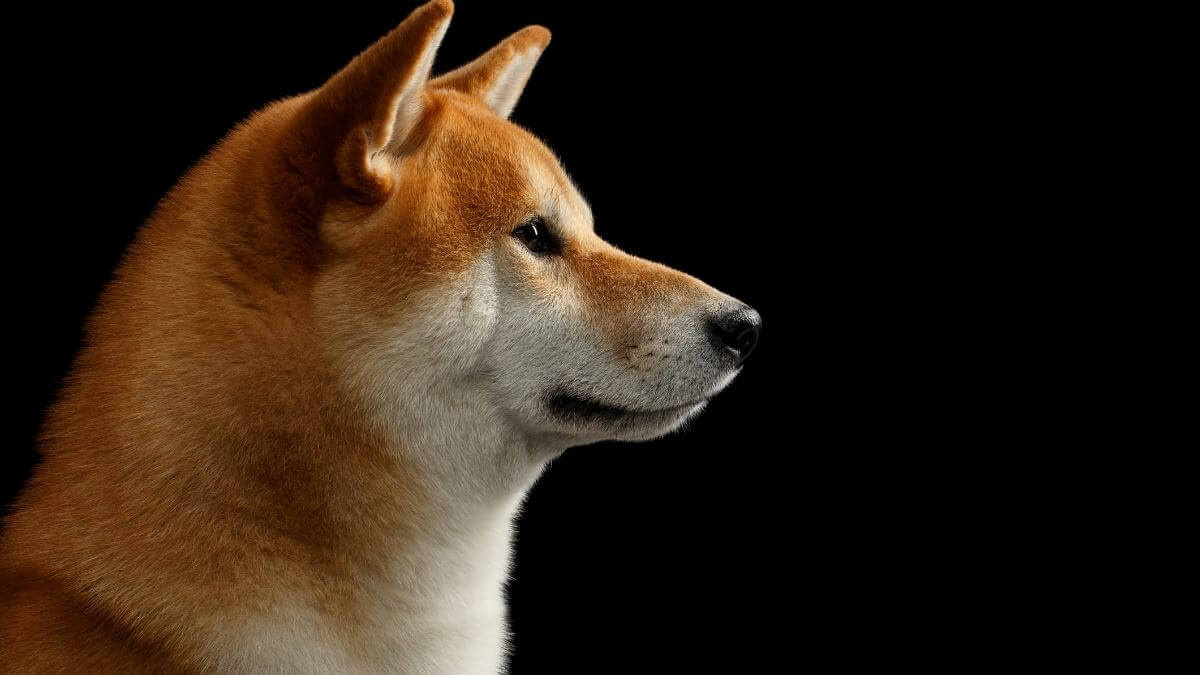
Skull: The skull of the Shiba Inu is moderate in size and in proportion to the body. The forehead is broad and flat, with a slight furrow and moderate stop. The head’s overall shape avoids extremes in roundness or flatness.
Expression: Shibas are known for their bold, confident expression that’s reminiscent of a fox. This expression reflects a keen intelligence and alertness, essential traits of the breed.
Eyes: Set well apart and deeply set, the eyes are somewhat triangular in shape with an upward slant towards the outside base of the ears. Their color is dark brown, with black eye rims that contribute significantly to the breed's unique and expressive look.
Ears: Small, triangular, and firmly erect, the ears add to the breed’s alert and attentive expression. They are set well apart and tilt directly forward with a slant at the back that follows the arch of the neck.
Muzzle: The muzzle is firm, full, round, and slightly tapering towards the nose. It accounts for 40 percent of the head’s total length, thus adding to the breed’s fox-like appearance. The bridge is straight and the lips are tight with black pigment.
Nose: A black nose provides a striking contrast to all coat colors and provides a perfect accent to the facial markings.
Bite: The Shiba Inu has a strong, evenly aligned scissors bite, where the upper incisors neatly overlap the lower incisors and are set squarely to the jaws. This feature is not just aesthetically pleasing, it’s a function of the breed's heritage as a hunter. Thus, missing teeth and overshot or undershot bites are unacceptable in the breed.
The Shiba Inu is a study in balance and proportion, boasting a symmetrical and sturdy build that reflects both agility and strength. This breed is characterized by its well-developed muscles and moderate bone, giving it a rather robust and hardy appearance for its size. In males, the ideal height-to-length ratio is 10 to 11, with females being slightly longer. These proportions contribute to the breed’s distinctive, compact look that is masculine in males and feminine in females.
The breed’s overall substance should convey a sense of strength, yet not to the extent of appearing heavy or cumbersome. This careful balance in proportions is a hallmark of the breed, emphasizing its functional heritage and aesthetic appeal.
Texture: The coat of the Shiba Inu features a double layer, essential for its adaptability to various climates and conditions. The outer coat is stiff and straight, providing a layer of protection, with a soft and dense undercoat that offers plenty of insulation. The guard hairs are 1.5 to 2 inches long and stand off from the body, longer on the tail and shorter on the face, ears, and legs.
Standard Colors
Standard Markings
04/Consider
Owning a Shiba Inu offers a unique and rewarding experience, but it also requires an understanding of the breed's specific needs and characteristics. Known for their independence, intelligence, and strong personality, Shibas can be a delightful addition to the right home. However, they demand an owner who appreciates their distinctive traits and can provide the structure, training, and care they need. It's essential for potential Shiba Inu caretakers to consider these factors to ensure a harmonious and fulfilling relationship with their canine companion.
Interaction With Family
The level of affection a breed typically shows towards family members and familiar individuals.
Good With Other Dogs
The innate friendliness of a dog towards other dogs can depend on its breed.
Good With Young Children
The degree to which a breed will typically be patient with young children.
Amount Of Shedding
How much hair a breed typically leaves behind on clothes, furniture and floors.
Frequency Of Grooming
How often a breed needs brushing, bathing or a professional trim to stay in condition.
Amount Of Drooling
How prone a breed is to drool, worth knowing before you keep a towel by the door.
Openness To Strangers
How openly a breed tends to greet new people, visitors and strangers.
Protective Nature
How likely a breed is to alert you to anything unfamiliar, and stand between you and it.
Playfulness Level
How enthusiastic a breed stays about games and play well past puppyhood.
Trainability Level
How readily a breed takes direction and works with you rather than around you.
Barking Level
How much a breed uses its voice, and how readily.
Energy Level
How much get-up-and-go a breed brings to an average day.
Health
The Shiba Inu is generally a healthy and hardy breed, possessing a well-built physique and a strong constitution. Despite this, as with any breed, there are certain health issues that prospective owners should be aware of. Being informed about these potential health challenges and maintaining a proactive approach to their Shiba Inu's health can significantly contribute to the dog's overall well-being and longevity. On average, Shiba Inu has a lifespan of 13 to 16 years. To support a healthy and long life, regular veterinary check-ups, a nutritious diet, and sufficient exercise are crucial.
The personality of a Shiba Inu is a unique blend of independence, intelligence, and loyalty. These dogs often display a cat-like demeanor, being both clean and self-sufficient. When it comes to novice owners, Shibas can present a challenge due to their independent nature and strong will. They are not as immediately eager to please as some other breeds, which means they require a handler who understands canine behaviors and is patient and consistent with training.
In terms of sensitivity, Shibas have a moderate level. They respond well to positive reinforcement but can become stubborn if treated harshly. Their ability to be alone is better than many other breeds, as they value their independence, but this doesn't mean they should be left alone for prolonged periods.
When interacting with other dogs, they can be somewhat aloof, especially if not socialized from a young age. This trait also extends to their interactions with young children. While a well-socialized Shiba Inu can coexist peacefully with children, their independent nature means they might not tolerate invasive behaviors from kids.
Regarding their disposition towards strangers, Shibas tend to be reserved. They are not immediately trusting of strangers and can exhibit a cautious demeanor around new people. This makes them excellent watchdogs, as they are always alert and observant.
Exercise Expectations
In terms of intensity, a Shiba Inu's exercise regime should be consistent but not overly strenuous. They enjoy activities that stimulate both their body and mind. This could include activities like brisk walking, running, fetching games, and agility exercises. Given their intelligence and curiosity, mental stimulation exercises, such as puzzle toys and hide-and-seek games, are also beneficial in keeping them engaged and content. Playfulness is a charming aspect of Shiba Inu's character. They often display a joyful and spirited demeanor during play, which can be a delightful experience for both the dog and their human companion. Engaging in regular play sessions not only strengthens the bond between the dog and their caretaker but also ensures that the dog's playful needs are met. When it comes to living environments, Shibas can adapt well to various settings as long as their exercise needs are met. Whether it's a house with a yard or an apartment, providing daily exercise opportunities is crucial. An important note for Shiba Inu owners is the necessity of a secure area for off-leash play, as their prey drive can lead them to chase after small animals if not properly supervised.
Living with a Shiba Inu can be a delightful experience, but it's important to consider their unique temperament and environmental needs. These dogs are adaptable and can thrive in various living situations, including apartments, provided their exercise needs are met. However, a key consideration for apartment dwellers is the Shiba Inu's tendency to be vocal, which might require additional training to manage.
In terms of weather adaptability, the Shiba Inu fares well in both cold and hot climates due to their double coat. The undercoat provides insulation against the cold, while the outer coat helps to protect them from the heat. However, extreme temperatures should be avoided, and it's important to provide adequate shelter, hydration, and temperature control to ensure their comfort and safety in harsh weather conditions.
A Shiba Inu's independent nature means they can be left alone for moderate periods, but like all dogs, they should not be left isolated for too long. Prolonged periods of solitude can lead to boredom and potential behavioral issues. Ensuring they have adequate toys and mental stimulation when left alone can help mitigate this.
A fenced yard is highly beneficial for a Shiba Inu, as it allows them a safe space to explore and play. However, their cleverness and agility mean that fences should be secure and high enough to prevent escape attempts, as they can be quite adept at finding ways to wander.
Finally, living with a Shiba Inu requires understanding and patience, especially regarding training and socialization. They respond best to positive reinforcement techniques and need consistent, patient training to bring out their best qualities. Early socialization is crucial to help them develop into well-adjusted adults, comfortable in a variety of settings and situations.
05/Puppies
Welcoming a Shiba Inu puppy into your home is an exciting and rewarding journey. These puppies are known for their spirited personality, intelligence, and adorable appearance. However, prospective owners should be prepared for the responsibilities that come with raising a Shiba Inu puppy, ensuring they grow into well-adjusted and healthy adult dogs.
Caring for a Shiba Inu puppy requires attention to their physical, mental, and emotional development. Early socialization and training are crucial for this breed. Introducing your Shiba Inu puppy to various people, sights, sounds, and experiences positively impacts their personality development, helping them become well-rounded and confident dogs.
Feeding a Shiba Inu puppy a balanced diet specifically formulated for small-breed puppies is essential for their growth and health. Puppies have different nutritional needs compared to adult dogs, so it’s important to follow a feeding guide that suits their age and size. Frequent, small meals are typically recommended for puppies to support their fast metabolism and growth requirements.
Regular veterinary check-ups are important to monitor the puppy's health and development, including vaccinations and deworming. It's also essential to start a routine of dental care and grooming from a young age to acclimate them to these practices.
Providing a safe and secure environment is vital for Shiba Inu puppies. Since they are naturally curious and energetic, puppy-proofing your home to prevent any accidents or mishaps is a wise step. Adequate exercise, playtime, and training sessions not only keep them physically fit but also aid in their mental stimulation and behavioral development.
06/Activities
Shibas are active and intelligent dogs that excel in various activities and dog sports. Their agility, alertness, and eagerness to learn make them suitable candidates for a range of disciplines. Participating in these activities not only provides physical and mental stimulation for the dog but also strengthens the bond between the dog and its handler. Here are some activities and dog sports where Shibas can shine:
Agility: This sport tests a dog’s ability to navigate an obstacle course with speed and precision. Shibas, with their nimble and alert nature, often excel in Agility trials.
Obedience: These trials assess a dog's ability to perform a set of prescribed exercises on command. Shibas can do well in Obedience with consistent and positive training methods.
Rally Obedience: This is a more relaxed version of traditional Obedience that involves navigating a course with signs indicating different exercises to perform.
Tracking: This activity plays on the natural scenting abilities of dogs. Shibas can be trained to follow a scent trail and are quite adept at tracking exercises.
Barn Hunt: This is a relatively new sport where dogs are required to find and mark rats (safely enclosed in aerated tubes) hidden in a maze of hay bales. It tests a dog’s hunting and scenting abilities.
Flyball: In this team sport, dogs race over hurdles to retrieve a ball and then return to their handlers. While not as common for Shibas, they can participate and enjoy the challenge.
Conformation Shows: Shibas are frequent participants in dog Conformation Shows, where they are judged on how well they conform to the breed standard.
Canine Good Citizen (CGC): The CGC program is designed to reward dogs who have good manners at home and in the community. This certification is open to all dogs and promotes responsible ownership and well-behaved dogs.
Gallery
07/Standards
The Shiba Inu is recognized by the world's leading registries and kennel organizations, which categorize the breed into a specific Group based on its unique characteristics. This breed is recognized worldwide under the following Group designations:
The ideal Shiba Inu is described by a Breed Standard that is approved by each of the world’s leading registries and kennel organizations. The Breed Standards for this breed may be found in the following links:
08/Clubs
Shiba Inu clubs play a pivotal role in promoting the breed, providing resources for owners and breeders, and organizing events that showcase the breed's unique qualities.In the United States, the National Shiba Club of America (NSCA) is a key organization dedicated to the welfare and betterment of the Shiba Inu. It serves as a hub for breed enthusiasts, offering a wealth of information, guidance, and opportunities to engage in breed-specific activities.In Canada, Shiba Inu Canada represents the breed, fostering a community of Shiba Inu lovers and providing resources and support for everything from health and training to dog shows. The club also plays a crucial role in maintaining breed standards and promoting responsible breeding practices.In the United Kingdom, the Japanese Shiba Inu Club of Great Britain is a prominent organization for Shiba Inu enthusiasts. This club is dedicated to the breed, providing valuable resources, organizing breed-specific events, and supporting the welfare and betterment of Shibas in the UK. Through its efforts, the club plays an essential role in maintaining breed standards and promoting responsible ownership and breeding practices.These clubs not only act as valuable resources for existing and prospective Shiba Inu owners but also play a crucial role in protecting and preserving the breed's characteristics and health. Through education, community events, and support networks, they help ensure the continued popularity and well-being of the Shiba Inu breed.
09/Rescue
Shibas sometimes find themselves in need of new homes due to unforeseen circumstances, such as owner illnesses, financial hardships, or behavioral challenges. Rescue groups rise to the occasion, ensuring that these loyal companions find loving forever homes, while also providing education to potential adopters.In the United States, several organizations focus on rescuing and providing care for Shibas in need. These groups, such as Shiba Inu Rescue Association and NYC Shiba Rescue, work tirelessly to ensure that these dogs receive the necessary care and find loving forever homes. They also offer support and education to current and prospective Shiba Inu caretakers.It's important to note that while breed-specific rescue groups play a critical role in supporting Shibas in need, local shelters and animal rescues may also have Shibas available for adoption. Adopting a Shiba Inu through these channels can also make a significant difference in the life of a dog in need.
10/Facts
Ancient Breed
The Shiba Inu is one of the oldest and smallest native breeds of Japan. Its lineage dates back to 300 B.C., making it a breed with a deep historical background.
Name Origins
The word "Shiba" in Japanese can mean "brushwood," likely referring to the brushwood bushes where they hunted. It can also mean "small," aptly describing the breed's size. The term "Inu" simply means dog in Japanese.
National Treasure
In Japan, the Shiba Inu is considered a national treasure and has been officially declared a natural monument of the country.
Cat-Like Qualities
Shibas are often described as having cat-like qualities. They are known for their cleanliness, independence, and for being as reserved and graceful as cats.
Famous Shiba Smile
This breed is known for its characteristic "Shiba Smile," a slightly upturned corner of the mouth, giving it a charming and affable expression.
The Shiba Scream
Unique to the breed, the 'Shiba Scream' is a high-pitched, loud scream that the dog emits when overly excited or stressed.
Popular Internet Meme
Shiba Inu is the face of the "Doge" meme, which became wildly popular on the internet. This meme features photos of a Shiba with multicolored text in Comic Sans font, depicting the dog's imagined internal monologue.
Escape Artists
Known for their agility and intelligence, Shibas can be adept escape artists, often finding creative ways to bypass barriers.
11/FAQ
Shiba Inu does shed, and the breed is known for its substantial shedding twice a year during their shedding seasons. These seasons are commonly referred to as "blowing" their coat, where they shed their undercoat in large quantities. Regular brushing can help manage this shedding, but potential owners should be prepared for a fair amount of hair during these periods.

Written by
Dan Sayers is the Executive Editor of SHOWSIGHT. He is a member of the World Dog Press Association and the Dog Writers Association of America, which recognized his illustrations in the award-winning Encyclopedia of K-9 Terminology. Dan is a longtime supporter of the sport of dogs and an advocate for the conservation of recognized breeds in all their forms and functions. He is a member of the Morris and Essex Kennel Club, and for 45 years, the Irish Water Spaniel Club of America where he serves as AKC Delegate, Archivist, and approved Breed Mentor. Dan breeds under the Quiet Storm prefix and has judged the IWSCA National Specialty Sweepstakes twice.
Official Standard of the Shiba Inu
General Appearance: The Shiba is the smallest of the Japanese native breeds of dog and was originally developed for hunting by sight and scent in the dense undergrowth of Japan's mountainous areas. Alert and agile with keen senses, he is also an excellent watchdog and companion. His frame is compact with well-developed muscles. Males and females are distinctly different in appearance: males are masculine without coarseness, females are feminine without weakness of structure.
Size, Proportion, Substance: Males 14½ to 16½ inches at withers. Females 13½ to 15½ inches. The preferred size is the middle of the range for each sex. Average weight at preferred size is approximately 23 pounds for males, 17 pounds for females. Males have a height to length ratio of 10 to 11, females slightly longer. Bone is moderate. Disqualification - Males over 16½ inches and under 14½ inches. Females over 15½ inches and under 13½ inches.
Head: Expression is good natured with a strong and confident gaze. Eyes are somewhat triangular in shape, deep set, and upward slanting toward the outside base of the ear. Iris is dark brown. Eye rims are black. Ears are triangular in shape, firmly pricked and small, but in proportion to head and body size. Ears are set well apart and tilt directly forward with the slant of the back of the ear following the arch of the neck. Skull size is moderate and in proportion to the body. Forehead is broad and flat with a slight furrow. Stop is moderate. Muzzle is firm, full, and round with a stronger lower jaw projecting from full cheeks. The bridge of the muzzle is straight. Muzzle tapers slightly from stop to nose tip. Muzzle length is 40 percent of the total head length from occiput to nose tip. It is preferred that whiskers remain intact. Lips are tight and black. Nose is black. Bite is scissors, with a full complement of strong, substantial, evenly aligned teeth. Serious Fault - Five or more missing teeth is a very serious fault and must be penalized. Disqualification - Overshot or undershot bite.
Neck, Topline and Body: Neck is thick, sturdy, and of moderate length. Topline is straight and level to the base of the tail. Body is dry and well muscled without the appearance of sluggishness or coarseness. Forechest is well developed. Chest depth measured from the withers to the lowest point of the sternum is one-half or slightly less than the total height from withers to ground. Ribs are moderately sprung. Abdomen is firm and well tucked-up. Back is firm. Loins are strong. Tail is thick and powerful and is carried over the back in a sickle or curled position. A loose single curl or sickle tail pointing vigorously toward the neck and nearly parallel to the back is preferred. A double curl or sickle tail pointing upward is acceptable. In length the tail reaches nearly to the hock joint when extended. Tail is set high.
Forequarters: Shoulder blade and upper arm are moderately angulated and approximately equal in length. Elbows are set close to the body and turn neither in nor out. Forelegs and feet are moderately spaced, straight, and parallel. Pasterns are slightly inclined. Removal of front dewclaws is optional. Feet are catlike with well-arched toes fitting tightly together. Pads are thick.
Hindquarters: The angulation of the hindquarters is moderate and in balance with the angulation of the forequarters. Hind legs are strong with a wide natural stance. The hock joint is strong, turning neither in nor out. Upper thighs are long and the second thighs short but well developed. No dewclaws. Feet as in forequarters.
Coat: Double coated with the outer coat being stiff and straight and the undercoat soft and thick. Fur is short and even on face, ears, and legs. Guard hairs stand off the body are about 1½ to 2 inches in length at the withers. Tail hair is slightly longer and stands open in a brush. It is preferred that the Shiba be presented in a natural state. Trimming of the coat must be severely penalized. Serious Fault - Long or woolly coat.
Color: Coat color is as specified herein, with the three allowed colors given equal consideration. All colors are clear and intense. The undercoat is cream, buff or gray. Urajiro (cream to white ventral color) is required in the following areas on all coat colors: on the sides of the muzzle, on the cheeks, inside the ears, on the underjaw and upper throat inside of legs, on the abdomen, around the vent and the ventral side of the tail. On reds: commonly on the throat, forechest, and chest. On blacks and sesames: commonly as a triangular mark on both sides of the forechest. White spots above the eyes permitted on all colors but not required. Bright orange-red with urajiro lending a foxlike appearance to dogs of this color. Clear red preferred but a very slight dash of black tipping is permitted on the back and tail. Black with tan points and urajiro. Black hairs have a brownish cast, not blue. The undercoat is buff or gray. The borderline between black and tan areas is clearly defined. Tan points are located as follows: two oval spots over the eyes: on the sides of the muzzle between the black bridge of the muzzle and the white cheeks; on the outside of the forelegs from the carpus, or a little above, downward to the toes; on the outside of the hind legs down the front of the stifle broadening from hock joint to toes, but not completely eliminating black from rear of pasterns. Black penciling on toes permitted. Tan hairs may also be found on the inside of the ear and on the underside of the tail. Sesame (black-tipped hairs on a rich red background) with urajiro. Tipping is light and even on the body and head with no concentration of black in any area. Sesame areas appear at least one-half red. Sesame may end in a widow's peak on the forehead, leaving the bridge and sides of the muzzle red. Eye spots and lower legs are also red. Clearly delineated white markings are permitted but not required on the tip of the tail and in the form of socks on the forelegs to the elbow joint, hind legs to the knee joint. A patch of blaze is permitted on the throat, forechest, or chest in addition to urajiro. Serious fault - Cream, white, pinto, or any other color or marking not specified is a very serious fault and must be penalized.
Gait: Movement is nimble, light, and elastic. At the trot, the legs angle in towards a center line while the topline remains level and firm. forward reach and rear extension are moderate and efficient. In the show ring, the Shiba is gaited on a loose lead at a brisk trot.
Temperament: A spirited boldness, a good nature, and an unaffected forthrightness, which together yield dignity and natural beauty. The Shiba has an independent nature and can be reserved toward strangers but is loyal and affectionate to those who earn his respect. At times aggressive toward other dogs, the Shiba is always under the control of his handler. Any aggression toward handler or judge or any overt shyness must be severely penalized.
Summary: The foregoing is a description of the ideal Shiba. Any deviation from the above standard is to be considered a fault and must be penalized. The severity of the fault is equal to the extent of the deviation. A harmonious balance of form, color, movement, and temperament is more critical than any one feature.
Disqualifications: Males over 16½ and under 14½ inches. Females over 15½ and under 13½ inches. Overshot or undershot bite.
Approved February 7, 1997
Effective March 31, 1997

Meet the Breeders
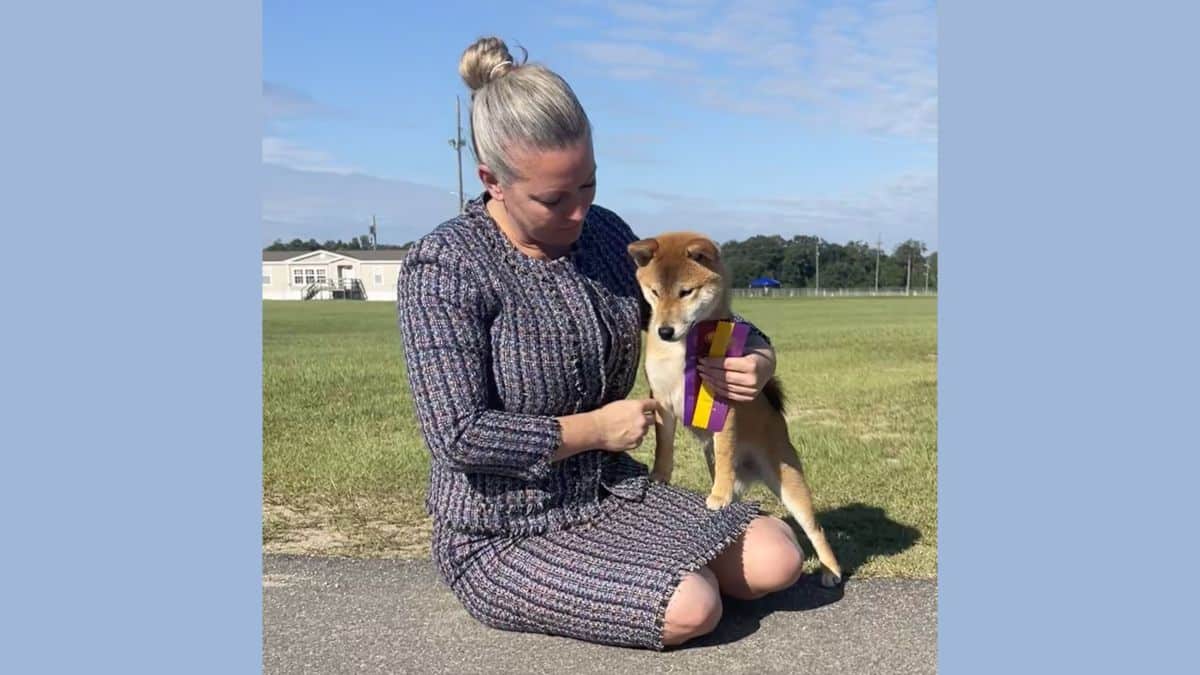
Krissy Stanford shares her path as a Breeder/Owner Handler, discussing Shiba Inu, mentorship, and her focus on preservation breeding.
Meet the Judges
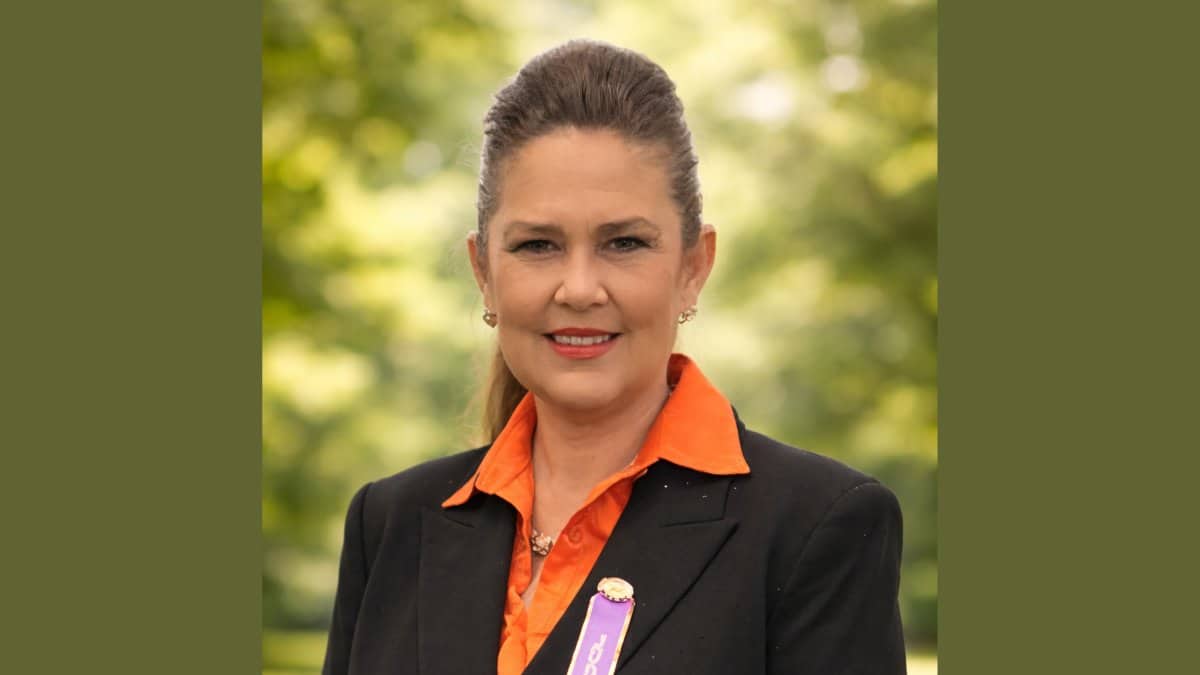
Edna González reflects on judging Non-Sporting breeds at Westminster 2026, sharing insights on her assignments and overall impressions.
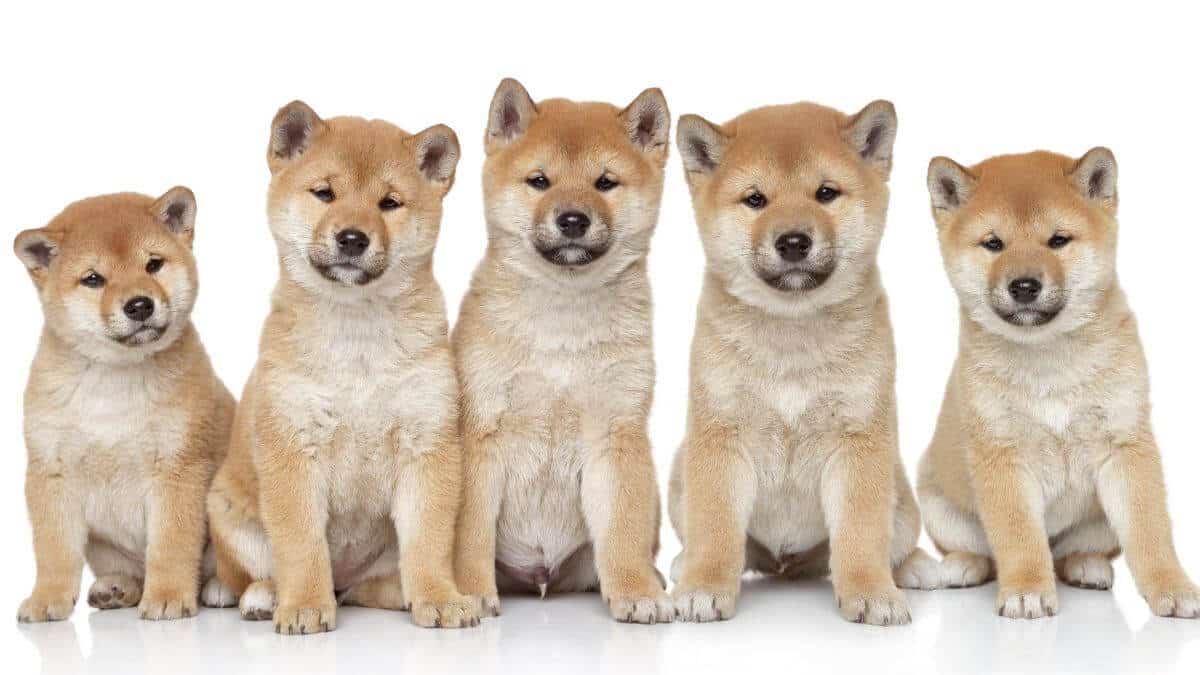
Discover the Shiba Inu, Japan’s smallest Nippon Inu, known for its hunting heritage, intelligence, and family-friendly nature.
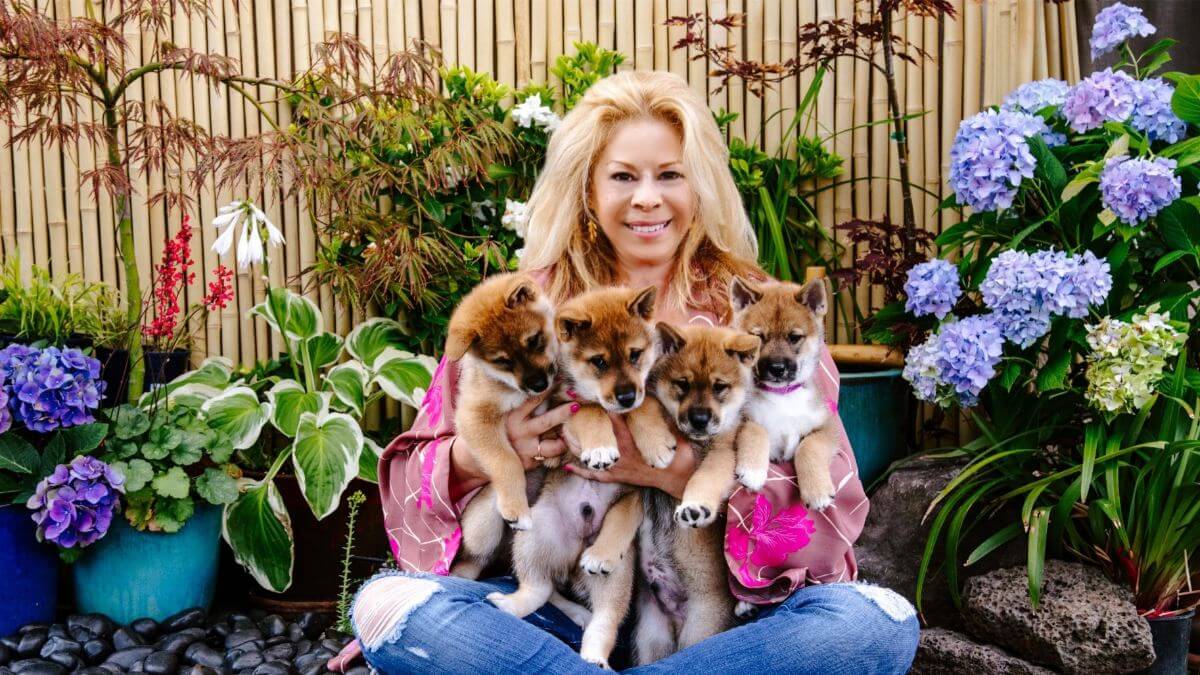

Meet the Breeders
Michelle Gori is the breeder behind the Sierra Ohkami Shikoku. Read about the kennel’s beginnings, the champions, the puppies, and much more!
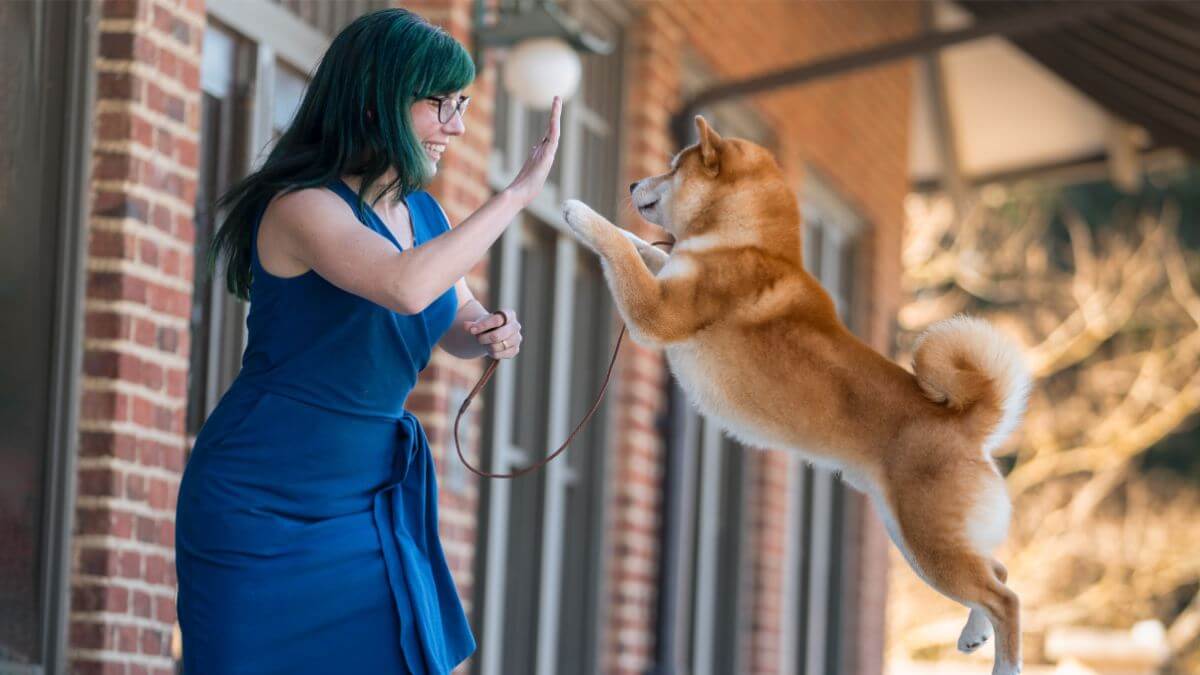
Meet the Owner Handlers
Discover Piper Leiper’s journey as an owner-handler of Shiba Inu, blending zookeeping skills with passion for the breed and the sport!
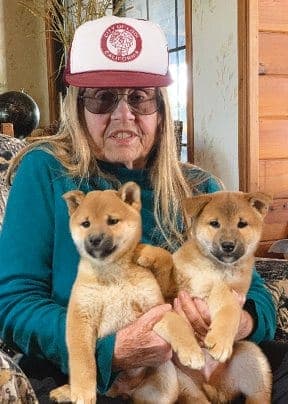
Dog Sports
Explore the independent and charming nature of the Shiba Inu, a small yet bold breed with a fascinating history.
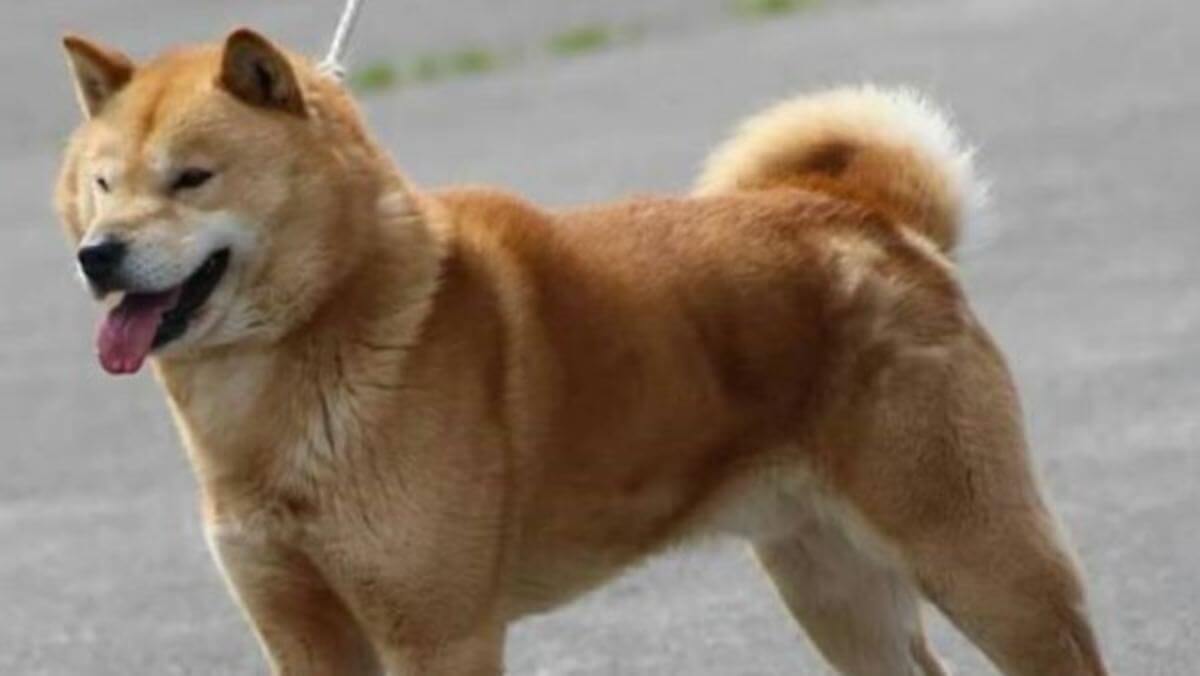

Dog Shows
Discover the unique traits of the six native Japanese dog breeds, the Nihon Ken, and learn to identify them at dog shows.
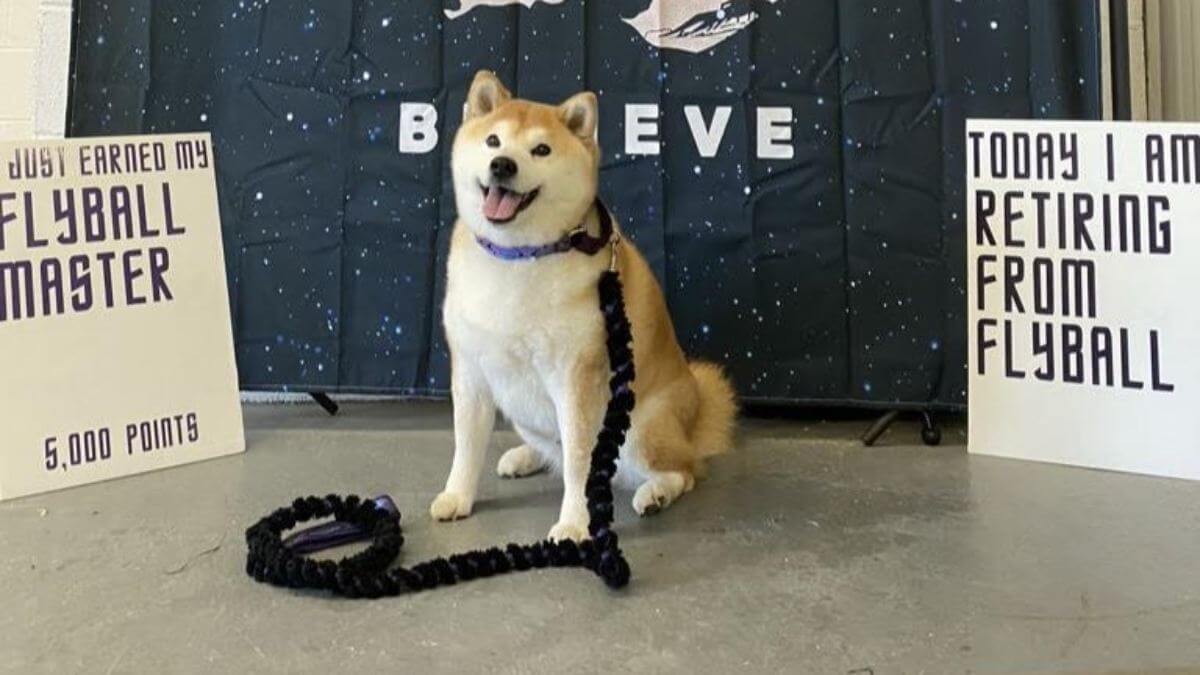
Discover the versatile Shiba Inu, a skilled hunter and keen competitor in various dog sports, breaking stereotypes of being stubborn.
All About Judging
Judging the Shiba Inu: Explore the 10,000-year-old breed’s form, function, and spirited temperament, closely linked to the Asian Gray Wolf.
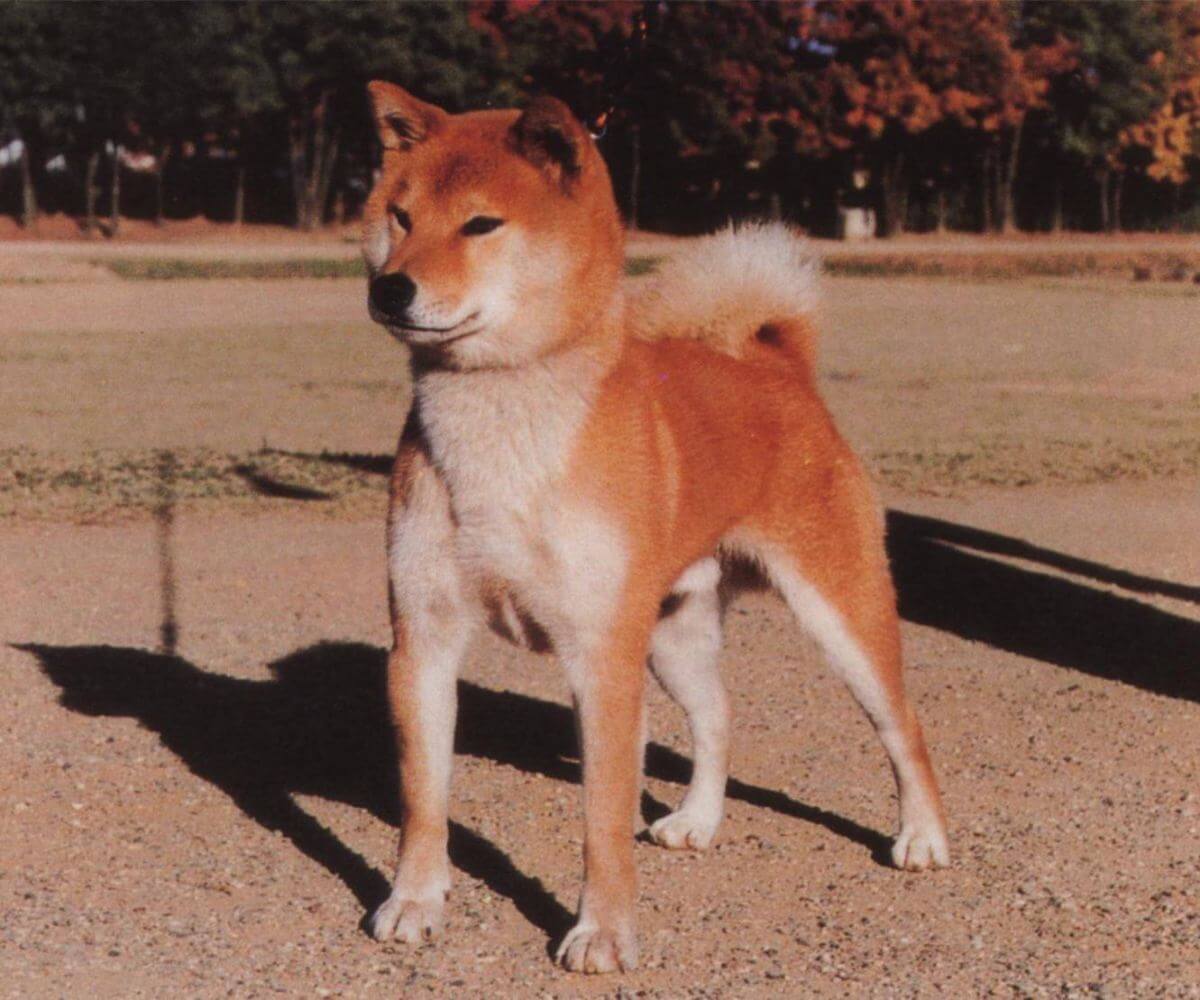
A significant aspect of the Shiba Inu's appearance is its tail. The breed sports a high-set tail that is thick at the root and powerfully carried over the back in a sickle shape or curl. Single curls are preferred over double curls. This characteristic tail not only adds to the breed's distinctive silhouette, it also serves as a sign of the dog’s good health and vigor. The way the tail is carried and curled over the back can vary among individuals, but it always adds to the Shiba's poised and spirited appearance. Whether in motion or at rest, the tail is an expressive feature, conveying the breed's energetic and confident nature.
A Note About Color: The color of the Shiba Inu’s coat can be red, red sesame, or black and tan, with an undercoat that’s considered cream, buff, or gray. “Urajiro” markings of cream or white appear in each color on the sides of the muzzle and on the cheeks, underjaw, upper throat, inside of the legs, on the abdomen, around the vent, and on the ventral side of the tail. Additional markings are specific to each of the three colors, and all colors should be clear and intense.
Coat Type
Double
The structure of the coat this breed carries.
Coat Length
Short
How long the breed's coat grows when kept in condition.
Adaptability Level
How easily a breed copes with changes in home, routine, noise and weather.
Mental Stimulation Needs
How much a breed needs a job, a puzzle or training to stay content.
Feeding a Shiba Inu requires attention to their specific dietary needs at different stages of life. As puppies, Shibas have high energy needs and benefit from a diet that supports their rapid growth and development. Puppy-specific formulas, rich in protein and essential nutrients, are ideal for this stage. It is generally advisable to feed them small, frequent meals throughout the day to support their metabolism and growth.
Transitioning to adulthood, a Shiba Inu's diet should be adjusted to maintain a healthy weight and support their activity levels. Adult Shibas typically do well with two meals per day. The amount of food, often measured in cups, varies based on the dog's size, age, and activity level. A moderate amount, typically around 1 to 1.5 cups of high-quality dry dog food per day, divided into two meals, is usually sufficient for the average adult Shiba Inu. However, this can vary, and it's important to consult with a veterinarian to determine the specific nutritional needs of your dog.
Overfeeding can lead to obesity, which is a concern for the breed. Shibas are known for their agile and lean physique, and maintaining an appropriate weight is crucial for their overall health. Monitoring their diet, alongside regular exercise, ensures they stay in optimal condition.
Training a Shiba Inu presents a unique set of challenges and rewards, primarily due to their intelligent yet independent nature. These dogs are known for their sharp minds, which means they learn quickly, but their independent streak can sometimes make them seem less eager to please compared to other breeds. This characteristic can be particularly noticeable in training sessions, where a Shiba Inu might display selective listening or a seemingly stubborn attitude.
Despite these traits, with the right approach, Shibas can be effectively trained. Positive reinforcement techniques, such as using treats and praises, work well. It's important for their human companions to establish themselves as the pack leader early on, fostering a relationship based on mutual respect and understanding. Consistency and patience are key in training sessions.
As for their tendency to bark, Shibas are generally not excessive barkers. They do vocalize, especially when they have strong feelings about a situation, but they are not known for needless barking. Their intelligence also lends them a certain level of awareness about when to vocalize.
Shibas have a moderate wanderlust potential. While they can be curious about their surroundings, they are also territorial and tend to stay close to their home environment. However, their hunting instincts can sometimes kick in, leading them to chase after small animals. Therefore, a secure, fenced yard and leash training are important.
In regards to predation, Shibas do have a higher prey drive due to their hunting background. It's crucial to manage this instinct, especially in homes with other small pets. Early socialization and training can help mitigate some of these predation tendencies, but it’s important to always be cautious in situations where small animals are present.
Grooming Expectations
Shibas are known for their cleanliness and often engage in cat-like grooming behaviors. However, they do shed, particularly during the shedding seasons in the spring and fall. During these times, more frequent brushing is beneficial to help remove loose fur and minimize shedding around the house. Outside of these shedding seasons, a weekly brushing routine is typically sufficient to keep their coat in good condition. As for the ease of grooming, their short coat does not require professional grooming services as often as other breeds might. Regular brushing, along with basic grooming practices like nail trimming, ear cleaning, and dental care, can be efficiently handled at home. Shedding can be a notable aspect of living with a Shiba Inu, especially during the peak shedding seasons. While they are not heavy shedders year-round, the amount of fur they lose during these periods can be significant. Regular grooming during these times can help manage the shedding.