Members
01/Overview
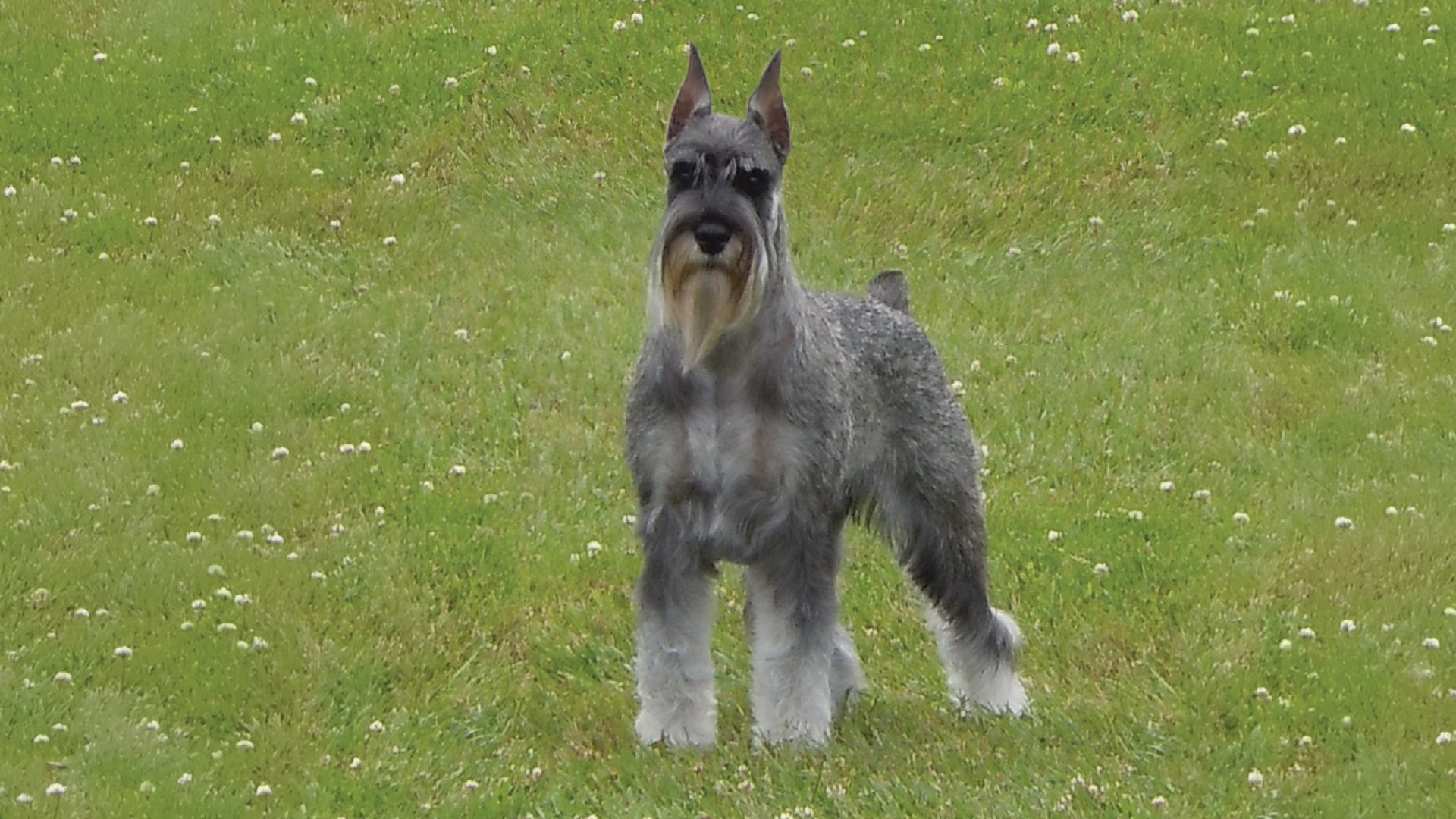
The Standard Schnauzer is a medium-sized dog known for its distinctive appearance, characterized by a wiry coat, bushy eyebrows, and prominent beard. This intelligent, versatile, and spirited breed is the original Schnauzer type, serving as the foundation for both the Miniature and Giant Schnauzers.
Highlights
02/History
The Standard Schnauzer is one of the oldest breeds originating from Germany, with roots dating back to the 15th and 16th centuries. This breed was developed in the regions of Bavaria and Württemberg, where it was known as a “wire-haired Pinscher.” Early depictions of dogs resembling modern-day dogs can be found in artwork and writings from that era. These dogs were primarily used as all-purpose farm dogs, performing a variety of tasks such as herding livestock, guarding property, and controlling vermin populations.
The breed's name, "Schnauzer," comes from the German word for "muzzle," a nod to their distinctive facial furnishings. The Standard Schnauzer played a foundational role in the development of both the Miniature Schnauzer, which was bred down for smaller vermin control work, and the Giant Schnauzer, which was bred up in size to serve as a guard and herding dog.
In the late 19th and early 20th centuries, the breed gained popularity outside of Germany, particularly in Europe and the United States. Standard Schnauzers began to appear at dog shows and were officially recognized by the American Kennel Club (AKC) in 1904. During World War I and World War II, Standard Schnauzers were used as messenger dogs, Red Cross dogs, and guard dogs, showcasing their intelligence, versatility, and working capabilities.
Today, the Standard Schnauzer remains a beloved companion known for its loyal, protective nature and its adaptability to perform well in a variety of activities. The breed continues to excel in roles such as watchdog and family guardian, and as a participant in dog sports like Obedience, Agility, and Rally. The Standard Schnauzer's combination of intelligence, strength, and loyalty has secured its place as one of the most respected and admired breeds in the world.
03/Appearance
Adult males stand between 18.5 and 19.5 inches tall at the shoulder and weigh between 35 and 50 pounds. Mature females stand between 17.5 and 18.5 inches tall and weigh from 30 to 45 pounds.
Skull: Moderately broad and slightly arched at the top, blending smoothly into the muzzle.
Expression: Keen, alert, and intelligent, with a confident and watchful gaze.
Eyes: Medium-sized, oval, and dark brown, set forward and displaying an alert expression.
Ears: Set high on the head, evenly shaped; either cropped and carried erect or uncropped and V-shaped, breaking at the level of the skull and carried forward, close to the cheek.
Muzzle: In balance with the skull, strong, well-developed, and ending in a moderately blunt wedge.
Nose: Always black, large, and full.
Bite: Strong white teeth in a complete scissors bite, where the upper incisors slightly overlap the lower incisors.
The Standard Schnauzer is a squarely built, medium-sized dog, with its height at the withers equal to its body length from the point of the shoulder to the base of the tail. The breed has a sturdy, well-muscled frame, giving an impression of strength and agility without being heavy or coarse. The chest is moderately broad and deep, reaching the elbows, with well-sprung ribs. The topline is straight and strong, slightly sloping toward the rear. Standard Schnauzers exhibit substantial bone and muscle, balanced with an athletic, compact build that reflects their working heritage.
Texture: The Standard Schnauzer has a double coat that offers protection from harsh weather and rough working conditions. The undercoat is soft in texture and lies close to the skin; and the outer coat is tight, hard, wiry, and as thick as possible. The outer coat is typically trimmed (by plucking) to accent the body’s outline. Proper hand-stripping enhances the texture and maintains the breed’s distinctive appearance. The coat on the head, ears, neck, chest, belly, and under the tail may be closely trimmed. On the muzzle and over the eyes, the coat lengthens to form a beard and eyebrows. On the legs, the hair is longer than on the body. The texture of these “furnishings” should be harsh, and the coat should not be so profuse as to detract from the dog’s neat appearance and working capabilities.
Standard Colors
Standard Markings
04/Consider
The Standard Schnauzer is an energetic, intelligent, and loyal breed that thrives in an active household. As a natural protector and working dog, it requires consistent training, socialization, and mental stimulation to develop into a well-mannered companion. While these dogs are affectionate with their families, their strong-willed nature and high intelligence mean they need an experienced and dedicated owner to provide guidance and structure.
Interaction With Family
The level of affection a breed typically shows towards family members and familiar individuals.
Good With Other Dogs
The innate friendliness of a dog towards other dogs can depend on its breed.
Good With Young Children
The degree to which a breed will typically be patient with young children.
Amount Of Shedding
How much hair a breed typically leaves behind on clothes, furniture and floors.
Frequency Of Grooming
How often a breed needs brushing, bathing or a professional trim to stay in condition.
Amount Of Drooling
How prone a breed is to drool, worth knowing before you keep a towel by the door.
Openness To Strangers
How openly a breed tends to greet new people, visitors and strangers.
Protective Nature
How likely a breed is to alert you to anything unfamiliar, and stand between you and it.
Playfulness Level
How enthusiastic a breed stays about games and play well past puppyhood.
Trainability Level
How readily a breed takes direction and works with you rather than around you.
Barking Level
How much a breed uses its voice, and how readily.
Energy Level
How much get-up-and-go a breed brings to an average day.
Health
The Standard Schnauzer is generally a healthy and robust breed, with a lifespan of 13 to 16 years. Thanks to responsible breeding practices, the breed tends to have fewer genetic health issues than many others. However, like all dogs, individuals may be prone to certain health risks that owners should be aware of. Regular veterinary checkups, a balanced diet, and proper exercise contribute to maintaining good overall health.
The Standard Schnauzer is an intelligent, energetic, and confident breed with a strong protective instinct. These dogs are deeply loyal to their families and form strong bonds with their owners, making them excellent companions. Their natural watchdog abilities mean they are alert and cautious around strangers, but they are not aggressive without reason.
The breed is highly intelligent and independent, which can sometimes make training a challenge. Standard Schnauzers need a firm, consistent handler who can establish boundaries while using positive reinforcement. They are generally good with children and other dogs when properly socialized, but their strong-willed nature means early training is essential. They do not like being left alone for long periods and thrive in homes where they receive plenty of interaction, training, and exercise.
Exercise Expectations
Without sufficient exercise, Standard Schnauzers can develop boredom-related behaviors, including excessive barking and destructive tendencies. They thrive in homes with active owners who can engage them both physically and mentally.
Grooming Expectations
Standard Schnauzers adapt well to various living environments, including apartments, as long as they receive sufficient exercise and mental stimulation. They are naturally protective and make excellent watchdogs, but early training is necessary to make sure they do not become overly territorial.
The breed typically does well in households with active families, as these dogs enjoy being involved in daily activities. However, they do not tolerate long periods of isolation and may develop unwanted behaviors if left alone too often. Standard Schnauzers handle moderate cold and warm temperatures well, but extreme weather conditions require precautions such as coats in winter and plenty of shade and water in the summer season.
05/Puppies
Standard Schnauzer puppies are energetic, intelligent, and eager to explore their surroundings. Early training, socialization, and proper nutrition are essential to help them grow into well-mannered and confident adults.
The Standard Schnauzer puppy requires consistent training and early socialization to develop into a well-adjusted adult. Exposure to new people, places, and experiences helps to prevent shyness or excessive territorial behavior. Basic obedience training should begin early, focusing on housebreaking, leash training, and basic commands using positive reinforcement.
The puppy’s diet should include high-quality puppy food designed for medium-sized breeds, divided into three to four meals per day to support steady growth. Overfeeding should be avoided to prevent excessive weight gain, which can impact joint health.
Puppies typically have high energy levels and require frequent play sessions and short walks to develop muscle strength and coordination. However, strenuous exercise should be avoided while their bones and joints are still developing.
Grooming routines should start early, including brushing, nail trimming, and dental care, so the puppy becomes accustomed to handling. Proper care, training, and structure ensure that the Standard Schnauzer puppy matures into a loyal, confident, and well-behaved companion.
06/Activities
Obedience: Standard Schnauzers excel in Obedience due to their intelligence and eagerness to learn, making them strong competitors in structured training exercises.
Rally Obedience: This sport builds on traditional Obedience, allowing Standard Schnauzers to navigate a course with their handler while following a series of commands.
Agility: Their athleticism and quick thinking make Standard Schnauzers well-suited for Agility, where they navigate obstacle courses with speed and precision.
Tracking: With a strong sense of smell, Standard Schnauzers can participate in Tracking, where they follow scent trails and locate hidden objects.
Herding Trials: Some Standard Schnauzers still retain herding instincts and can compete in Herding Trials, guiding livestock through challenging courses.
Scent Work: Using their natural scenting abilities, Standard Schnauzers can participate in Scent Work, locating hidden odors in timed challenges.
Barn Hunt: Their historical role as vermin hunters can make Standard Schnauzers excellent competitors in Barn Hunt, where they locate rats hidden in canisters in a controlled setting.
Schutzhund: While not a common choice, some Standard Schnauzers have the drive to compete in Schutzhund, demonstrating advanced obedience and protection skills.
Therapy Dog Work: Their affectionate nature and confidence allow Standard Schnauzers to excel as Therapy Dogs, offering comfort in hospitals, nursing homes, and schools.
Conformation Shows: Standard Schnauzers often compete in Conformation Shows, where they are judged on how well they conform to a written Breed Standard.
Canine Good Citizen: Many Standard Schnauzers earn their CGC certification, proving they are well-mannered and obedient in public settings.
Gallery
07/Standards
The Standard Schnauzer is recognized by the world’s leading registries and kennel organizations, which categorize the breed into a specific Group based on its unique characteristics. This breed is recognized worldwide under the following Group designations:
The ideal Standard Schnauzer is described by a Breed Standard that is approved by each of the world’s leading registries and kennel organizations. The Standards for this breed may be found in the following links:
08/Clubs
Standard Schnauzer Club of America: Founded in 1933, the SSCA is the AKC-recognized breed club dedicated to the preservation, protection, and advancement of the Standard Schnauzer.
Standard Schnauzer Club of Canada: The SSCC, affiliated with the Canadian Kennel Club (CKC), supports Standard Schnauzer owners with resources on training, health, and responsible ownership. It organizes specialty events and advocates for the breed’s well-being in Canada.
The Schnauzer Club of Great Britain: Established in 1928, this Kennel Club (UK)-recognized club focuses on the promotion and protection of all three Schnauzer varieties, including the Standard Schnauzer.
09/Rescue
For those looking to adopt a Standard Schnauzer, several rescue organizations work to rehabilitate and rehome dogs in need. These groups focus on rescuing, fostering, and finding suitable forever homes for any dog of the breed that has been surrendered or abandoned.
Standard Schnauzer Club of America Rescue Program: Operated by the Standard Schnauzer Club of America, this nationwide rescue network helps to rehabilitate and rehome dogs across the United States while promoting responsible ownership.
Standard Schnauzer Club of Canada Rescue: The SSCC assists in the rescue and rehoming of Standard Schnauzers throughout Canada, ensuring dogs receive proper interim care and placement in responsible homes.
10/Facts
The Oldest Schnauzer Breed
The Standard Schnauzer is the original and oldest of the three Schnauzer breeds, dating back to at least the 14th century in Germany.
Versatile Working Dog
Historically, Standard Schnauzers were used as rat catchers, livestock guardians, and even military messenger dogs during World Wars I and II.
A Painting from the 1400s
One of the earliest known depictions of a Standard Schnauzer appears in a 15th-century painting by Albrecht Dürer.
One of the Smartest Breeds
Ranked among the most intelligent dog breeds, the Standard Schnauzer is known for problem-solving skills and a strong ability to learn commands quickly.
A Rare Middle Size
Unlike breeds that come in different size varieties, the Standard Schnauzer is uniquely positioned as the “original” and middle-sized version between the Miniature and Giant Schnauzers.
Distinctive Beard and Eyebrows
The breed's signature facial furnishings not only add to its expressive look but historically helped to protect against bites from vermin during its ratting days.
11/FAQ
Yes, Standard Schnauzers shed minimally. Regular hand-stripping or professional grooming helps to manage any shedding and maintain the correct coat texture.

Written by
Dan Sayers is the Executive Editor of SHOWSIGHT. He is a member of the World Dog Press Association and the Dog Writers Association of America, which recognized his illustrations in the award-winning Encyclopedia of K-9 Terminology. Dan is a longtime supporter of the sport of dogs and an advocate for the conservation of recognized breeds in all their forms and functions. He is a member of the Morris and Essex Kennel Club, and for 45 years, the Irish Water Spaniel Club of America where he serves as AKC Delegate, Archivist, and approved Breed Mentor. Dan breeds under the Quiet Storm prefix and has judged the IWSCA National Specialty Sweepstakes twice.

Meet the Judges
Robin Hug reflects on judging the 2025 National Dog Show, highlighting quality entries and standout breed performances.

Meet the Judges
John Constantine-Amodei reflects on judging at the 2025 Morris & Essex Kennel Club, his breed assignments, and the show’s timeless tradition.


Meet the Breeders
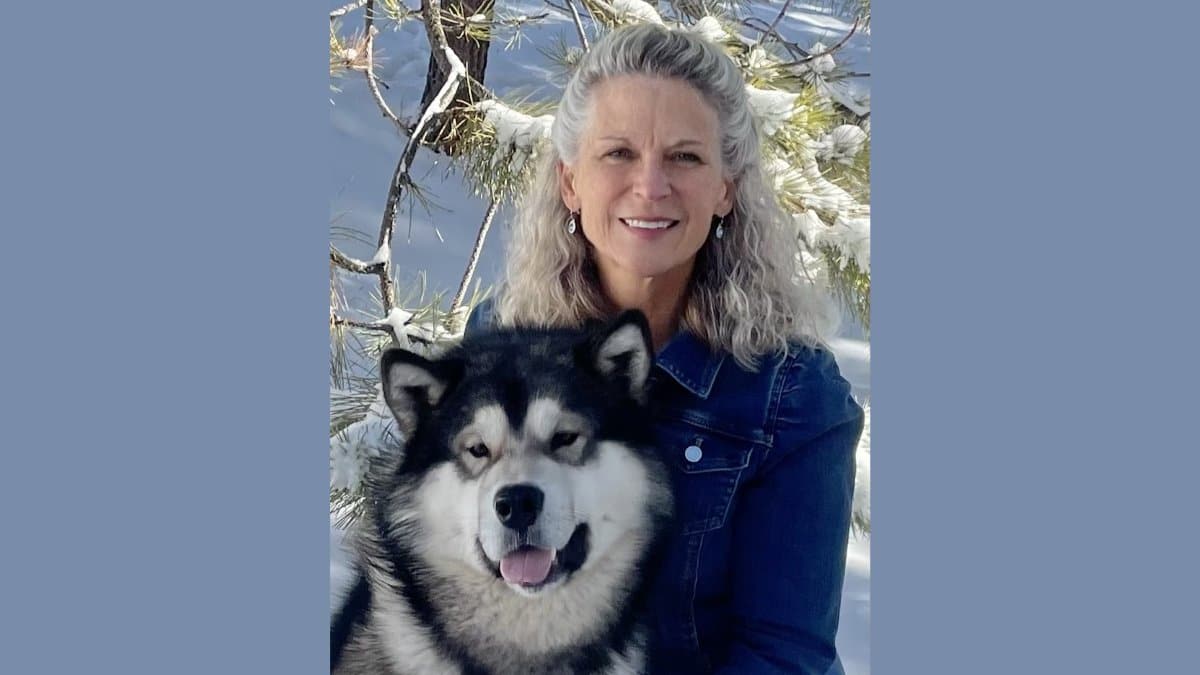
Darcy Morgan of Steadfast shares her passion for breeding healthy, purpose-driven Standard Schnauzers with heart and integrity.
Meet the Breeders
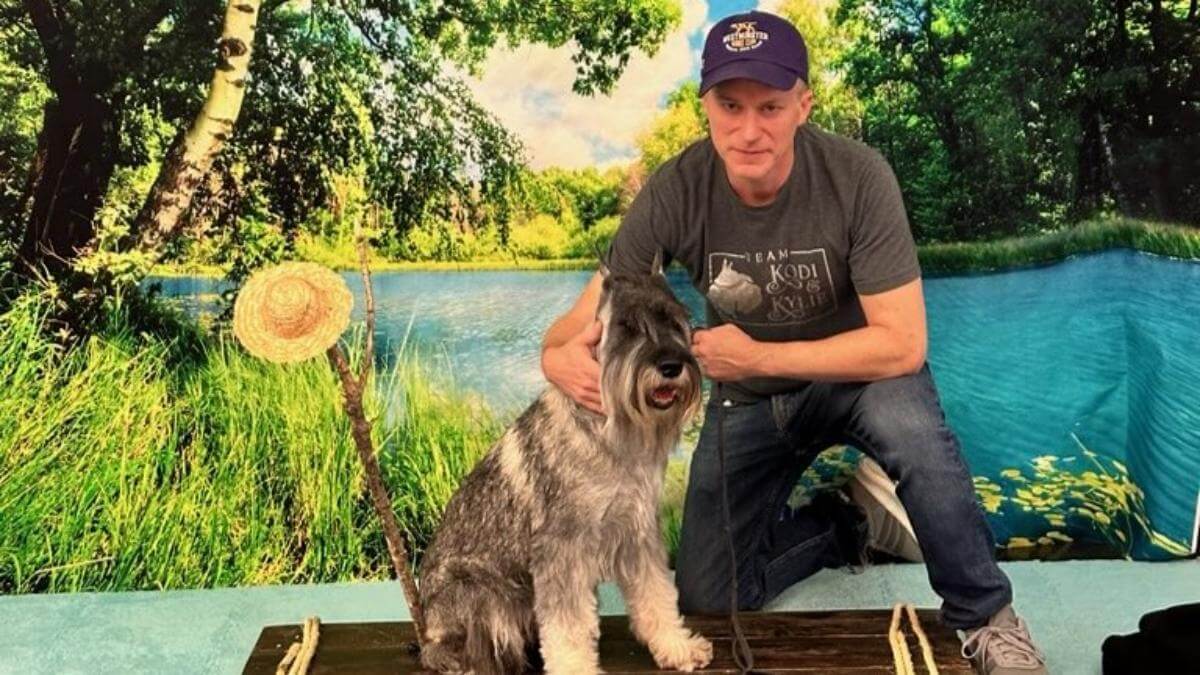
Mark Mansfield of Ausgelassen Standard Schnauzers shares his journey, breeding goals, and passion for improving the breed.
Dog Sports
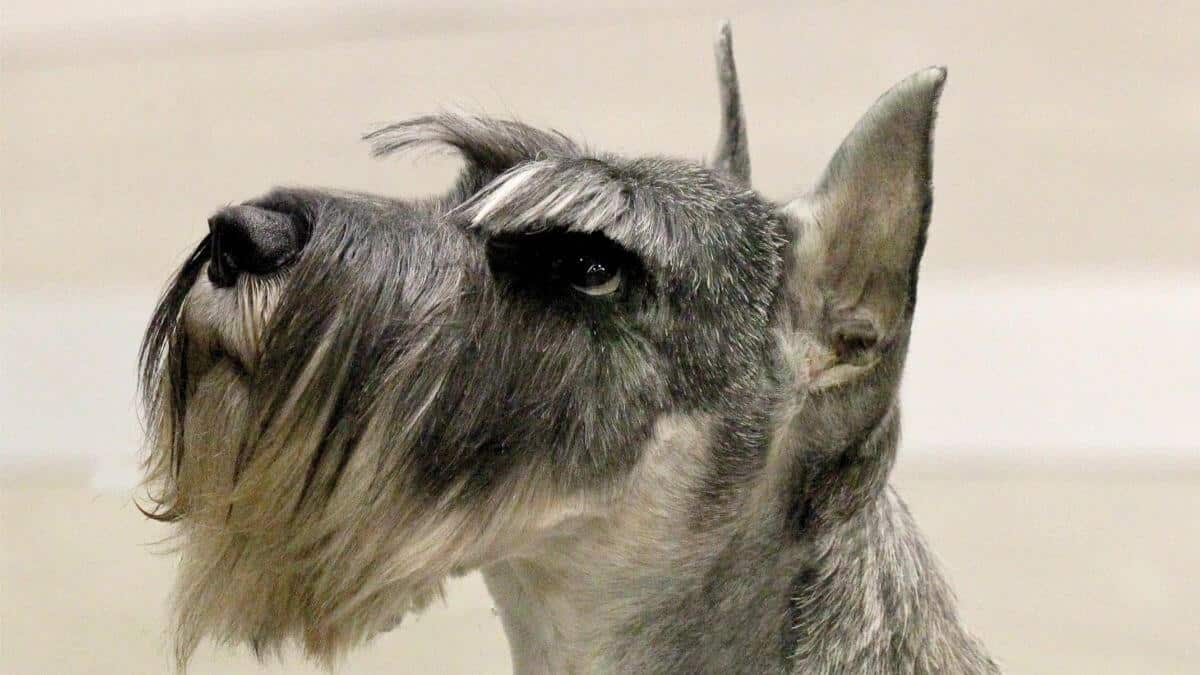
Explore the Standard Schnauzer’s relentless drive, intelligence, and versatility in this all-purpose, problem-solving breed.
All About Judging
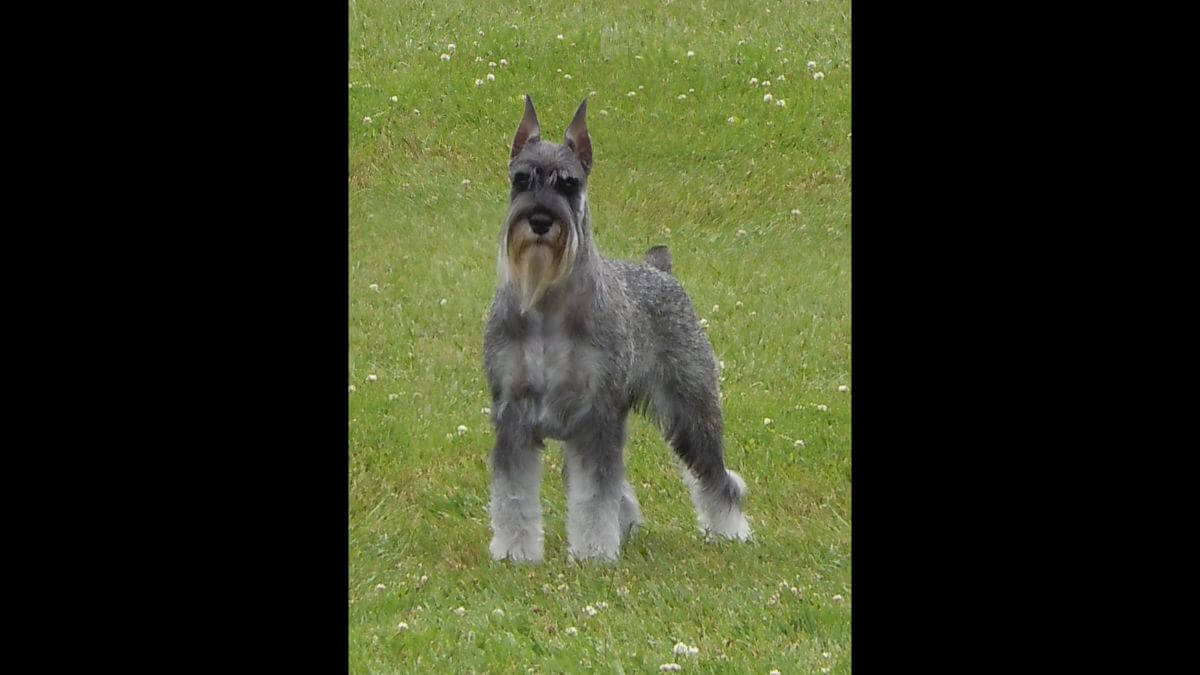
Learn the key traits for judging Standard Schnauzers, including structure, temperament, gait, and coat characteristics.
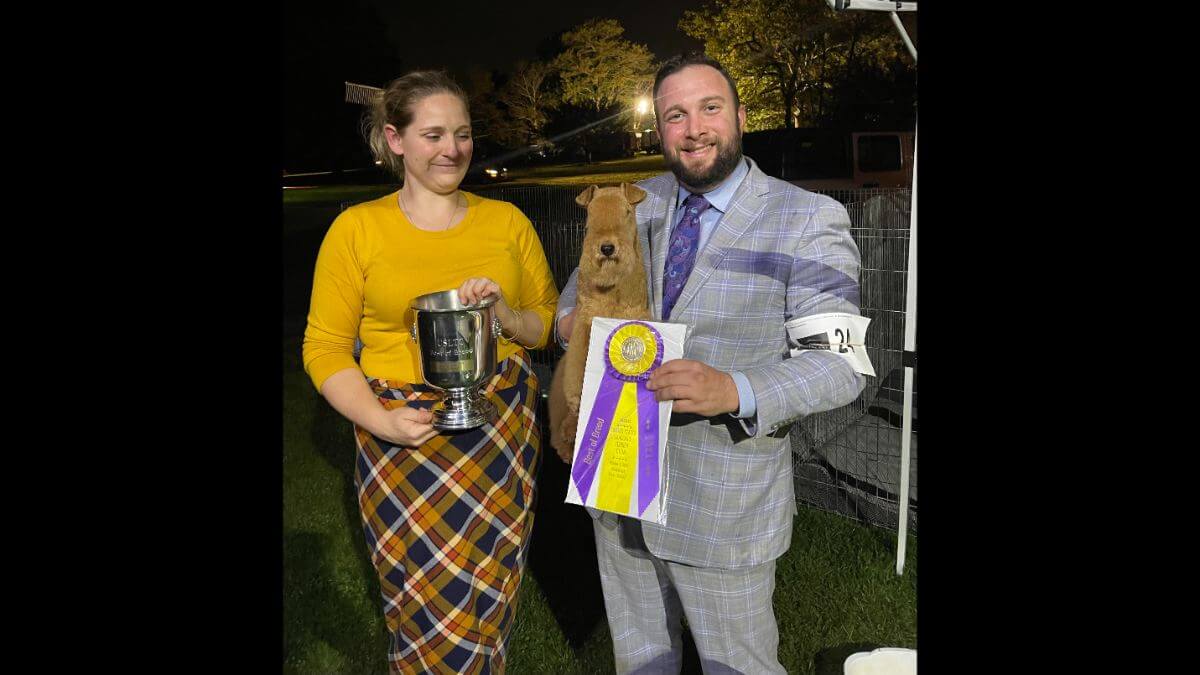
Meet the Breeders
Interview with Sarah & Ariel Cukier, renowned breeders of Lakeland, Airedale Terriers, and Standard Schnauzers, on the sport today.
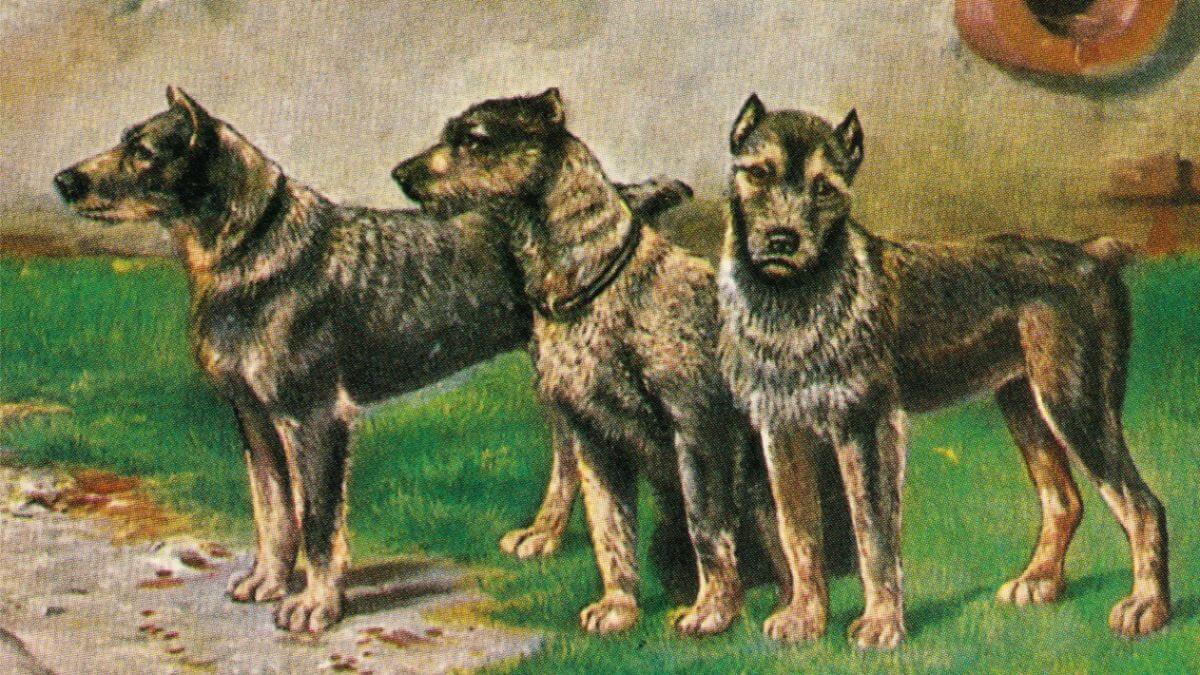
Explore the rich history and development of the Standard Schnauzer, from its origins to modern-day breeding success.
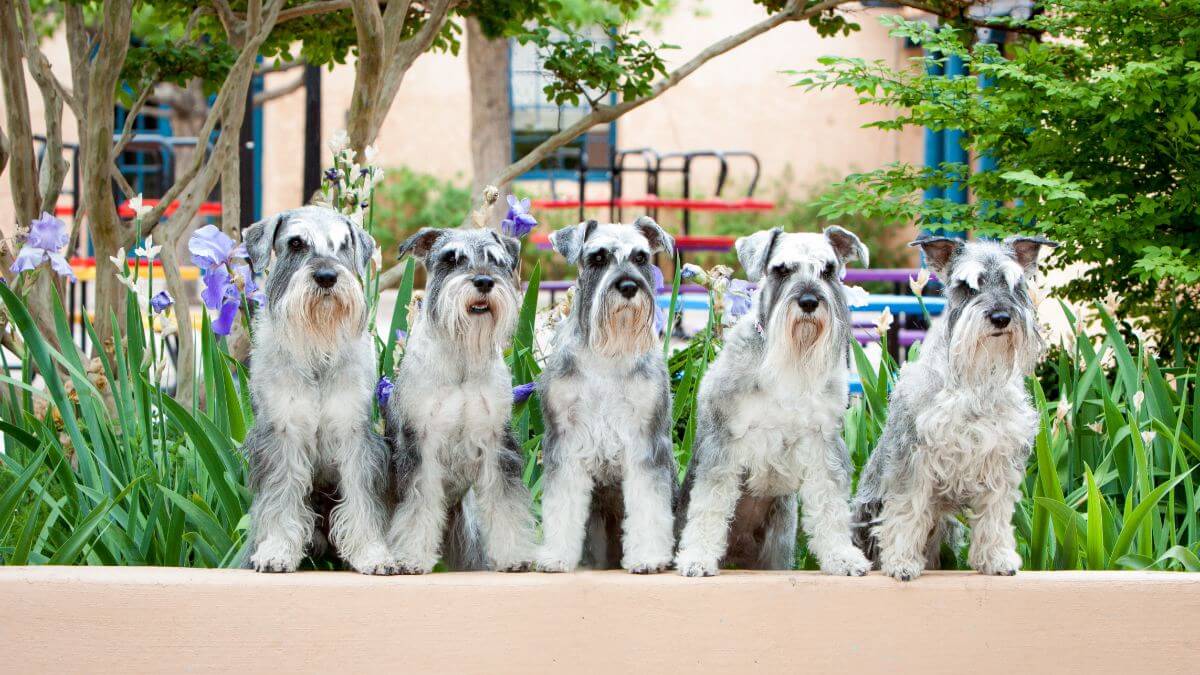

Dog Shows
Explore the versatile Standard Schnauzer: a historic German breed known for its intelligence, health, and success in various sports.
The Standard Schnauzer's tail is typically set moderately high and carried erect. The tail may be docked to a length of not less than one inch and no more than two inches. When undocked, a saber or sickle tail is preferred, though the base should not incline towards the head. Whether docked or undocked, the tail should complement the dog's overall balance and sturdy appearance.
A Note About Color: The Pepper and Salt color results from a combination of black and white hairs banded with black. Acceptable are all shades of pepper and salt, and dark iron gray to silver gray. The undercoat is ideally gray, but a tan or fawn undercoat is acceptable. A darker facial mask that harmonizes with the particular shade of coat color is desirable. The pepper and salt mixture may fade to a light gray or silver white in the eyebrows, whiskers, cheeks, under the throat, across the chest, under the tail, under the body, on the leg furnishings, and inside the legs. The Black coat is ideally a true, rich color, free from any fading or discoloration or admixture of gray or tan hairs. The undercoat should also be solid black. However, increased age and continued exposure to the sun may cause a certain amount of fading and burning. A small, white “smudge” of hairs on the chest is acceptable, but any colors other than those specified, including rust, brown, red, yellow, or tan, and any shadings or mixtures of those colors in the topcoat, are not. In Pepper and Salt dogs, the absence of peppering; spotting or striping; a black streak down the back; or a black saddle without the typical salt and pepper coloring are considered faults in the show ring. In Black dogs, gray hairs in the coat, and any undercoat color other than black, are faults.
Coat Type
Wiry, Double
The structure of the coat this breed carries.
Coat Length
Medium
How long the breed's coat grows when kept in condition.
Adaptability Level
How easily a breed copes with changes in home, routine, noise and weather.
Mental Stimulation Needs
How much a breed needs a job, a puzzle or training to stay content.
A balanced diet is crucial for the Standard Schnauzer’s overall health and longevity. Puppies should be fed a high-quality puppy formula designed for medium-sized breeds to support their growth and development. Meals should be divided into three to four portions per day during their early months to prevent digestive issues.
Adult Standard Schnauzers typically require 1.5 to 2.5 cups of high-quality dry food per day, split into two meals to maintain optimal health and prevent overeating. The diet should include high-quality proteins, healthy fats, and essential vitamins to support an active lifestyle. Owners should avoid excessive treats and human food, as Schnauzers can be prone to weight gain and digestive sensitivities. Fresh water should always be available to prevent dehydration.
Standard Schnauzers are highly intelligent and quick learners, but they have an independent streak that requires consistent training. They respond best to positive reinforcement methods, such as rewards and praise, rather than harsh corrections. Early socialization is essential to help them develop confidence and prevent any territorial behaviors.
These dogs have a strong prey drive and may chase smaller animals, so leash training and secure fencing are important. They are also vocal dogs that will bark to alert their owners of any unusual activity, making training to control excessive barking necessary. Standard Schnauzers excel in Obedience, Rally, and Agility due to their intelligence and eagerness to learn.
Routine grooming includes trimming the beard and leg furnishings, as food and debris can become trapped in these areas. Regular ear cleaning, nail trimming, and dental care are also essential for their overall health. While they do not shed excessively, consistent grooming helps to maintain the breed’s distinctive appearance and keeps the coat in good condition.