Members
01/Overview
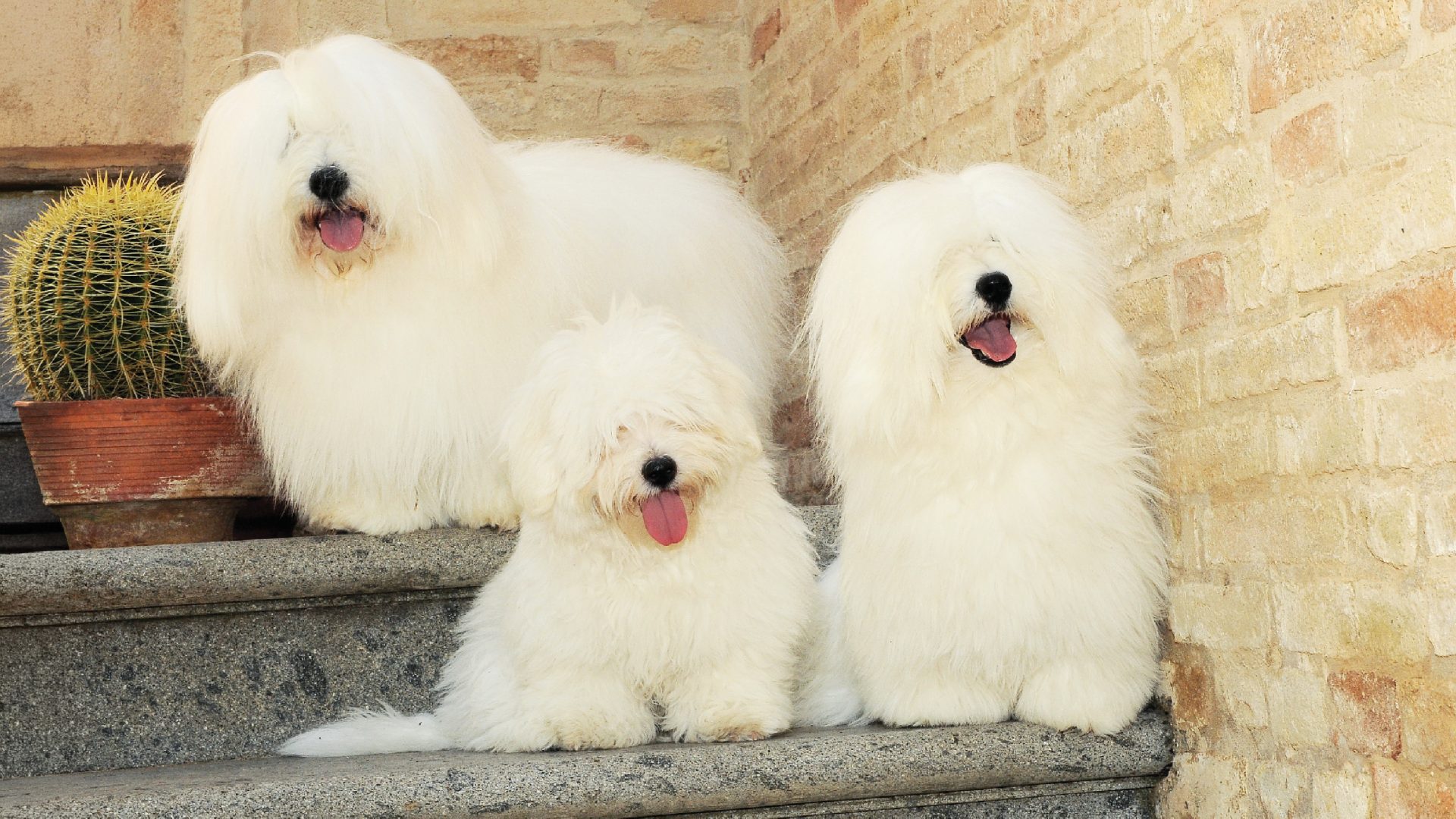
The Coton de Tulear is a small companion breed from Madagascar, recognized for its soft, cotton-like white coat, lively expression, and affectionate nature. Sociable, intelligent, and adaptable, the breed was developed primarily for companionship and forms a close bond with its family.
02/History
The Coton de Tulear originated in Madagascar, an island nation off the southeastern coast of Africa. The breed takes its name from the port city of Tuléar, now known as Toliara, and from the French word coton, referring to its distinctive cotton-like coat.
The breed’s precise ancestry is not fully documented. Small white companion dogs are believed to have reached Madagascar aboard European trading vessels during the colonial period. These dogs may have included Bichon-type breeds related to the Bichon Frise, Maltese, and other small Mediterranean companions.
According to traditional accounts, some of these dogs survived shipwrecks or were brought ashore by sailors and later established themselves around Madagascar’s coastal communities. Over time, they adapted to the island’s climate and developed into a recognizable local type.
Cotons became closely associated with the ruling and wealthy families of Madagascar. The breed was highly valued as a companion and became known as the “Royal Dog of Madagascar.” For a period, ownership was reportedly restricted, which helped to preserve its rarity and elevated social status.
The breed remained largely unknown outside Madagascar until the twentieth century. European travelers and breeders began taking Cotons to France during the 1960s, where organized breeding programs helped to establish a more consistent type and introduced the breed to the international dog show community.
The Fédération Cynologique Internationale recognized the Coton de Tulear in 1970 and classifies it in Group 9, Companion and Toy Dogs, Section 1, Bichons and Related Breeds. The breed later gained recognition from additional kennel organizations in Europe and North America.
The Coton de Tulear entered the American Kennel Club Foundation Stock Service in 1996 and was accepted into the Miscellaneous Class in 2012. The AKC officially recognized the breed in 2014, placing it in the Non-Sporting Group.
03/Appearance
An adult male Coton de Tulear stands from 10 to 11 inches tall at the withers and weighs 9 to 15 pounds. A mature female stands between 9 and 10 inches tall and weighs between 8 and 13 pounds.
Skull: The Coton de Tulear has a short, triangular head when viewed from above. The skull is slightly rounded and broad in relation to its length, with a slight stop.
Expression: The expression is lively, intelligent, and engaging.
Eyes: The eyes are round, dark brown or black, and set well apart. Dark eye rims contribute to the breed’s characteristic expression.
Ears: The ears are triangular, set high on the skull, and carried close to the cheeks. They are covered with long hair and have fine tips that reach toward the corners of the lips.
Muzzle: The muzzle is straight, well developed, and shorter than the skull. It tapers slightly toward the nose without appearing pointed.
Nose: The nose is black, although dark brown may be accepted. The nostrils are well open.
Bite: The teeth may meet in a scissors bite or a level bite, without losing contact.
The Coton de Tulear is longer than tall, with the height at the withers measuring approximately two-thirds of the body length from the point of the shoulder to the point of the buttocks. This rectangular outline is an important breed characteristic.
The body is sturdy and well balanced, with a slightly arched topline over the loin. The chest is well developed and reaches to the elbows, while the ribs are well sprung. Bone is proportionate to the dog’s size, providing substance without creating a coarse or heavy appearance.
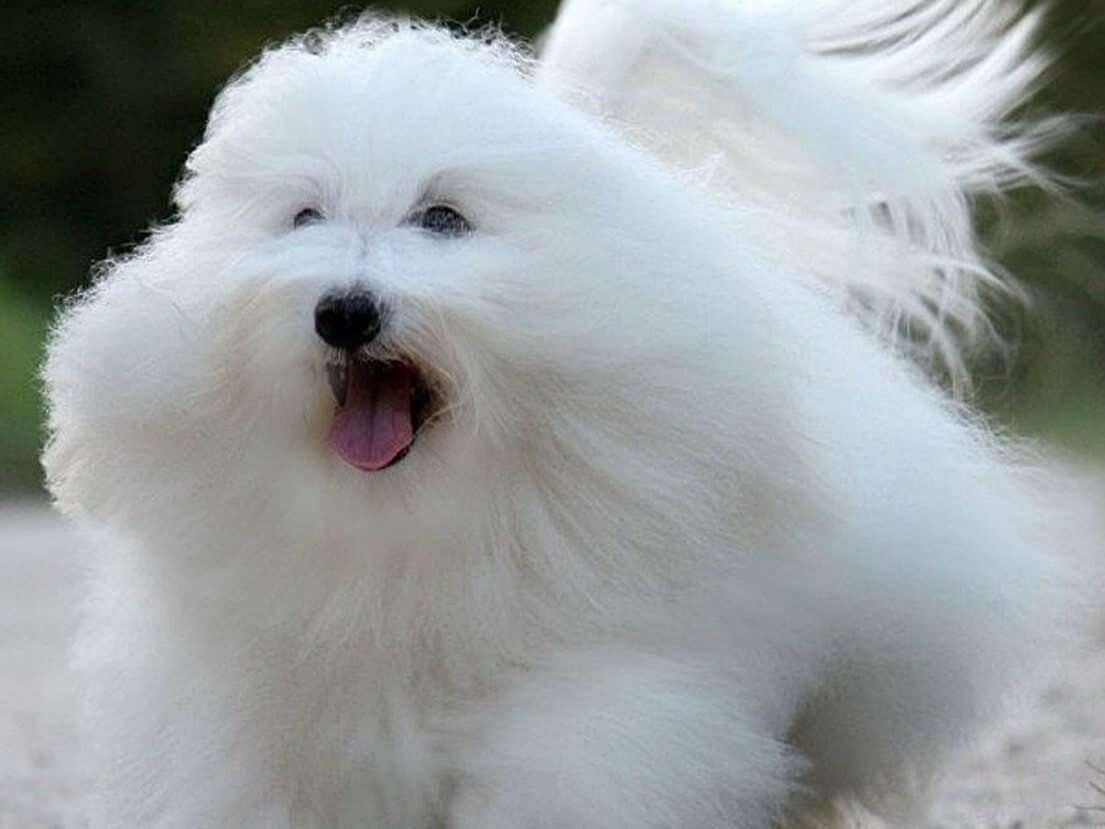
Texture: The Coton de Tulear has a long, dry, profuse coat with a soft, cotton-like texture. The hair is supple and dense, with a slight wave permitted. It should not feel silky, harsh, woolly, or tightly curled. A puppy coat is much softer in texture than an adult coat.
Standard Colors
Standard Markings
04/Consider
The Coton de Tulear is an affectionate, sociable companion that prefers to remain closely involved in family life. Anyone considering the breed should be prepared for regular coat care, consistent training, daily activity, and a dog that may struggle when left alone for extended periods.
Interaction With Family
The level of affection a breed typically shows towards family members and familiar individuals.
Good With Other Dogs
The innate friendliness of a dog towards other dogs can depend on its breed.
Good With Young Children
The degree to which a breed will typically be patient with young children.
Amount Of Shedding
How much hair a breed typically leaves behind on clothes, furniture and floors.
Frequency Of Grooming
How often a breed needs brushing, bathing or a professional trim to stay in condition.
Amount Of Drooling
How prone a breed is to drool, worth knowing before you keep a towel by the door.
Openness To Strangers
How openly a breed tends to greet new people, visitors and strangers.
Protective Nature
How likely a breed is to alert you to anything unfamiliar, and stand between you and it.
Playfulness Level
How enthusiastic a breed stays about games and play well past puppyhood.
Trainability Level
How readily a breed takes direction and works with you rather than around you.
Barking Level
How much a breed uses its voice, and how readily.
Energy Level
How much get-up-and-go a breed brings to an average day.
Health
The Coton de Tulear is generally considered a healthy and long-lived breed and typically has a lifespan of 15 to 19 years. Balanced nutrition, regular exercise, preventive veterinary care, dental hygiene, and maintenance of a healthy weight will support a Coton throughout its life.
The Coton de Tulear is affectionate, cheerful, and strongly attached to its family. This sociable companion usually enjoys being involved in daily activities and often seeks close contact with familiar people.
A Coton can suit a first-time dog caretaker who is prepared to provide regular grooming, training, and companionship. The breed is intelligent and responsive, though inconsistent boundaries can encourage demanding behavior.
Cotons are generally friendly with children, other dogs, and strangers when properly socialized. Their playful nature often suits family life, but interactions with young children should still be supervised.
Because the breed was developed for close companionship, some Cotons dislike being left alone for long periods. Gradual training can help the dog become more comfortable with short absences.
Exercise Expectations
A healthy adult generally benefits from about 30 to 45 minutes of activity each day. Puzzle toys, Scent Work games, and Trick Dog training can provide additional mental stimulation.
Grooming Expectations
The Coton de Tulear adapts well to apartment living when given daily exercise, training, and regular companionship. Its small size is convenient, though some individuals may bark when they notice visitors or unfamiliar activity.
Cotons generally prefer mild indoor conditions and close contact with their families. Their coat offers some protection in cooler weather, but they should not remain outdoors for long periods in severe cold or heat.
Because the breed is highly social, a Coton may struggle in a household where it is left alone for long hours. A home that can provide regular attention, structured activity, and consistent grooming is usually the best fit.
05/Puppies
Coton de Tulear Puppies
Coton de Tulear puppies are playful, affectionate, and eager to remain close to their people. Early routines, positive socialization, gentle training, and regular grooming will help each puppy develop into a confident and well-mannered adult.
A Coton de Tulear puppy benefits from a predictable schedule that includes regular meals, potty breaks, sleep, play, training, and quiet time. A crate or secure puppy area can provide a safe place to rest and support housetraining when direct supervision is not possible.
Early socialization should introduce the puppy to different people, well-mannered dogs, household sounds, surfaces, vehicles, and unfamiliar environments. These experiences should remain positive and appropriate for the puppy’s age.
Training can begin as soon as the puppy arrives in its new home. Short sessions can introduce name response, recall, leash walking, basic manners, and calm behavior around visitors.
A Coton de Tulear puppy should receive a complete and balanced diet formulated for growth. Exercise should focus on supervised play, short walks, and gentle exploration rather than forced running or repetitive jumping.
Grooming should begin early so that the puppy becomes comfortable with brushing, combing, bathing, nail trimming, ear checks, tooth brushing, and general handling. Regular veterinary visits are also important during the first year.
06/Activities
Cotons de Tulear are intelligent, agile, and people-oriented dogs that can enjoy activities requiring focus, coordination, and teamwork. Here are some of the dog sports and activities in which Cotons de Tulear may participate:
Agility: Cotons de Tulear can use their surprising speed, balance, and enthusiasm while navigating obstacle courses.
Obedience: Obedience Trials allow the breed to demonstrate attention, accuracy, and cooperation with a handler.
Rally: Rally Obedience combines a course of numbered stations with varied exercises that can keep training engaging for this responsive companion breed.
Scent Work: Cotons can search for specific odors hidden in containers, indoor spaces, outdoor areas, or vehicles.
Tracking: In Tracking, the dog follows a scent trail across different types of terrain using concentration and persistence.
Fast CAT: This timed 100-yard dash gives the Coton de Tulear an opportunity to run in a controlled setting.
Conformation Shows: Cotons compete in Conformation Shows, where judges evaluate each dog according to the Breed Standard, including structure, movement, coat, expression, temperament, and overall type.
Trick Dog: Trick training provides mental stimulation and strengthens communication between the dog and handler.
Therapy Work: A calm, friendly, and well-socialized Coton may visit hospitals, schools, assisted living facilities, and other settings to provide much-needed companionship.
Canine Good Citizen: Cotons de Tulear may participate in programs that evaluate everyday manners, social behavior, and reliability around people and other dogs.
Gallery
07/Standards
The Coton de Tulear is recognized by the world’s leading registries and kennel organizations, which categorize the breed into a specific Group based on its unique characteristics. This breed is recognized worldwide under the following Group designations:
The ideal Coton de Tulear is described by a Breed Standard that is approved by each of the world’s leading registries and kennel organizations. The Standards for this breed may be found in the following links:
08/Clubs
Coton de Tulear clubs support breed education, responsible breeding, health initiatives, rescue work, and participation in Conformation Shows and performance events.
United States of America Coton de Tulear Club: Founded in 1993, this is the national breed club for the Coton de Tulear in the United States and the breed’s AKC parent club.
Canadian Coton de Tulear Club: Formed in 1993, Canada’s national organization for the breed welcomes Coton breeders, exhibitors, companion dog families, and other breed enthusiasts.
Coton de Tuléar Club of the United Kingdom: Founded in 2001, this is a national breed club that promotes the Coton de Tulear through dog shows and educational initiatives..
09/Rescue
Breed-specific rescue organizations help Cotons de Tulear that may have been surrendered, abandoned, or found in shelters. These groups provide foster care, veterinary treatment, behavioral evaluation, and placement with an appropriate adoptive family.
United States of America Coton de Tulear Club Rescue Resources: The breed’s national club in the United States can provide rescue information and connect people with Cotons needing placement.
Canadian Coton de Tulear Club: This national breed club may be able to provide guidance about Coton rescue, welfare, or rehoming opportunities in Canada.
Coton de Tuléar Club of the United Kingdom: The national breed club can assist with welfare concerns or help connect prospective adopters with Cotons needing new homes in the United Kingdom.
Local shelters and broader animal rescue organizations may also receive a Coton de Tulear or Coton mix. Prospective homes can search national adoption databases, contact nearby shelters, and ask breed clubs about dogs currently needing placement.
10/Facts
Royal Dog of Madagascar
The Coton de Tulear became closely associated with the ruling and wealthy families of Madagascar, earning the nickname “Royal Dog of Madagascar.”
Named for Its Coat and Homeland
The breed’s name combines coton, the French word for cotton, with Tuléar, the former name of the Madagascan port city now called Toliara.
Island Origins
The Coton developed in Madagascar, where small European companion dogs became established and evolved into a recognizable local breed.
Rare Outside Madagascar
The breed remained largely unknown beyond the island until European breeders began introducing Cotons to France during the twentieth century.
11/FAQ
Cotons de Tulear can make excellent pets for families, singles, and seniors who want an affectionate and sociable companion. They do best with regular attention, training, grooming, and daily activity.

Written by
Dan Sayers is the Executive Editor of SHOWSIGHT. He is a member of the World Dog Press Association and the Dog Writers Association of America, which recognized his illustrations in the award-winning Encyclopedia of K-9 Terminology. Dan is a longtime supporter of the sport of dogs and an advocate for the conservation of recognized breeds in all their forms and functions. He is a member of the Morris and Essex Kennel Club, and for 45 years, the Irish Water Spaniel Club of America where he serves as AKC Delegate, Archivist, and approved Breed Mentor. Dan breeds under the Quiet Storm prefix and has judged the IWSCA National Specialty Sweepstakes twice.
Official Standard of the Coton de Tulear
General Appearance: The Coton de Tulear, also known as the "Royal Dog of Madagascar", is a hardy, sturdy small white companion dog. The breed is endowed with a bright intelligence, is gay and energetic, and at times boisterous but never demanding. The Coton de Tulear is naturally clownish and lighthearted, as well as calm and easygoing. The breed possesses a remarkable gentle, sympathetic awareness to those around and is known for expressing unique vocalizations. In Madagascar, the Coton de Tulear survived in packs in the wilderness, later to become a companion dog of the native Malagasy and Merina tribal nobles. The Coton de Tulear is as unique as many animals found on this wild and isolated island. The Coton de Tulear is characterized by a natural long, white, dry, profuse, cotton-like coat, rounded lively dark eyes, black on white “joie de vivre” expressive smile and witty personality. The breed is somewhat longer than tall. The topline is very slightly arched over the loin with a happily carried tail curved over the back on the move. At rest, the tail is down with an upward hook at the tip revealing the distinguishing outline of the Coton de Tulear.
Size Proportion, Substance: Size - Height - The ideal height for bitches is 9 to 10 inches and for dogs is 10 to 11 inches. A tolerance of ½ inch below the minimum ideal height or 1 inch above the maximum ideal height is allowed but not preferred. Disqualification - any bitch less than 8½ inches or taller than 11 inches in height; any dog less than 9½ inches or taller than 12 inches in height. The minimum height disqualification does not apply to puppies under 12 months of age. Substance - Weight - The Coton de Tulear is a sturdy small dog and should never appear fragile. The ideal weight for bitches is 8 to 13 pounds and for dogs is 9 to 15 pounds. When dogs are judged equal in type, proportion, coat and movement, the bitch/dog within the ideal height and weight range is to be given preference. Proportion - The height measured at the withers is two-thirds the length as measured from point of shoulder to point of buttocks. This proportion creates a rectangular outline. Specimens should never appear long and low.
Head: The head is short and triangular in shape when seen from above. The length of the head (nose to occiput) in relationship to the length of the body (point of shoulder to point of buttock) is 2 to 5. Expression - The expression is lively, intelligent, inquisitive, alert and happy. The Coton’s “joy of life” is displayed in their expression. Eyes - The eyes are rather rounded, dark brown or black in color, lively, set wide apart with the inner corners and the outer corners on the same level. The rims of the eyelids are completely pigmented in black. Severe Fault - An overly large or bulging eye is a severe fault as is an almond shaped, obliquely set eye. Disqualifications - Eye/s of any color other than brown or black. Total lack of pigment on the eye rim(s). Ears - The ears are pendulous, triangular, set high on the skull and attached above the line of the eyes. They are fine at the tips, carried close to the cheeks and reach to the corners of the lips. The ears are covered with white hairs or with some traces of grey (mixture of white and black hairs giving a light grey appearance) or light tan (mixture of white and light tan hairs.). Skull - The skull as seen from the front is slightly rounded. It is rather wide in relation to its length. The superciliary arches are only slightly developed. There is a slight frontal groove. The occiput and crest are only slightly accentuated. The zygomatic arches are well developed. Stop - The stop is slight. Cheeks - The cheeks are lean. Muzzle - The muzzle is straight. The length of the muzzle in relationship to the skull is 5 to 9. The muzzle as seen from the front must be rather large and capacious with a strong chin. Nose - At the end of the nasal bridge, the nose continues as an extension of the same line. The nose has the shape of a rounded triangle, is completely pigmented in black with the nostrils well-open. Disqualification - Total lack of pigment on the nose. Lips - The lips are fine, tight, and completely pigmented black. Disqualification - Total lack of pigment on the lips. Flews - The flews are tight. Teeth - The teeth are well-aligned, strong, white. Complete dentition is preferred with the exception of the PM1 and the M3. Bite - The bite is a scissor or level bite without losing contact.
Neck, Topline, Body: The neck is slightly arched, of moderate length, blends smoothly into the shoulders and is in balance with the height and length of the dog. Topline - The withers are only slightly pronounced. The topline runs smoothly from the withers to the loin. Beginning over the loin, is a graceful natural arch, not too accentuated, that carries through over the croup. The arch is continuous without flatness, resulting in a low tail set. Fault - A dip behind shoulder blades or a steep or flat croup is to be penalized. Severe Fault - A wheel back or flat back are to be severely penalized. Body - The body is longer than high. The height measured at the withers is two-thirds the length as measured from point of shoulder to point of buttocks. This proportion creates a rectangular outline. Chest - The chest is long, well-developed and well-let down to elbow level. The forechest is well-pronounced and protrudes well-forward of the point of shoulder. Ribs - The ribs are well-sprung. The ribcage extends well-back. Underline - The underline follows the profile of the sternum, then rises slightly toward the belly. Tuck-up - The belly is tucked-up but not excessively. Back - The back is strong. Loin - The loin is well-muscled and short. It is fundamental that the loin is short. If it is wide and strong, it helps to give stability to the entire dog’s movement. Croup - The croup is oblique, short and muscled. Tail - The tail is low set in the axis of the spinal column. At rest it is carried below the hock with the tip being raised. On the move the tail is carried happily. It is curved over the back so that the hair of the tail rests on the back with the point towards the nape, the withers, the back or the loin. In specimens with abundant coat, the tip may rest on the dorsal-lumbar region. Fault - A tail that does not reach the hock; a tail that has a complete curl loop; a gay tail; a tail that is carried completely flat over the body (snap tail). Disqualification - No tail.
Forequarters: Shoulders - The shoulder is muscular. Shoulder Blades - The shoulder blades are laid back to somewhat near a 30 degree angle off the vertical. Upper Arm - The length of the upper arm corresponds approximately to that of the shoulder blade. The upper arm extends well back so that the elbow is placed directly below the top of the shoulder blade when viewed from the side and structurally the elbows are held close to the body. The scapula- humeral angle is about 120 degrees. Legs - The front legs are upright. The lower arms are vertical and parallel. They are well-muscled with good bone. The length of the lower arm corresponds approximately to that of the upper arm. The corpus (pastern joint) is a continuation of the line of the lower arm. There is no bow or curve in the forearm or wrist. Pasterns - The pastern is strong. When seen in profile, it is sloping very slightly. Dewclaws may be left natural or may be removed. Feet - The feet are small and round. Toes - The toes are tight and arched. Pads - The pads are completely pigmented black.
Hindquarters: Angulation - The pelvis is sloped at approximately 30 degrees off the horizontal. The pelvis meets the femur at an angle of about 80 degrees. The angle of femur to lower thigh is about 120 degrees. Legs - The hind legs are muscular from hip to hock. Upper and Second Thigh - The upper thigh and lower thigh are approximately equal in length. Hock Joint - The hock joint is dry and well defined. The height of the hock joint when measured to the ground is slightly less than the length of the lower thigh. Hocks (Rear Pastern) - The rear pastern is perpendicular to the ground from any angle. Dewclaws - Dewclaws may be left natural or may be removed. Feet - The feet are small and round. Toes - The toes are tight and arched. Pads - The pads are completely pigmented black.
Coat: This is one of the main characteristics of the breed from which its very name derives. The coat is very soft and supple, with the texture of cotton. It is never hard or rough. The coat is dense, profuse and can be very slightly wavy. A puppy coat is much softer in texture than an adult coat. Severe Fault -Atypical hair or hair that is tightly curled, wooly or silky. Skin - The skin is fine and stretched tight all over the body. Although of pink color, it can be pigmented.
Color: Coat color is white. On the ears - A few slight shadings of light grey (mixture of white and black hairs) or of light tan (mixture of white and light tan hairs) are permitted on the ears. These shadings are only tolerated but are not desirable. Exception - Ears are not considered when applying the excess of 5 percent color to the body as a serious fault. On the body - Light tan shadings (mixture of white and light tan hairs) are permitted on 5 percent of the body of an adult Coton over 12 months of age. These light tan shadings may appear in one area of the coat or scattered throughout the coat. These shadings should never be so intense or deep in color or be so heavily marked on the coat that they alter the overall appearance of a white coat. When all other considerations are equal, the judge should give preference to the dog whose coat has the most amount of white. Severe Fault- Any color, except 5 percent of light tan (mixture of white and light tan hair) appearing in one area of the coat or scattered throughout the coat is a severe fault in an adult Coton over 12 months of age. Exception: Puppy Color - does not apply to puppies with color under 12 months of age. Puppies with color under 12 months of age may have the acceptable colors of light tan, light brown, dark brown, chestnut or grey on the body and head. These colors have the potential to fade to the acceptable 5 percent allowance by one year of age and should not be penalized. Disqualification - Black on the body is a disqualification at any age.
Gait: When trotting the gait is a moderate free and easy movement. The top line is retained on the move. There should be no sign of uneven movement.
Temperament: Of a happy temperament, stable, very sociable with humans and other dogs, adapting perfectly to all ways of life. The temperament of the Coton de Tulear is one of the main characteristics of the breed.
Presentation: The dog must be shown as naturally as is consistent with good grooming. His coat should be clean and free of mats. In mature specimens, the length of coat may cause it to fall to either side down the back but it should not appear to be artificially parted. The long, untrimmed head furnishings may fall forward over the eyes, or be brushed backwards over the skull. The hair on the very bottom of the feet and between the pads may be trimmed. Any other trimming or sculpting of the coat or any grooming which alters the natural appearance is to be severely penalized.
Faults: Any deviation from the ideal described in the standard should be penalized to the extent of the deviation. A tail that does not reach the hock; a tail that has a complete curl (loop); a gay tail; a tail that is carried completely flat over the body (snap tail). A dip behind shoulder blades or a steep or flat croup is to be penalized.
Severe Faults: A wheel back or flat back are to be severely penalized. An overly large or bulging eye is a severe fault as is an almond shaped, obliquely set eye. Atypical hair or hair that is tightly curled, wooly or silky. Any trimming, sculpting or grooming of the coat which alters the natural appearance. Any color, except 5 percent of light tan (mixture of white and light tan hair) appearing in one area of the coat or scattered throughout the coat is a severe fault in an adult Coton over 12 months of age.
Disqualifications: Height - Any bitch less than 8½ inches or taller than 11 inches in height; any dog less than 9½ inches or taller than 12 inches in height. The minimum height disqualification does not apply to puppies under 12 months of age. Eye(s) of any color other than brown or black. Total lack of pigment on the eye rim(s), nose or lips. Color - Black on the body is a disqualification at any age. No tail.
Approved September 11, 2013
Effective October 1, 2013


Meet the Judges
Edna González reflects on judging Non-Sporting breeds at Westminster 2026, sharing insights on her assignments and overall impressions.
Dog Shows
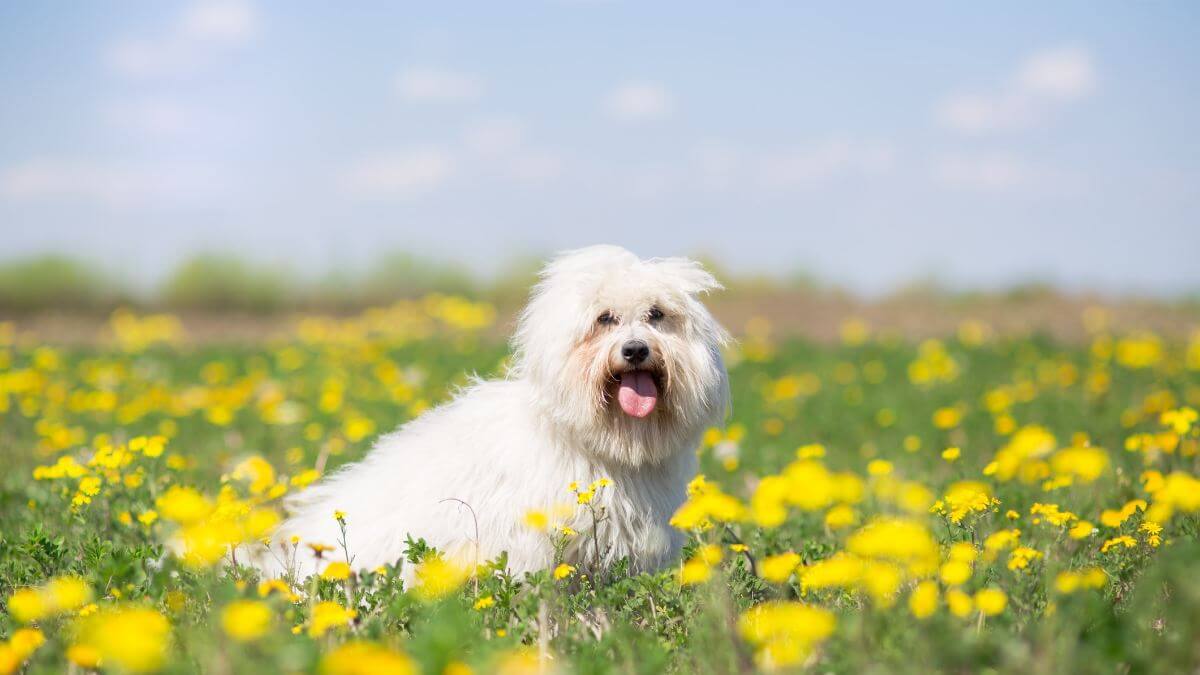
The Coton de Tulear is a charming, versatile, and active breed, perfect for families and adaptable to many lifestyles.
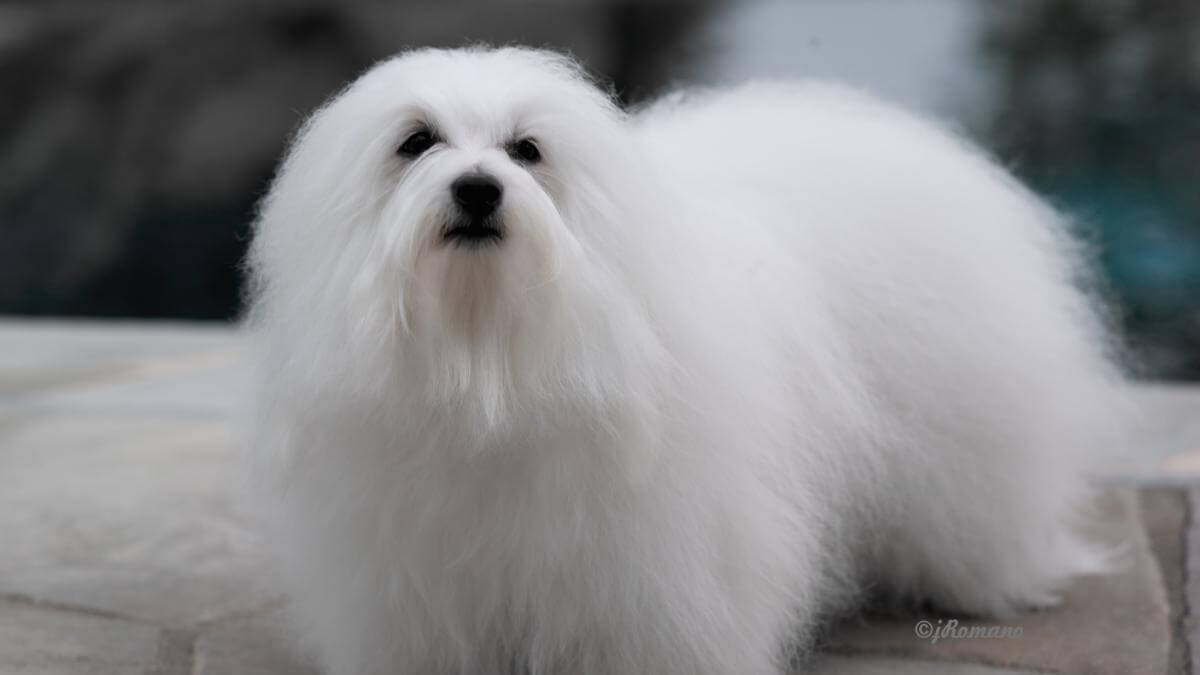
Explore the adventurous history of the Coton de Tulear, from pirates and shipwrecks to its rise as the Royal Dog of Madagascar.
Dog Clubs
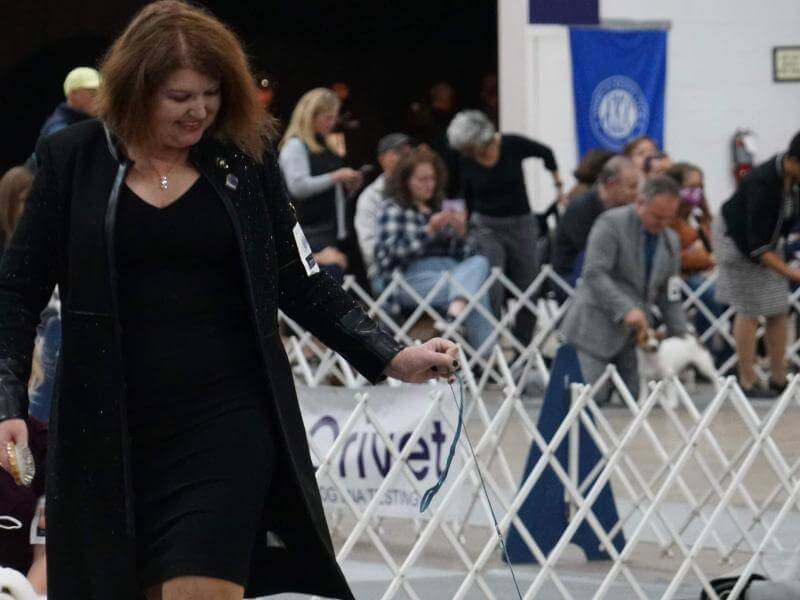
Uncover the influence of age in dog shows, celebrating enduring passion among seasoned enthusiasts in the vibrant canine community.
All About Judging
Uncover Coton de Tulear tail standards, faults & conformation’s influence. Seek expert breed insights at USACTC for accurate interpretation!
All About Judging
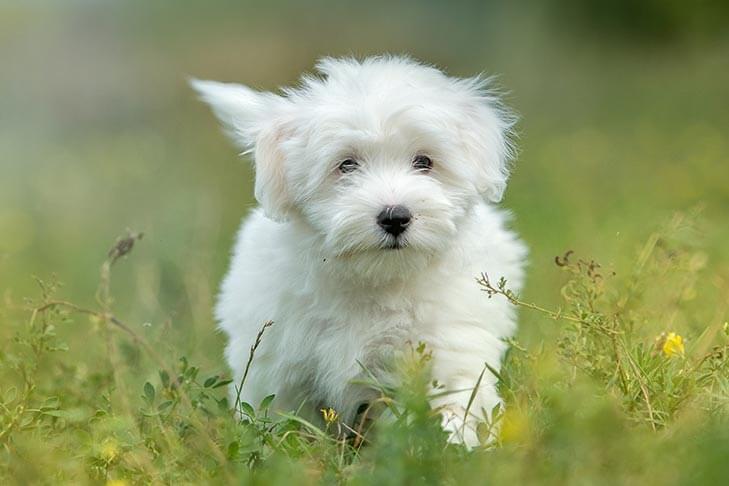
Purebred Coton de Tulear – Do not hesitate to call for the wicket! Correct height is the base of all purebred Coton de Tulear ratios.
All About Judging
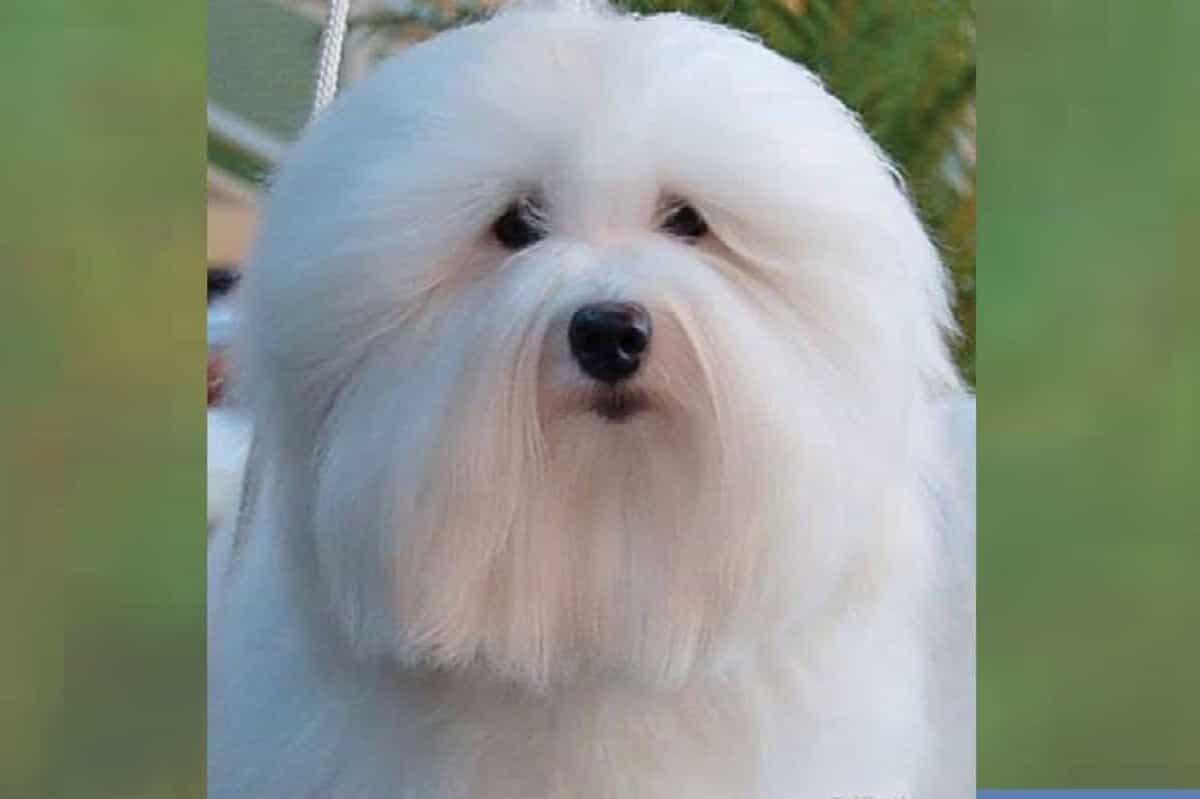
Explore the Coton de Tulear with guidance from the USACTC: key judging aspects, including coat, color, topline, and movement.
The tail is set low and extends below the hock when the Coton de Tulear is at rest, with the tip raised. When the dog is moving, the tail is carried happily in a curve over the back, with the tip directed toward the neck, withers, back, or loin.
A Note About Color: The coat color of the Coton de Tulear is white. A few slight shadings of light grey (mixture of white and black hairs) or of light tan (mixture of white and light tan hairs) are permitted on the ears. Light tan shadings (mixture of white and light tan hairs) are permitted on five percent of the body (excluding the ears) of an adult Coton over 12 months of age. These light tan shadings may appear in one area of the coat or scattered throughout the coat. These shadings should never be so intense or deep in color or be so heavily marked on the coat that they alter the overall appearance of a white coat. Any color, except five percent of light tan (mixture of white and light tan hair) appearing in one area of the coat or scattered throughout the coat is a severe fault in the show ring on an adult Coton over 12 months of age. This does not apply to puppies with color under 12 months of age. Puppies with color under 12 months of age may have the acceptable colors of light tan, light brown, dark brown, chestnut, or grey on the body and head. These colors have the potential to fade to the acceptable five percent allowance by one year of age and should not be penalized. Black on the body is a disqualification in the show ring at any age.
Coat Type
Double, Wavy
The structure of the coat this breed carries.
Coat Length
Long
How long the breed's coat grows when kept in condition.
Adaptability Level
How easily a breed copes with changes in home, routine, noise and weather.
Mental Stimulation Needs
How much a breed needs a job, a puzzle or training to stay content.
A Coton de Tulear should receive a complete and balanced diet suited to the dog’s age, activity level, and body condition. Portions should be measured carefully because small dogs can gain excess weight from relatively minor overfeeding.
A puppy generally needs three or four small meals each day before gradually moving to two meals. Most adult Cotons are fed twice daily and can eat approximately one-half to one cup of dry food per day, depending on the food given and the dog’s weight and activity level.
Treats should remain limited, and fresh water should always be available.
The Coton de Tulear is intelligent, eager to please, and generally responsive to positive training methods. Short, varied sessions using praise, food rewards, toys, and play are usually most effective.
Early socialization should introduce the puppy to different people, dogs, sounds, surfaces, and environments. Clear expectations are important because this clever companion may develop unwanted habits when rules are inconsistent.
Cotons can be vocal when visitors approach or when they become excited. Training can teach the dog to settle after giving an alert, while regular companionship and activity can curtail nuisance barking.
Companion dogs may be kept in a shorter trim, while show dogs are presented in a full natural coat. Both styles require regular bathing, drying, and careful coat maintenance. The Coton sheds relatively little, but loose hair can remain trapped within the coat. Nails should be trimmed regularly, ears should be checked for irritation or debris, and teeth should be brushed routinely.