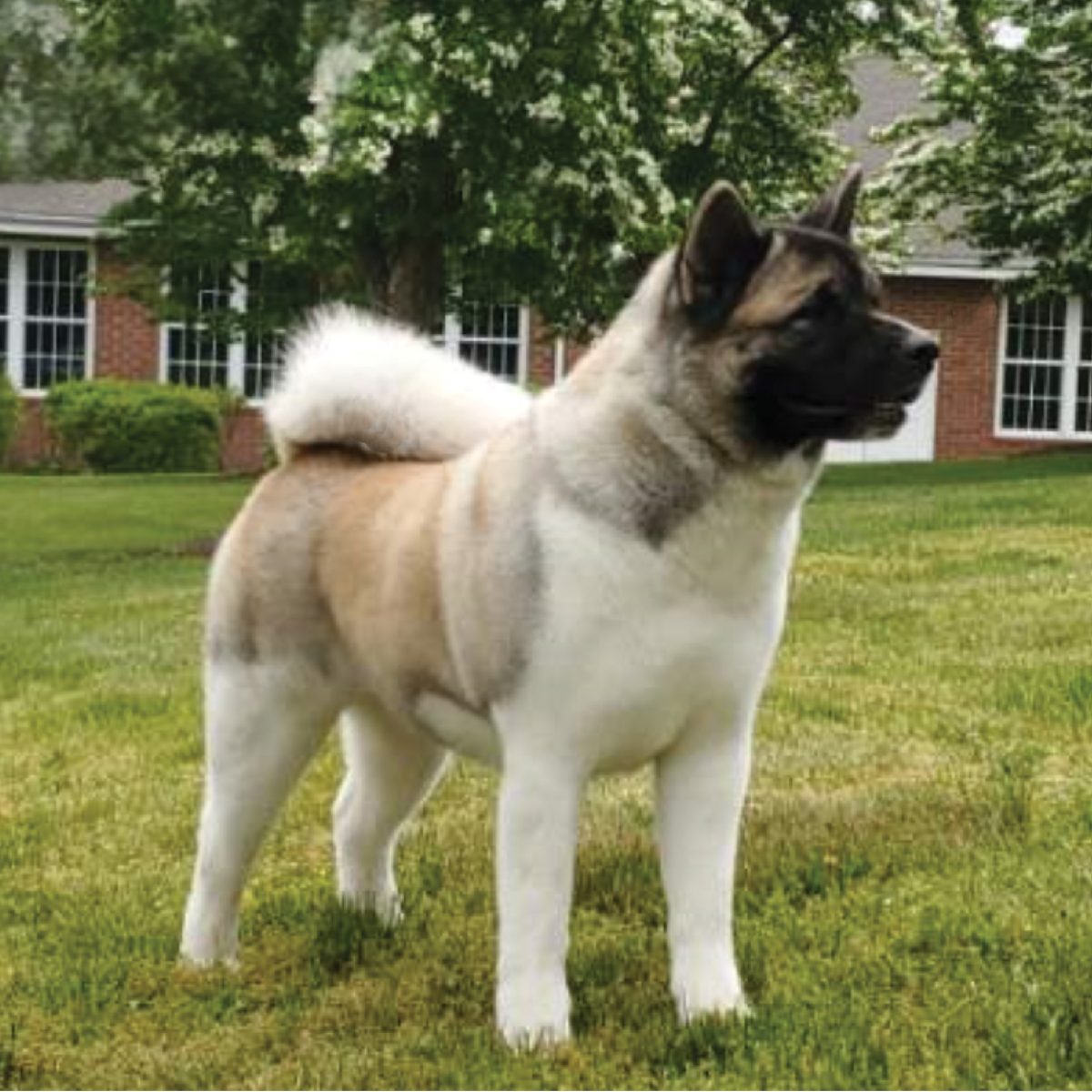
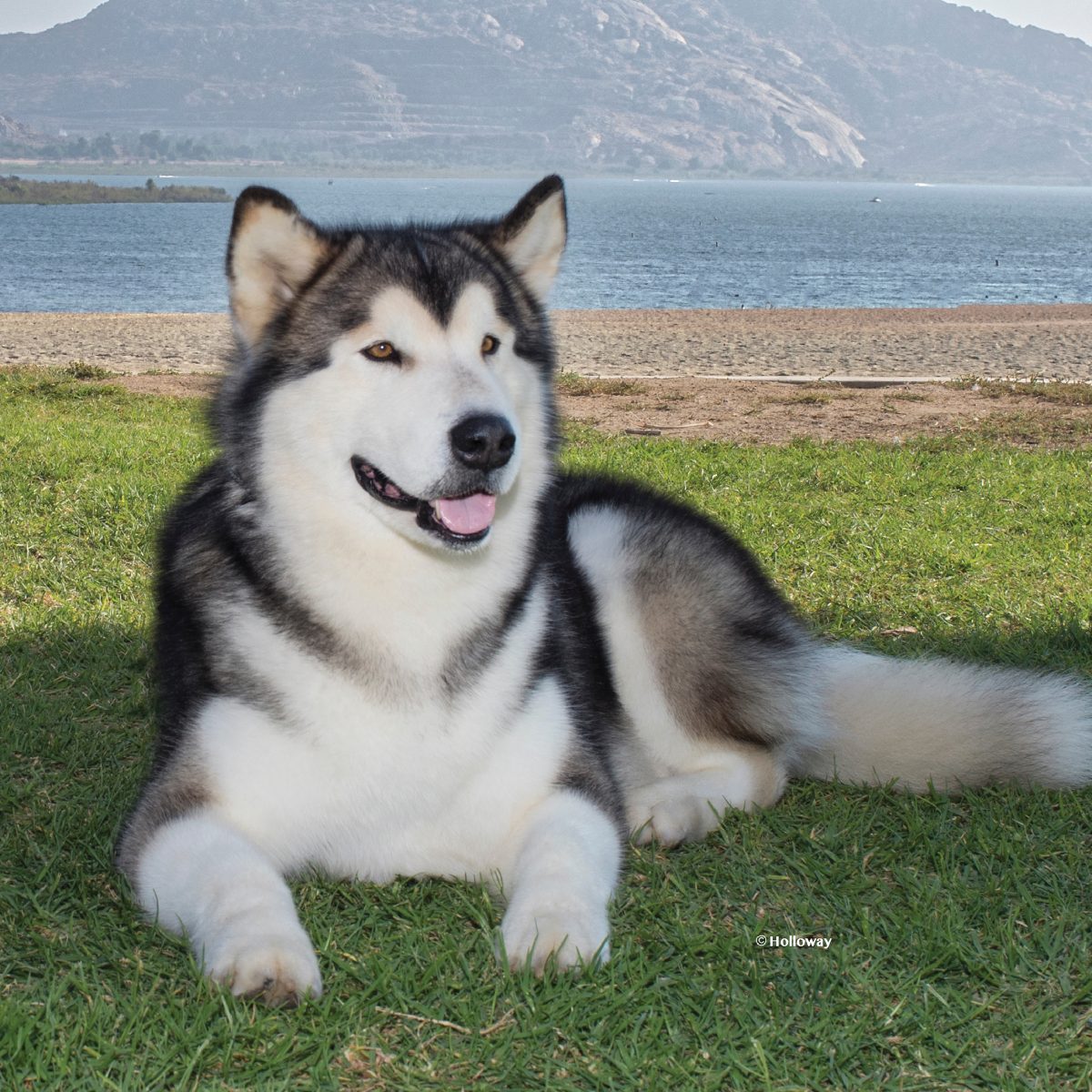
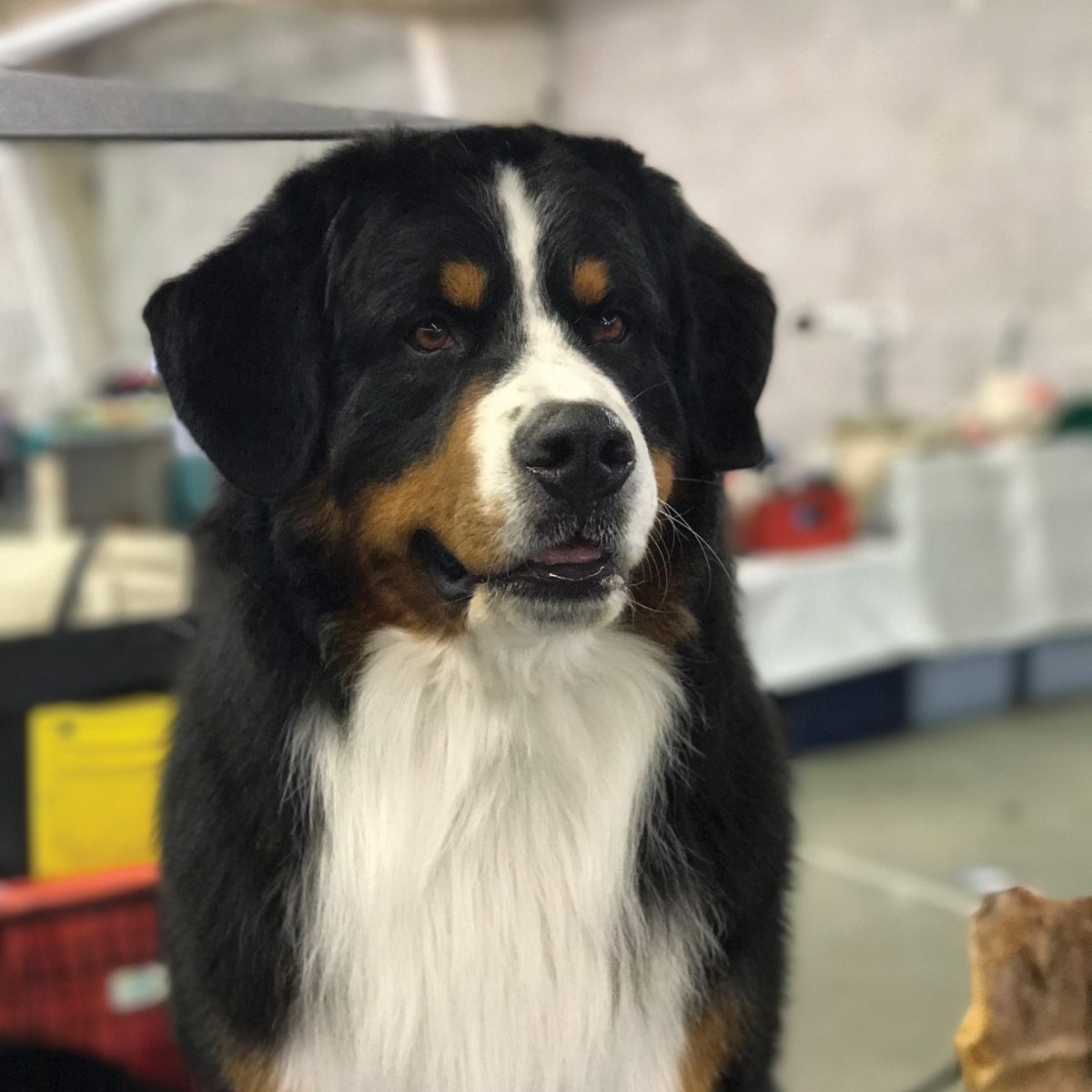
Members

01/Overview
The Chinook is a rare and versatile working dog known for its strength, endurance, and gentle temperament. Originally developed in the United States, the Chinook is a friendly and dependable companion, excelling in sledding, hiking, and other outdoor activities.
Highlights
02/History
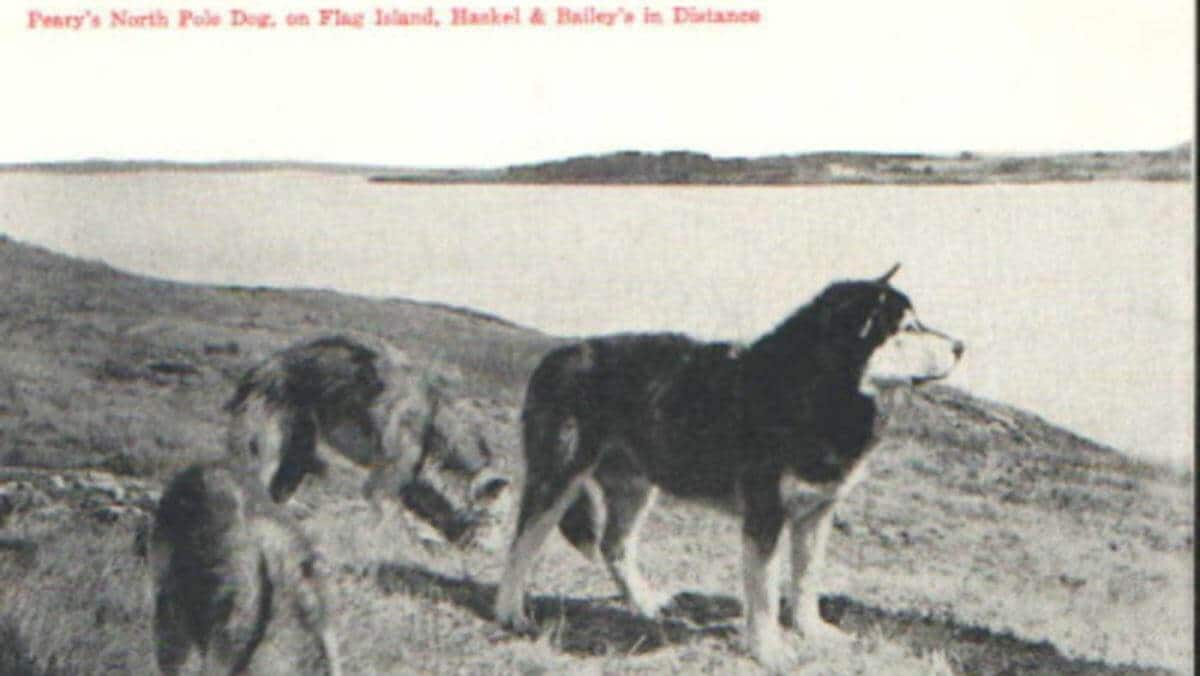
The Chinook originated in the early 20th century in Wonalancet, New Hampshire, developed by Arthur Treadwell Walden. Walden sought to create a sled dog with a unique combination of strength, speed, and a gentle disposition. The foundation dog, named Chinook, was born in 1917 and was a cross between a Mastiff-type dog and a Greenland Husky. That dog’s offspring inherited his traits and became the foundation of the breed.
The breed quickly gained recognition as a capable sled dog, performing well in both recreational and competitive sledding. Chinooks accompanied Admiral Richard Byrd's 1929 Antarctic expedition, solidifying the breed’s reputation as a strong and reliable working dog. Despite their many capabilities, however, the breed’s population dwindled after Walden’s death in 1947, with numbers reaching critically low levels by the 1980s.
Dedicated breeders worked tirelessly to save the breed from extinction, using the limited number of purebred dogs to rebuild the population. In 1991, the breed was recognized as the New Hampshire State Dog, a testament to its historical and cultural significance which has encouraged its continuation.
The American Kennel Club (AKC) officially recognized the Chinook as a member of the Working Group in 2013. Today, while still rare, they are cherished for their versatility, intelligence, and family-friendly temperament.
03/Appearance
Male Chinooks typically stand between 24 and 27 inches tall at the shoulder, while females are slightly smaller, measuring 22 to 25 inches. In terms of weight, males range from 55 to 90 pounds, and females weigh between 50 and 65 pounds.
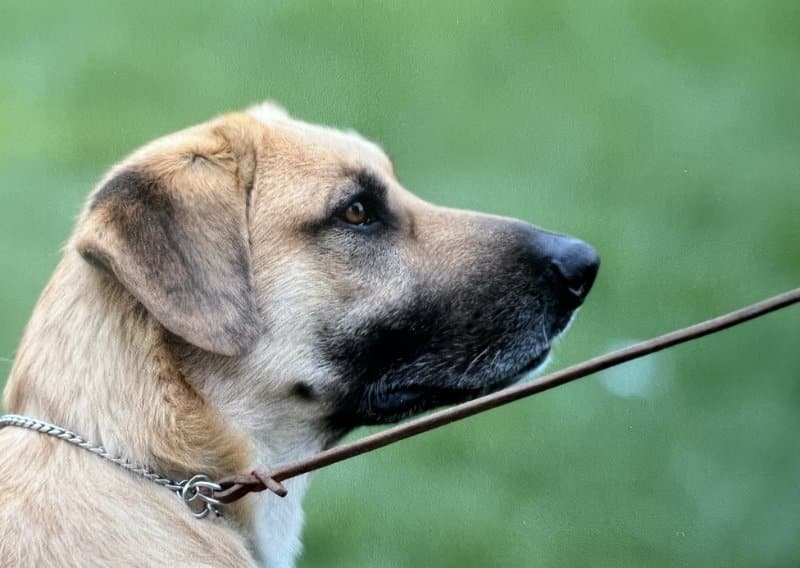
Skull: The Chinook has a broad and slightly rounded skull that tapers gently towards the muzzle. The stop is moderate, creating a balanced and harmonious profile.
Muzzle: The muzzle is slightly shorter than the skull and tapers to a blunt finish, giving a strong yet refined appearance.
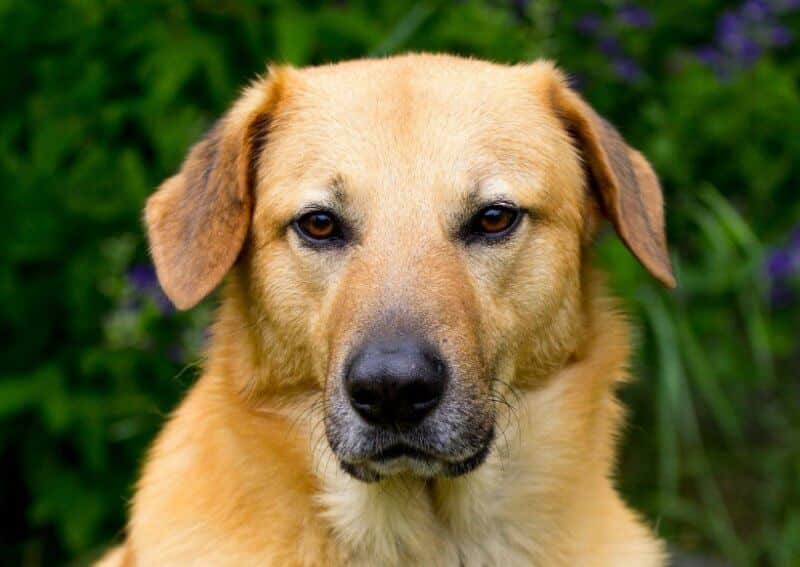
Eyes: Almond-shaped eyes are medium in size and range in color from dark brown to amber. The expression is intelligent and friendly, reflecting the breed’s kind temperament.
Nose: The nose is always black, complementing the coat and overall features. Dilute pigment may be seen in dog’s with a dilute tawny coat.
Ears: The ears are medium-sized, set high, and can be either erect, semi-erect, or dropped. Ear carriage may vary but is consistent with the dog’s alert and expressive demeanor.
Bite: The Chinook has a full complement of teeth that meet in a scissors or level bite.
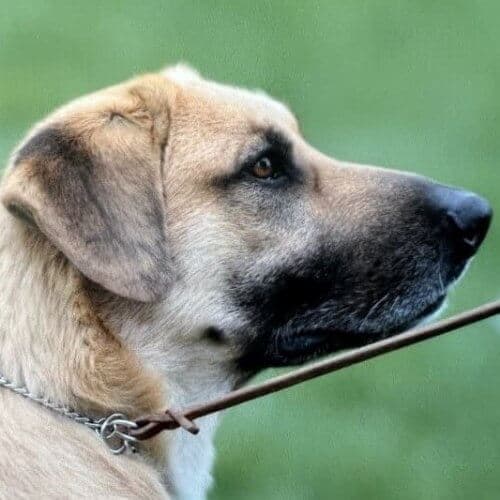
The Chinook has a balanced and athletic build, with its length slightly greater than its height, giving it a rectangular profile. The breed is muscular and substantial without appearing bulky, reflecting its history as a capable and enduring sled dog.
Texture: The Chinook’s double coat consists of a dense, soft undercoat and a coarse, medium-length outer coat. This combination provides protection against harsh weather conditions, reflecting the breed's origins as a sled dog. The outer coat is straight, strong, and coarse, with longer hair on the ruff, shoulder blades, withers, breeches, and the underline. The tail is well-furred with feathering that starts four to five inches from the root.
Standard Markings
04/Consider
The Chinook is a rare and versatile breed, prized for its friendly nature, intelligence, and working ability. While these dogs are excellent family companions, their high energy levels and need for mental stimulation require a dedicated caretaker. Potential owners should be prepared to provide plenty of exercise, training, and companionship to keep this active and social breed happy.
Interaction With Family
The level of affection a breed typically shows towards family members and familiar individuals.
Good With Other Dogs
The innate friendliness of a dog towards other dogs can depend on its breed.
Good With Young Children
The degree to which a breed will typically be patient with young children.
Amount Of Shedding
How much hair a breed typically leaves behind on clothes, furniture and floors.
Frequency Of Grooming
How often a breed needs brushing, bathing or a professional trim to stay in condition.
Amount Of Drooling
How prone a breed is to drool, worth knowing before you keep a towel by the door.
Openness To Strangers
How openly a breed tends to greet new people, visitors and strangers.
Protective Nature
How likely a breed is to alert you to anything unfamiliar, and stand between you and it.
Playfulness Level
How enthusiastic a breed stays about games and play well past puppyhood.
Trainability Level
How readily a breed takes direction and works with you rather than around you.
Barking Level
How much a breed uses its voice, and how readily.
Energy Level
How much get-up-and-go a breed brings to an average day.
Health
Chinooks are generally healthy dogs with a lifespan of 12 to 15 years. However, like all dogs, they can be prone to certain health issues. Regular veterinary check-ups, a balanced diet, and an active lifestyle are essential to maintaining their well-being and longevity.
Chinooks are known for their friendly, gentle, and intelligent nature, making them excellent companions for families and active individuals. They are social dogs that thrive on interaction with their human companions and do not do well when left alone for long periods.
Their sensitivity and eagerness to please make them highly trainable, but they also require positive reinforcement and patience. They are generally good with children and other dogs, displaying a calm and adaptable demeanor. While they are not naturally aggressive, they may be reserved with strangers but tend to warm up quickly with proper introductions.
Exercise Expectations
Without sufficient exercise, they may become bored or restless, which can lead to undesirable behaviors. Mental stimulation, such as puzzle toys or training sessions, is just as important as physical activity. A securely fenced yard is ideal for off-leash play, but they should always be supervised.
Grooming Expectations
Chinooks are adaptable dogs that are best suited to homes where they can receive plenty of attention and exercise. They can live in apartments, if given sufficient daily exercise, but are more comfortable in homes with access to a large yard.
Chinooks are social animals that bond closely with their families. Consequently, they may develop separation anxiety if left alone for extended periods. These dogs thrive in a home where they are included in family activities and given the opportunity to work or play regularly. Due to their dense double coat, they tolerate cold weather well but can struggle in high heat and humidity. Precautions should be taken throughout the year to ensure both safety and comfort.
05/Puppies
Chinook puppies are energetic, curious, and eager to please, making them a joy to raise with the right guidance. Their intelligence and natural sociability require early training and socialization to help them grow into well-rounded adults with a desire to work.
This stage of life demands patience and consistency, as their high energy and playful nature can sometimes be overwhelming. A structured environment with plenty of positive reinforcement, mental stimulation, and gentle handling helps Chinook puppies thrive.
Caring for a Chinook puppy involves meeting the little one’s physical, emotional, and nutritional needs. A puppy should be fed a high-quality diet appropriate for its age, divided into three to four meals per day to support steady growth.
Age-appropriate exercise, such as short walks and supervised play, is important to prevent straining the developing joints. Socialization should begin early, exposing the pup to a variety of environments, people, and animals to foster both confidence and adaptability.
Providing a safe, loving, and structured environment is essential for puppy’s development. Positive reinforcement training helps to establish good behavior and strengthens the bond between puppy and caretaker. Likewise, routine veterinary visits, vaccinations, and preventive care will encourage overall good health as the puppy grows.
06/Activities
Sledding: Chinooks excel in sledding, reflecting their original purpose as working sled dogs. They enjoy pulling sleds or carts in both recreational and competitive settings.
Skijoring: They thrive in Skijoring, pulling a skier while harnessed, combining their strength and love for outdoor activities.
Canicross: Their endurance and enthusiasm make these dogs ideal participants in Canicross, running alongside their handler in this high-energy sport.
Agility: They can perform well in Agility, navigating obstacle courses with precision and speed.
Obedience: Their intelligence and trainability can shine in Obedience Trials, where they respond accurately and enthusiastically to commands.
Rally: They can excel in Rally, showcasing teamwork and responsiveness while navigating a course of tasks with their handler.
Tracking: Their keen sense of smell makes them excellent at Tracking, following scent trails to locate items or individuals.
Conformation Shows: Chinooks participate in Conformation Shows where they can demonstrate their adherence to the Breed Standard.
Therapy Work: Their gentle and friendly nature suits them perfectly for Therapy Work, offering comfort and companionship in hospitals and care facilities.
Search and Rescue: The Chinook’s stamina and intelligence allow the breed to excel in Search and Rescue operations, aiding in emergencies and recovery missions.
Gallery
07/Standards
The Chinook is recognized by the world's leading registries and kennel organizations, which categorize the breed into a specific Group based on its unique characteristics. This breed is recognized worldwide under the following Group designations:
The ideal Chinook is described by a Breed Standard that is approved by each of the world’s leading registries and kennel organizations. The Breed Standards for this breed may be found in the following links:
08/Clubs
Chinook Club of America: This is the national parent club for the Chinook, recognized by the American Kennel Club (AKC). Its members support the breed’s welfare, organize events, and promote responsible ownership and breeding practices.
Chinook Owners Association: Established in 1988, this is the parent club for Chinooks under the United Kennel Club (UKC) registry. This organization is dedicated to preserving and promoting the Chinook breed through education, events, and responsible breeding strategies.
09/Rescue
Chinook Club of America Inc. Rescue: The Chinook Club of America operates a rescue program dedicated to assisting Chinooks in need, offering rehoming services and support to adoptive families.
Chinook Owners Association Rescue: This rescue arm of the Chinook Owners Association focuses on rehoming dogs in need across the United States. Volunteers work to match dogs with suitable families and provide information about the breed to potential adopters.
10/Facts
State Dog
The Chinook was designated the New Hampshire State Dog in 1991, making it one of the few breeds with this distinction.
Bred for Sledding
Chinooks were specifically developed to be powerful yet gentle sled dogs, capable of working in harsh conditions while remaining friendly and cooperative.
Rare Breed
The Chinook is one of the rarest dog breeds in the world, with only a limited number of puppies born each year.
Distinctive Ears
Chinooks can have a variety of ear carriage, including erect, semi-erect, or dropped ears, which is unique among sled dog breeds.
11/FAQ
Chinooks are moderate shedders, with heavier shedding occurring during seasonal coat changes. Regular brushing helps to manage the shedding and keeps the double coat in good condition.

Written by
Dan Sayers is the Executive Editor of SHOWSIGHT. He is a member of the World Dog Press Association and the Dog Writers Association of America, which recognized his illustrations in the award-winning Encyclopedia of K-9 Terminology. Dan is a longtime supporter of the sport of dogs and an advocate for the conservation of recognized breeds in all their forms and functions. He is a member of the Morris and Essex Kennel Club, and for 45 years, the Irish Water Spaniel Club of America where he serves as AKC Delegate, Archivist, and approved Breed Mentor. Dan breeds under the Quiet Storm prefix and has judged the IWSCA National Specialty Sweepstakes twice.
Official Standard of the Chinook
General Appearance: The Chinook was developed in the United States as a sled dog whose unique function was both drafting and sled dog racing. Bred to combine the power of freighting breeds with the speed of the lighter racing sled dogs, the Chinook is an athletic, hard bodied dog showing excellent forward reach and rear extension in a seemingly tireless gait. The Chinook is an impressive dog, with an aquiline muzzle, dark almond eyes, black eye markings, a variety of ear carriages, and a distinctive tawny, close fitting coat. The saber tail is held in a graceful sickle curve. Males appear unquestionably masculine; females have a distinctly feminine look and are judged equally with the male. A dignified and affectionate family dog, Chinooks are known for their love of children. The Chinook is to be presented in a natural condition with no trimming. The following is a description of the ideal Chinook.
Size, Proportion, Substance: The Chinook is a slow maturing breed, often not reaching maturity before 4 to 5 years of age. Size - Ideal height at the withers: males 24 to 27 inches; females 22 to 25 inches. Proportion - When measuring from point of shoulder to the point of buttocks the Chinook is slightly longer than tall. Females may be somewhat longer in body. Substance - Muscular with moderate bone, a gender difference is easily discernible. The Chinook exemplifies a sound athlete in grace, muscle tone, movement, and carriage.
Head: The head is broad, wedge-shaped, and impressive but in balance with the size of the dog. Cheeks are well-developed and slightly rounded. The expression is intelligent, inquisitive and kind. The eyes are medium in size and almond in shape with black rims that accentuate the eye and give character. The eye can be any shade of brown but dark brown is preferred. Black pigment in an apostrophe shape above the inner corner of each eye is preferred. Disqualification - Any eye color other than brown. The ears are set slightly below the top line of the skull and are expressive. They are medium in size, V-shaped, and slightly rounded at the tip. The ear tip should be just long enough to reach the inside corner of the eye. Any ear type is allowed, including drop, prick, or propeller ears that maintain a fold when at attention. Matched ears are preferred and for historical reasons, dropped ears are desirable. Mismatched ears are not to be faulted. The topskull is broad and slightly arched between the ears. When viewed from above, the topskull is almost square, narrowing slightly as it approaches the eyes. The stop is moderate and marked with a central furrow extending up the top skull. The muzzle is aquiline, having a slight dip just before the nose leather, and shorter in length than the top skull, measuring from nose to stop as approximately 2:3 in ratio with stop to occiput. Viewed from the front, the muzzle is tapered to form a blunt wedge. Viewed from the side, the topline of the muzzle and the topline of the skull are almost parallel. The nose is large, prominent and the leather is solid black. The lips are black. Bite - The Chinook has a full complement of strong teeth meeting in a scissors or a level bite.
Neck, Topline, Body: The neck is strong, balanced in length, arched, and covered with fur that forms a defined ruff. The skin on the neck is pliable but not pendulous. The neck blends smoothly into the withers. Topline - The back is straight, strong and level, with no sign of weakness. There is a slight arch over the loins. The body is well muscled and hard. The chest is moderately broad, well filled and deep, and neither too broad nor too narrow. The forechest has a prominent prosternum that extends beyond the point of shoulders when viewed from the side. The brisket reaches to or nearly to the elbows. The ribs are well sprung, oval in shape, flattening toward the lower end to allow for elbow clearance and efficient movement. The loins are muscular with a slight arch, having enough length to be athletic. The underline has a moderate tuck-up. The croup is muscular, slightly sloping, broad and without exaggeration. Tail - The saber tail is set just below the level of the topline and is well coated with distinct but moderate fringing. It is broad at the base, tapering to the end and reaches to the hock with a slight curve at the tip when relaxed. When alert or moving, the tail is carried in a graceful sickle curve, neither curling to the side of the body nor touching the back.
Forequarters: The shoulders are moderately laid back, with the shoulder blade and upper arm being equal in length. The forelegs are straight, well-muscled, with moderate, oval bone. When viewed from the front, the legs are parallel, and straight. The elbows turn neither in nor out. The pasterns are flexible, moderate in length, strong, and slightly sloping when viewed from the side. Dewclaws may be removed. The feet are tight, oval in shape, with arched toes, webbing between the toes, and with strong nails. The pads are thick, tough, and darkly pigmented. The front feet may turn slightly outward when standing allowing the dog to push off from the center toes.
Hindquarters: The hindquarters are muscular and strong, moderately angulated, and in balance with the forequarters. The upper and lower thigh muscles are well-defined. The rear pasterns are parallel to each other, and perpendicular to the ground when viewed from any angle. The rear feet point straight ahead.
Coat: The Chinook has a thick double coat lying close to the body. The outer coat is straight, strong, and coarse. The length of the outer coat is longer over the ruff, shoulder blades, withers, breeches, and along the underline and the underside of the tail but is never so long as to obscure the clean-cut outline of the dog. The undercoat is short and dense, downy in texture, providing insulation. The groin and inside of the rear legs are protected by coat. A Chinook in full coat feels soft and plush with coarser hair following the topline. A coat in seasonal shedding may be thinner, feel coarser, and should not be penalized. The tail is well-furred with feathering starting about four to five inches from the root. There is slight feathering along the back of the forelegs. The Chinook is shown naturally and trimming is not acceptable. Faults - Excessively short coat, long, rough, or shaggy coat. Trimming of the coat, including whiskers, is to be severely penalized.
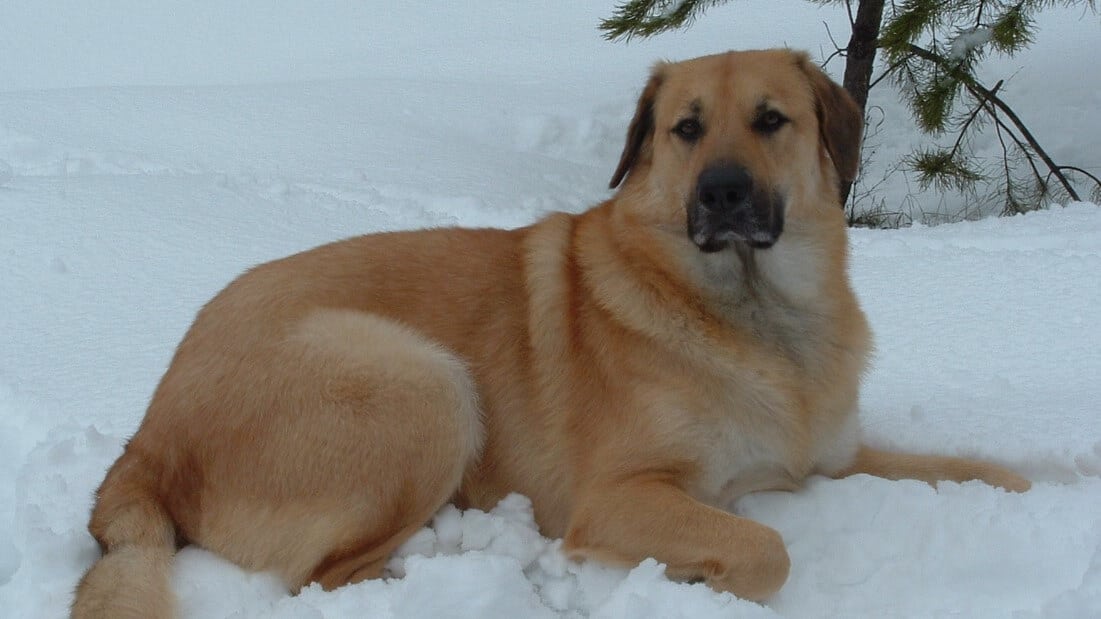
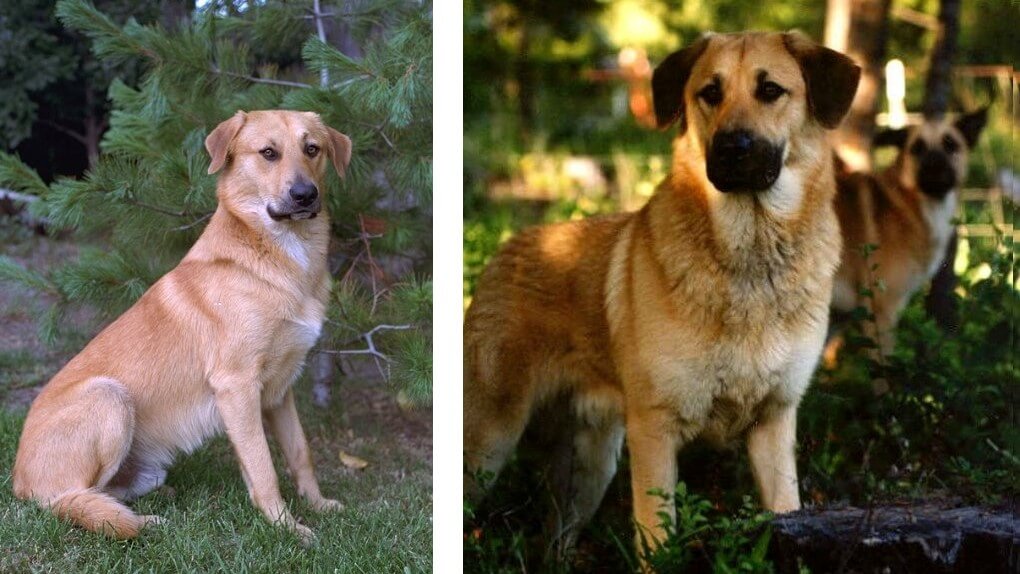
Color: Tawny coloration, ranging from honey to a deep reddish-gold, is a distinguishing characteristic of the Chinook and is preferred. Dilute tawny, and its associated diluted pigmentation of muzzle, nose, lips, pads, and eye rims, is acceptable. It is desirable for the ears and muzzle to have darker coloring than the body. This darker ear and muzzle coloring runs from a tawny that is darker than the body to a black shading, with some black shading being the most preferred. A black mark at and just above the inner corner of each eye is desirable. Symmetrical white or cream to pale gold markings are acceptable on the cheeks, throat, chest, breeches, and underside. Any other white markings are undesirable including blazes, socks, and scarves. Disqualification - Any color other than tawny as described.
Gait: The Chinook’s gait is smooth, easy, balanced front to rear and seemingly tireless. The back is strong and level when gaiting. When viewed from the side, as speed increases, the head and neck lower, the front feet reach out strongly to a line directly below the nose, the rear drives forward with power, covering ground with minimal effort. When viewed from behind, the rear pads are fully visible. As speed increases, the feet tend to converge toward a center line of gravity.
Temperament: The Chinook is an affectionate and playful family companion with a special devotion toward children. The Chinook is a dignified dog; some Chinooks may be reserved with strangers but should never appear shy or aggressive. They are willing workers who are eager to please and enthusiastic to learn. Chinooks are highly trainable, adaptable, and versatile in their abilities. Gregarious with other dogs, the Chinook works well in teams and within family packs.
Faults: Variations are penalized to the extent of the deviations.
Disqualifications:
Any eye color other than brown.
Any color other than tawny as described in this standard.
Approved May 11, 2021
Effective August 4, 2021


Meet the Judges
Robin Hug reflects on judging the 2025 National Dog Show, highlighting quality entries and standout breed performances.


Discover the rare Chinook dog: a versatile, intelligent breed known for its strength, loyalty, and adaptability in various roles.
Discover the history of the rare Chinook sled dog, from its creation by Arthur Walden to its near extinction and revival.

Discover the Chinook, a rare American sled dog known for strength, endurance, and a gentle temperament. Learn more about this unique breed.
Discover the unique history and versatile traits of the American Chinook dog, from sled racing origins to modern-day family companions.
All About Judging
Judging Chinooks: Learn the breed standard, from conformation and color to gait and temperament, and what makes this sled dog unique.

Breeding with Intention
Guardian dogs are dog breeds that can serve as flock or livestock guardian dogs, as well as human and property guard dogs. Read more.
An American treasure, the Chinook dog breed has come far since its origins on a New Hampshire farm over 100 years ago.
The Chinook’s tail is an important feature of the breed’s natural appearance. It is moderately set, thick at the base, and tapers to a slight point. When at rest, the tail hangs naturally, but when in motion or alert it may curve upward in a gentle sickle shape. It does not, however, curl over the back. Consistent with the breed’s sled dog heritage, the tail is well-furred, providing protection against cold weather.
A Note About Color: The tawny coat of the Chinook ranges from honey to a deep reddish-gold. Pigment of the muzzle, nose, lips, pads, and eye rims is black, although dilute tawny dogs may have dilute pigment. The color of the ears and muzzle is preferably darker. A black mark at and just above the inner corner of both eyes is desirable. Symmetrical white or cream to pale gold markings may appear on the cheeks, throat, chest, breeches, and underside. Any other white markings, including a blaze, socks, and scarves, are unacceptable.
Coat Type
Smooth
The structure of the coat this breed carries.
Coat Length
Medium
How long the breed's coat grows when kept in condition.
Adaptability Level
How easily a breed copes with changes in home, routine, noise and weather.
Mental Stimulation Needs
How much a breed needs a job, a puzzle or training to stay content.
Chinooks require a high-quality diet that meets their age, size, and activity level. Puppies benefit from a specially formulated puppy food to support their growth and development, typically fed in three to four small meals daily.
Adult Chinooks usually eat two meals per day, with portions adjusted to maintain a healthy weight. Most adult dogs require approximately 2 to 3 cups of food daily, depending on their activity level and metabolism. Fresh water should always be available, and treats should be given in moderation to prevent overfeeding. Consultation with a dog’s breeder and veterinarian can help to tailor a diet plan that suits any particular needs.
Chinooks are intelligent and eager to please, making them generally easy to train. They respond well to positive reinforcement methods, such as praise, treats, and play, which help to motivate and build trust.
Early socialization is essential to help them become well-rounded and confident dogs. Exposure to different environments, people, and other animals helps them develop a playful and affectionate temperament.
While they are not prone to excessive barking, Chinooks may alert their families to unfamiliar activity. Their working heritage means they enjoy tasks that engage both their mind and body, excelling in activities such as Obedience training, Agility, and Sled Dog Races. Patience and consistency are key to bringing out the best in this intelligent and sensitive breed.
They are typically moderate shedders but may require more frequent grooming during peak shedding seasons. They are generally clean dogs with minimal odor, so baths are only needed occasionally or when they become especially dirty. Regular nail trimming, ear cleaning, and dental care are essential for their overall health and hygiene.