Members
01/Overview
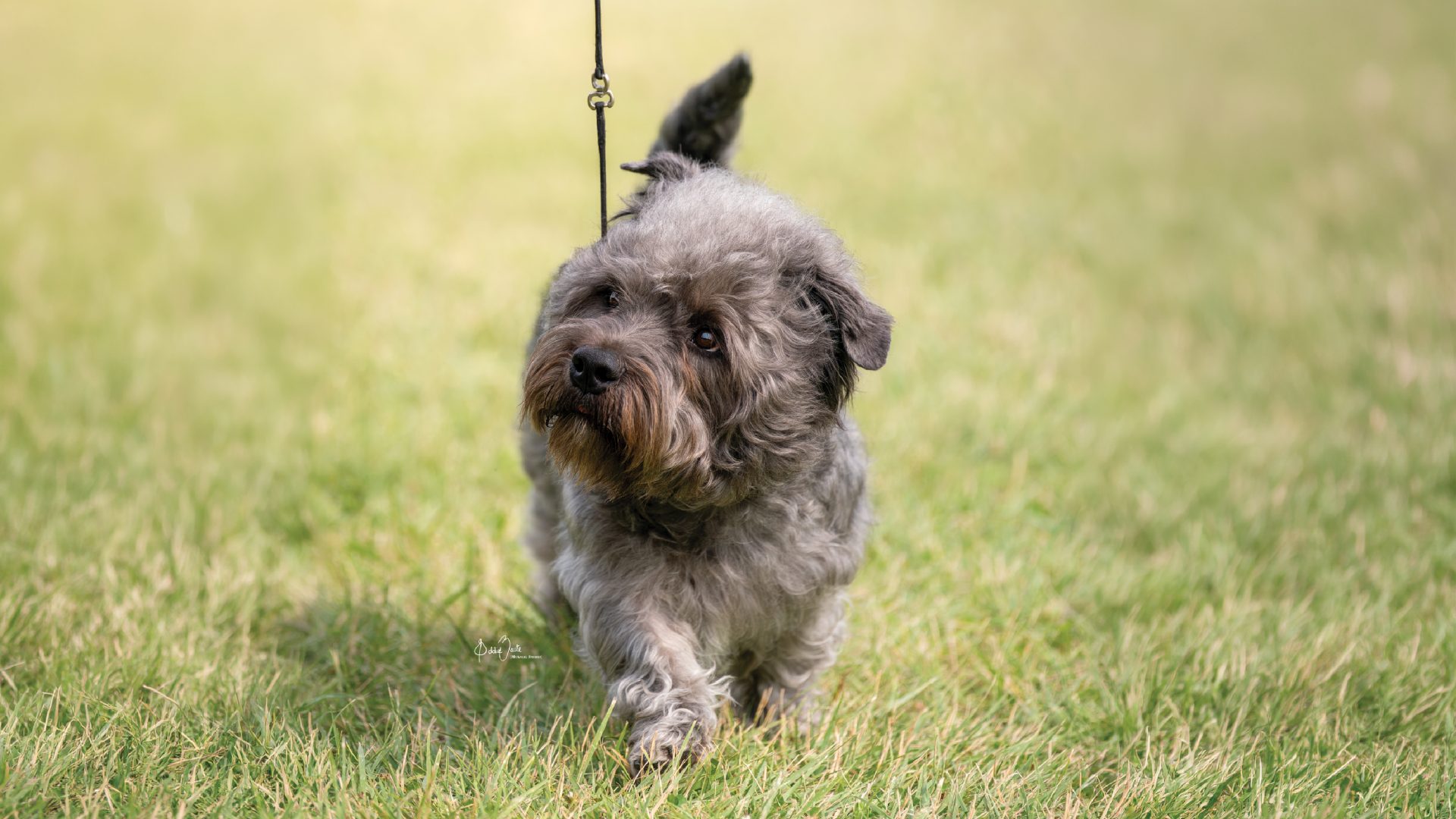
The Glen of Imaal Terrier is a strong, low-set terrier originating from Ireland’s remote Glen of Imaal region. Bred for hunting vermin, badgers, and foxes, this hardy breed is known for its strength, endurance, and fearless nature. Unlike many other terrier breeds, Glens are less vocal and more deliberate in their movements, making them an independent yet devoted companion.
Highlights
02/History
The Glen of Imaal Terrier originates from the Glen of Imaal in County Wicklow, Ireland, where it was developed for vermin control and hunting. Unlike some terriers bred for speed, Glens were built for strength and endurance, excelling at going to ground after badgers and foxes. They were also known for their role as turnspit dogs, using their powerful limbs to turn kitchen spits by walking on a wheel.
The breed’s exact origins are unclear, but it is believed that early settlers and soldiers in the region brought small working terriers that eventually developed into the Glen of Imaal Terrier. Selective breeding favored a strong, low-set body, powerful jaws, and a resilient nature, enabling Glens to work independently for long periods.
Recognized as one of Ireland’s four native terrier breeds, the Glen of Imaal Terrier remained relatively unknown outside its homeland for centuries. It was officially recognized by the Royal Kennel Club (UK) in 1975 and later gained full recognition by the American Kennel Club (AKC) in 2004, joining the Terrier Group.
03/Appearance
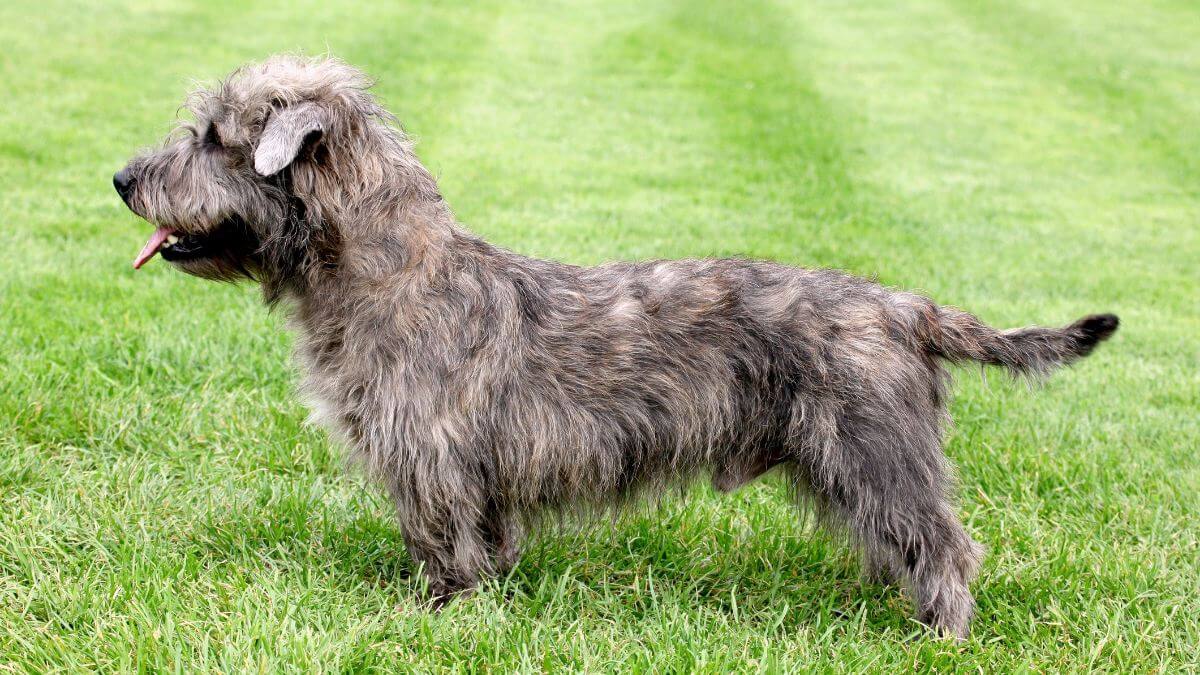
The Glen of Imaal Terrier stands between 12.5 and 14 inches tall at the shoulder. Both males and females weigh approximately 35 pounds.
Skull: Broad and slightly domed, with a well-defined stop, giving the breed a strong yet balanced appearance.
Expression: Keen and intelligent, reflecting the breed’s alert but steady nature.
Eyes: Medium-sized, round, and set wide apart, typically in shades of brown that complement the coat color.
Ears: Small to medium in size, set well back on the skull, and carried half-pricked when alert or fully dropped when at rest.
Muzzle: Strong and slightly tapering, with well-developed jaws suited for gripping prey.
Nose: Always black, well-defined, and proportionate to the muzzle.
Bite: Scissors preferred, or level, with strong, well-aligned teeth that emphasize the breed’s working heritage.
The Glen of Imaal Terrier has a long, low-slung body, with a deep chest and strong bone structure that reflects its history as a working terrier. Unlike many terriers that are built for speed, the Glen is designed for endurance and strength, with well-developed muscles and a sturdy frame. Its broad head, strong jaws, and powerful front legs emphasize its ability to dig and work underground, making it a distinctive and functional breed.
Texture: The Glen of Imaal Terrier has a medium-length, harsh, and weather-resistant double coat, designed to protect it from the harsh conditions of its native Ireland. The outer coat is rough and wiry, while the undercoat is soft and dense, providing insulation. This combination helps the breed withstand cold, damp environments, though it requires regular hand-stripping to maintain its texture.
Standard Colors
04/Consider
Owning a Glen of Imaal Terrier requires an understanding of their moderate exercise needs, independent nature, and grooming requirements. They are loyal, affectionate companions, but their strong prey drive and independent streak mean they require early training and proper socialization to become well-rounded family pets.
Interaction With Family
The level of affection a breed typically shows towards family members and familiar individuals.
Good With Other Dogs
The innate friendliness of a dog towards other dogs can depend on its breed.
Good With Young Children
The degree to which a breed will typically be patient with young children.
Amount Of Shedding
How much hair a breed typically leaves behind on clothes, furniture and floors.
Frequency Of Grooming
How often a breed needs brushing, bathing or a professional trim to stay in condition.
Amount Of Drooling
How prone a breed is to drool, worth knowing before you keep a towel by the door.
Openness To Strangers
How openly a breed tends to greet new people, visitors and strangers.
Protective Nature
How likely a breed is to alert you to anything unfamiliar, and stand between you and it.
Playfulness Level
How enthusiastic a breed stays about games and play well past puppyhood.
Trainability Level
How readily a breed takes direction and works with you rather than around you.
Barking Level
How much a breed uses its voice, and how readily.
Energy Level
How much get-up-and-go a breed brings to an average day.
Health
The Glen of Imaal Terrier is a generally healthy breed with a lifespan of 10 to 15 years. They are robust and sturdy, thanks to their working-dog heritage, but responsible caretakers should be aware of genetic conditions that can affect the breed. Regular vet check-ups, a nutrient-rich diet, and proper exercise contribute to a long and healthy life.
The Glen of Imaal Terrier is a loyal, intelligent, and independent breed with a calmer demeanor than many other terriers. While they still possess the tenacity and courage of their working ancestors, they are known for being less excitable and vocal than most terrier breeds. They form strong bonds with their families and thrive on companionship, but they are also content spending time on their own.
Although affectionate and social with their human companions, Glens can be reserved around strangers, making them good watchdogs without excessive barking. They generally get along well with other dogs, but their high prey drive makes them unreliable around small pets. With proper training and socialization, they become well-behaved, adaptable companions who balance independence with deep devotion to their families.
Exercise Expectations
They enjoy brisk walks, interactive play, and structured activities, such as earthdog trials or scent work, which allow them to use their natural hunting instincts. While they do not require excessive exercise, they benefit from at least 30 to 45 minutes of activity per day to prevent boredom and maintain a healthy weight. Due to their strong prey drive, they should always be supervised in open areas or kept on a leash.
Grooming Expectations
Glen of Imaal Terriers are adaptable and affectionate, making them well-suited for various living environments, including apartments and homes with yards. Their calm indoor demeanor means they are not as hyperactive as some terriers, but they still need regular interaction and engagement to stay happy.
They thrive in homes where they receive companionship and structured activities, as they do not enjoy being left alone for long periods. While generally good with children and other dogs, they should be supervised around small pets due to their strong prey drive. With proper training, exercise, and socialization, they make loyal, well-mannered companions who fit well into a variety of households.
05/Puppies
Bringing home a Glen of Imaal Terrier puppy requires early training, socialization, and patience to help them grow into well-mannered adults. These puppies are curious, intelligent, and independent, so it's important to establish boundaries and routines from an early age. While they form strong bonds with their caretakers, they can also develop a stubborn streak if not properly trained.
Socialization and training should begin early to help Glen of Imaal Terrier puppies develop into confident and well-adjusted dogs. Exposing them to different environments, sounds, people, and animals will prevent shyness and ensure they adapt well to various situations.
They require a nutrient-rich diet designed for small, sturdy breeds, with meals divided into three to four portions per day. As they mature, they transition to two meals per day to maintain a healthy weight and steady growth. Portion control is essential, as extra weight can put strain on their joints and long body.
House training and crate training should begin early, using positive reinforcement methods to encourage good behavior. Providing safe chew toys helps with teething and prevents destructive chewing. Introducing grooming routines early—such as brushing, ear cleaning, and nail trimming—will help puppies become comfortable with regular care.
06/Activities
Earthdog Trials: Glen of Imaal Terriers excel in Earthdog Trials, where they navigate underground tunnels to locate quarry scent.
Obedience: Their intelligence and ability to focus make them strong competitors in Obedience Trials, where they follow commands with precision.
Rally: A sport that blends Obedience and teamwork, requiring dogs to complete a structured course with different tasks.
Scent Work: Their keen sense of smell makes them well-suited for Scent Work, where they locate hidden scents in designated areas.
Tracking: They can participate in Tracking Trials, using their scenting abilities to follow a trail across different terrains.
Agility: While not the fastest breed, they enjoy Agility, navigating obstacle courses with determination and enthusiasm.
Fast CAT: Their prey drive makes them excellent competitors in Fast CAT, a 100-yard dash chasing a mechanical lure.
Conformation Shows: As a recognized breed by the AKC, they compete in Conformation Events, where judges evaluate them based on breed standards.
Therapy Work: With their calm and affectionate nature, many Glen of Imaal Terriers excel as Therapy Dogs, providing comfort and support in hospitals, schools, and nursing homes.
Gallery
07/Standards
The Glen of Imaal Terrier is recognized by the world’s leading registries and kennel organizations, which categorize the breed into a specific Group based on its unique characteristics. This breed is recognized worldwide under the following Group designations:
The ideal Glen of Imaal Terrier is described by a Breed Standard that is approved by each of the world’s leading registries and kennel organizations. The Standards for this breed may be found in the following links:
08/Clubs
Glen of Imaal Terrier Club of America (GITCA): The official parent club for the breed in the United States, recognized by the American Kennel Club (AKC). The GITCA promotes breed education, health initiatives, and participation in Conformation and performance events.
The Glen of Imaal Association: The primary breed club in the United Kingdom, dedicated to preserving and promoting the Glen of Imaal Terrier, as well as supporting responsible ownership.
Glen of Imaal Terrier Club of Canada: The national club for Glen of Imaal Terrier owners in Canada, offering breed resources, event participation, and support for responsible ownership
09/Rescue
For those interested in adopting or assisting a Glen of Imaal Terrier in need, several organizations are dedicated to the rescue and rehoming of this unique breed:
Rescue Me! Glen of Imaal Terrier Rescue: A platform that connects dogs in need of adoption with potential adopters across the United States. They provide listings of available dogs and resources for both adopters and rescuers.
Additionally, local animal shelters and broader rescue organizations may occasionally have Glen of Imaal Terriers or similar breeds available for adoption.
10/Facts
A Terrier Built for Strength, Not Speed
Unlike most terriers bred for quick reflexes, the Glen of Imaal Terrier was designed for power and endurance, making it a deliberate hunter rather than a fast one.
Worked as a Turnspit Dog
Historically, Glens were used to turn cooking spits in kitchens, walking on a wheel-like device to rotate meat over an open flame.
One of Ireland’s Four Native Terriers
The breed is one of Ireland’s four native terriers, along with the Irish Terrier, Kerry Blue Terrier, and Soft Coated Wheaten Terrier.
Silent but Determined Worker
Unlike many terriers that bark frequently, the Glen of Imaal Terrier is known for being quiet and focused when working, relying on its strength rather than noise to get the job done.
11/FAQ
Glen of Imaal Terriers have a double coat that sheds minimally, but regular grooming, including hand-stripping or trimming, will help to maintain the texture and remove any loose hair.

Written by
Dan Sayers is the Executive Editor of SHOWSIGHT. He is a member of the World Dog Press Association and the Dog Writers Association of America, which recognized his illustrations in the award-winning Encyclopedia of K-9 Terminology. Dan is a longtime supporter of the sport of dogs and an advocate for the conservation of recognized breeds in all their forms and functions. He is a member of the Morris and Essex Kennel Club, and for 45 years, the Irish Water Spaniel Club of America where he serves as AKC Delegate, Archivist, and approved Breed Mentor. Dan breeds under the Quiet Storm prefix and has judged the IWSCA National Specialty Sweepstakes twice.
Official Standard of the Glen of Imaal Terrier
General Appearance: The Glen of Imaal Terrier, named for the region in the Wicklow Mountains of Ireland where it was developed long ago, is a medium sized working terrier. Longer than tall and sporting a double coat of medium length, the Glen possesses great strength and should always convey the impression of maximum substance for size of dog. Unrefined to this day, the breed still possesses "antique" features once common to many early terrier types; its distinctive head with rose or half-prick ears, its bowed forequarters with turned out feet, its unique outline and topline are hallmarks of the breed and essential to the breed type.
Size, Proportion Substance: Height - The maximum height is 14 inches with a minimum of 12½ inches, measured at the highest point of the shoulder blades. Weight - Weight is approximately 35 pounds, bitches somewhat less; however, no Glen in good condition and otherwise well-balanced shall be penalized for being slightly outside the suggested weight. Length - The length of body, measured from sternum to buttocks, and height measured from the highest point of the shoulder blades to ground, to be in a ratio of approximately 5 (length) to 3 (height). The overall balance is more important than any single specification.
Head: Head - The head must be powerful and strong with no suggestion of coarseness. Impressive in size yet in balance with, and in proportion to, the overall size and symmetry of the dog. Eyes - Brown, medium size, round and set well apart. Light eyes should be penalized. Ears - Small, rose or half pricked when alert, thrown back when in repose. Set wide apart and well back on the top outer edge of the skull. Full drop or prick ears undesirable. Skull -Broad and slightly domed; tapering slightly towards the brow. Of fair length, distance from stop to occiput being approximately equal to distance between ears. Muzzle - Foreface of power, strong and well filled below the eyes, tapering toward the nose. Ratio of length of muzzle to length of skull is approximately 3 (muzzle) to 5 (skull.) Bottlehead or narrow foreface undesirable. Stop - Pronounced. Nose - Black. Teeth - Set in a strong jaw, sound, regular, and of good size. Full dentition. Scissors bite preferred; level mouth accepted.
Neck, Topline and Body: Neck - Very muscular and of moderate length. Topline - Straight, slightly rising to a very strong well-muscled loin with no drop-off at the croup. Body - Deep, long and fully muscled. Longer than high with the ideal ratio of body length to shoulder height approximately 5 (length) to 3 (height). Chest - Wide, strong and deep, extending below the elbows. Ribs - Well sprung with neither a flat nor a barrel appearance. Loin - Strong and well muscled. Tail - Docked to approximately half-length, in balance with the overall dog and long enough to allow a good handhold. Strong at root, well set on and carried gaily. Dogs with undocked tails not to be penalized.
Forequarters: Shoulder - Well laid back, broad and muscular. Forelegs - Short, bowed and well boned. Forearm should curve slightly around the chest. Upper arm (humerus) nearly equal in length to the shoulder blades (scapula). Feet to turn out slightly but perceptibly from pasterns. Feet - Compact and strong with rounded pads.
Hindquarters: Strong and well muscled, with ample bone and in balance with forequarters. Good bend of stifle and a well-defined second thigh. Hocks turn neither in nor out, are short, well let down and perpendicular from hock to ground. Feet - As front, except they should point forward.
Coat: Medium length, of harsh texture with a soft undercoat. The coat may be tidied to present a neat outline characteristic of a rough-and-ready working terrier. Over trimming of dogs is undesirable.
Color: Wheaten, blue or brindle. Wheaten includes all shades from cream to red wheaten. Blue may range from silver to deepest slate, but not black. Brindle may be any shades but is most commonly seen as blue brindle, a mixture of dark blue, light blue, and tan hairs in any combination or proportion.
Gait: The action should be free and even, covering the ground effortlessly with good reach in front and good drive behind. This is a working terrier, which must have the agility, freedom of movement and endurance to do the work for which it was developed.
Temperament: Game and spirited with great courage when called upon, otherwise gentle and docile. Although generally less easily excited than other terriers, the Glen is always ready to give chase. When working they are active, agile, silent and dead game.
Faults: Any departure from the foregoing points should be considered a fault and the seriousness with which the fault should be regarded should be in exact proportion to its degree.
Approved: June 11, 2001
Effective: September 1, 2001


Meet the Judges
Lydia Coleman Hutchinson on judging at Morris & Essex 2025, her breed assignments, and why tradition keeps this iconic show alive.

Meet the Judges
Elizabeth “Beth” Sweigart reflects on judging the Glen of Imaal and Norwich Terriers at the 2025 Montgomery County Kennel Club dog show.

Meet the Breeders
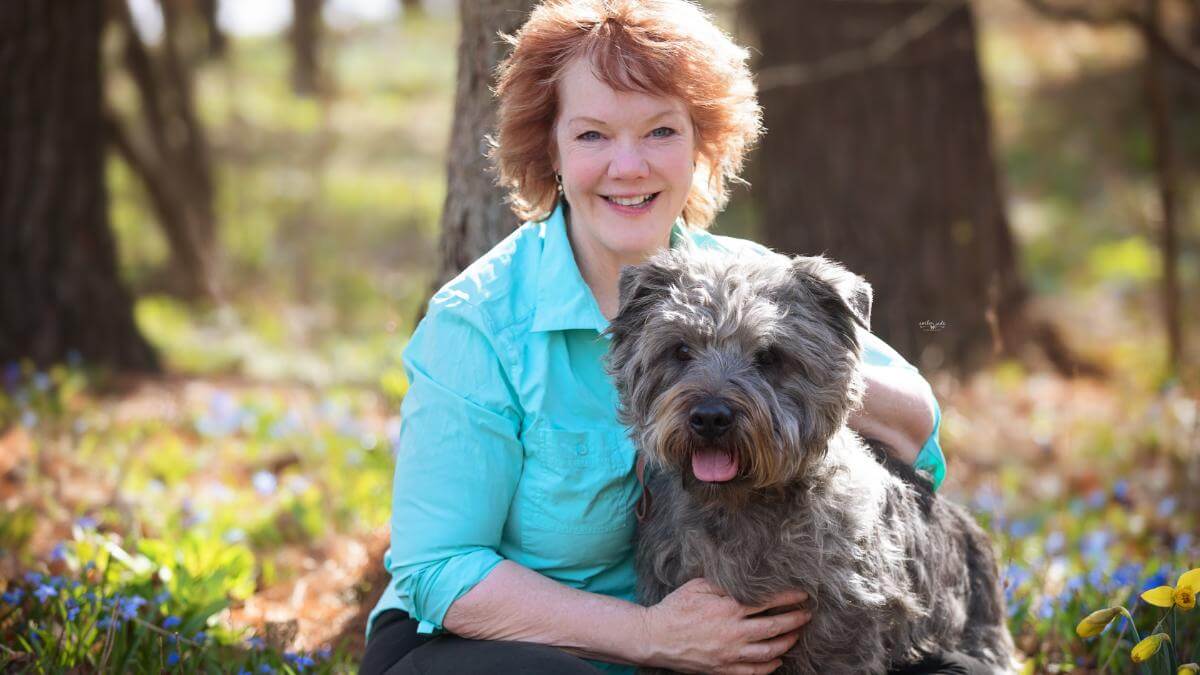
Preservation breeder Dr. Theresa Nesbitt shares her journey with Glen of Imaal Terriers and insights into this unique, rare breed.
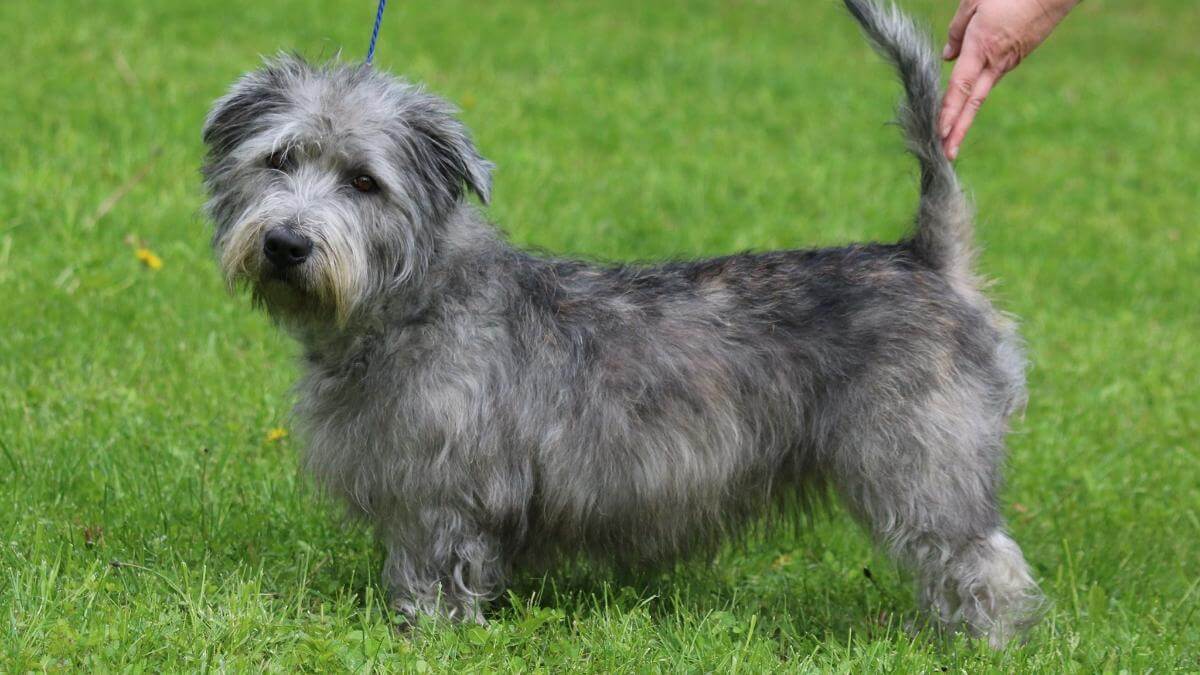
Explore the Glen of Imaal Terrier’s history, unique antique features, and evolving breed standard rooted in Irish farm life.
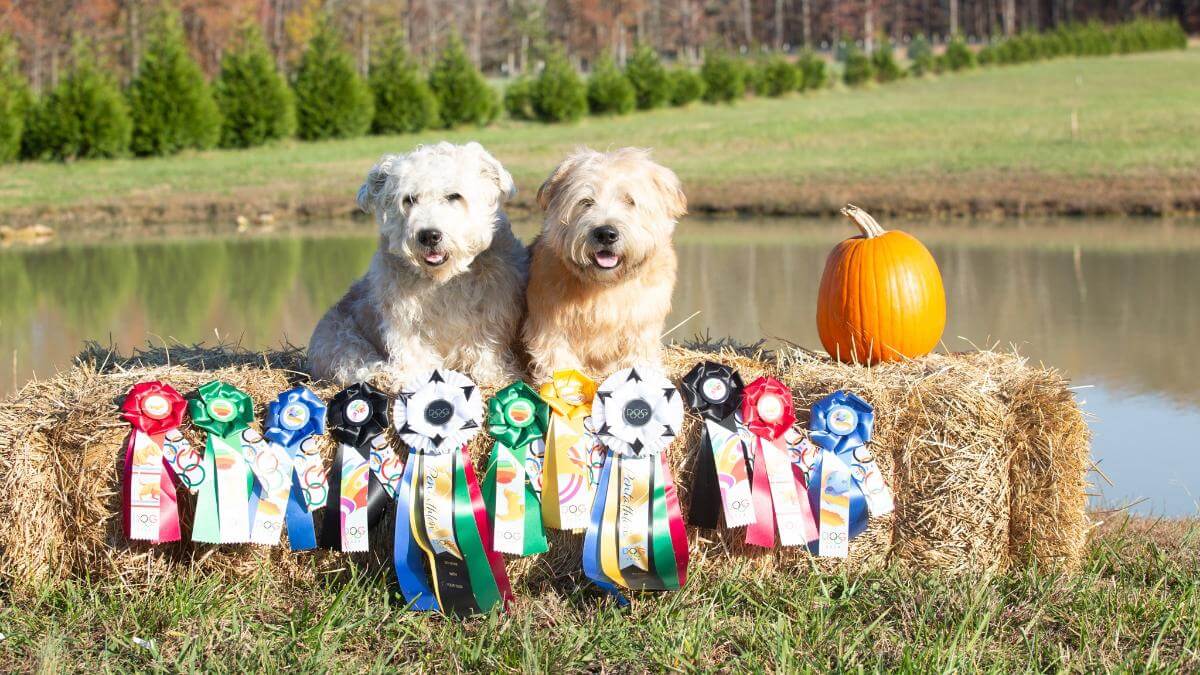
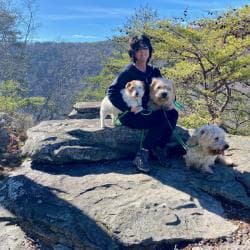
The Glen of Imaal Terrier is a rare, rugged, and versatile breed excelling in dog sports while being a gentle, laid-back companion.
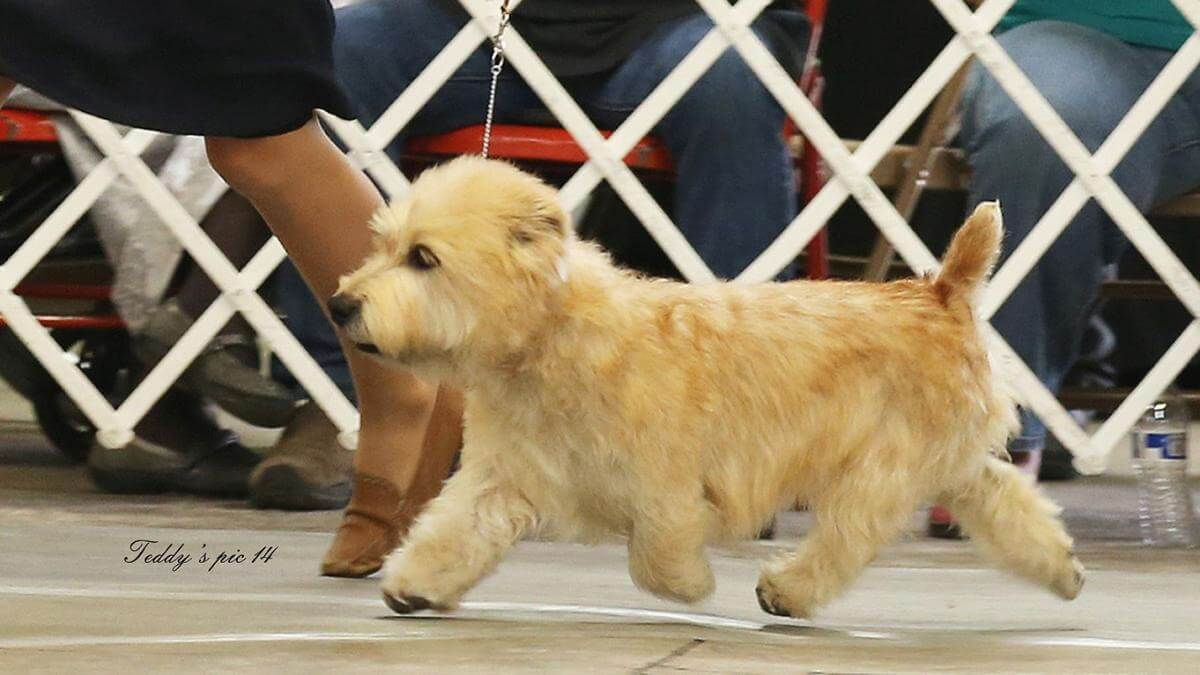
All About Judging
The Glen of Imaal Terrier standard focuses on antique features, 3:5 ratios, and a rugged working dog with a unique appearance.
Discover the fascinating history of the Glen of Imaal Terrier, from Ireland’s Wicklow Mountains to near extinction and revival.
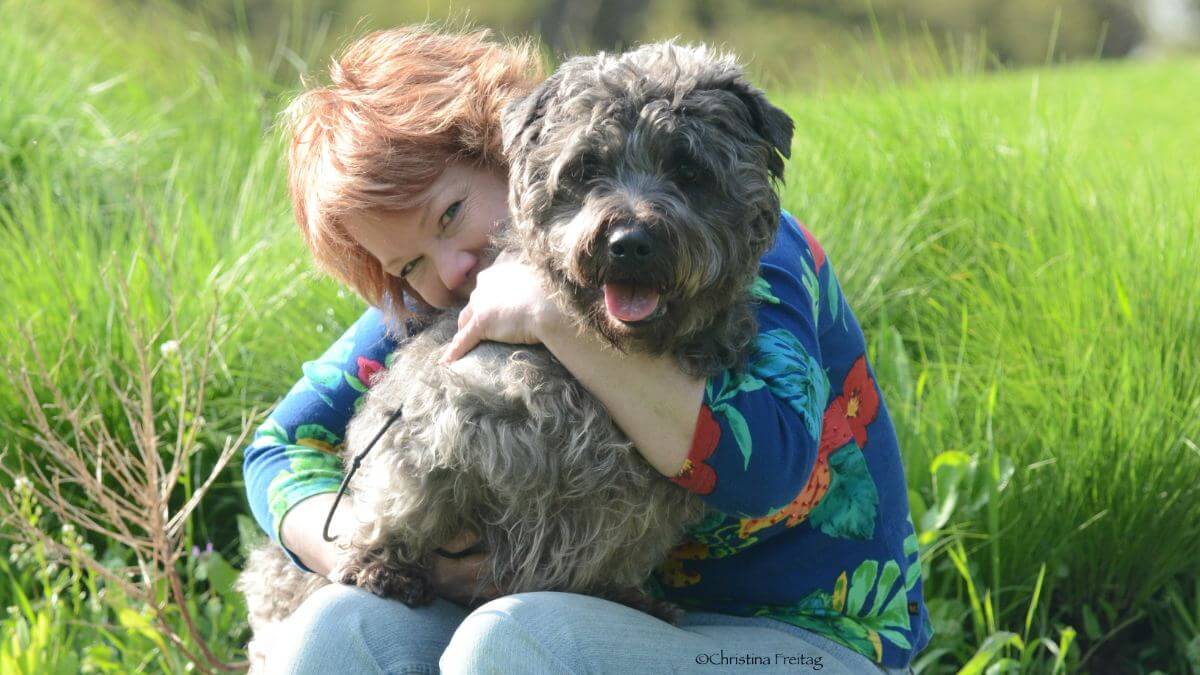
Meet the Breeders
Theresa Nesbitt MD is the breeder behind Abbernan Glens Glen of Imaal Terriers. Read about the kennel, dogs, puppies, photos & more!
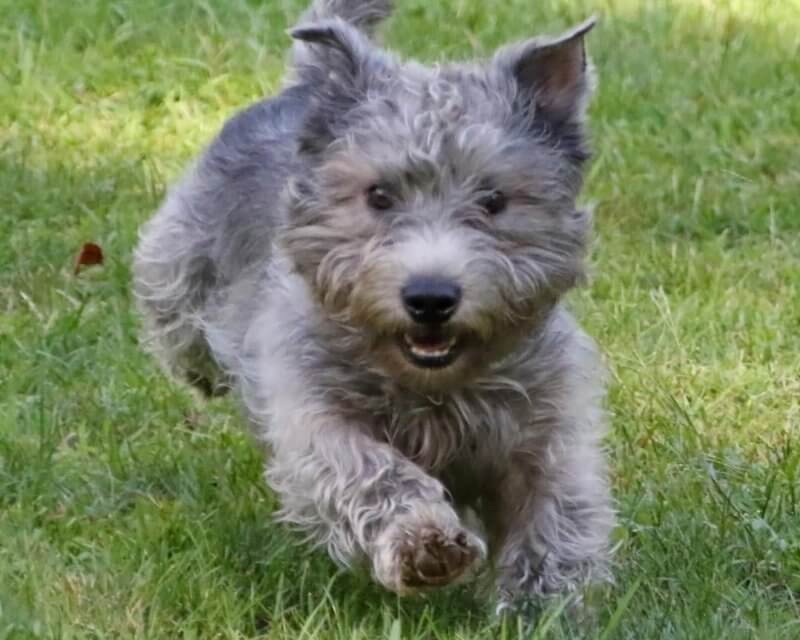
Meet the Breeders
Jo Lynn is the breeder behind Tipperary Glen of Imaal Terriers. Read about the kennel’s beginnings, champion dogs, puppies, photos and more!
The Glen of Imaal Terrier's tail is traditionally docked, though natural tails are also seen. When left undocked, the tail is medium in length, strong at the base, and tapers slightly toward the tip. It is carried high when alert or in motion but never curled over the back. When docked, the tail typically measures half its original length.
A Note About Color: Wheaten includes all shades from cream to red-wheaten. Blue may range from silver to deepest slate, but not black. Brindle may be any shade, but is most commonly seen as blue brindle, which is a mixture of dark blue, light blue, and tan hairs in any combination or proportion.
Coat Type
Wiry
The structure of the coat this breed carries.
Coat Length
Medium
How long the breed's coat grows when kept in condition.
Adaptability Level
How easily a breed copes with changes in home, routine, noise and weather.
Mental Stimulation Needs
How much a breed needs a job, a puzzle or training to stay content.
A nutrient-rich diet is essential for maintaining the muscular build and overall health of the Glen of Imaal Terrier. They thrive on high-quality protein-based food that supports their moderate energy levels and strong bone structure.
Puppies should be fed three to four small meals per day, using a balanced puppy formula designed for small but sturdy breeds. As they mature, they transition to two meals per day, with portion sizes adjusted based on activity level and metabolism. Most adult Glens require 1.5 to 2.5 cups of high-quality dry food per day, divided into two meals. Due to their tendency to gain weight, treats should be given in moderation, and their weight should be carefully monitored.
The Glen of Imaal Terrier is intelligent but independent, meaning consistent training with positive reinforcement is key. Unlike some terriers, they are less reactive and more thoughtful in their approach, but they still require firm leadership and clear boundaries.
Early obedience training and socialization help shape them into confident and well-mannered companions. They respond best to rewards, praise, and interactive training methods, but harsh corrections can make them stubborn or resistant. Their prey drive makes leash training essential, as they may chase small animals when off-leash. Keeping their minds engaged through scent work, puzzle games, and structured activities helps prevent boredom and unwanted behaviors.
Weekly brushing helps prevent matting and removes loose fur. Bathing should be done only when necessary, as frequent washing can strip the coat of its natural oils. Routine ear cleaning, nail trimming, and dental care are also important to keep them in top condition. While low shedders, their coat does require consistent upkeep to prevent it from becoming unruly.