Members
01/Overview
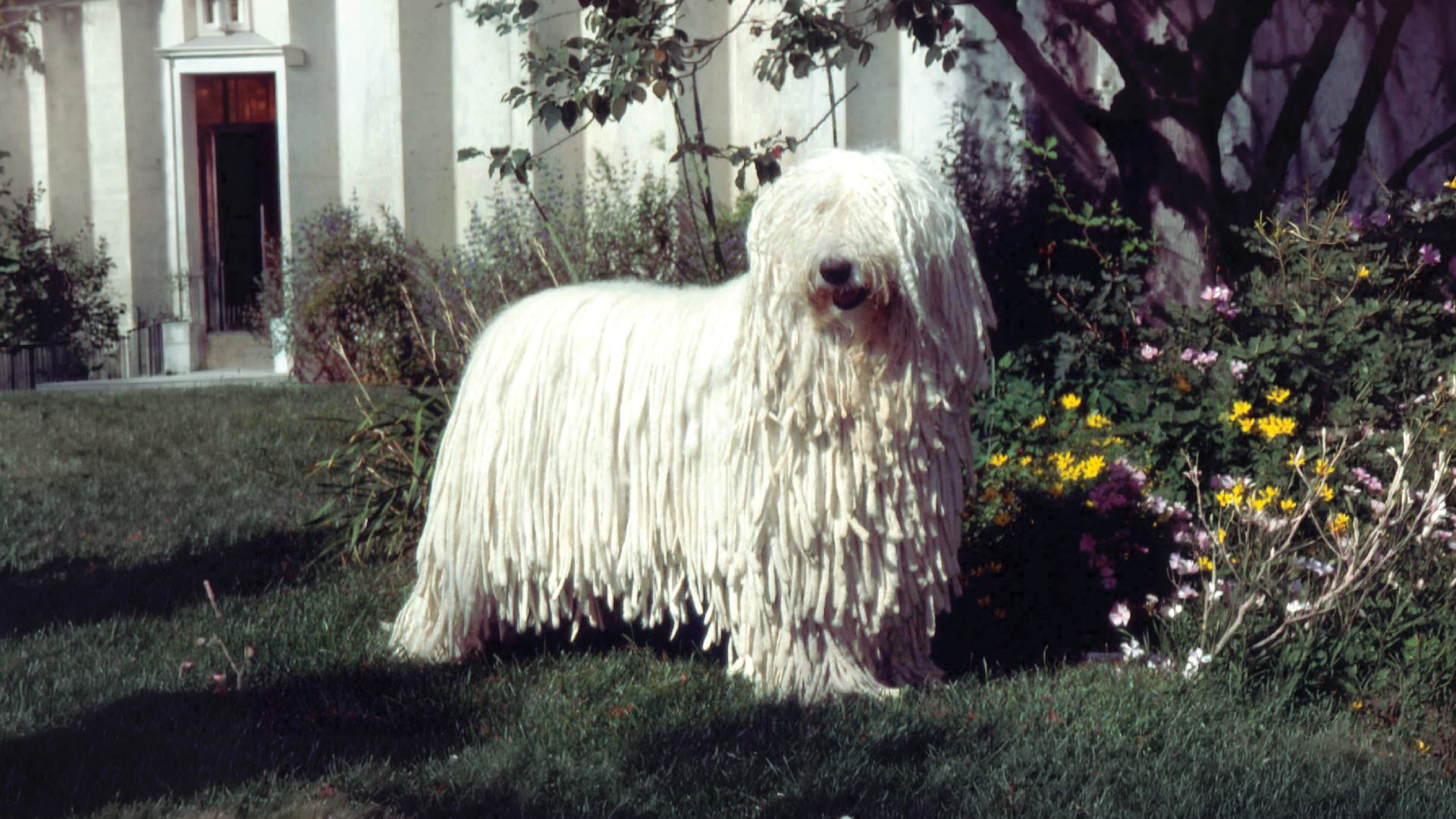
The Komondor, sometimes called the "Hungarian Sheepdog," is a distinctive and powerful livestock guardian breed known for its unique, corded coat. Originating from Central Europe, the breed was developed to protect sheep from predators, using its dense coat as camouflage and protection against harsh weather and animal attacks. Komondors are intelligent, independent, and deeply loyal to their family and flock, making them excellent companions and guardians.
Highlights
02/History
The Komondor has a long and storied history as a livestock guardian in Hungary, where it has been used for centuries to protect sheep from wolves and other predators. The breed is believed to have descended from large dogs brought to the Carpathian Basin by the Cumans, a nomadic Turkic people who settled in Hungary in the 12th and 13th centuries. The name "Komondor" is thought to have originated from these people, as historical records mention large white dogs accompanying the Cumans.
By the 16th century, Komondorok (plural for Komondor) had become well-established in Hungarian shepherding culture, prized for their ability to work independently and fearlessly. The long, corded coat of the dogs provided both insulation and defense against bites from predators. Unlike herding breeds that move livestock, these dogs were bred to blend in with their flocks and stand guard, relying on their intelligence and vigilance rather than direction from a shepherd’s command.
The Komondor's recognition expanded beyond Hungary in the 20th century, with the Fédération Cynologique Internationale (FCI) recognizing the breed in 1945. The American Kennel Club (AKC) officially recognized the breed in 1937, classifying it in the Working Group. World War II had a devastating impact on the breed’s population, as many dogs were lost during the conflict. Efforts to reestablish the breed were undertaken in Hungary and abroad, ensuring its survival and continued use as a faithful and efficient guardian.
03/Appearance
Adult male Komondors stand at a minimum of 27.5 inches tall at the shoulder, while females measure 25.5 inches at a minimum. The breed’s height is complemented by its considerable bone and substance, with males weighing 100 pounds or more and females weighing 80 pounds and up.
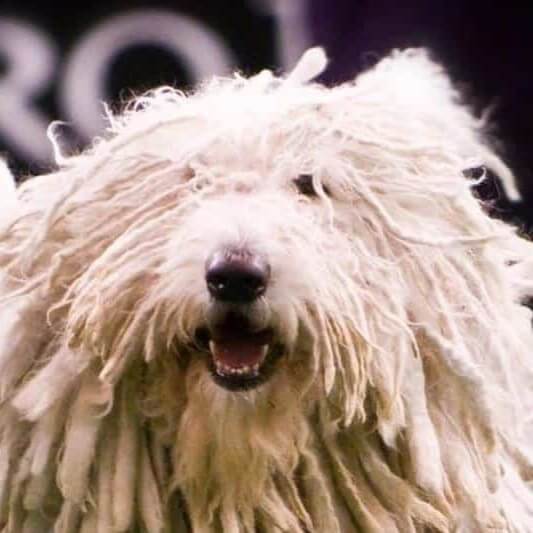
The Komondor is slightly longer than tall, with a strong and well-balanced body. Its overall ruggedness and heavy bone structure provide the power necessary to deter predators, while its muscular symmetry ensures agility and endurance. Despite its massive appearance, the Komondor moves with surprising speed when needed, a crucial trait for its role as a dependable livestock guardian.
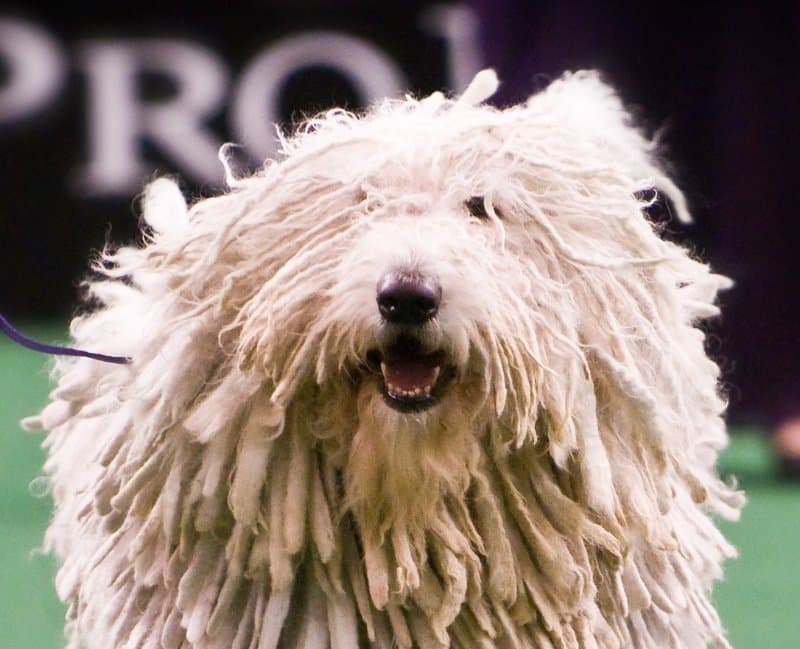
Texture: The Komondor’s most defining feature is its dense, corded coat, which provides protection against harsh weather and predators. The coat of the adult dog consists of a dense, soft, woolly undercoat (much like the coat of a puppy) and a coarser outer coat that is wavy or curly. The coarser hairs of the outer coat trap the softer undercoat, forming permanent, strong, tassel-like cords that are felt-like to the touch. These cords act as insulation, keeping the dog warm in cold climates and preventing bites from predators. The coat requires careful maintenance to prevent matting and maintain its unique appearance.
Standard Colors
04/Consider
Owning a Komondor requires dedication, experience, and a deep understanding of a guardian breed. These dogs are independent thinkers with strong protective instincts, making them excellent livestock guardians and home protectors. However, their intelligence and somewhat stubborn nature mean they need firm, consistent training from an early age. Their unique coat also requires specialized maintenance, and their large size makes them best suited for homes with ample space.
Interaction With Family
The level of affection a breed typically shows towards family members and familiar individuals.
Good With Other Dogs
The innate friendliness of a dog towards other dogs can depend on its breed.
Good With Young Children
The degree to which a breed will typically be patient with young children.
Amount Of Shedding
How much hair a breed typically leaves behind on clothes, furniture and floors.
Frequency Of Grooming
How often a breed needs brushing, bathing or a professional trim to stay in condition.
Amount Of Drooling
How prone a breed is to drool, worth knowing before you keep a towel by the door.
Openness To Strangers
How openly a breed tends to greet new people, visitors and strangers.
Protective Nature
How likely a breed is to alert you to anything unfamiliar, and stand between you and it.
Playfulness Level
How enthusiastic a breed stays about games and play well past puppyhood.
Trainability Level
How readily a breed takes direction and works with you rather than around you.
Barking Level
How much a breed uses its voice, and how readily.
Energy Level
How much get-up-and-go a breed brings to an average day.
Health
The Komondor is a generally hardy breed, built for endurance and resilience in harsh environments. With proper care, these dogs typically live between 10 and 12 years. Like all dogs, individuals can be prone to certain health concerns, but responsible breeding practices help to reduce the risks.
The Komondor is an intelligent, independent, and deeply loyal breed with strong protective instincts. Bred to guard livestock without human direction, they are naturally wary of strangers and take their guardian role seriously. Early and extensive socialization is crucial to ensure they distinguish between real threats and everyday interactions. While affectionate with their families, Komondors are not overly clingy and prefer to observe their surroundings from a position of authority.
Due to their independence, they are not ideal for first-time dog owners and require a handler who can establish firm, consistent leadership. They are naturally territorial and may be aggressive towards unfamiliar dogs if not socialized properly. With children, Komondorok can be gentle but require supervision due to their size and strong guarding instincts. They are best suited for homes where their protective nature is appreciated and where they have a job to fulfill.
Exercise Expectations
Because of their rapid growth and large size, excessive exercise in puppies should be avoided to prevent joint issues. Structured activities such as short walks and supervised free-play sessions are preferable to forced running or jumping. Adult Komondorok, while not overly active, benefit from consistent exercise to prevent boredom, which can lead to destructive behaviors.
Komondorok are best suited for homes with ample space, as their guarding instincts make them naturally territorial. While they can adapt to various living environments, they thrive in rural settings or homes with large, securely fenced yards. They are highly sensitive to their surroundings and will be alert to any unusual activity, making them excellent watchdogs.
The Komondor’s thick coat provides excellent insulation, allowing these dogs to handle cold weather well; however, they can struggle in hotter climates. They require access to shade and fresh water in warm weather to prevent overheating. Komondorok form strong bonds with their families but are independent and do not require constant attention, making them ideal for owners who appreciate a loyal but self-reliant companion.
05/Puppies
Komondor puppies require patience, consistency, and early socialization to shape them into well-balanced adults. Their rapid growth and strong guardian instincts mean they need structured training, controlled exercise, and a carefully managed diet. Proper socialization helps to prevent excessive wariness, while early exposure to grooming prepares them for future coat maintenance.
Bringing home a Komondor puppy requires preparation, as the little one is an independent thinker from a young age. Early crate training helps with housebreaking and provides a secure space for rest during the day and sleeping at night. Socialization is crucial, as the Komondor can be naturally wary of strangers and unfamiliar environments. Introducing the pup to new people, animals, and experiences in a controlled manner helps to develop confidence and reduces the likelihood of excessive guarding behavior.
Feeding should follow a structured schedule with a large-breed puppy formula to promote steady growth and reduce the risk of joint problems. The Komondor puppy should be fed three to four small meals a day until about six months of age, then transitioned to two meals per day. Overfeeding and excessive protein intake should be avoided to prevent rapid growth, which can contribute to orthopedic issues.
Exercise should be moderate and age-appropriate, avoiding excessive running or jumping to protect the developing joints. Short, supervised play sessions and controlled walks are ideal. The puppy’s coat will begin to develop cords as it grows, and while full maintenance is not required early on, handling the coat gently and keeping the skin clean will help the pup to become accustomed to future grooming sessions.
Regular vet visits, vaccinations, and early obedience training are essential for raising a well-adjusted Komondor. Establishing clear leadership from puppyhood ensures the puppy will grow into a confident, well-mannered guardian that can be trusted in both family and working environments.
06/Activities
Gallery
07/Standards
The Komondor is recognized by the world's leading registries and kennel organizations, which categorize the breed into a specific Group based on its unique characteristics. This breed is recognized worldwide under the following Group designations:
The ideal Komondor is described by a Breed Standard that is approved by each of the world’s leading registries and kennel organizations. The Breed Standards for this breed may be found in the following links:
08/Clubs
09/Rescue
10/Facts
One of the Oldest Livestock Guardian Breeds
The Komondor's ancestry traces back over 1,000 years to dogs brought to Hungary by the nomadic Cumans in the 12th and 13th centuries.
Naturally Forming Cords
The Komondor’s thick, white coat naturally forms cords as it matures.
Coat as Armor
The dense cords provide protection not only from harsh weather but also from predator attacks, as the thick coat helps to absorb bites.
Camouflage in the Flock
The solid white coat was intentionally bred to help Komondors blend in with the sheep, making them nearly invisible to predators until they strike.
Rare and Uncommon
Despite their long history, Komondors remain a rare breed, even in their native Hungary where they are highly valued but carefully bred to maintain their working traits.
11/FAQ
Komondors do not shed in the traditional sense, but their coat naturally forms long, corded locks that require maintenance. Loose hair gets trapped within the cords, so regular coat care is necessary to prevent matting and dirt buildup.

Written by
Dan Sayers is the Executive Editor of SHOWSIGHT. He is a member of the World Dog Press Association and the Dog Writers Association of America, which recognized his illustrations in the award-winning Encyclopedia of K-9 Terminology. Dan is a longtime supporter of the sport of dogs and an advocate for the conservation of recognized breeds in all their forms and functions. He is a member of the Morris and Essex Kennel Club, and for 45 years, the Irish Water Spaniel Club of America where he serves as AKC Delegate, Archivist, and approved Breed Mentor. Dan breeds under the Quiet Storm prefix and has judged the IWSCA National Specialty Sweepstakes twice.


American Kennel Club (AKC)
Andrew Ritter reflects on judging at the 2025 AKC National Championship and shares his take on quality, organization, and the year ahead.
Meet the Judges
Robin Hug reflects on judging the 2025 National Dog Show, highlighting quality entries and standout breed performances.


Meet the Breeders
Allan Reznik sits down with Nancy Liebes to discuss her lifelong journey with Komondors, from first show memories to champion success.
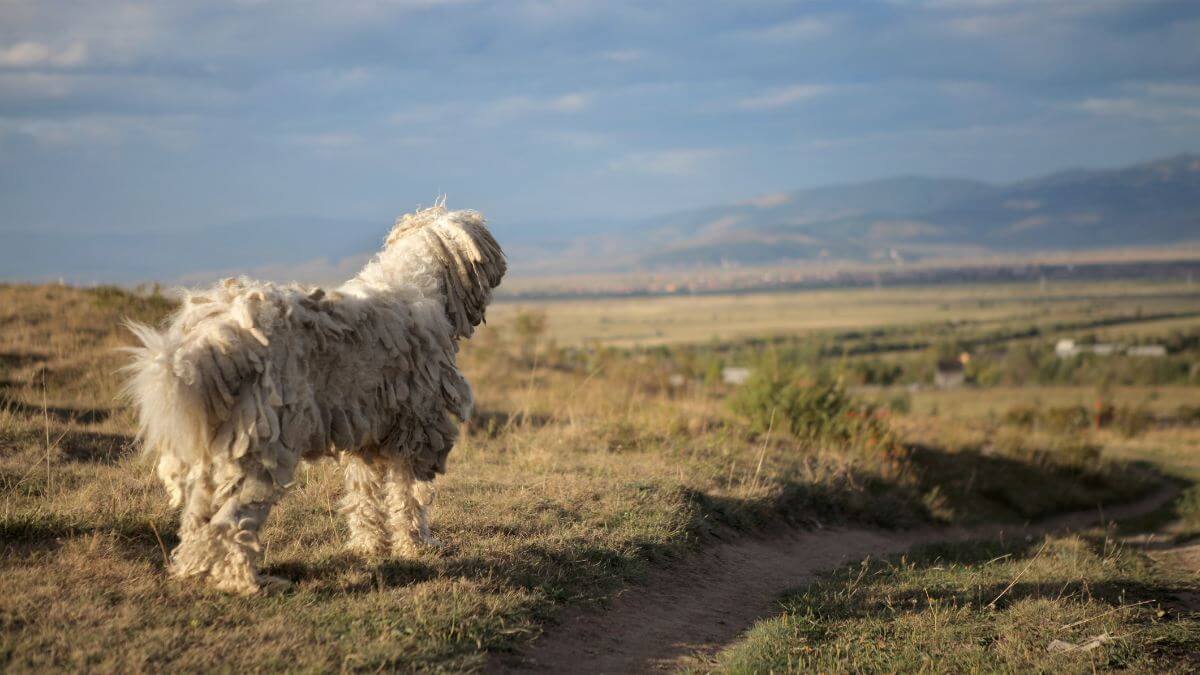
Discover the fascinating history of the Komondor, a unique Hungarian shepherd dog, from its ancient origins to modern fame.
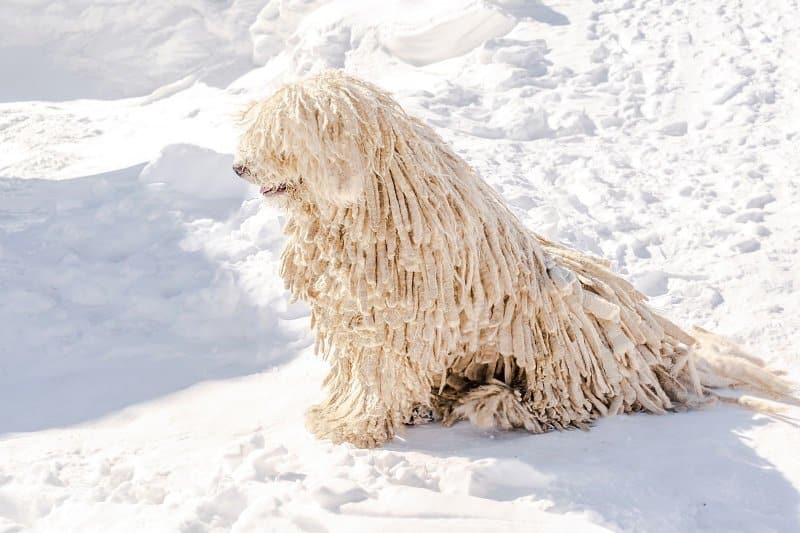

Komondors are livestock guarding dogs. Although there are many more of these noble breeds, only four are recognized by the AKC.

All About Judging
Adult Komondors, well groomed, have amazing corded coats. The mature adult coat might weigh 10 pounds dry and 25 pounds wet. Read more.
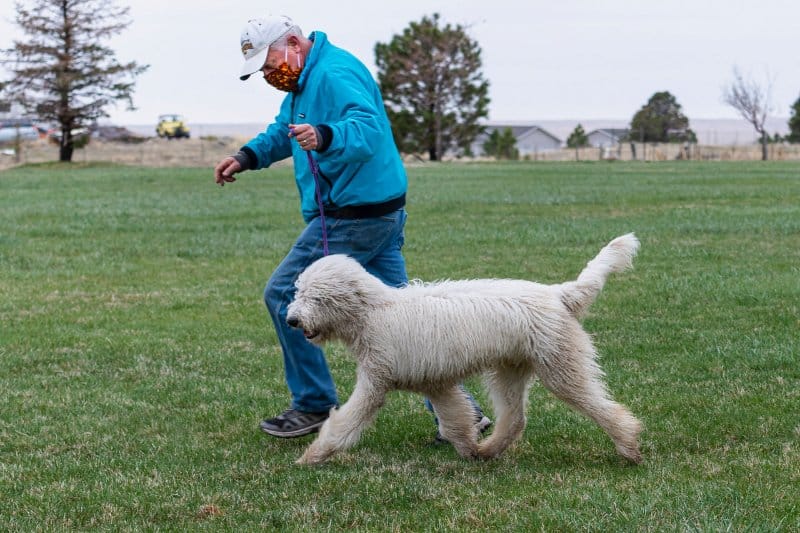
Under its unusual coat, the Komondor is a regular dog that should have regular movement, with balance and agility. Read more.
Meet the Breeders
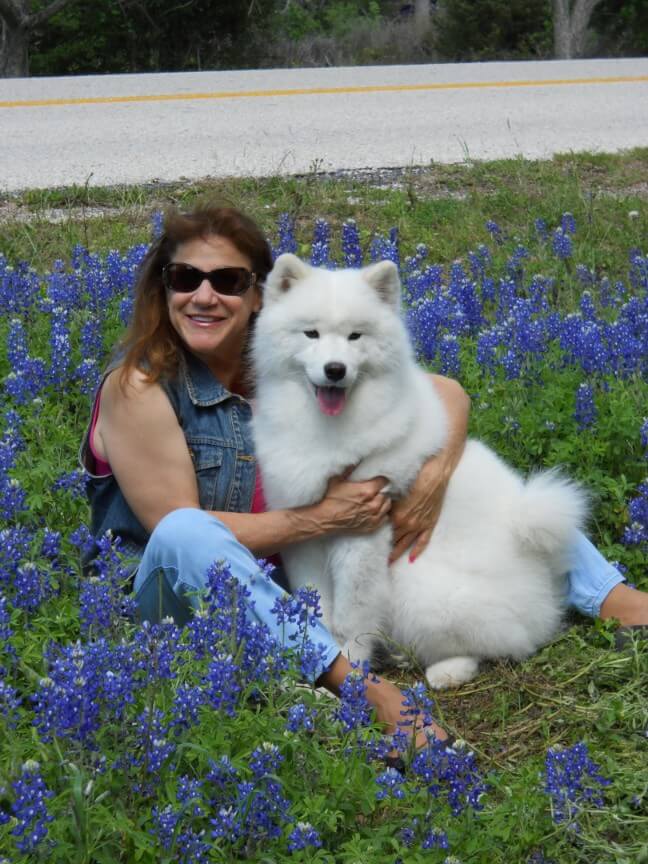
Interview with Working Group Breeder Joan Liebes – I purchased my first Samoyed and attended my first dog show in 1968. Along with my mother
The Komondor has a long, slightly curved tail that reaches at least to the hocks. When at rest, the tail hangs naturally, but when the dog is alert or in motion it may be raised slightly above the topline. The tail is fully covered in long, corded hair, blending seamlessly with the rest of the coat. The tail is never docked.
A Note About Color: The coat is white, although not always pure white. A small amount of cream or buff is sometimes seen in puppies, but fades with maturity. Color other than white, except for small amounts of cream or buff in puppies, is a disqualification in the show ring. Ideally, the skin is gray; however, pink skin is acceptable but not desired.
Coat Type
Corded
The structure of the coat this breed carries.
Coat Length
Long
How long the breed's coat grows when kept in condition.
Adaptability Level
How easily a breed copes with changes in home, routine, noise and weather.
Mental Stimulation Needs
How much a breed needs a job, a puzzle or training to stay content.
A well-balanced diet is essential for maintaining the health and energy levels of the Komondor. As a large breed, these dogs require high-quality food formulated for large or giant breeds, ensuring proper joint support and controlled growth during puppyhood. Overfeeding or excessive calcium intake can contribute to orthopedic issues, so careful portion control is necessary.
Adult Komondorok typically eat between 3 and 5 cups of high-quality dry food per day, split into two meals. Puppies should be fed smaller, more frequent meals to support steady growth. Fresh water should always be available, and slow-feed bowls may be helpful to prevent rapid eating. Treats should be given in moderation, and table scraps or foods harmful to dogs, such as onions, chocolate, and grapes, must be avoided.
Training a Komondor requires patience, consistency, and strong leadership. As an independent thinker bred for autonomous decision-making, this breed does not respond well to harsh corrections or repetitive training methods. Positive reinforcement, clear boundaries, and early obedience training are key to managing this dog’s strong-willed nature.
Socialization from a young age is critical to prevent excessive suspicion toward strangers and other animals. Komondorok should be exposed to different environments, people, and experiences to develop into well-balanced adults. Due to their natural guarding instincts, they need clear rules to understand when protection is necessary and when it is not. Leash training is also essential, as their size and strength can make them difficult to control if untrained. With proper guidance, the Komondor becomes a well-mannered, confident guardian, excelling in both the family home and in working environments.
Grooming Expectations
The coat sheds minimally but traps debris, so periodic cleaning is needed. Due to the density of their hair, Komondorok take a long time to dry after a bath and should never be left damp, as moisture trapped in their cords can cause skin issues. Regular ear cleaning, nail trimming, and dental care are also important to maintain overall health.