Members
01/Overview
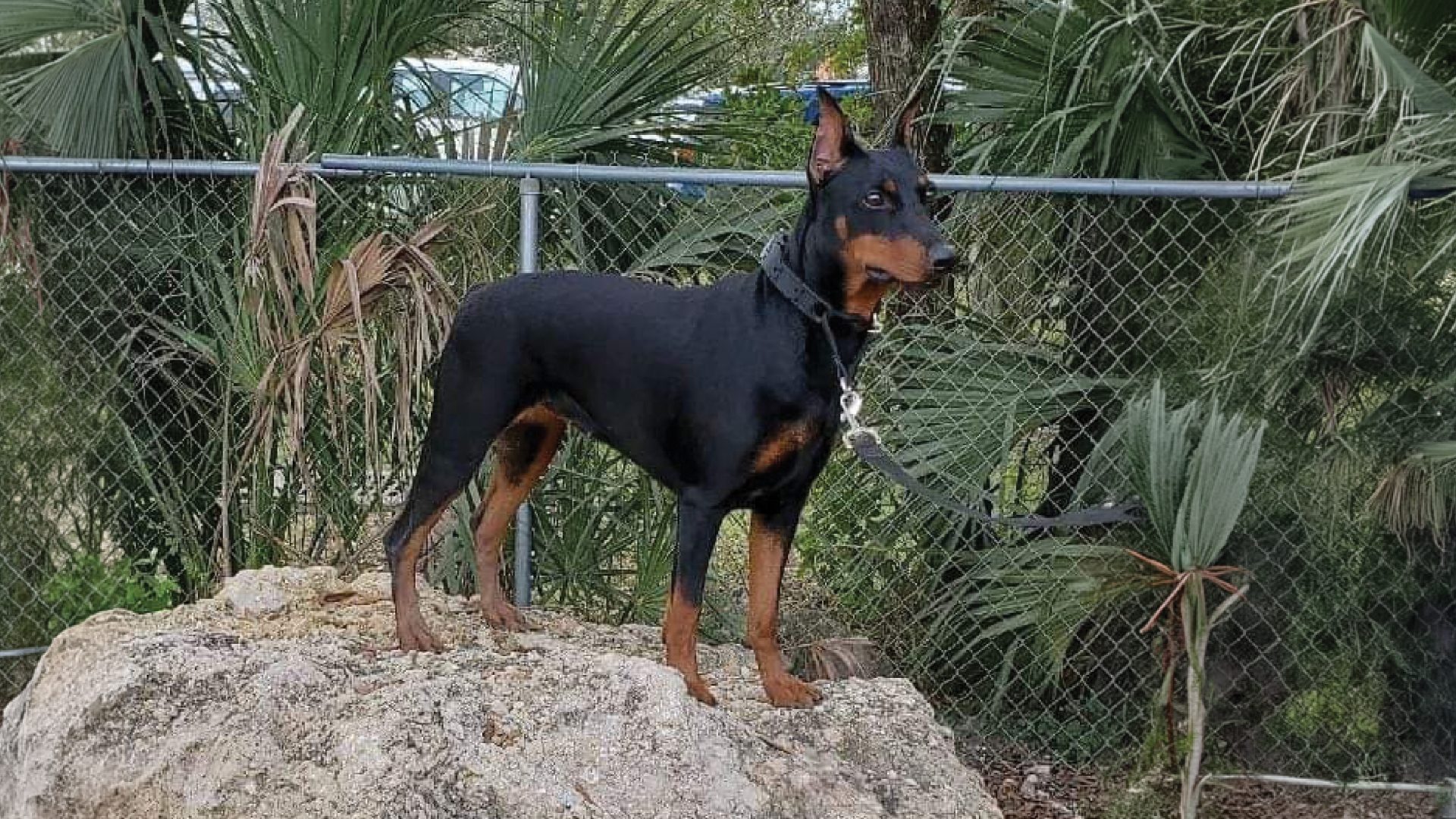
The German Pinscher is a medium-sized, athletic breed with a strong work ethic and a history rooted in Deutschland. Known for its intelligence, agility, and versatility, the breed has served as a farm dog, vermin hunter, and loyal companion for two centuries.
Highlights
02/History
The German Pinscher traces its origins back to the 19th century in Germany, where it was developed as a versatile working dog. Its primary role was to eliminate vermin and protect farms, making it an essential companion for farmers.
The breed is believed to have descended from the Rat Pinscher, a now-extinct German breed, and shares its ancestry with the Miniature Pinscher, Doberman Pinscher, and other pinscher-type breeds. It was officially recognized as a distinct breed in Germany in the late 19th century.
By the early 20th century, the German Pinscher’s popularity began to decline, and the breed nearly faced extinction after World War II. Dedicated breeders, led by Werner Jung in the 1950s, revived the breed by carefully selecting dogs that exhibited the traditional traits of the breed.
The German Pinscher was officially recognized by the Fédération Cynologique Internationale (FCI) in 1955. The American Kennel Club (AKC) granted full recognition to the breed in 2003, placing it in the Working Group where its versatility and intelligence are celebrated.
While less common than the other pinscher breeds, the German Pinscher is highly regarded for its agility, loyalty, and adaptability. Its role has evolved from farm work to include participation in competitive dog sports and serving as a devoted family companion.
03/Appearance
The German Pinscher is a medium-sized breed, with adult males and females standing between 17 and 20 inches tall at the shoulder. Both males and females typically weigh between 25 and 45 pounds and have a lean, muscular build that reflects their elegance and athleticism.
The German Pinscher has a square, well-proportioned body, with its height at the withers approximately equal to its length from the prosternum to the rump. Its strong, compact frame conveys agility and endurance, emphasizing the breed’s working heritage.
Texture: The German Pinscher has a short, dense, and smooth coat that lies close to the body. The coat is shiny and covers the body without any bald spots.
Standard Colors
Standard Markings
04/Consider
The German Pinscher is a highly energetic and intelligent breed, making it an excellent choice for active families or individuals who can meet its physical and mental needs. It is a reliable watchdog due to its natural alertness, but its assertive nature requires consistent training and thoughtful socialization.
Interaction With Family
The level of affection a breed typically shows towards family members and familiar individuals.
Good With Other Dogs
The innate friendliness of a dog towards other dogs can depend on its breed.
Good With Young Children
The degree to which a breed will typically be patient with young children.
Amount Of Shedding
How much hair a breed typically leaves behind on clothes, furniture and floors.
Frequency Of Grooming
How often a breed needs brushing, bathing or a professional trim to stay in condition.
Amount Of Drooling
How prone a breed is to drool, worth knowing before you keep a towel by the door.
Openness To Strangers
How openly a breed tends to greet new people, visitors and strangers.
Protective Nature
How likely a breed is to alert you to anything unfamiliar, and stand between you and it.
Playfulness Level
How enthusiastic a breed stays about games and play well past puppyhood.
Trainability Level
How readily a breed takes direction and works with you rather than around you.
Barking Level
How much a breed uses its voice, and how readily.
Energy Level
How much get-up-and-go a breed brings to an average day.
Health
The German Pinscher is generally a healthy breed with a lifespan of 12 to 14 years. However, like all dogs, individuals may be prone to some health issues that require attention and proactive care.
German Pinschers are intelligent, energetic, and confident dogs that thrive on close relationships with their families. Their natural alertness and protective instincts make them excellent watchdogs, while their affectionate and playful nature ensures they are loving companions.
These dogs are generally good with children when raised alongside them but may be reserved around strangers or other animals without proper socialization. Due to their strong-willed and independent nature, they are best suited for experienced owners who can provide firm and consistent leadership.
Exercise Expectations
These dogs also benefit from mental stimulation, such as puzzle toys or training sessions, to keep their sharp minds engaged. Without sufficient exercise, German Pinschers may become bored, leading to unwanted behaviors such as chewing or excessive barking.
Grooming Expectations
German Pinschers are highly adaptable and can thrive in a variety of living situations, including apartment settings, as long as their exercise needs are met. These dogs do best in homes where they can be part of daily activities, as they are people-oriented and form strong bonds with their families.
This breed is sensitive to extreme temperatures, tolerating heat better than cold due to the breed’s short coat. German Pinschers are happiest in environments that provide structure, attention, and plenty of opportunities for both physical and mental stimulation.
05/Puppies
German Pinscher puppies are energetic, curious, and highly intelligent, requiring early guidance to positively shape good behavior. Their active and playful nature means they need structured training, socialization, and consistent routines to grow into well-mannered adults.
Caring for a German Pinscher puppy begins with creating a safe environment and establishing a consistent routine. Puppy-proofing the home is essential, as the pup’s curiosity may lead it to explore the immediate surroundings and get into trouble.
Early socialization is crucial to help the puppy develop into a confident and well-adjusted adult. Exposure to different people, environments, and animals encourages interactions that are adaptable and positive.
A high-quality puppy food formulated for medium-sized breeds supports the puppy’s growth and energy needs. Feeding should be scheduled in three to four small meals daily, transitioning to two meals as the pup matures.
Training should start immediately, focusing on basic obedience, housebreaking, and crate training. Positive reinforcement methods, such as treats and praise, are most effective for supporting progress in this intelligent breed.
Routine vet check-ups, vaccinations, and parasite prevention, as well as regular communication with the puppy’s breeder, are vital to monitor overall health and ensure a strong start in life.
06/Activities
Gallery
07/Standards
The German Pinscher is recognized by the world's leading registries and kennel organizations, which categorize the breed into a specific Group based on its unique characteristics. This breed is recognized worldwide under the following Group designations:
The ideal German Pinscher is described by a Breed Standard that is approved by each of the world’s leading registries and kennel organizations. The Breed Standards for this breed may be found in the following links:
08/Clubs
09/Rescue
10/Facts
Foundation Breed
The German Pinscher is the foundation breed for both the Doberman Pinscher and the Miniature Pinscher, playing a significant role in their development.
Vermin Hunter
Historically, German Pinschers were highly valued for their exceptional ability to hunt and eliminate vermin on farms.
Nearly Extinct
After World War II, the breed faced near extinction but was revived in the 1950s by Werner Jung using careful breeding practices.
Multi-Talented
German Pinschers are versatile dogs, excelling in various roles such as watchdog, performance athlete, and loyal companion.
Rare Breed
Despite the breed’s long history, the German Pinscher remains relatively rare compared to the other Pinscher breeds.
11/FAQ
Yes, German Pinschers shed, but their short, dense coat makes the shedding minimal and easy to manage. Regular brushing helps to keep the coat healthy and removes any loose hair.

Written by
Dan Sayers is the Executive Editor of SHOWSIGHT. He is a member of the World Dog Press Association and the Dog Writers Association of America, which recognized his illustrations in the award-winning Encyclopedia of K-9 Terminology. Dan is a longtime supporter of the sport of dogs and an advocate for the conservation of recognized breeds in all their forms and functions. He is a member of the Morris and Essex Kennel Club, and for 45 years, the Irish Water Spaniel Club of America where he serves as AKC Delegate, Archivist, and approved Breed Mentor. Dan breeds under the Quiet Storm prefix and has judged the IWSCA National Specialty Sweepstakes twice.


Meet the Judges
Sandra Pretari Hickson reflects on judging at Westminster 2026, highlighting entry depth, breed quality, and key winners.

Meet the Judges
Robin Hug reflects on judging the 2025 National Dog Show, highlighting quality entries and standout breed performances.
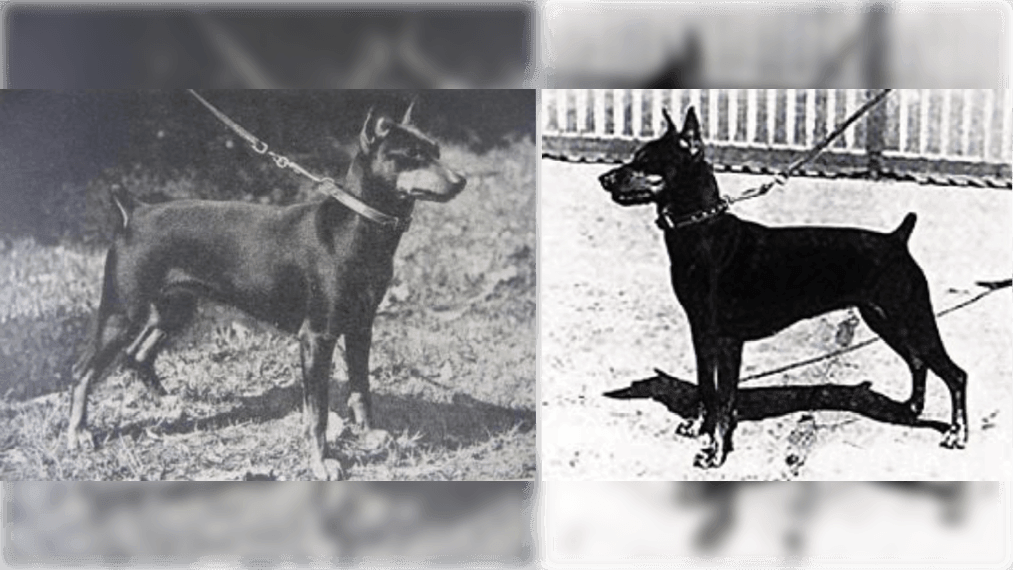

Learn how dedicated breeders saved the German Pinscher from extinction and shaped today’s energetic, loyal, and elegant companion. Read more!
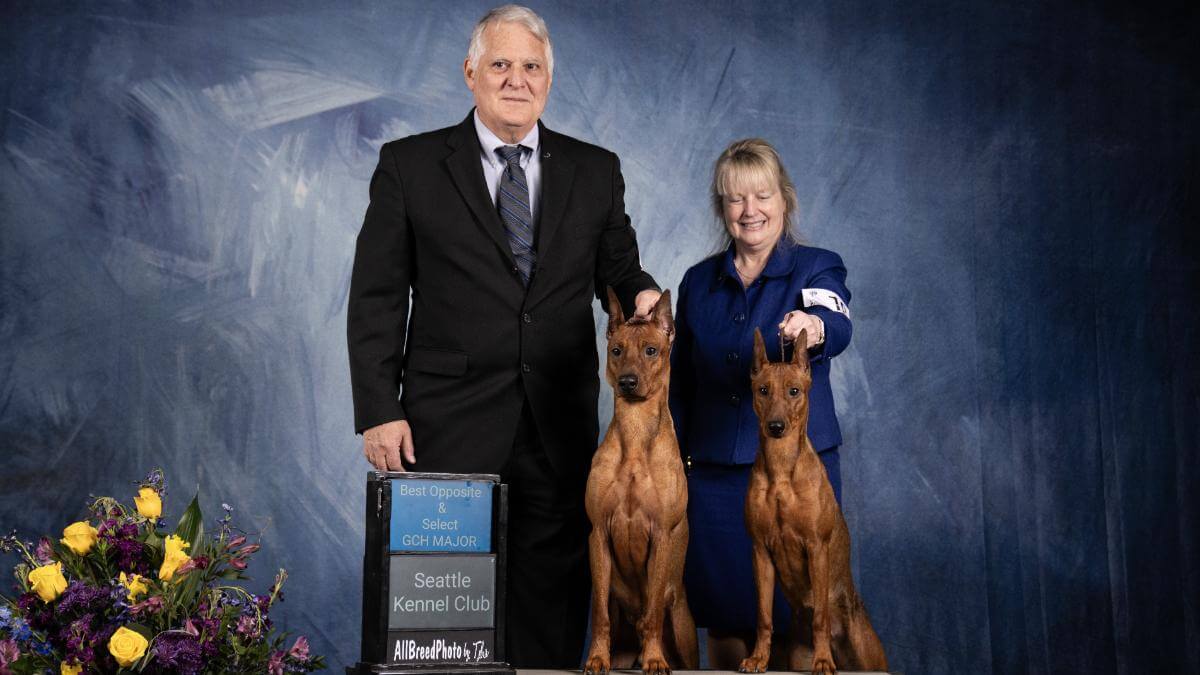

Meet the Breeders
Howard & Lorraine Shore of Immer Treu share their passion for preserving and promoting the rare, loyal, and agile German Pinscher.
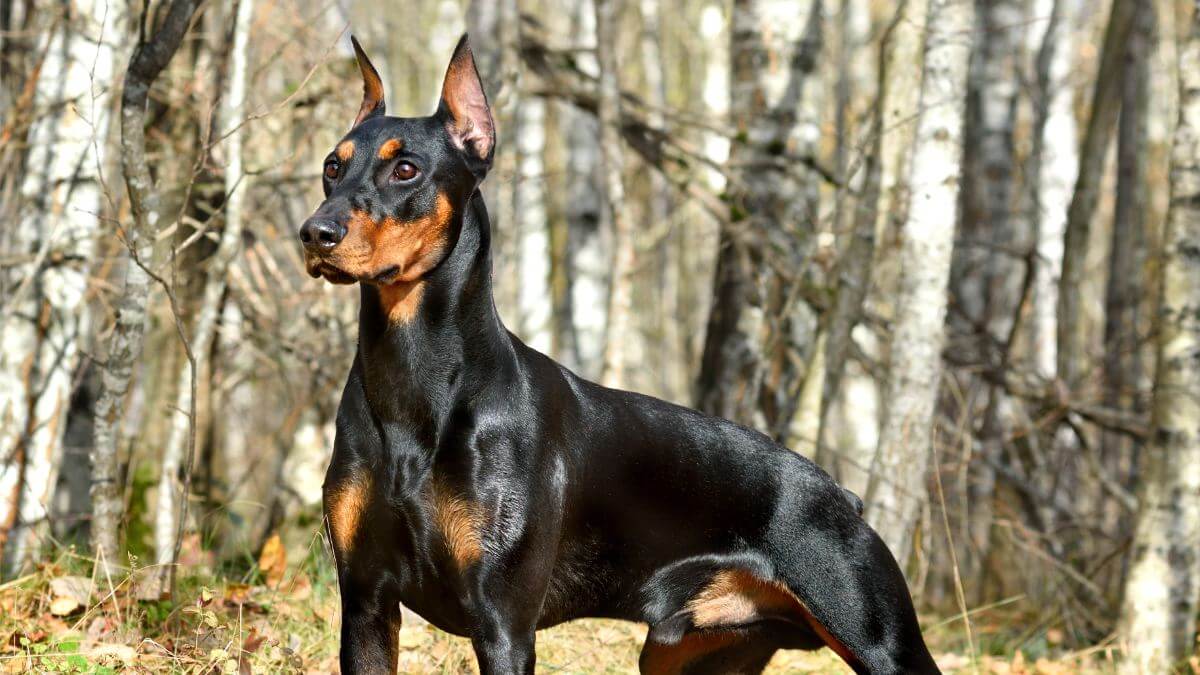
Dog Sports
Discover the versatile German Pinscher: a fearless, intelligent working dog excelling in sports, obedience, and companionship.
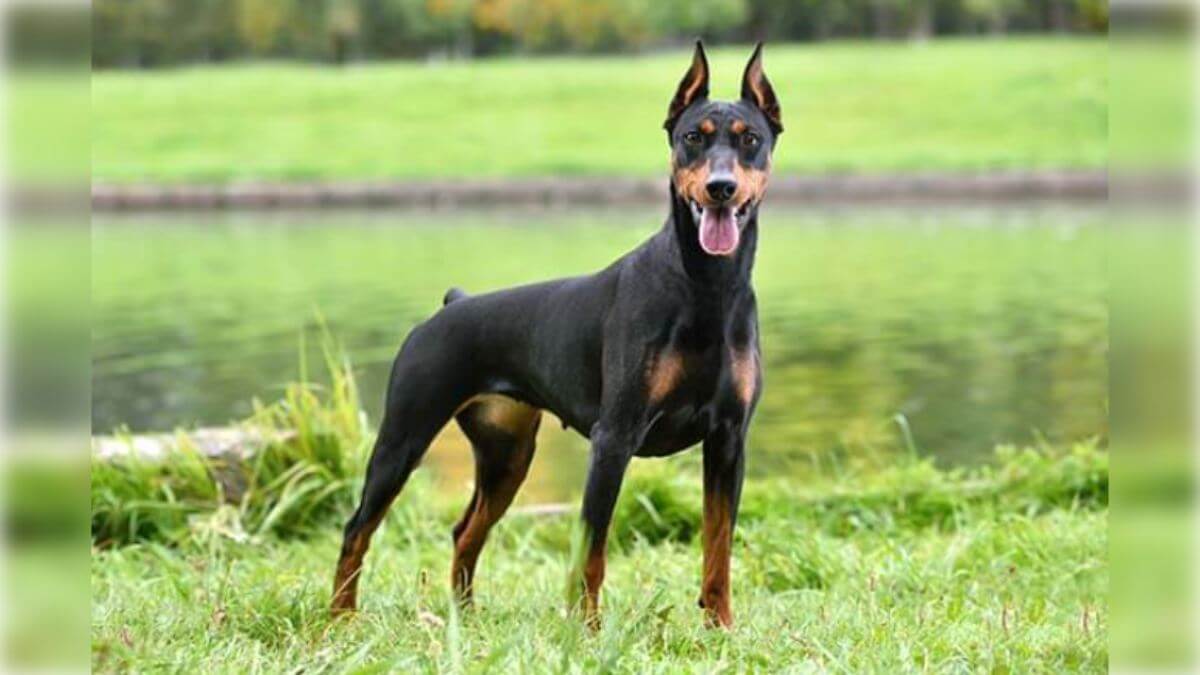
All About Judging
Learn to judge the German Pinscher with insights into key traits and the perfect balance of elegance, substance, and agile movement.
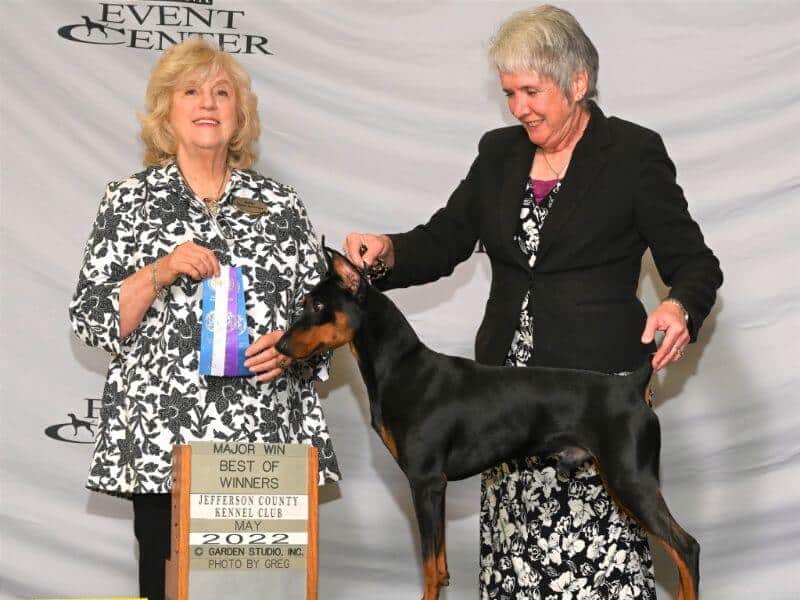

Meet the Breeders
Amy Issleib is the breeder behind Temerity German Pinschers. Read about the kennel’s beginnings, the puppies, and much more!
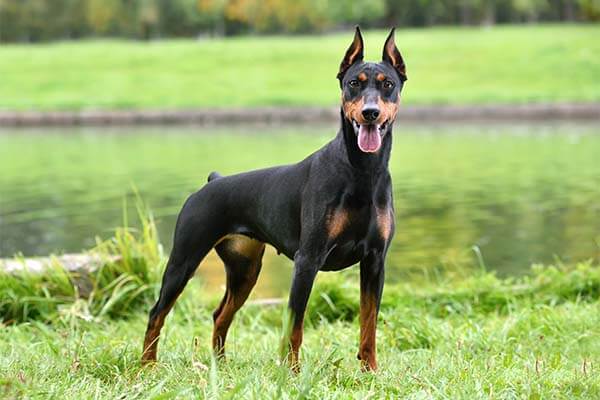
German Pinscher standard characterizes the breed as having a vivacious personality. They are spirited and playful with just a touch of clown
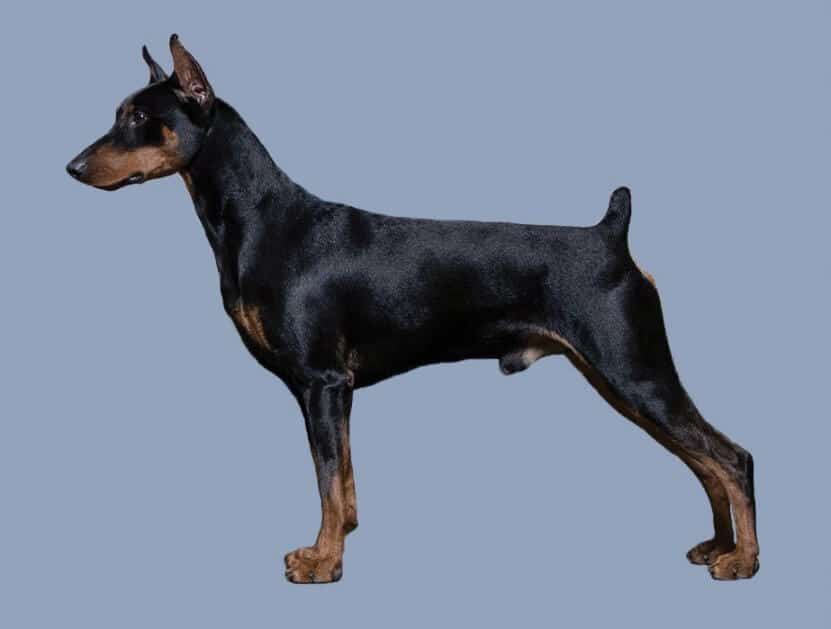

German Pinscher – Cropping and Docking | The middle and lesser-known Pinscher, the German Pinscher, exhibits the unquestionable strength and
The German Pinscher’s tail is traditionally docked between the second and third joints. It is moderately set and carried above horizontal. The undocked tail has a sabre or sickle carriage.
Coat Type
Smooth
The structure of the coat this breed carries.
Coat Length
Short
How long the breed's coat grows when kept in condition.
Adaptability Level
How easily a breed copes with changes in home, routine, noise and weather.
Mental Stimulation Needs
How much a breed needs a job, a puzzle or training to stay content.
German Pinschers require a high-quality diet to support their active lifestyle and maintain their lean, muscular build. Puppies should be fed specially formulated puppy food for medium-sized breeds, divided into three or four meals daily to support the growth phases.
Adult German Pinschers typically need 1.5 to 2.5 cups of food per day, divided into two meals, depending on their age, size, and activity level. Consistent feeding schedules, access to fresh water, and avoiding overfeeding are essential to prevent obesity and other health-related issues.
German Pinschers are highly intelligent and quick learners, but their strong-willed nature requires consistent and structured training. Early obedience training and socialization are crucial for teaching good manners and to ensure the dogs are comfortable around people and other animals.
This breed responds best to positive reinforcement techniques, such as treats and praise, and mentally stimulating activities that challenge their intelligence. Without proper training and boundaries, German Pinschers can become overly independent or develop behavioral issues, so consistency and patience are key to raising a well-mannered companion.
Bathing is only needed occasionally or when the dog gets dirty, as overbathing can strip the coat of its natural oils. Routine care, including trimming nails, cleaning ears, and brushing teeth, is essential to keep the German Pinscher in good health and looking its best.