Members
01/Overview
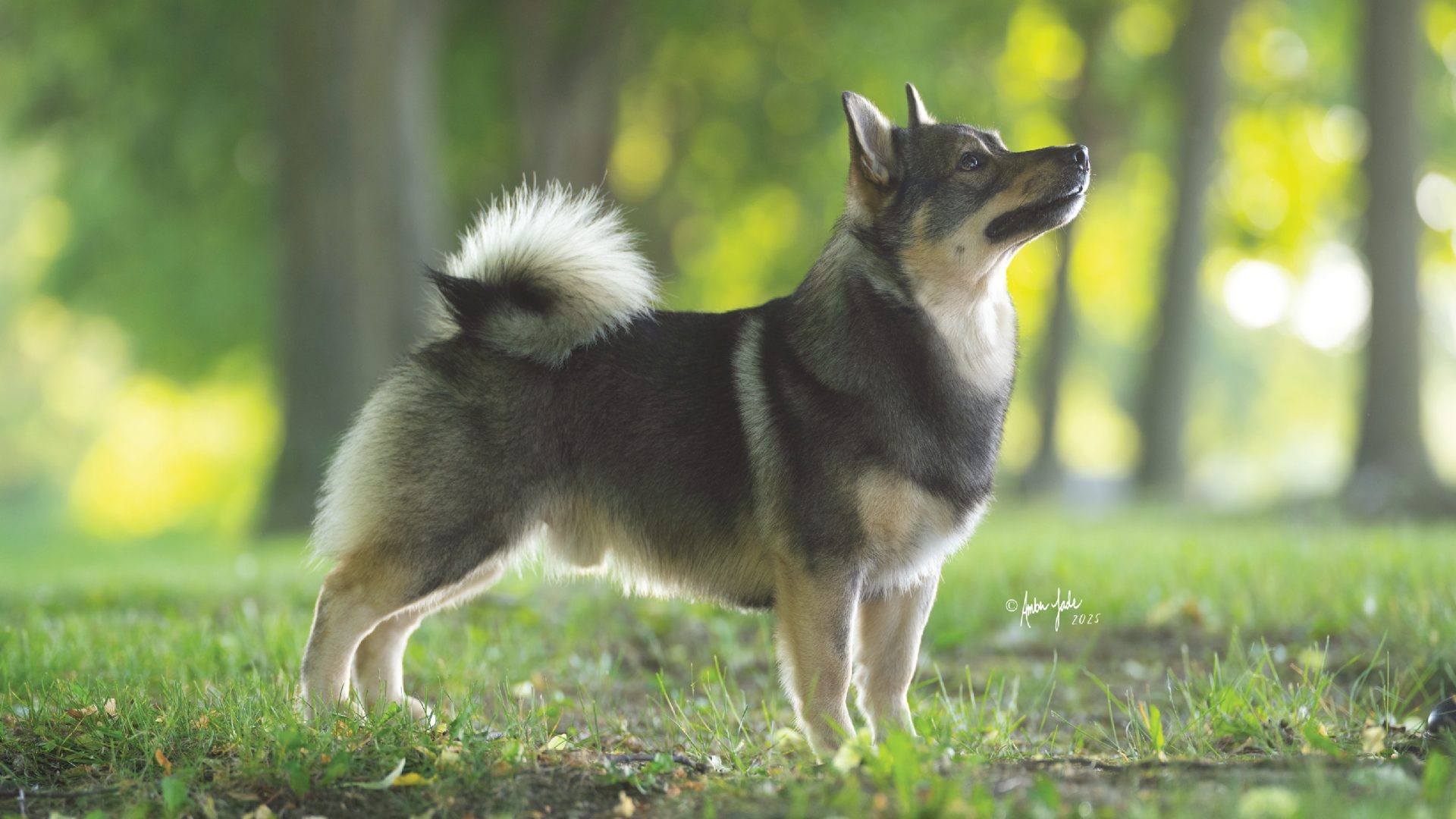
The Swedish Vallhund, often known as the "Viking Dog" or "Swedish Cattle Dog," is a distinctive and energetic breed that originated in Sweden. This small to medium-sized canine resembles a wolf in some ways and has a long history as a versatile working farm dog. Originally, Swedish farmers employed Vallhunds to herd cattle and control vermin, and to secure their dwellings. The breed remains devoted to the family and creates strong connections with its human companions.
Highlights
02/History
The Swedish Vallhund is a very old spitz-type breed that has been around since the age of the Vikings, when it was possibly known as the "Vikingarnas Dog." Some historians believe the ancestors of the Vallhund were brought to Wales in the eighth or ninth centuries, explaining the similarities between the Pembroke Welsh Corgi and the Swedish breed.
The Swedish Kennel Club recognized the Vallhund in 1943. With the Swedish Breed Standard amended in 1964, the breed was renamed Vastgotaspet after the Swedish province Vastergotland, where a renewed breeding effort began. The breed became known as the Swedish Vallhund in English-speaking areas, where "Vallhund" means "herding dog." The Swedish Vallhund arrived in England in 1974.
The first of the "Little Viking Dogs" were brought to the United States in early 1983. Marilyn Thell of Rhode Island, a woman of Swedish origin, brought two Vallhunds to the United States in 1985 after visiting England. On September 4, 1986, the Jonricker Kennel whelped the first litter of nine Vallhunds in the United States.
In Sweden, the Swedish Vallhund is a farm dog that has been employed to herd cattle and other livestock as well as perform additional responsibilities such as controlling vermin and sounding an alert. The breed was first registered by the United Kennel Club in 1996, and it was recognized by the American Kennel Club in 2007.
03/Appearance
Mature male Swedish Vallhunds typically stand between 12.5 and 13.5 inches at the shoulder, while mature females usually measure from 11.5 to 12.75 inches.
Swedish Vallhund males typically weigh between 20 and 35 pounds, with females slightly lighter than their male counterparts.
Skull: The Swedish Vallhund’s skull is medium-sized, broad, and almost flat, with a well-defined stop where the skull meets the muzzle.
Expression: Vallhunds are known for their attentive expression. The eyes are set fairly wide apart, conveying a sense of both awareness and curiosity.
Eyes: The eyes are oval-shaped, medium-sized, and dark brown in color, with black eye rims that express an alert and intelligent outlook.
Ears: The ears are pointed, pricked, and of medium size. They stand erect and are quite mobile.
Muzzle: The Vallhund has a relatively short, well-filled, and slightly tapering muzzle. The muzzle is slightly shorter than the skull and should not appear too pointed or snipey.
Nose: The nose is black, and the nostrils are well-developed. Seen in profile, it is a continuation of the muzzle’s topline, but it does not extend beyond the end of the muzzle.
Bite: The Swedish Vallhund has a complete set of strong, well-developed teeth that meet in a scissors bite. This means the upper incisors closely overlap the lower incisors.
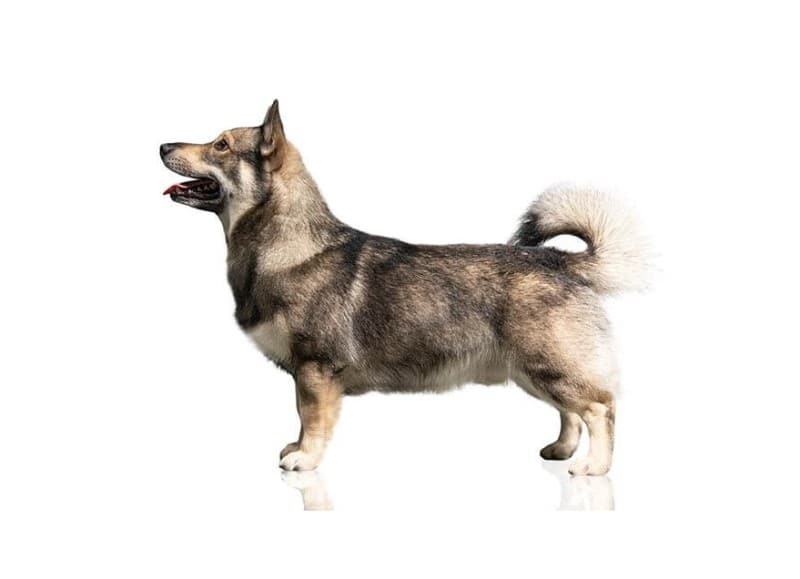
The Swedish Vallhund is a small, well-balanced breed with a compact and rectangular body. The ratio of height at the withers to length of body, measured from the prosternum to the rearmost point of the buttocks, is 2 to 3. Vallhunds should be strong and sturdy for their size, showcasing the muscular and athletic build required of a cattle herder and working farm dog.
Texture: The double coat of Swedish Vallhund offers protection from the elements and is an essential breed characteristic. The undercoat is soft and dense, and the outer coat is close-fitting and of medium length.
Standard Colors
Standard Markings
04/Consider
The Swedish Vallhund is a playful, energetic, and affectionate dog. Even better, he knows how to make people laugh and help them get through difficult situations. Vallhunds will invent games to occupy themselves and their owners, but it is preferable if they channel their minds and activity levels more officially, such as through training, dog sports, and activities like hiking or making therapy visits. While he appears to be ideal, with his medium size, athleticism, and upbeat disposition, the Vallhund is not for everyone. He can bark at everything, and his high energy level makes him unfit for a couch potato owner.
Interaction With Family
The level of affection a breed typically shows towards family members and familiar individuals.
Good With Other Dogs
The innate friendliness of a dog towards other dogs can depend on its breed.
Good With Young Children
The degree to which a breed will typically be patient with young children.
Amount Of Shedding
How much hair a breed typically leaves behind on clothes, furniture and floors.
Frequency Of Grooming
How often a breed needs brushing, bathing or a professional trim to stay in condition.
Amount Of Drooling
How prone a breed is to drool, worth knowing before you keep a towel by the door.
Openness To Strangers
How openly a breed tends to greet new people, visitors and strangers.
Protective Nature
How likely a breed is to alert you to anything unfamiliar, and stand between you and it.
Playfulness Level
How enthusiastic a breed stays about games and play well past puppyhood.
Trainability Level
How readily a breed takes direction and works with you rather than around you.
Barking Level
How much a breed uses its voice, and how readily.
Energy Level
How much get-up-and-go a breed brings to an average day.
Health
The Swedish Vallhund is generally a healthy and hardy breed, but like all dogs, they can be prone to certain health issues. Potential owners and current Vallhund owners need to be aware of these health concerns and take appropriate measures to ensure the well-being of their pets. The average lifespan of the Swedish Vallhund is 12 to 15 years, but with proper care, a balanced diet, and regular check-ups, many can thrive beyond these years.
Swedish Vallhunds are renowned for their intelligence. They are quick learners and have an inherent ability to problem-solve. Their alert and inquisitive nature make them excellent working dogs and engaging pets. Whether it's learning new tricks, participating in obedience training, or simply keeping an eye on their surroundings, Vallhunds' sharp minds are always at work.
One of the most striking aspects of Vallhund's personality is their deep loyalty and attachment to their human family. They are affectionate and enjoy being close to their owners. This loyalty can sometimes translate into protective behavior, as Vallhunds will do their best to keep their loved ones safe.
These dogs are not only intelligent but also full of energy and possess a great sense of humor. Vallhunds are playful and love to engage in various activities. They thrive on exercise and mental stimulation, making them excellent companions for active individuals or families. The Vallhunds like to bark a lot and enjoy communicating with their owners.
A herding breed at heart, Vallhunds may exhibit herding behaviors, such as nipping at heels. This instinct is a part of their heritage, and it can be channeled constructively through training or dog sports. Their herding background also makes them excellent at tasks that require vigilance and attention to detail.
Vallhunds are inherently social dogs. They thrive on interaction with people and are typically good with families, children, and other pets when well-socialized from a young age. Their gregarious and outgoing nature makes them a delightful addition to any household.
Exercise Expectations
Vallhunds enjoy a variety of activities. Mixing up their exercise routines with activities like brisk walks, runs, hikes, fetch, agility training, and even swimming is a good way of exercising. Vallhund's intelligent mind requires constant stimulation. Exercise, especially in the form of challenging games and activities, provides mental enrichment. It keeps their brains active, preventing boredom and destructive behaviors. Proper exercise is essential for weight management. An overweight Vallhund may face various health issues, so regular physical activity helps them maintain a healthy weight. Vallhunds are versatile in their exercise needs. They enjoy various activities, including long walks, hikes, agility training, fetch, swimming, and even obedience trials. Interactive games like fetch, hide-and-seek, and puzzle toys are excellent ways to exercise Vallhund's mind and body simultaneously. Puppies, adults, and seniors have different exercise requirements, so it is essential to adjust the intensity and duration of exercise based on Vallhund's age.
Swedish Vallhunds are known for their sharp minds and curiosity. Living with a Vallhund means embarking on an intellectual journey together. These dogs are quick learners, eager to explore new challenges, and constantly seeking mental stimulation.
One of the most endearing aspects of living with a Vallhund is their unwavering loyalty. They form deep bonds with their human family members, making them devoted and loving companions. Vallhunds thrive on being close to their owners, offering endless affection and seeking physical contact. The strong bond owners share with Vallhund is a source of comfort and joy.
Living with a Vallhund means embracing an active lifestyle. These dogs are bursting with energy and vitality, requiring regular exercise and mental stimulation. From long walks to agility training, they revel in physical activities and play. The joy of engaging in these activities together deepens the owner's connection and keeps both in good shape.
Vallhunds are generally social dogs, making living with them an opportunity for social interaction with other dog lovers. Playdates, trips to dog parks, and community events create opportunities for Vallhund to meet and greet other dogs, strengthening their social skills and forming new friendships.
05/Puppies
Swedish Vallhund puppies are adorable, spirited, and full of potential. Welcoming a Vallhund puppy into your home is an exciting experience, but it also comes with responsibilities and considerations. They have abundant energy and enthusiasm that requires a lot of love and time.
Caring for Swedish Vallhund puppies is a rewarding yet demanding task. These puppies are full of energy, intelligence, and charm, and they require proper care and attention to grow into well-adjusted adult dogs.
Before bringing Vallhund's puppy home it is crucial to make sure the living space is puppy-proofed. It includes removing potential hazards and securing dangerous items out of reach.
Nutrition is essential during the puppy's growing phases. To ensure a Redbone puppy gets all the nutrition it needs for good growth, feed it high-quality puppy chow. Making a regular feeding schedule is also a smart idea.
Vallhund puppies are energetic, so providing plenty of age-appropriate exercise and play is essential. This will help prevent boredom and destructive behaviors. Interactive toys and games will keep them engaged. Early socialization is crucial. Exposing puppies to various people, animals, and environments builds their confidence and ensures they become well-adjusted adults. Puppy socialization classes can be beneficial.
Regular veterinary check-ups are crucial in the first year of life. Vaccinations, deworming, and basic health checks should be performed to ensure the puppy is growing normally.
06/Activities
Swedish Vallhunds are active and agile dogs that thrive on physical and mental stimulation. Engaging in various activities and dog sports is an excellent way to keep them happy, healthy, and mentally sharp.
Agility: Vallhunds are natural athletes and often excel in agility training. This sport involves navigating through a course of obstacles like jumps, tunnels, and weaving poles. It's a fantastic way to challenge their agility and intelligence.
Herding Trials: Given their herding background, some Vallhunds still possess strong herding instincts. Participating in herding trials allows them to use these natural skills in a controlled and enjoyable environment.
Obedience Training: Vallhunds are intelligent and eager to please, making them excellent candidates for obedience training. They can compete in obedience trials, showcasing their ability to follow commands and perform precise exercises.
Flyball: Flyball is a relay race for dogs that involves jumping over hurdles to trigger a spring-loaded box that dispenses a tennis ball. Vallhunds enjoy the physical and mental challenges of this fast-paced sport.
Rally Obedience: Rally obedience combines elements of traditional obedience with agility, creating a fun and interactive activity. Dogs and handlers follow a course with signs indicating various exercises to perform, promoting teamwork and communication.
Frisbee: Many Vallhunds love playing with flying discs. You can engage in disc dog competitions, where dogs catch and perform tricks with flying discs. It's an excellent way to showcase their athleticism.
Barn Hunt: Vallhunds' herding instincts and hunting abilities make them great candidates for barn hunt competitions. Dogs must locate hidden "rats" in a barn-like setting, using their scent and problem-solving skills.
Gallery
07/Standards
The Swedish Vallhund is recognized by the world’s leading registries and kennel organizations, which categorize the breed into a specific Group based on its unique characteristics. This breed is recognized worldwide under the following Group designations:
The ideal Swedish Vallhund is described by a Breed Standard that is approved by each of the world’s leading registries and kennel organizations. The Standards for this breed may be found in the following links:
08/Clubs
Swedish Vallhund clubs are valuable resources for enthusiasts and owners of this unique breed. These clubs provide a sense of community, support, and a platform to share information about Swedish Vallhunds. They often organize events, offer educational resources, and promote responsible breeding and ownership.
The Swedish Vallhund Club of America is the official breed club for Swedish Vallhunds in the United States. They are dedicated to preserving and promoting the breed. The SVCA provides breed information, breeder referrals, and resources for Vallhund owners. They also organize events, including specialty shows and herding trials.
The Swedish Vallhund Club of Canada is the national breed club for Swedish Vallhunds in Canada. They focus on breed preservation, education, and providing resources for Vallhund owners and enthusiasts. They also host events, including breed specialties and herding trials.
The Swedish Vallhund Society is a UK-based organization that is dedicated to the promotion and welfare of Swedish Vallhunds. They offer breed information, health resources, and organize events like breed seminars and educational programs
09/Rescue
Swedish Vallhund rescue groups are dedicated to helping Vallhunds in need of new homes or assistance. These organizations rescue, rehabilitate, and rehome Swedish Vallhunds, ensuring they find loving families and safe environments.
When considering adopting a Vallhund through a rescue group, it's essential to research the organization thoroughly, ensure they are reputable, and inquire about their adoption process. Adopting a rescue dog is a rewarding experience, as it provides a loving home to a Vallhund in need while offering the opportunity to welcome a wonderful new family member into home.
10/Facts
Ancient Origins
Swedish Vallhunds have a long history, dating back more than a thousand years. They were used by the Vikings as herding dogs and were often found on Viking ships.
Herding Heritage
Vallhunds are exceptional herding dogs. Their name, "Vallhund," translates to "herding dog" in Swedish. They have an innate talent for herding and driving livestock.
Tail Variability
Vallhunds can have different tail lengths, including natural bobtails (a genetic trait) and long tails. The tail length has no effect on their herding abilities.
National Treasure
In Sweden, the Swedish Vallhund is considered a national treasure and is protected as a valuable part of the country's cultural heritage.
11/FAQ
Swedish Vallhunds are considered good pets for several reasons. They are known to be highly intelligent, energetic, and eager to please, which makes them relatively easy to train. They are also loyal and affectionate with their families, enjoying participation in family activities, and are generally good with children and other pets if properly socialized.

Written by
Dan Sayers is the Executive Editor of SHOWSIGHT. He is a member of the World Dog Press Association and the Dog Writers Association of America, which recognized his illustrations in the award-winning Encyclopedia of K-9 Terminology. Dan is a longtime supporter of the sport of dogs and an advocate for the conservation of recognized breeds in all their forms and functions. He is a member of the Morris and Essex Kennel Club, and for 45 years, the Irish Water Spaniel Club of America where he serves as AKC Delegate, Archivist, and approved Breed Mentor. Dan breeds under the Quiet Storm prefix and has judged the IWSCA National Specialty Sweepstakes twice.
Official Standard of the Swedish Vallhund
General Appearance: The Swedish Vallhund (SV) is a very old Spitz-type breed known since the time of the Vikings. For centuries the SV has been kept as a farm dog and used for herding cattle. The SV is a small, powerful, fearless, sturdily built Spitz herding dog. The correct relationship of height to length of body is 2:3. The SV has a wedge-shaped head, prick ears, and a close-fitting hard coat of medium length and sable coloring. The double coat and the characteristic "harness markings" are essential features of this breed. Tail may be natural (long, stub, or bob) or docked. The appearance of the Swedish Vallhund conveys intelligence, alertness and energy. Balance, outline, temperament and movement are of overriding importance. The SV is a thoroughly sound animal, versatile in its desire to do traditional herding or with proper training compete in companion events such as obedience, tracking and agility, and/or serve as a family companion.
Size, Proportion, Substance: Height - Height at the withers for dogs ranges from 12½ to 13½ inches and bitches 11½ to 12½ inches. Minor variations may be seen; however, more important is the proportion. Proportion -The relationship of height to length of body, as measured from the prosternum to the rearmost portion of the buttocks, should be 2:3. Substance - Strong, well boned, well developed, neither refined nor coarse, and a solidly built, muscular body.
Head: Rather long and clean. Viewed from above, the head forms an even wedge from skull to tip of nose and is well filled-in under the eyes. Eyes - Medium size, oval in shape and dark brown with black eye rims. Ears - Medium size, pointed, prick. Set at the outer edge of the skull above a line drawn from the corner of the eye. Ear leather should be firm from base to tip, smooth-haired and mobile. The dog should make good use of them. Skull - Broad and almost flat. Stop - Well defined. Muzzle - Viewed from the side, the muzzle should look rather square, slightly shorter than the skull. Planes - The top lines of the muzzle and skull are parallel to each other. Nose - In profile, the nose is on the same line as the muzzle and does not extend beyond the forepart of the muzzle. Pigmentation - Black. Lips - Black and tight with no noticeable flews. Teeth - Strong, well developed, with full dentition in a scissors bite. Any deviation is a serious fault.
Neck, Topline, Body: Neck - Long, strongly muscled with good reach. Topline - Level when standing or moving. Body - Chest - Good depth. The ribcage is long with fairly well sprung ribs. Viewed from the front, the chest should be oval; from the side, elliptical. In a mature dog it should reach down two-fifths of the length of the forelegs and, when viewed from the side, the lowest point of the chest is immediately behind the back part of the foreleg. The prosternum is visible and not excessively pronounced. Underline - Slightly tucked up. Back - Well muscled. Loin - Short and strong. Croup - Broad and slightly sloping. Tails - Tails may be long, stub, or bob. May be shown natural or docked. All tail types are equally acceptable.
Forequarters: Shoulders - Strongly-muscled. Shoulder blades - Long and well laid back. Upper arms - Slightly shorter than the shoulder blades, set at an approximate 90 degree angle, close fitting to ribs, but still very mobile. A line perpendicular to the ground can be drawn from the tip of the shoulder blade through the elbow to the ground. Elbows - Move parallel to the body, turning neither in nor out. Forearms - When viewed from the front, slightly curved to give free action against the lower part of the chest; the pasterns and feet are parallel. Viewed from the side the forearms are straight. The height from ground to elbow is almost half the height from ground to withers. Legs - Well boned. Pasterns - Slightly sloping, elastic. Dewclaws - May be removed. Feet - Medium sized, short, oval, pointing straight forward. Toes - Tightly knit and well knuckled. Pads - Thick and strong.
Hindquarters: Angulation - To balance the front. Well angulated at stifle and hock. Legs - Well boned. Upper and lower thighs are strongly muscled. Lower thigh is slightly longer than the distance from hock to ground. Stifles - Well bent. Hocks (Metatarsal bones) - Perpendicular to the ground and viewed from the rear, parallel. Feet, toes and pads - Same as forefeet.
Coat: Medium length hair, harsh; topcoat close and tight. Undercoat is soft and dense. Hair is short on the head and the foreparts of the legs and slightly longer on neck, chest and back parts of the hind legs. Dogs are to be shown in an untrimmed, natural state. Faults include wooly, curly, or open coats. Fluffy coats (longer hair on body and furnishings, with ear fringes) are a serious fault.
Color: A sable pattern seen in colors of grey through red and combinations of these colors in various shades. All are equally acceptable. Lighter shades of these colors are desirable on the chest, belly, buttocks, lower legs, feet and hocks, with darker hairs on back, neck, and sides of the body. Lighter harness markings are essential. Although a dark muzzle is acceptable, a well-defined mask with lighter hair around eyes, on muzzle and under the throat, giving a distinct contrast to the head color is highly desirable. White is permitted as a narrow blaze, neck spot, slight necklace, and white markings on the legs, and chest. White in excess of one third of the dog's total color is a very serious fault. Any color other than described above is a very serious fault.
Gait: Sound with strong reach and drive. The Swedish Vallhund is a herding dog requiring agility and endurance. Viewed from the front, the legs do not move in exact parallel planes, but incline slightly inward to compensate for shortness of leg and width of chest. The forelegs should reach forward in a free stride without too much lift. Hind legs should drive well under the body and move on a line with the forelegs, with hocks turning neither in nor out. Feet should travel parallel to the line of motion with no tendency to swing out, cross over or interfere with each other. Short, choppy movement and overly close or wide movement is faulty.
Temperament: The breed is watchful, energetic, fearless, alert, intelligent, friendly, eager to please, active, and steady, making a good herding and companion dog. Sound temperament, neither vicious or shy. Any departure from the foregoing points should be considered a fault, and the seriousness of the fault should be in exact proportion to its degree. The following faults are to be so severely penalized as to effectively eliminate the dog from competition: Fluffy coat, any color other that described above, nose not predominantly black, more than one-third white, any bite other than scissors.
Approved April 12, 2005
Effective September 1, 2005


Meet the Judges
Sharon Ann Redmer reflects on judging Herding breeds at Westminster 2026, highlighting breed function, type, and standout winners.

Meet the Owner Handlers
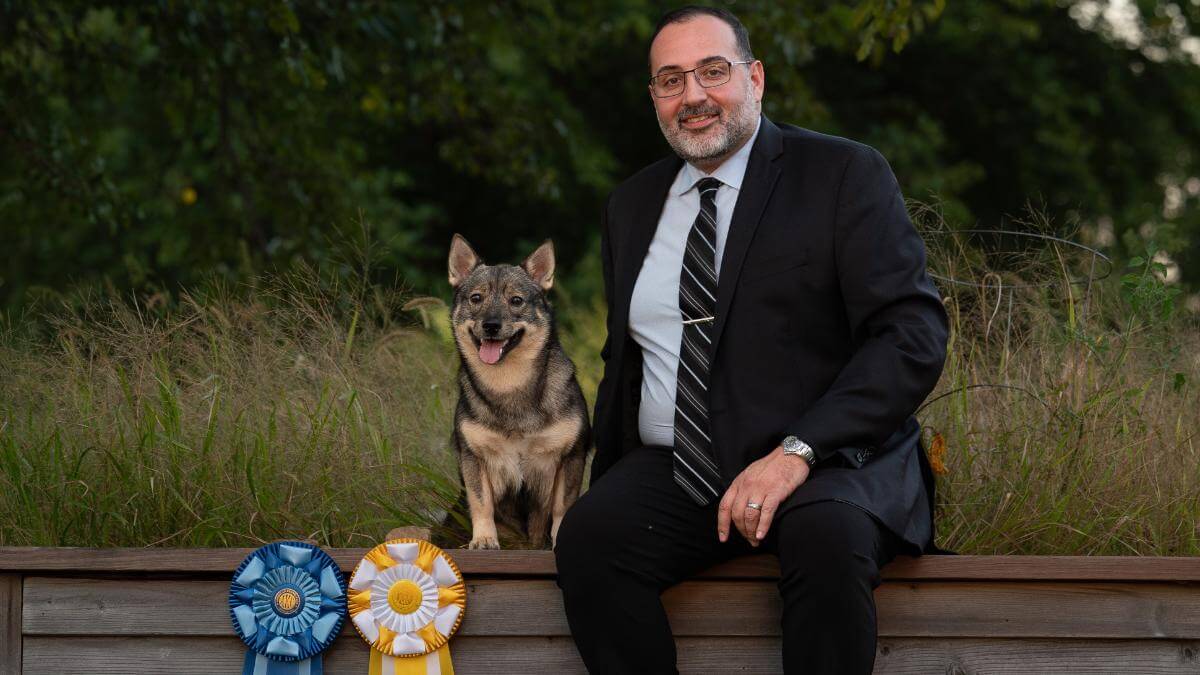
Bill Tsioles shares his journey with Swedish Vallhunds, highlights as an owner-handler, and his passion for dog shows.
Dog Sports
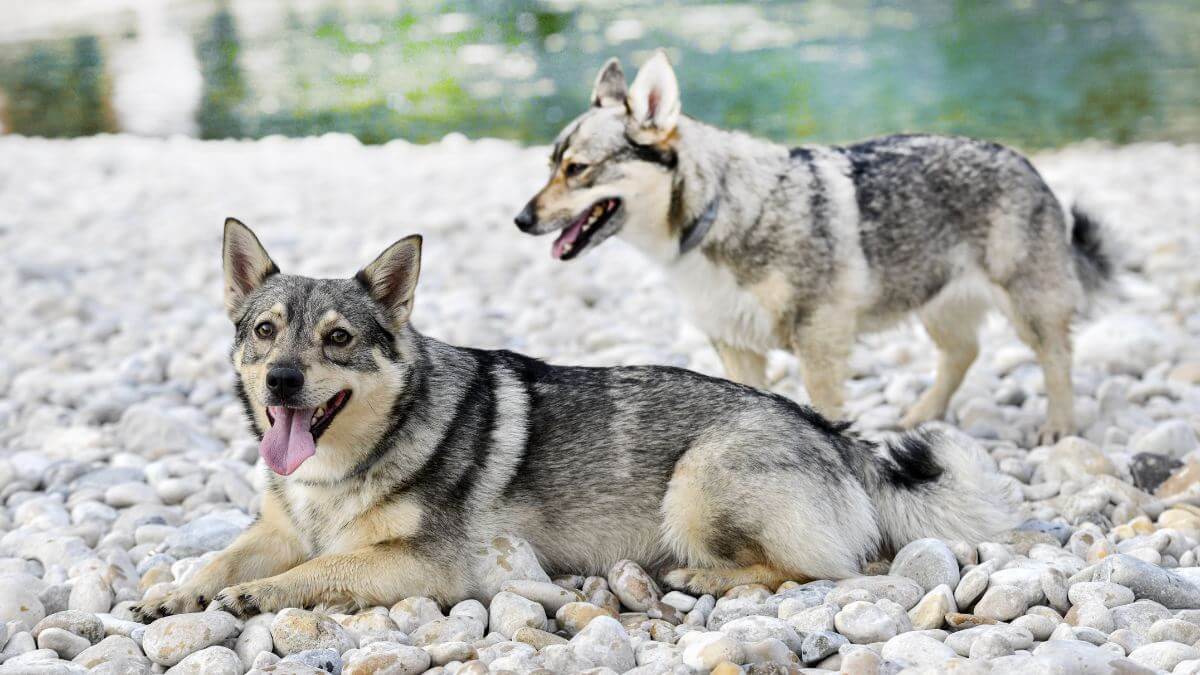
Discover the energetic and versatile Swedish Vallhund, a charming herding breed known for its intelligence and strong bond with families.
Meet the Breeders
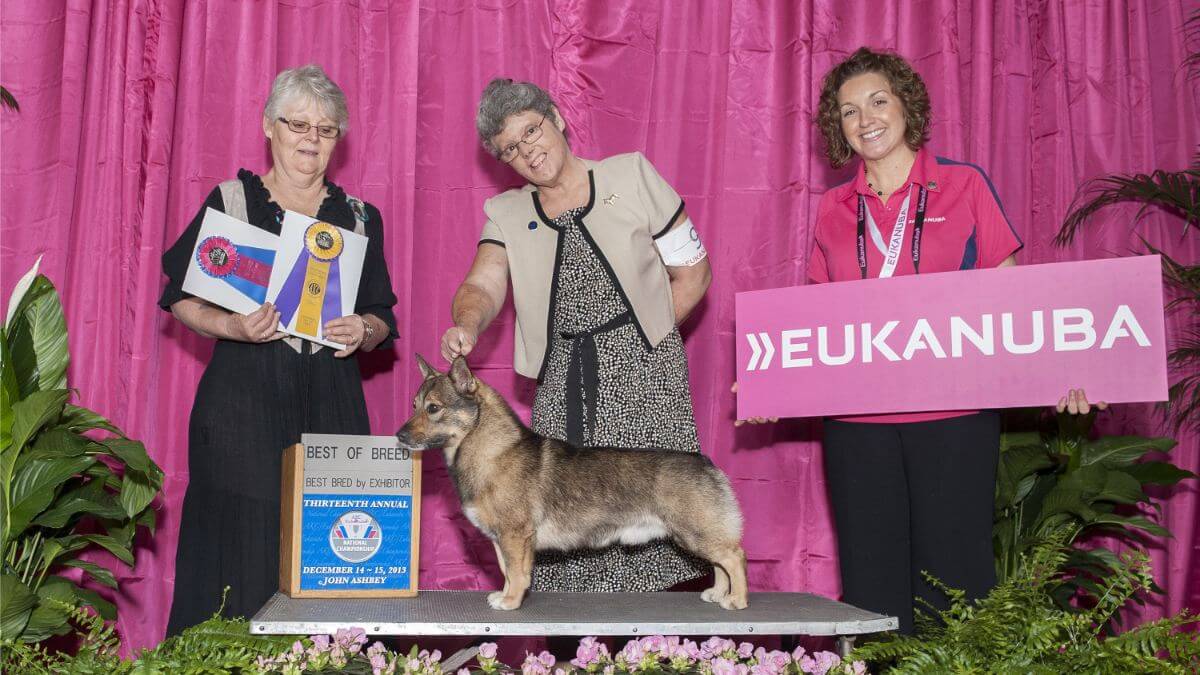
Tracy Robinson the breeder behind Mystic Shetland Sheepdogs. Read about the kennel’s beginnings, puppies, and much more!
American Kennel Club (AKC)
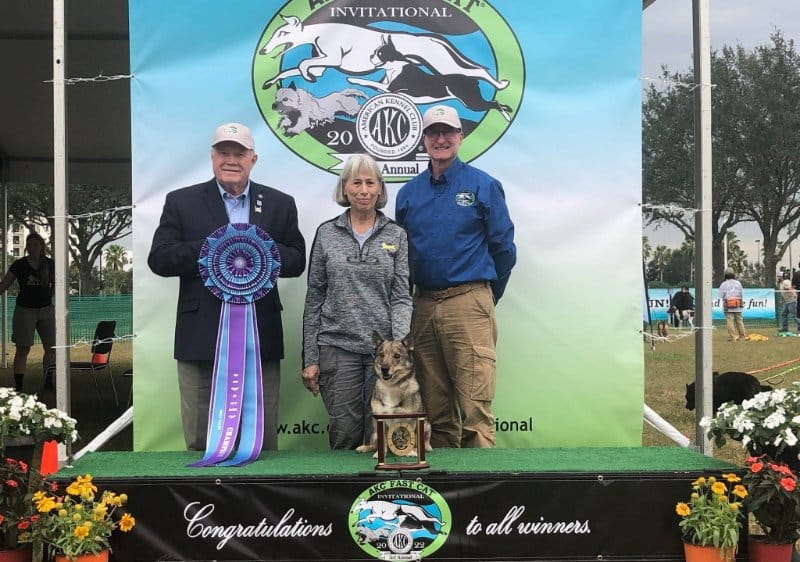
Interview with Joan Bennett, handler of “Strider,” the 2022 AKC Fast Cat Invitational Winner, in Pure Speed Division, Handicap 2.
All About Judging
Featured photo courtesy by the American Kennel Club. Judging the Swedish Vallhund General Appearance Small, powerful, fearless, sturdily built Spitz herding dog Height to length of body is 2:3 Wedge-shaped head, prick ears Close-fitting, hard double coat with characteristic “harness” markings Tail may be natural (long, stub, or bob) or docked Balance, outline, temperament, […]
The tail of the Swedish Vallhund is a continuation of the spine and may be naturally long, stud-tailed, bob-tailed, or docked. All tail types are acceptable in the breed, and some Vallhunds are even born with no tail at all. The natural tail is carried over the back or it can be gently curled to one side when the dog is alert or excited. Where docking is permitted, it is generally done to prevent the working dog’s tail from becoming trampled or otherwise damaged by cattle. This procedure is performed when the pup is a few days old.
A Note About Color: The Swedish Vallhund’s double coat and “harness markings” are characteristic features of the breed. The hair is short on the head and fronts of the legs, and slightly longer on the neck, chest, and backs of the hind legs. The coat has a sable pattern in combinations of gray through red in various shades. Lighter shades appear on the chest, belly, buttocks, lower legs, hocks, and feet, and darker shades are desired on the neck, back, and sides of the body. Lighter harness markings over the shoulders are essential, and a well-defined mask is highly desirable on the head. White markings may appear as a blaze on the head, a spot on the neck or a slight necklace, on the chest, and on the legs.
Coat Type
Double
The structure of the coat this breed carries.
Coat Length
Short
How long the breed's coat grows when kept in condition.
Adaptability Level
How easily a breed copes with changes in home, routine, noise and weather.
Mental Stimulation Needs
How much a breed needs a job, a puzzle or training to stay content.
To ensure the well-being and longevity of these charming canines, it's crucial to provide them with the right nutrition. Proper feeding and nutrition for Swedish Vallhunds are the essential ingredients that fuel their active lifestyle and maintain their health and vitality.
The Swedish Vallhund is an energetic and agile breed, and their nutritional requirements reflect their active nature. A balanced diet that provides essential nutrients is paramount to meet their needs. Protein is a crucial component of Vallhund's diet as it supports muscle development and overall health. A moderate amount of healthy fats is necessary to provide energy for their active lifestyle.
It's important to manage portion sizes to prevent overfeeding, which can lead to obesity. Following the recommended feeding guidelines on the dog food packaging and adjusting as needed based on the dog's activity level, metabolism, and age.
Some Vallhunds may have food sensitivities or allergies. If a dog exhibits signs of digestive issues or skin problems, it is crucial to consult a veterinarian to determine if dietary adjustments are needed. The veterinarian is the best resource for tailoring a diet plan to specific Vallhund's needs. They can offer guidance on the most appropriate food, portion sizes, and any supplements that might be necessary.
Swedish Vallhunds are renowned for their intelligence. They quickly grasp new commands and concepts, making them eager and adept learners. This intelligence is a double-edged sword; it empowers them to learn quickly but also demands constant mental stimulation to prevent boredom.
Early socialization is vital for Vallhunds. Introduce them to various people, animals, and environments to build their confidence and ensure they develop into well-adjusted adults. Socialization helps prevent fearfulness and aggression.
Vallhunds thrive on routine. Consistent training schedules and rules provide them with a sense of security and predictability. They understand boundaries when rules remain consistent. Vallhunds responds well to confident, patient, and consistent leadership. Being a calm and assertive leader in training, setting clear expectations and boundaries is important.
Given their herding background, Vallhunds often excel in agility and obedience training. These activities tap into their natural agility and intelligence while providing physical and mental exercise. Training a reliable recall is crucial, as Vallhunds may have a strong prey drive. Proper recall training helps keep them safe, especially in off-leash situations.
Grooming Expectations
Regular brushing is essential to prevent mats and remove loose hair. Swedish Vallhunds shed seasonally, with more significant shedding occurring twice a year during the change of seasons. During these times, they may need more frequent brushing and owners should be prepared for more shedding. Vallhunds do not require frequent bathing unless they get exceptionally dirty or smelly. Other maintenance necessities, aside from coat care, include regular cleaning of the ears, as their form can be a magnet for debris and grime. Another important part is tooth care, with frequent brushing or dental chews helping to avoid tartar buildup while preserving good oral health. The nails, if not naturally worn down through activity, will need periodic trimming. It's essential to ensure they aren't too long, as overly long nails can lead to discomfort and even injury.