Members
01/Overview
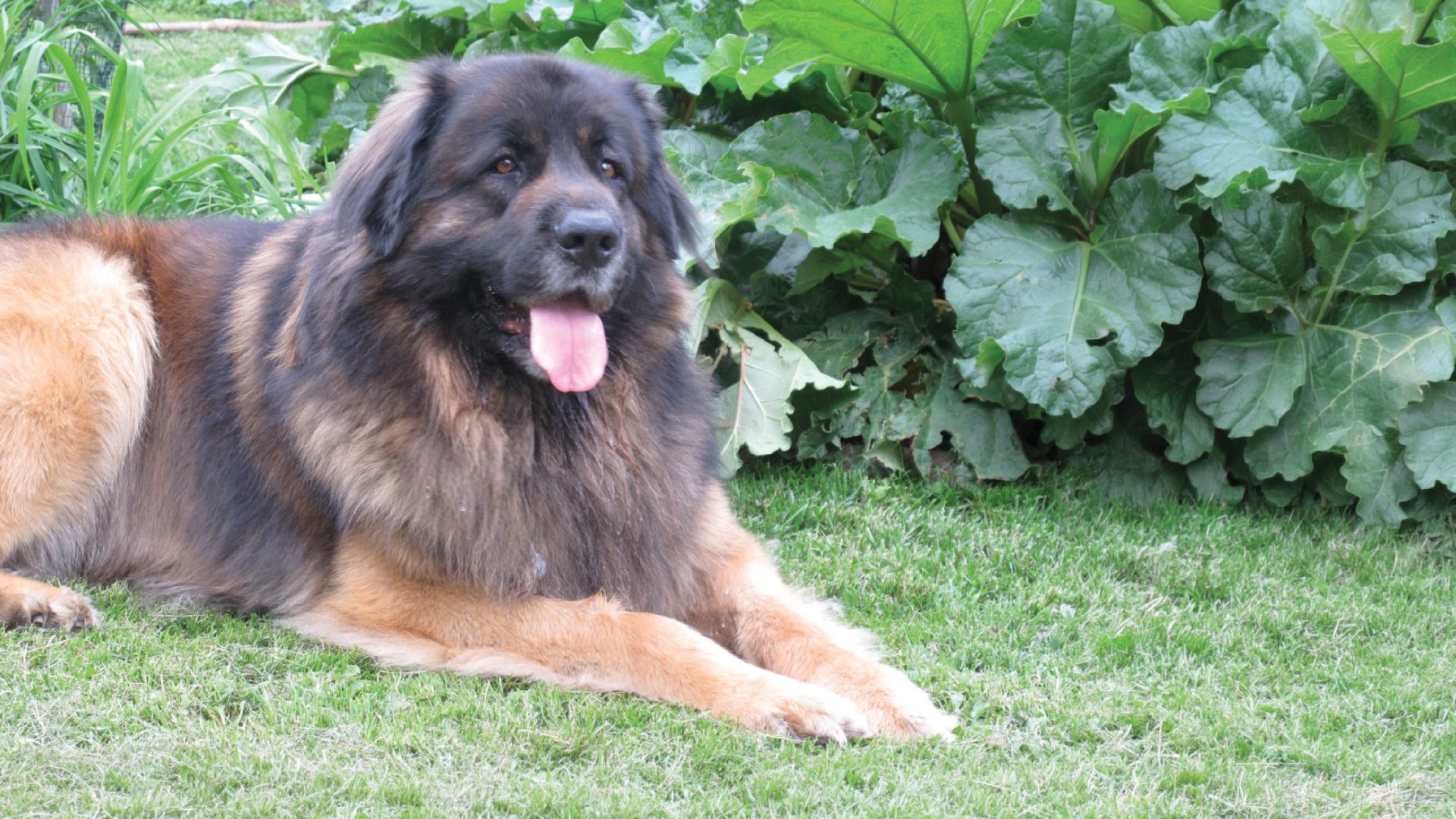
The Leonberger is a giant working breed known for its strength, intelligence, and gentle temperament. Originally developed in Germany, this breed was created as a multi-purpose farm and draft dog with the appearance of a lion and the temperament of a devoted companion. Leonbergers are versatile, excelling in draft work, water rescue, and participation in family activities.
Highlights
02/History
The Leonberger was developed in the mid-19th century in the town of Leonberg, Germany, by Heinrich Essig, a politician and dog breeder. Essig aimed to create a large, majestic breed that resembled a lion, the symbol of the city. To achieve this, he reportedly crossed the Newfoundland, Saint Bernard, and Great Pyrenees, blending the traits of strength, endurance, and a gentle disposition. While Essig’s exact breeding records are unclear, historical accounts suggest that the breed quickly gained popularity among European nobility and working-class families alike.
By the late 19th century, the Leonberger had established itself as a versatile working dog. It was used for draft work and companionship, with some individuals excelling in water rescue roles due to a strong swimming ability. The breed’s popularity eventually spread throughout Europe, and it became a favored companion of royals, including Napoleon III, Empress Elisabeth of Austria, and Tsar Alexander II of Russia.
The Leonberger’s population suffered greatly during World War I, with many dogs lost due to food shortages and the destruction of breeding programs. By the end of the war, only a handful of Leonbergers remained, and dedicated breeders worked to restore the population. A similar decline occurred during World War II, once again bringing the breed close to extinction. After the war, a small group of European breeders focused on rebuilding the breed, selecting for both health and temperament to ensure its survival.
The Fédération Cynologique Internationale (FCI) officially recognized the Leonberger in 1948, solidifying its status as an established breed in Europe. In the United States, the Leonberger was recognized by the American Kennel Club (AKC) in 2010, entering the Working Group.
03/Appearance
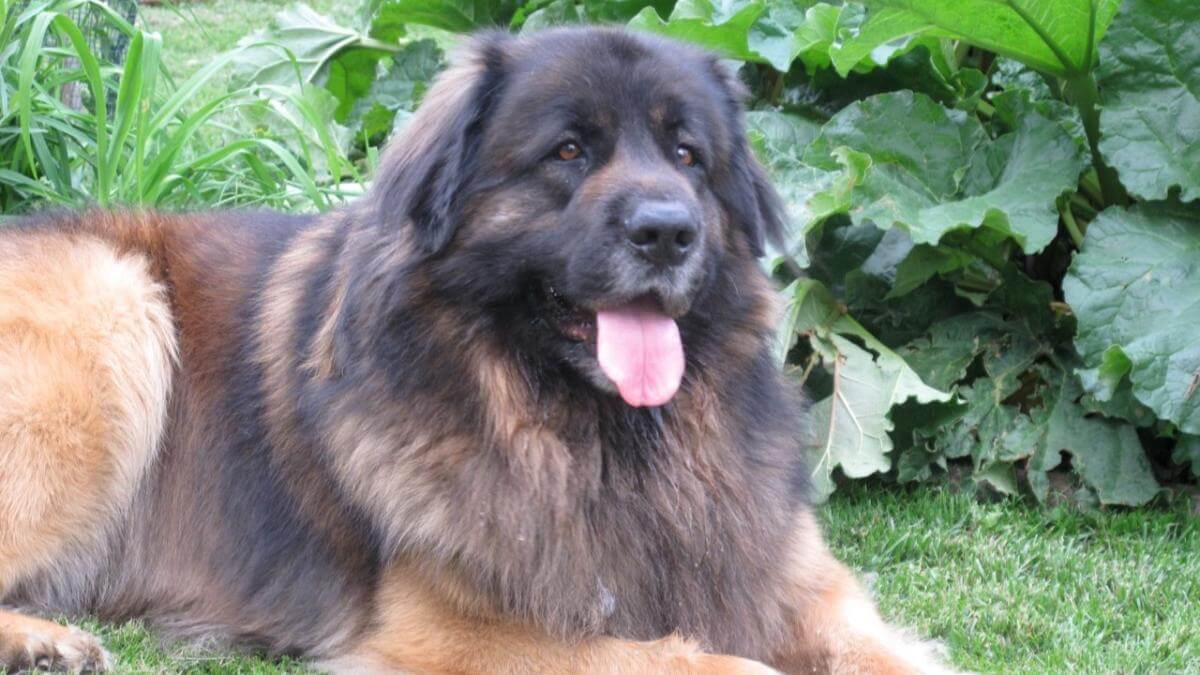
Adult Leonberger males stand between 28 and 31.5 inches tall at the shoulder, while mature females range from 25.5 to 29.5 inches tall. Their substantial build is reflected in their weight, with males weighing from 110 to 170 pounds and females coming in at 90 to 140 pounds.
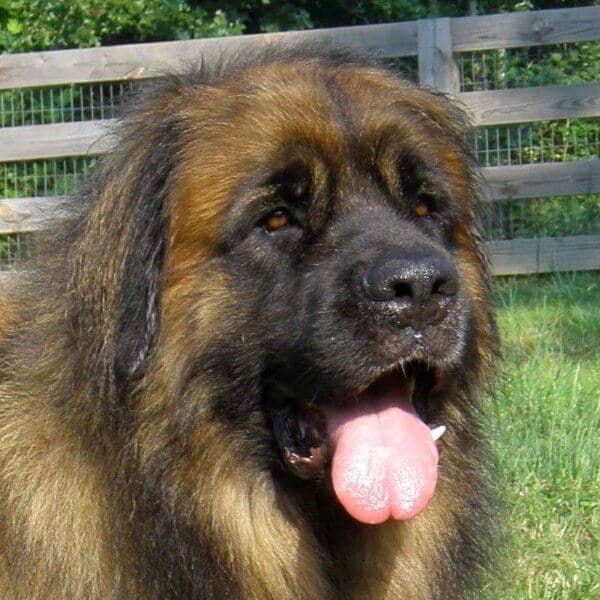
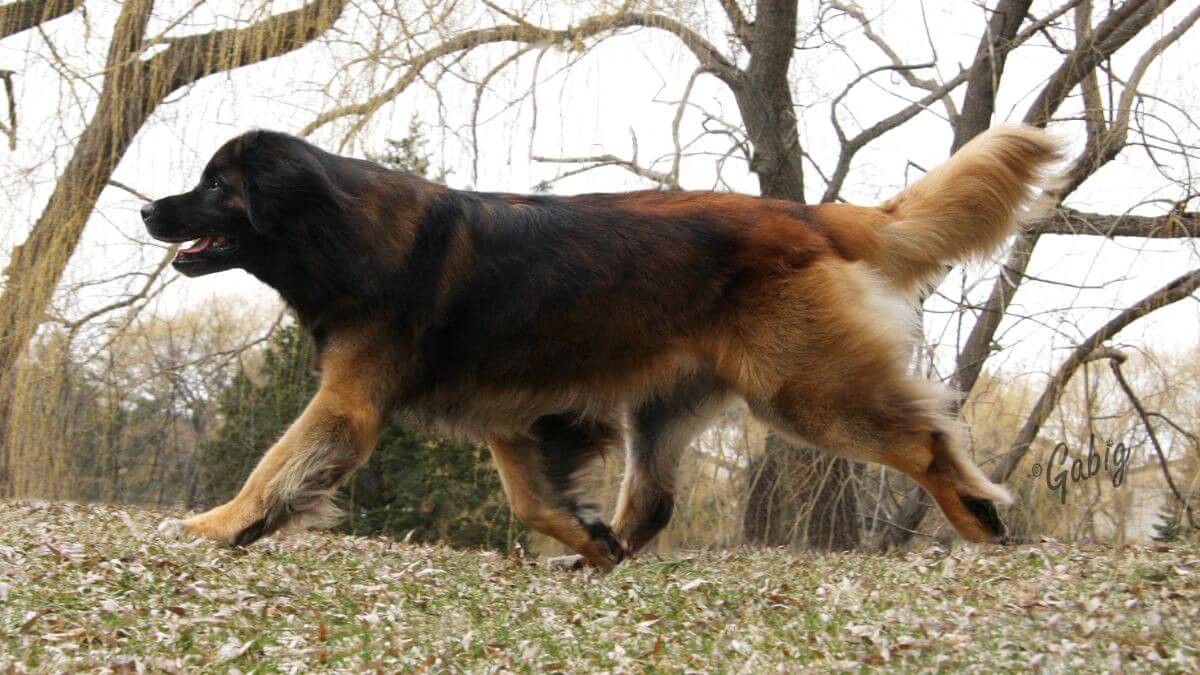
The Leonberger is slightly longer than tall, with a deep chest and a strong, well-proportioned body. Solid bone structure and a muscular build provide endurance and strength, essential for the breed’s historical roles. While imposing in stature, the breed should not appear overly bulky or heavy. Instead, it should maintain a balanced and athletic form.
Texture: The Leonberger has a thick, water-resistant double coat that provides protection in various weather conditions. The outer coat is straight, medium-soft to coarse in texture, and lies flat, while the undercoat is soft and dense, helping to regulate body temperature. Despite the double coat, the outline of the body is always visible. The coat of the males is typically longer than that of the females, and males typically have a more pronounced mane around the neck and chest, giving them a more lion-like appearance.The ears have some feathering and the forelegs and hind legs have ample feathering. The tail is very well furnished with hair.
Standard Colors
Standard Markings
04/Consider
Sharing life with a Leonberger requires dedication and a commitment to the breed’s size, exercise needs, and grooming requirements. These dogs are intelligent, affectionate, and highly social, thriving in homes where they receive plenty of attention and interaction.
Interaction With Family
The level of affection a breed typically shows towards family members and familiar individuals.
Good With Other Dogs
The innate friendliness of a dog towards other dogs can depend on its breed.
Good With Young Children
The degree to which a breed will typically be patient with young children.
Amount Of Shedding
How much hair a breed typically leaves behind on clothes, furniture and floors.
Frequency Of Grooming
How often a breed needs brushing, bathing or a professional trim to stay in condition.
Amount Of Drooling
How prone a breed is to drool, worth knowing before you keep a towel by the door.
Openness To Strangers
How openly a breed tends to greet new people, visitors and strangers.
Protective Nature
How likely a breed is to alert you to anything unfamiliar, and stand between you and it.
Playfulness Level
How enthusiastic a breed stays about games and play well past puppyhood.
Trainability Level
How readily a breed takes direction and works with you rather than around you.
Barking Level
How much a breed uses its voice, and how readily.
Energy Level
How much get-up-and-go a breed brings to an average day.
Health
The Leonberger is generally a healthy breed, but like dogs, individuals can be prone to certain health issues that require monitoring. With proper care, a Leonberger typically lives around 10 years. Responsible breeders conduct health screenings to minimize genetic conditions, but prospective owners should be aware of common health concerns.
The Leonberger is known for its gentle, intelligent, and affectionate nature, making it an excellent companion for families and individuals alike. Despite the breed’s imposing size, these dogs are remarkably patient and kind, often referred to as "gentle giants." They form strong bonds with their owners and thrive on companionship, making them unsuitable for homes where they will be left alone for prolonged periods. Their loyalty and intelligence make them highly trainable, but they respond best to positive reinforcement and consistent leadership.
Leonbergers are typically friendly with strangers but may retain a natural watchdog instinct, meaning they will alert their owners to unusual activity without excessive aggression. They are good with children and other pets, particularly when socialized from an early age. Due to their large size and strength, early obedience training is crucial to help them remain manageable in adulthood. Their playful and affectionate temperament makes them a wonderful addition to active households that can provide them with the attention and engagement they need.
Exercise Expectations
Leonberger puppies should have controlled exercise to prevent stress on their developing joints, avoiding excessive running or jumping. Adults benefit from structured activities that allow them to use their strength and endurance without overexertion. While they enjoy outdoor adventures, they are also content to relax at home with their family following periods of moderate exercise.
Grooming Expectations
Leonbergers thrive in homes where they have ample space and plenty of human companionship. While they can adapt to various living environments, they do best in homes with a secure yard where they can move about freely. They are not suited for apartment living due to their size and exercise needs.
The breed’s thick coat makes these dogs well-suited for colder weather, but they can struggle in hotter climates and require access to shade, fresh water, and limited outdoor activity in extreme temperatures. Leonbergers form strong bonds with their families and should not be left alone for prolonged periods, as they can develop separation anxiety. They are, however, ideal for active households that can provide them with both exercise and companionship.
05/Puppies
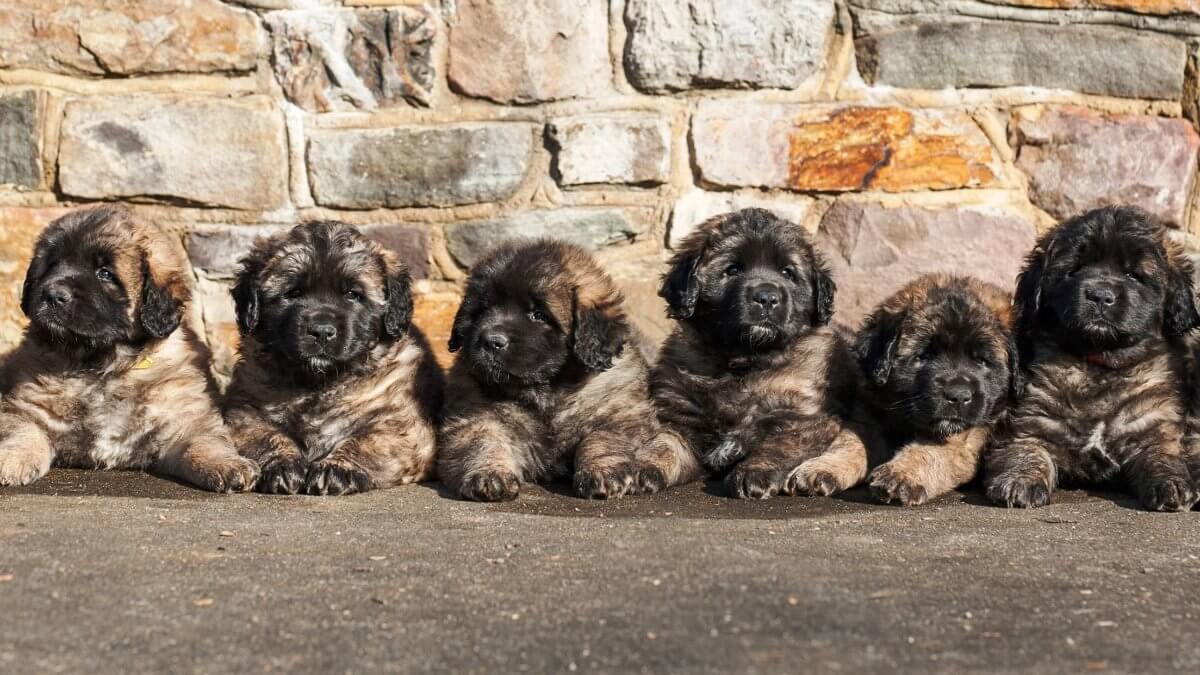
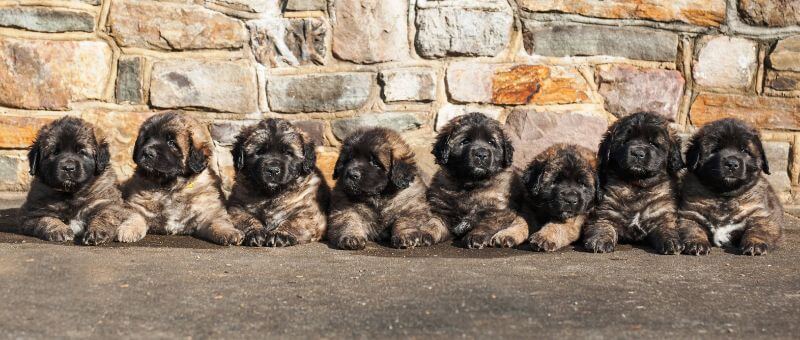
Leonberger puppies require careful training, socialization, and structured guidance to help them grow into well-mannered and confident adults. Due to their rapid growth and large size, they need a balanced diet, controlled exercise, and early obedience training to support proper development. Their affectionate and intelligent nature makes them highly trainable, but consistent leadership is essential to prevent stubborn or dominant behaviors.
The Leonberger puppy requires a safe and structured environment to support its growth and development. Early crate training can help with housebreaking and provides the pup with a secure place to rest and sleep. Socialization is crucial, as exposing the puppy to new people, environments, and experiences will help it grow into a confident and well-behaved adult.
Feeding should follow a controlled schedule using a large-breed puppy formula to promote steady growth and prevent joint issues. The Leonberger puppy should be fed three to four small meals per day until around six months of age, then transitioned to two meals per day. Overfeeding should be avoided to prevent excessive weight gain, which can strain developing joints.
Exercise should be moderate and controlled, avoiding excessive running or jumping to protect the growing bones. Short, supervised walks and gentle play sessions are ideal. Early obedience training is essential, focusing on basic commands, leash training, and proper social behavior to help the puppy become well-mannered as a large adult.
Regular vet visits, vaccinations, and parasite prevention are important during puppyhood. Grooming should begin early, including brushing, nail trimming, and ear cleaning, to help the puppy become comfortable with handling as it grows.
06/Activities
Gallery
07/Standards
The Leonberger is recognized by the world's leading registries and kennel organizations, which categorize the breed into a specific Group based on its unique characteristics. This breed is recognized worldwide under the following Group designations:
The ideal Leonberger is described by a Breed Standard that is approved by each of the world’s leading registries and kennel organizations. The Breed Standards for this breed may be found in the following links:
08/Clubs
09/Rescue
10/Facts
Resembles a Lion
The Leonberger was intentionally developed in the mid-19th century to resemble the lion on the coat of arms of Leonberg, Germany, giving the breed its distinctive, majestic appearance.
Royal Companion
Leonbergers were favored by European nobility, including Napoleon III, Empress Elisabeth of Austria, and Tsar Alexander II of Russia, making the breed one of the few working dogs with aristocratic ties.
Water Rescue Experts
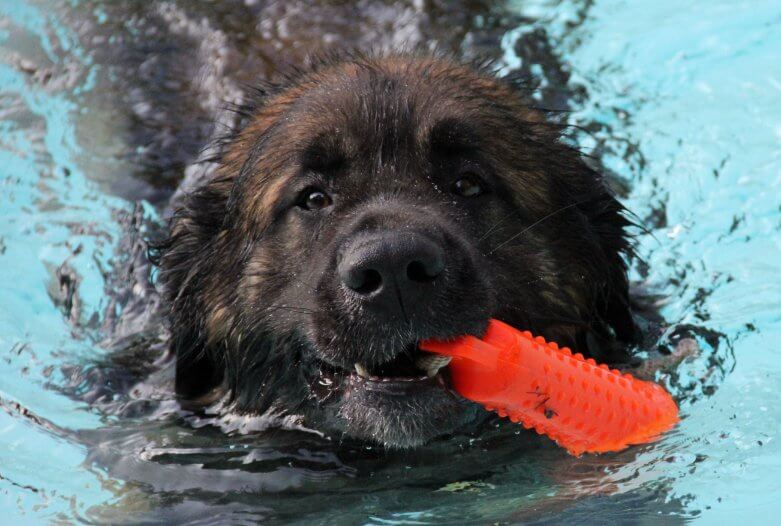
Despite their massive size, Leonbergers are excellent swimmers, with webbed feet that make them naturally suited for water rescue and lifesaving work.
Used for Draft Work
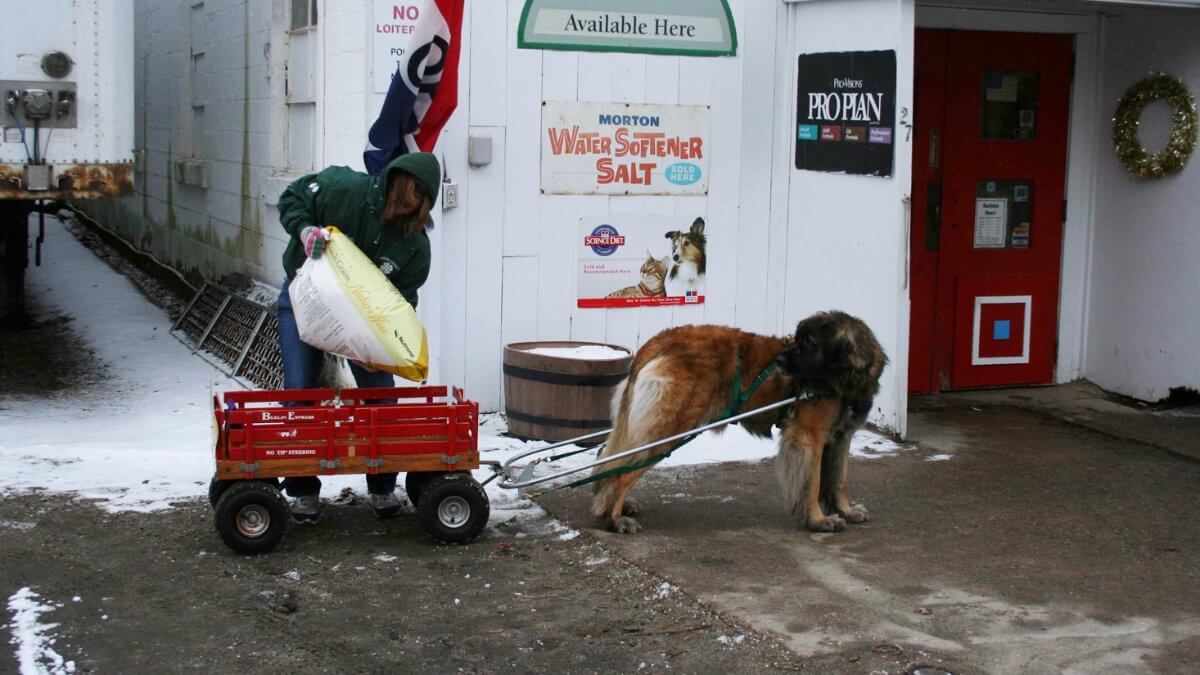
Historically, Leonbergers were used for pulling carts, making them one of the few giant breeds that excelled in both water work and land-based drafting.
Nearly Went Extinct Twice
The breed was almost wiped out during both World War I and World War II, with only a handful of dogs surviving each time before being revived by dedicated breeders.
11/FAQ
Yes, Leonbergers shed year-round, with heavy seasonal shedding in the spring and fall. Regular brushing, especially during shedding seasons, helps to control the loose hair and keeps the coat in good condition.

Written by
Dan Sayers is the Executive Editor of SHOWSIGHT. He is a member of the World Dog Press Association and the Dog Writers Association of America, which recognized his illustrations in the award-winning Encyclopedia of K-9 Terminology. Dan is a longtime supporter of the sport of dogs and an advocate for the conservation of recognized breeds in all their forms and functions. He is a member of the Morris and Essex Kennel Club, and for 45 years, the Irish Water Spaniel Club of America where he serves as AKC Delegate, Archivist, and approved Breed Mentor. Dan breeds under the Quiet Storm prefix and has judged the IWSCA National Specialty Sweepstakes twice.

Meet the Breeders
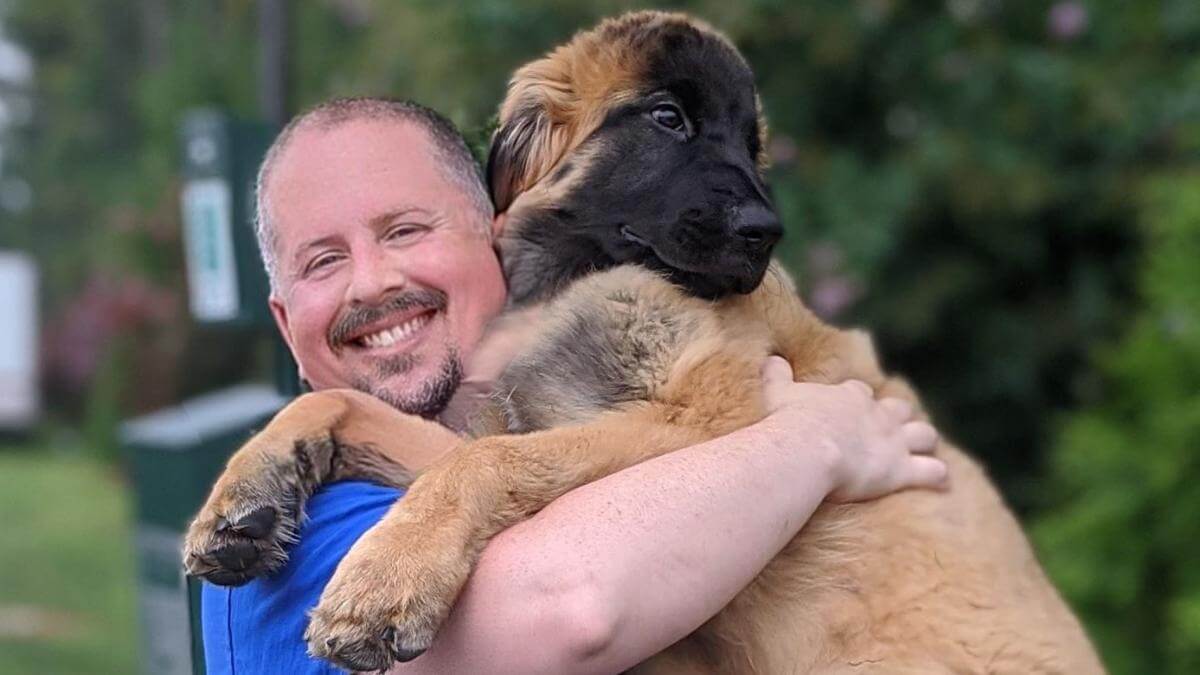
At Sforzando Leonbergers, we breed bold, balanced Leonbergers with care, heritage, and over 25 years of devotion to the breed.
Dog Sports
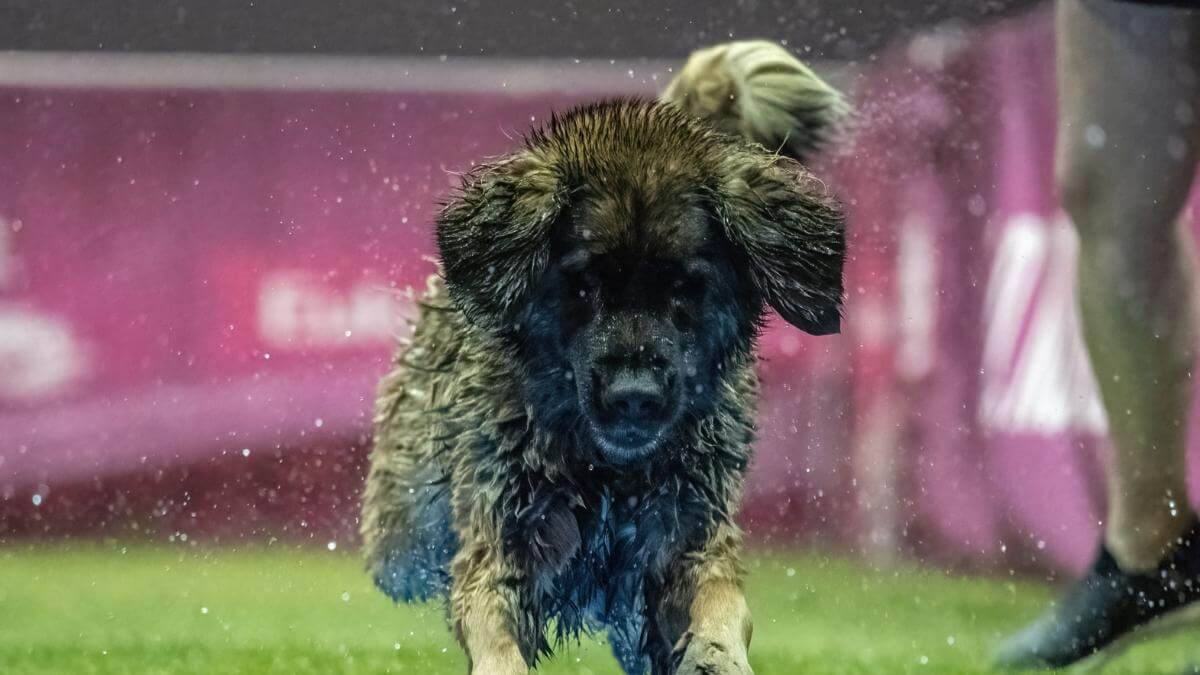
Megan Currier shares her journey with Leonbergers, highlighting their versatility, temperament, and her experiences in breeding.
Therapy Dog
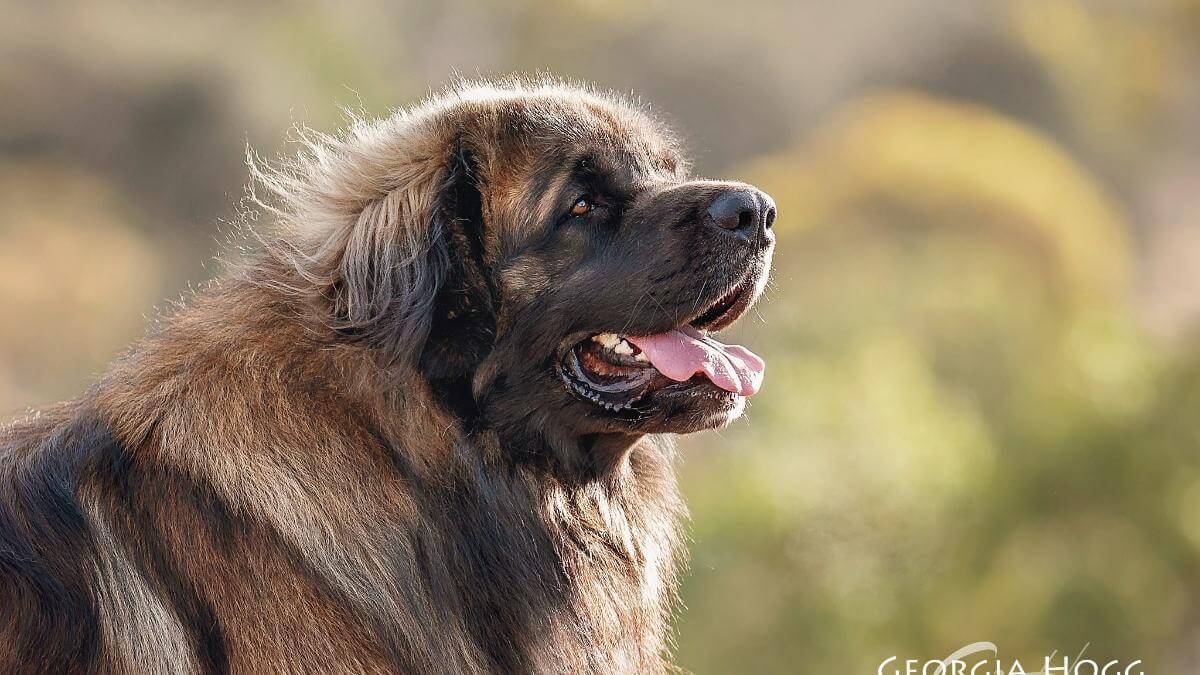
Kado, an Australian Shepherd, brought joy as a Therapy Dog and Pet Educator, positively impacting hospitals and schools.
All About Judging
Explore the Leonberger breed’s type, traits, and judging standards with expert insights on size, coat, and temperament.
Discover the rich history of the Leonberger, a versatile, resilient breed that evolved from a luxury symbol to an ideal modern companion.
All About Judging
Explore the complexities of judging the Leonberger, focusing on type, coat, size standards, and the diverse origins of this majestic breed.
All About Judging
Learn how to judge the Leonberger breed: large, balanced, powerful, with a lion-like coat and black mask. Key traits and judging essentials.
Meet the Breeders
Matthew & Susan Townsend are the breeders behind Sforzando Leonbergers. Read about the kennel’s beginnings, champions, puppies, photos & more!
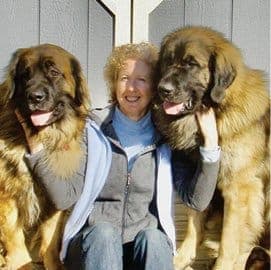
Life with Leonberger – What are Leonbergers like to live with? Back in the days before the Internet put the whole world at our fingertips, the
The Leonberger has a long, well-furnished tail that reaches at least to the hock. When at rest, the tail hangs straight down with a slight curve at the tip, and when in motion or alert, it is carried slightly above the topline but never curled over the back. The tail is covered with dense furnishings, complementing the breed’s natural appearance.
A Note About Color: The coat colors are lion-yellow, golden to red and red-brown, sand-colored (cream, pale yellow), and all combinations thereof, always with a black mask. All colors may have black tips (some with long black tips) on the outer coat, but black must not be the basic color. Dark coat colors are accompanied by a lighter-colored undercoat and feathering of the front and hind legs. A small, unobtrusive stripe or white patch on the chest, and some white hairs on the toes, is tolerated. Any color other than those listed, and white hair on the chest that exceeds five inches in width, and white extending beyond the toes, is a disqualification in the show ring.
Coat Type
Double
The structure of the coat this breed carries.
Coat Length
Long
How long the breed's coat grows when kept in condition.
Adaptability Level
How easily a breed copes with changes in home, routine, noise and weather.
Mental Stimulation Needs
How much a breed needs a job, a puzzle or training to stay content.
Proper nutrition is essential for maintaining the health and longevity of the Leonberger, particularly due to the breed’s large size and rapid growth rate. Puppies should be fed a large-breed puppy formula to support slow, steady development and reduce the risk of joint problems. Overfeeding or excessive calcium intake can contribute to orthopedic issues, so portions should be controlled carefully.
Adult Leonbergers typically consume 5 to 7 cups of high-quality dry food per day, split into two meals. They can benefit from a balanced diet rich in lean proteins, healthy fats, and joint-supporting nutrients such as glucosamine and chondroitin. Fresh water should always be available, and treats should be given in moderation.
Leonbergers are highly intelligent and eager to please, making them relatively easy to train with consistent, positive reinforcement. They respond well to reward-based methods and enjoy learning new commands, but they can become stubborn if handled harshly or inconsistently. Early training and firm but gentle leadership are essential to instill good manners and leash control.
Due to the Leonberger’s size and strength, proper socialization is crucial from an early age to ensure good behavior as an adult. These dogs should be exposed to different environments, people, and other animals to prevent shyness or overprotectiveness. Leash training is particularly important, as an untrained Leonberger can be difficult to control due to its size and strength. With proper training and structure, they can grow into well-mannered, adaptable companions that excel in both family life and working roles.
Due to the Leonberger’s size and thick coat, grooming sessions should start at a young age to make sure the dog is comfortable with being handled. Bathing should be done only as needed. Routine ear cleaning, nail trimming, and dental care are essential for maintaining overall health.