Members
01/Overview
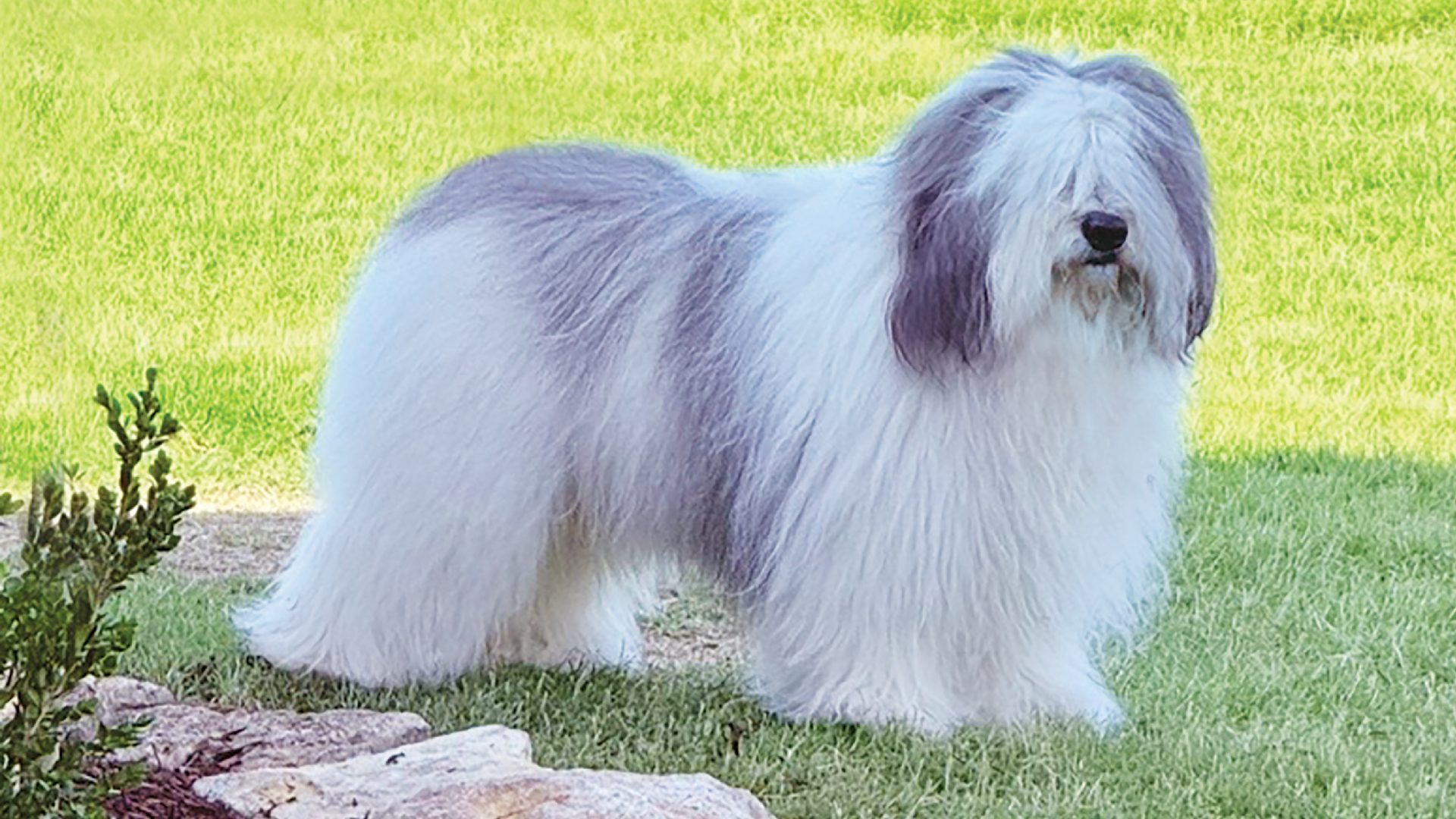
The Polish Lowland Sheepdog, known in its native Poland as Polski Owczarek Nizinny (PON), is a breed renowned for its intelligence, agility, and herding capabilities. With a history that dates back several centuries, this breed has long been utilized as a herder and guard of livestock, showcasing a natural instinct for work and a strong, robust constitution. Characterized by its long, shaggy coat and expressive eyes, the PON embodies a blend of strength, alertness, and playful spirit, making it a beloved companion for those who appreciate this breed's many unique qualities.
Highlights
02/History
The Polish Lowland Sheepdog has a rich history that stretches back several centuries. Believed to have descended from ancient working dogs in Central Asia, these dogs were brought to the Polish plains by migrating tribes. Over the years, they became invaluable to Polish shepherds for their exceptional herding abilities and protective instincts.
The breed’s distinctive long, shaggy coat served a dual purpose, protecting them from harsh weather conditions while also helping to camouflage them among the sheep. This made it difficult for predators to spot them, ensuring the safety of the flock. The breed's intelligence and trainability did not go unnoticed, and they soon found roles beyond herding, serving as guard dogs and companions.
Official recognition of the breed took some time, but the Polish Lowland Sheepdog eventually gained recognition by major kennel clubs around the world. The American Kennel Club officially recognized the breed in 2001, placing it in the Herding Group. The Fédération Cynologique Internationale (FCI) and The Kennel Club (UK) also recognize the breed, further solidifying its status as a distinct and valuable breed.
Despite their official recognition and the admiration of dog enthusiasts, the Polish Lowland Sheepdog remains a relatively rare breed. Nevertheless, their loyal nature, intelligence, and versatility continue to win the hearts of those lucky enough to know them, ensuring that the legacy of this ancient Polish herder lives on.
03/Appearance
The adult male Polish Lowland Sheepdog commands attention with its substantial frame, standing at 18 to 20 inches at the withers. The females, while slightly smaller in size, still maintain a robust presence, measuring an impressive 17 to 19 inches in height.
When it comes to weight, the breed exemplifies a well-muscled and sturdy build, with males typically weighing 35 to 40 pounds, and females ranging from 30 to 35 pounds.
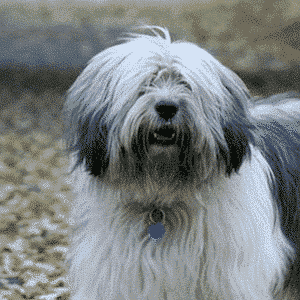
The Polish Lowland Sheepdog boasts a well-balanced and hardy physique, exhibiting a blend of strength and agility that is essential for a herding breed. The body is slightly longer than it is tall, further enhanced by a thick and shaggy coat. Substance is solid, reflecting the breed’s capacity to work long hours in various conditions, although a certain nimbleness is maintained which aids in the dog’s herding duties. A harmony between size, shape, and muscle tone is a defining characteristic of the PON, showcasing a breed that is built for endurance and performance.
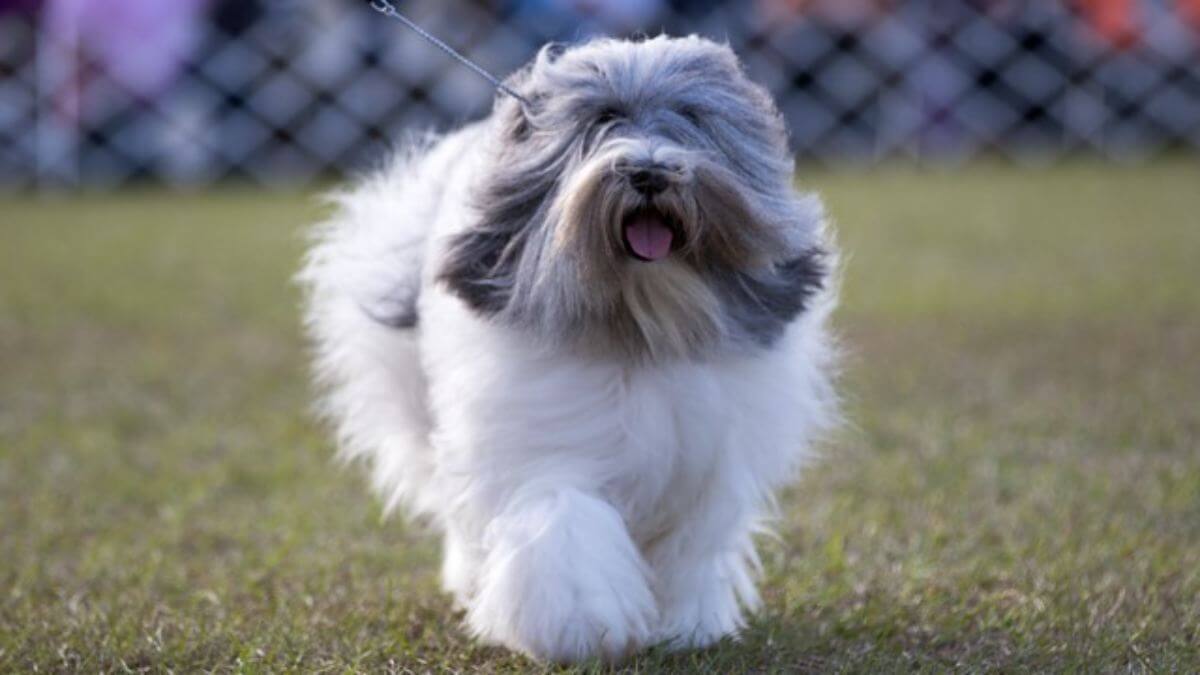
Texture: The coat of the Polish Lowland Sheepdog is one of its defining features, characterized by its long, dense, and shaggy texture. This breed boasts a double coat, with an outer layer that is rough and reasonably straight, and an undercoat that’s soft and dense enough to provide excellent protection in harsh weather conditions. The PON’s natural coat provides a charmingly unkempt appearance.
A Note About Color: The Polish Lowland Sheepdog’s double coat provides considerable protection as it is dense and water-resistant. The entire body, including the head, is covered in a long shaggy coat that’s thick and straight or very slightly wavy. The texture is crisp, although this is dependent on the color of the hair. Short, curly, or silky coats are undesirable as is a thin, wispy coat. All colors are acceptable; however, the most common colors are white with either black, gray or sandy patches, and gray with white, or chocolate. Puppies that are not white are born with dark-colored coats that fade as the dogs mature.
Standard Colors
Standard Markings
04/Consider
Owning a Polish Lowland Sheepdog is a rewarding experience, as they are intelligent, responsive, and affectionate companions. However, prospective owners should be aware that this breed requires consistent training, ample exercise, and regular grooming. Polish Lowland Sheepdogs form strong bonds with their families and thrive in environments where they are included in daily activities. They are known for their protective nature, making them excellent watchdogs. Yet, their protective instincts necessitate proper socialization from a young age to ensure they are well-behaved around strangers and other pets.
Interaction With Family
The level of affection a breed typically shows towards family members and familiar individuals.
Good With Other Dogs
The innate friendliness of a dog towards other dogs can depend on its breed.
Good With Young Children
The degree to which a breed will typically be patient with young children.
Amount Of Shedding
How much hair a breed typically leaves behind on clothes, furniture and floors.
Frequency Of Grooming
How often a breed needs brushing, bathing or a professional trim to stay in condition.
Amount Of Drooling
How prone a breed is to drool, worth knowing before you keep a towel by the door.
Openness To Strangers
How openly a breed tends to greet new people, visitors and strangers.
Protective Nature
How likely a breed is to alert you to anything unfamiliar, and stand between you and it.
Playfulness Level
How enthusiastic a breed stays about games and play well past puppyhood.
Trainability Level
How readily a breed takes direction and works with you rather than around you.
Barking Level
How much a breed uses its voice, and how readily.
Energy Level
How much get-up-and-go a breed brings to an average day.
Health
Polish Lowland Sheepdogs are generally considered a healthy breed, with a lifespan ranging from 12 to 14 years. Like all breeds and mixed breeds, they are prone to certain health conditions. It is crucial for potential owners to be aware of these conditions and seek out reputable breeders who conduct necessary health clearances to ensure the health of their breeding stock.
Polish Lowland Sheepdogs are renowned for their intelligent, alert, and responsive nature, making them a delightful addition to any family. They exhibit a high level of loyalty towards their human companions and tend to form strong bonds with their families. This breed thrives in environments where they are actively involved in daily activities, and they appreciate being part of the family unit.
When it comes to interacting with other dogs, Polish Lowland Sheepdogs generally get along well, especially if they have been properly socialized from a young age. However, due to their herding instincts, they may sometimes try to herd other pets or even people, particularly children. Speaking of children, Polish Lowland Sheepdogs are known to be good with kids, showing patience and a playful nature. Nonetheless, interactions between dogs and young children should always be supervised to ensure safety for both parties.
In terms of their demeanor towards strangers, Polish Lowland Sheepdogs can be reserved and may take some time to warm up to new people. Their protective instincts make them excellent watchdogs, and they are always alert to their surroundings. Despite this, they are not overly aggressive, but they will stand their ground and protect their family if they perceive a threat.
Regarding their adaptability to being alone, Polish Lowland Sheepdogs prefer the company of their family and do not like to be left alone for extended periods. They may exhibit signs of separation anxiety if left alone for too long, which can lead to destructive behavior. Providing them with toys and engaging activities can help alleviate boredom and prevent potential behavioral issues.
Exercise Expectations
The intensity of their exercise routine should be moderate, ensuring they burn off energy without becoming overly exhausted. Incorporating playfulness into their exercise regimen is highly beneficial, as Polish Lowland Sheepdogs are known to be playful and enjoy interactive games. This not only strengthens the bond between the dog and their human companion but also adds an element of fun to their daily routine. While they do have a good amount of energy, it is important to strike a balance and not over-exercise them, especially in extreme weather conditions. Providing them with a safe and secure space to play and explore is essential, as is ensuring they have time to rest and recuperate after periods of activity.
Living with a Polish Lowland Sheepdog can be a delightful experience, provided their specific needs are met. These dogs adapt relatively well to various living conditions, but they do best in homes where they have ample space to move around. Apartment living is possible, but it is crucial to ensure they receive enough exercise and mental stimulation to prevent boredom and destructive behaviors.
When it comes to weather conditions, Polish Lowland Sheepdogs have a thick coat that provides some protection against cold temperatures. However, just like any other breed, they should not be exposed to extreme weather for prolonged periods. In hot weather, their dense coat can make them prone to overheating, so it's vital to provide plenty of shade, water, and the option to stay indoors during the hottest parts of the day.
Engaging them in indoor activities can help manage their energy levels, and they enjoy being part of family activities. They form strong bonds with their human companions, and while they can handle being alone for short periods, they thrive when they are part of the family's daily life.
05/Puppies
Bringing a Polish Lowland Sheepdog puppy into your home is an exciting and rewarding experience, but it also comes with responsibilities to ensure they develop into a well-adjusted adult dog. From the moment they arrive, these puppies require a safe and nurturing environment, consistent training, and plenty of socialization.
Caring for a Polish Lowland Sheepdog puppy involves several key aspects to ensure their optimal development. Nutrition plays a critical role during their growth phase, and it is crucial to provide them with high-quality puppy food that caters to their specific needs. Portion control and adhering to a feeding schedule help in maintaining a healthy weight, setting the foundation for their overall well-being.
Early socialization is paramount for puppies, exposing them to various environments, people, and other dogs in a controlled and positive manner. This helps in developing their confidence and ensures they grow up to be well-adjusted adults. Training should begin early, focusing on basic commands and house training, with consistency and positive reinforcement being key.
Regular veterinary check-ups are essential to monitor their growth, administer vaccinations, and address any health concerns promptly. Grooming routines should also be established early on, getting them accustomed to being brushed, bathed, and handled, which is particularly important given their dense coat.
Making sure that they have a safe space to play and explore is vital, as is providing appropriate chew toys to aid in their teething process. Providing mental stimulation through training and interactive toys helps in keeping their intelligent minds engaged, preventing boredom and potential behavior issues.
06/Activities
Polish Lowland Sheepdogs are intelligent, agile, and have a keen willingness to work, making them excellent candidates for various dog sports and activities. Engaging them in these activities not only provides them with the physical exercise they require but also offers mental stimulation, which is crucial for this breed. Below are some activities and dog sports that Polish Lowland Sheepdogs often excel in:
Engaging your PON in these activities not only helps in keeping them physically fit but also strengthens the bond between you and your canine companion. It provides an outlet for their energy and satisfies their need for mental stimulation, resulting in a happier and well-balanced dog.
Gallery
07/Standards
The Polish Lowland Sheepdog is recognized by the world's leading registries and kennel organizations, which categorize the breed into a specific Group based on its unique characteristics. This breed is recognized worldwide under the following Group designations:
The ideal Polish Lowland Sheepdog is described by a Breed Standard that is approved by each of the world’s leading registries and kennel organizations. The Breed Standards for this breed may be found in the following links:
08/Clubs
09/Rescue
10/Facts
Versatile Heritage
Originating from Central Asia and refined in Poland, the Polish Lowland Sheepdog has a rich heritage in herding and guarding livestock.
Impressive Memory
Renowned for their remarkable memory, these dogs are said to remember commands once learned, for life.
Influential in Breeding
The Polish Lowland Sheepdog played a significant role in the development of other herding breeds, including the Bearded Collie.
Strong and Agile
Despite their medium size, they boast a robust build, contributing to their agility, especially on uneven terrains.
Highly Intelligent
With their intelligence comes a need for consistent training and mental stimulation to keep them engaged and well-behaved.
Good with Families
They are known to be great with children and integrate well into family life, though their herding instincts may sometimes come into play.
11/FAQ
Polish Lowland Sheepdogs are not typically considered hypoallergenic. Their long, dense coats can trap dander, which is a common allergen for many people. However, with regular grooming, the amount of loose hair and dander in the home can be minimized, potentially making them a suitable option for individuals with mild allergies.

Written by
Dan Sayers is the Executive Editor of SHOWSIGHT. He is a member of the World Dog Press Association and the Dog Writers Association of America, which recognized his illustrations in the award-winning Encyclopedia of K-9 Terminology. Dan is a longtime supporter of the sport of dogs and an advocate for the conservation of recognized breeds in all their forms and functions. He is a member of the Morris and Essex Kennel Club, and for 45 years, the Irish Water Spaniel Club of America where he serves as AKC Delegate, Archivist, and approved Breed Mentor. Dan breeds under the Quiet Storm prefix and has judged the IWSCA National Specialty Sweepstakes twice.
Official Standard of the Polish Lowland Sheepdog
General Appearance: Medium-sized, compact, strong and muscular with a long, thick coat and hanging hair that covers the eyes. He is shaggy and natural in appearance with a docked or natural bobbed tail. His herding and working ability is attributed to an intense desire to please and compatible nature. He is lively but self-controlled, clever and perceptive. The breed is well known for an excellent memory and the ability to work independent of his master.
Size, Proportion, Substance: Well balanced due to a strong skeleton. Height at the withers for an adult dog is 18 to 20 inches and 17 to 19 inches for a bitch. It is not desirable to diminish the size below the Standard for this multi-purpose working breed. The silhouette is rectangular due to the abundance of coat on the chest and rear. The height to length ratio is 9:10 making the dog off square. Height is measured from withers to ground and length is measured from point of shoulder to point of buttocks.
Head and Skull: The medium-sized head is in proportion to the body. The profuse hair on the forehead, cheeks and chin make the head look bigger than it actually is. Expression is lively with a penetrating gaze. Eyes are of medium size, oval and brown in color. It is natural in a dog with chocolate pigment to have a lighter eye. Eye rims are as dark as possible within the coat color. Disqualification - blue or yellow (bird-of-prey) eyes. Ears are heart-shaped, drop and set moderately high. They are medium size in proportion to the head and are covered with long hair which naturally follows the shape of the ear. Skull is moderately broad and slightly domed. The forehead furrow and occiput are palpable. The stop has a pronounced indentation but never as pronounced as a round-skull breed. The ratio of muzzle to skull is 1:1. A little shorter muzzle is acceptable. The topline of the muzzle is straight and parallel to the skull. The muzzle is well filled all the way to the end. Teeth - Strong white teeth meet in a scissors or level bite. The jaws are strong. Disqualification - overshot or undershot bite. Nose should be large and black or brown, depending on the coat color. A pink nose or a nose partially lacking pigment should be penalized.
Neck, Topline, Body: Neck, of medium length, is muscular and strong. It is broad without dewlap and carried not more than 45 degrees to the ground when moving. Profuse hair and a large head optically make the neck look shorter than it actually is. The back should be neither too long nor too short for proper balance and movement. Withers are well pronounced and broad. The chest is deep, of medium width, with forechest well-defined. Depth of chest is to the elbow, approximately 50 percent of the height of the dog. The ribs are well sprung, neither barrel chested nor slab-sided. The topline is level. The loin is well muscled and broad giving the impression of being short. The croup is slightly cut but only to a small degree. The belly is slightly drawn up. Tail is short, set low and no longer than two vertebrae. Tails are naturally short or docked. Severe Fault - Tail that changes the shape and appearance of the silhouette must be penalized so severely as to eliminate the dog from competition.
Forequarters: The shoulders are heavily muscled and well laid back. The legs are straight and vertical with heavy bone. The pasterns are slightly slanting in relation to the forearm and flexible without weakness. The feet are oval and tight with the front feet larger than the rear feet. Toes are arched.
Hindquarters: Large, heavily boned, and well muscled with well bent stifles. In normal stance, the bones below the hocks are perpendicular to the ground and parallel to each other when viewed from the rear. The hind feet fall just behind a perpendicular line from the point of buttocks to the ground when viewed from the side. Feet are oval with tight, arched toes. Pads are hard. Nails are preferably dark.
Coat: It is doubled coated. The entire body is covered with a long, dense, shaggy, thick coat that is reasonably straight. The outercoat should be crisp with a water resistant texture. The undercoat is soft and dense. Different coat colors will have different textures with the black coat having little or no coarse outercoat and less undercoat. Characteristically, long hanging hair covers the eyes. A slight wavy coat is acceptable. Fault - A curly, short or silky coat. Lack of undercoat. A fly away or thin, wispy coat that easily "flies" over the dog when in movement. The Polish Lowland Sheepdog must be shown naturally with an "unkempt" but clean appearance - any scissoring of the coat must be penalized so severely as to eliminate the dog from competition. Only the hair between the pads may be trimmed. Severe fault - Any coat that appears to be visibly scissored or sculpted.
Color: All coat colors are acceptable. The most common colors are white with either black, gray or sandy patches and gray with white, or chocolate. Most carry a dominant fading factor genetically, which results in puppies being born darker in coat color than they will appear as adults with the exception of those puppies born white.
Gait: The gait should be balanced, efficient, and appear effortless. Leg movement should always be in two parallel lines without crossing or departing from one line. There is a slight and natural tendency to converge in the front and rear when significantly increasing the speed of trot. The neck is carried not more than 45 degrees to the ground when moving. With the correct shoulder angulation, the forward reach of the front leg should be fluent and to the dog’s nose. This length of stride propels forward movement with less fatigue. The greatest source of his forward drive is derived from good rear angulation. When viewed from behind, the back legs should be parallel to each other and not too close.
Temperament: He is stable and self confident. He needs a dominant master and consistent training from the time he is very young. If this is not provided, he will tend to dominate the master. When not used as a herding or working dog, he can be a magnificent companion as he seems to fit into any type of lifestyle. He is extremely loyal, but somewhat aloof and suspicious of strangers. Faults - Nervous, cowardly, or extreme vicious behavior.
Faults: The foregoing description is that of the ideal Polish Lowland Sheepdog. Any deviation from the above described dog must be penalized to the extent of the deviation.
Disqualifications: Blue or yellow (bird-of-prey) eyes. Overshot or undershot bite.
Approved May 12, 2009
Effective July 1, 2009


Meet the Judges
Joseph Reno reflects on judging Herding breeds at the 2026 Westminster KC Dog Show, highlighting Breed winners and overall entry quality.
Dog Sports
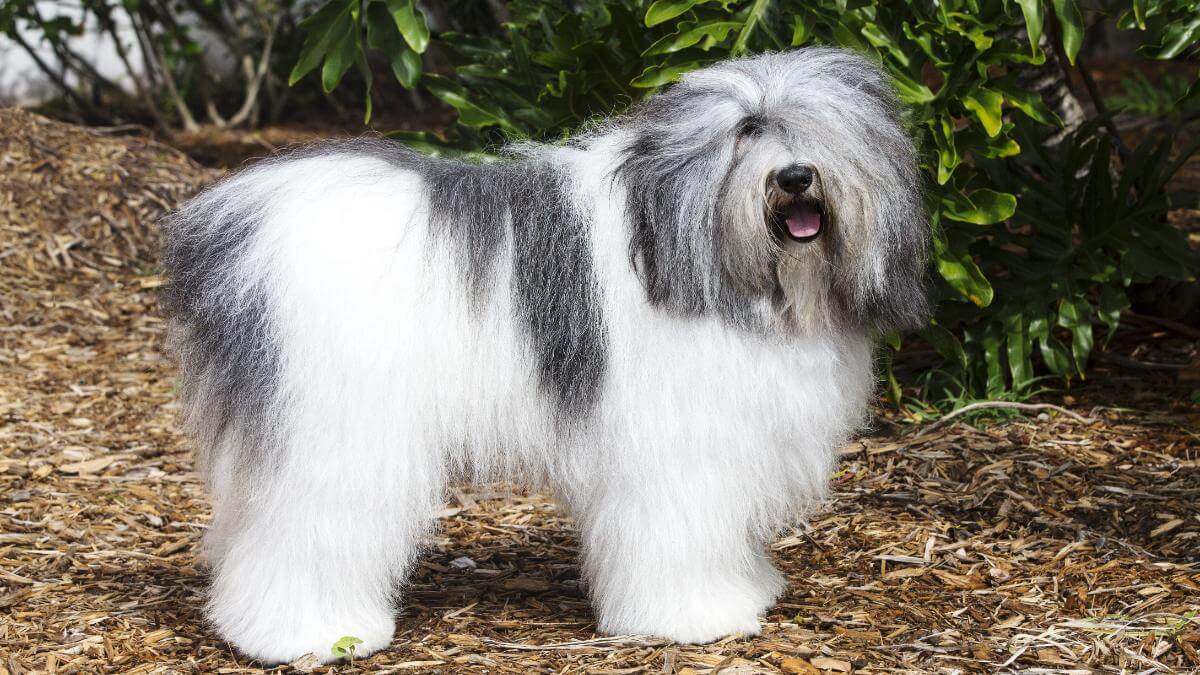
Learn about the Polish Lowland Sheepdog (PON), its history, care, and training tips for potential owners of this intelligent breed.
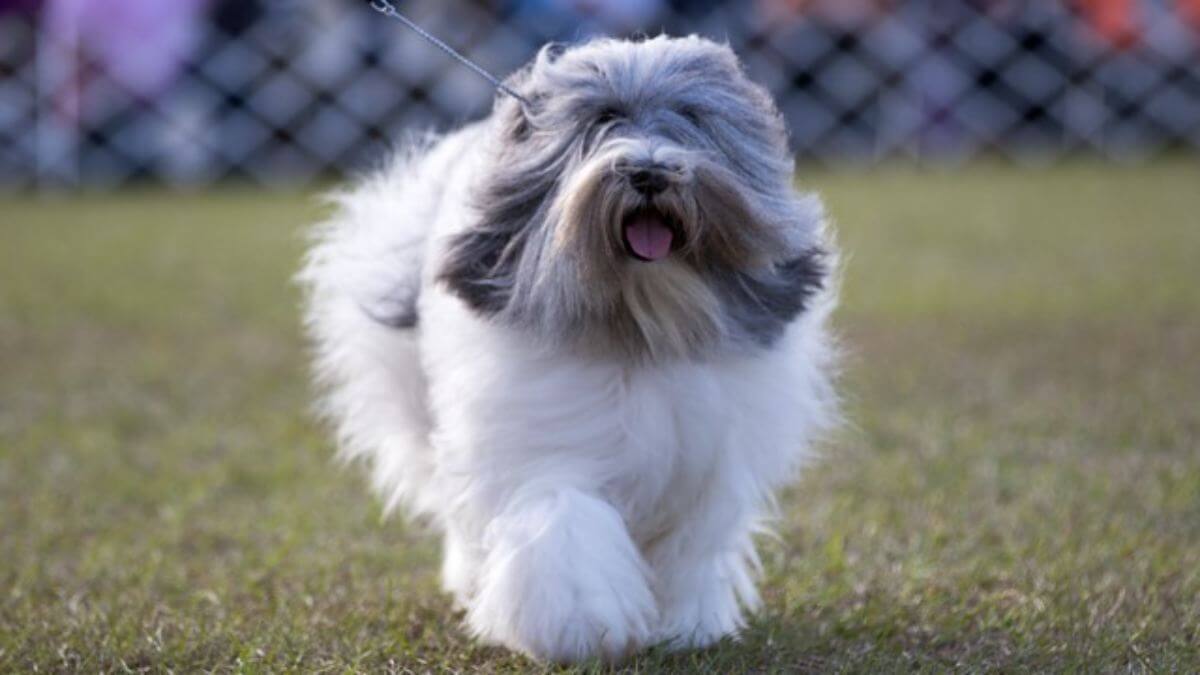
Meet Shadow, the Polish Lowland Sheepdog! Learn about this intelligent, active breed and what it takes to be a great PON owner.
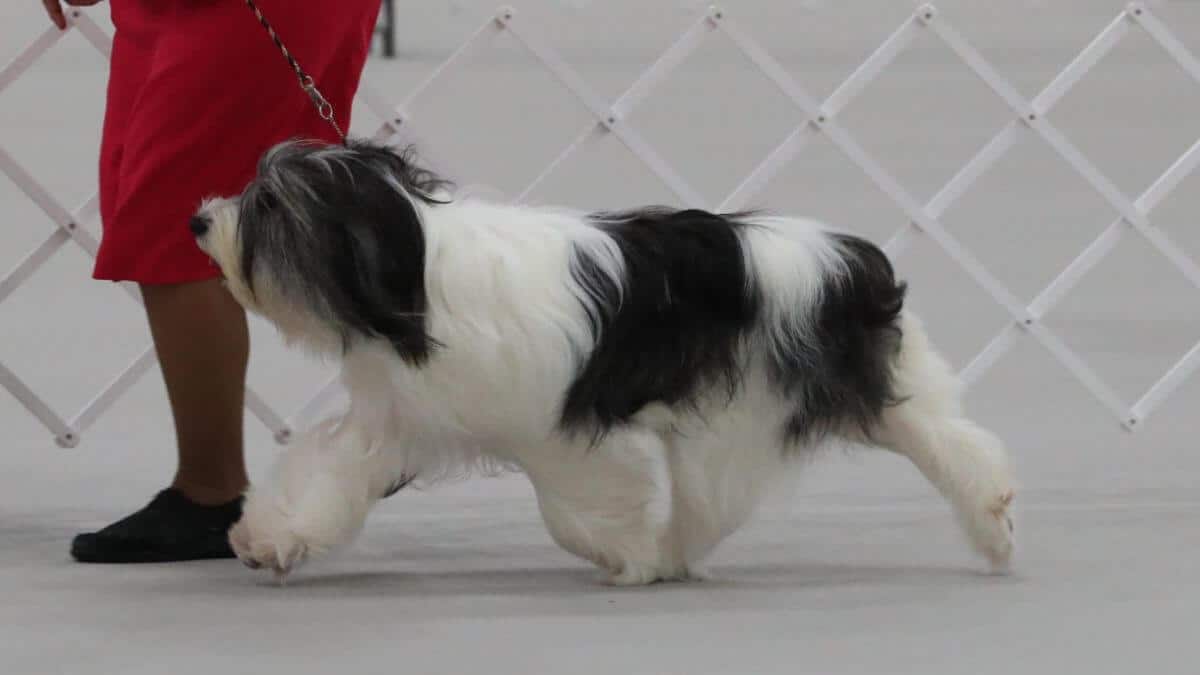

Discover the Polish Lowland Sheepdog (PON): A shaggy, intelligent herding breed with rich history, loyalty, and versatile talents.
All About Judging
Explore key insights on judging the Polish Lowland Sheepdog, focusing on breed traits, examination techniques, and temperament.
The Polish Lowland Sheepdog’s tail, or lack of tail, is a notable aspect of the breed’s anatomy. The PON can be born with naturally long, medium, or short tails, known as a stumpy-tail. Traditionally, the tail was docked to a length of two vertebrae, and this practice continues where docking remains a viable option.
An undocked tail typically hangs when the dog is at rest, but it can be carried in different manners when the dog is excited or alert. However, a curled tail, or one that lies on the back, is unacceptable as it completely destroys the shape and appearance of the silhouette.
The coat on the tail is dense, long, and of the same texture as the rest of the body, which ensures protection and adds to the breed’s overall rugged and shaggy appearance.
Coat Type
Double
The structure of the coat this breed carries.
Coat Length
Long
How long the breed's coat grows when kept in condition.
Adaptability Level
How easily a breed copes with changes in home, routine, noise and weather.
Mental Stimulation Needs
How much a breed needs a job, a puzzle or training to stay content.
Feeding a Polish Lowland Sheepdog requires attention to their specific nutritional needs at various stages of their life. Puppies, in particular, require a balanced diet that supports their rapid growth and development. For a Polish Lowland Sheepdog puppy, a high-quality puppy food that is rich in protein and fat is essential. As they transition to adulthood, their dietary requirements change, and it becomes crucial to shift to a high-quality adult dog food that maintains their energy levels and supports their overall health.
An adult Polish Lowland Sheepdog typically requires about 2 to 2.5 cups of dry dog food per day, divided into two meals. However, it is important to note that the exact amount can vary based on factors such as age, activity level, metabolism, and health status. Owners should monitor their dog's body condition and adjust portion sizes accordingly to prevent overfeeding and ensure they maintain a healthy weight.
This breed is known for its moderate energy levels, and a balanced diet plays a significant role in sustaining their vitality. Incorporating a variety of proteins, vegetables, and carbohydrates can contribute to a well-rounded diet. Additionally, ensuring they have access to fresh water at all times is imperative for their hydration and overall well-being.
Training a Polish Lowland Sheepdog requires a consistent and patient approach, as these intelligent dogs respond well to positive reinforcement techniques. Their sharp minds make them quick learners, but they also have a strong-willed nature, which calls for a handler who can establish clear rules and boundaries.
When it comes to their propensity to bark, Polish Lowland Sheepdogs have a moderate tendency to vocalize. They may bark to alert their family of anything unusual, or simply to express themselves. This can be managed with proper training and socialization from a young age, teaching them when it is appropriate to be vocal and when it is not.
The intelligence of the Polish Lowland Sheepdog is one of their standout traits, and it makes them highly trainable. They excel in obedience training and can learn a wide array of commands and tricks. However, to keep them engaged and prevent boredom, training sessions should be varied and challenging.
In terms of their potential for wanderlust, Polish Lowland Sheepdogs have a moderate tendency to roam. Establishing a secure environment and teaching reliable recall commands can help mitigate this behavior. This breed also has a low to moderate prey drive, meaning they might show interest in chasing smaller animals, but this can be managed with training.
Grooming Expectations
While they do shed, the amount is moderate, and with proper grooming, it can be kept under control. Their coat serves as protection against the elements, but it also traps dirt and debris, so regular baths are necessary to keep them clean. However, it’s important to avoid over-bathing, as this can strip their coat of natural oils, leading to dryness and irritation. In addition to coat care, their grooming routine should include regular ear checks and cleanings to prevent infections, as well as nail trims to ensure their paws stay healthy. Dental care, including brushing their teeth or providing dental chews, is also vital to maintaining their overall health.