Members
01/Overview
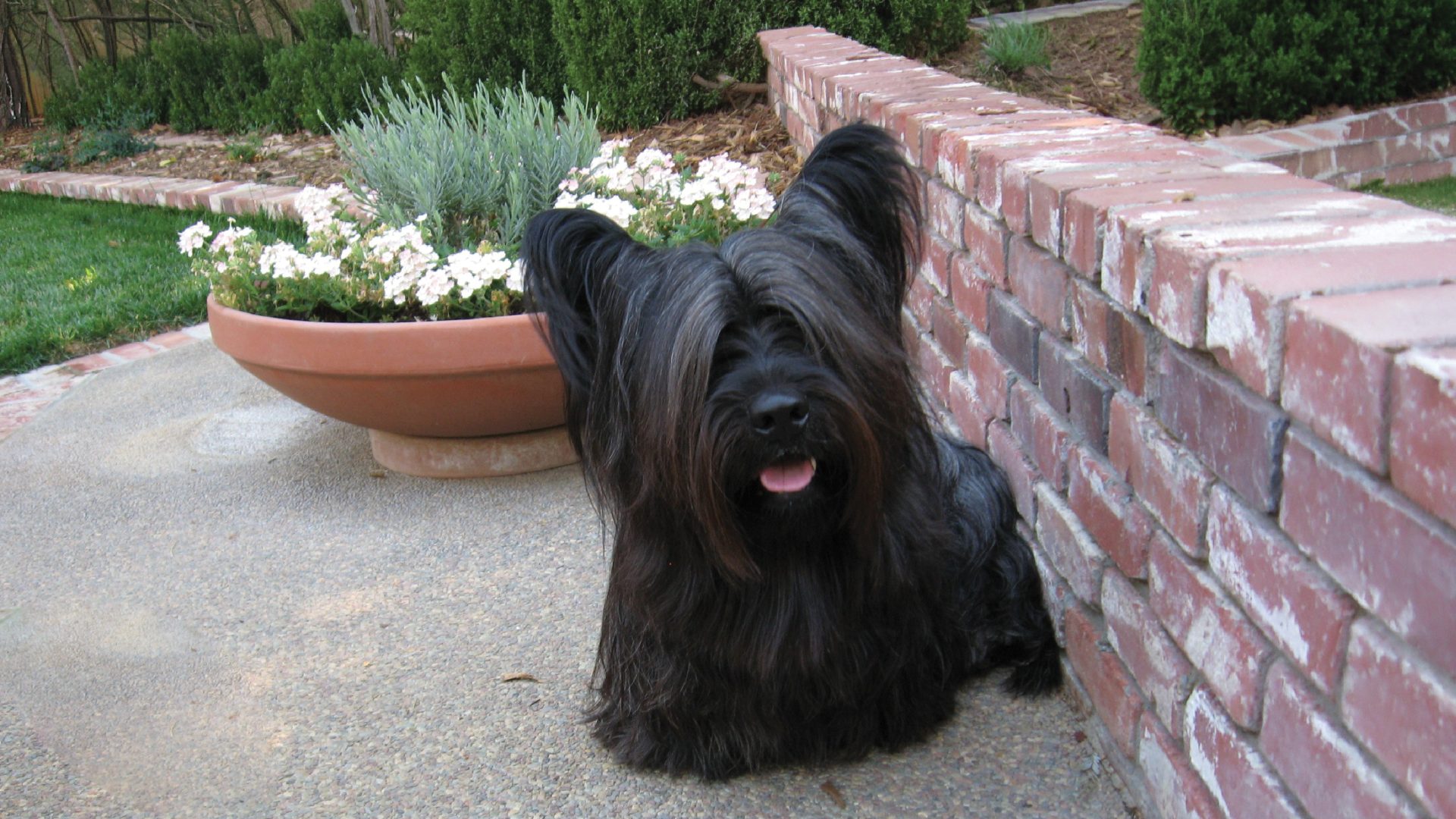
The Skye Terrier is a low, long-bodied terrier known for its flowing coat, large feathered ears, and dignified expression. Developed on the Isle of Skye to hunt foxes, badgers, otters, and other quarry among rocky terrain, the breed combines courage and determination with deep loyalty to its family.
Highlights
02/History
The Skye Terrier originated in Scotland and is named for the Isle of Skye, part of the Inner Hebrides. Similar long, low terriers had worked across Scotland’s western islands for centuries, where they were used to hunt foxes, badgers, otters, and other animals that sheltered among rocks, cairns, and underground dens.
The breed’s low body allowed it to enter narrow spaces, while its strong structure and powerful jaws helped it confront difficult quarry. Its long double coat provided protection from cold, rain, rough vegetation, and the harsh coastal climate.
The exact ancestry of the Skye Terrier is not fully documented, but it developed from early Scottish terrier types found in the Highlands and western islands. Historical accounts suggest that dogs resembling the modern Skye were known by the sixteenth century.
The breed became especially fashionable during the nineteenth century. Queen Victoria owned and admired Skye Terriers, and her interest helped to increase the breed’s popularity among British society. During this period, breeders began establishing a more consistent appearance and distinguishing the Skye Terrier from other Scottish terrier breeds.
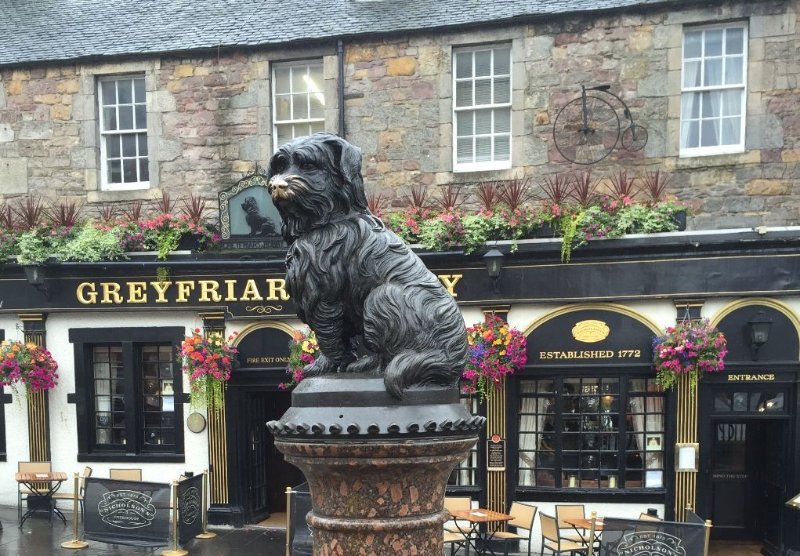
One of the most famous dogs associated with the breed is Greyfriars Bobby, a nineteenth-century Edinburgh dog remembered for remaining near his caretaker’s grave for many years. Although Bobby’s exact breed has been debated, he is commonly identified as a Skye Terrier and remains closely connected with the breed’s reputation for loyalty.
Both prick-eared and drop-eared Skye Terriers were historically accepted, and both varieties remain part of the breed today. The prick-eared form became more common, but the two types share the same structure, coat, and temperament.
The Skye Terrier was among the breeds shown at some of Britain’s earliest organized dog shows. The breed was recognized by The (Royal) Kennel Club during the nineteenth century, and the Skye Terrier Club was established in Scotland in 1887.
The American Kennel Club recognized the Skye Terrier in 1887 and placed the breed in the Terrier Group. The Skye Terrier Club of America serves as the breed’s American Kennel Club parent club.
The Fédération Cynologique Internationale recognizes the Skye Terrier as a British breed and places it in Group 3, Terriers, Section 2, Small-Sized Terriers.
03/Appearance
An adult male Skye Terrier stands approximately 10 inches tall at the withers, while a mature female measures approximately 9.5 inches tall. The breed generally weighs between 35 and 45 pounds.
Skull: The Skye Terrier has a moderately broad skull that narrows gradually toward the muzzle. The head is long and powerful, with a slight stop and a balanced outline.
Expression: The expression is dignified, alert, and keen, reflecting the breed’s courage and self-confidence.
Eyes: The eyes are medium-sized, brown, and set relatively close together. They should convey an intelligent and attentive expression.
Ears: The ears may be either prick or drop. Prick ears are medium-sized, set high, and carried erect with feathering along the edges, while drop ears are larger, set lower, and lie flat against the skull.
Muzzle: The muzzle is strong, deep, and well filled, tapering slightly toward the nose without appearing weak or pointed.
Nose: The nose is black.
Bite: The Skye Terrier has strong teeth that meet in a level or scissors bite, with the upper incisors closely overlapping the lower incisors.
The Skye Terrier has a distinctive long, low outline, with the body measuring approximately twice the height at the withers. Despite its low stature, the breed should appear strong, balanced, and capable of moving freely over difficult terrain.
The body is solidly built, with a deep chest, well-sprung ribs, a level back, and a strong loin. Bone is substantial in proportion to the dog’s size, providing the strength needed for its original work without creating a coarse or cumbersome appearance.
Texture: The Skye Terrier has a long, straight, hard outer coat with a short, soft, woolly undercoat. The coat lies flat along the body and forms a protective covering that helps shield the dog from cold, wet weather, rough vegetation, and rocky terrain. Longer hair on the head falls over the forehead and eyes, while feathering appears on the ears, legs, and tail.
Standard Colors
04/Consider
The Skye Terrier is loyal, intelligent, independent, and deeply attached to its family. Anyone considering the breed should be prepared for regular coat care, consistent training, early socialization, and careful management of a long-backed and low-set dog.
Interaction With Family
The level of affection a breed typically shows towards family members and familiar individuals.
Good With Other Dogs
The innate friendliness of a dog towards other dogs can depend on its breed.
Good With Young Children
The degree to which a breed will typically be patient with young children.
Amount Of Shedding
How much hair a breed typically leaves behind on clothes, furniture and floors.
Frequency Of Grooming
How often a breed needs brushing, bathing or a professional trim to stay in condition.
Amount Of Drooling
How prone a breed is to drool, worth knowing before you keep a towel by the door.
Openness To Strangers
How openly a breed tends to greet new people, visitors and strangers.
Protective Nature
How likely a breed is to alert you to anything unfamiliar, and stand between you and it.
Playfulness Level
How enthusiastic a breed stays about games and play well past puppyhood.
Trainability Level
How readily a breed takes direction and works with you rather than around you.
Barking Level
How much a breed uses its voice, and how readily.
Energy Level
How much get-up-and-go a breed brings to an average day.
Health
The Skye Terrier is generally a hardy breed with a typical lifespan of 12 to 14 years. Preventive veterinary care, balanced nutrition, regular low-impact exercise, good dental hygiene, and a healthy weight can help support long-term health.
The Skye Terrier is loyal, dignified, intelligent, and deeply devoted to its family. It often forms a particularly close bond with one or two people and may be reserved around unfamiliar visitors.
Although calm and composed in the home, the breed retains the courage and independence of a working terrier. Early socialization helps the Skye Terrier become more comfortable with different people, dogs, environments, and everyday situations.
A Skye Terrier can live successfully with respectful children, especially when raised with them. Its long back and low body require careful handling, so rough play and jumping from furniture should be discouraged.
Exercise Expectations
A healthy adult generally benefits from about 30 to 45 minutes of activity each day, divided into manageable sessions. Because of the breed’s long back and short legs, repeated jumping, steep stairs, and strenuous impact should be avoided. Off-leash exercise should take place only in a securely enclosed area because the Skye Terrier may chase small animals or follow an interesting scent.
Grooming Expectations
The Skye Terrier can adapt well to apartment living because it is often calm indoors and does not need excessive exercise. Regular walks, mental stimulation, and companionship are still important.
Ramps or steps can reduce repeated jumping from furniture, and slippery floors may need additional traction. Young dogs should also be discouraged from climbing stairs unnecessarily while their bodies are developing.
The Skye Terrier usually does best in a calm, stable household that appreciates its loyalty, independence, and reserved nature. Regular companionship, gentle handling, and consistent routines help the breed thrive.
05/Puppies
Skye Terrier puppies are curious, affectionate, and often more playful than their dignified adult appearance suggests. Early routines, positive socialization, patient training, and careful management of their long backs help the pup develop into a confident and well-mannered adult.
A Skye Terrier puppy benefits from a predictable daily schedule that includes regular meals, potty breaks, sleep, play, training, and quiet time. A crate or secure puppy area can provide a safe place to rest and support housetraining when direct supervision is not possible.
Early socialization should introduce the puppy to different people, well-mannered dogs, household sounds, surfaces, vehicles, and unfamiliar environments. These experiences should remain positive and appropriate for the puppy’s age.
Training can begin as soon as the puppy arrives home. Short sessions can introduce name response, recall, leash walking, basic manners, and calm behavior around visitors. Gentle handling and consistent expectations are especially important for this intelligent but independent breed.
A Skye Terrier puppy should receive a complete and balanced diet formulated for growth. Exercise should focus on supervised play, short walks, and gentle exploration. Repeated jumping, frequent stair climbing, and strenuous impact should be limited while the puppy’s bones and joints are developing.
Regular veterinary visits are important during the first year. Grooming should also begin early so that the puppy becomes comfortable with brushing, nail trimming, ear checks, tooth brushing, and handling of the coat, feet, and body.
06/Activities
Skye Terriers are intelligent, determined, and capable dogs that often enjoy activities involving scent, problem-solving, controlled movement, and close work with a handler. Here are some of the dog sports and activities in which Skye Terriers may participate:
Earthdog: Skye Terriers can use their natural hunting instincts to locate quarry underground in a controlled setting.
Barn Hunt: Barn Hunt allows the breed to search for safely enclosed rats hidden among bales of straw.
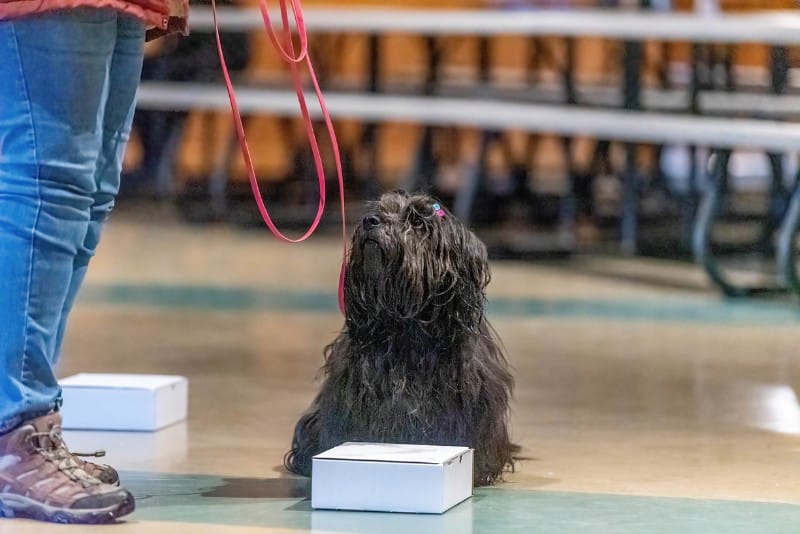
Scent Work: Skye Terriers can search for specific odors hidden in containers, indoor spaces, outdoor areas, or vehicles.
Tracking: Tracking allows the breed to follow a scent trail across different types of terrain using concentration and persistence.
Obedience: Obedience Trials test the Skye Terrier’s ability to perform exercises accurately while working closely with a handler.
Rally: Rally Obedience combines movement through a course with varied obedience exercises that can keep training engaging for this independent breed.
Conformation Shows: Skyes compete in Conformation Shows, where judges evaluate each dog according to the Breed Standard, including structure, movement, coat, expression, temperament, and overall type.
Trick Dog: Trick training provides mental stimulation and gives the Skye Terrier a productive way to use its intelligence and problem-solving ability.
Therapy Work: A calm, friendly, and well-socialized Skye may visit hospitals, schools, assisted living facilities, and other settings to provide companionship.
Canine Good Citizen: Skye Terriers may participate in programs that evaluate everyday manners, social behavior, and reliability around people and other dogs.
Gallery
07/Standards
The Skye Terrier is recognized by the world’s leading registries and kennel organizations, which categorize the breed into a specific Group based on its unique characteristics. This breed is recognized worldwide under the following Group designations:
The ideal Skye Terrier is described by a Breed Standard that is approved by each of the world’s leading registries and kennel organizations. The Standards for this breed may be found in the following links:
08/Clubs
Skye Terrier clubs support breed education, responsible breeding, health initiatives, rescue work, and participation in Conformation shows and Performance events.
Skye Terrier Club of America: Founded in 1938, this is the national breed club for the Skye Terrier in the United States and the breed’s AKC parent club.
The Skye Terrier Club: Founded in Scotland in 1887, this club’s dedicated members promote the breed through dog shows and educational initiatives.
09/Rescue
Breed-specific rescue organizations help Skye Terriers that have been surrendered, abandoned, or found in shelters. These groups may provide foster care, veterinary treatment, behavioral evaluation, and placement with an appropriate adoptive family.
Skye Terrier Club of America Rescue: The breed’s AKC parent club provides rescue information and may help connect Skye Terriers in need with foster or adoptive homes across the United States.
The Skye Terrier Club Rescue: The United Kingdom breed club supports the welfare and rehoming of Skye Terriers and may assist people seeking to adopt or surrender a dog.
Because the Skye Terrier is a rare breed, dogs available through dedicated rescue groups may be limited. Local shelters, broader terrier rescue organizations, adoption databases, and breed clubs can provide additional information about a Skye Terrier or Skye Terrier mix currently needing a home.
10/Facts
Named for the Isle of Skye
The breed takes its name from the Scottish island where long, low terriers were used to hunt among rocks, cairns, and rough coastal terrain.
One of the Longest Terrier Breeds
The Skye Terrier’s body is approximately twice as long as its height, creating its distinctive low and elongated outline.
Closely Associated with Queen Victoria
Queen Victoria’s admiration for Skye Terriers helped to make the breed fashionable in Britain during the nineteenth century.
Connected with Greyfriars Bobby
Greyfriars Bobby, remembered for remaining near his caretaker’s grave in Edinburgh, is commonly identified as a Skye Terrier, although his exact breed has been debated.
11/FAQ
Skye Terriers can make excellent pets for people who appreciate a loyal, dignified, and independent companion. They need regular grooming, early socialization, moderate exercise, and close involvement in family life.

Written by
Dan Sayers is the Executive Editor of SHOWSIGHT. He is a member of the World Dog Press Association and the Dog Writers Association of America, which recognized his illustrations in the award-winning Encyclopedia of K-9 Terminology. Dan is a longtime supporter of the sport of dogs and an advocate for the conservation of recognized breeds in all their forms and functions. He is a member of the Morris and Essex Kennel Club, and for 45 years, the Irish Water Spaniel Club of America where he serves as AKC Delegate, Archivist, and approved Breed Mentor. Dan breeds under the Quiet Storm prefix and has judged the IWSCA National Specialty Sweepstakes twice.
Official Standard of the Skye Terrier
General Appearance: The Skye Terrier is a dog of style, elegance and dignity: agile and strong with sturdy bone and hard muscle. Long, low and level-he is twice as long as he is high-he is covered with a profuse coat that falls straight down either side of the body over oval-shaped ribs. The hair well feathered on the head veils forehead and eyes to serve as protection from brush and briar as well as amid serious encounters with other animals. He stands with head high and long tail hanging and moves with a seemingly effortless gait. He is strong in body, quarter and jaw.
Size, Proportion, Substance: Size - The ideal shoulder height for dogs is 10 inches and bitches 9½ inches. Based on these heights a 10 inch dog measured from chest bone over tail at rump should be 20 inches. A slightly higher or lower dog of either sex is acceptable. Dogs 9 inches or less and bitches 8½ inches or less at the withers are to be penalized. Proportion - The ideal ratio of body length to shoulder height is 2 to 1, which is considered the correct proportion. Substance - Solidly built, full of strength and quality without being coarse. Bone is substantial.
Head: Long and powerful, strength being deemed more important than extreme length. Eyes brown, preferably dark brown, medium in size, close-set and alight with life and intelligence. Ears symmetrical and gracefully feathered. They may be carried prick or drop. If prick, they are medium in size, placed high on the skull, erect at their outer edges, and slightly wider apart at the peak than at the skull. Drop ears, somewhat larger in size and set lower, hang flat against the skull. Moderate width at the back of the skull tapers gradually to a strong muzzle. The stop is slight. The dark muzzle is just moderately full as opposed to snipy. Powerful and absolutely true jaws. The nose is always black. A Dudley, flesh-colored or brown nose shall disqualify. Mouth with the incisor teeth closing level, or with upper teeth slightly overlapping the lower.
Neck, Topline, Body: Neck - Long and gracefully arched, carried high and proudly. The backline is level. Body pre-eminently long and low, the chest deep, with oval-shaped ribs. The sides appear flattish due to the straight falling and profuse coat. Tail long and well feathered. When hanging, its upper section is pendulous, following the line of the rump, its lower section thrown back in a moderate arc without twist or curl. When raised, its height makes it appear a prolongation of the backline. Though not to be preferred, the tail is sometimes carried high when the dog is excited or angry. When such carriage arises from emotion only, it is permissible. But the tail should not be constantly carried above the level of the back or hang limp.
Forequarters: Shoulders well laid back, with tight placement of shoulder blades at the withers and elbows should fit closely to the sides and be neither loose nor tied. Forearm should curve slightly around the chest. Legs short, muscular and straight as possible. "Straight as possible" means straight as soundness and chest will permit, it does not mean "Terrier straight." Feet -Large hare-feet preferably pointing forward, the pads thick and nails strong and preferably black.
Hindquarters: Strong, full, well developed and well angulated. Legs short, muscular and straight when viewed from behind. Feet as in front.
Coat: Double. Undercoat short, close, soft and woolly. Outer coat hard, straight and flat. 5½ inches long without extra credit granted for greater length. The body coat hangs straight down each side, parting from head to tail. The head hair, which may be shorter, veils forehead and eyes and forms a moderate beard and apron. The long feathering on the ears falls straight down from the tips and outer edges, surrounding the ears like a fringe and outlining their shape. The ends of the hair should mingle with the coat of the neck. Tail well feathered.
Color: The coat must be of one over-all color at the skin but may be of varying shades of the same color in the full coat, which may be black, blue, dark or light grey, silver platinum, fawn or cream. The dog must have no distinctive markings except for the desirable black points of ears, muzzle and tip of tail, all of which points are preferably dark even to black. The shade of head and legs should approximate that of the body. There must be no trace of pattern, design or clear-cut color variations, with the exception of the breed's only permissible white which occasionally exists on the chest not exceeding 2 inches in diameter. The puppy coat may be very different in color from the adult coat. Therefore, as it is growing and clearing, wide variations of color may occur; consequently, this is permissible in dogs under 18 months of age. However, even in puppies there must be no trace of pattern, design, or clear-cut variations with the exception of the black band encircling the body coat of the cream colored dog, and the only permissible white which, as in the adult dog, occasionally exists on the chest not exceeding 2 inches in diameter.
Gait: The legs proceed straight forward when traveling. When approaching, the forelegs form a continuation of the straight line of the front. The feet being the same distance apart as the elbows. The principal propelling power is furnished by the back legs which travel straight forward. Forelegs should move well forward, without too much lift. The whole movement may be termed free, active and effortless and give a more or less fluid picture.
Temperament: That of the typical working terrier capable of overtaking game and going to ground, displaying stamina, courage, strength and agility. Fearless, good-tempered, loyal and canny, he is friendly and gay with those he knows and reserved and cautious with strangers.
Disqualification: A Dudley, flesh-colored or brown nose shall disqualify.
Approved February 10, 1990
Effective March 28, 1990


Meet the Judges
John Constantine-Amodei reflects on judging at the 2025 Morris & Essex Kennel Club, his breed assignments, and the show’s timeless tradition.

Meet the Breeders
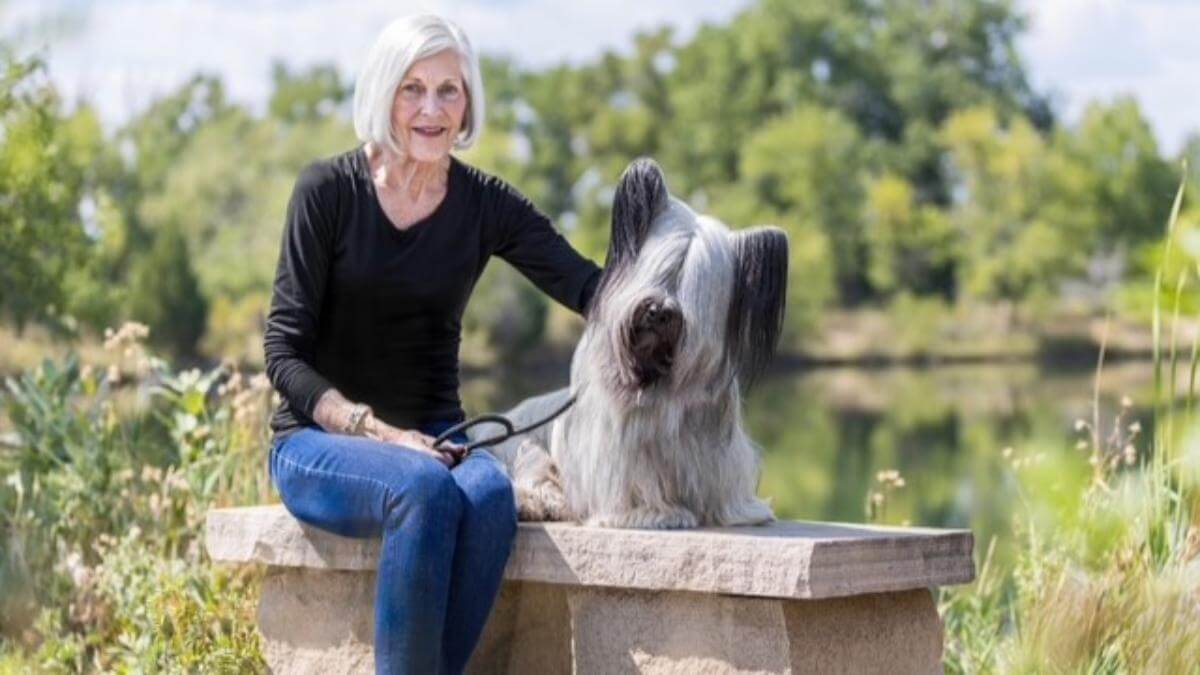
Karen Turnbull shares her 50-year journey in preserving and promoting the rare Skye Terrier through breeding, showing, and mentorship.
Meet the Breeders
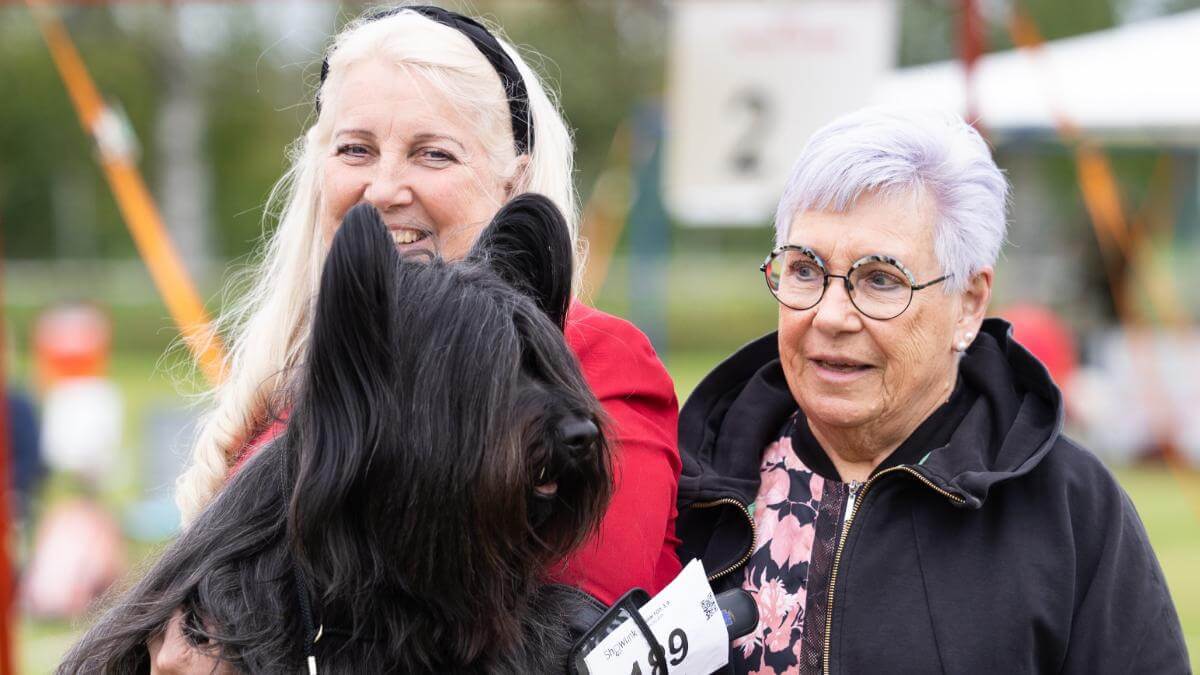
Mother-daughter team breeding Skye Terriers in Finland with focus on health, temperament & preserving breed standards.
Dog Shows
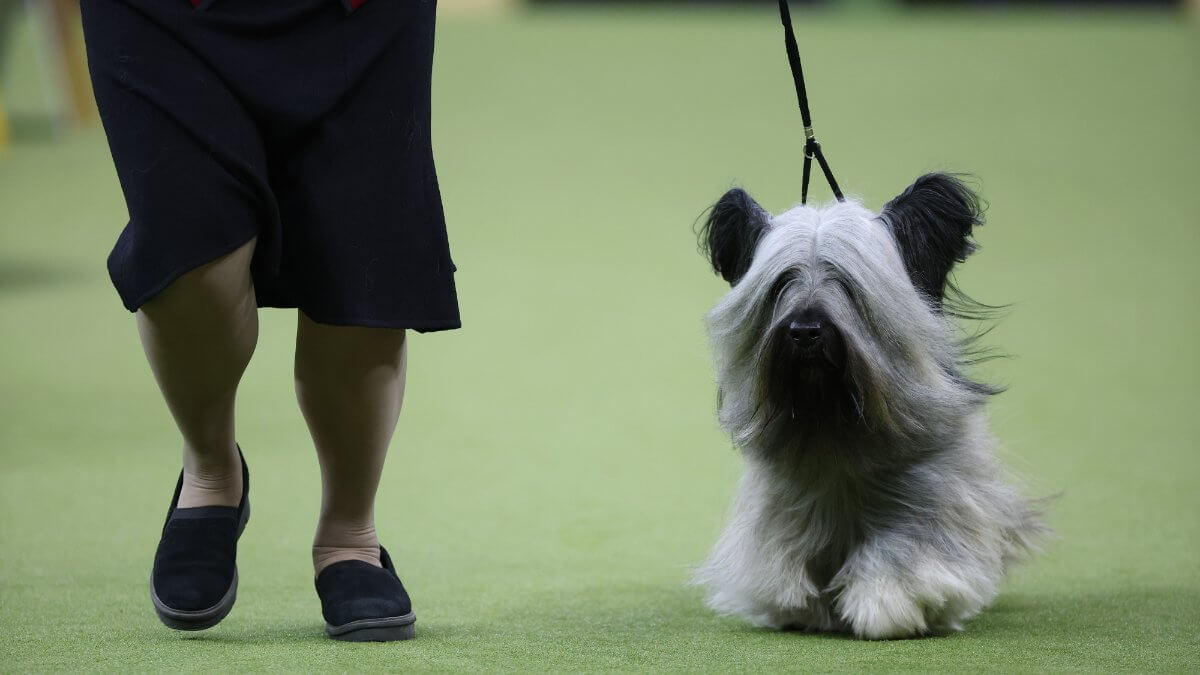
Flemington’s Skye Terrier, Archer, wins the Terrier Group at the 149th Westminster Kennel Club Dog Show under judge Mr. David Kirkland.

Meet the Breeders
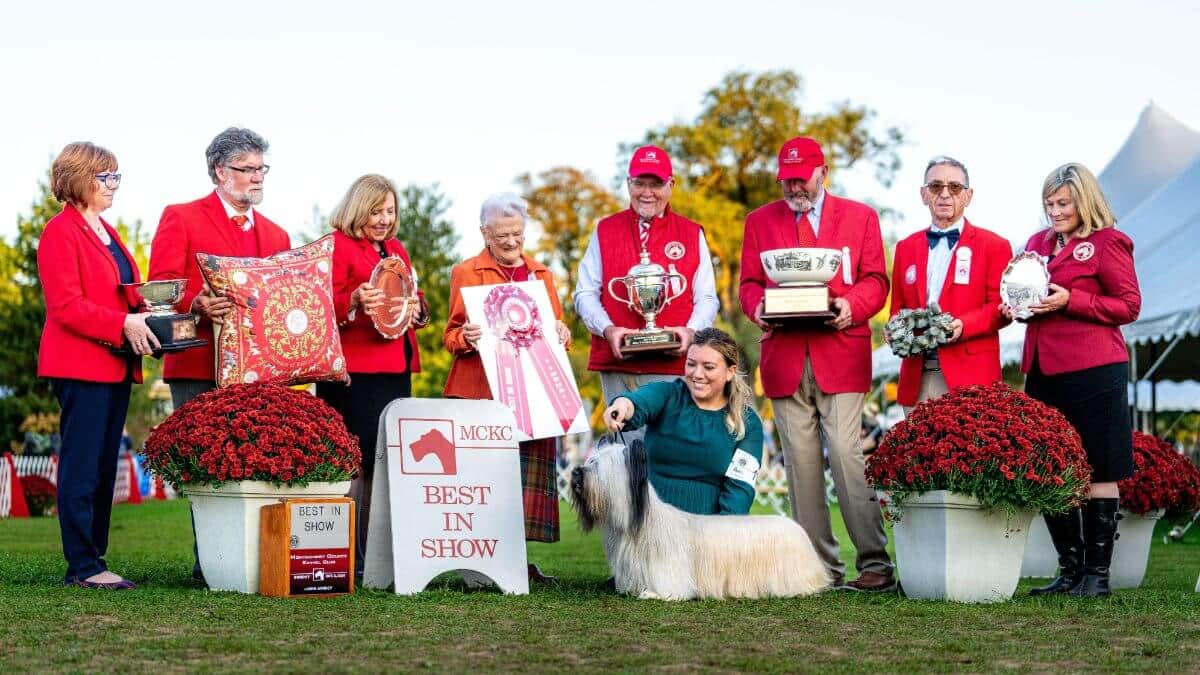
Celebrate Archer’s victory at Montgomery County! Discover Antoinelle Vulpis’ inspiring journey with her Skye Terrier veteran.
Dog Sports
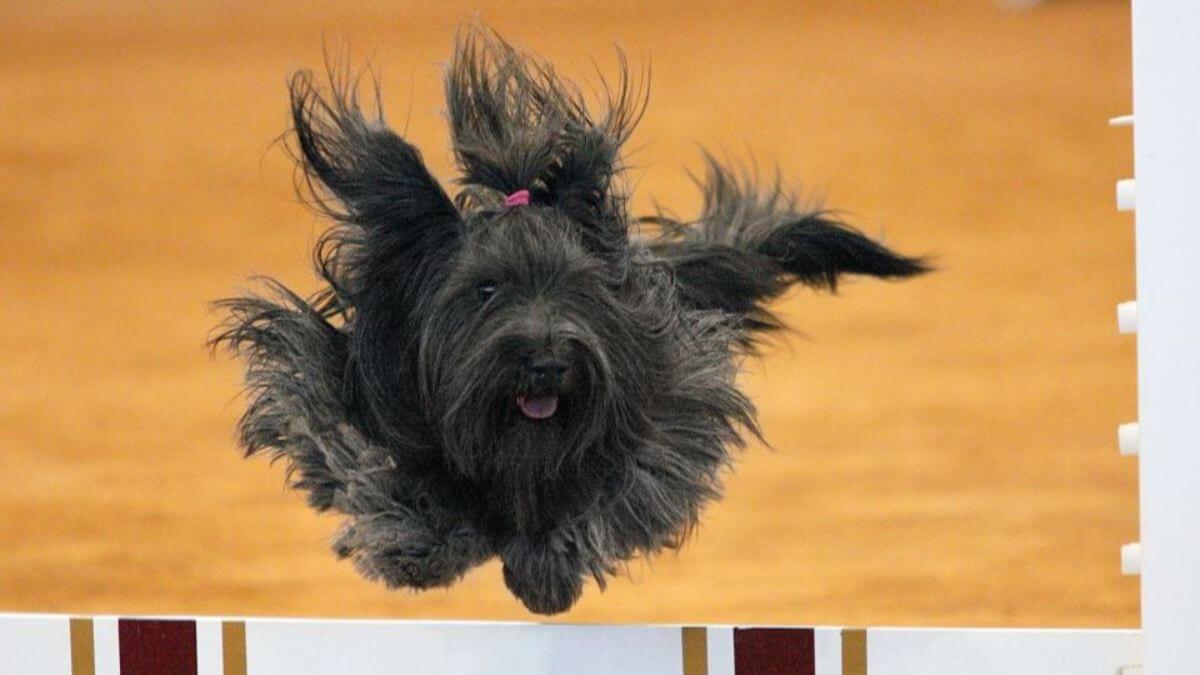
Discover the loyal and trainable Skye Terrier, a breed with a rich history, great versatility, and endearing personality.
Profiles & Interviews
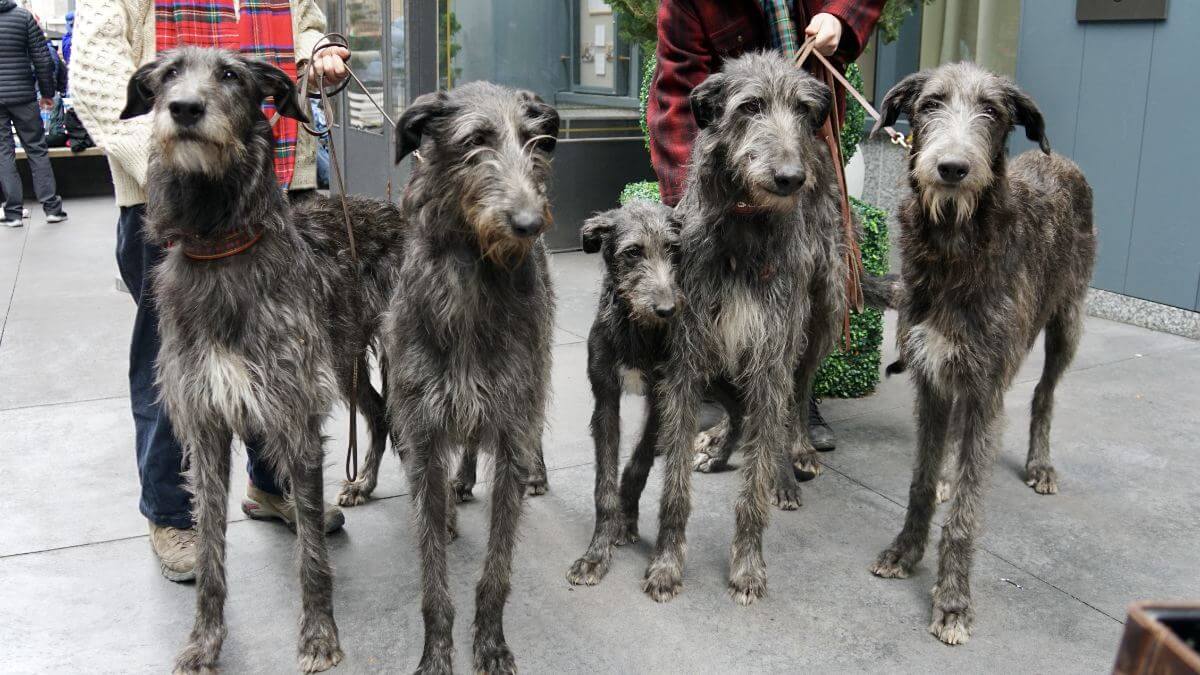
Discover the joy of Scottish heritage at the 2024 Tartan Day Parade, featuring bagpipers, dancers, and adorable Scottish dog breeds.
American Kennel Club (AKC)
Kathleen Brodie, a Skye Terrier aficionado, shares her insights on various topics regarding dog sports and performance events.
The Skye Terrier has a unique appearance among the terrier breeds and is generally free of the congenital problems that impact other breeds.
The tail is long, well feathered, and carried following the line of the back. When raised, it should not curl over the back or rise excessively above the topline.
The Skye Terrier is loyal, intelligent, independent, and deeply attached to its family. Anyone considering the breed should be prepared for regular coat care, consistent training, early socialization, and careful management of a long-backed, low-set dog.
A Note About Color: The coat of the Skye Terrier must be of one over-all color at the skin but may be of varying shades of the same color in the full coat. The dog must have no distinctive markings except for the desirable black points of ears, muzzle, and tip of tail. The shade of head and legs should approximate that of the body. There must be no trace of pattern, design, or clearcut color variations, with the exception of the breed's only permissible white which occasionally exists on the chest not exceeding two inches in diameter. The puppy coat may be very different in color from the adult coat; however, even in puppies there must be no trace of pattern, design, or clearcut variations with the exception of the black band encircling the body coat of the cream-colored dog, and the only permissible white which occasionally exists on the chest not exceeding two inches in diameter.
Coat Type
Double
The structure of the coat this breed carries.
Coat Length
Long
How long the breed's coat grows when kept in condition.
Adaptability Level
How easily a breed copes with changes in home, routine, noise and weather.
Mental Stimulation Needs
How much a breed needs a job, a puzzle or training to stay content.
A Skye Terrier should receive a complete and balanced diet suited to the dog’s age, activity level, and body condition. Portions should be measured carefully because excess weight places additional strain on the breed’s long back and short legs.
A puppy generally needs three or four small meals each day before gradually moving to two meals. Most adults are fed twice daily, with the amount adjusted according to the food’s caloric density and the dog’s level of activity.
Treats should be given with restraint, but may be used during training. Fresh water should always be available.
The Skye Terrier is intelligent and capable of learning quickly, but it can also be independent and selective about cooperation. Training is most effective when sessions are short, calm, and supported by praise, food rewards, toys, or play.
Early socialization is especially important because the breed may be naturally cautious with unfamiliar people. Recall, leash manners, calm greetings, and polite behavior around other dogs should be introduced from an early age.
Clear and consistent expectations help build trust. Harsh methods can create resistance, while patient, reward-based training usually produces better results.
The coat should be brushed gently from the skin outward and kept free of debris. Bathing is needed as necessary, and the coat should be dried carefully to remove any dampness close to the skin. The coat is not traditionally neatened into a shaped outline. Nails should be trimmed regularly, ears should be checked for irritation or debris, and teeth should be brushed routinely.