Members
01/Overview
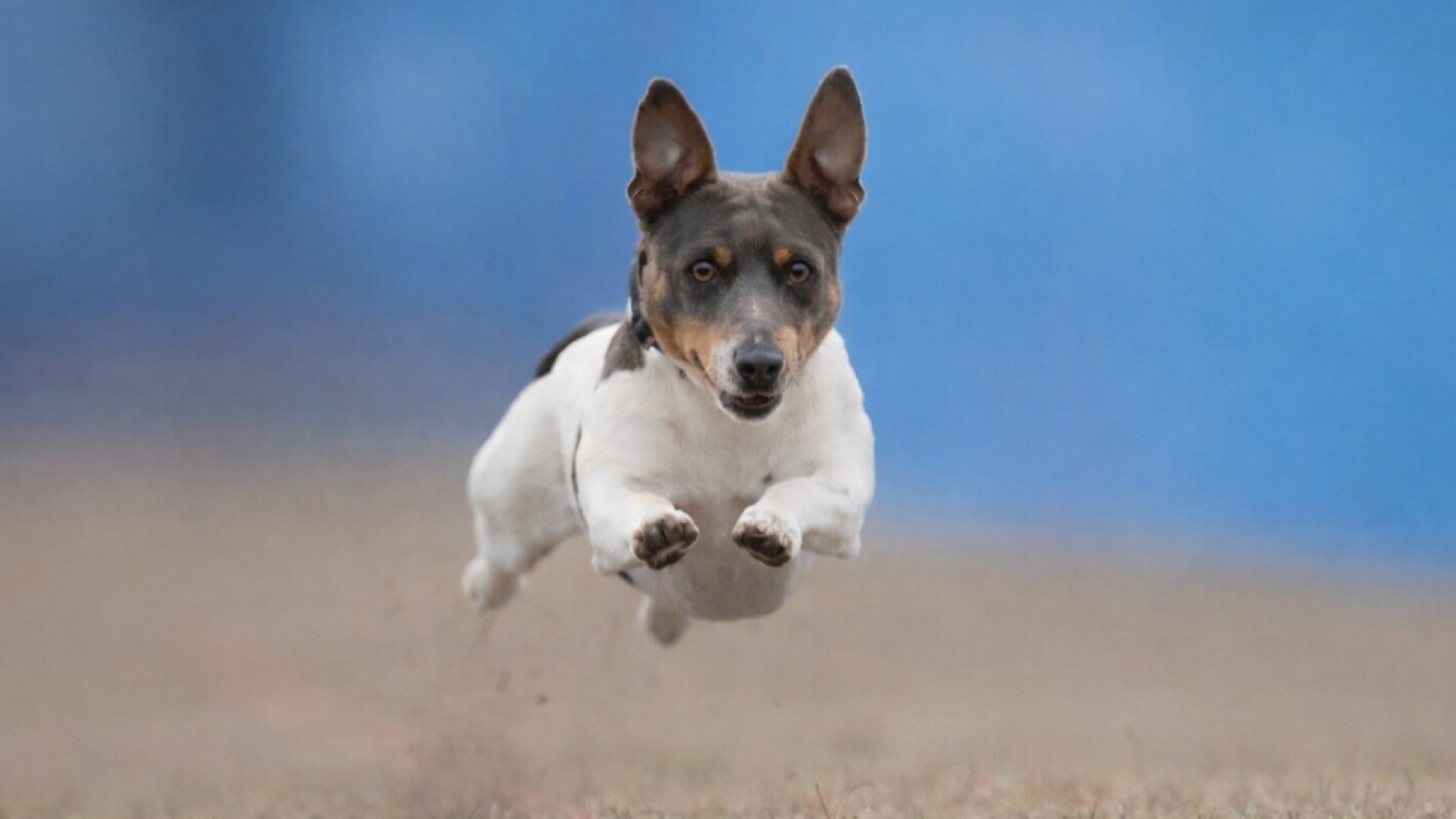
The Teddy Roosevelt Terrier is a small, low-set terrier developed in the United States for farm work, vermin control, and companionship. It has a compact body, short coat, and sturdy build suited to an active life.
The breed is alert, energetic, affectionate, and intelligent. “Teddies” usually enjoy being involved with their families and benefit from regular exercise, training, and opportunities to use their natural hunting and scenting instincts.
Highlights
02/History
The Teddy Roosevelt Terrier was developed in the United States from small terrier-type dogs kept on farms and homesteads for vermin control and general utility work. These dogs were valued for their ability to hunt rats and other pests while also serving as practical companions around the home.
The breed shares ancestry with the Rat Terrier, but developed as a shorter-legged, more low-set type. Farmers and hunters selected dogs for working ability, compact size, intelligence, and persistence rather than for appearance alone.
Over time, breeders worked to preserve the distinct type and establish a consistent Breed Standard. The name Teddy Roosevelt Terrier was adopted in reference to President Theodore Roosevelt, an admirer of the breed, although the breed was not created by him.
The United Kennel Club recognized the Teddy Roosevelt Terrier in 1999. The breed later entered the American Kennel Club system and ultimately progressed toward full recognition. The AKC now recognizes the breed as a fully recognized member of the Terrier Group.
03/Appearance
The mature Teddy Roosevelt Terrier typically stands from 8 to 14 inches tall at the withers and weighs approximately 8 to 25 pounds.
Skull: The Teddy Roosevelt Terrier has a broad, slightly domed skull that is proportionate to the body. The head should appear strong without being coarse.
Expression: The expression is alert, intelligent, and attentive.
Eyes: The eyes are oval to round, set well apart, and should harmonize with the coat color. They contribute to the breed’s keen and lively expression.
Ears: The ears are V-shaped and may be carried erect, semi-erect, or button. They should be proportionate to the head and set to support an alert expression.
Muzzle: The muzzle is strong and moderately broad, tapering gradually toward the nose without appearing pointed.
Nose: The nose is well developed and should be fully pigmented, with color appropriate to the coat.
Bite: The jaws are strong, with a scissor bite preferred.
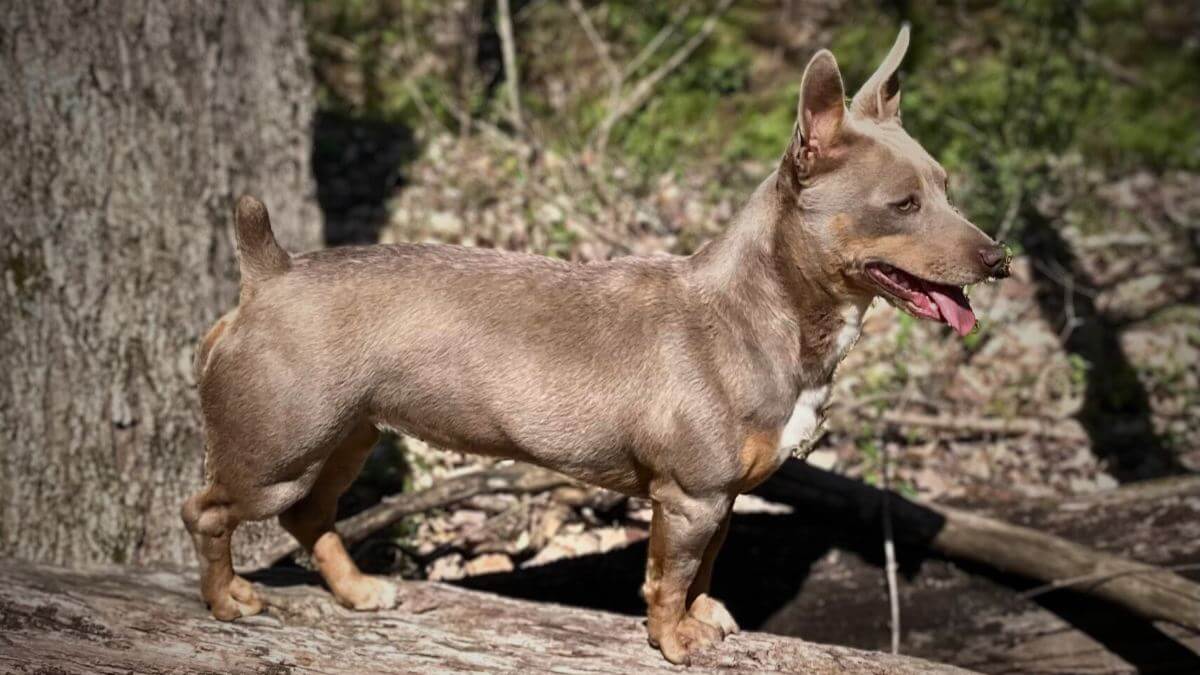
The Teddy Roosevelt Terrier is distinctly longer than tall, with body length measured from the point of the shoulder to the point of the buttocks exceeding the height at the withers. Its short legs and comparatively long body create the breed’s characteristic low-set, rectangular outline.
The breed has substantial bone and muscle for its size without appearing coarse or cumbersome. The chest is deep and broad, the ribs are well sprung, and the body should remain balanced, sturdy, and capable of active work.
Texture: The Teddy Roosevelt Terrier has a short, dense coat that lies close to the body. The coat is medium-hard to smooth and should have a healthy sheen.
Standard Colors
04/Consider
The Teddy Roosevelt Terrier is active, intelligent, alert, and strongly driven by its terrier instincts. The breed needs regular exercise, consistent training, secure containment, and opportunities to use its natural hunting and problem-solving abilities.
Interaction With Family
The level of affection a breed typically shows towards family members and familiar individuals.
Good With Other Dogs
The innate friendliness of a dog towards other dogs can depend on its breed.
Good With Young Children
The degree to which a breed will typically be patient with young children.
Amount Of Shedding
How much hair a breed typically leaves behind on clothes, furniture and floors.
Frequency Of Grooming
How often a breed needs brushing, bathing or a professional trim to stay in condition.
Amount Of Drooling
How prone a breed is to drool, worth knowing before you keep a towel by the door.
Openness To Strangers
How openly a breed tends to greet new people, visitors and strangers.
Protective Nature
How likely a breed is to alert you to anything unfamiliar, and stand between you and it.
Playfulness Level
How enthusiastic a breed stays about games and play well past puppyhood.
Trainability Level
How readily a breed takes direction and works with you rather than around you.
Barking Level
How much a breed uses its voice, and how readily.
Energy Level
How much get-up-and-go a breed brings to an average day.
Health
The Teddy Roosevelt Terrier is generally a hardy breed with a typical lifespan of about 14 to 16 years. Preventive veterinary care, balanced nutrition, regular exercise, and maintaining a healthy body condition can help support long-term health.
The Teddy Roosevelt Terrier is alert, affectionate, energetic, and confident. The breed is typically devoted to its family and often enjoys being involved in everyday activities.
Its terrier background can make it curious, determined, and strongly interested in movement and scent. Early socialization helps support good manners around unfamiliar people, dogs, and new environments.
Exercise Expectations
Around 45 to 60 minutes of activity each day is suitable for most healthy adults, depending on age and fitness. The breed can also enjoy more vigorous activities when properly conditioned. Off-leash exercise should take place only in securely enclosed areas because hunting instincts may encourage the dog to chase or follow a scent.
Grooming Expectations
The Teddy Roosevelt Terrier can adapt well to different living situations when given enough exercise, training, and attention. The breed is small enough for apartment living but still needs daily activity and mental stimulation.
A securely fenced yard can be useful, especially because of the breed’s hunting instincts, but it does not replace regular walks and interaction.
The breed is best suited to people who appreciate an active, intelligent terrier and are prepared to provide consistent training, regular exercise, and secure management.
05/Puppies
Teddy Roosevelt Terrier puppies are active, curious, and quick to investigate their surroundings. Early socialization, consistent routines, and positive training are important because the breed’s terrier instincts and independence can appear at a young age.
A Teddy Roosevelt Terrier puppy should have a regular schedule that includes meals, potty breaks, naps, play, and short training sessions. A crate or secure puppy area can help with housetraining and provide a safe place to rest.
Early socialization should include positive exposure to different people, well-mannered dogs, household sounds, surfaces, vehicles, and unfamiliar environments. Training can begin with name response, recall, leash walking, housetraining, and basic cues.
Puppies should receive a complete and balanced diet formulated for growth, usually divided into several small meals each day. Exercise should focus on supervised play, short walks, and age-appropriate exploration rather than prolonged or strenuous activity.
Routine veterinary care, vaccinations, parasite prevention, nail trimming, ear checks, tooth brushing, and regular coat care should also begin during puppyhood.
06/Activities
Teddy Roosevelt Terriers are active, intelligent dogs that can enjoy sports involving scent, speed, problem-solving, and close work with a handler. Here are some activities and dog sports in which the breed may participate:
Barn Hunt: Teddy Roosevelt Terriers can use their natural vermin-hunting instincts to locate rats safely enclosed in protective tubes within a course.
Scent Work: The breed can use its strong sense of smell to search for specific odors in different environments.
Earthdog: Their terrier background can make underground scenting and quarry-based activities a natural fit.
Fast CAT: Teddies may enjoy short-distance lure chasing that allows them to use their speed and prey drive.
Rally: Rally Obedience combines obedience exercises with movement through a course and can provide both mental and physical stimulation.
Obedience: With consistent training, Teddy can perform structured exercises that test responsiveness and teamwork.
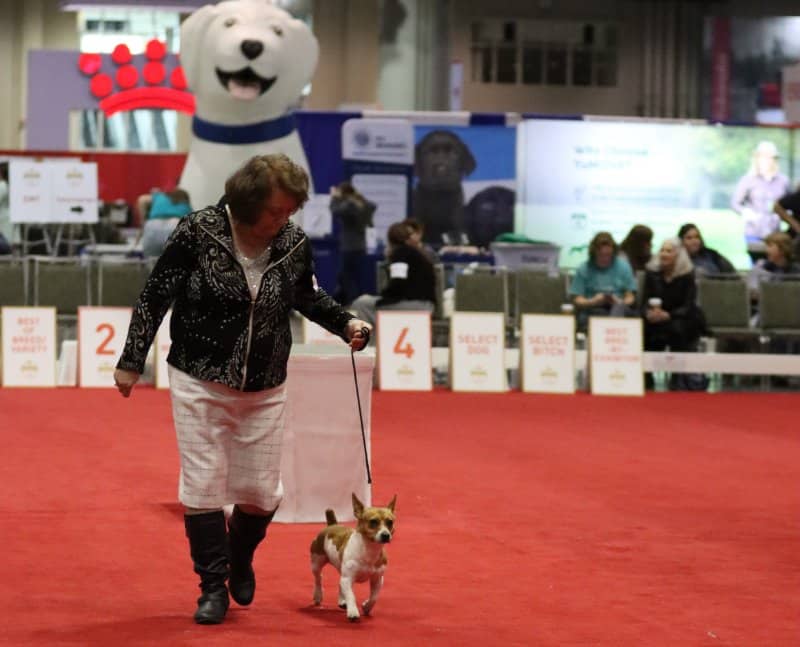
Conformation Shows: Teddy Roosevelt Terriers compete in Conformation Shows, where judges evaluate each dog according to the Breed Standard.
Trick Dog: Trick training can provide mental stimulation and strengthen communication between the dog and handler.
Canine Good Citizen: The breed may participate in programs that evaluate everyday manners and appropriate behavior around people and other dogs.
Hiking and Exploring: Walks, hikes, and supervised outdoor exploration can provide useful exercise and allow the Teddy Roosevelt Terrier to use its natural curiosity and scenting ability.
Gallery
07/Standards
The Teddy Roosevelt Terrier is recognized by some of the world’s leading registries and kennel organizations, which categorize the breed into a specific Group based on its unique characteristics. This breed is recognized under the following Group designations:
The ideal Teddy Roosevelt Terrier is described by a Breed Standard that is approved by each individual registry and kennel organization. The Standards for this breed may be found in the following links:
08/Clubs
Teddy Roosevelt Terrier clubs support breed education, preservation, responsible breeding, health initiatives, Conformation Shows, and participation in various dog sports.
American Teddy Roosevelt Terrier Club: This is the national club for the Teddy Roosevelt Terrier in the United States and the breed’s AKC parent club.
United Teddy Roosevelt Terrier Club of America: The United Teddy Roosevelt Terrier Club of America promotes and preserves the breed through education, responsible breeding, and adherence to the UKC Breed Standard.
09/Rescue
Because the Teddy Roosevelt Terrier is still relatively uncommon, dedicated breed-specific rescue organizations are limited. Rescue assistance may be coordinated through breed clubs, individual volunteers, or broader terrier rescue networks.
American Teddy Roosevelt Terrier Club: The national parent club can be a useful resource for rescue contacts, rehoming guidance, and information about dogs needing placement.
Teddy Roosevelt Terriers may occasionally be found through local shelters, terrier rescue organizations, and national adoption databases. These resources can provide additional options for people interested in adopting or rehoming the breed.
10/Facts
American Breed
The Teddy Roosevelt Terrier was developed in the United States as a practical farm and hunting dog.
Close Relative of the Rat Terrier
The breed shares ancestry with the Rat Terrier, but developed as a shorter-legged, more low-set type.
Named After Theodore Roosevelt
The breed carries the name of President Theodore Roosevelt, although he did not create the breed.
Built for Vermin Control
Teddy Roosevelt Terriers were valued for hunting rats and other pests around farms, homes, and barns.
11/FAQ
Teddy Roosevelt Terriers can make good pets for active households. They are affectionate, intelligent, and usually enjoy being closely involved with their families.

Written by
Dan Sayers is the Executive Editor of SHOWSIGHT. He is a member of the World Dog Press Association and the Dog Writers Association of America, which recognized his illustrations in the award-winning Encyclopedia of K-9 Terminology. Dan is a longtime supporter of the sport of dogs and an advocate for the conservation of recognized breeds in all their forms and functions. He is a member of the Morris and Essex Kennel Club, and for 45 years, the Irish Water Spaniel Club of America where he serves as AKC Delegate, Archivist, and approved Breed Mentor. Dan breeds under the Quiet Storm prefix and has judged the IWSCA National Specialty Sweepstakes twice.
Breed standard
The official AKC standard for this breed will be published soon.

Meet the Owner Handlers

Meet the Breeders
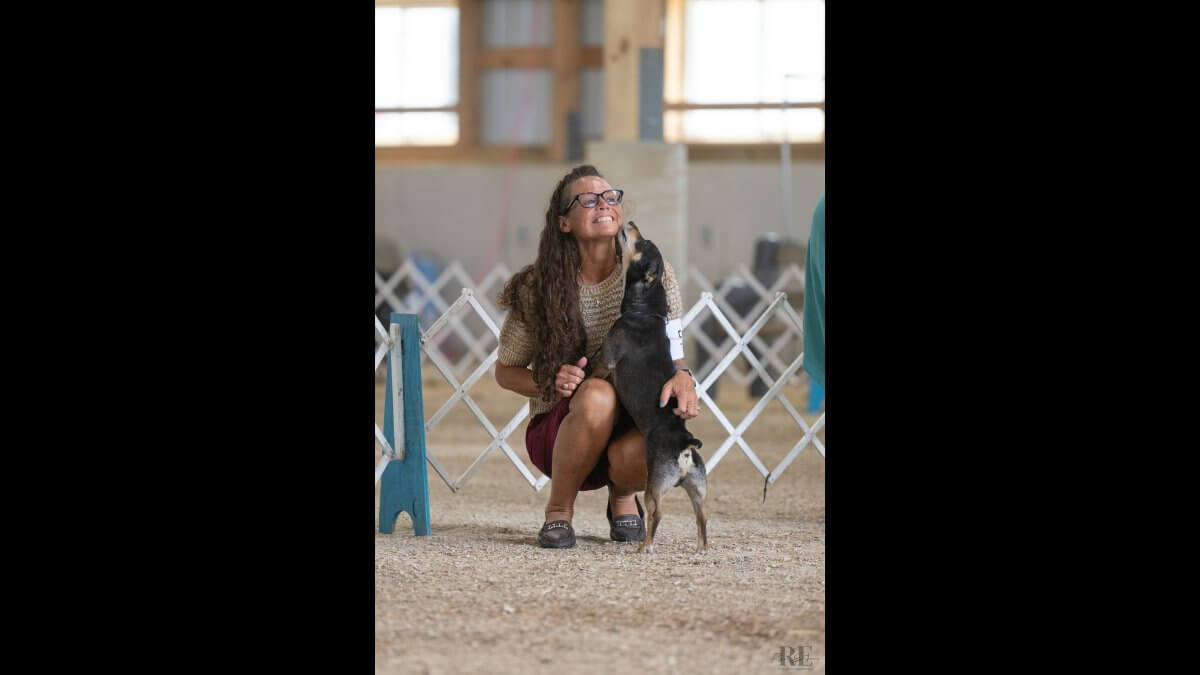
Seth and Erika Swenson of Big Grove Farms discuss Teddy Roosevelt Terriers, farm-bred function, breed hallmarks, and preservation breeding.

Meet the Breeders
Greta Dalrymple of Stonehenge Teddy Roosevelt Terriers shares breeding priorities, temperament insights, and trends impacting the sport.
Meet the Breeders
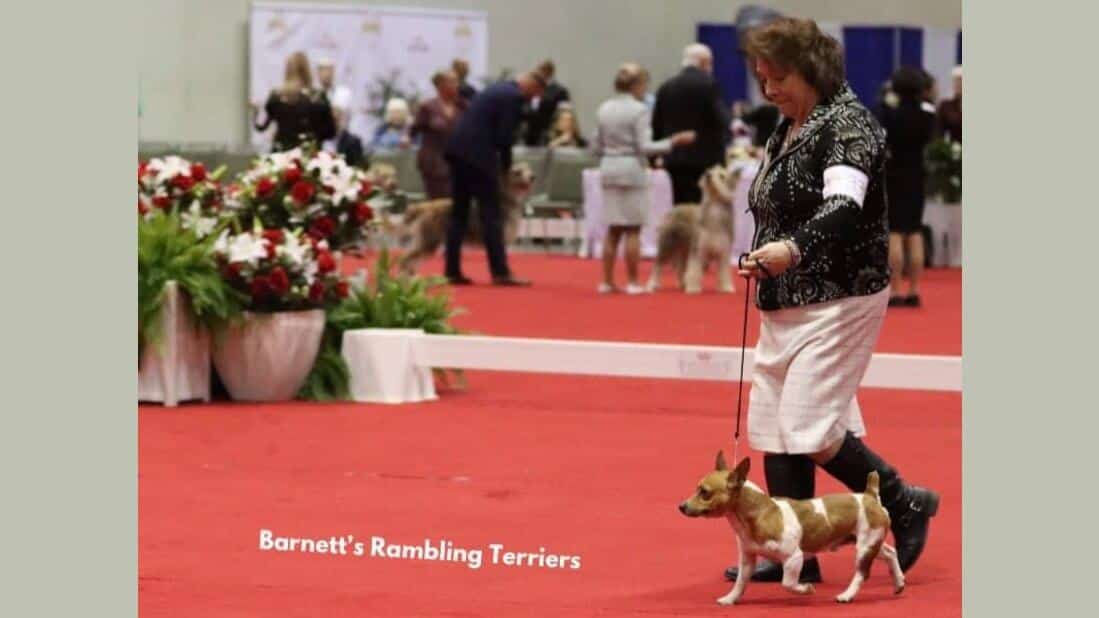
Preservation breeder Lesa Barnett shares insights on Teddy Roosevelt Terriers, breed hallmarks, health, and the future of the sport.

Meet the Breeders
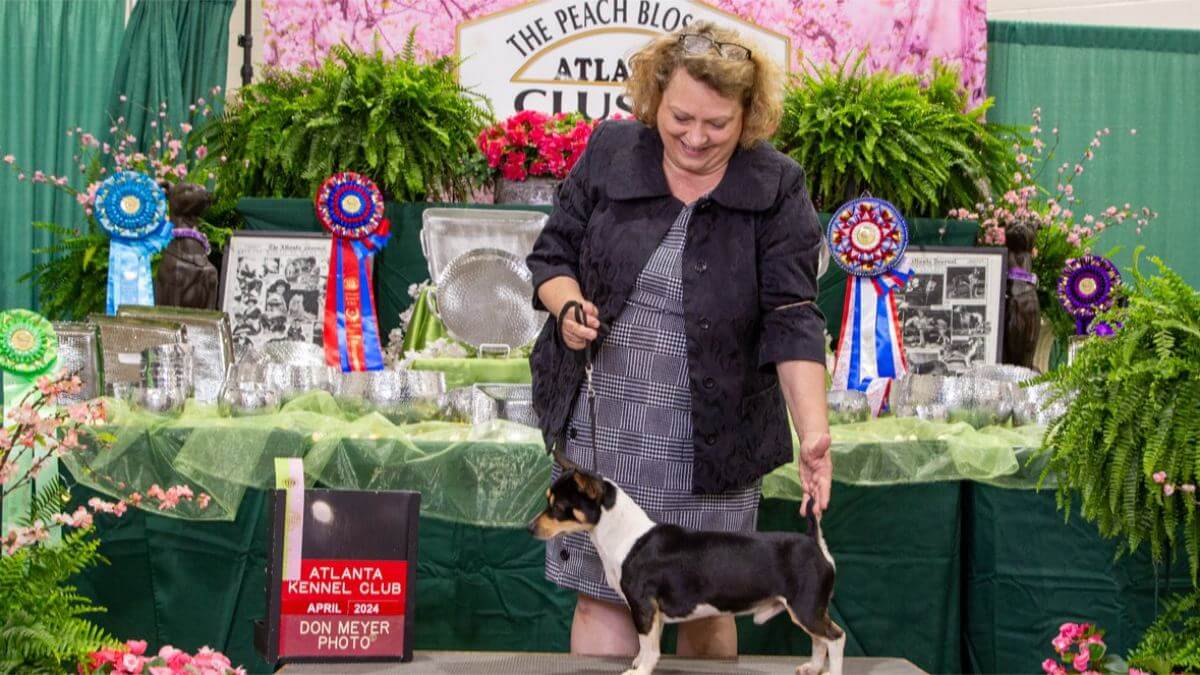
Lesa Barnett is the breeder behind Barnett’s Rambling Teddy Roosevelt Terriers. Read about the kennel’s beginnings, puppies, and much more!

Dog Shows
The Teddy Roosevelt Terrier: Discover the form, structure, and temperament that make this versatile breed an exceptional hunting dog.
Meet the Breeders
Lesa Barnett is the breeder behind the Barnett’s Rambling Teddy Roosevelt Terriers. Read about the kennel’s beginnings, the dogs, and more!
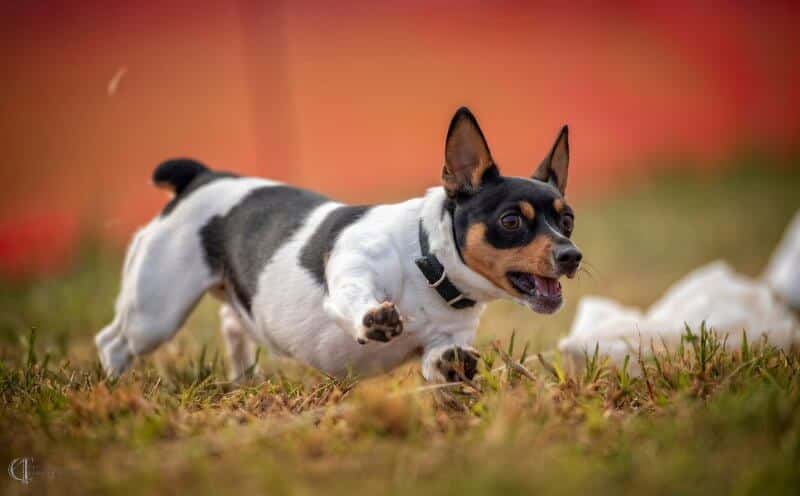
Teddy Roosevelt Terrier is a low-set, rectangular-shaped, small hunting Terrier. They are strongly built, with substantial bone.
The tail may be natural or docked. A natural tail is carried in a gentle upward curve or saber shape and should not curl tightly over the back. A docked tail is carried upright and should remain in balance with the dog’s overall outline.
Standard Markings
A Note About Color: Any bi-color or tri-color, without preference, is acceptable in the breed, but the Teddy must always have some white, which may be of any size and located anywhere on the dog. Ticking in any white portion is acceptable as long as white is predominant. Disqualifications in the show ring are the merle pattern or the absence of white.
Coat Type
Smooth
The structure of the coat this breed carries.
Coat Length
Short
How long the breed's coat grows when kept in condition.
Adaptability Level
How easily a breed copes with changes in home, routine, noise and weather.
Mental Stimulation Needs
How much a breed needs a job, a puzzle or training to stay content.
A Teddy Roosevelt Terrier should receive a complete and balanced diet appropriate for its age, activity level, and body condition. Portions should be measured to maintain a healthy weight.
Most adults do well with two meals per day, while puppies generally need several smaller meals. Treats can be useful during training but should remain a limited part of the dog’s daily calorie intake.
Fresh water should always be available, especially after exercise and outdoor activity.
The Teddy Roosevelt Terrier is intelligent and usually learns quickly, but its independent terrier nature can make consistency important. Short, positive training sessions tend to work best.
Early training should focus on recall, leash manners, housetraining, basic cues, and calm behavior around people and other dogs. Food rewards, praise, toys, and play can all help with maintaining motivation.
Because the breed may have a strong prey drive, reliable recall can be difficult around small animals or interesting scents. Secure areas and leash control are important outdoors.
Bathing can be done as needed. Nails should be trimmed regularly, ears should be checked for debris or irritation, and teeth should be brushed routinely. The breed does not require trimming or hand-stripping, making coat care fairly simple compared with many other terrier breeds.