Members
01/Overview
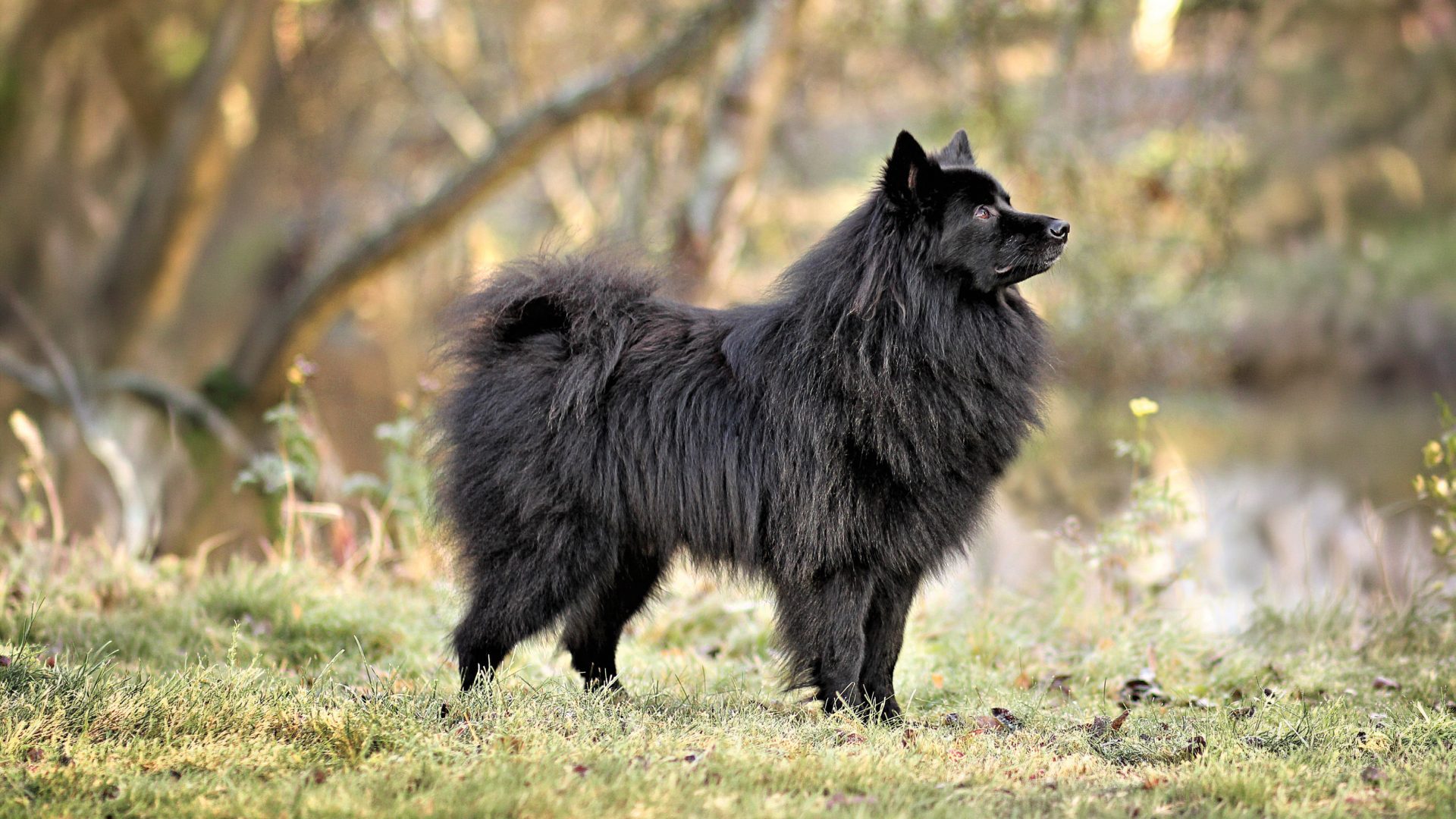
The German Spitz is an alert, intelligent companion breed with a compact body, closely set and pointed ears, thick double coat, and heavily plumed tail carried over the back. Its abundant coat in many colors and fox-like expression give the breed its distinctive appearance.
Highlights
02/History
The German Spitz originated in Germany and belongs to an old family of European spitz-type dogs. Its ancestors were valued as adaptable farm and household dogs that could watch property, alert families to unfamiliar activity, and provide companionship.
For centuries, spitz-type dogs were found throughout German-speaking regions in several sizes and colors. They were especially valued for their alertness and willingness to sound an alarm when strangers approached or when there was any unusual activity nearby.
Selective breeding gradually produced the distinct varieties associated with the German Spitz. Although kennel organizations classify these varieties differently, they all share the characteristic pointed ears, wedge-shaped head, dense double coat, and plumed tail carried over the back.
Organized breeding and written Breed Standards helped establish the modern German Spitz during the 19th and 20th centuries. The breed later became established in other parts of Europe and around the world.
03/Appearance
The German Spitz comes in three sizes. The Small variety stands from 8 inches up to but not including 12 inches tall at the withers and weighs approximately 10 to 11 pounds. Medium dogs measure from 12 inches up to but not including 16 inches at the withers and weigh approximately 15 to 25 pounds. The Large variety stands from 16 to 20 inches tall at the withers and weighs between 30 and 50 pounds.
Skull: The German Spitz has a medium-sized, wedge-shaped head with a moderately broad skull that narrows gradually toward the muzzle. The stop is noticeable but not abrupt.
Expression: The expression is alert, lively, and intelligent.
Eyes: The eyes are medium-sized, almond-shaped, and dark, set slightly obliquely.
Ears: The ears are small, triangular, set high, and carried erect. They are placed relatively close together and contribute to the breed’s alert expression.
Muzzle: The muzzle is moderately long and tapers toward the nose without appearing pointed.
Nose: The nose is small, round, and typically black, with pigmentation appropriate to coat color where applicable.
Bite: The jaws are well developed, with complete dentition. A scissors bite is preferred.
The German Spitz is compact and nearly square in proportion, with the body length approximately equal to the height at the withers. The breed should appear balanced, sturdy, and well proportioned without looking heavy.
The chest is deep, the back is short and firm, and the body has moderate substance and bone. The overall outline should remain compact and agile, with enough strength to support active movement.
Texture: The German Spitz has a dense double coat. The outercoat is long, straight, and off-standing. The undercoat is short, thick, and soft. The head, ears, front side of front and hind legs, and the paws are covered by short, thick hair. The rest of the body has a long, rich coat which is not wavy, curly, shaggy, or parted along the back. Neck and shoulders are covered by a thick mane (ruff). The backside of the front legs is well feathered. The hindlegs have feathering from croup to hocks. The tail is bushy. Trimming the toes and around the feet for neatness is allowed for the show ring. Trimming on any other part of the dog is a serious fault.
Standard Colors
04/Consider
The German Spitz is intelligent, alert, lively, and strongly attached to its family. The breed needs regular exercise, consistent training, early socialization, and enough mental stimulation to prevent boredom.
Interaction With Family
The level of affection a breed typically shows towards family members and familiar individuals.
Good With Other Dogs
The innate friendliness of a dog towards other dogs can depend on its breed.
Good With Young Children
The degree to which a breed will typically be patient with young children.
Amount Of Shedding
How much hair a breed typically leaves behind on clothes, furniture and floors.
Frequency Of Grooming
How often a breed needs brushing, bathing or a professional trim to stay in condition.
Amount Of Drooling
How prone a breed is to drool, worth knowing before you keep a towel by the door.
Openness To Strangers
How openly a breed tends to greet new people, visitors and strangers.
Protective Nature
How likely a breed is to alert you to anything unfamiliar, and stand between you and it.
Playfulness Level
How enthusiastic a breed stays about games and play well past puppyhood.
Trainability Level
How readily a breed takes direction and works with you rather than around you.
Barking Level
How much a breed uses its voice, and how readily.
Energy Level
How much get-up-and-go a breed brings to an average day.
Health
The German Spitz is generally a hardy and long-lived breed, with a typical lifespan of about 13 to 15 years. Balanced nutrition, regular exercise, preventive veterinary care, and maintaining a healthy body condition can help support long-term health.
The German Spitz is intelligent, alert, lively, and devoted to its family. The breed is often watchful and quick to notice unfamiliar people or activity around the home.
German Spitz can be independent but usually respond well to consistent handling and regular interaction. Early socialization helps to support confidence and encourage appropriate behavior in different situations.
Exercise Expectations
Around 30 to 60 minutes of activity each day is suitable for many healthy adults, depending on size, age, and fitness. Larger German Spitz may benefit from more sustained exercise than smaller dogs. Exercise should be adjusted to the individual dog and should include opportunities for both movement and problem-solving.
Grooming Expectations
The German Spitz can adapt well to apartment or house living when given enough exercise, training, and social interaction. The breed is usually alert and attentive to its surroundings and may readily announce unfamiliar sounds or visitors.
Regular companionship and mental stimulation are important because the breed tends to enjoy being involved in household activity. A securely fenced area can be useful, but daily walks and interaction are still necessary.
The German Spitz is best suited to people who appreciate an intelligent, active, and watchful companion and are prepared to provide regular grooming, training, and exercise.
05/Puppies
German Spitz puppies are lively, curious, and quick to learn. They benefit from early socialization, consistent routines, and positive training to help them develop confidence and good manners.
A German Spitz puppy should have a regular schedule that includes meals, potty breaks, naps, play, and short training sessions. A crate or secure puppy area can help with housetraining and provide a safe place to rest.
Early socialization should include positive exposure to different people, well-mannered dogs, household sounds, surfaces, vehicles, and unfamiliar environments. This is especially important because the breed can be naturally alert and watchful.
Training can begin with name response, recall, leash walking, housetraining, basic cues, and calm behavior around visitors. Short, reward-based sessions usually work best.
Puppies should receive a complete and balanced diet formulated for growth, divided into several small meals each day. Exercise should focus on supervised play, short walks, and age-appropriate exploration rather than prolonged or strenuous activity.
Routine veterinary care, appropriate vaccinations and parasite prevention, nail trimming, ear checks, tooth brushing, and regular coat care should also begin during puppyhood.
06/Activities
German Spitz are intelligent, active dogs that can enjoy activities involving movement, focus, scenting, and teamwork with a handler. Here are some activities and dog sports in which the breed may participate:
Agility: German Spitz can use their speed, coordination, and responsiveness to navigate obstacle courses.
Rally: Rally Obedience combines obedience exercises with movement through a predetermined course and provides both mental and physical stimulation.
Obedience: The breed can perform structured exercises that test focus, responsiveness, and teamwork.
Scent Work: German Spitz can use their sense of smell to locate specific odors in different environments.
Fast CAT: Some German Spitz may enjoy short-distance lure chasing that allows them to use their speed and prey drive.
Conformation Shows: German Spitz compete in Conformation Shows, where judges evaluate each dog according to the Breed Standard.
Trick Dog: Trick training provides mental stimulation and can strengthen communication between the dog and handler.
Canine Good Citizen: The breed may participate in programs that evaluate everyday manners and appropriate behavior around people and other dogs.
Walking and Hiking: Daily walks and moderate hikes can provide useful exercise and mental stimulation.
Gallery
07/Standards
The German Spitz is recognized by the world’s leading registries and kennel organizations, which categorize the breed into a specific Group based on its unique characteristics. This breed is recognized worldwide under the following Group designations:
The ideal German Spitz is described by a Breed Standard that is approved by each of the world’s leading registries and kennel organizations. The Standards for this breed may be found in the following links:
08/Clubs
German Spitz clubs support breed education, responsible breeding, health initiatives, promotion of the Breed Standard, and participation in Conformation Shows and other dog-focused activities.
German Spitz Club of America: The AKC parent club in the United States is dedicated to promoting and preserving the German Spitz.
German Spitz Club of Great Britain: Club members in the United Kingdom support the breed through education initiatives and a variety of competitive and social activities.
09/Rescue
Because the German Spitz is relatively uncommon in some countries, dedicated breed-specific rescue organizations may be limited. Rescue assistance is often coordinated through breed clubs, individual volunteers, and broader spitz or small-dog rescue networks.
German Spitz Club of America: The breed’s parent club in the United States can provide rescue contacts, rehoming guidance, or information about German Spitz needing placement.
German Spitz Club of Great Britain: This breed club’s members can provide guidance or contacts for German Spitz needing rescue or rehoming in the United Kingdom.
10/Facts
German Origin
The German Spitz was developed in Germany and belongs to one of Europe’s oldest groups of spitz-type dogs.
Several Size Varieties
German Spitz are found in multiple size ranges, from small companion dogs to larger watchdog and farm types.
Fox-Like Expression
Pointed ears, a wedge-shaped head, and dark almond-shaped eyes give the German Spitz its characteristic expression.
Plumed Tail
The heavily coated tail is set high and carried over the back, forming an important part of the breed’s outline.
11/FAQ
German Spitz can make excellent pets for people who appreciate an intelligent, alert, and lively companion. They need regular exercise, consistent training, and routine grooming.

Written by
Dan Sayers is the Executive Editor of SHOWSIGHT. He is a member of the World Dog Press Association and the Dog Writers Association of America, which recognized his illustrations in the award-winning Encyclopedia of K-9 Terminology. Dan is a longtime supporter of the sport of dogs and an advocate for the conservation of recognized breeds in all their forms and functions. He is a member of the Morris and Essex Kennel Club, and for 45 years, the Irish Water Spaniel Club of America where he serves as AKC Delegate, Archivist, and approved Breed Mentor. Dan breeds under the Quiet Storm prefix and has judged the IWSCA National Specialty Sweepstakes twice.
Official Standard of the German Spitz
History: The Spitz is the oldest breed of dog in Central Europe and served as the progenitor of many European breeds. Well preserved specimens of Stone Age “Peat Dogs,” known as the “Torfhund” (Canis familiaris palustris Rüthimeyer) and dating back 6,000 years, have been found in the Netherlands, Germany, Denmark, England and Ireland and closely resemble modern European Spitz dogs. The term “Spitz” is derived from the Old Dutch language and literally translates as “pointed peaks”. The Spitz was common in medieval times, and was valued as a watchdog, for vermin control, and guardian of livestock and vineyards. The white Gross spitz was mainly in northern and central Germany. He was a typical guardian of the farm and was used for herding sheep. The black Gross spitz were especially widespread in the southern German wine-growing regions. During the day, they guarded the yard, and at night, they were sent to the vineyards. The brown Gross spitz was also common in southern Germany. The Association for German Lace (Spitz) was founded in 1899 for large Spitz (“Großspitz” or “Gross spitz”). At the time, only the colors white, black, and wolf-grey were recognized. In 1906, all colors were allowed for small Spitz, but not for large Spitz. In 1958, colors for the small Spitz were limited to white, black, brown, orange and other colors including parti-colors. The large Spitz were still only registered as white, black, and brown. Merle is not an acceptable color. In 1959, the sizes were further divided into different sizes: Klein spitz (toy), Mittel spitz (miniature) and Gross spitz (large or giant). In 1969, the size variant of the Mittel spitz was added to the FCI Standard. The German Spitz were brought to the US in the late 1800s and early 1900s by German immigrants.
General Appearance: The German Spitz, a descendant of the stone-age “Peat Dogs,” is the oldest breed in Central Europe and is the progenitor of many other breeds. Its natural distrust of strangers and intelligence make it the ideal companion, family dog and watch dog for home and farm. Their beautiful double coat, ruff and bushy tail carried boldly over the back combined with the foxy wedge head, alert eyes and the small pointed, closely set ears give the Spitz its unique characteristic. The German Spitz possesses indifference to weather and robustness and enjoys longevity.
Size, Proportion, Substance: Weight corresponds to size. Height at the withers – Large Spitz: 16-20 inches; Medium Spitz: 12 up to but not including 16 inches; Small Spitz: 8 up to but not including 12 inches. Proportions – The height at withers equals the body length from the point of shoulder to the buttocks.
Head: The skull is slightly crowned. The fontanel should be closed. An apple head is a serious fault. The medium, wedge-shaped head, as seen from above, is broadest at the back and tapers to the tip of the nose. Expression – The expression is alert, intelligent and lively. Stop – Moderate to marked, never abrupt. Nose – The nose is small and solid black except the nose of brown dogs is dark brown. Flesh colored noses are a serious fault. Muzzle – The muzzle is slightly shorter than the back skull in a ratio of 2:3. Lips – The close-fitting lips are well pigmented and are completely black with the exception of brown dogs which are brown. Teeth – Scissors bite preferred; level bite permissible. Complete dentition. Missing teeth is a serious fault. Disqualification – Overshot, undershot and wry bite. Cheeks – The cheeks are gently rounded, not protruding to maintain the wedge-shaped head. Eyes – The eyes are of medium size, almond-shaped, slightly oblique and dark brown except that the brown dog may have a lighter brown eye. Disqualification – Other than a brown eye. The eye rims are black, except that brown dogs have dark brown eye rims. Missing eye pigment is a serious fault. Protruding or large eyes are a serious fault. Ears – The small ears are set high and relatively close to each other, triangular, pointed; they are always carried upright, stiff at the tips. Disqualification – Ears not fully erect.
Neck, Topline, Body: Neck – The medium length neck is slightly arched without dewlap and covered by a thick, profuse coat, forming a large ruff. Topline – Merges in a gentle curve with the short, straight back. The bushy, sweeping tail, which partially covers the back, rounds off the silhouette. Back: As short as possible, straight, and firm. Loin – Short, broad and strong. Croup – Broad and short, not falling away. Chest – The deep, broad chest is well sprung and reaches as far back as possible; the fore-chest well developed. Underline – A slight tuck up. Tail – The tail is set on high and of medium length. It reaches upwards and curls forward over the back, straight from the root. It lies firmly over the back and is covered with very bushy hair. A double curl at tip of tail is permissible but not preferred.
Forequarters: Shoulder – The shoulder is well muscled and firmly connected to the chest. The shoulder blade is long and well laid back. Upper arm – The upper arm, which is approximately the same length as the shoulder blade, forms an angle of 90 degrees to the shoulder blade. Elbow – The elbow joint is strong, close fitting to the chest and turns neither in nor out. Forearm – The forearm is of medium length in relation to the body, sturdy and completely straight. The back of the forearm is well feathered. Pastern – The strong, medium length front pastern stands at an angle of 20 degrees from the vertical. Forefeet – The forefeet are cat feet: small, round and compact, and well arched. Pads are tough and thickly cushioned. The color of pads and nails is as dark as possible.
Hindquarters: The hindquarters are very muscular and abundantly feathered to the hocks. The hind legs are straight and parallel. Thigh and lower leg – Thigh and lower leg are approximately equal in length. Stifle – The stifle joint is strong with only moderate angulation and is turned neither in nor out. Hock – The hock is of medium length, very strong and vertical to the ground. Back feet – Same as front.
Coat: A double coat. Outercoat is long, straight and off-standing. Undercoat is short, thick, and soft. The head, ears, front side of front and hind legs and the paws are covered by short, thick hair. The rest of the body has a long, rich coat which is not wavy, curly, shaggy, nor parted along the back. Neck and shoulders are covered by a thick mane (ruff). The backside of the front legs is well feathered. The hind legs have feathering from croup to hocks. The tail is bushy. Trimming the toes and around the feet for neatness is allowed. Trimming on any other part of the dog is a serious fault.
Color: Large size – White, black, brown, and parti-color of black, brown and sable. In black and brown only, white spots on the chest, the paws and the tip of the tail are permissible. Medium and Small Sizes – White, black, brown, orange, grey-shaded, cream, cream-sable, orange-sable, black and tan, black and silver, and parti-colored. White should be pure white. However, a trace of biscuit or cream, especially on the ears, is permissible. Blacks have a black undercoat and outercoat and a black skin. The outercoat should be a shiny black without bronzing. Browns should be uniformly dark brown. In black and brown only, white spots on the chest, the paws and the tip of the tail are permissible. Oranges should be evenly colored in the medium color range. The chest, the tail and the trousers may be a lighter shade of orange. Grey-shaded are a silver-grey with black hair-tips. Muzzle and ears are dark in color. The eyes are well defined with a delicately penciled black line slanting from outer corner of eye to lower corner of ear, coupled with distinct markings and shading forming short but expressive eyebrows. The mane and ruff may be lighter. The legs are silver-grey without any black markings, except slight penciling is permissible on the toes. The tail is black-tipped and the underside of tail is a pale silver-gray. Parti-coloreds must have white as the main color. The patches must be uniformly in one color, either black, brown, grey-shaded sable, orange, orange-sable, cream or cream-sable. Patches are preferably distributed over the whole body. Black mask is permissible in sables and creams and parti-colors thereof.
Disqualification: merle.
Gait: The German Spitz double tracks and moves straight ahead with good drive. The gait is fluid and springy. A balanced front and rear is important.
Temperament: Attentive, alert, intelligent and extraordinarily attached to its owner. He is easy to train. He is neither timid nor aggressive. Excessive shyness is a serious fault.
Faults: Any departure from the foregoing points should be considered a fault and the seriousness with which the fault should be regarded should be in exact proportion to its degree and its effect upon the health and welfare of the dog.
Disqualifications: Other than a brown eye. Overshot, undershot and wry bite. Ears not fully erect.
Merle.
Approved February 6, 2025
Effective February 6, 2025


Meet the Breeders
Kristina Chaput of Destiny German Spitz discusses breed hallmarks, ethical breeding, growing demand, and the path toward AKC recognition.

Meet the Breeders
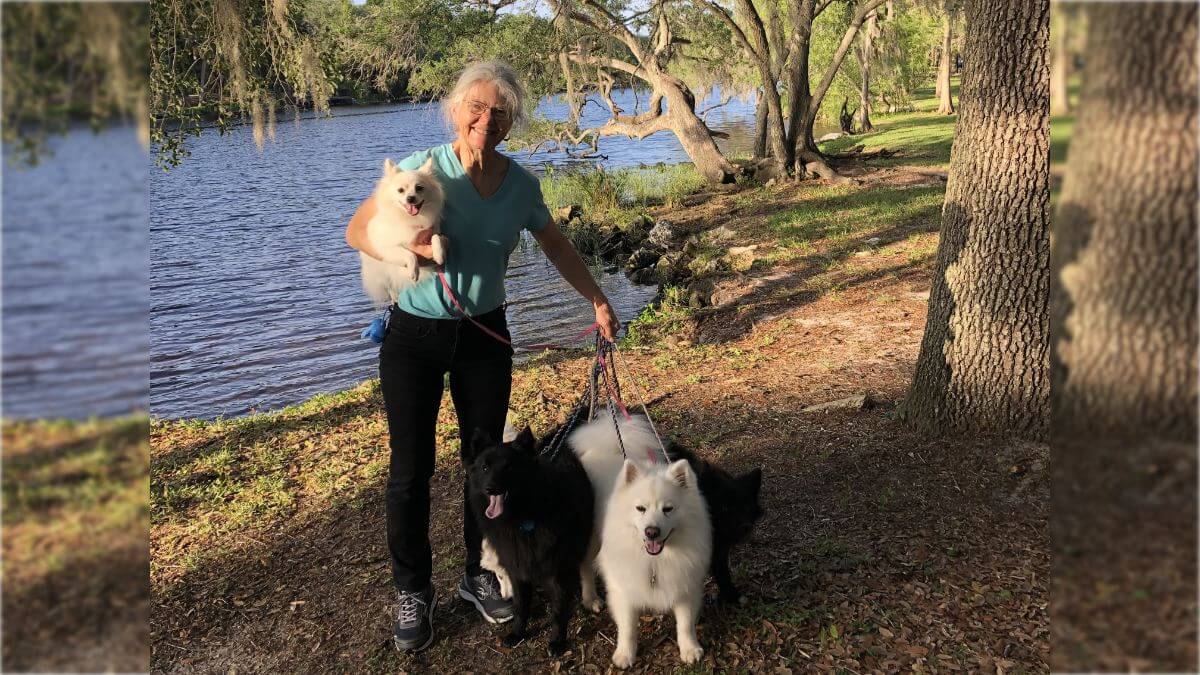
Patrea Pabst is the breeder behind the Thunderpas. Read about the kennel’s beginnings, the champions, the puppies, and much more!

Read about the origins and history of the German Spitz, one of the most ancient dog breeds, and the oldest originating from Central Europe.
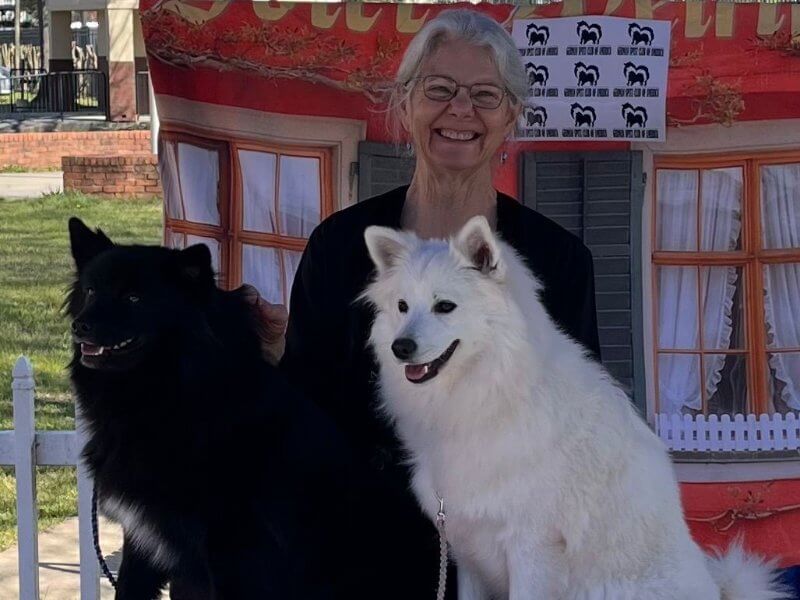
Meet the Breeders
Patrea Pabst is the breeder of Thunderpas German Spitz and American Eskimo. Read about the kennel’s beginnings, the puppies, and more!


Dog Sports
Explore the remarkable capabilities of German Mittelspitz dogs in various dog sports and the joy they bring as companions. See more.
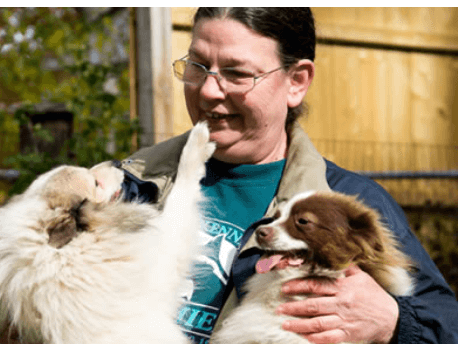
Grooming
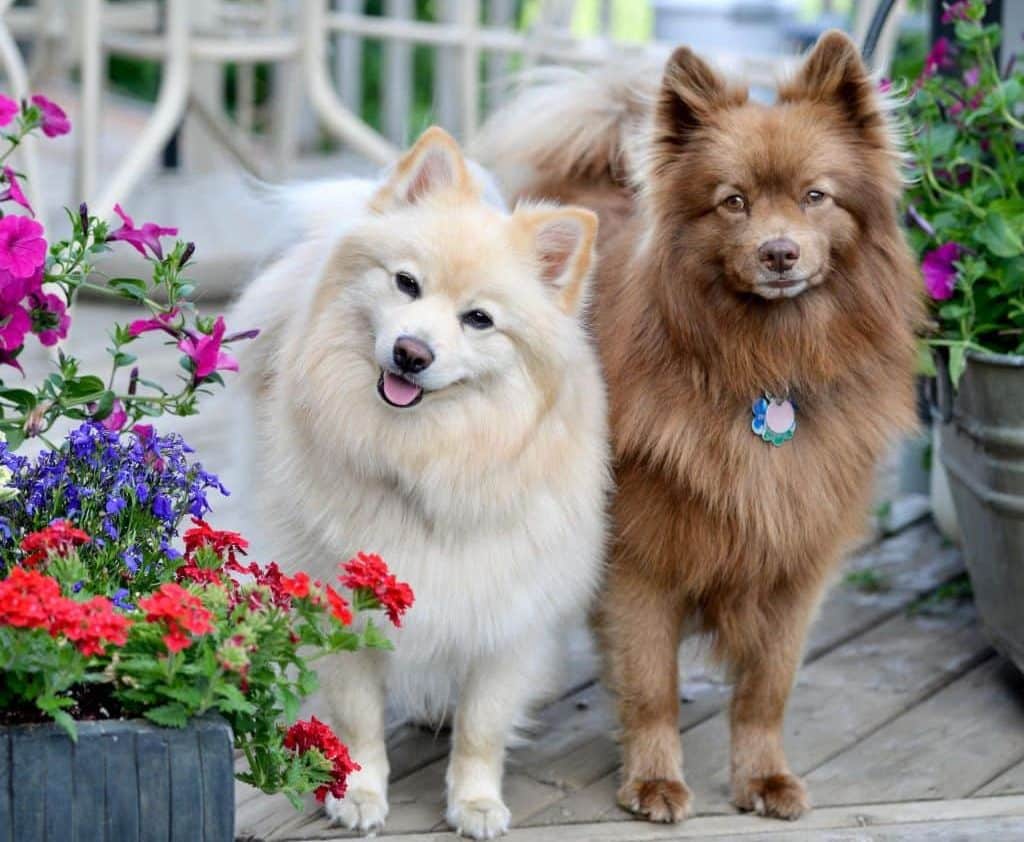
Learn how to groom the German Spitz. Grooming is not as heavy for the breed as you might think, despite its being a double-coated breed.
The tail is set high, heavily plumed, and curls forward over the back. It should lie firmly over the back and contribute to the breed’s characteristically compact outline.
Standard Markings
A Note About Color: Large size: White, black, brown, and parti-color of black, brown, and sable. In black and brown only, white spots on the chest, the paws, and the tip of the tail are permissible. Medium and Small Sizes: White, black, brown, orange, grey-shaded, cream, cream-sable, orange-sable, black and tan, black and silver, and parti-colored. White should be pure white. However, a trace of biscuit or cream, especially on the ears, is permissible. Blacks have a black undercoat and outercoat and black skin. The outercoat should be a shiny black without bronzing. Browns should be uniformly dark brown. In black and brown only, white spots on the chest, the paws, and the tip of the tail are permissible. Oranges should be evenly colored in the medium color range. The chest, the tail, and the trousers may be a lighter shade of orange. Grey-shaded are a silver-grey with black hair-tips. Muzzle and ears are dark in color. The eyes are well defined with a delicately penciled black line slanting from outer corner of eye to lower corner of ear, coupled with distinct markings and shading forming short but expressive eyebrows. The mane and ruff may be lighter. The legs are silver-grey without any black markings, except slight penciling is permissible on the toes. The tail is black-tipped and the underside of the tail is a pale silver-gray. Parti-coloreds must have white as the main color. The patches must be uniformly in one color, either black, brown, grey-shaded sable, orange, orange-sable, cream, or cream-sable. Patches are preferably distributed over the whole body. Black mask is permissible in sables and creams and parti-colors thereof. Disqualification: merle.
Coat Type
Double, Straight
The structure of the coat this breed carries.
Coat Length
Long
How long the breed's coat grows when kept in condition.
Adaptability Level
How easily a breed copes with changes in home, routine, noise and weather.
Mental Stimulation Needs
How much a breed needs a job, a puzzle or training to stay content.
A German Spitz should receive a complete and balanced diet appropriate for its size, age, activity level, and body condition. Portion sizes should be adjusted carefully because calorie needs can vary considerably between the different size ranges.
Most adults do well with two measured meals per day, while puppies generally need several smaller meals. Treats can be useful during training but should remain a limited part of the daily calorie intake.
Fresh water should always be available.
The German Spitz is intelligent and usually learns quickly, but the breed can also be independent and easily distracted. Short, positive training sessions tend to work best.
Early training should focus on recall, leash manners, housetraining, basic cues, and calm behavior around visitors and other dogs. Food rewards, praise, toys, and playtime can maintain motivation.
Because the breed can be naturally vocal and watchful, training should also include cues for settling and stopping any unnecessary barking.
Bathing can be done as needed. The breed’s double coat should not be shaved, as it provides both insulation and protection. Nails should be trimmed regularly, ears should be checked for debris or irritation, and teeth should be brushed routinely.