




When the Standard is Silent
Richard Reynolds explores how judges should evaluate dogs when Breed Standards are silent on traits, faults, or conditions.
Home ยป Breed Judging
Every issue of Showsight Magazine contains articles on judging the various breeds within all seven AKC Groups plus Miscellaneous breeds and Foundation Stock Service (FSS) Breeds. We are fortunate to work alongside parent clubs and judges to create a better awareness of each breed and how it should be viewed in the dog show Conformation ring.
The purpose of Conformation shows (also known as dog shows) is to evaluate breeding stock. Judges select winners based on their ability to contribute and improve the next generation of dogs.
The fact that each dog is judged on how he or she compares to the breedโs AKC standard rather than how the dog directly compares to the other dogs in the ring is a common source of confusion for the uninformed.
For instance, a judge is not directly comparing the Airedale Terrier to the Scottish Terrier while evaluating the Terrier Group. Actually, the comparison is between the Airedale Terrier and the Airedale Terrier breed standard and the Scottish Terrier and the Scottish Terrier breed standard. A winner should better reflect their standard than the other dogs do.
Each breed was developed for a specific purpose; for example, many Toy breeds were developed as lap dogs, whereas Working Dog Breeds are excellent in jobs like property guarding, pulling sleds, and conducting water rescues because they were developed to help people. These purposes established each breedโs standard, or ideal for how the breed should behave and look. A judge in the show ring rates dogs according to how closely they conform to their standards.

Richard Reynolds explores how judges should evaluate dogs when Breed Standards are silent on traits, faults, or conditions.


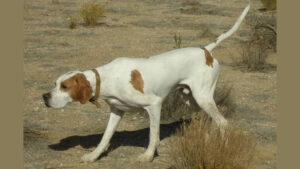
Henri and Nancy Tuthill revisit the Pointer Standard, exploring the structure, movement, and function that define this classic hunting breed.
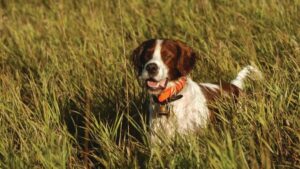

The Irish Red & White Setter Association breaks down the hunting style and explains how the breed should work in the field.


Anne Tureen addresses judging objections, reminding breeders that wins, pedigrees, and past ribbons donโt outweigh the Breed Standard.

A detailed guide to judging the Havanese, covering breed type, structure, movement, temperament, and correct presentation in the ring.


Doug Johnson breaks down the myths of judging politics, stressing fairness, consistency, and real expertise in the ring. Read more here.

Exploring how size and movement define the Cirneco dellโEtnaโs function, form, and survival in its rugged Sicilian terrain.

Reflections from Lee Whittier on judging the 2025 TTCA National Specialty – insights on breed type, structure, and the Standard.