Members
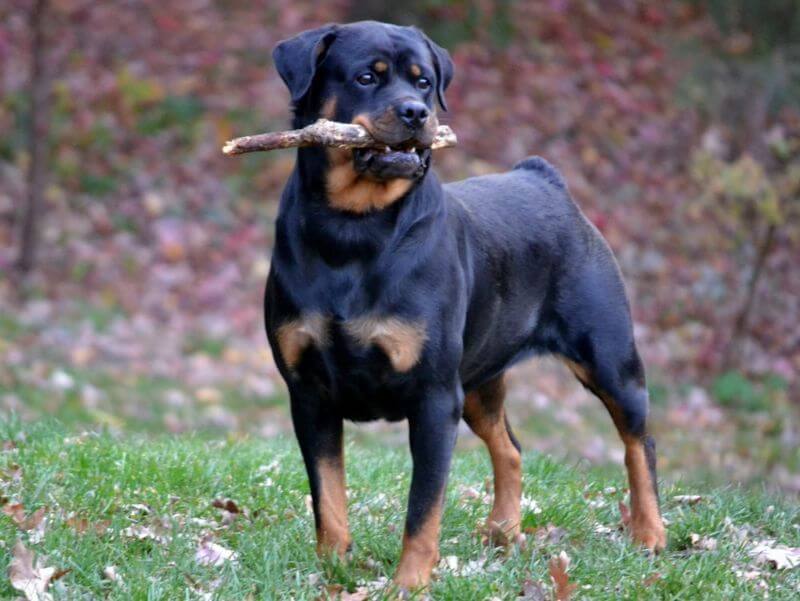
Suzan Guynn is the breeder behind Cammcastle Rottweilers. Read about the kennel’s beginnings, Rottweiler puppies, and much more!
The Weekly Brief
The best of SHOWSIGHT editorials, weekly wins, and breeder commentary — delivered to your inbox every Sunday morning.
Suzan Guynn: I live in Virginia’s Shenandoah Valley. I have had dogs all of my life, and I have been breeding for 35 years.
Suzan Guynn: Cammcastle is my kennel name; the number of dogs at my residence varies.
Suzan Guynn: Though I am not their breeder, I point to two Rottweilers in particular that have had the most profound impact on my breeding program: Multi BIS/Multi BISS CH Gamegards US Marshall RN, bred and owned by Vicky Weaver and Pam Marsh, and Multi BISS CH Crystal’s Topaz v Ponca, bred by Sandy Partlow and owned by Julie Miller.
Suzan Guynn: See above for dogs not bred by me. Of those I have bred, I can’t say one or two have been more influential than others (too many years and all that they entail).
Suzan Guynn: My pups are usually born by C-section (my preference) in my vet’s hospital; they are raised in my house. I have about 1.5 acres fenced to include three internal paddock areas and a dog room with an indoor/outdoor kennel area. I am currently constructing a conditioning pool and a puppy patio.
Suzan Guynn: After so many years, I carefully consider each puppy’s overall carriage, balance, and type. I evaluate them just as I would if I were judging. When considering puppies for Performance homes, I am mindful of temperament, although I have been linebreeding for so many years that temperament is somewhat able to be anticipated. My Performance experts are more confident in making the choices among available puppies.
Suzan Guynn: I do not compete anymore. I have trained through Basic and Open Obedience and some Utility, but I compete largely in Conformation; many of my puppy owners participate in
Performance work.
Suzan Guynn: It is not. I am reasonably confident in the general temperament that characterizes our dogs.
Suzan Guynn: My definition of “conditioning” as it relates to the Rottweiler is preparation of the body, mind, and spirit for good health and general suitability for the endeavors in which the dog is anticipated to participate. He should have plenty of exercise, attention, good nutrition, and fun. Rottweiler needs to feel he belongs and is a member of his family or pack. He needs to understand what is expected and trust those in charge or in command.
Suzan Guynn: Probably among the worst at this time are pharmaceuticals; the use of ingestible flea and tick medication is probably the worst affront to the health and safety of Rottweilers I have observed in nearing four decades. They are a significant source of revenue for corporate vet practices yet result in diverse and dangerous neurological events, many of which cannot be mitigated.
Suzan Guynn: Yes.
Suzan Guynn: Yes. People who understand that a dog needs a leader are the best candidates for a Rottweiler; anyone who lets a dog run the household is the wrong home.
Suzan Guynn: Despite being willful and headstrong, Rottweilers are followers and thrive in a situation in which they know the rules and are held to them.
Suzan Guynn: Know the Breed Standard and judge the dogs with integrity.
Suzan Guynn: Be an honest and critical thinker. Ask for advice from someone you trust. Have a thick skin and trust a few true friends. (Four quarters are always better than 100 pennies.) Give your puppy owners (and hence, your puppies) your very best in care, advice, and ongoing support.
Suzan Guynn: I enjoyed watching one of my early Rottweilers pick up his full food bowl and carry it to wherever he wanted to eat. If it was raining, he’d pick it up and carry it to a dry area—just as you would carry your plate to a table under a shelter. If ever a dog was using a tool… there you are! As well, I have loved the joy this breed exhibits when having fun—showing, swimming, running Fast CAT, jumping, tracking; the exuberance is endearing.

Meet the Breeders