Members
One of the most challenging tasks for breeders is maintaining the cleanliness of the whelping box. BrilliantPad is a self-cleaning solution.

BrilliantPad
The Weekly Brief
The best of SHOWSIGHT editorials, weekly wins, and breeder commentary — delivered to your inbox every Sunday morning.
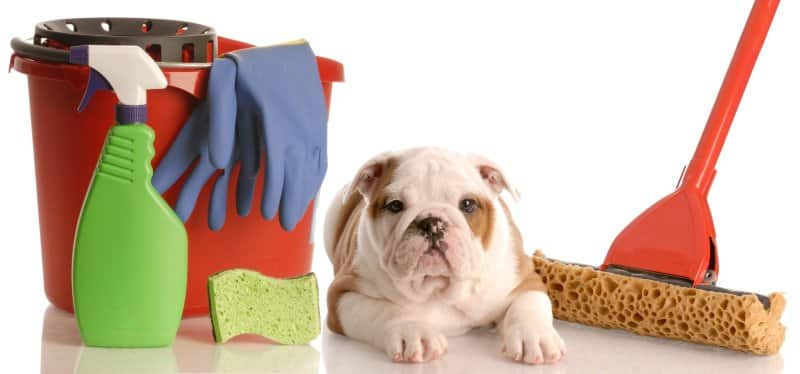
One of the most challenging and time-consuming tasks for Breeders is maintaining the cleanliness of the whelping area.
Maintaining hygiene in a whelping box is crucial for the health and well-being of newborn puppies and their mother.
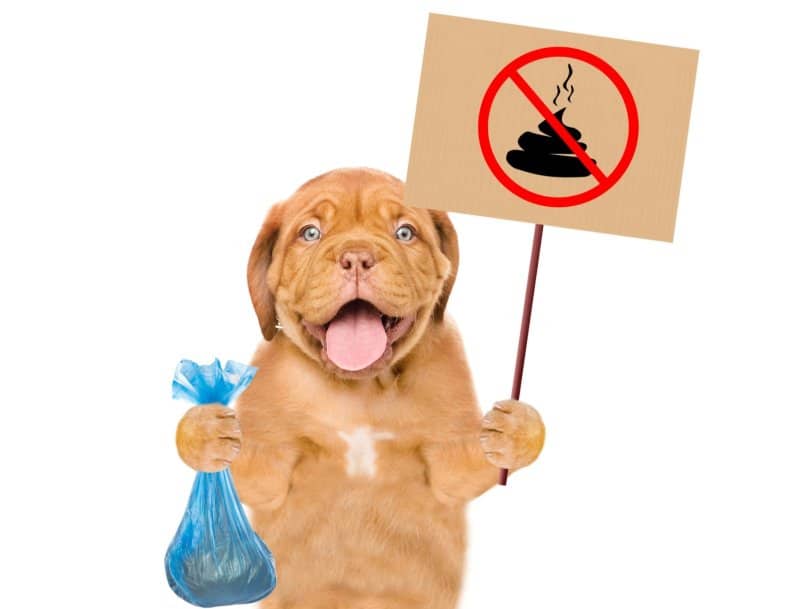
There are several products Breeders use to provide a clean, designated area for the messiest part of their daily routine. These include; disposable or washable puppy pads, newspapers, litter, or pellets.
Traditionally, these items work well but also have inherent problems; for example, pellets or litter can leave the puppy coats dirty, creating extra work in getting the puppies ready for socialization visits.
In addition, all of these items require Breeders to regularly toss out these materials and then properly sanitize the area. Recently, however, advancements have been made with automated solutions that can assist breeders in creating this designated “potty” area and cleaning it.
These include artificial or real grass-based solutions, which still require daily manual cleansing, and also a completely automated (& wi-fi enabled) self-cleaning pad-based solution by BrilliantPad that has proven to save Breeders time and money. In addition, for smaller dogs (under 25 lbs.), it allows Breeders to send their pups to their new homes completely housebroken!
As a Breeder, what solutions are you using in your whelping box to maintain proper hygiene? We’d love to hear your best tips–drop us a note at hello@showsightmagazine.com.
This article is an advertisement feature.
If you are interested in learning more about BrilliantPad’s special offer for Showsight Breeders visit: https://www.brilliantpad.com/pages/showsight


Breed Conservation
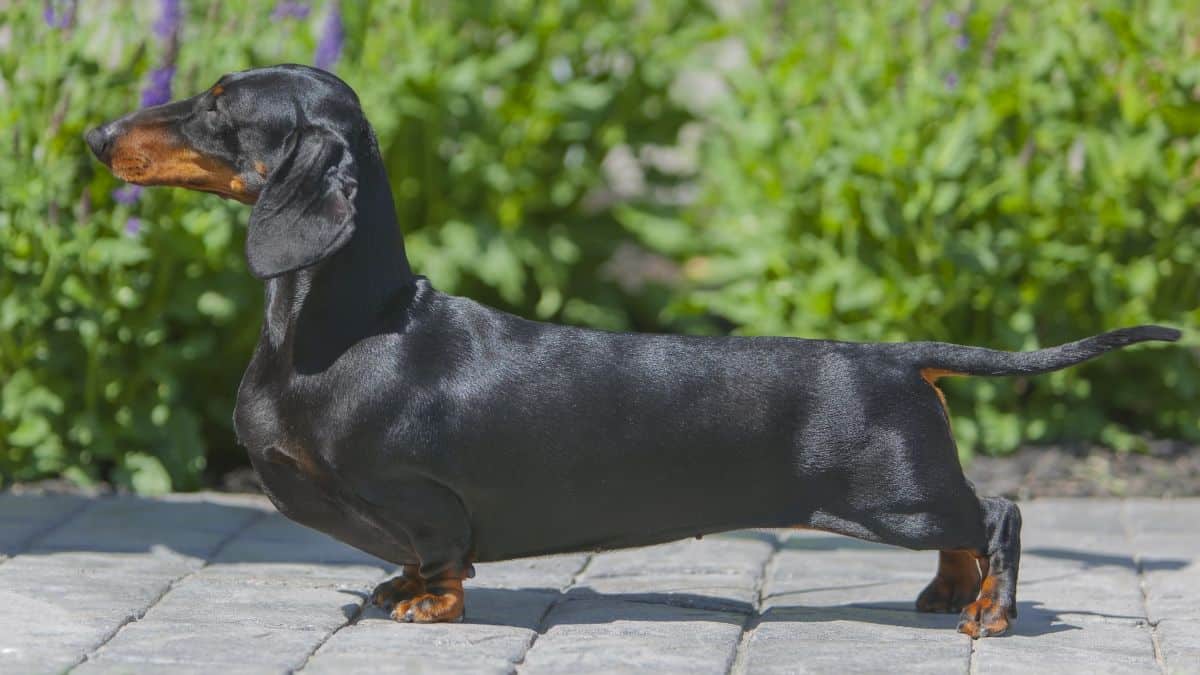
Using the Dachshund as a case study, Lexa Richmond explores how breeding decisions, mentorship, and education shape breed preservation.