



Audrey Lee: I grew up in Cobb County, a suburb of Atlanta.
Audrey Lee: I do not come from a doggie family. While we had pets, they were outside dogs and not allowed in the house. I was always crazy about animals, especially dogs, as a child. I loved dog books, dog movies, and TV shows like Rin Tin Tin and Lassie. I studied and pored over our encyclopedia set for all the dog breeds, and as a young child could name any breed of dog I spotted out in public. I capitalized on my love of dogs and was the neighborhood dog walker and dog sitter, earning my own spending money.
My “career” in dog shows started at age 12 when a teacher (who showed Great Pyrenees) asked our softball team to be the pooper scoopers for the weekend at the Atlanta dog shows, then held at Stone Mountain. I jumped at the chance! Who cared if we had to pick up poop? Well, apparently everyone cared but me, as I was the only one from the team to show up on the second day! I loved being there, surrounded by all the breeds, the activity and excitement. I had been officially bitten by the dog show bug!
I met a breeder-exhibitor who would later place a dog with me that was not working out for the show ring. I went on to show this dog, and add two more. I was simply mesmerized by all the activity in the grooming tent. I would watch for hours as different breeds were being prepared for the ring. I knew then that I wanted to learn how to groom dogs. At 15, I started working part-time at a grooming shop as a bather, and learned how to groom. The only catch was that I had to bring my own “victims.” Almost every dog in our subdivision got groomed by me while I learned, especially Nicholas, the Toy Poodle that lived next door. Poor Nicholas suffered through multiple bad haircuts.

Audrey Lee: In the beginning, owners and handlers were my mentors. I always had a million questions and most took the time to answer, which fueled my desire and enthusiasm. I watched and studied the winning professional handlers in the ring, and tried to imitate them. Jimmy Moses was my idol, and simply flawless in his handling. He became my hero when he went Best in Show at Westminster with “Hatter,” the famous German Shepherd Dog. I dreamed of showing at Westminster one day. Since then, I’ve realized my dreams, and have had entries and invitations to show there by virtue of being in the Top 5 and winning the Tibetan Mastiff National Specialty. I have shown at Westminster almost every year since 2008, which was the first year that Tibetan Mastiffs (TMs) became eligible to show there.
Audrey Lee: Breed to the Standard. Avoid kennel blindness and recognize faults in your own dogs. Don’t breed just to breed. Every breeding should improve on what the parents are, and at the very least, produce comparable quality. Have a clear goal of what you want to produce. Linebreed to retain and improve type, and outcross enough to have diversity.
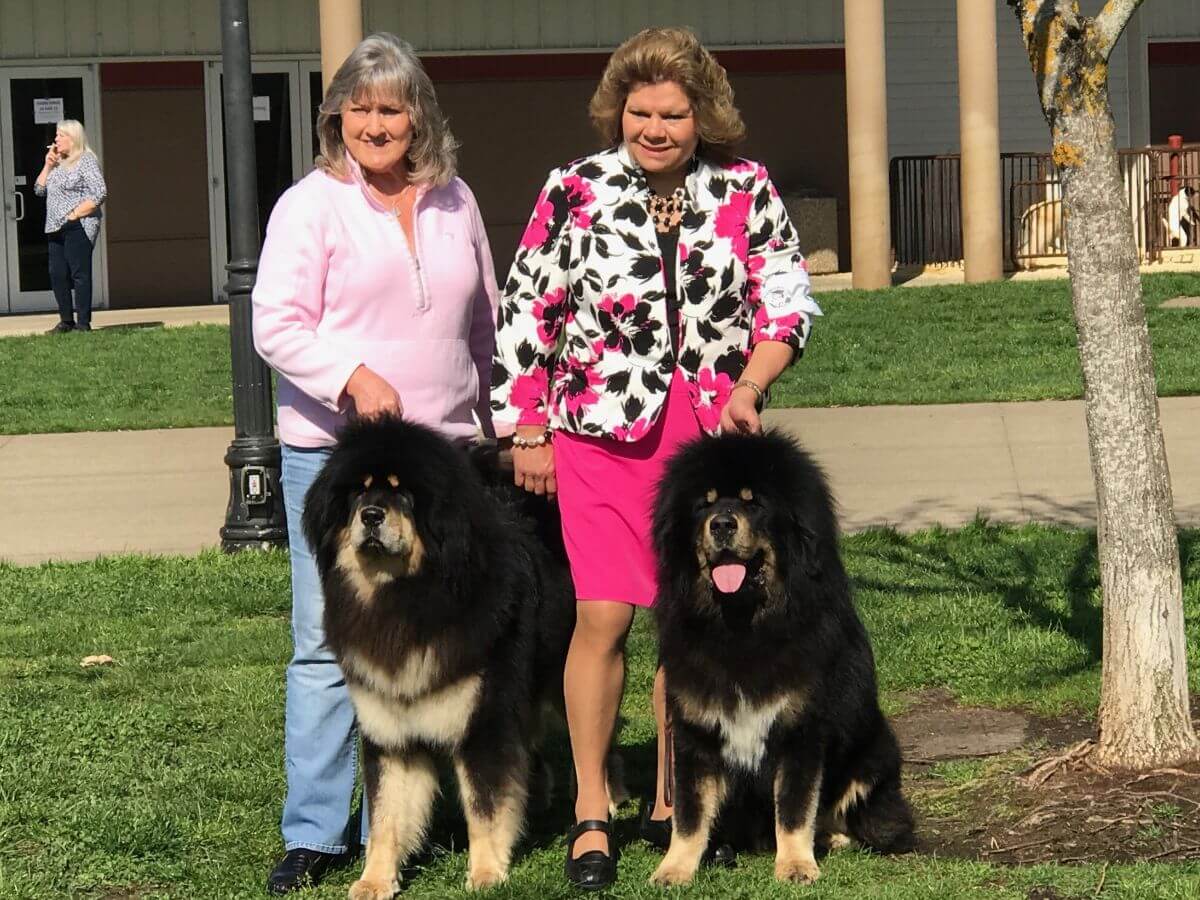
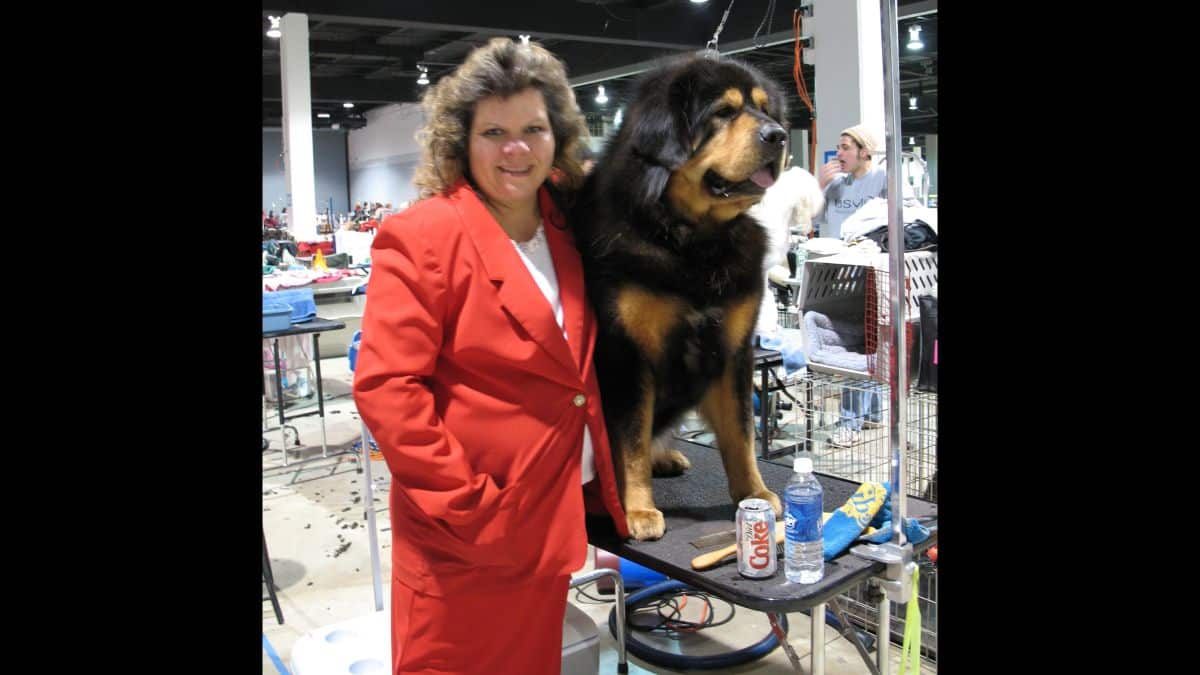
Audrey Lee: Currently, we have 15 adult Tibetan Mastiffs. Five of those are over 10 years old. We keep our retired dogs and they live their best lives here until they die. All dogs have house privileges, although we usually don’t have all of them in the house at the same time. My dogs live as a large pack. With the exception of one or two, all are compatible. We rotate who is in the house at night, although in winter no one wants to be inside because it’s too warm for them. They have free run of a very large fenced area during the day, and fenced enclosures at night with shelters. I own a grooming/boarding/training business and the TMs love to come to work with me. I usually have one or two come along every day. On slower days, I groom my TMs.
Audrey Lee: I believe overall structure has improved, especially rears, since I first became involved in the breed. Back then, it was not uncommon to have COIs at 25 to 30 percent. Now, a lower COI can be achieved without losing type.
The Internet opened up the TM world, and the dog world in general, making it so much easier to exchange information with US breeders and to import dogs, because photos, videos, show wins, health information, and pedigrees can be viewed and shared. I’ve imported from Italy and Canada. In recent years, partnering with Debbie Parsons Slayton (Dreamcatcher TMs), we’ve imported from the Czech Republic and Russia, and enjoyed phenomenal success in the show ring and in the whelping box with these dogs.
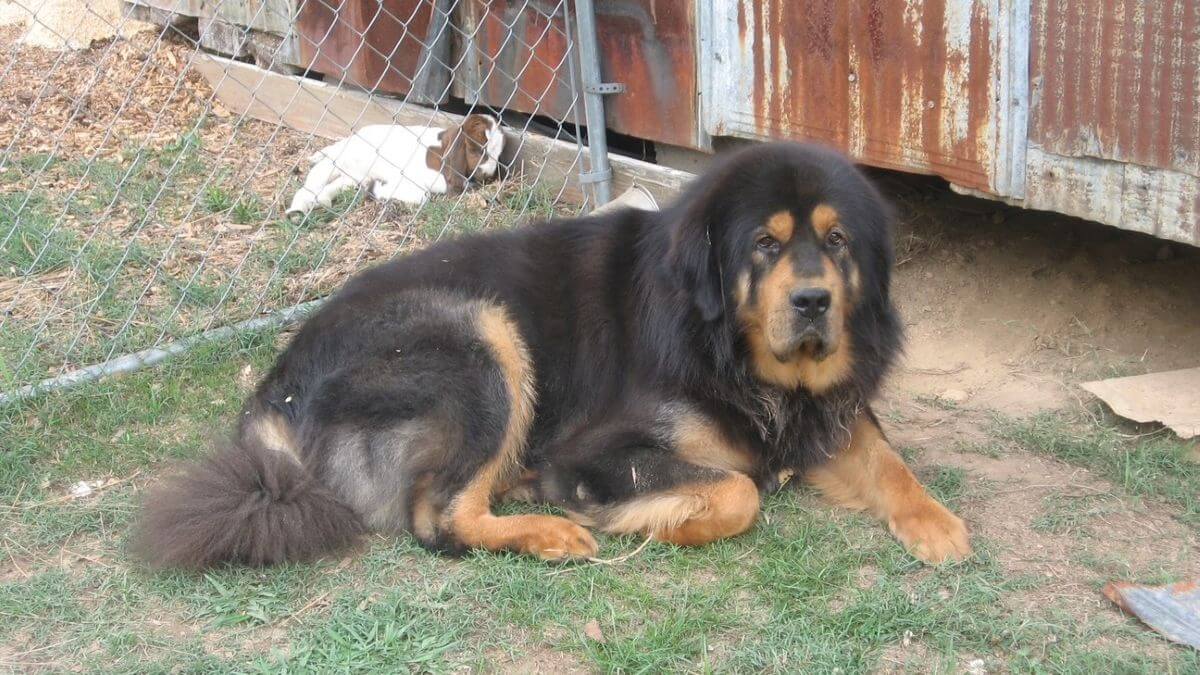
Audrey Lee: Sadly, there are not as many TMs showing as there once were. People come and go in the show world because it’s not as easy as they thought. It takes dedication to learn how to handle, groom, and train a dog for the show ring. It’s also expensive. When it doesn’t come easily, many quit. Although we see many new faces each year, not all stay in the breed, or the dog show world. Unfortunately, many of our old-time, ethical breeders have passed on since my days in the breed. It’s important that seasoned breeders and exhibitors welcome and mentor newcomers whenever possible. If I see a new face at a show, I always introduce myself, offer to help, and answer any questions. Also, I make myself available to help with pregnancy, whelping, and puppy questions to those who need assistance.
In addition, when I have puppies, I always ask new owners if they are interested in showing. If they are, I lead them by the hand, help teach them the ins and outs, and try to make them feel welcome. Further, I feel that young people are the future of our sport. Enthusiastic Junior Handlers will be the ones to keep the sport alive. I often ask Juniors for handling help in the ring, as it gives them experience with a different breed, and it gives me extra hands to show my dogs.
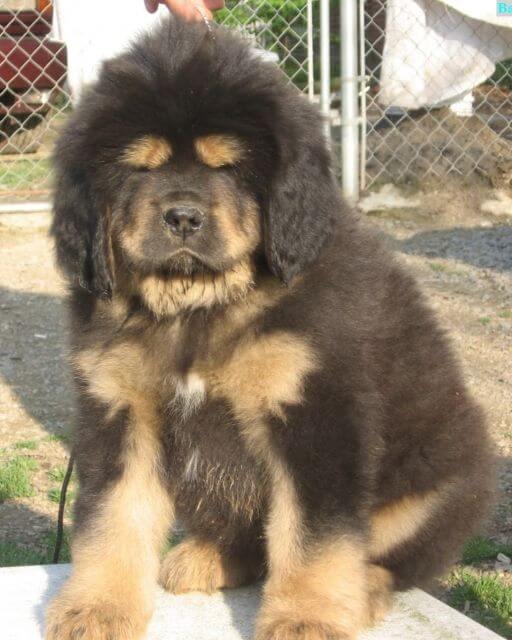
Audrey Lee: I plan to keep on the same path of careful, well-thought-out breedings. My goal is quality, not quantity. I produce only one or two litters a year, sometimes none (the breed has a single heat cycle yearly—AR), but have consistently produced many top-winning dogs with excellent type, health, and great temperaments. Partnered with Dreamcatcher Tibetan Mastiffs, we plan to import and add some select dogs that will enrich our breeding program.
Audrey Lee: Not surprisingly, my world is all about dogs! I’ve been a professional groomer for 45 years. I am the founder and owner of a grooming/boarding/training business in a small Georgia town, and have been in business for 33 years.
I love gardening, enjoy my flowers, and grow a sizeable vegetable garden every year. In the warmer months, if I am not out with the dogs, I am busy with my flowers or garden. I also do some canning of the vegetables. In addition, I love to read and enjoy novels, when time permits. In the winter months, I do rush fiber weaving and restoration, mostly with chairs.