Members
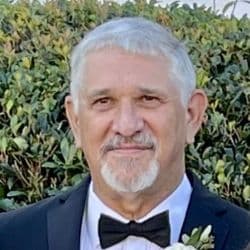
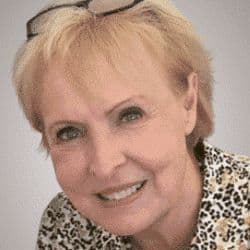
Judges Charles Olvis & Elizabeth Muthard share 50+ years of experience, insights, and advice from a life in the dog show world.
The Weekly Brief
The best of SHOWSIGHT editorials, weekly wins, and breeder commentary — delivered to your inbox every Sunday morning.
Often, in our complex world of social media, there is a request for information about judges, including their likes and dislikes, how they treat exhibitors, and many other questions that exhibitors have about them. People are more than happy to share their thoughts and experiences in response to the requested information. While people try to share their knowledge and insights, the information they provide may often be faulty and inaccurate.
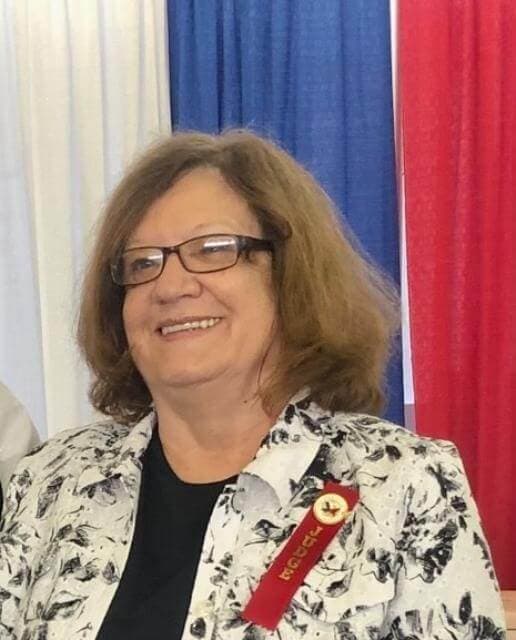
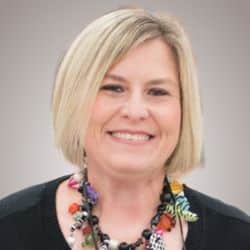
Two of the fancy’s most popular “all-rounders” are Charles Olvis and Elizabeth Muthard. They are not only among the most sought-after judges, they are also two of my closest friends. I decided to introduce them through a different kind of interview than what most people see in our sport. I hope you enjoy it.
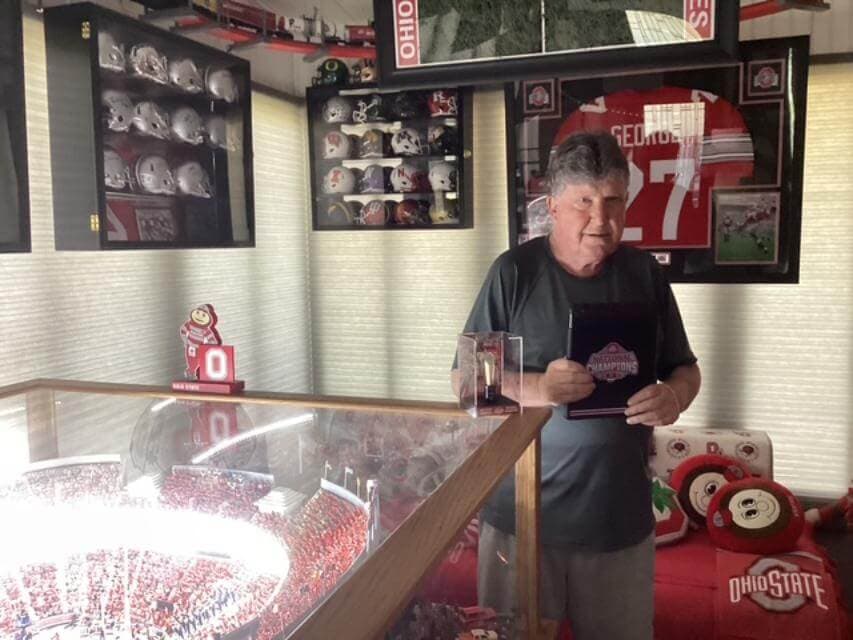
Let’s start with Charles:
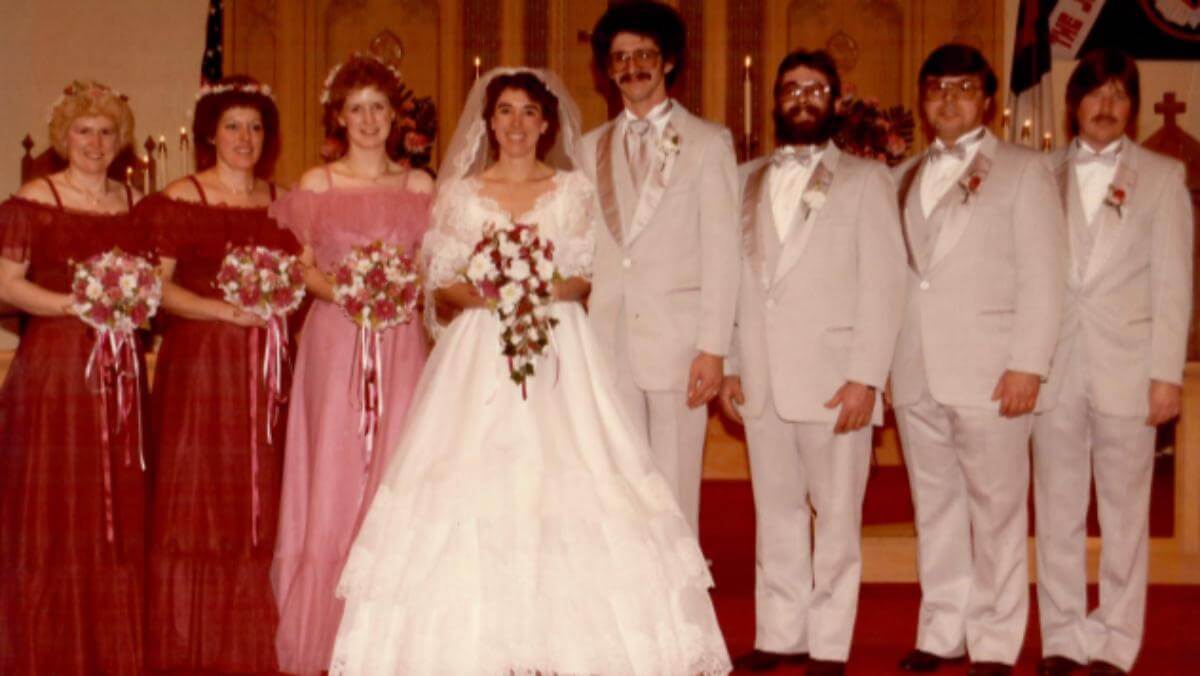
Walter Sommerfelt: Charlie, you and I go back a long time. I remember the first time we met. It was back in the 1970s, and I was judging a “B-Match” at the Mad River Kennel Club in Springfield, Ohio, and you were showing a very young Old English Sheepdog puppy. We were both living in the Dayton, Ohio, area at the time, and that meeting led us to a nearly fifty-year friendship. We had a great time traveling together when I was handling and we became the closest of friends. You were a groomsman when Carol and I were married, and after our children were born they would often refer to their “Uncle Charley.” Our son, Joey, even named his pet cockatiel after you. In a world where people often have issues with each other, we have always remained steadfast friends, respecting one another and our respective opinions. I have always felt like you were more of a “brother” than a friend.
I applied to judge in late 1984, and you followed several years later, around 1991. I began with two breeds, and you started with Old English Sheepdogs. Let’s take a moment to reflect on the past years and share some insights with our readers. We both came up with the One for One, Two for Two system. For many years, we were never allowed more than eight breeds at one time. It took most of us judges 7 to 10 years to get our first Group. I know how you, Carol, Liz, and I attended all the seminars and completed all the other requirements to advance. The system was a slow grind. You and Liz worked hard for years to achieve the rare status of “All-Breed Judges.” What made you both want to be “All-Rounders?”
Charles Olvis: I guess that once I got started, I just kept going. One of my best friends in the world through the years has been Mr. Robert Stein, who is also an all-rounder. My judging career was also encouraged by Bob and Ellen Fetter; all great friends and mentors.
Elizabeth Muthard: It was never a burning desire, just seemed a natural progression as I moved along.
We started judging in different directions. I for the Sporting Group first, Charlie for Herding, and we attended seminars and workshops for whatever either of us was pursuing, which gave us some background for additional Breeds/Groups.
WS: We know Charlie began in OES, but many are not aware of Elizabeth’s background. Can you both share your backgrounds with various breeds as breeders and exhibitors, as well as your mentors, etc.?
CO: I started with my Old English Sheepdogs, achieving much success, and after Liz and I were together, I helped her in her professional handling at dog shows before deciding to turn to judging.
EM: The first breed for me as a young adult was the Siberian Husky, getting me involved in Obedience and then Conformation. At the urging of a dear friend, I left my office position to apprentice with professional handlers who had moved into our area, then on to learning from some of the top Sporting Group dog handlers in the country. Once on my own, the same dear friend called to tell me of an exhibitor looking for a handler for his Otterhound, and Grizz came into my life. Next came a friendship/partnership with Ted Rosenberg and Labrador Retrievers; a birthday gift of a Standard Poodle bitch, sired by my favorite of Ruth Luken’s Bluebell kennel; and then Old English Sheepdogs with Charlie. Oh, and co-ownership many years ago, so when it was time to downsize to a townhouse-sized pet, our Border Terrier friends came to the rescue. Through all the years, there have been so many who have helped me along the way, shared their thoughts, secrets, and guidance, and led by example… there’s not enough space here to name them all. Hopefully they know how much I appreciate having them in my life.
WS: What are some of your outside interests, hobbies, or past jobs that you want to share?
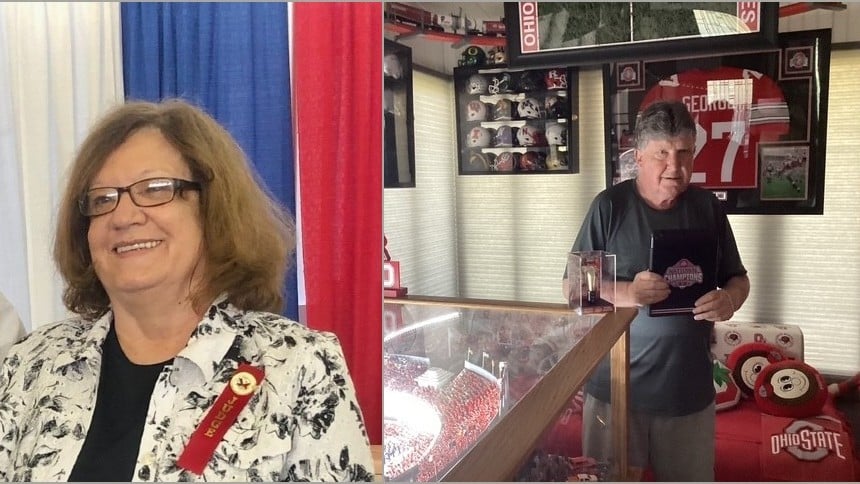
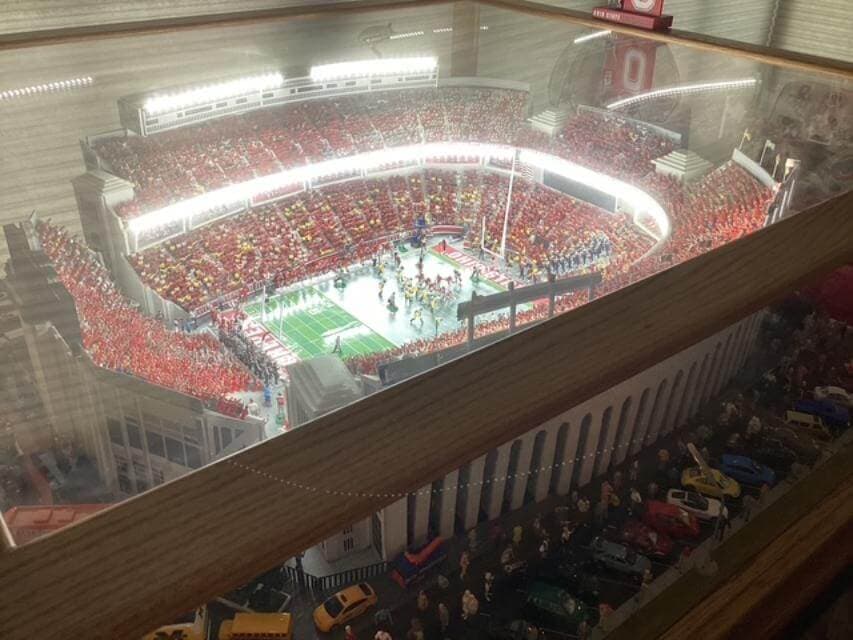
CO: I’ve had several different jobs in the past, the last being General Manager of a large dental practice. Most know that I am a huge Ohio State fan and enjoy adding to my huge collection of Ohio State memorabilia. I also love to go to movies and I enjoy concerts from time to time.
EM: As those who organize shows are aware, it’s not just a one-week-a-year job. So much of my time is spent working towards the next Penn Ridge Kennel Club shows and the Penn Ridge Kennel Club Charitable Foundation’s annual fundraiser. It is a year-round job, and I am extremely proud of what we have accomplished to help others in the sport. Having worked for about 15 years in a dental practice, I still do a bit of online entry work for them. Hobbies might be learning another language and telling myself that my dog and I will someday earn some Performance titles.
WS: In our judging community, newer judges can apply for as many as 12 breeds upon completing their initial Breed requirements. I often hear, and I am sure you do too, that some newer judges complain they only have two or three Groups after less than five years. What is your opinion of the current system and the quality of our newer judges?
EM: This is a great question, and the answer will never seem fair to all. Some come into judging with vast knowledge and can appreciate what each breed is about; they can move forward more easily, able to reward with emphasis on what’s best for the breed. Others have a limited background in one breed, barely meeting the initial requirements, and they struggle or make some poorer decisions without enough background when they are in a race for more breeds. There will always be those who like the current system and those who complain.
I didn’t start with all the breeds for which I felt qualified; so what? Did it change my life? Next application, I was granted those breeds, and, actually, this gave me a stronger second application.
WS: While living in Dayton, Ohio, in the past, we had many qualified judges in our area who became mentors and friends, including the Steins, Hartingers, Jerry Schwartz, the Fetters, and too many others to mention. Most were active in our kennel clubs and were always there to encourage us. What are some of your fondest memories of those people?
CO: Ellen and Bob Fetter, and Bob Stein, were mentors and family to me. I’ve always felt all three would have done anything to help me, and I can’t thank them enough for all they did to encourage me. I love them dearly.
WS: Liz, having grown up in Pennsylvania and being active in the East and Northeast, you also had many mentors, judges, and handlers who imparted knowledge. Can she share some of your fondest memories of the mentors and judges you have come to know over the years?
EM: Not a dog show kid or Junior, I’d have to start with my mom, who dabbled in Obedience and Conformation. I was aware of dog shows, so when I got my first Siberian Husky puppy I knew about Obedience. I’d have to include Alma Arnold who was the Obedience instructor who encouraged me to pursue everything in dogs: Conformation, Sled Work (her husband helped make a wheeled rig for training), a trip to see Lorna Demidoff that resulted in my joining the SHCDV (Siberian Husky Club of Delaware Valley, Inc.) and then also the Lehigh Valley Kennel Club. Kendall Herr, of Dickendall Labradors, encouraged me to pursue my involvement professionally. An apprenticeship with George and Mary Ann Alston introduced me to most of the top handlers in the East at that time. Any of them was there to help if asked, and it was not unusual for one to come up and offer advice like “take just a few hairs off here” or another helpful tidbit.

WS: The two of you have been together for well over 35 years. Can you share your story of how you met and progressed on your journey in our sport?
CO: Liz and I met at a dog show in the East many years ago when someone asked me to help Liz show her Otterhounds, and the rest is history.
EM: When we met at a dog show (surprise!) Charlie was with a friend of mine, and I needed an extra hand to help show my Otterhounds. Sometime later (I didn’t keep a calendar) when I saw him again, he was back in Ohio. We started with a dinner on the Florida circuit, stayed in touch, and the rest is our history.
WS: Back in the day, while living in Memphis, Tennessee, I founded the “St. Jude Showcase of Dogs” to raise money for St. Jude Children’s Research Hospital and to introduce people to the numerous opportunities available in our sport for competition. We did everything we could with dogs in areas of competition as well as Meet the Breeds events, judges’ seminars, etc. It was my way of giving back to the sport, and just as our dogs are man’s best friend, St. Jude is a best friend to children in catastrophic situations. You and Liz, with the cooperation of the Penn Ridge Kennel Club, have also taken up the task of giving back to our sport and your community with the Penn Ridge Charitable Foundation. Could you share with us how this initiative originated and how it has evolved, even as we have had to navigate COVID-19 and venue changes over the years?
EM: After we moved our shows to join the Harrisburg Kennel Club’s summer show at the Farm Show Complex, we were asked to host an event to benefit Take the Lead. The Penn Ridge Kennel Club (PRKC) assumed a lot of the expense, and the event was a great success.
Wanting to be able to donate to more than one charitable organization, a PRKC membership vote designated the funds for legal fees to establish the Penn Ridge Kennel Club Charitable Foundation, Inc. Each year, the Foundation hosts a casino night fundraiser and raffle, where everyone can win the big prizes. Each year is a different theme and it’s fun to dress the part at the shows and fundraiser. Our club is extremely proud that we have donated about $325,000 since the Foundation’s inception.
The Farm Show Complex is a state facility, so restrictions prohibited our holding shows there during COVID-restricted years, and we were able to move to the Doswell, Virginia, location and hold the fundraiser in the beautiful Manor House.
Currently back in Pennsylvania, our new home is the Lebanon Valley Expo Center and Fairgrounds, which is well-suited to our Conformation shows and fundraiser as well as having space to include Fast CAT and Dock Diving.
WS: As popular All-Rounders, your calendar fills up quickly. Clubs are suffering from smaller entries, and many shows are now four days long. There are so many shows competing for entries on the same weekends. Many clubs have been hiring foreign judges because they are “all-breed” judges in their home countries, and the AKC (American Kennel Club) has increased the number of times they are allowed to judge in the United States to 16 times per year.
Two-part question:
CO: I believe that more exposure via television ads would be productive; get some celebrities to talk up the AKC and their purebred dogs. I have no problem with foreign judges as long as they can do a good job sorting the entries as they should be.
EM: As I no longer have litters, I don’t know what the AKC currently does to encourage registration and participation with each registration. Nor do I have any idea what may be in the works, but I am aware that increasing these numbers is something toward which the AKC is actively working.
Increasing Conformation entry numbers is a tough one. First, so many communities now limit the number of dogs for a household, making it difficult for many to maintain a breeding program. That hurts. A lot of time, effort, and money goes, or should go, into a dog before it is used for breeding. Encouraging puppy buyers and mentoring those who show promise might help, such as not just putting in a contract that they have to show the dog x-number of times or breed it. We need to really help those who just may be the next generation of dog breeders.
I don’t even think about foreign judges in that light. Just like here, the foreign judges who get more assignments are probably the ones who exhibitors enjoy. I can think of a few Canadians who we always look forward to seeing when the panels include us both. Just like here, some are great, some not so much.
WS: Today’s exhibitors often complain that they see All-Rounders on too many panels; what are your thoughts on this?
CO: If someone can judge and find good dogs, that should count for something; it should have nothing to do with whether or not they are an all-rounder. There are judges who have a number of breeds who judge quite often as well, not just all-rounders. If the judges get good entries, and the exhibitors enter to show to them, it shouldn’t matter if they judge more often.
EM: The AKC has restrictions, which are the only limitations that should be mandatorily imposed. However, judges should also consider the impact that overuse can hurt the clubs. For example, there are shows that are held about 80 miles and 32 days, or 220 miles, the week before our shows and we don’t appreciate it when someone signs up to work for those shows as well as ours.
We judge often, but we try not to be in the same area too close to other shows. If we feel there might be an issue, we advise the show chairman to determine if that club perceives any impact. Some judges are asked to judge more often, some less so; if the clubs and exhibitors like a judge, it’s all okay.
WS: With the number of entries declining and the point scale being so low, it is very easy to complete a Championship on today’s exhibits. What is your opinion on the overall quality of the dogs in competition today?
CO: In my opinion, quality, especially in the classes, is not always great; but we can only judge what is in the ring. Sometimes, though, we are pleasantly surprised by nice quality, even in a small number.
EM: We have so many more breeds than when we started, so basically the same entry overall would have smaller entries in more breeds. As far as quality, I don’t think much has changed… most are “middle of the road,” with a few exceptional and a few awful. It is disheartening, though, to find a very novice person with a really bad dog. You wonder who told them it was a show dog, and fear that those people who were misled will not stay in the sport. Several told me that my first dog was a pet, yet she almost went Winners Bitch at a specialty under a knowledgeable judge; but many newbies today are not that fortunate.
WS: The Grand Champion and NOHS (National Owner-Handled Series) have added levels of accomplishments to dog titles. How do you feel about both of these additions to our show awards?
CO: The AKC is trying to keep entries going, and these are two ways that have been effective toward that goal. The National Owner-Handled Series does bring entries; exhibitors like that competition and the clubs need the entries to survive.
EM: The Grand Champion title was brought to us as a way to award other Champions worthy of winning Best of Breed, and in that light it is a good program; it keeps dogs entered that otherwise might not continue to compete. The numbers speak for themselves with the NOHS awards, and people definitely like this competition. Dog shows should be a place to meet people with similar interests, make friends, and share a love of dogs. The NOHS competition, again, is something that can retain hobbyists.
WS: We are all active in our local kennel clubs. What do you think are the biggest issues clubs are facing today? Any suggestions for improvement?
CO: I think the biggest issue is the aging of most club memberships and the need to not only get younger people in the clubs but also to get them involved with doing jobs, and mentoring them to take over in the future.
EM: I can only speak for our current all-breed club, having been involved previously in a much larger group. The Penn Ridge Kennel Club, having gone through a period of “sides” some years ago, has maintained a small membership where everyone contributes to the success of the shows and the club, and we support each other’s efforts.
The only issue facing our club is that, like most dog clubs, we are an aging group of individuals who’ve been involved in purebred dogs for many decades. We recently had to admit that it was time for some new blood. We were fortunate to add new members who have proven to be willing to work side by side with us “oldsters” as they put in their time learning the ropes to take over the reins for the future of the club.
WS: In the past couple of years, the AKC stance on Delegates being allowed to charge a fee for judging has changed. More judges are slowly joining the ranks as Delegates for their clubs. Do you think this will have any impact on future changes to the AKC rules and regulations?
CO: I believe it is a good thing. Sometimes judges see more things going on in the dog show world; they are out at shows, some almost every week, and may have a better idea of what needs to be addressed. That is not to say a non-judge cannot be a good Delegate, but allowing judges to continue to charge their fee after becoming Delegates opens the opportunity for some who are quite seriously involved in the sport.
EM: It is my feeling that this was a good decision. There are many knowledgeable people, in the sport and in the business world, who for whatever reason do not want to judge for free, who can now serve the Delegate body and the sport without having to give up their judging income. This opens up the Delegate body to so many more deserving individuals who have positive contributions to make.
WS: In recent years, there has been an increase in misconduct toward judges and between exhibitors. Do you have any suggestions on how to address these issues?
CO: Keep on doing what you do. You can’t let negative comments and actions influence you. Judging isn’t easy. Not everyone is going to love you or your choices; that’s just the way it is.
EM: There’s always the Golden Rule: treat others with the respect and consideration you would like to receive. Either you were brought up to be considerate of others, or you were not. Sadly, the entitlement that too many feel extends to criticizing anyone and everyone who isn’t in your corner, and that sometimes includes decisions made in the ring. Just be nice!
WS: In your opinion, what type of things should the AKC consider doing to help promote our breeders and our sport?
EM: Media coverage of events, from Conformation to Agility to Flyball and more, has increased in recent years, and this is a good thing. And the big “Meet the Breeds” days are a wonderful way to expose the public to different breeds, their care and temperament, and their suitability for each family. Anything educational can have a big impact.
WS: As judges, we often hear complaints that we have been seen talking with exhibitors. Back in the day, we frequently would socialize, have lunch or dinner with judges, and learn a great deal. You did not hear people claiming the judges were crooks, etc. Those interactions were great opportunities to learn from knowledgeable dog people. How can we improve the current environment about judges’ interactions with exhibitors that the AKC seems to frown upon?
CO: No matter what you do or say, someone is always going to judge you unfairly outside the ring or inside the ring. I cannot in good conscience not say hello to someone who has been my friend for close to 50 years because someone may say I am a crook. I always say, if you think judging is so easy, you should try it sometime and you might change your mind about the things you say and do.
EM: There have always been complaints and opinions of judges; that’s nothing new. However, today, with all the Internet chat groups, it’s easy for exhibitors to say negative things about a judge who did not award their dogs. Judges need to have thick skin and just ignore these groups. Let’s face it, having someone post a photo on Facebook of you having dinner last night with today’s Best of Breed exhibitor can look pretty bad, so why put yourself in that position?
It’s always been frowned upon to socialize too much with exhibitors, as others will see it as an unfair advantage. Years ago, on a circuit when I saw the next day’s Group judge dining with the owner of my competition every night, how do you think that felt?
We were never supposed to visit in the grooming area. You can learn from a great judge, or a great breeder, without it being the same day you are judging. If it’s a rare breed you seldom see that you want to learn about, do it after the show is over, and not if you are judging it that weekend, unless you can attend a seminar that is open to the fancy.
WS: Both of you have been involved in our sport for at least 50 years; what advice would you give a first-time entrant into the world of purebred dogs?
CO: Find a good mentor to help you. Be patient; good things don’t always happen overnight. Don’t be afraid to ask for help or advice. Most of us did not start with a great dog; we just persevered and improved as we went along.
EM: Become as involved as you want to be. Not everyone should devote their entire adult life to the sport, but what an opportunity I have had to make my hobby and passion into my livelihood for the majority of my years. I’ve made lifetime friends, met and worked with some truly wonderful people who’ve helped and guided me along the way, and have been to so many places I’d never have visited if it had not been for my involvement in this sport.
If you want to have your family pet become a Champion or earn a title and then retire to the couch, that’s fine. If you want to do Field Work or Scent Work or Agility or Fast CAT, that’s fine. It’s also fun to find an activity that utilizes the breed’s original purpose.
If you think you’d like a career in dogs, pursue it! Find people who are proficient in the area that interests you. Learn and have a great time. AKC sports offer so many opportunities for every level of interest. Enjoy whatever you do with your dog; you might be amazed where it leads.
WS: Thank you both for taking the time to participate in this interview. What are some other personal observations, thoughts, or suggestions you would like to share?
CO: Doing what you love is not a job, it’s just fun. Love what you do with your dog, no matter what it may be.
EM: Enjoy your life with dogs, in whatever level you choose to be involved. Take it from the girl who sat in the back of the class, knowing all the answers but not raising her hand, getting involved with dogs and the AKC Conformation and Performance competitions can change your life!
Dog Show Community