Members
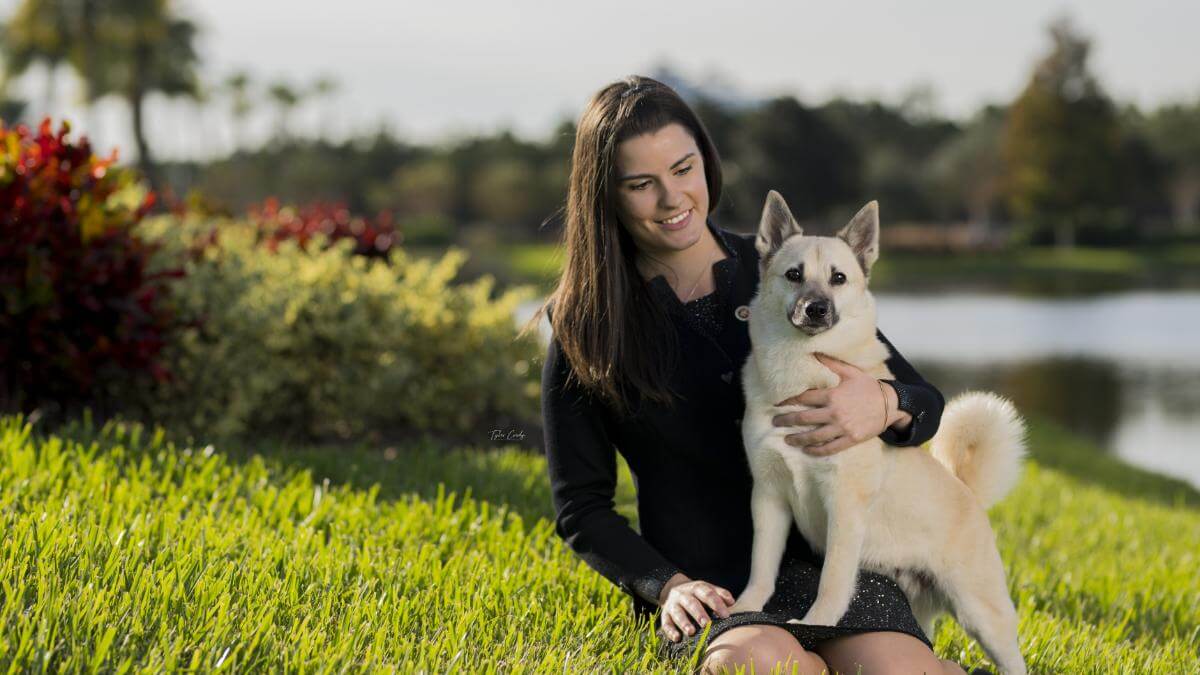
Amie McLaughlin of Cloudpointe shares her passion for Norwegian Buhunds, breed preservation, and mentoring future exhibitors.
The Weekly Brief
The best of SHOWSIGHT editorials, weekly wins, and breeder commentary — delivered to your inbox every Sunday morning.
Amie Mclaughlin
1. My name is Amie McLaughlin, and I am behind Cloudpointe Norwegian Buhunds. I have been in dogs for over 20 years, beginning with 4-H. I’ve been breeding for almost 10 years. I mainly breed Buhunds, but have also had litters of Chinese Cresteds, Toy Manchester Terriers, Miniature American Shepherds, and a few others.
2. The hallmarks of the Norwegian Buhund would be the fact that it is a squarely built spitz with a lively, alert expression, tightly curled tail, and a free, easy side gait. These aspects are important in maintaining breed type because there are so many spitz breeds. The Norwegian Buhund should be distinct from the Icelandic Sheepdog, Finnish Lapphund, etc.
3. For Buhunds, I would say, yes. I don’t breed often, but when I do I like to make sure there are enough homes for show puppies and pet puppies alike. I find that when I find people who are looking for a dog and they ask about the breed, they are surprised to find out how adaptable Buhunds are.
4. Through the ease of digital communication, I have been able to export dogs to other countries more easily, which has helped the gene pool for our breed in places where they have limited options. Being able to import has also helped my program, as I have been able to bring in dogs from incredible pedigrees.
5. I’ve seen both sides of the spectrum. People are either extremely willing to look for the perfect purebred, or they have zero interest in a purebred dog and are dead set on a “doodle.” I do think the more we educate the public about purebreds, in a kind and respectful way, the more progress we make.
6. The most concerning trend I have noticed is people who are not willing to work with new people. Without new people, we won’t have people to continue the sport. Specifically, Juniors, who are the future of the sport. Treat everyone with kindness, and it will go far.
7. I’ve seen an increase of new exhibitors and Juniors in the sport, which is so important! We need more people to enjoy and participate. I strive to encourage as many new people as possible to try dog shows, and I love loaning my dogs to Juniors to experience new breeds.

Meet the Breeders