Members
Allan Reznik sits down with Andy Vance of Vin-Melca Norwegian Elkhounds to discuss mentorship, breed preservation, and more.

The Weekly Brief
The best of SHOWSIGHT editorials, weekly wins, and breeder commentary — delivered to your inbox every Sunday morning.
Andy Vance: I’m from a small town in Southern Ohio called Hillsboro; at the time it was the only town east of the Mississippi River to have two livestock sale barns inside the city limits. At heart, I’m still a farm kid who wants to grow up to be an old cowhand.
Andy Vance: We always had dogs, and they were always purebred dogs… but they were what I’d call “plain ol’ farm dogs.” Grandpa Henize (Mom’s side of the house) bred German Shepherd Dogs on his dairy farm, so we had a couple of males from his kennel up until I was a young teen. After he passed, Mom was ready for a different breed because the dogs reminded her how much she missed her dad. So, I did that wonderfully irresponsible thing and bought her a puppy for Christmas one year, a lovely chocolate Labrador Retriever bitch from a breeder in our county. I remember Dad almost keeling over on the spot because I was paying a few hundred bucks for a purebred dog!
I never had a dog in my home until I met the stunning Mrs. Vance. She came into dogs after doing extensive research on breeds that would suit her allergies and her lifestyle as a young, professional woman living in an apartment. After reading, going to shows, and talking to breeders over a couple of years, she determined the Norwegian Elkhound suited her best. Her first Elkhound, Dash, was the most amazing dog I had ever been around, and he convinced me that this breed was the perfect family dog. I’ll never be without one.
Andy Vance: We got a second Elkhound as Dash aged, and breeder Renee Schmidt encouraged us to try Conformation. We fell in love with the sport, but points in Elkhounds are hard to come by, so we decided to try a more popular breed. Terri Gold Sigulinsky of Snowbright Samoyeds really became my first mentor in owning, handling, and presenting dogs. Over the years, she also became a breeder-mentor; she is one of my best friends in the world. We co-own a couple of Sammies and co-bred a litter from our first Sammy bitch.
If there is a prototype of how you bring people into the sport, it’s Terri. She encouraged and guided us, but also let us make our own choices and learn from our mistakes along the way. Most importantly, she always treated me as a peer and collaborator. If I had ideas or questions, we talked through those, from advertising a special to picking a stud dog.
I’d be hard pressed to find someone who gives of themselves more generously to their puppy people than Terri. The one who might surpass her in that regard is my greatest mentor, the incomparable Pat Trotter.
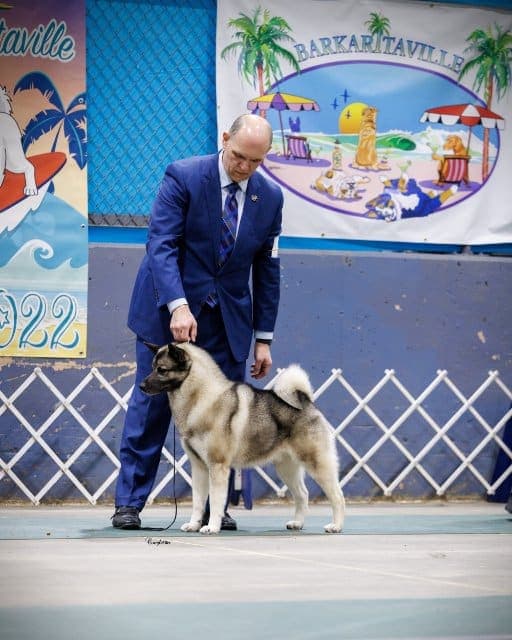
Andy Vance: Mrs. Trotter was already a Living Legend when I came into dogs, so to me, she was the standard to which any of us who wants to breed quality dogs should hold themselves. When we started showing, it was just a fun family hobby. But one year at Orlando, I was dismayed at the small number of Elkhounds entered, and said to my wife that if more people didn’t start breeding these dogs, before long there would be none left.
With that decided, we needed a foundation bitch. I grew up with purebred show cattle, so I already had a reasonable grasp of animal husbandry, genetics, and pedigrees. I knew I needed to find the best female I could get my hands on. The most logical thing, to me, was to reach out to the greatest breeder/owner-handler of all time since she just happened to be in our breed! So, I wrote what my wife refers to as “Andy’s love letter to Pat,” establishing my respect and admiration for her, what small credentials I had in dogs, and my background in purebred livestock, and explaining our goals in helping preserve this great breed. That letter opened a conversation that sparked a friendship between two people who share a view of the world rooted in treating people fairly and honestly, in working hard toward a goal, and in always putting the animals first.
Pat literally wrote the book on how to breed dogs successfully, and she is an open book. The number of people she has mentored over the years is incredible, and the fact that she was willing to take our family under her wing and teach us still blows my mind. Her kindness far exceeds her greatness, and I firmly believe she’s the greatest to ever pick up a leash.
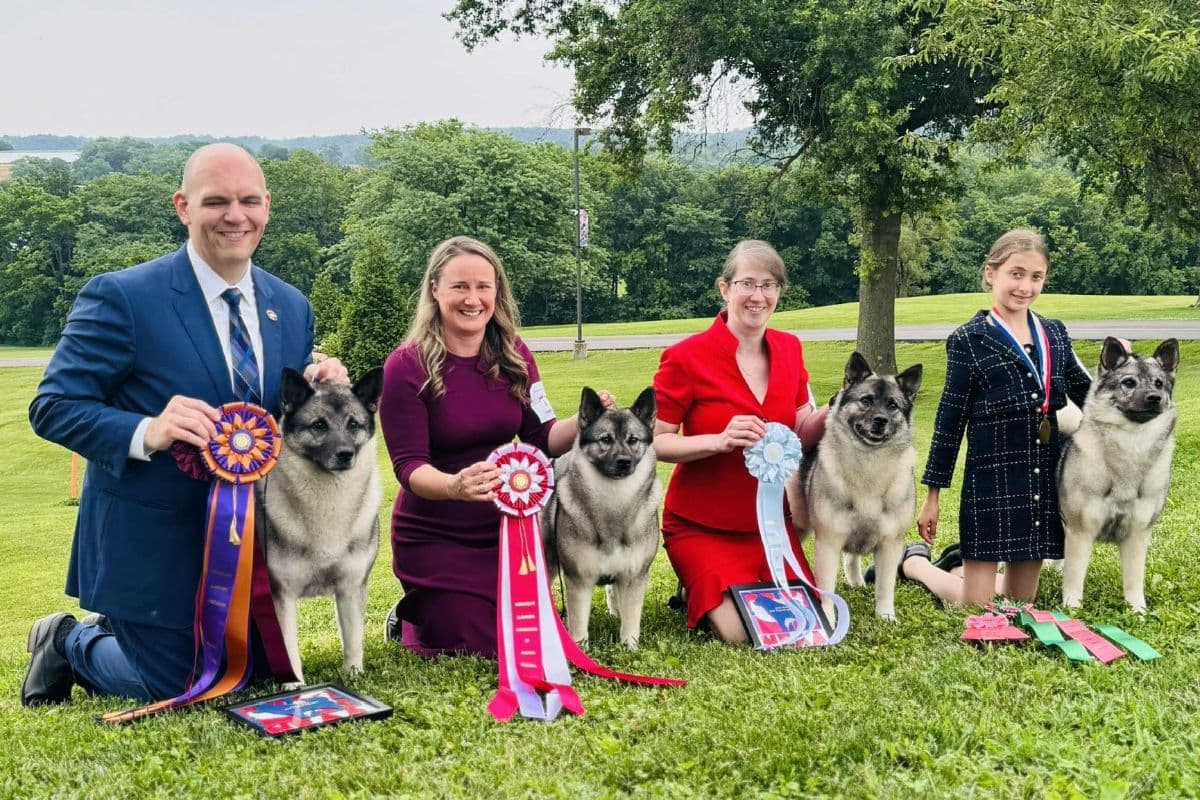
Andy Vance: You’ve hit on the biggest challenge breeders face today: capacity. The days of the “great kennels” are long gone, maybe never to return. Most of us can only keep probably a handful of dogs at a time because of space, local zoning laws and ordinances, or due to available labor. That limits the potential for genetic progress because a breeder may only have one or two productive females, and very few breeders even try to keep a stud dog these days. Add to that the reluctance of the modern dog owner to rehome dogs because we view every dog as part of our family, and we have a surefire recipe for genetic bottlenecks.
In terms of how we maintain our own dogs, it’s straightforward: weekly baths, daily brushing. Mrs. Trotter was clear from the get-go, that’s the key to keep a Northern dog in great coat. Lots of daily “pet walks,” and roadwork for the active specials. I don’t think we do anything out of the ordinary. The one clear lesson from Mrs. Trotter’s record of success is that the true greats outwork the competition, and especially so with respect to grooming and conditioning. No one in history has worked harder at having their dogs in exceptional condition than Pat Trotter.
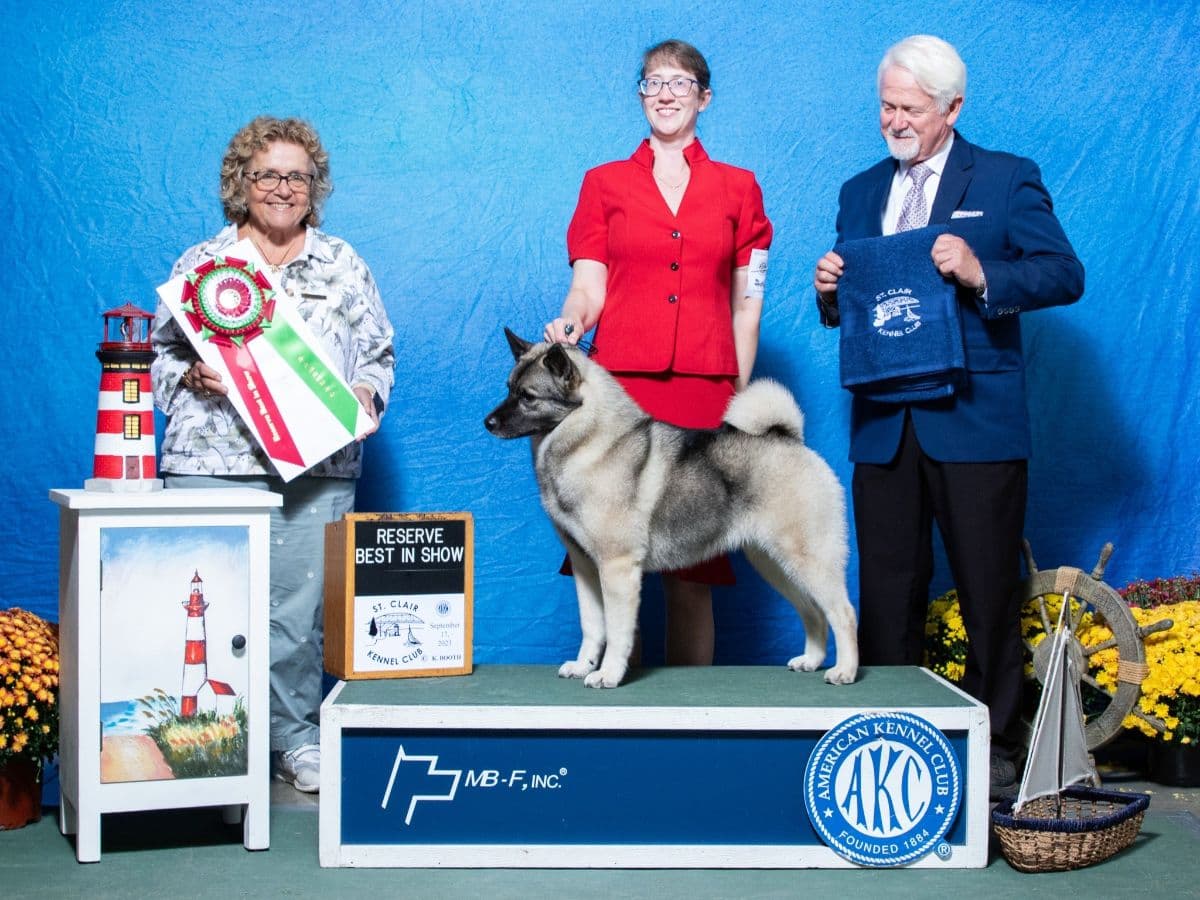
Andy Vance: There are several active specials right now that are excellent examples of the breed. The top dogs move well, and by that, I mean they cover the ground efficiently. We’ve maintained the moderation the Breed Standard calls for, and I think, by and large, we see exhibits that represent the breed’s character well. As one friend put it, you look at a dog and ask, “Will that dog hunt?” Among the top dogs today, I think you find several that could go out and do the job.
Things we need to watch: tail sets, short backs, ear size, and not letting the breed run too small.
Tail set: we see a lot of loose and lazy tails today, as well as low-set tails, so we need to prioritize keeping the proper set and tight curl in the gene pool. Likewise, I think we’re running a little long; this is a square breed, and most of the length should come from the rib cage, not the loin. Square dogs with short loins should be appreciated, and rectangular dogs with long loins should be deprecated. Ear size: they’re getting too big, but this is hard to select for specifically. If I’ve got a dog with a beautiful front and big ears, I’ll live with the ears to maintain a proper shoulder assembly and good movement. And lastly, another old breeder-friend once told me that this breed wants to “run small” over time, so we can’t be afraid to keep a big one here and there, assuming all else is exemplary to the Standard.
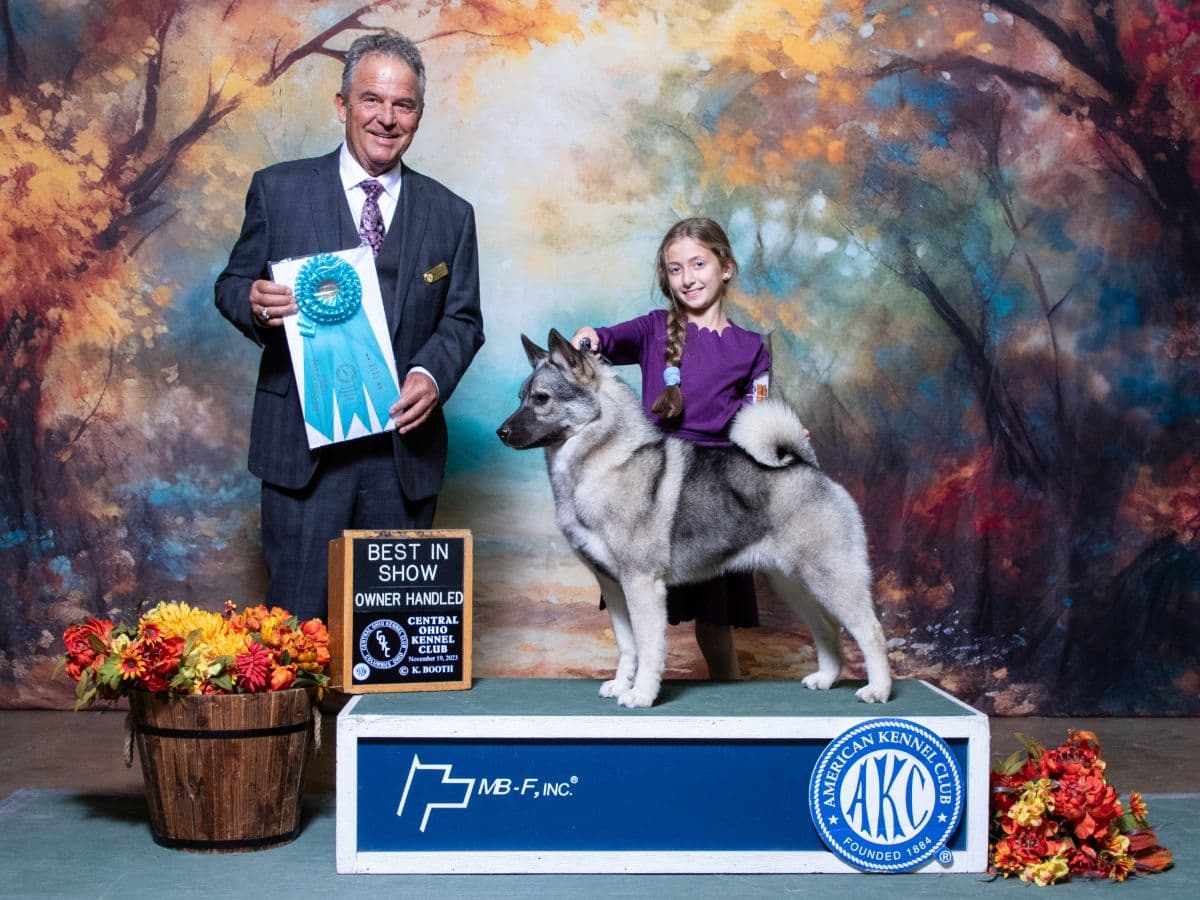
Andy Vance: I serve on the Board of our local all-breed club, and on the Board of our regional Samoyed specialty club. I think you can easily make the case that we have too many shows, too close together in some regions of the country. Here in the East, you can go to four or five shows every weekend within a reasonable drive from my house.
Although we have personally benefited from NOHS competition, and have enjoyed putting GCH titles on our dogs, I wonder if those programs have yielded unintended consequences. Are people keeping dogs out longer so they can achieve Grand Champion Titanium or NOHS Uranium status, rather than moving on to a new class prospect and growing not only the sport but the breeding program?
I worry that we have long since forgotten the purpose of dog shows: to evaluate breeding stock. I’m not ready to say we need to go back to benched shows, but I think we have lost something with respect to seeing a lot of dogs in our breed, and discussing those dogs with our peers at the show. Today we’re all chasing a 30-cent ribbon and a ranking, and everything else is secondary. That worries me for the long-term viability of the fancy and the sport.
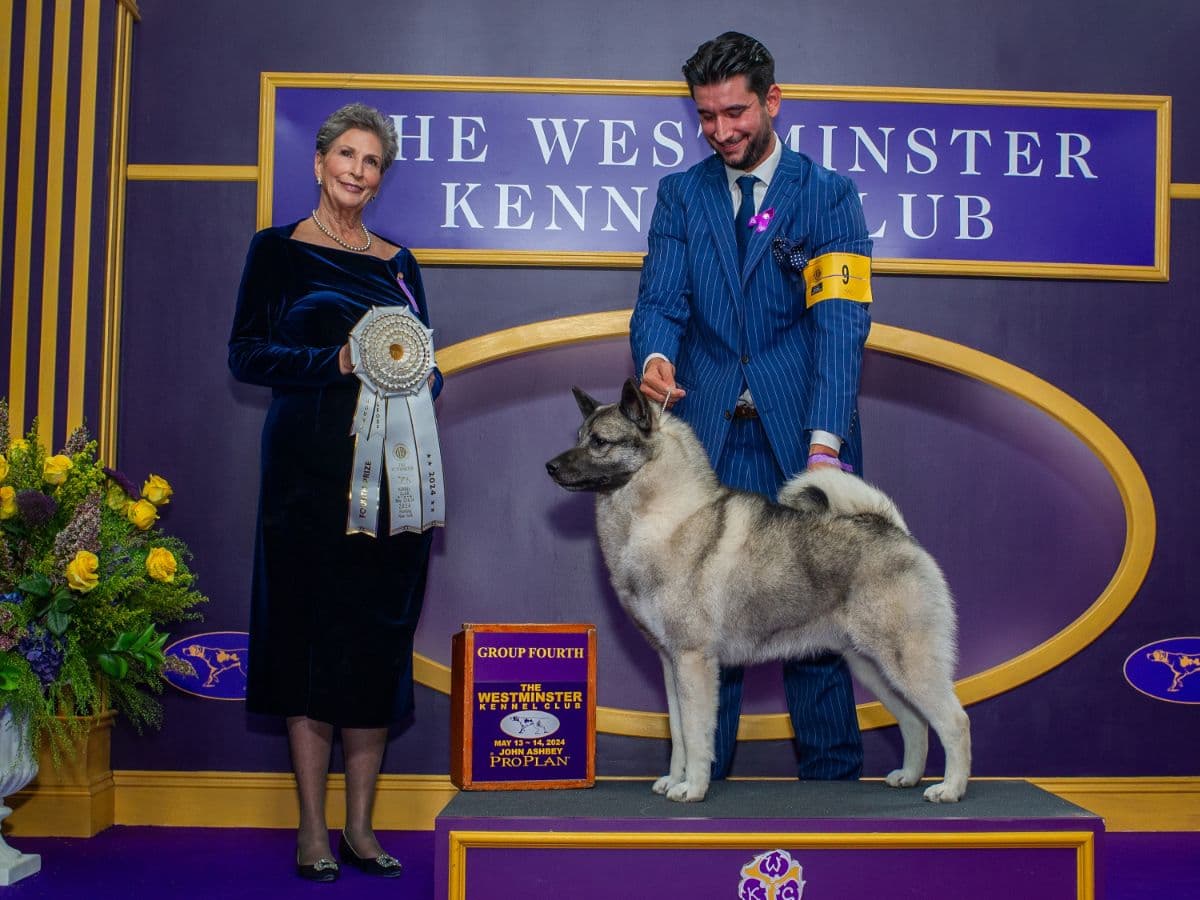
Andy Vance: My focus is on preserving the Norwegian Elkhound as a breed, and being the best ambassador I can be of an exceptional breeding program. There will never be another Pat Trotter, but every day I go to work trying to make her proud, and to be worthy of the trust and friendship she’s given our family. That’s what it’s all about: living up to the standard she’s set for the breed.
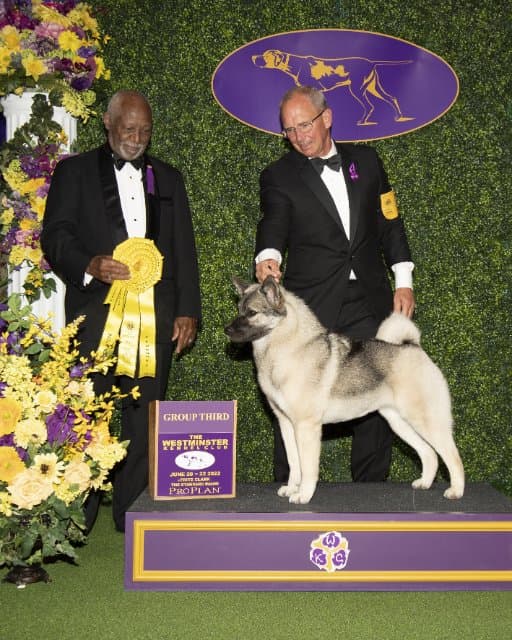
Andy Vance: Being a dad and a husband are the most important jobs I have. Watching my daughter succeed in dogs brings me great joy. She’s just gotten into competitive volleyball, and that’s been something I really enjoy as well. In my professional life, I am the chief executive of an international scientific society, so I work with university professors and industry researchers to aid in the discovery, dissemination, and practical application of knowledge, in the poultry industry.
I’m currently finishing up doctoral coursework at Ohio State in organizational leadership and effectiveness, so I’ll be writing my Ph.D. dissertation over the next year. As part of that, I serve on the University Senate at OSU, as well as on the Council for Academic Affairs, and am Parliamentarian of the Council of Graduate Students.

Meet the Breeders