Members
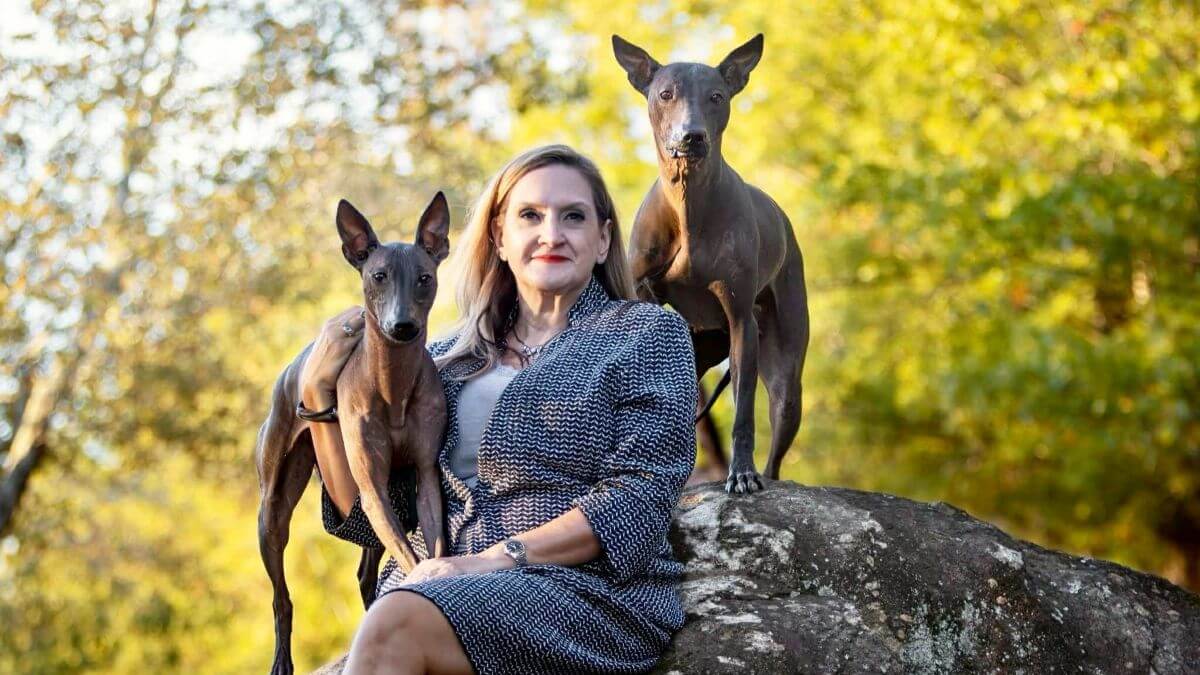
Barbara Dubois of Calypso Kennel discusses preserving the Peruvian Inca Orchid, breed hallmarks, and challenges facing rare breeds.
The Weekly Brief
The best of SHOWSIGHT editorials, weekly wins, and breeder commentary — delivered to your inbox every Sunday morning.
Barbara Dubois: I’m Barbara Dubois, the breeder behind Calypso Kennel, located just outside Augusta, Georgia. I currently serve as the President of the Peruvian Inca Orchid Club of the United States (PIOCUS), the club’s Judges Ed. Coordinator, and Breed Mentor.
I have spent my entire life with dogs, although I only started in Conformation and Performance events about 11 years ago. I got into the sport as a way to have some quality time with my children and dogs. I never imagined those early weekends would turn into a deep passion to actively preserve this rare breed. Following four years of studying pedigrees, working with my mentors, and doing research, my first litter was born (2019). I am honored to be the only Breeder of Merit for the Peruvian Inca Orchid.
Barbara Dubois: The Peruvian Inca Orchid should maintain a sleek, athletic look, like other sighthounds. At first glance, we are often confused with the Xoloitzcuintli. Although both breeds have ancient origins and hairless/coated types, there are distinctions, including:
Barbara Dubois: Yes, as we gain visibility and move closer to recognition, interest in the breed is growing. With more dogs appearing in public, people are seeing the breed’s versatility and wonderful personality—and they’re liking what they see. I’m already planning my spring litter.
Barbara Dubois: I really love technology, both to improve my breeding program and for how I connect with potential puppy homes. Advancements in testing help me make informed decisions about health, to learn more about our ancient breed. On the communication side, platforms like Facebook and WhatsApp have been incredible. They’ve allowed me to have real-time, face-to-face conversations with families, coast to coast, as well as share puppy raising videos. That kind of transparency builds trust and helps to ensure my puppies are going to the right homes. And it helps me stay connected, to be supportive.
Barbara Dubois: Unfortunately, I really wish I could answer this differently… but no. It’s really going to take a lot of education and outreach for good breeders to show “our value” and what we really bring to the table. Media hype, AR agendas, and designer breeds are telling a better “story” right now than we are. Perception is reality, so it’s up to all of us to tell our story and do our part.
Barbara Dubois: There are many stories about entries in the sport being down. FSS/MISC breeds pay the same entry fees as fully recognized breeds, yet our opportunities in the ring remain limited. We can earn a Certificate of Merit (CM), but we are not eligible for the National Owner-Handled Series, Puppy of Achievement, or—for sighthound breeds like ours—Best in Field competition. Adding to this, our ribbons and rosettes are all too often forgotten or unavailable at shows—even major events like Royal Canin—with exhibitors told they will be “mailed later.” We also do not receive Breed or Group rankings, further reducing visibility and recognition for our dogs. I really feel our breeds are an untapped area that could easily be included, and I feel like owners would be more involved.
Barbara Dubois: One of the most positive changes I’ve seen in the sport is a stronger sense of support. More and more, people are putting ego aside, sharing what they know, and genuinely cheering each other on. For our breed community, I’ve noticed a real effort to come together and look toward the future with the breed’s best interests in mind. There’s been more openness, less gatekeeping, and a warmer invitation for new people who want to learn and get involved. As we round the corner towards recognition, we look forward to what is ahead.

Meet the Breeders