Members
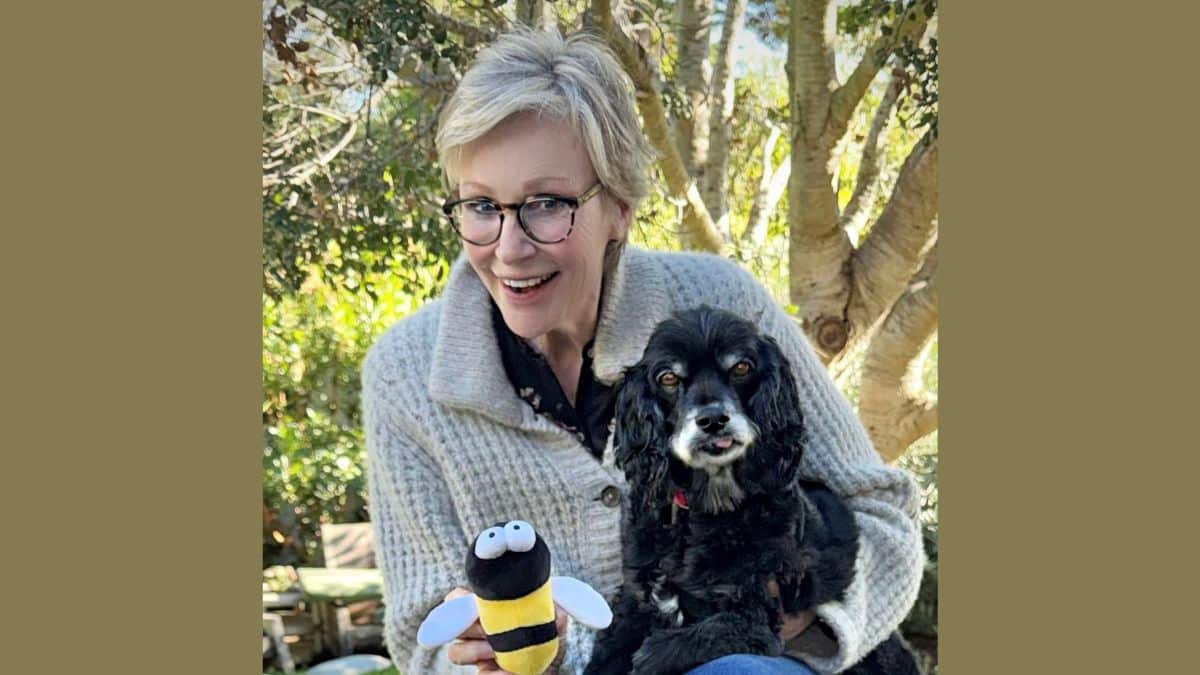
Jane Lynch reflects on 25 years of Best in Show, sharing behind the scenes stories, improv magic, and why the dog show classic still endures.
The Weekly Brief
The best of SHOWSIGHT editorials, weekly wins, and breeder commentary — delivered to your inbox every Sunday morning.
Twenty-five years ago, a mockumentary about a dog show became an instant classic, thanks in no small part to a whip-smart ensemble that improvised its way into comedy history. Among the players was Jane Lynch, whose deadpan timing, fearless commitment, and unmistakable charm helped shape Best in Show into the beloved film that it is today.
As the movie celebrates its milestone anniversary, Jane remains as thoughtful, funny, and refreshingly candid as ever. Her memories of the production are filled with the kind of behind-the-scenes magic only an improvisational cast can create, and her reflections reveal why the film still resonates with audiences and dog lovers alike.
In this exclusive SHOWSIGHT Q&A, Jane revisits the whirlwind of shooting an improv-driven film, her connection to the dog show world, the unexpected moments that made it into the final cut, and why the movie’s humor has endured for a quarter of a century.
Here is our conversation.
Why do you think Best in Show continues to resonate so deeply with people inside the sport, as well as general audiences who may never have attended a dog show? Revisiting the film at its 25th anniversary, did it spark new reflections about the dogs you’ve lived with or the ways they’ve shaped your understanding of the story?
Best in Show is a film that stands up. It really resonates with us as humans and our desire to be top dog. Christopher Guest does such a great job with subcultures. These people in Best in Show are so obsessive, and I think we see that in ourselves and laugh. To enjoy Best in Show, you have to be available to laughing at yourself, and you really never laugh harder than when you see something ridiculous in yourself.
Over the last 25 years, my relationship with dogs has deepened so much. My wife and I adopt senior dogs. They’re the dogs nobody wants, but we think they’re the best because they’re settled into themselves.
When you think back to filming Best in Show, what stands out most about stepping into the role of a professional handler and immersing yourself in the dog show world? Did you have pre-conceived notions about who handlers are? What kind of preparation did you do to portray Christy Cummings with the confidence and precision of a real handler? Were there particular handlers or on-set advisors who shaped your performance?
We took lessons for the movie. A dog trainer taught us how to handle a dog. I took lessons at a park in Beverly Hills with Catherine O’Hara and John Michael Higgins. It was fun, but it was intense. I still use some of the tips we used with my dogs to this day!
The dog show community embraced the film warmly, even as it pokes fun at certain personalities and pressures within the sport. What feedback have you heard over the years from breeders, exhibitors, or judges?
What’s funny is that everyone says we nailed it. They say we got these people exactly right. But they always follow it with—“but I’m not like that at all!”
Improvisation is central to Christopher Guest’s filmmaking. How did you prepare yourself mentally to improvise within such a structured environment like the Conformation ring, where you are partnered with a dog that cannot read a script, let alone understand the concept of improv?
I was very nervous because it was my first Christopher Guest movie. It’s really a lot of unknown, so you have to really develop the character. Chris gives you some direction about who your person is, but you have to get deep into it before you show up so that you can really improvise.
But the dogs never made us cut a scene. They were so well behaved—never had a dog bark out of turn or do anything they weren’t supposed to do.
We’re not surprised.
We want to thank Jane for sharing these moments with such honesty, humor, and generosity. Her reflections bring a fresh warmth to a film that continues to resonate with anyone who has ever loved a dog or spent time around a show ring. And to you, the reader, we hope this conversation deepens your appreciation for the heart and spontaneity behind Best in Show. Twenty-five years later, Jane’s insight shows us exactly why this movie still holds such a cherished place in our world.

Dog Show Community