Members
Irish Terrier breeder David Salcido shares his journey, passion for the breed, and thoughts on showing, breeding, and community.

The Weekly Brief
The best of SHOWSIGHT editorials, weekly wins, and breeder commentary — delivered to your inbox every Sunday morning.
David Salcido
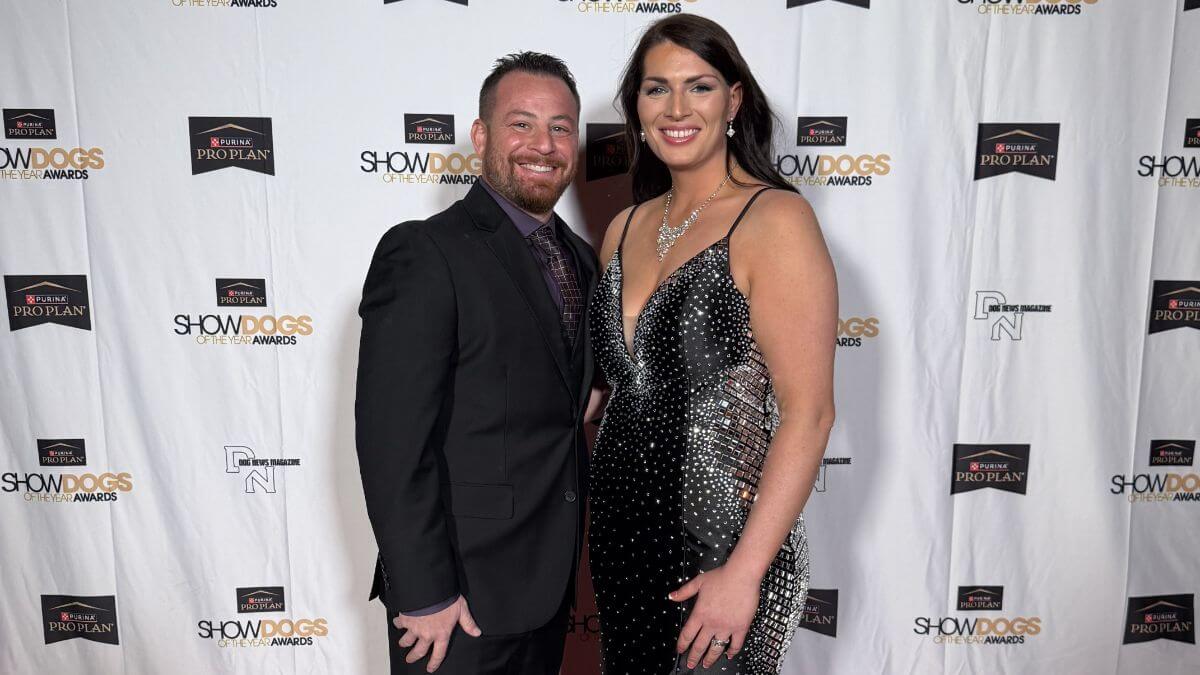
1. My name is David Salcido and I was born and raised in California, but moved to Bend, Oregon, a year ago. I’ve been in dogs for 10 years now. Through the years, I’ve had some purebred dogs. We chose an Irish Terrier (IT) after losing both of our Labrador Retrievers. I got introduced to a man who had a grooming salon and turned out to be an Irish Terrier breeder, expert groomer, and had shown for years. He and I connected early on, and he became my first mentor. He talked me into having our IT shown. After working with a great professional handler, I decided to breed our bitch. I kept a boy from that litter whose name is Mookie, who is now eight years old. After being shown by our professional handler for a short period, I kept watching and really wanted to try handling myself. Luckily, I had great support and fell in love after the first weekend of showing! I learned the art of hand-stripping during COVID. Still lots to learn, but I love that too. Since Mookie, I have had two additional litters and kept a bitch from each one. My kennel name is Cosgrove Terriers, and we now have a total of four ITs keeping me very busy.
2. The Irish Terrier, better known as the “Red Devil,” is very intelligent and bred to be a ratter to help out on the farm. They should have a wiry and dense red coat, a muscular build, and a long and rectangular head with a strong jaw. The ears should be V-shaped that fold forward. The Irish should have a longer, racy body and longer legs than any of the other terriers. It is important that the Irish maintain its Standard, as many are being bred much larger than they should be.
3. I personally decided against breeding this year, due to the Irish not being a well-known or common breed. Not many people know what an Irish Terrier is or looks like; it’s not a breed that’s in demand. Living on the West Coast, it’s difficult to find puppy homes. It’s such a shame, as they are such a fun and beautiful breed.
4. I haven’t done anything with any new technologies. I’ve just kept with the tried and true.
5. In the past couple of years there have been many conversations about “adopt, don’t shop” versus purchasing purebred dogs. Much of the public feels that people who show dogs are just out for the money, are backyard breeders, and the dogs are treated badly. Educating them about how the dogs are treated like royalty is fun. They are surprised when I tell them about the love, time, care, and money that goes into well-bred dogs.
6. Yes, it feels like the sport is starting to die out. It’s such a shame, as I have found a great community and made lots of great friends. I think there needs to be broader promotion of all of the local shows to get the public involved. I generally only see advertisements within the show community. It would be great to create more excitement and attract new spectators and participants. I love to go to shows with a positive attitude and just have fun.
In addition, there have been times when participating in NOHS (National Owner-Handled Series) feels like it doesn’t come with the same importance as the regular Group; almost an afterthought. When I see new people at shows, they tend to be owner-handlers like me. Creating some excitement for this Group may also help to grow the sport.
7. I have noticed there are a lot more owner-handlers in the past few years. Being one myself, I find this to be a good thing. I have met so many new people who are starting out and struggling to learn the ropes. I offer my assistance, since I’ve been there. People are very grateful knowing there are people in the sport who are willing to help—and then they look forward to the next show.

Meet the Breeders