Members
01/Overview
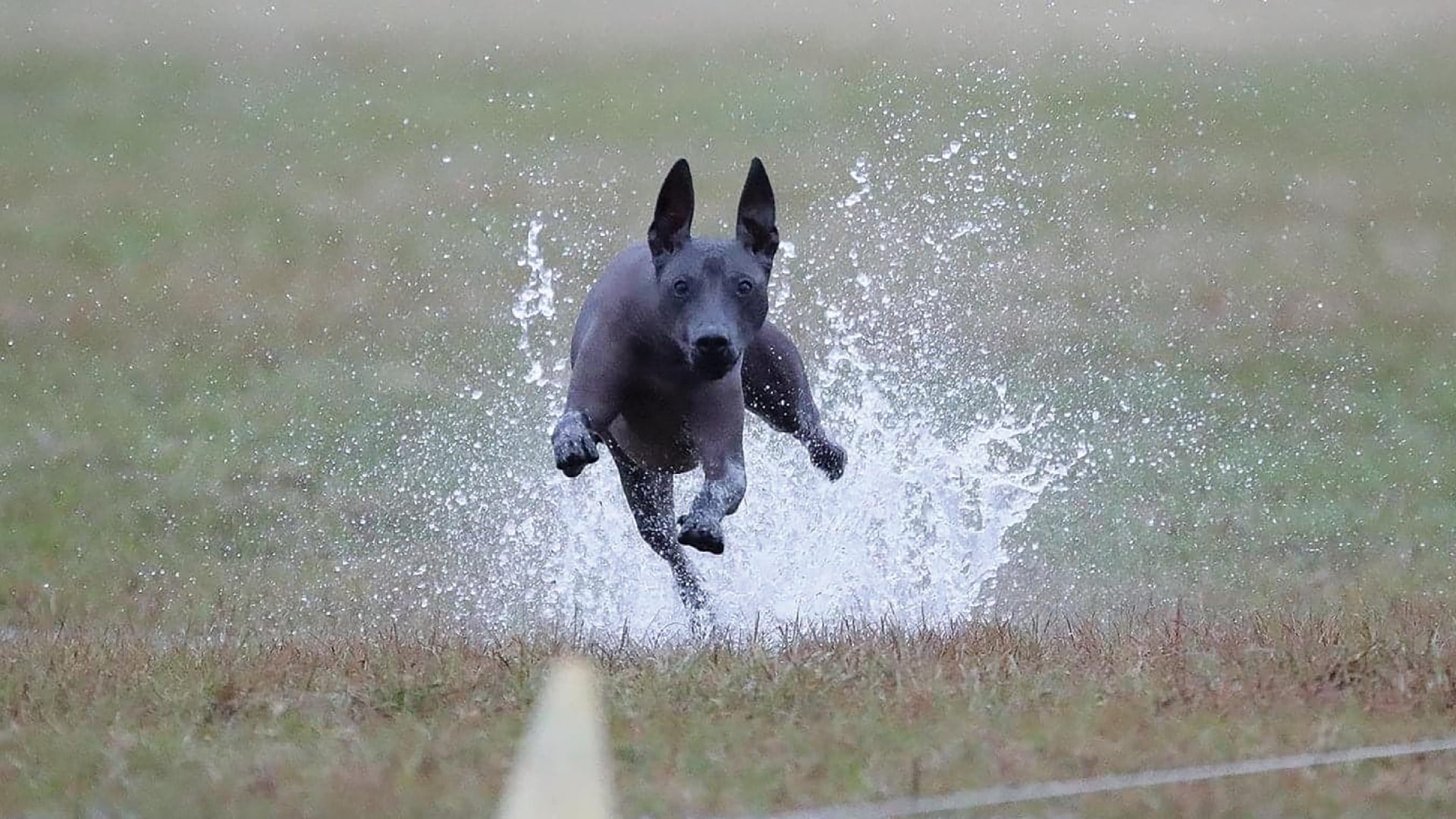
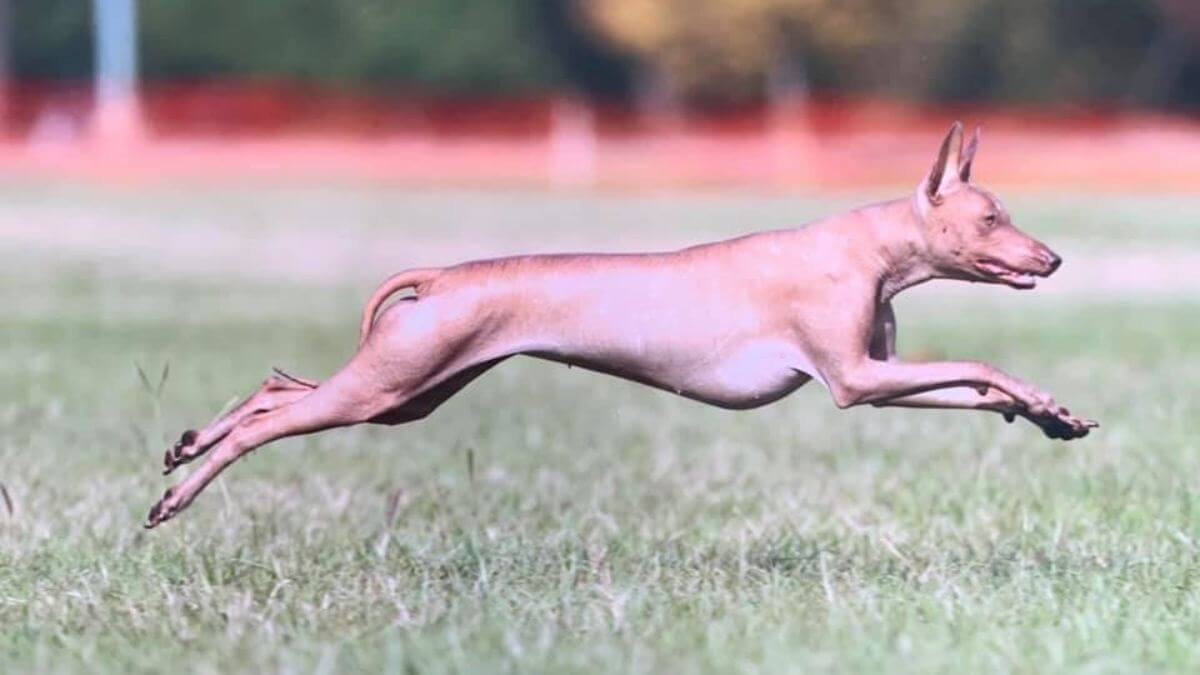
The Peruvian Inca Orchid is an ancient breed from Peru that occurs in both hairless and coated varieties and in three sizes. The breed has a lean, athletic body, long legs, and an elegant outline built for speed and agility. The PIO is intelligent, affectionate, alert, and typically reserved with unfamiliar people.
Highlights
02/History
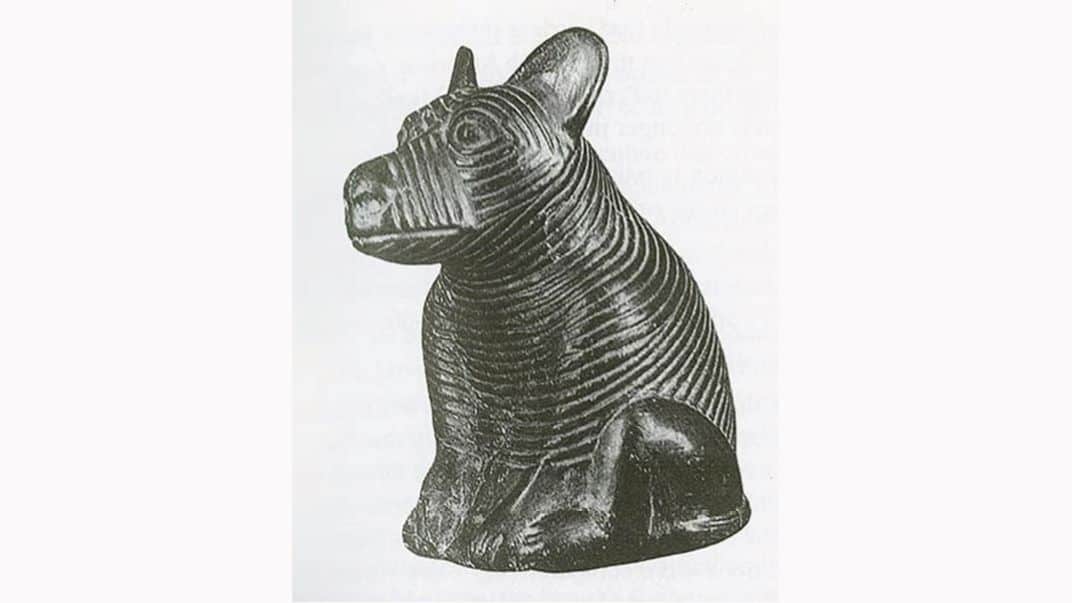
The Peruvian Inca Orchid has ancient roots in Peru, with evidence of hairless dogs appearing in pre-Columbian pottery and artwork produced by civilizations that existed long before the Inca Empire. These dogs were kept in different regions of the country for companionship and other roles within local communities.
Hairless dogs became particularly associated with Peruvian culture, although coated dogs have always been part of the breed's genetic population. The hairless trait is inherited, and both varieties are important for maintaining the breed.
When the Inca civilization expanded across Peru, these native dogs became associated with the empire and later gained the name by which the breed is widely known today. Their unusual appearance also attracted the attention of Europeans following the Spanish arrival in South America.
During the 20th century, organized efforts were made to preserve and standardize the breed. Peru formally recognized the PIO as part of its national heritage, and breed organizations worked to maintain its distinctive structure, temperament, and hairless and coated varieties.
03/Appearance
The Peruvian Inca Orchid comes in three size varieties. The Small variety stands 9.75 to 15.75 inches tall at the withers and weighs approximately 8.5 to 17.5 pounds. The Medium variety measures from 15.75 to 19.75 inches tall and weighs approximately 17.5 to 26.5 pounds. The Large variety stands 19.75 to 25.75 inches tall and weighs approximately 26.5 to 55 pounds.
The Peruvian Inca Orchid is slightly longer than tall, with a lean, athletic body and moderate bone. The breed should appear elegant, balanced, and capable of quick, efficient movement without looking fragile.
The chest is deep but not overly broad, the back is firm, and the body is well muscled. Overall structure should support speed, agility, and endurance while maintaining the breed’s refined outline.
The tail is set low, long, and tapers towards the tip. At rest, it may hang with a slight curve, while in motion it can be carried higher in a gentle curve without curling tightly over the back.
Skull: The Peruvian Inca Orchid has a moderately broad, slightly rounded skull that tapers gradually towards the muzzle. The head should appear refined and proportionate to the body.
Expression: The expression is alert, intelligent, and attentive.
Eyes: The eyes are medium-sized, almond-shaped, and set slightly obliquely. Eye color may vary with coat or skin color but should contribute to a clear, alert expression.
Ears: The ears are medium-sized, triangular, and carried erect when the dog is alert. They may relax slightly when the dog is at rest.
Muzzle: The muzzle is straight, strong, and tapers gradually toward the nose without appearing pointed.
Nose: The nose is well developed, with pigmentation that should harmonize with the coat or skin color.
Bite: The jaws are well developed, with a scissor bite preferred. Hairless dogs may have incomplete dentition associated with the hairless gene.
Texture: The Peruvian Inca Orchid occurs in both hairless and coated varieties. Hairless dogs have smooth, warm skin with little to no body hair, while coated dogs have a short, smooth coat that lies close to the body.
Standard Colors
04/Consider
The Peruvian Inca Orchid is intelligent, affectionate, athletic, and usually reserved with unfamiliar people. The breed needs early socialization, consistent training, regular exercise, and careful attention to skin or coat care depending on the variety.
Interaction With Family
The level of affection a breed typically shows towards family members and familiar individuals.
Good With Other Dogs
The innate friendliness of a dog towards other dogs can depend on its breed.
Good With Young Children
The degree to which a breed will typically be patient with young children.
Amount Of Shedding
How much hair a breed typically leaves behind on clothes, furniture and floors.
Frequency Of Grooming
How often a breed needs brushing, bathing or a professional trim to stay in condition.
Amount Of Drooling
How prone a breed is to drool, worth knowing before you keep a towel by the door.
Openness To Strangers
How openly a breed tends to greet new people, visitors and strangers.
Protective Nature
How likely a breed is to alert you to anything unfamiliar, and stand between you and it.
Playfulness Level
How enthusiastic a breed stays about games and play well past puppyhood.
Trainability Level
How readily a breed takes direction and works with you rather than around you.
Barking Level
How much a breed uses its voice, and how readily.
Energy Level
How much get-up-and-go a breed brings to an average day.
Health
The Peruvian Inca Orchid is generally a healthy and athletic breed with a typical lifespan of about 12 to 14 years. Balanced nutrition, regular exercise, preventive veterinary care, dental care, and maintaining a healthy body condition can help support long-term health.
The Peruvian Inca Orchid is affectionate, intelligent, alert, and often reserved with unfamiliar people. The breed tends to form close bonds with its family and can be sensitive to changes in routine or environment.
Early socialization is important to help develop confidence around people, dogs, and new situations. Calm, consistent handling usually works best with this observant and sometimes cautious breed.
Exercise Expectations
Around 30 to 60 minutes of activity each day is suitable for many healthy adults, depending on size, age, and fitness. Larger and more active dogs may benefit from additional exercise. Hairless dogs will need protection from strong sun exposure, cold temperatures, and rough surfaces during outdoor activity.
Grooming Expectations
The Peruvian Inca Orchid can adapt well to apartment or house living when given enough exercise, training, and companionship. The breed usually prefers living indoors and staying close to familiar people.
A securely fenced area can be useful, but it does not replace regular walks and interaction. Hairless dogs may need clothing or other protection in cold weather, and shade or sun protection during hot, sunny conditions.
The breed is best suited to people who appreciate an athletic, affectionate, and somewhat sensitive companion and are prepared to provide early socialization, regular exercise, and appropriate skin or coat care.
05/Puppies
Peruvian Inca Orchid puppies are curious, sensitive, and active. They benefit from early socialization, consistent routines, and positive training to help them develop confidence and appropriate behavior.
A Peruvian Inca Orchid puppy should have a regular schedule that includes meals, potty breaks, naps, play, and short training sessions. A crate or secure puppy area can help with housetraining and provide a safe place to rest.
Early socialization should include positive exposure to different people, well-mannered dogs, household sounds, surfaces, vehicles, and unfamiliar environments. Because the breed can be naturally reserved, these experiences should be gradual and positive.
Training can begin with name response, recall, leash walking, housetraining, basic cues, and calm behavior around unfamiliar people and dogs. Short, reward-based sessions usually work best.
Puppies should receive a complete and balanced diet formulated for growth, divided into several small meals each day. Exercise should focus on supervised play, short walks, and age-appropriate exploration rather than prolonged or strenuous activity.
Hairless puppies need protection from excessive sun, cold temperatures, and skin irritation, while coated puppies benefit from regular brushing. Routine veterinary care, vaccinations, parasite prevention, nail trimming, ear checks, and tooth brushing should also begin during puppyhood.
06/Activities
Peruvian Inca Orchids are athletic, intelligent dogs that can enjoy activities involving speed, agility, scenting, and teamwork with a handler. Here are some activities and dog sports in which the breed may participate:
Agility: Peruvian Inca Orchids can use their speed, coordination, and athleticism to navigate obstacle courses.
Fast CAT: The breed may enjoy short-distance lure chasing that allows it to use its speed and prey drive.
Scent Work: PIOs can use their sense of smell to locate specific odors in different environments.
Rally: Rally Obedience combines obedience exercises with movement through a predetermined course and can provide both mental and physical stimulation.
Obedience: The breed can perform structured exercises that test focus, responsiveness, and teamwork.
Conformation Shows: Peruvian Inca Orchids compete in Conformation Shows, where judges evaluate each dog according to the Breed Standard.
Trick Dog: Trick training can provide mental stimulation and strengthen communication between the dog and handler.
Canine Good Citizen: The PIO can participate in programs that evaluate everyday manners and appropriate behavior around people and other dogs.
Hiking and Running: Properly conditioned adults can enjoy longer walks, hikes, and controlled running activities.
Gallery
07/Standards
The Peruvian Inca Orchid is recognized by the world’s leading registries and kennel organizations, which categorize the breed into a specific Group based on its unique characteristics. This breed is recognized worldwide under the following Group designations:
The ideal Peruvian Inca Orchid is described by a Breed Standard that is approved by each of the world’s leading registries and kennel organizations. The Standards for this breed may be found in the following links:
08/Clubs
Peruvian Inca Orchid clubs support breed education, responsible breeding, health initiatives, promotion of the Breed Standard, and participation in Conformation Shows and other activities.
Peruvian Inca Orchid Club of the United States: This is the American Kennel Club (AKC) parent club in the United States dedicated to promoting, preserving, and educating the public about the Peruvian Inca Orchid.
09/Rescue
Because the Peruvian Inca Orchid is a relatively rare breed, dedicated breed-specific rescue organizations are limited. Rescue assistance is often coordinated through breed clubs, individual breeders, or broader sighthound and primitive breed rescue networks.
Peruvian Inca Orchid Club of the United States: The national breed organization can provide rescue contacts, rehoming guidance, or information about a Peruvian Inca Orchid needing
10/Facts
Ancient Peruvian Breed
The Peruvian Inca Orchid has roots that reach back to pre-Columbian civilizations in Peru.
Hairless and Coated Varieties
The breed occurs in both hairless and coated forms, and both are part of the breed.
Three Size Ranges
Peruvian Inca Orchids may be either Small, Medium, or Large in size.
National Heritage of Peru
The breed is strongly associated with Peruvian history and is recognized as an important part of the country’s cultural heritage.
11/FAQ
Peruvian Inca Orchids can make excellent pets for people who appreciate an affectionate, intelligent, and sensitive companion. They need early socialization, regular exercise, and consistent training.

Written by
Dan Sayers is the Executive Editor of SHOWSIGHT. He is a member of the World Dog Press Association and the Dog Writers Association of America, which recognized his illustrations in the award-winning Encyclopedia of K-9 Terminology. Dan is a longtime supporter of the sport of dogs and an advocate for the conservation of recognized breeds in all their forms and functions. He is a member of the Morris and Essex Kennel Club, and for 45 years, the Irish Water Spaniel Club of America where he serves as AKC Delegate, Archivist, and approved Breed Mentor. Dan breeds under the Quiet Storm prefix and has judged the IWSCA National Specialty Sweepstakes twice.
Official Standard of the Peruvian Inca Orchid
Brief Historical Summary: According to certain experts, this dog was introduced in Peru during the Chinese immigration, soon after the promulgation of the law abolishing the slavery of the blacks by the president of Peru, Don Ramón Castilla. On the other hand, other researchers suppose that this dog comes from the African continent through the intermediary of nomads who arrived in America accompanied by their hairless dogs. Another possible explanation is that the presence of this dog would be due to the migration of men and their dogs from Asia to America through the Bering Strait. However, next to all these suppositions, there are certain proofs such as the representations which appear on ceramics of different pre-Inca civilizations (Vicus, Mochica, Chancay, Chancay, under Tiahuanacoid influence, Chimu); in many cases the hairless dog has replaced the puma, the snake or the falcon; this in particular and in a more evident way in the Chancay culture. As we can gather from the reproductions, the hairless dog appears during the pre-Inca archeological periods, i.e. between the years 300 BC and the years 1400 AD.
General Appearance: The Peruvian Inca Orchid/ Peruvian Hairless Dog is a sight hound. Going by his general conformation, it is an elegant and slim dog, whose aspect expresses speed, strength and harmony without ever appearing coarse. The fundamental characteristic of the breed is the absence of hair all over the body in the hairless variety. The minority are the coated examples which are an important part of this breed’s genetic makeup. Another particular feature is that the dentition is nearly always incomplete hairless examples.
Important Proportions: The ratio between the height at the withers and the length of the body is 1:1; the body of the females can be slightly longer than that of the males.
Behavior/Temperament: Noble and affectionate at home with those close to him, at the same time lively and alert; he is wary and a good guard in presence of strangers.
HEAD: Of lupoid conformation. Cranial Region: Skull - Mesocephalic. Orthoid, i.e. the upper axis of the skull and muzzle are parallel; a slight divergence is accepted. Seen from above, the skull is broad and the head tapers toward the nose. The superciliary arches are moderately developed. The occipital crest is hardly marked. Stop - Cranial-facial depression barely marked (approximately 140 degrees). Facial Region: Nose - The color of the nose must be in harmony with the different colors of the skin. Muzzle - Seen in profile, the nasal bridge is straight. Lips -Moderately tight to the gums. Jaws/Teeth - Scissor bite. Incomplete dentition in the hairless variety is normal. The lower jaw is only slightly developed. The coated variety should have full dentition. Cheeks - Normally developed. Eyes - Alert and intelligent expression. The eyes must be of average dimensions, slightly almond shaped, neither deep-set nor prominent, normally and regularly placed, i.e. neither too close together nor too wide apart. The color can vary from black, going through all shades of brown up to yellow, in harmony with the skin color. In any case, both eyes must be of the same color. The color of the eye rims may go from black to pink in subjects with light colored face. The light pink colors are permitted but not sought after. Ears - The ears must be pricked when the dog is attentive, whereas at rest, they are laid towards the back. The ears are of medium length; broad at the base, tapering progressively towards their tip, ending almost pointed. The ear set starts on the upper part of the skull to end laterally and obliquely. In erect position, the axes of the ears form a variable angle near 90 degrees. In the coated variety the ears are semi-prick when the dog is attentive, and can be laid back when relaxed.
Neck: Upper line - Curved (convex). Length - Approximately the same length as the head. Shape - Near to a truncated cone shape, supple, with good musculature. Skin - Fine, smooth and elastic. Really close to the subcutaneous tissues. No dewlap.
Body: Mesomorph. Topline - Straight, although certain subjects show a dorsal-lumbar convexity which disappears at croup level. Withers - Barely accentuated. Back - Topline straight, with well developed back muscles often forming all along the back a muscular bi-convexity which extends to the lumbar region. Lumbar region - Strong and well muscled. Its length reaches approximately one-fifth of the height at the withers. Croup - Its upper profile is slightly convex. Its slant compared with the horizontal is about 40 degrees. Its solid and well muscled conformation assures a good impulsion. Chest - Seen from the front, the chest must have a good amplitude, but without excess; comes down almost to the elbow. The ribs must be lightly sprung, never flat. The girth of the chest, measured behind the elbows, must exceed by about 18 percent the height at the withers. Underline and Belly - The lower profile draws an elegant and well marked line which goes from the lower part of the chest and rises along the belly which must be well tucked up, but without excess.
Tail: The tail is set on low. Of good thickness at its root, it tapers towards its tip. When excited, the dog can carry the tail raised in a round curve above the backline, but never as curved as being rolled up. At rest, it hangs with a slight upward hook at the tip. Sometimes carried tucked in towards the abdomen. In length it almost reaches the hock. The tail must not be docked.
Forequarters: Well united with the body. Seen from the front, they are perfectly vertical and the elbows are not turned out. The angle at the shoulders joint varies between 100 and 120 degrees. Seen in profile, the angle formed by the pastern and the vertical will be from 15 to 20 degrees. Forefeet - They are semi-long and look like hare-feet. The pads are strong and heat-resistant. The interdigital membranes are well developed. The black dogs have preferably black nails and the lighter dogs light nails.
Hindquarters: The muscles are rounded and elastic. The curve of the buttocks is well marked. The coxal-femoral angle varies between 120 and 130 degrees, and the femoral-tibial angle must be of 140 degrees. Seen from behind, the hindquarters must be vertical. Dewclaws must be eliminated. Hind feet - As the forefeet.
Gait/Movement - Given the structure and angulations of the above mentioned quarters, these dogs move with a rather short step, but fast and at the same time quite soft and flexible.
Skin: The skin must be smooth and elastic all over the body, but can form a few rounded almost concentric lines on the head and round the eyes and the cheeks.
Coat: The hairless examples must have exposed skin in the place of the coat (hair). Short hair on the head and vestiges of hair on the lower tail and feet are acceptable. A few hairs may appear on the face and body. Shaving or any other form of hair removal is not permitted. In the coated variety the coat may be short or medium length with feathering present at the neck, ears and body.
Color: In the hairless variety the skin can be of any color and can either be uniform or with unpigmented areas. In the coated variety all colors are accepted.
Size and Weight: There are three sizes in the males and females. Small - from 9¾ to 15¾ inches (25 to 40 centimeters). Medium - from 15¾ to 19¾ inches (40 to 50 centimeters). Large - from 19¾ to 25¾ inches (50 to 65 centimeters). The weight is in relation to the size of the males and females. Small - from 8½ to 17½ pounds (4 to 8 kilograms). Medium - from 17½ to 26½ pounds (8 to 12 kilograms). Large - from 26½ to 55 pounds (12 to 25 kilograms).
Faults: Deviated jaw. Albinism. Aggressiveness. Presence of dewclaws on the hindquarters. N.B.: Male animals should have two apparently normal testicles fully descended into the scrotum.
Note of interest: It has been checked that the internal and external temperature of these dogs is exactly the same as that of other breeds. The absence of hair leads to an immediate and direct emanation of heat, different from the hairy subjects, where the heat filters through the coat (hair) by natural ventilation.
Effective January 1, 2011
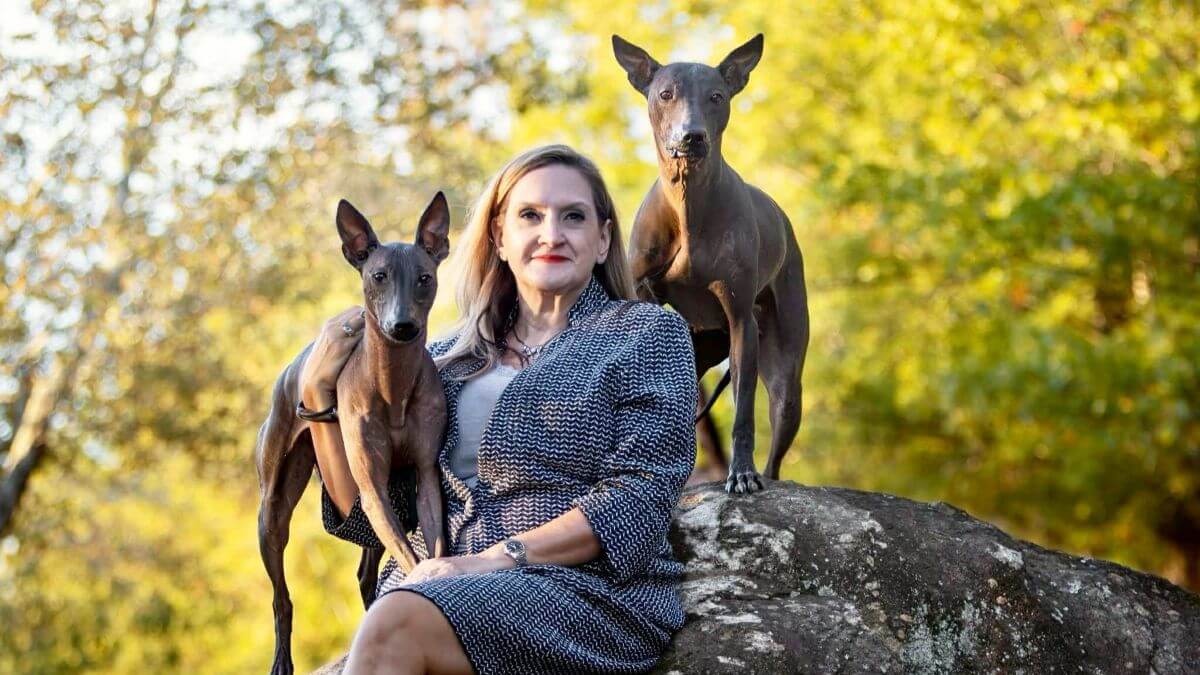

Meet the Breeders
Barbara Dubois of Calypso Kennel discusses preserving the Peruvian Inca Orchid, breed hallmarks, and challenges facing rare breeds.
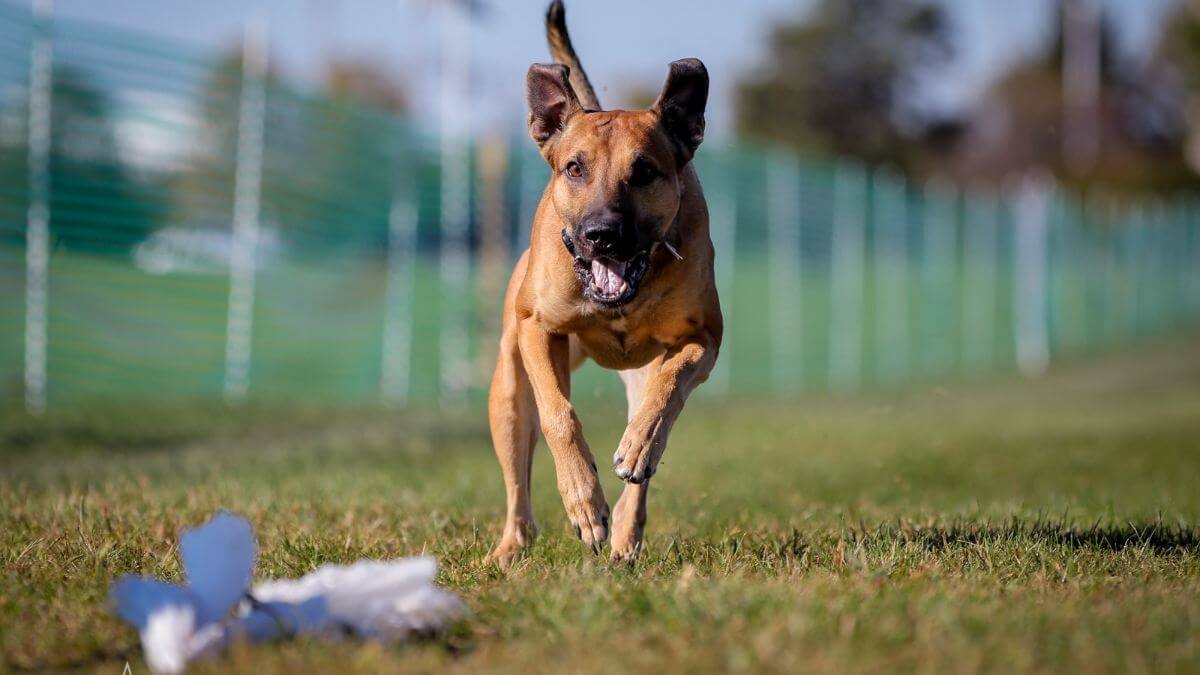
Dog Sports
Discover the Peruvian Inca Orchid, a rare, ancient hairless breed known for its elegance, versatility, and affectionate nature.
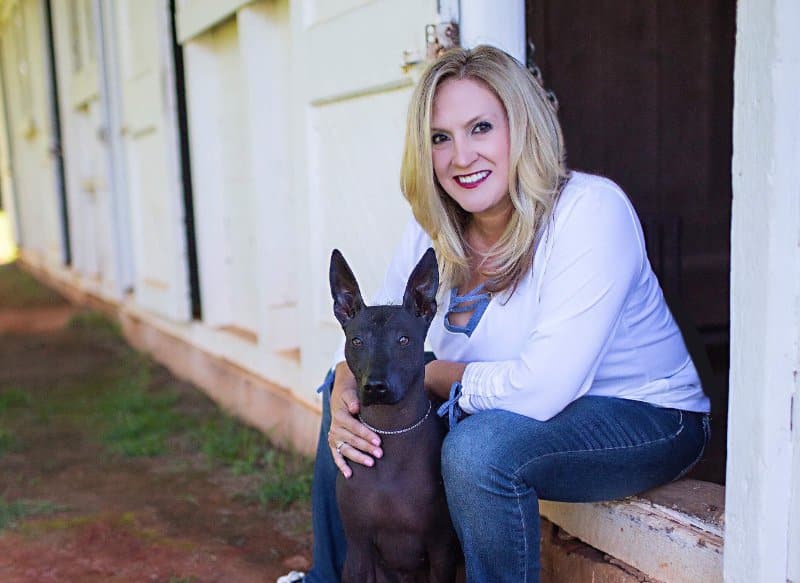
Meet the Breeders
Barbara Dubois is the breeder behind the Calypso Kennel. Read about the kennel’s beginnings, the champions, the puppies, and much more!
Dog Sports
Discover the Peruvian Inca Orchid: a versatile breed with three sizes, hairless and coated varieties, and a rich Peruvian heritage.
Explore the Peruvian Inca Orchid’s origins, traits, and unique qualities, from ancient roots to its versatile, loyal nature today.
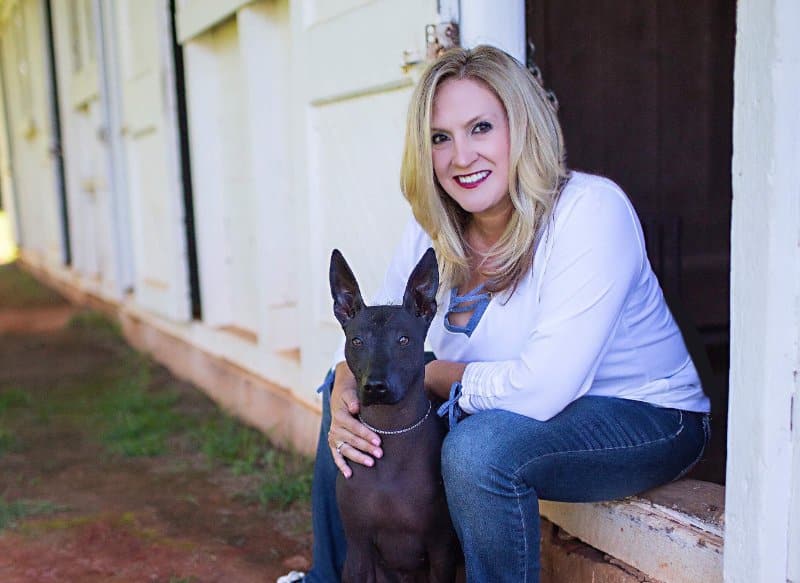
Meet the Breeders
Barbara Dubois is the breeder behind the Calypso Kennel. Read about the kennel’s beginnings, the champions, the puppies, and much more!
Standard Markings
A Note About Color: In the hairless variety, the skin can be of any color and can either be uniform or with unpigmented areas. In the coated variety, all colors are accepted.
Coat Type
Hairless, Smooth
The structure of the coat this breed carries.
Coat Length
Short
How long the breed's coat grows when kept in condition.
Adaptability Level
How easily a breed copes with changes in home, routine, noise and weather.
Mental Stimulation Needs
How much a breed needs a job, a puzzle or training to stay content.
A Peruvian Inca Orchid should receive a complete and balanced diet appropriate for its size, age, activity level, and body condition. Because the breed occurs in several sizes, calorie needs can vary considerably.
Most adults do well with two measured meals per day, while puppies generally need several smaller meals. Treats can be useful during training sessions but should remain a limited part of the daily calorie intake.
Fresh water should always be available, especially after exercise or time spent outdoors.
The Peruvian Inca Orchid is intelligent and capable of learning quickly, but the breed can also be independent and sensitive. Training should be consistent, patient, and based on positive reinforcement.
Early training should focus on recall, leash manners, housetraining, basic cues, and calm behavior around unfamiliar people and dogs. Short sessions with food rewards, praise, and variety usually work best.
Because the breed can be reserved, introductions to new situations should be gradual and controlled.
Bathing should be only done as needed without over-drying the skin. Hairless dogs may also require extra attention to minor skin irritation, clogged pores, or dryness. Nails should be trimmed regularly, ears should be checked for debris or irritation, and teeth should be brushed routinely. Dental care is especially important in hairless dogs because incomplete dentition can occur with the hairless gene.