Members
Backcross breeding could be the next step for purebred dogs, offering genetic diversity, health, and longevity beyond current trends.

Lisa Peterson
The Weekly Brief
The best of SHOWSIGHT editorials, weekly wins, and breeder commentary — delivered to your inbox every Sunday morning.
In the last half century of American dog ownership, trends have gone from AKC registered purebreds to rescue dogs to designer dogs to purebreds, with a twist. What’s the next shiny new object or trend in owning dogs?
Purebreds are back in demand. The number one dog in America, according to AKC registrations, is the French Bulldog. But the public wanted something unique. Backyard breeders filled that demand by offering dogs with “rare” colors and “exotic” coat types at outlandish prices. I found a lilac fawn fluffy Frenchie online for more than $5,000.
These “purebreds” are the new shiny object of dog lovers’ desire. BYBs can genetically test for the recessive long-hair “fluffy” gene. They can test for colors not found in the Breed Standard. They can produce traits that buyers are demanding. But are they producing health and longevity?
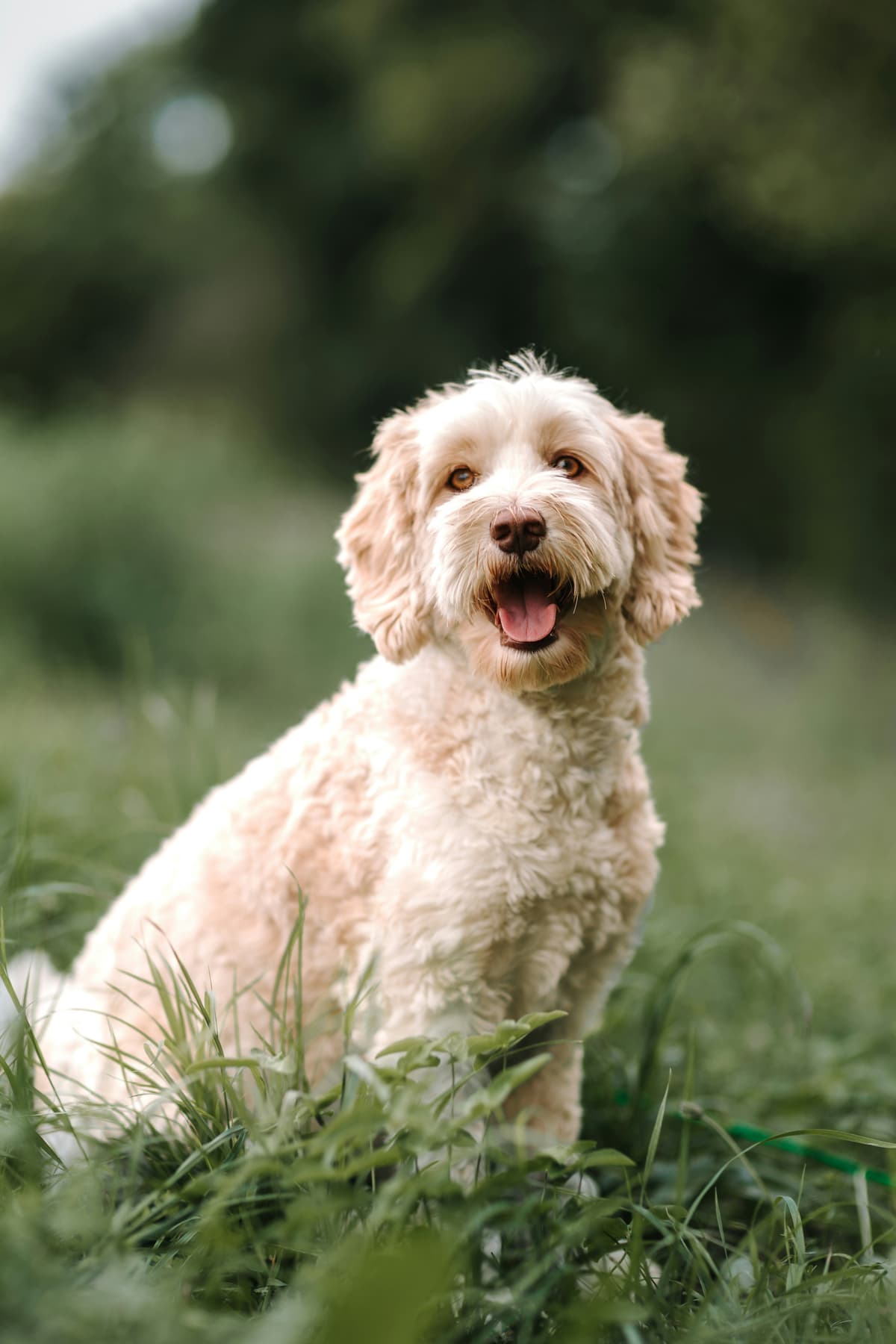
The one thing that neither designer dogs or off-standard purebreds have done is capture the market on health and longevity. Let’s use selective breeding, aided by genetics, as the new focus not found in any of the latest trends. I’m not talking about all the genotype and phenotype testing we are currently doing. I’m talking about a backcross breeding program.
Breeders start with a crossbred litter of two different breeds of AKC registered purebreds, either with similar geographic origins or genetically similar in phenotype but with added health benefits. The backcross breeding to the original breed will continue for three or four generations until they are ready to return to full AKC registration. Breeders can accomplish this using available genetic testing and existing registration and evaluation tools provided by AKC.
The entire process would be closely monitored by breeders, geneticists, parent clubs, and other stakeholders, and include a playbook with guidelines such as genetic testing for each generation and phenotype evaluation according to the Breed Standard after each breeding.
Crossbred litters and backcross breeding have been around for decades. The Dalmatian/Pointer crossbred litter adding the low uric acid (LUA) gene is the progenitor of this model in the US. This experiment started in 1973 by breeding a non-afflicted Pointer to a Dalmatian. In 1981, a fifth-generation dog and bitch were granted full AKC registration. In the 2000s their registrations were pulled, only to be reinstated again, and then finally allowed for open registration with a genetic test including the SLC2A9 gene for normal uric acid metabolism (https://pmc.ncbi.nlm.nih.gov/articles/PMC2573870/). The breeding model was sound, the return to AKC registration execution not so much.
Various studies (https://link.springer.com/article/10.1007/s10592-019-01240-x?fromPaywallRec=false) have shown that improving genetic diversity can improve the fitness of dogs in such areas as body size, litter size, and longevity by decreasing the Coefficient of Inbreeding (COI) in individuals and populations of dogs.
Breeders in Scandinavia, Europe, and even the United States have embraced backcross breeding programs for decades. The Chinook outcross progeny in the US have already won Best of Breed at Westminster and the National Dog Show. Here are a few examples:
As genetic scientists make further discoveries, and we learn more about which breeds are best for backcrossing, we should be proactive and create an inclusive registration and evaluation framework for success. The future is already here.
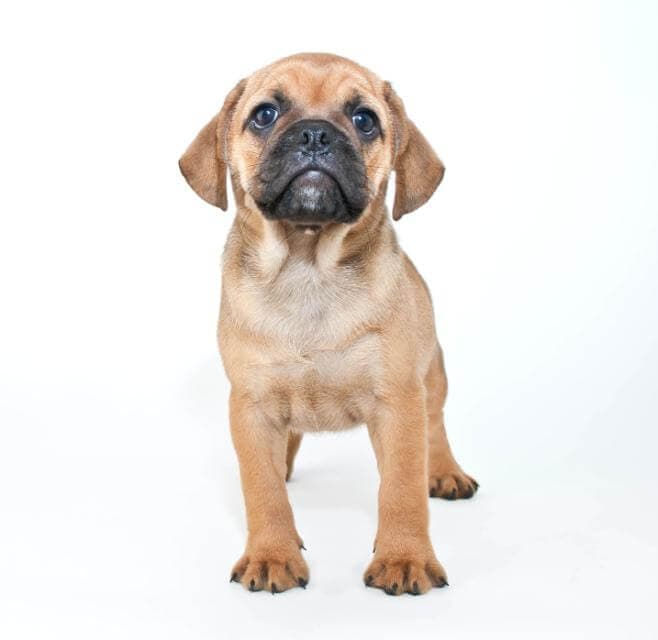
AKC already has a process to open the studbook, usually reserved for bringing in dogs without papers from native countries or from other registries through their open registration program. The reasons AKC cites are also applicable to a backcross breeding program. For example, they say, “If the gene pool lacks quality specimens, or is overly inbred, resulting in genetic problems, this must be documented. The club’s long and short-term strategic plan must be explained along with what educational initiatives the club would undertake.”
If all breeds would consider opening their studbooks for backcross litters, a similar process could be developed, and since AKC has the ultimate authority over opening and closing its studbook, they can work with parent clubs that want to undertake this program. Currently, AKC does not have a policy for admitting backcross-bred dogs into the registry. The time is now to draft that policy.
Once the studbook is open, the crossbred litter and its backcrosses could be included in the Conditional Registration program. This program is currently utilized for dealing with an “unknown” ancestor and not canceling all the registrations associated with them. I could easily see this as applicable to a backcross breeding program. The different breed of dog used in the crossbred litter is already in the AKC registry, it is not unknown, its ancestors are already vetted.
According to AKC conditional registration, the program is meant, “To maintain genetic diversity, improve customer relations, and still maintain the accuracy of the registry, the Board of Directors approved the concept to allow the issuing of Conditional registration certificates and pedigrees, rather than canceling the registrations of a dog, all of its littermates and all of their progeny in these cases. This concept was discussed at the September 2005 Delegate Meeting where AKC’s Consultant on DNA Science and Technology Dr. Elaine Ostrander recommended its implementation.”
For 20 years, AKC has not wanted to cancel registrations from unknown ancestors. I’ll posit that they don’t want to relive the Dalmatian/Pointer cross experience either. Conditional registration is for three generations. Backcross dogs would be able to return to full registration in three generations. Breeders can then take them to an AKC licensed show for breeding stock evaluation. The judges will let them know how close they are to, or if they match, the Breed Standard.
We should provide these important healthier dogs a place to land, to be studied, and to see how the backcross breeding programs are progressing before full registration. Enter AKC’s Open Show. I envision adding classes for backcrossed dogs, joining the FSS and Miscellaneous breeds that are already on their way to full registration.
Backcrossed dogs could be grouped by different generations in the existing classes of 4-6, 6-9, 9-12-month-old Puppies, Bred-by
Exhibitor, and Open. As they mature, decisions can be made about which dogs will be bred back to the original breed. Just like the purpose of the sport of purebred dogs, evaluating breeding stock.
The Open Show judge would use the Breed Standard of the “parent breed” to judge how closely these backcross dogs come to type. Plus, there are no disqualifications judged at Open Shows. And these dogs have the added benefit of bringing improved genetic diversity and potential longevity into the breed in the form of lower COI and exorcising harmful genes that cause diseases.
Clubs that hold Open Shows could make these classes fun. Not only would new pet owners potentially be attending AKC dog shows for the first time, but they would be exposed to evaluating breeding stock against a Breed Standard. They would see first-hand how responsible breeders can make a difference in canine health.
The Open Show would limit these dogs to a BOB ribbon, Best of Backcross, with no further Group competition. The rosette could even have little DNA double helix embellishments on it. They could also receive some form of a Certificate of Merit for competition, with a suffix title like CMGD for Certificate of Merit Genetic Diversity.
Let all of us as breeders, parent club members, and the AKC, take a leadership role in this country as “preservation breeders” and walk the talk to do what we can now before it’s too late, especially for our rare breeds with small gene pools, bottlenecks, fixed diseases, and dwindling numbers.
If AKC can expand the existing framework, voluntarily, to welcome backcross breeding dogs to promote genetic health, they can not only lead the way but promote them to the media to combat critics who say we don’t do enough, and ultimately, the generations of AKC purebreds resulting from these programs will become the next shiny new object in dog ownership.
Breeding with Intention