Members
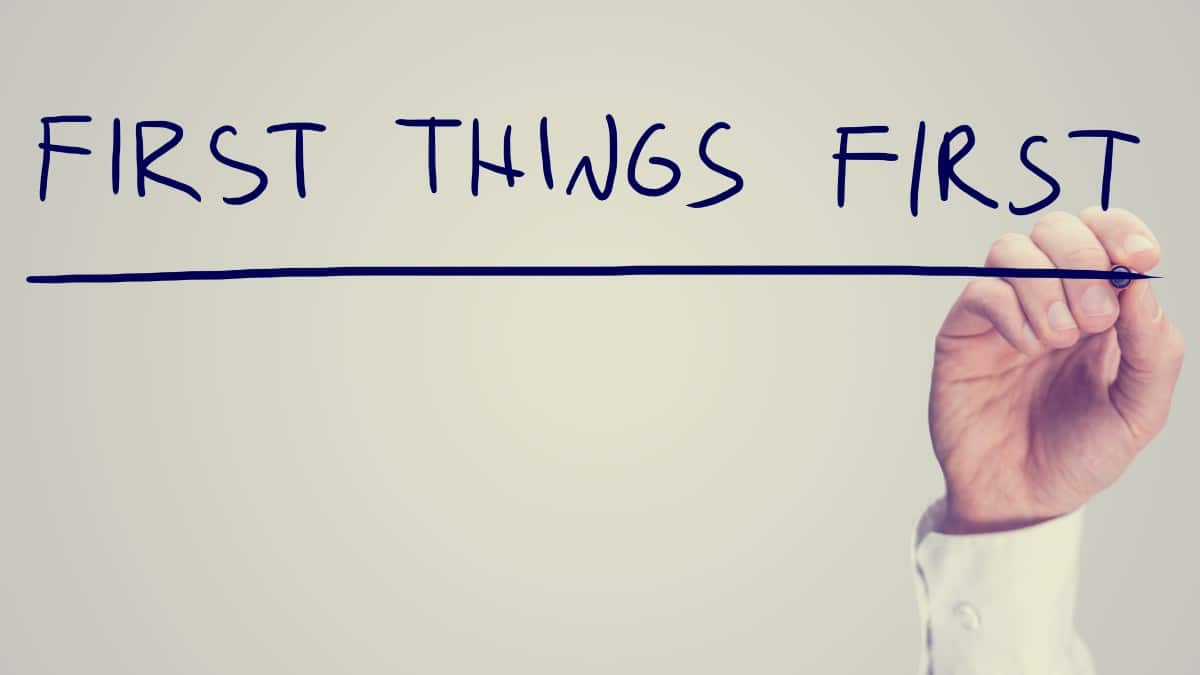
Managing dogs, work, and life demands clear priorities. Discover simple strategies to reduce stress and stay productive every day.
The Weekly Brief
The best of SHOWSIGHT editorials, weekly wins, and breeder commentary — delivered to your inbox every Sunday morning.
For many dog people, the typical day revolves around managing a series of ever-changing demands. Feeding, training, grooming, and veterinary care require time that must be scheduled around work and family commitments—and all manner of interruptions that arrive by phone calls, text message, and social media posts. Overseeing everything that needs to get done each day requires a clear head and the ability to decide what needs to be done now and what can wait till later. “I’ll get to that tomorrow” can quickly become the refrain, but that means even more work to do in the morning.
Then the alarm clock rings and another day begins.
Finding ways to effectively manage a daily “to do” list that’s constantly developing can be a challenge on the best of days, and a source of real stress when the going gets tough. A single voice message, or a door left open, can hijack the day and create a backlog of activities that seriously interrupts the workflow. When this happens, overwhelming emotions can take over and problems can get pushed aside (becoming the proverbial elephant in the room). Frustration is nobody’s friend when there’s a task (or 10) to be completed, so finding ways to keep a level head under stress is a skill that needs to be learned—if not mastered—by prioritizing tasks and accepting the need to be flexible.
Productivity coaches, corporate trainers, and parents of small children have long employed strategies for allocating time effectively, for improving habits measurably, and for creating efficiencies by delegating tasks when needed and utilizing technology as intended—and not as a distraction. By employing a system that prioritizes needs over wants, it is possible to complete tasks without being consumed by them. The key is to apply a manageable system that delivers results.
Establishing priorities doesn’t have to be a big deal. Simply writing things down each morning can effectively clear the mind and set the tone for the day ahead. This “brain dump” can transfer uncomfortable feelings from the mind to a piece of paper or digital device where they are less likely to seem insurmountable. When viewed as mere words, tasks can be considered for what they are: things to do. Then, with a list in hand, specific questions can be considered: which tasks need immediate attention; which will require the most effort; and which ones are non-negotiable? All other tasks can be set aside or completed at a later date—or by someone else.
Another technique used to establish priorities is the Eisenhower Matrix. This productivity tool identifies tasks by urgency and importance, categorizing them in one of four quadrants: things to do first; things to schedule for later; things to delegate; and things that don’t need to be done. This system was developed by Dwight D. Eisenhower, Supreme Commander of the Allied Forces during World War II and the 34th President of the United States. If ever there was someone who had a lot on his plate, it was Ike. Though each of the quadrants he used to prioritize tasks is essential, the ability to schedule time to focus on new and unexpected demands (instead of dropping everything to attend to them) was what he considered most useful for managing stress.
The 1-3-5 Rule can also be utilized as a daily guide for managing expectations as well as time. With this system, each day allows for the completion of one big task, three mid-sized assignments, and five small jobs that can be managed with little effort. With only nine things to accomplish, the pressure that comes from “decision fatigue” can be replaced by a genuine sense of fulfillment. Similarly, the 3-3-3 Method encourages devoting three hours to the day’s most important demand, completing three smaller tasks, and spending time on three activities that will help to maintain order (like going through that backlog of emails). Ultimately, the goal is to get things done.
For many busy people, nighttime can be the most rewarding part of the day. With the kids (two- and four-legged) in bed and the phone on mute, time can be spent watching TV, strolling around the property, or going to the gym to blow off steam. But before clocking out for the day, it can be helpful to write down a few important things that will need attention the next day. By identifying tasks and committing to getting them done—before the day really begins—the inevitable flow of incoming calls, messages, customers, and complaints can be addressed with greater ease, knowing that several priorities have already been addressed.
With so much to do and so little time to do things, the only way to get through each day and avoid burnout is to establish priorities that are manageable, measurable, and meaningful. Settings priorities is known to reduce stress and increase productivity, so why not try using an easy system that works? By utilizing a few simple habits daily, the day’s pressures can become less of a burden and better outcomes can be expected.

Dog Show Candids