Members
One exhibitor’s journey to becoming an AKC judge, revealing the challenges and lessons behind stepping into the center of the ring.
The Weekly Brief
The best of SHOWSIGHT editorials, weekly wins, and breeder commentary — delivered to your inbox every Sunday morning.
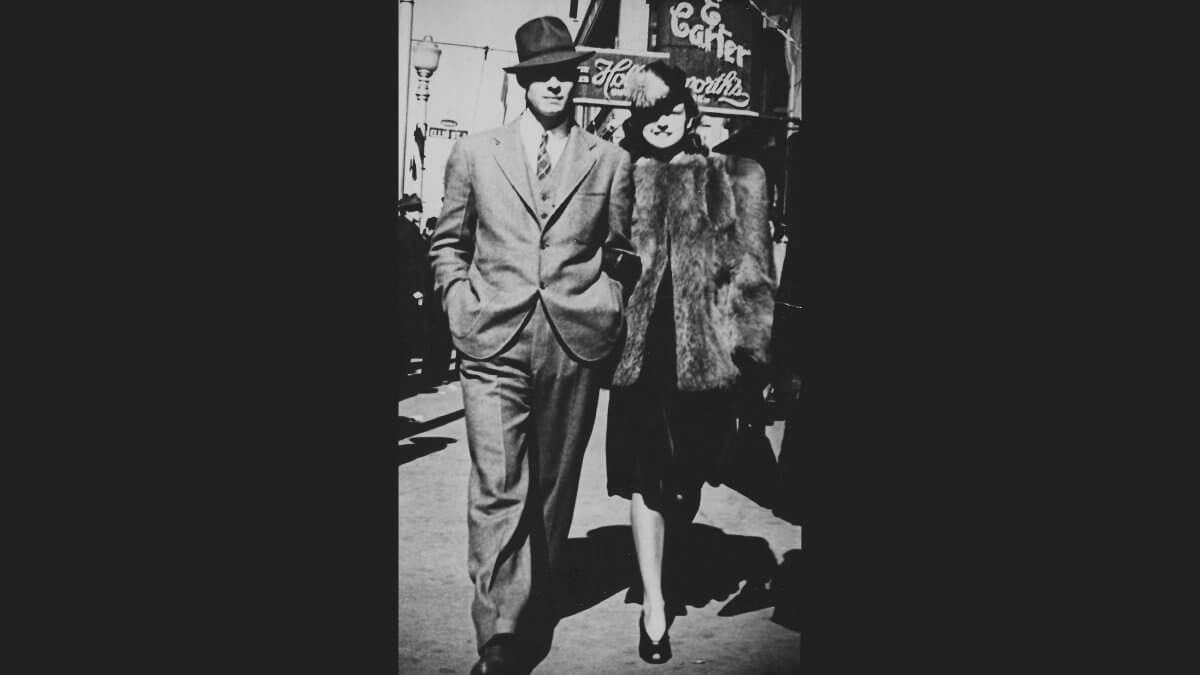
When I began showing dogs in 1978, I was in awe of judges. I viewed them as experts; they had the power to give me a ribbon or withhold it. Their adjudication of my dog was omnipotent. I didn’t have any idea how they became a judge; I just assumed they were knowledgeable and fair. As I continued showing, I learned some judges had preferences—heads or fronts or movement or type—and which judges were more likely to put up a young owner handler or not.
In the 1980s, when I started stewarding, I began to know the judges on a more interactive basis but still viewed them as all-powerful and all-knowledgeable in the ring. Many of the judges were very well known and respected, and I, young and without much money and trying to find my way, very much felt like I was on the periphery looking in.
Back then, it never occurred to me that one day I could be a judge. That I could be one of them, standing in the middle of the ring deciding who came closest to the Breed Standard and awarding points and ribbons. Over the years, I watched with interest as a few people who had gotten their first dog from me, and people I competed against, became judges. I observed as well-known breeders that I was acquainted with became judges. I watched as they picked up more breeds, sometimes asking me to teach them more about my other breeds, but still, it never occurred to me that I could be a judge.
Then, along the line, I was asked to judge some matches. I really enjoyed it but still, the idea of transforming into a real AKC judge just didn’t take root in my mind. I had good dogs, but with us being a military family with careers and children, we didn’t breed in volume or finish the quantities of dogs that I thought it took to become a judge.
Fast forward a few decades and I was getting more requests to judge sweepstakes and matches. I was teaching handling classes. More people I knew became judges. I began to wonder if that was something I ought to consider. It does seem like a natural progression in the sport—get a dog, learn to show, breed, produce champions, and then one day, many years later, judge.
At shows, I occasionally asked other longtime exhibitors if they were ever going to judge and was usually told, “No, not interested.” Most of the people I asked are true experts in their breeds and I was surprised. I was beginning to play with the idea of being a judge, but I was still on the fence and coming to understand why so many told me they would never apply.
I had learned there were drawbacks to becoming a judge. I love helping my friends—owner handlers and professionals—with their dogs. I love holding dogs, taking dogs in the ring if the person has conflicts, and sometimes traveling to shows together. The whole experience of shows is made richer and more fulfilling by spending time with fellow dog lovers, sharing the showing experience and developing friendships. Judges can’t show other people’s dogs, even holding them ringside is frowned upon. I always clap for my friends, people in my club, folks in my handling classes—another thing as a judge that would be frowned upon. Socializing and sharing meals would be scrutinized, and rumors probably started.
And then there is social media. People have complained about judges from the beginning of dog shows and that’s not unexpected. Social media has taken it to a whole new level. On posts about judges, we often read as exhibitors expound on what a judge likes or dislikes, based on their once or twice showing to that judge. They don’t seem to realize that the limited number of dogs they’ve seen that judge evaluate may not have included what the judge really would seek in their breed. This sometimes leads them to be quite critical. Professional handlers and owner handlers who are showing frequently with different dogs (and often out of their home area) do, over time, learn what the individual judges are likely to put up, but it’s not unusual on social media to see people expertly advising others based on their limited experience.
When people win, they always say the words “respected” or “honorable” or “knowledgeable” in front of the judge’s name, but it’s the posts that decimate a judge that also held me back from judging. I can tell right away in some posts when a person has lost at a show by the way they write about the judge. It’s not just the attacks on the judge themselves in the posts, it’s also when the post is from an exhibitor with a lot of followers, observing there is almost a mob mentality in the comments as people feel the approval to say unkind things. Who wants to judge if they face that? There will always be more losers than winners, so the chances are higher that a judge will face public remonstration than they will affirmation.
There is also the opinion, sometimes loudly expressed, that judges should quit showing and campaigning dogs. I love showing and certainly don’t want to give up going in the ring with the dogs I’ve bred, raised, and trained, especially considering how many clubs prefer to hire judges with two or more Groups, and getting those Groups can take years and thousands of dollars. The thought of limiting showing my dogs so that I can judge once or twice a year seemed unreasonable to me.
And then there was the paperwork. There are two paths to judging: initial breeds and additional breeds. The initial breeds are for people who are not yet judges. The applicant must show significant experience breeding and exhibiting as well as demonstrating their knowledge of ring procedure and AKC rules. The amount of experience necessary to document would include everything from my number of years of showing and exhibiting to listing stewarding assignments to showing I had met or exceeded the requirements of numbers of champions bred, champions shown, and litters bred and whelped on my premises. This sounds easy until you realize how far back I had to go for the multiple breeds I had been involved in! I had to show proof of my first show (May 13, 1978) which, thankfully, I had the armband and judging program in an old scrapbook. Litter numbers weren’t the same as registration numbers in the “old” days, so if I couldn’t find my old files I couldn’t prove I’d had the litters. I called AKC and was told that what I was seeking was prior to records being digitized. Finding decades-old records to prove I met the requirements to judge was not going to be easy!
I began showing in 1978 with Cocker Spaniels and added Vizslas in the early 1980s. During the mid-1980s, I fell in love with English Cockers and bred and showed them. In the mid- to late-1990s, I moved away from dogs requiring a lot of grooming and stayed with the Vizslas until we decided 13 years ago that we wanted to segue to a Toy breed as our Vizslas passed on. So, when I looked at the requirements to apply to judge, the first obstacle I hit was the documentation. I have a file cabinet full of Vizsla and Toy Fox Terrier records, but the others?
When I was in my 20s and 30s, I wasn’t thinking about keeping records to one day in the far-off future apply to be a judge. Becoming a judge wasn’t on my radar. We were a military family, and when we moved we had limitations on weight that we could ship. Outdated records for breeds I was no longer owning and breeding weren’t kept. Also, back then, I never thought about keeping records on matches and sweepstakes. I stewarded for many years, but I never thought to keep documentation of the specifics of what show, for which judge, and how many dogs each time I stewarded—all information which is required to be provided on the judging application.
So, when I finally, tentatively, began considering becoming a judge, I had several starts and stops. The documentation for my Cockers and English Cockers was difficult to find, and the records of judging matches and sweeps, and stewarding, would have to be researched and rebuilt.
Gradually, over a period of a couple of years of changing my mind back and forth as I ran into roadblocks gathering the data and documentation, I finally had gathered all the information I could find so that I could submit my application. I took the in-person all-day seminar, passed the online exams, and so, near the end of 2024, I finally submitted my application and documentation and applied to judge. The response came quicker than I’d expected, and I heard from AKC that I was provisionally approved for Cocker Spaniels, Vizslas, and Toy Fox Terriers but not English Cocker Spaniels or Toy Manchester Terriers. I just couldn’t find enough of my old records for English Cockers, and while I’ve shown Toy Manchesters for nine years, I hadn’t had a litter.
The next hurdle was the interview with the AKC Field Representative. My interview letter came about a month after the initial notification, and the interview was scheduled at a show I would be attending. The interview was comprehensive and covered everything from the Breed Standards of the breeds I was approved for, wicketing (had to demonstrate on a live dog in a ring), judging procedure, handling protests, disqualifications and excusals, and because I was also provisionally approved for Junior Showmanship, we also discussed breed-specific oral exams, table, ramp, and floor breeds, and a host of other things too long to put into this article.
I actually remembered which breeds in the Herding and Sporting Group have full open mouth oral exams (Wirehaired Vizsla, Beauceron, and Belgian Laekenois) and the five Toy breeds which are thumb exams. My stewarding experience came in handy in recalling which breeds go on the ramp. I passed the interview; my name was posted in the AKC Gazette, and in February, I received the letter from Judging Operations giving me permit status to judge the three breeds and Juniors.
I was thrilled to tell my friends I had been provisionally approved to be a judge. I wasn’t thrilled to have people ask me if that meant I wasn’t going to show dogs anymore. When I would respond that I was going to continue to show my dogs, on more than one occasion my response was met with disapproval and the comment that “judges shouldn’t show.” I was approved for three breeds and Juniors but no assignments, why should I quit showing?
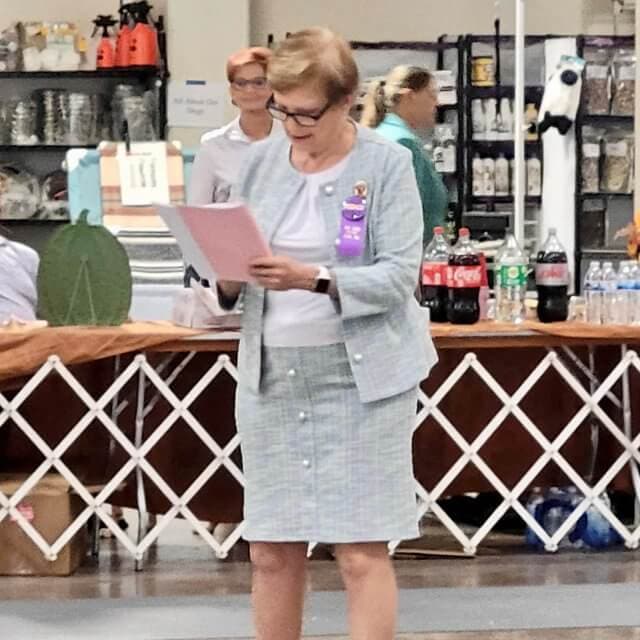
Since the permit letter came last February, I have had the opportunity to judge a Cocker Specialty, a Vizsla Specialty, and judge at an all-breed show. I cannot apply for regular status until I’ve completed three assignments for the three breeds and been observed by three different AKC Executive Field Representatives. After my first full day judging (my three breeds and Juniors, plus NOHS Sporting plus BPUP) I collapsed on the sofa and told my husband my brain was fried. He asked if it was due to judging all day and I replied that I loved the judging, but that wasn’t what stressed me. It was knowing I was being judged and evaluated, looking over and seeing the AKC Field Rep and people I respected watching me all day. The actual judging was fun and I truly enjoyed it. Thankfully, my first post-judging interviews and evaluations went well.
I won’t judge again till next spring, when I have two assignments lined up thanks to folks willing to help out a newly provisional judge. Most clubs are a year to two years out selecting their judges, and panels are already full. I see why people say it can take years to get a Group. I have begun working on getting the necessary Continuing Education Units (CEUs) to apply under the “Additional Breeds Method” for English Cockers and Manchester Terriers as soon as I achieve regular status on my initial breeds.
I wrote this article to give some understanding of what is involved in becoming a judge to people who have never considered judging. I want to advise people, especially young people, to document and keep records of everything they do in dogs, because one day you might want to apply to be a judge even if it’s not currently on your radar. And I’d like people to know and understand what the AKC requires to apply to become a judge so that there is a bit more understanding of the person in the center of the ring. Despite my concerns and initial trepidation on being a judge, the actual experience in the ring has been quite positive. I love getting my hands on the dogs, watching the dogs, and evaluating the dogs. My path to judging won’t be your path, and not everyone arrives at the decision to judge the same way.
So, a lesson learned from me: keep all your breeding records and championship certificates, and record, document, and file everything you do in dogs. It is easier now that everything is digital, but keep paper just in case. We’ve seen that as digital media changes, access to electronic records can sometimes be difficult (remember 5-inch and then 3-inch floppy discs?). Who has a CD reader on their computer anymore?
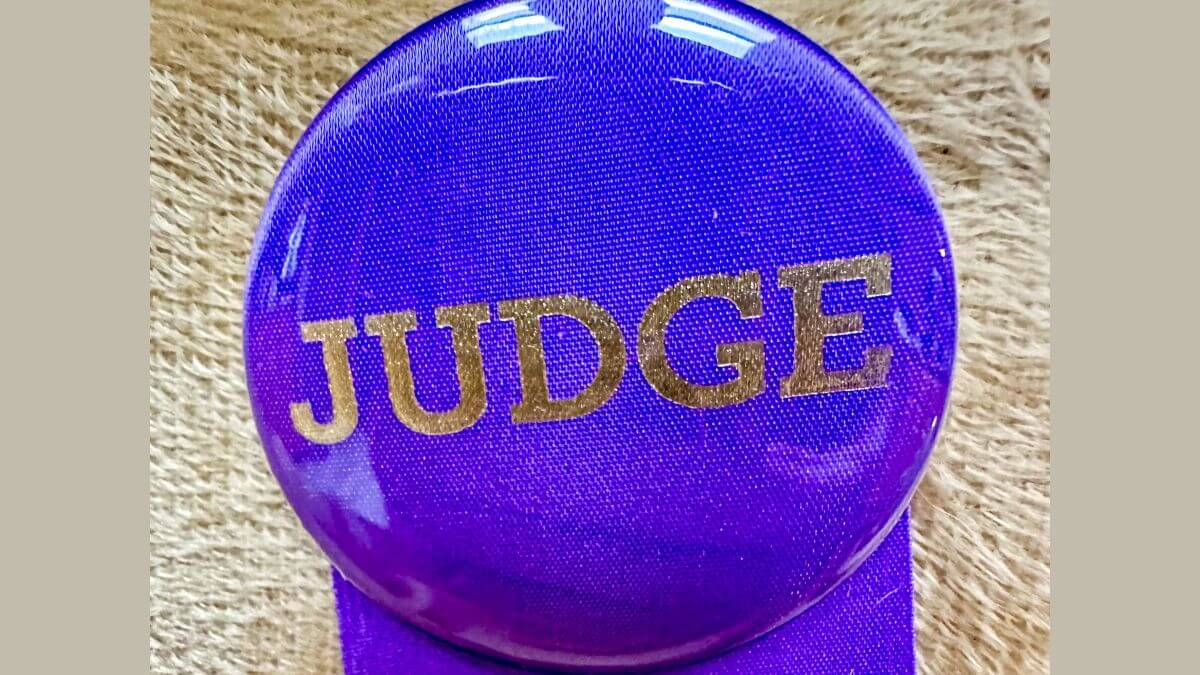
If you are given the opportunity to take that first step and judge a match or a sweepstakes, do it, enjoy it, document it, and consider one day bringing your breed knowledge and love for dogs into the ring as a judge. A fellow new judge recently told me that judges are part of the living history of the sport, a connection to the past and part of the path to the future. When I think back to those first years, and now seeing myself in the ring wearing a judge’s badge, I think the me of 47 years ago would be both astounded and gratified.
See you in the ring!

Dog Shows