Members
Jody’s Thoughts on Juniors: Who Represents the Ideal Junior Handler? Close your eyes and imagine this…. Wait! Read the next paragraph, THEN imagine… Visualize a female Olympic gymnast. What’s her size and body type? How about a professional football offensive tackle, or the forwards in the Final Four at the NCAA Basketball Championships? Imagine prima […]
The Weekly Brief
The best of SHOWSIGHT editorials, weekly wins, and breeder commentary — delivered to your inbox every Sunday morning.
Close your eyes and imagine this…. Wait! Read the next paragraph, THEN imagine…
Visualize a female Olympic gymnast. What’s her size and body type? How about a professional football offensive tackle, or the forwards in the Final Four at the NCAA Basketball Championships? Imagine prima ballerinas gracing stages all around the world. Envision a high school cheerleader or a Hollywood leading man?
Got the pictures?
My guess is the gymnast was petite and flexible, the tackle massive and heavy, the hoopsters tall and muscled, the ballerinas also tall but reed thin. The cheerleader was likely pretty, and perky; the movie star drop-dead gorgeous with a six-pack. Most sports and leisure activities call for very specific body characteristics or personality traits to succeed at the highest levels.
Now, I’m short—very short. The tallest kid in my class in fourth grade, I never passed that four feet, ten and three-quarter inches milestone achieved as a nine-year-old. When I fell in love, it was to a man six feet tall. As an experienced dog breeder, I must admit that, in the back of my mind, I hoped he’d “add some height to the line!”
Genetics had other ideas though, and my beautiful, talented daughter never broke five feet.
My daughter was a horse-crazy kid from the age of four. The gift of a pony from her grandfather on her eighth birthday and we became a “horse show family” for the next ten years. A gutsy, confident rider, my daughter did well in the USEF Jumper ring, regularly clearing fences taller than she was. She “aged-out” as one of the Top 50 Junior Jumpers in the US.
At horse shows, the jumpers are judged completely objectively. A horse that clears all the fences in the fastest time wins. It doesn’t matter what the horse looks like, its particular jumping style, what it cost, or where it came from. The rider doesn’t matter as long as they don’t fall off. At the end of the day, if the horse jumps fast/clean you can win.
You might think then that a kid capable of riding difficult horses at high speeds over daunting courses of intimidating fences would excel in the area of Equitation (where one’s riding skill is evaluated). You’d think that, but you’d be wrong. Hunt Seat Equitation is highly subjective, deeply rooted in a classical “look.” Equitation riders are tall and slender with long legs. It didn’t matter how well my daughter rode; she’d never fit the equitation rider mold. She’d be prejudged the moment she trotted into the ring, not considered competitive.
When it comes to the Junior Showmanship ring though, here’s some great news! Yes, it’s a highly subjective sport in terms of handling styles, but there’s no standard of perfection when it comes to the actual Junior Handler!
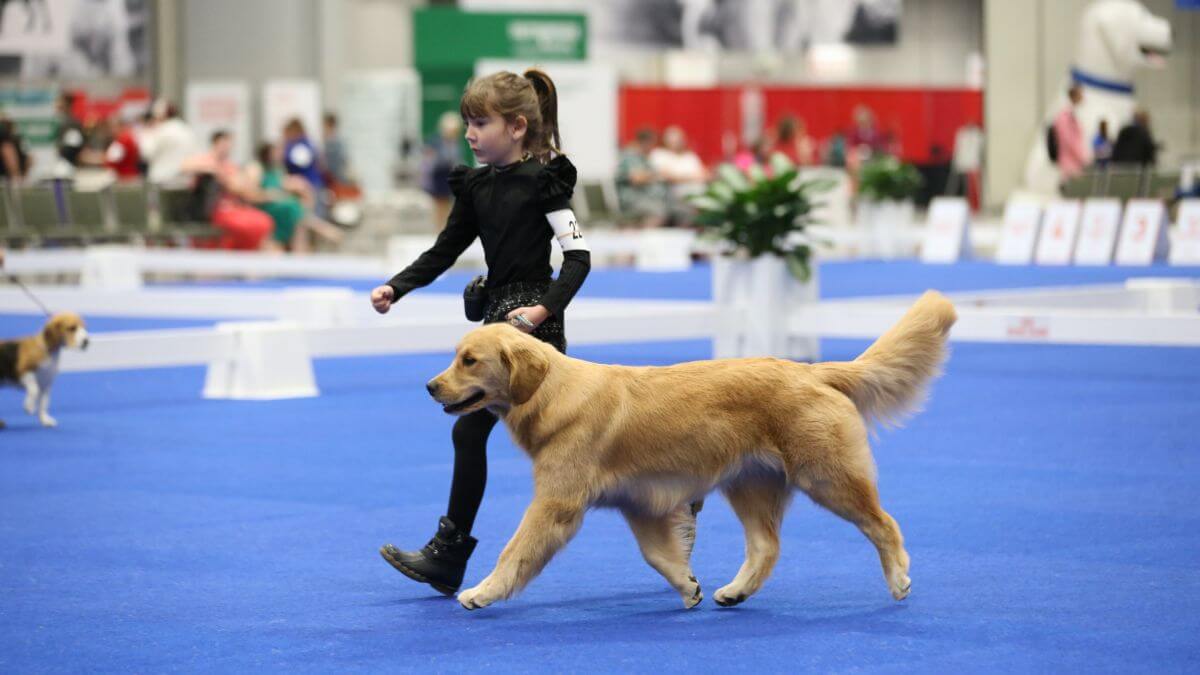
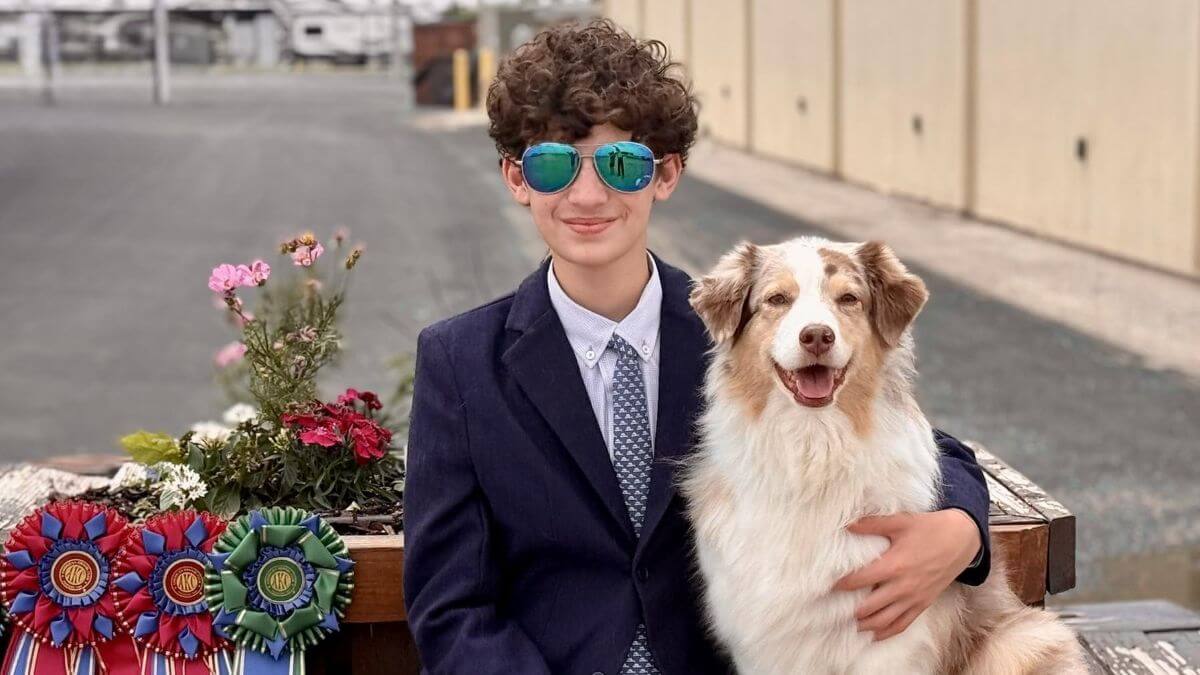
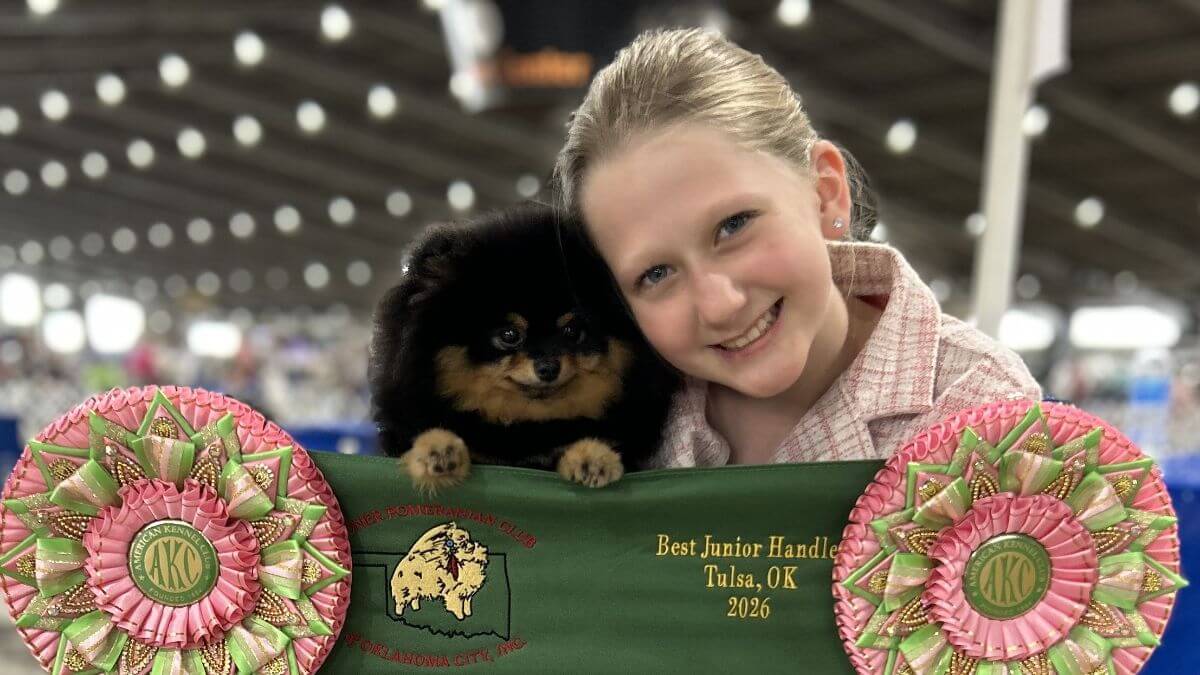
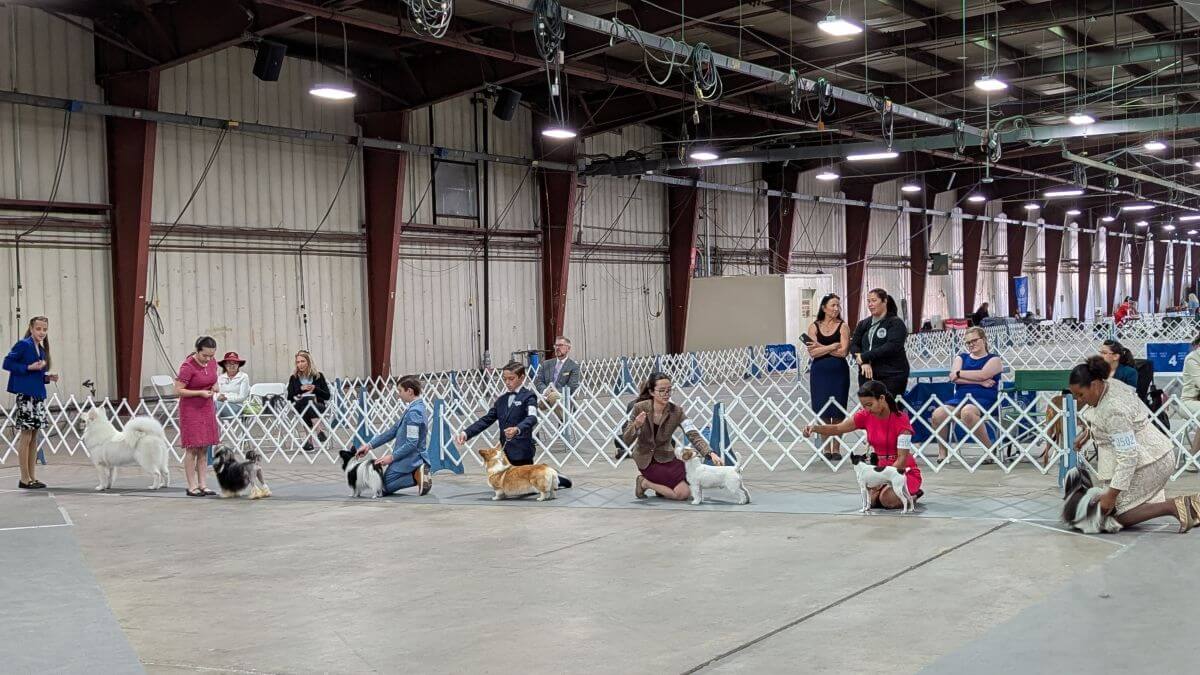
On any weekend at shows across the country, you’ll see a wide array of young handlers representing all types of kids. No matter the height, weight, body type, personality, ethnicity, gender identification, athletic ability—heck, even with minimal natural talent—any youngster can reach the very top level of this sport. Just as their dogs can represent every size, shape, coat, and temperament, there’s a place for every young handler in Juniors. Watch videos of the Junior Showmanship preliminary sections from the most recent AKC National Championship or Westminster. The vast variety among the entries is striking.
As a parent and teacher, the acceptance of each young person on their own terms is the most compelling reason to get a child involved in Junior Showmanship. Generally, parents seek activities for their children that they hope will nurture social skills, responsibility, and self-discipline in a supportive and welcoming environment. They want a place where kids can have fun and flourish yet also be able to rise up the ranks should their interest and ability permit.
Junior Showmanship ticks all these boxes—and then some. I believe the only reason it’s not a mainstream youth activity is because we haven’t done enough mainstream marketing!
No kid could ever look at the winningest young handlers in the country and despair they’ll never succeed because they don’t look like them. Why? Because there is no “them,” no top Junior Handler cookie-cutter mold. There is literally room at the top for everybody.
This becomes especially significant as young people move towards adolescence and body awareness issues develop. Maturation can bring both self-doubt and intense peer judgement. “Body shaming” among preteens of both sexes can profoundly impact mental health and social well-being. Popular media and social influences can induce young people to become hyper-critical of their changing bodies. Kids privately agonize about being too tall/too short/too fat/too thin/not pretty enough/not muscled enough etc., leading to devastating personal insecurity, social withdrawal, and in severe situations, depression, anxiety, and self-harming behaviors.
Here’s the thing though, in the Juniors ring, the physical appearance of the handler doesn’t matter at all. Even dogs in Junior Showmanship are not judged on their appearance. The Junior Showmanship ring can offer a safe haven for youngsters among accepting peers with similar interests.
Plus, there are dogs!
If you are reading this magazine, you already know the tremendous emotional support dogs provide. With Junior Showmanship, kids still go through the challenges of growing up, but they do so with a loving, non-judgemental canine buddy by their side. Dogs act as a perfect conduit to the world. Just by being dogs, they encourage interaction with others.
Kids who are shy, socially withdrawn, and/or have developmental social challenges can flourish in the Junior’s ring. Strangely enough, most Juniors who come to me for training are not extroverts. Two out of three new students are extremely shy and socially insecure. One student, I swear, did not say five words to me in our first six months together… and those five were barely audible! Another, in our initial meeting, couldn’t answer a single question without looking to her mother to respond. Both went on to become top-level Juniors, articulate ambassadors who could speak at length about the sport they love to friends, strangers, and even the media.
The catalysts for these transformations are the dogs, as they become a facilitator for communication. A child may be hesitant to speak about themselves; therefore, I make every new Junior Handler study the history of their breed and memorize the Breed Standard. Then, when strangers come up to admire their dogs, the child has a ready transition into conversation.
Next, is our setup at shows. My group purchases reserved grooming spaces and sets up together. We frequently have as many as 15-18 Juniors and their dogs at the setup as well as parents, friends, and siblings. Board and card game groups get formed. Electronic devices get shared. Kids help each other with grooming/ring prep. Pizzas are brought in and divvied up. Friendships develop. Barriers tumble.
When they’re comfortable with this, I’ll ask a youngster to introduce themself to another Junior at ringside who they don’t really know. It’s a hard assignment sometimes, but again, dogs are an effective icebreaker. When a hesitant Junior complains that they don’t know what to say, my answer: “Ask about their dog.” It works every time.
Another selling point for involvement… If you can move, you can show a dog!
A child doesn’t need to be an athlete. If they can’t run gracefully, they can show a walking breed. If they can’t walk, they can roll. Back in the 1980s, the first AKC Junior to show from a wheelchair was a student of mine who won at what was then the largest show in the country. Paired with the right dog of an appropriate breed, a child with average physical capabilities can still shine.
It is much the same for a young person on a personal gender identification journey. Our dog show “family” has many outstanding and successful role models among the LGBTQ community. A Junior will not be stigmatized for who they are.
Thankfully, over the past 20 years, we’ve seen a marked upsurge of involvement in Juniors by young people of color. This ethnic diversity has brought new families and fanciers into the world of dogs, strengthening an increasingly aging base of support. Junior Showmanship is inclusive. Ethnicity has no bearing on a young person’s success in the sport.
As for talent/natural ability, none is required—seriously! Natural ability is simply “potential.” A one-gallon jug has great potential, but if you don’t fill it with water it’s far less impressive than an eight-ounce glass topped to the brim. We’re a “tortoise/hare” sport. Natural ability is soon eclipsed by dedication and a solid work ethic. Do the work, you’ll reap the rewards. Without a commitment to ongoing growth and improvement, a winning Open Junior soon becomes an average Open Intermediate, and eventually, a mediocre Open Senior.
As in an orchestra, every Junior Handler is a unique and precious instrument whose own singular sound can contribute significantly to the glorious symphony that is our sport. Our very differences are what makes the dog world great.

Meet the Junior Handlers