Members
A detailed guide to judging the Havanese, covering breed type, structure, movement, temperament, and correct presentation in the ring.
The Weekly Brief
The best of SHOWSIGHT editorials, weekly wins, and breeder commentary — delivered to your inbox every Sunday morning.
A version of this article, provided by the Havanese Club of America Judges Education Committee, appeared in the September 2015 issue of SHOWSIGHT.
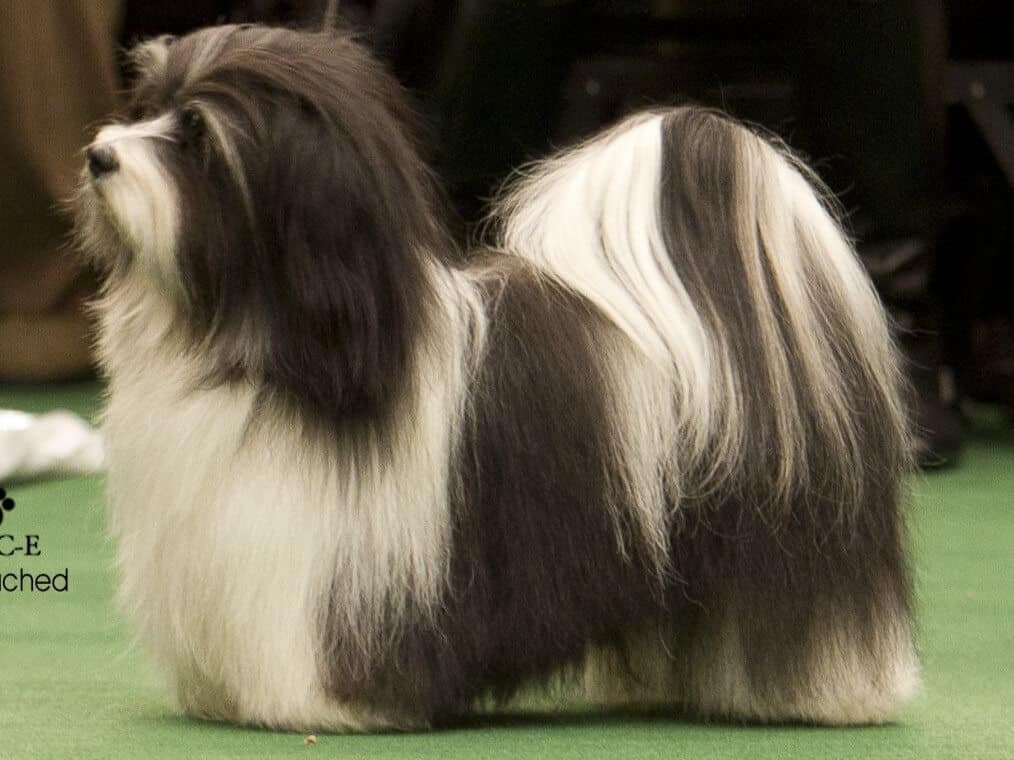
What is the first thing you do when you walk in the ring to judge the Havanese? In a class of two or more Havanese, do you walk to the center of the ring and look at the outline of the dogs in the class? Are you looking for the length of neck, and a topline rising to the rear with correct tail set, all of which are necessary for a Havanese to exhibit correct breed type?
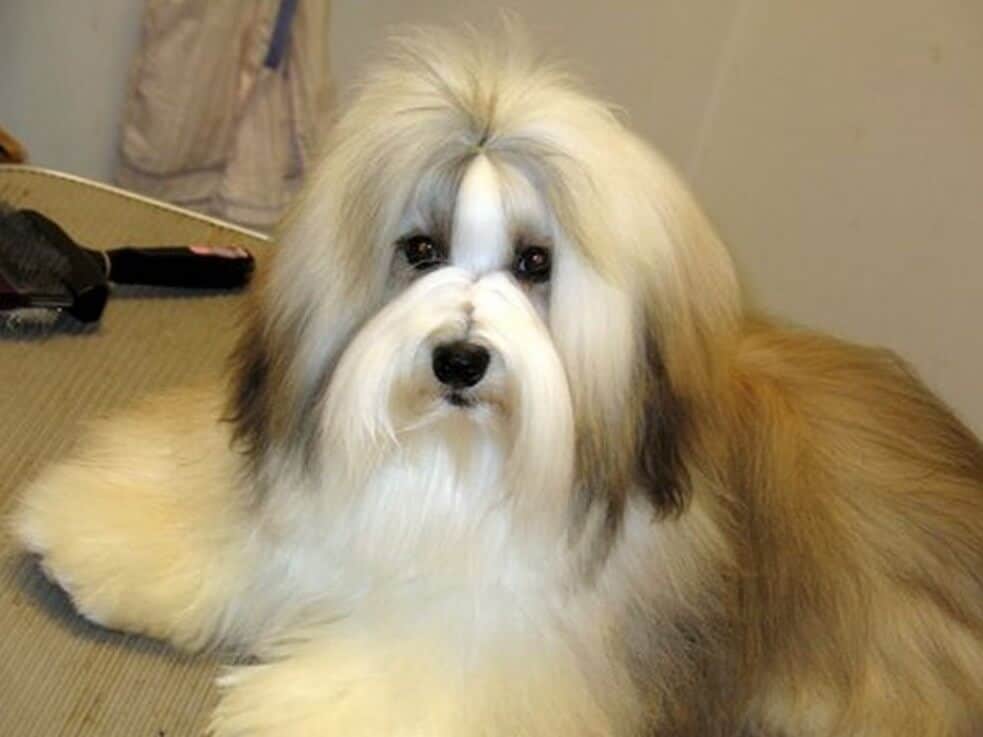
As you are examining a Havanese on the table, are you looking for a scissors bite with the correct number of incisors (6/6), and the correct length of topskull with a slightly shorter muzzle? The key word here is slightly; not a muzzle so short that it looks like a different breed. We do have a problem with large round eyes. The reason for calling for an almond-shaped eye is that they are not as easy to damage as a large round eye. Are the eyes large, dark brown, and almond-shaped?
Is the pigmentation around the eyes black, as it should be in all colors other than chocolate? A chocolate Havanese nose and eye rim have pigmentation which is brown. They should not have a pink nose; this is incorrect for a Havanese.
Remember, the Havanese you are examining is an athletic little dog, who loves to do Obedience, Agility, and Freestyle dancing, among its many talents. We want a sturdy, healthy, robust little dog. Are you feeling for the topline that rises to the rear? If you are, you can actually feel where the rise begins. Is the tail set high in a flat croup? Does the dog you are examining have a moderately laid-back shoulder with a short upper arm? Is the dog slightly longer than tall when measured from the point of shoulder to the point of rump? The key word again is slightly. Our Breed Standard calls for a dog slightly longer than tall, not a long-backed dog. The length should come from the rib cage and not the loin, in order to keep the back strong. Does the tail go up from the root of the tail and over the back, or is the tail so tightly curled it lies flat on the back? The Havanese Standard states: “The tail is high-set and arches forward up over the back. It is plumed with long, silky hair. The tail plume may fall straight forward or to either side of the body. While standing, a dropped tail is permissible.” It should be noted that when a Havanese moves, the tail is carried up and over the back and should not be dropped. Does the coat of the Havanese you are examining have a soft, light, silky feel?
I have asked Alice Lawrence to explain how to judge a corded Havanese. Alice has had BIS corded dogs in three different breeds over the years and is our expert in corded Havanese.
Judging corded Havanese, for the most part, is an easier task than judging brushed dogs. The outline, so important to this breed, is right there. No masking it with artful brushing is possible with a corded dog; the slight rise to the topline can be spotted (or not) in an instant.
The neck, tail set, and tail carriage are clearly visible in a corded exhibit; what you see is what you get.
As with all corded breeds, the difficult part is assessing expression and eye shape. Cords naturally fall forward over the face, veiling the eyes. So, walking past a corded Havanese, you may look for head tilt, but finding expression can be very difficult. Even on the exam table, if you pull the cords back to look for eye shape, the glare of the sun or overhead lights may cause the eyes to close. (Imagine whisking off someone’s sunglasses—the reaction is to squint! Be patient with that phenomenon.)
To examine a corded Havanese, it is important to assess the actual structure of the dog, not the outer surface of the cords. Stand at the front of the dog and insert each hand under the cords to examine the chest, short upper arm, spring of rib, length of loin, and angulation. You can feel the topline accurately where the cords fall to either side; the slight rise in topline should be readily apparent. Both the topline and tail set should be easier to find on a corded Havanese than on a brushed dog, as the cords lie relatively close to the body. Cording is a natural coat presentation and must be evaluated without prejudice.
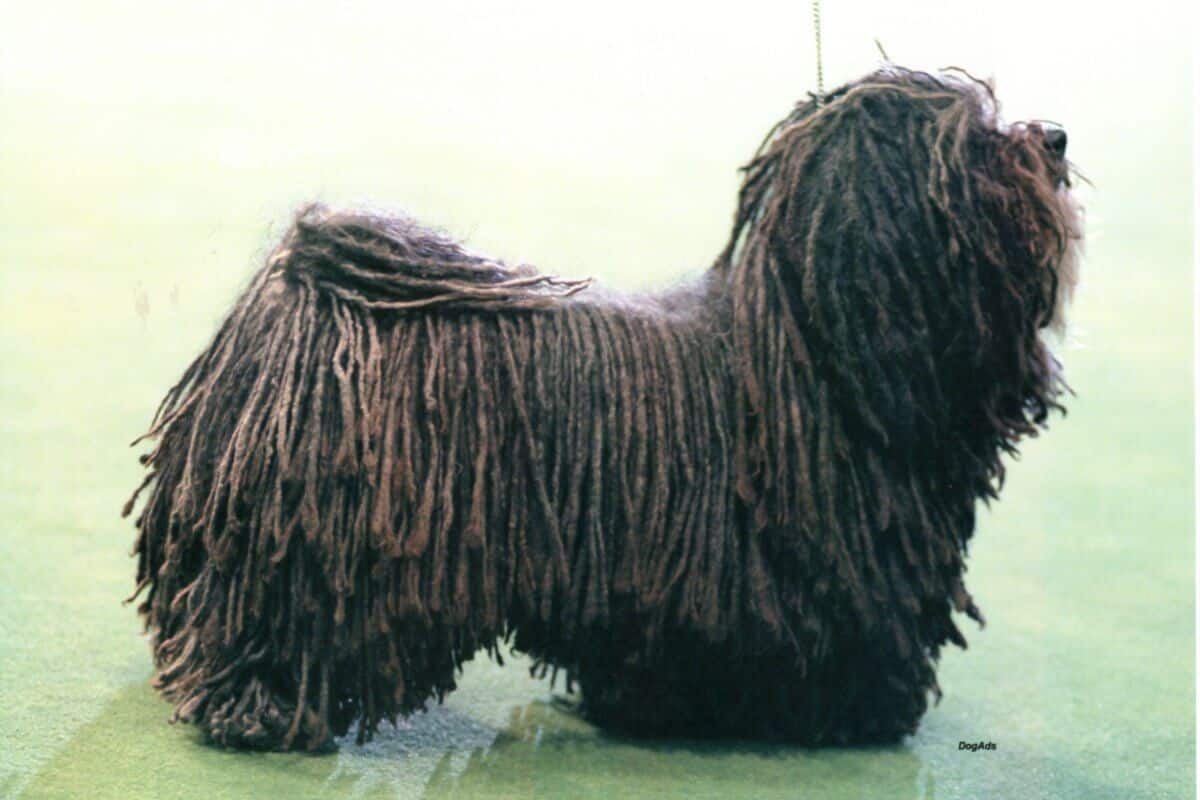
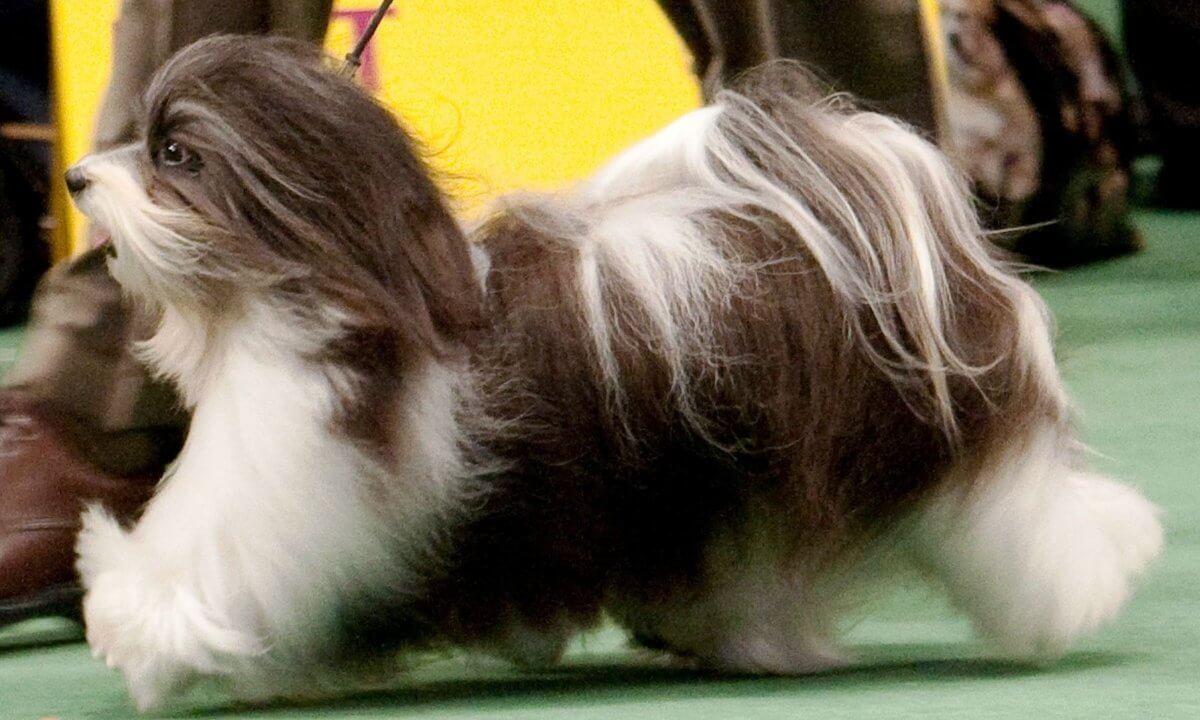
We have finished the dog and have put it on the ground, let’s watch it move.
As the dog moves away from you, are you watching where it is placing its rear feet? It is hard to see how the Havanese moves in the rear due to the hair on the dog’s legs, but if you look at the rear pads you can get a good idea of where the feet are being placed. As the dog returns to you on the down and back, where are the front feet being placed? Remember, some Havanese will show a “flash of pad” when coming toward you. This is caused by the moderate angulation in the front coupled with a short upper arm and the topline rising to the rear. The Havanese may or may not show a flash of pad and should not be penalized either way.
When looking at side gait, the dog should move freely with a springy gait, not with extreme reach and drive. The gait of a Havanese was best described by a renowned judge, at our National Specialty a few years ago, as he awarded Best of Breed. He said the dog’s movement was “jaunty.” The description of jaunty is: airy, breezy, buoyant, carefree, gay, high-spirited, lively, perky, self-confident, showy, sparky, sprightly; all adjectives that describe Havanese movement.
We must also judge the temperament of the Havanese we are examining. Is the dog confident? Is he comfortable with a stranger examining him? This is a Toy dog which has been bred to be a companion to humans; it should not be resentful or afraid to be examined.
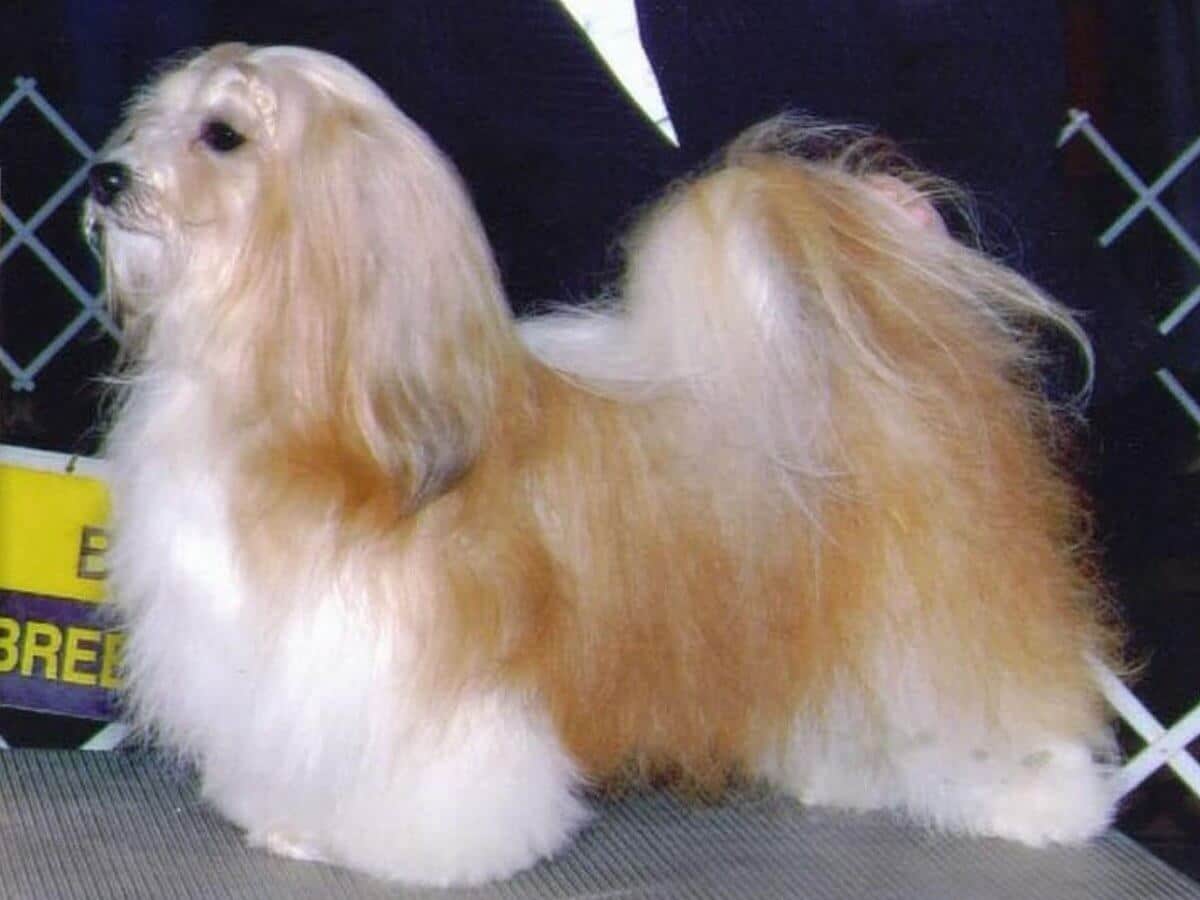
Before we make our final selections, we need to judge one more aspect of the Havanese, and that is grooming. Note: Havanese may have the hair over their eye braided; braids are acceptable in the ring. Are the dogs we are going to place shown in a well-groomed but natural condition? If not, the dog should not be placed. Over-grooming has become a major problem in many breeds. The Havanese Club of America has always stated that the Havanese should remain a natural dog without extensive grooming or sculpting. We, as judges, need to honor the wishes of the National Parent Club and the Breeders of the Havanese.
This statement by the Judges Education Committee was printed in the judge’s magazine The Standard years ago:
The Havanese Club of America would like to remind judges that the Havanese is a breed which should be presented naturally. Havanese should not have their coats ironed, bleached, or colored in an effort to change the natural characteristics of the coat. They should NOT be trimmed anywhere other than the genital area or around the feet for neatness. They should not be sculpted by trimming the edges of the coat nor should coat be removed to enhance or change the lines of the dog. The coat should never be deliberately parted down the back; a natural part due to the length of the hair is acceptable. Teasing the coat or brushing it into a “comb-over,” to create an illusion of a rising topline, is becoming more commonplace and should be discouraged even to the point of withholding placement. Brushed and corded coats are equally acceptable. The hair on top of the head may fall forward over the eyes or may be brushed back from the face and allowed to fall NATURALLY to both sides of the head. Two small braids, one on each side of the head, are allowed. A Havanese should not be shown with the fall on its head groomed in any other manner.
Dogs shown in any manner other than described above should be penalized to the point of withholding placement.

All About Judging