Members
Breeding bold, happy Cairn Terriers in Hawaii. Focused on health, breed type, and promoting purebreds through outreach and shows.

The Weekly Brief
The best of SHOWSIGHT editorials, weekly wins, and breeder commentary — delivered to your inbox every Sunday morning.
Lisa Dangelmaier
1. My name is Lisa Dangelmaier, and I live on Hawaii Island. I acquired my first Cairn Terrier over 30 years ago before moving to Hawaii. I began showing in 1999 and had my first litter in 2003, using the kennel name “Nakoa” which means “the brave, bold, and fearless.” It is a real challenge living remotely and a major expense to travel to mainland shows and bring in new dogs.
2. The Cairn has a unique silhouette, with the body length one and a half times its height, and leg length half the total height. The head of the Cairn is also special—the placement of the small upright ears, dark, slightly sunken eyes, and nose forming an equilateral triangle. There is a broad skull, good stop, and a muzzle shorter than the skull. A Cairn shows its perky, sassy nature with a sparkling expression and a happy demeanor, saying, “What fun, I am ready for anything!” The sturdy tail carried upright completes the picture of a lively and confident terrier. Along with a reasonably small size and harsh coat (not overly groomed), we have the quintessential rugged little Cairn!
3. I have many waiting companion homes. Unfortunately, it is difficult to attract new people to showing or even to keep an unaltered companion.
4. I health test the parents and puppies with a combination of DNA testing and other medical screenings to reduce the potential for inherited diseases. I like the genetic results, calculating COI (Coefficient of Inbreeding) from DNA; it’s amazing to see the variation among littermates. For outreach, I have a website and use social media.
5. There are some who are against purebred dog breeding due to the problem of too many lost or unwanted dogs, the vast majority of which are mixed breeds. This is indeed a sad situation, and many purebred fanciers, like me, have taken in a mixed breed companion and support the humane society’s efforts.
6. It is more difficult to get new people interested in owning less common breeds of purebred dogs, much less showing and breeding dogs. Many potential homes do not know how to find a well-bred puppy, and pay a great deal for mixes and/or from commercial breeders. Another change seems to be greater emphasis from exhibitors on campaigning Champions, and less focus on finishing Champions and just seeing others’ dogs; and there are fewer class entries. The local shows are ever smaller and may not be able to continue holding Conformation events.
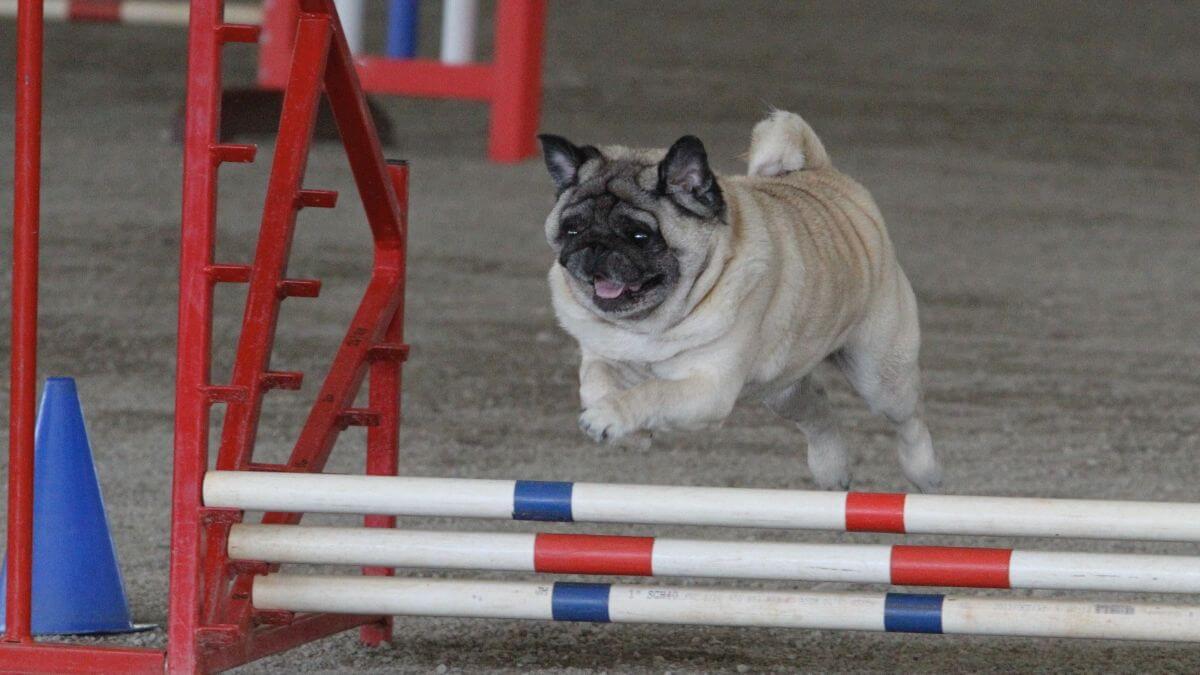
7. The participation of mixed breeds in various Performance events has been a wonderful way for their owners and the public to see my happy Cairns “at work,” along with other breeds, and consider adding a Cairn Terrier to their home. We may not always qualify, but many people say these class clowns were their favorites! I love having opportunities to do these events at all-breed shows.

Meet the Breeders