Members
From 4-H to champion breeder, Mark shares his journey, mentors, and philosophy behind Integra Italian Greyhounds.
The Weekly Brief
The best of SHOWSIGHT editorials, weekly wins, and breeder commentary — delivered to your inbox every Sunday morning.
Mark Lucas: I grew up in the small, charming town of Franklin, Indiana.
Mark Lucas: My earliest memory of a dog was our Collie named Laddie. We also had two Chihuahuas until I was around eight. After they were gone, we went a long time without a dog—what felt like forever to a child.
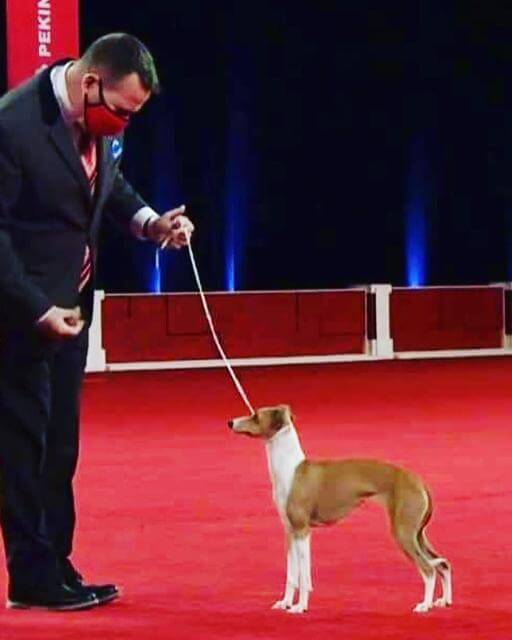
I was very active in 4-H growing up, and one year at the county fair, the FFA (Future Farmers of America) petting zoo had puppies and kittens. That’s where I met Tobi, a Labrador/Beagle mix, who became mine. I trained him in both Obedience and Conformation, eventually earning State Champion in Obedience and First Place in my age bracket for Conformation.
At 16, I discovered a dog show in Indianapolis. Without telling my parents, I drove there to watch Shetland Sheepdogs. While standing ringside, a lady looked at me and said, “You have a free hand, hold these two dogs. Here’s a spray bottle and a brush. This is how you brush.” She gave me a quick demonstration and off she went. That woman was Sulie Greendale-Paveza (a past Sheltie breeder and professional handler, today a multi-Group judge). After the show, she took the time to talk with me. That day sparked my deeper involvement in the sport—and in Shelties specifically. Sulie is still a cherished friend today.
Mark Lucas: My most influential mentors were Amy and Carl Langhorst of Starhaven Shelties. I worked for them and cared for more than 100 dogs. Amy was always transparent about her breeding decisions, and emphasized the importance of understanding pedigrees, individual type, and the faults that needed correction. She often said, “Breeding is not for the thin-skinned,” because the work can be heartbreaking. Her focus on consistency and producing strong progeny shaped my own values in breeding.
Mark Lucas: My philosophy is anchored in three core principles: health, temperament, and conformation.
HEALTH: I prioritize long-term genetic health. I utilize the University of California, Davis Italian Greyhound Genetic Diversity Panel, and perform comprehensive health testing, including patella and cardiac screenings. My goal is to produce dogs with the best chance for a long, healthy life.
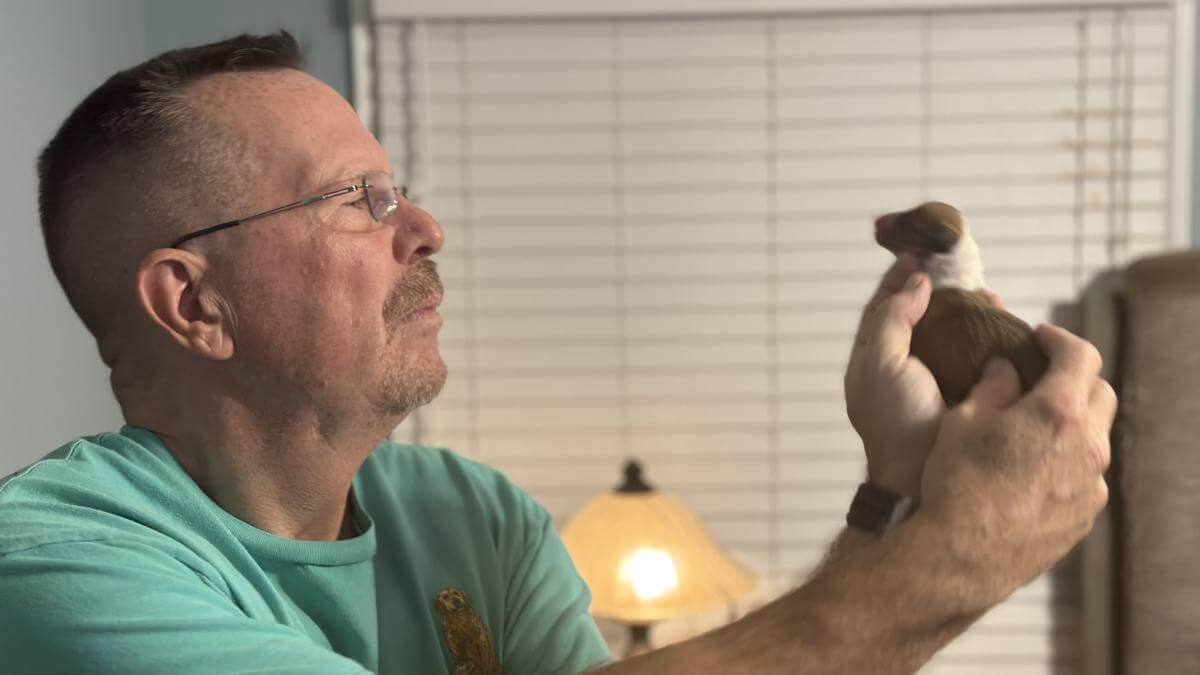
TEMPERAMENT: Italian Greyhounds are emotionally intuitive, and I place a high value on nurturing stable, confident personalities. Puppies are raised in my home, gently exposed to a wide variety of experiences to foster trust and adaptability.
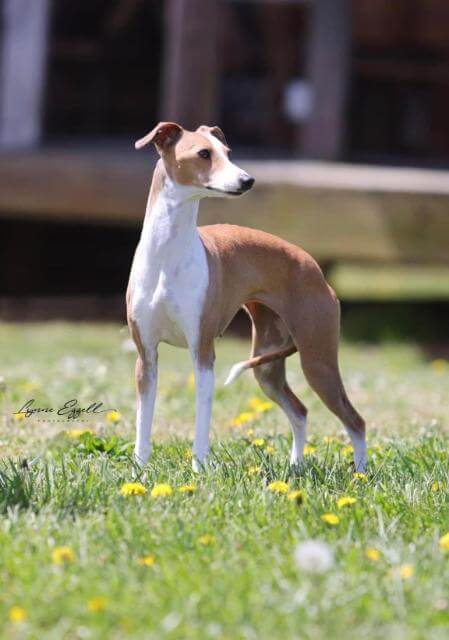
CONFORMATION: I aim to produce dogs that are both beautiful and true to the Breed Standard—graceful, athletic, and balanced. Every breeding decision reflects a long-term vision, often several generations ahead. I view breeding as both science and art.
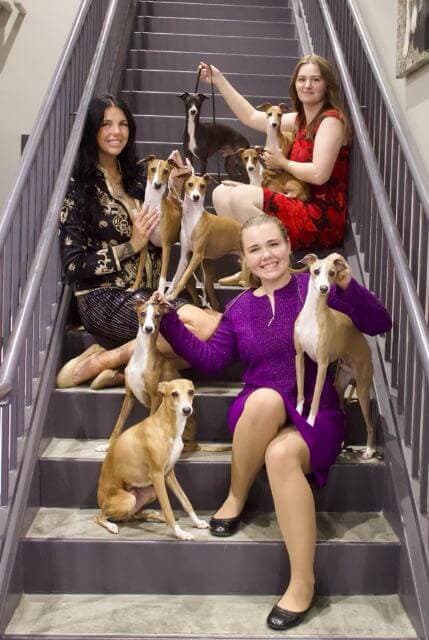
Mark Lucas: My dogs are, first and foremost, my pets, and live in my home. I generally keep four to six bitches at a time. They have access to an 18 foot by 18 foot screened porch with a dog door that leads to a half-acre dog yard. They also enjoy daily runs in a large, fenced, three-acre yard. Their physical and emotional well-being is always a priority.
Mark Lucas: As a breeder, I would say the breed itself has improved tremendously over the years, with all of the UC Davis Diversity panels and informed, science-based decisions that can be made to prioritize genetic health by breeders.
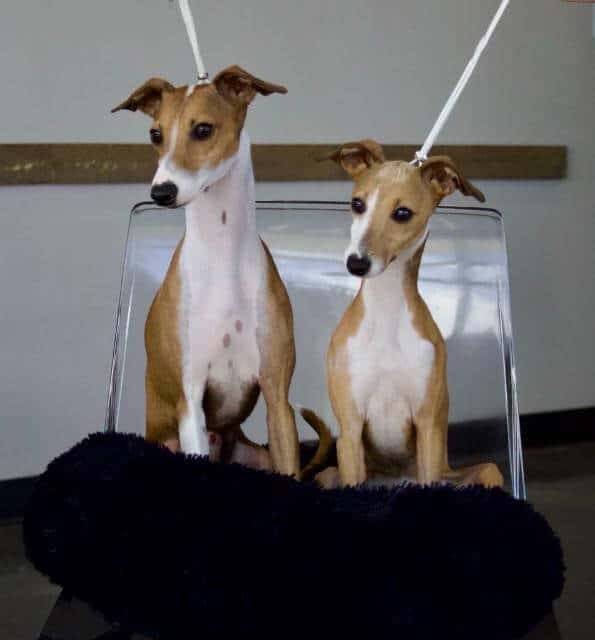
With their graceful charm and sweet nature, Italian Greyhounds will positively win your heart. Affectionate to the core and devoted to their people, they offer all the love without the fuss, thanks to their easy, low-maintenance care.
Lately, I’ve noticed several trends in the Breed ring over the past couple of years and they all kind of intertwine.
Outline is everything—it shapes the silhouette, which absolutely defines breed type. When the outline is correct, the signature “S” curves, proper layback of the front assembly, and balanced rear become naturally apparent. However, true type depends on more than just angulation. The front assembly must be correctly set under the dog at the shoulder, with legs perpendicular to the ground, and enough shoulder layback to produce the elegant, free-flowing front action that is the hallmark of the breed.
I hope judges continue to reward balanced, functional dogs that truly represent the full Standard of the Italian Greyhound.
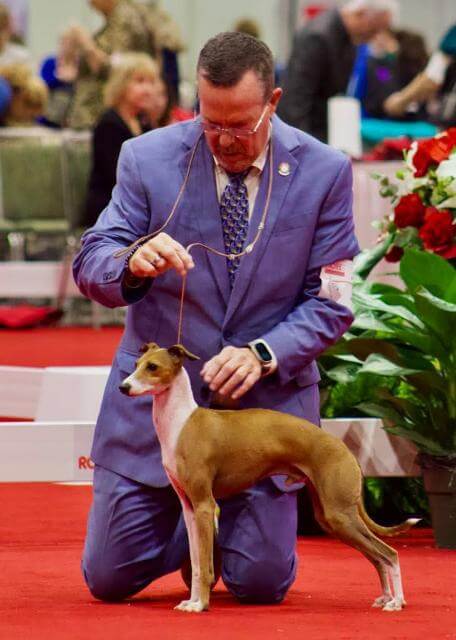
Mark Lucas: Having worked in some of the largest Shetland Sheepdog kennels early in my life, and owned Italian Greyhounds for many years, I developed a strong passion for evaluating dogs. I felt confident in my understanding and application of Breed Standards, so I applied to judge at age 29 and was approved for my first two breeds.
Mark Lucas: When I began, there was a strong sense of tradition and a deeply committed community of experienced breeders. Today, fewer people are entering the sport, and those who do often face challenges related to time, finances, and shifting societal values.
To support the future of the sport, there are several key ways we can make a positive impact. First, veteran breeders have an important role to play in mentoring newcomers and guiding them through the intricacies of breeding and showing. Organizations like the Italian Greyhound Club of America are vital in offering seminars and educational opportunities that help build knowledge and skills within the community. It’s also essential that we emphasize the rewarding aspects of breed preservation—after all, it’s not just about winning ribbons, but about the long-term legacy of improving and safeguarding our breeds. Making the sport more accessible is another crucial step. By offering entry-level events or mentoring Junior Handlers, we can lower the barriers for newcomers and encourage them to get involved early on. Collaboration among breeders is key as well, whether it’s sharing litters, pooling resources for health testing, or offering moral support. This fosters a sense of community and collective responsibility. Finally, creating a culture of celebration and inclusivity by recognizing new talent and making the sport welcoming will help ensure that newcomers stay engaged and feel supported in their journey. Together, these efforts will help preserve the vitality of the sport for generations to come.
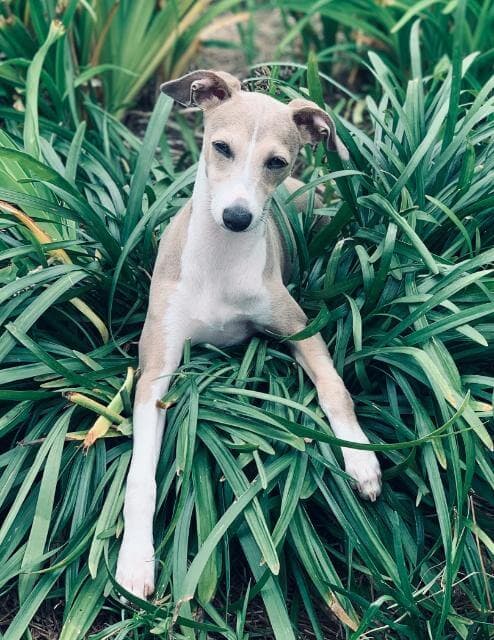
Despite the challenges, I remain hopeful. We each have a responsibility to mentor, include, and invest in the next generation.
Mark Lucas: I see Integra Italian Greyhounds continuing to be recognized for their strong health, great temperaments, and true-to-type conformation. My focus will stay on long-term breeding plans, using health science, pedigree analysis, and mentorship, all while working to ensure the breed stays healthy and thriving for generations to come, with proper breed type.
Mark Lucas: I am an assistant principal at a large elementary school, and have worked in education for 28 years. Much of my career was spent in the Exceptional Children’s department. Outside of my educational role, the majority of my life is dedicated to raising, breeding, judging, and showing dogs—which is more than a hobby; it’s a passion and a way of life.

Meet the Breeders