Members
Meet Junior Handler MacKenzie Moore of Montana, sharing her journey in Juniors, key wins, mentorship, and goals in handling and breeding.
The Weekly Brief
The best of SHOWSIGHT editorials, weekly wins, and breeder commentary — delivered to your inbox every Sunday morning.
MacKenzie Moore: My name is MacKenzie Moore, and I am based in Ennis, Montana. In order to fully dedicate myself to competing in dog shows and continuing to grow within the sport, I recently made the decision to transition to homeschooling. This change has allowed me to focus more intentionally on my goals, spend additional time developing my skills, and take advantage of opportunities that require travel and long days ringside.
MacKenzie Moore: While dogs take up the majority of my time and attention, I also have a strong interest in mechanical work. I enjoy working with my hands and problem-solving, particularly when it comes to small engines. Whether it is taking something apart to understand how it works or fixing an issue, I find that it provides a rewarding balance to the fast-paced, detail-oriented environment of the show world.
MacKenzie Moore: Dogs have been a central part of my life from the very beginning. My mother began her involvement with Alaskan Malamutes in 1999 and soon after established her Boxer breeding program, Vintage Boxers. By the time I was born, her program was already well underway, meaning I was raised immersed in the daily routines, responsibilities, and passion that come with breeding and exhibiting. From an early age, I learned not only how to handle dogs, but also the dedication, discipline, and care required to be successful in this sport.
MacKenzie Moore: I began competing in Junior Showmanship at the age of nine after being encouraged by the children of professional handlers, who recognized the value it could bring to my development as a handler. Initially, I was hesitant, as I was deeply invested in the Breed ring and unsure about stepping into something new. However, I decided to give it a chance—and it quickly became one of the most important decisions in my journey.
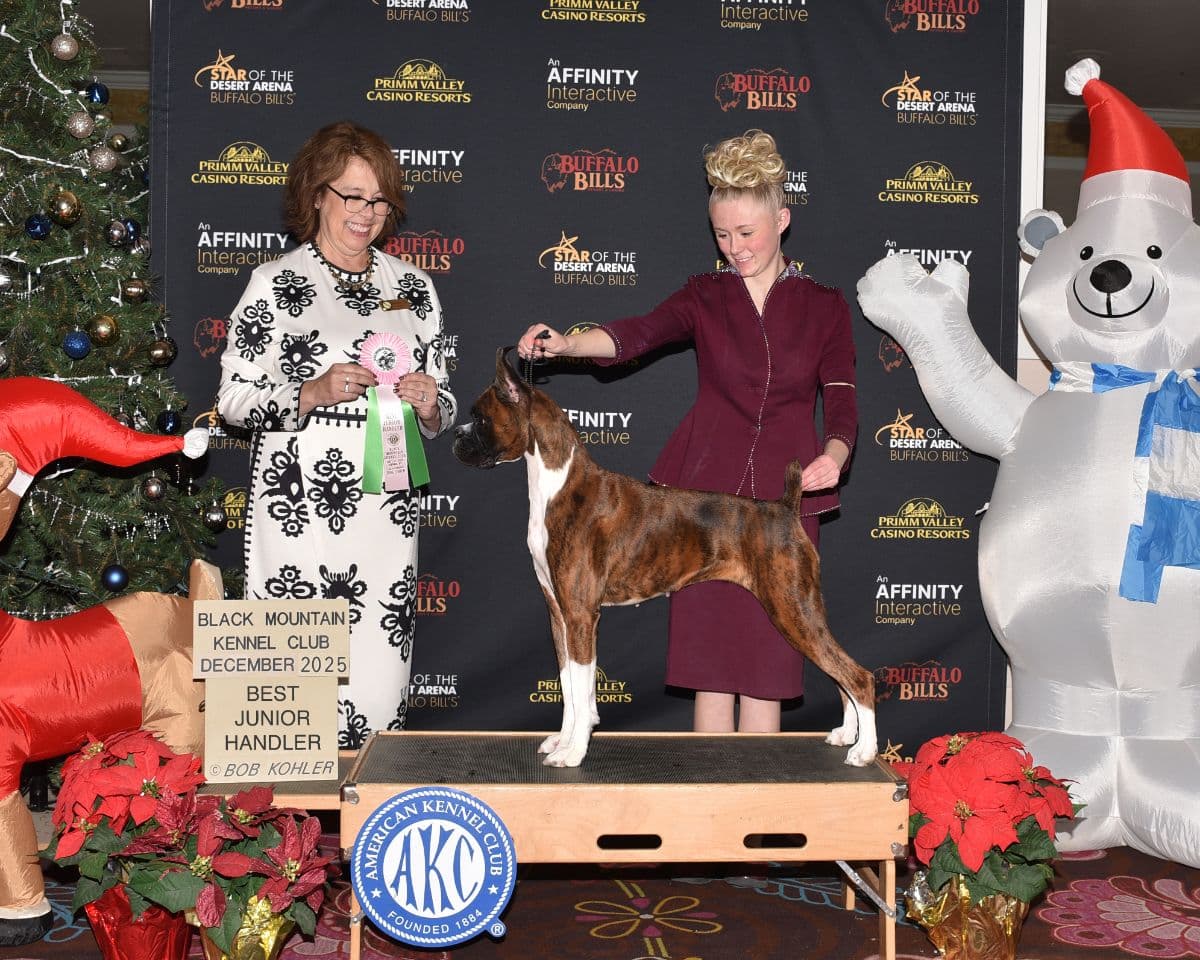
MacKenzie Moore: One of my earliest and most memorable experiences in Juniors came with an unexpected challenge that ultimately shaped my mindset as a competitor. I had planned to show a Brittany I co-owned, but just as we were preparing to leave for the show, she came in season. After returning her to her breeder, I found myself without a dog to show and unsure of what to do next. Rather than withdrawing, I made the decision to show one of our Boxers, Zoot. That weekend, we went on to win our class each day. It was a pivotal moment that taught me the importance of adaptability, quick decision-making, and maintaining composure under pressure—skills that continue to serve me today.
MacKenzie Moore: Preparation plays a critical role in my success. I genuinely enjoy the process of grooming and conditioning my dogs prior to entering the ring. It allows me to focus, establish a routine, and mentally prepare for the day ahead. This is especially true with Slim, who requires extensive preparation and attention to detail. That time spent working together before stepping into the ring not only enhances his presentation but also strengthens our connection and consistency as a team.
MacKenzie Moore: Dog shows can be high-pressure environments, whether competing in Junior Showmanship or in the Breed ring. Over time, I have learned to manage that pressure by maintaining perspective. I consistently remind myself that, regardless of the outcome, I am going home with the best dog. That mindset helps me remain calm, confident, and focused, while also ensuring that my dog feels secure and performs at their best.
MacKenzie Moore: I have been incredibly fortunate to have had strong mentorship throughout my journey. My mother, Sarah Moore, has been my most influential teacher. Her guidance, honesty, and attention to detail have shaped not only my abilities as a handler but also my character. Traveling with her and working alongside her has provided me with invaluable hands-on experience that cannot be replicated.
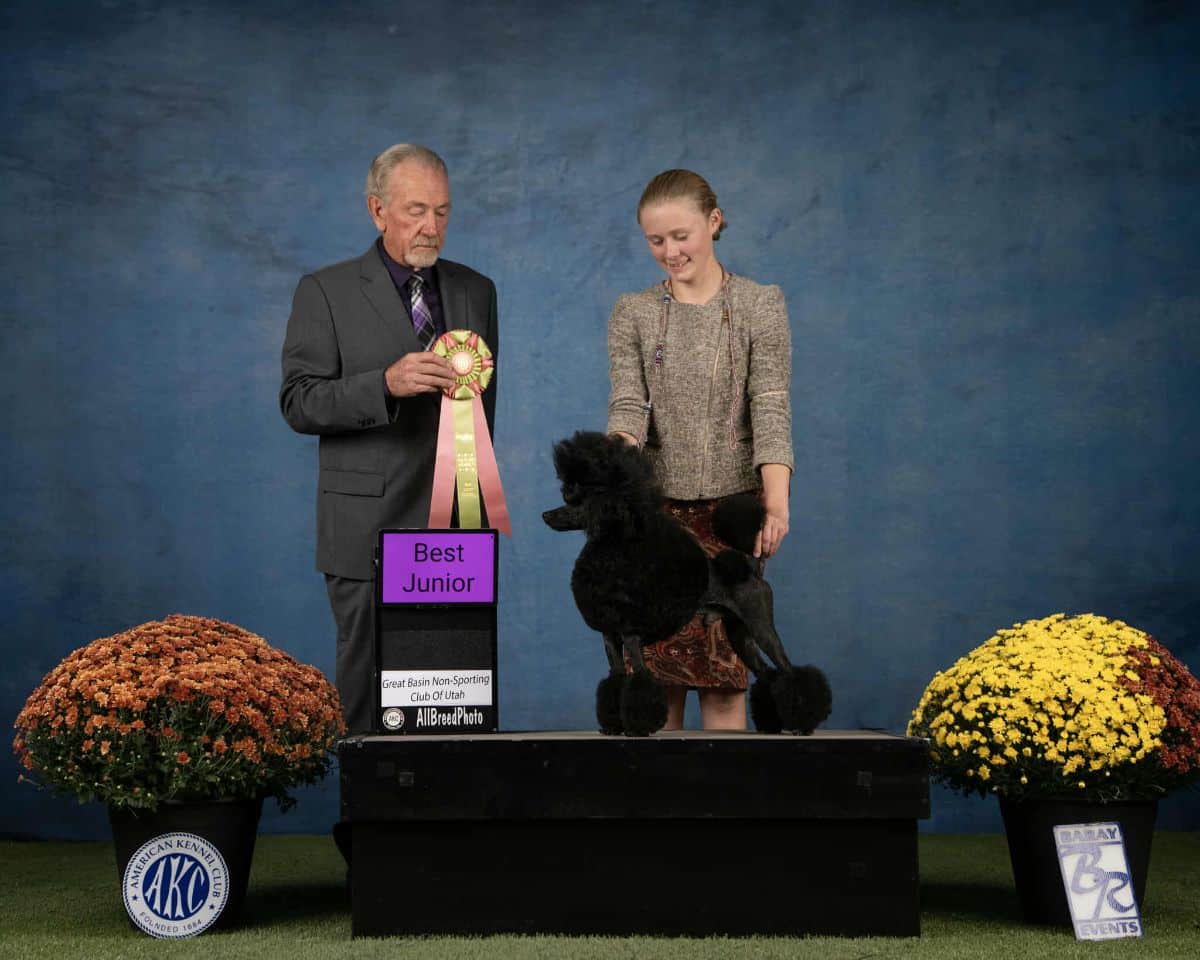
In addition, Braxton Hernandez and Braden Jones have played a significant role in my development, particularly as I began working with Poodles. Their mentorship has extended beyond the ring, offering guidance in grooming, presentation, and overall strategy. They have provided me with opportunities to learn, travel, and refine my skills, and their support has been instrumental in building my confidence within a new breed.
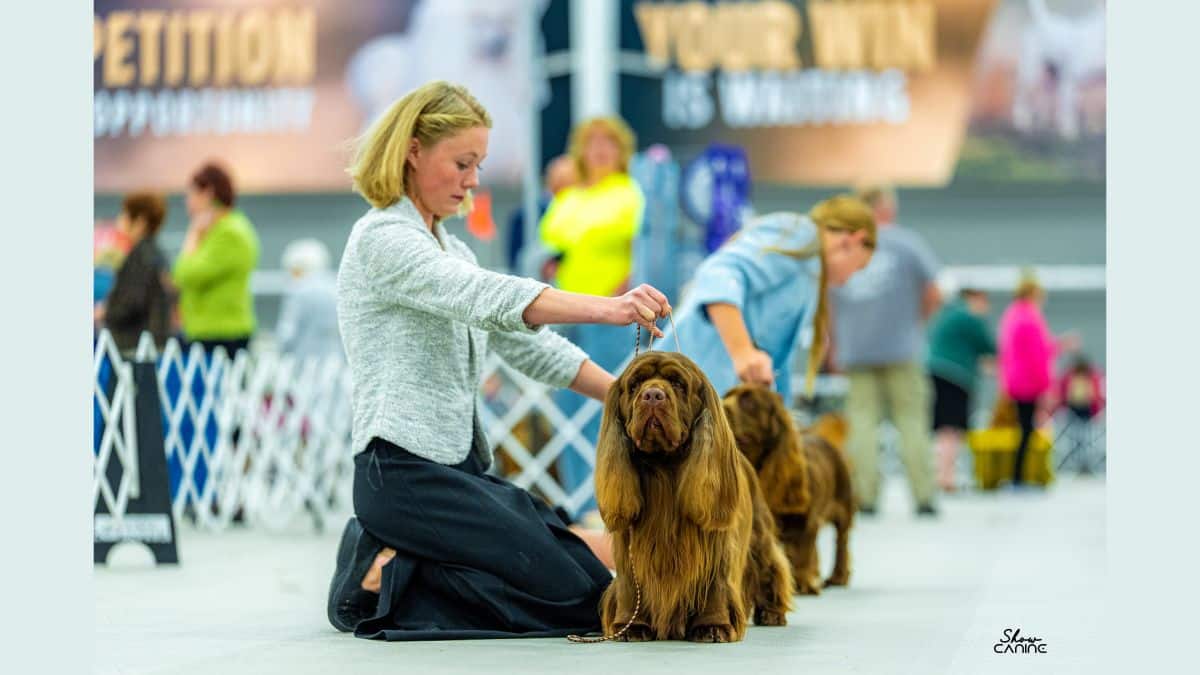
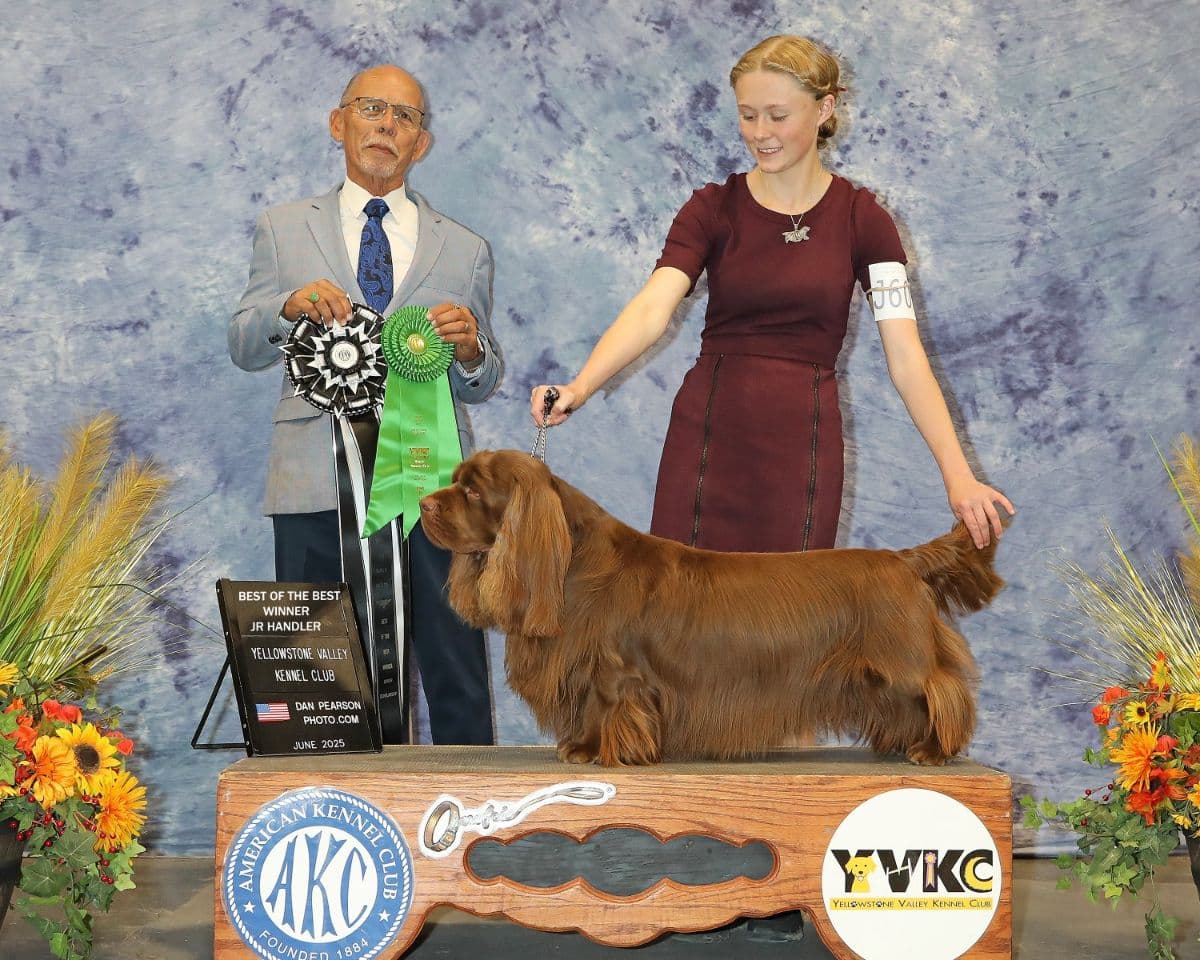
MacKenzie Moore: Among my proudest achievements are two particularly meaningful wins. The first was earning Best of the Best Junior Handler in Billings, Montana, in 2025 with a Sussex Spaniel under respected judge Beep Lee. Competing with a rare breed presents its own unique challenges, and his acknowledgment of that—along with his kind and encouraging words—left a lasting impression on me.
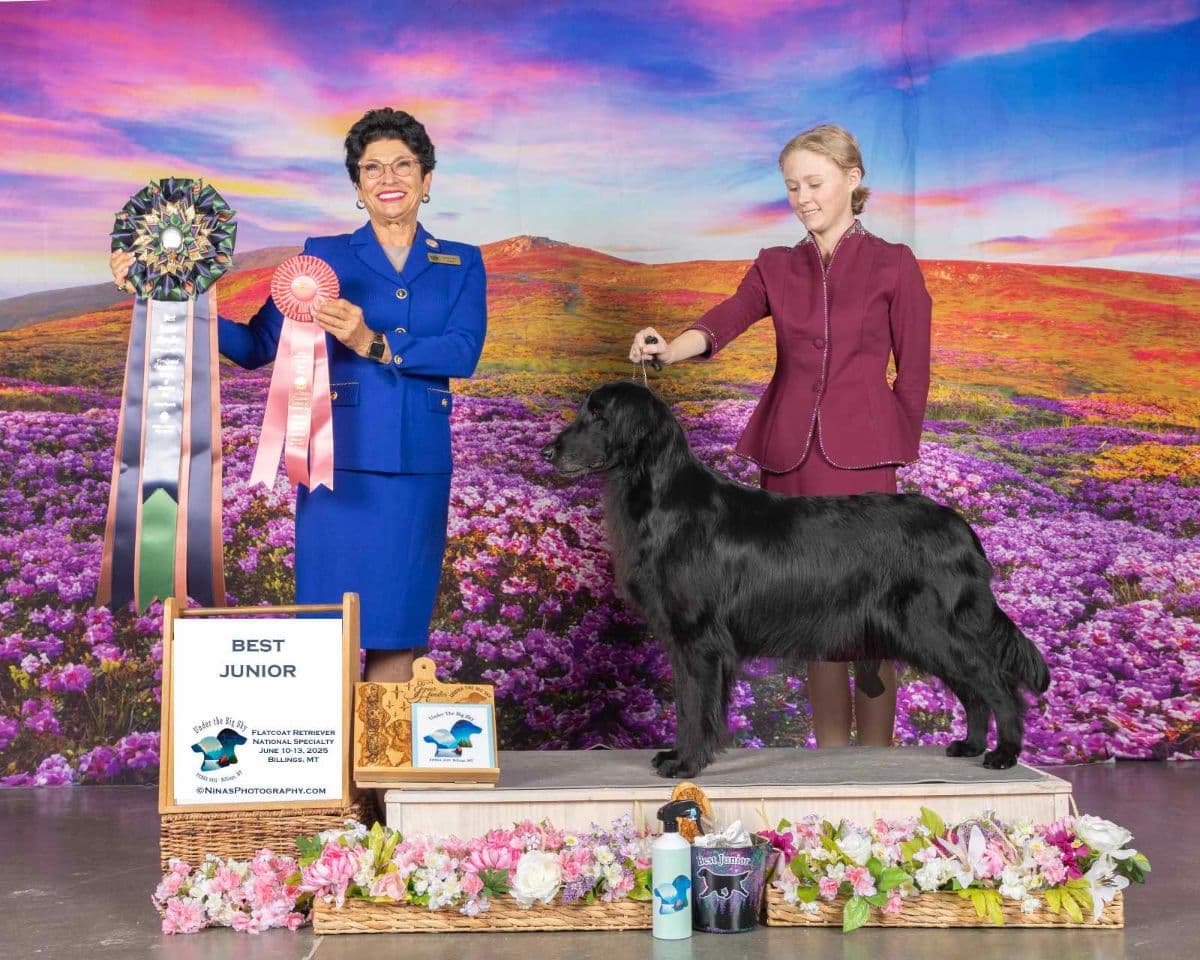
Another significant milestone in my career was winning Best Junior Handler at the Flat-Coated Retriever National Specialty. I had the privilege of presenting the veteran bitch, GCHG Windy Hill Royal Darling JH (“Kate”), and the opportunity itself was a tremendous honor. Winning my class with her was incredibly meaningful and felt like a culmination of the hard work and dedication I have invested in the sport. Competing in the Best Junior class was a surreal experience, and as we completed our final go-around, I remained focused on maintaining composure in such a defining moment. Being selected as Best Junior Handler was both humbling and deeply rewarding. I am sincerely grateful to Windy Hill for breeding such an exceptional dog, to Angela Lloyd and Jason Bailey for entrusting me with her, and to her owners for their support and confidence. This achievement is one I will always hold close.
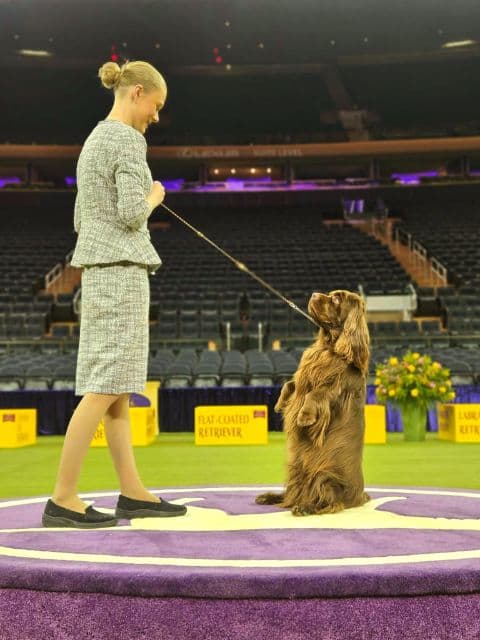
MacKenzie Moore: When presenting a Sussex Spaniel, the defining characteristics are often described as “long, low, and liver.” While many of these qualities are inherent, I focus on emphasizing Slim’s exceptional headpiece and expression. His natural enthusiasm, combined with a constantly wagging tail, perfectly reflects the Breed Standard. Even at six years old, his energy and presence in the ring remain remarkable and continue to set him apart.
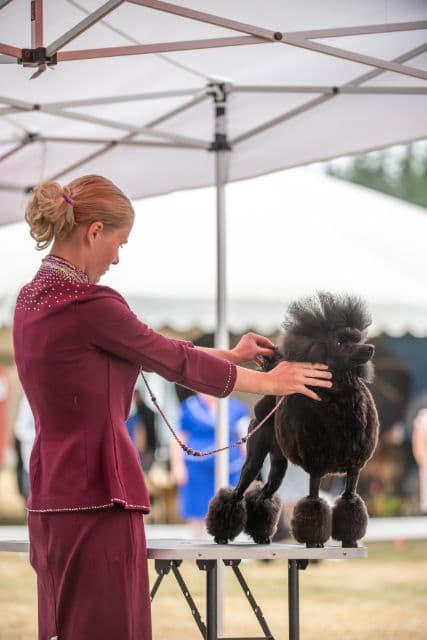
MacKenzie Moore: While Sussex Spaniels are not typically considered an ideal breed for Junior Handlers due to their complexity and limited win opportunities, Boxers offer a more accessible and rewarding experience for many Juniors. Poodles, however, present a unique challenge. The grooming alone requires significant time and dedication to master, and the level of presentation expected demands both precision and poise. For that reason, they are best suited for individuals willing to fully commit to the process.
MacKenzie Moore: Looking ahead, I would love the opportunity to show an English Setter. Their elegance, movement, and overall presentation are truly captivating, and they represent a level of artistry in the ring that I deeply admire.
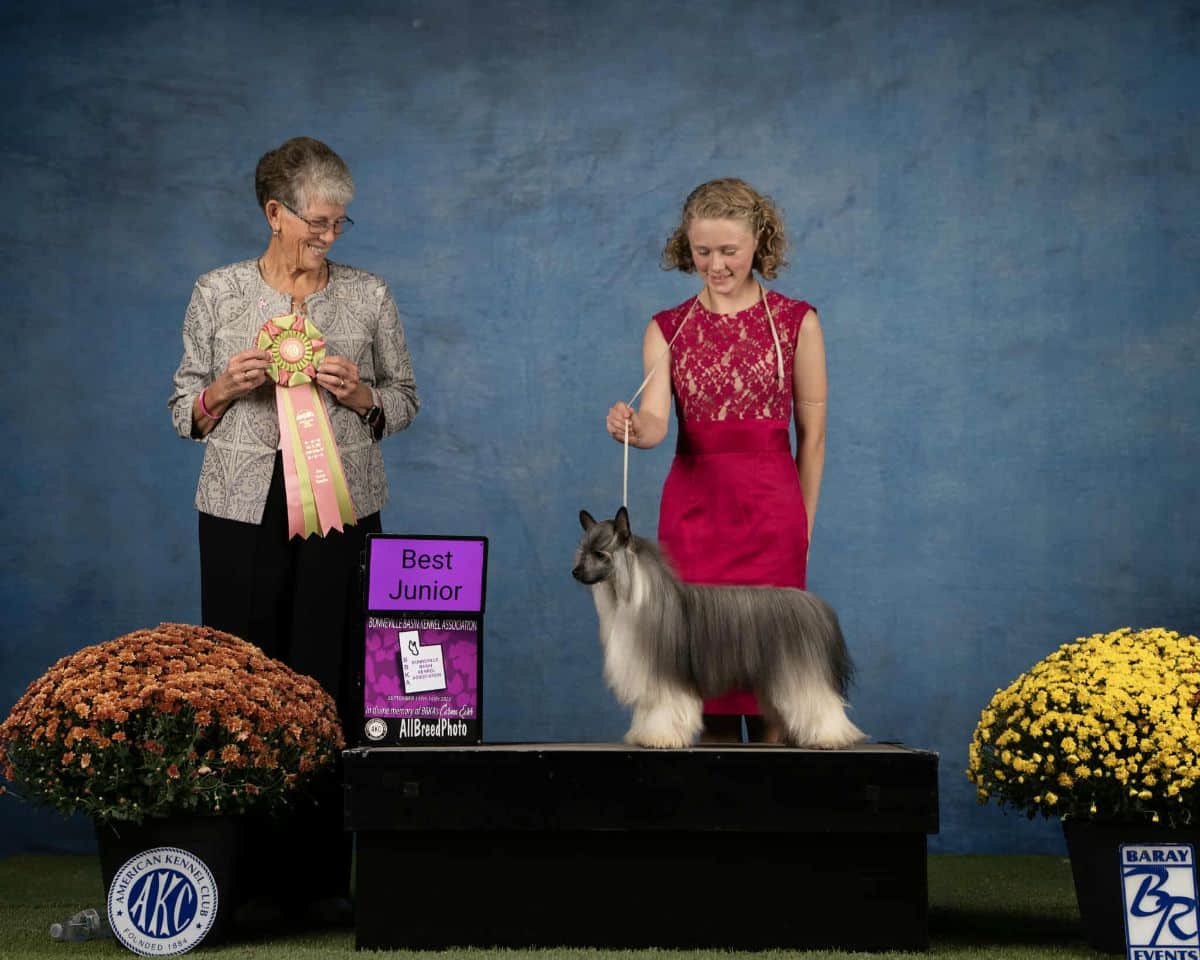
MacKenzie Moore: One issue I feel strongly about is the importance of supporting younger handlers within the sport. Encouragement and constructive guidance are essential for growth, and negative experiences can have lasting effects. I have seen talented Juniors step away from the sport due to discouragement, and I believe it is critical that we foster an environment that builds confidence rather than diminishes it.
MacKenzie Moore: Breeding has also been an important part of my journey. Each litter represents not only a significant responsibility but also an emotional investment. Raising puppies requires dedication, patience, and care, and while sending them to their new homes can be difficult, it is incredibly rewarding to see them thrive. Receiving updates from their owners and watching their success is one of the most fulfilling aspects of breeding.
MacKenzie Moore: As I look to the future, I do plan to continue breeding, although I may explore breeds beyond Boxers. Preservation breeding is something I am deeply passionate about. My focus will always be on producing sound, healthy dogs that adhere to the Breed Standard, rather than simply breeding for wins. To me, the long-term integrity of the breed is far more important than ribbons or titles.
MacKenzie Moore: My ultimate goal is to become a professional handler, following in my mother’s footsteps. As I approach that next stage, I am actively working to understand the business aspects of the sport while continuing to refine my handling skills. Above all, I want to enjoy the journey and make my younger self proud of how far I have come.
MacKenzie Moore: I have had the opportunity to show many exceptional dogs, but my bond with Slim is especially meaningful. Over the past four years, he has been my partner through countless milestones, including media appearances, making the first cut at Westminster, my first Group win, and my first Best of the Best Junior Handler title. His personality and consistency make every show memorable.
No matter the dog, the relationships I build are what matter most. Living with them, traveling together, and preparing them for the ring creates bonds that are incredibly meaningful to me—bonds that I would never trade for anything.
MacKenzie Moore: Of all my experiences, one stands out most vividly—and with a bit of humor. At a show in Billings in 2024, during the final go-around of our Junior class, Slim decided that timing was entirely optional and stopped mid-pattern to relieve himself… for what felt like an eternity. As I stood there, trying to maintain composure in a very quiet ring, it quickly became clear there was nothing I could do but wait it out and hope for the best. What started as a slightly mortifying moment turned into something we could only laugh about. Despite the unexpected delay, we still placed in the class, and it has since become one of those unforgettable “only at a dog show” stories. It serves as a lighthearted reminder that even in a highly competitive sport, sometimes you simply have to laugh, roll with it, and keep going.

Meet the Junior Handlers