Members
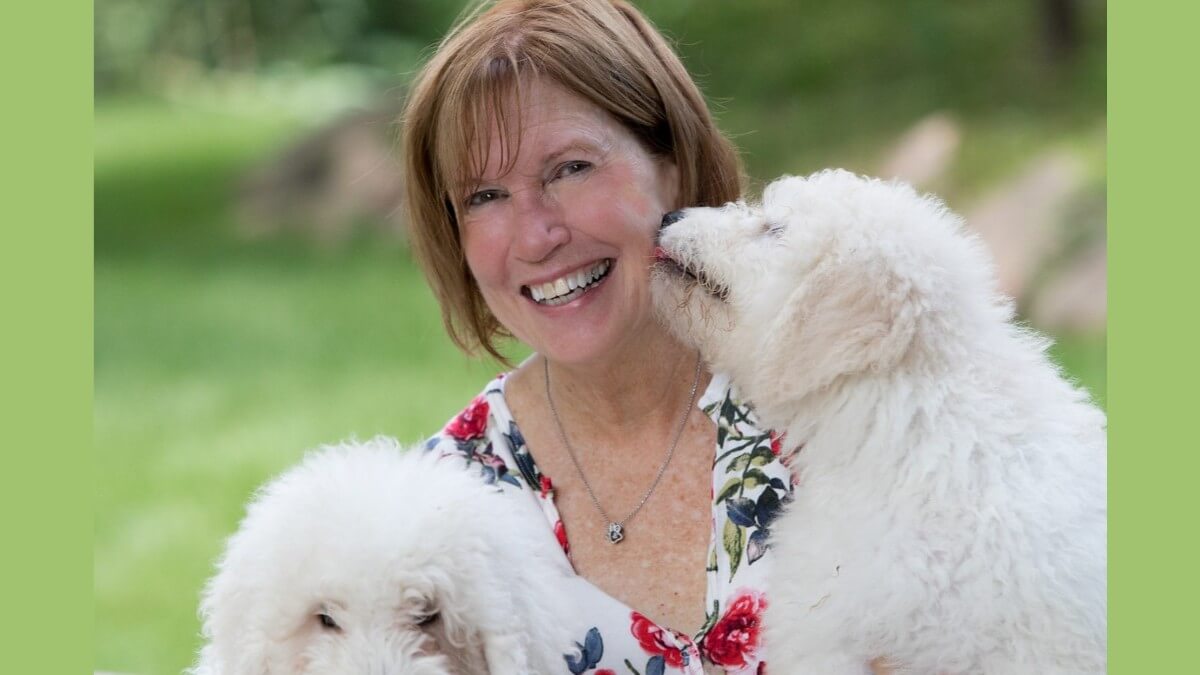
Allan Reznik sits down with Nancy Liebes to discuss her lifelong journey with Komondors, from first show memories to champion success.
The Weekly Brief
The best of SHOWSIGHT editorials, weekly wins, and breeder commentary — delivered to your inbox every Sunday morning.
Nancy Liebes: I grew up in Bethlehem, Pennsylvania.
Nancy Liebes: I did not grow up in a doggie family, but my grandfather had two Springer Spaniels that he and my father hunted with. So, I had an early appreciation of what benefits dogs bring to a family. (I especially love pheasant!) Also, my grandfather’s dogs were purebred, which, back in the 1950s, was considered to be quite special.
Back in those days, CBS aired the Westminster Best in Show competition live late Tuesday night. My father always watched it. It was way past my bedtime, but I would sneak downstairs to see it, too. I don’t know if he knew I was there, but I got hooked by that exposure.
In 1956 he purchased a purebred Springer from a breeder in Philadelphia and registered the dog. He went to one show—Trenton Kennel Club in 1957. It was the most exciting thing I ever experienced and I was hooked. However, it would be many years until I made my dream to see Westminster happen.
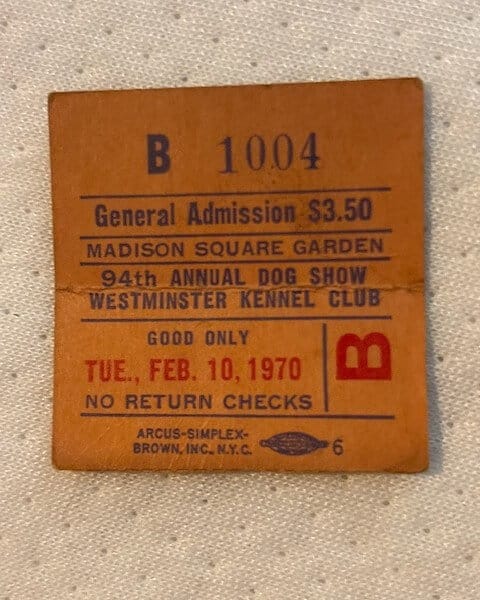
In September of 1969 I moved to New York City, and in February of 1970 I attended my first Westminster. I was breed shopping, knowing I wanted a big dog. As I was walking through the benching area someone opened a crate door and took out the most magnificent creature I’d ever laid eyes on. It was the first Komondor Best in Show dog, Ch. Szentivani Ingo. I followed that dog through the benching area, mesmerized by his flowing coat and commanding presence.
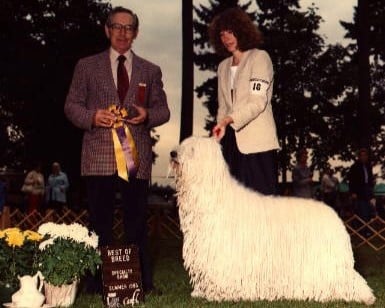
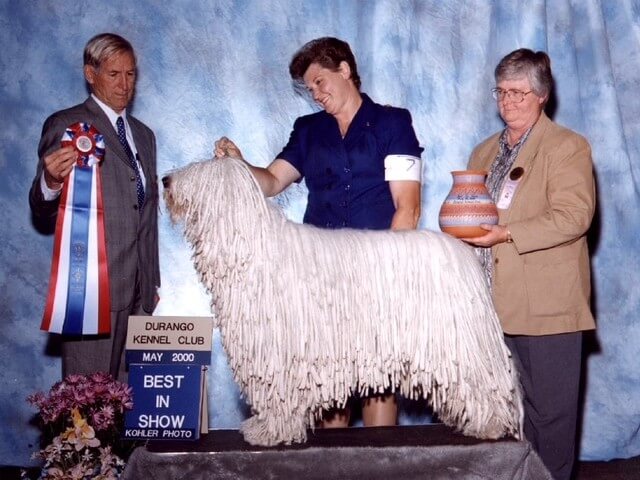
Those were the days when Walter Fletcher had a column in the Sunday New York Times. He would write about local wins and upcoming matches, and I followed his columns weekly. By 1972 I had moved to the Bronx and saw that there was going to be a match at a nearby park. Realizing the chances of a Komondor attending were slim to none, I went anyway. Imagine my excitement when I saw a big, fluffy white puppy. With fingers crossed I approached the owner and asked if that was a Komondor puppy? It WAS a Komondor puppy, and that was the day I met the incomparable Mary Bloom, acclaimed photographer and Komondor lover.

It was the start of a magical journey for both of us. Mary had obtained her puppy from Joy and Marion Levy, who happened to be the owners of the Kom I saw at The Garden. She and I made many pilgrimages to Princeton, New Jersey, to visit the dogs and get to learn more about the breed.

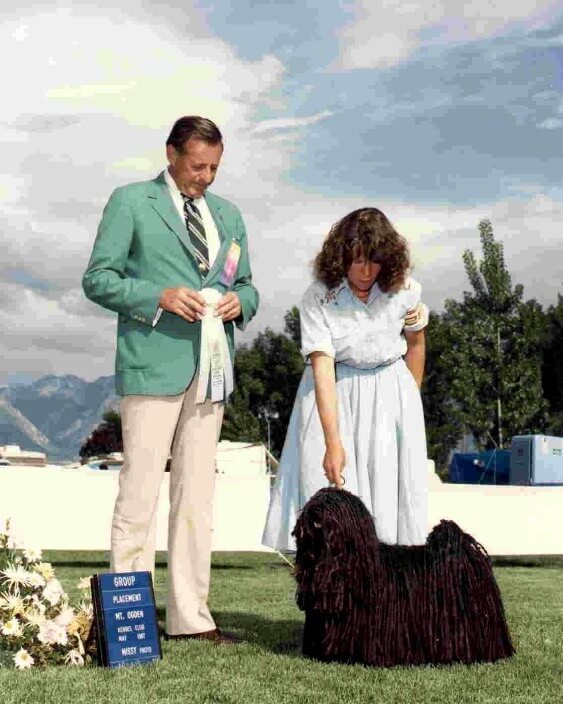
It took some time for me to convince Dr. and Mrs. Levy that in spite of my background I would be able to handle a Komondor. I got lucky when they had a three-year-old female returned and rehomed her to me. She turned out to be Ch. Ohegyi Narcisz. My career with her began by winning one point in New Jersey, which qualified her for Westminster the following year. It happened to be a major entry (this was back in the day when class dogs competed, too) which I, on my second time in the ring, won. The rest of the entry was handled by very famous professional handlers whose names you all would recognize. It was, without a doubt, the type of win that keeps you in the game forever.
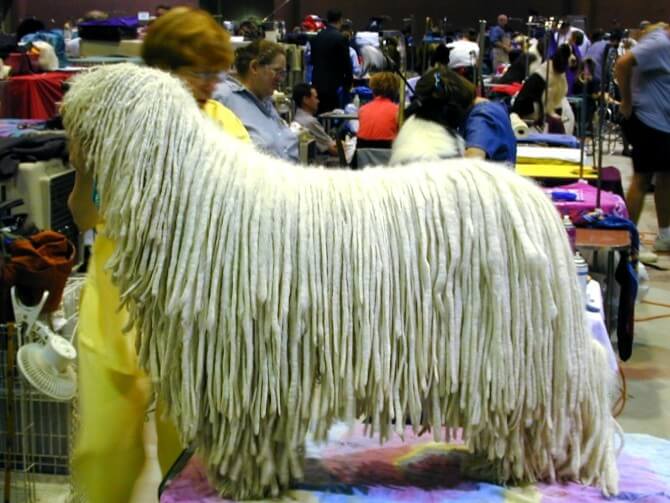
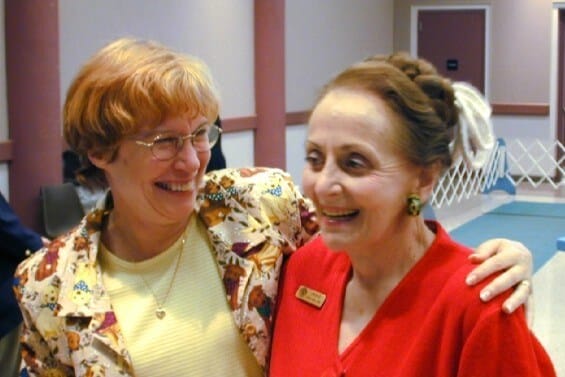
Nancy Liebes: My main mentor was Dorothy Collier (Dorothy Stevens at the time), a well-known judge, but back then, a successful Komondor breeder. We spent many days around her kitchen table, talking about dogs, structure, and breed history. At the time, she was breeding some excellent dogs and we all were learning the ropes at the same time. She had some wonderful dogs both from Hungary and Canada.
Over the years I discovered that professional handlers became my biggest supporters and best mentors. They recognized that I was in it to stay and did everything they could to help me succeed. They were my most important resource.
Nancy Liebes: Because I started with a rare breed that had a miniscule gene pool, I knew I had to zero in on virtues and not worry about minor faults. My goal was always to identify the strengths of my puppies and not lose the good in what I have. I also concentrated on temperament because, as guard dogs, Komondors could be an insurance liability. Subsequently, I also got involved in Ibizan Hounds, and currently am breeding English Toy Spaniels. Both breeds have quirky temperaments and need knowledgeable breeders. Thankfully, both breeds have individuals who are producing great dogs.
Nancy Liebes: I never kept many dogs because Komondors especially are a lot of work. I recently moved from a big house on two acres to a small house in town. I currently have two older Koms and three English Toys in the house. They all are housedogs and the little ones sleep in the bed. I also have a few other Toy dogs living with friends. I never had kennels.
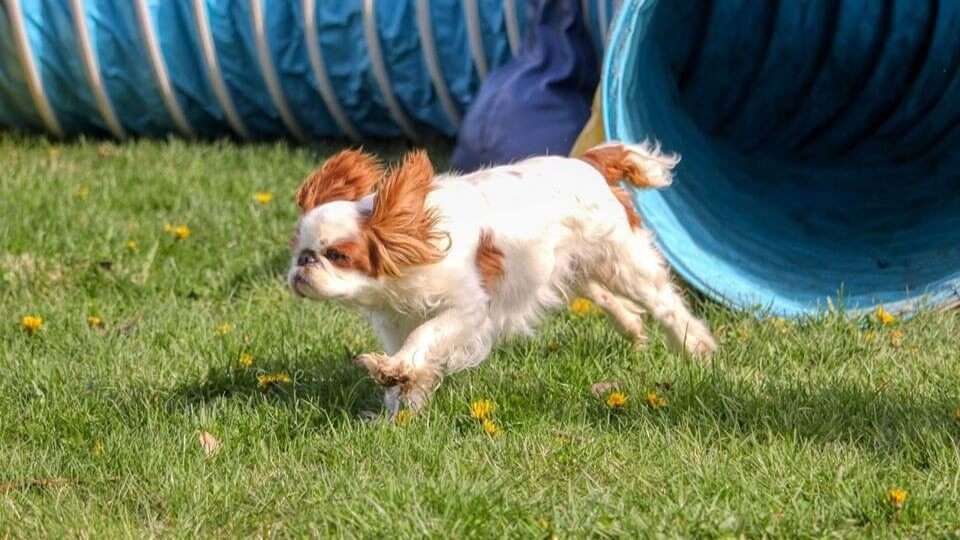
Nancy Liebes: Regrettably, there are very few active breeders left. Those who are currently owners are, for the most part, longtime owners who understand the breed. There are very few young people involved in breeding.
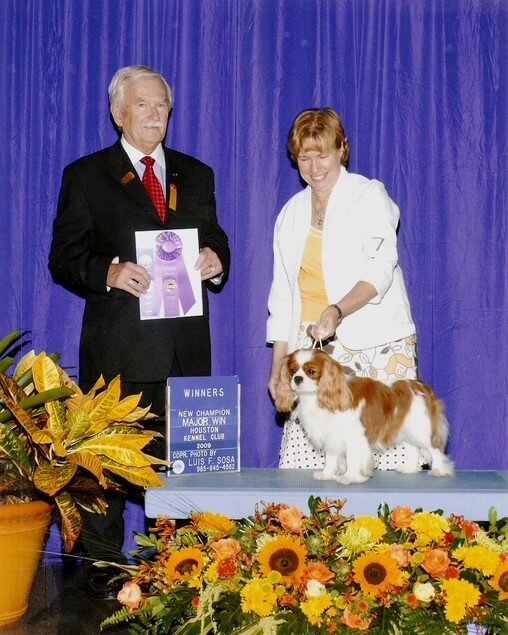
Nancy Liebes: At some point I think most of us realize we know more than the judges who have studied the breed but never bred them. That’s when we move on to judging. I also handled quite a few other breeds and discovered the fun of learning new breeds.

Over the years, I finished a breed that I owned in every Group. That sparked my interest in learning about how different each breed is. Learning why a breed was developed and the history behind each breed is my happy place, and sharing that information has made me quite a few good friends whose passions are with very different breeds. I value many breeders who have shared what they’ve learned with me.
Nancy Liebes: The “sport” has changed in so many ways it’s hard to keep up. Back when I got my first Best in Show, an average show had around 1800 entries. Now we’re happy to get half that many. I think part of the reason is that there are many more shows, which dilutes the entries on any given weekend. I also think the advent of magazines has greatly changed the focus of the sport. I began when it was still about breeding and breeders. Now people are chasing wins and statistics. Like anything in this world, times change, and goals get higher and harder to reach.
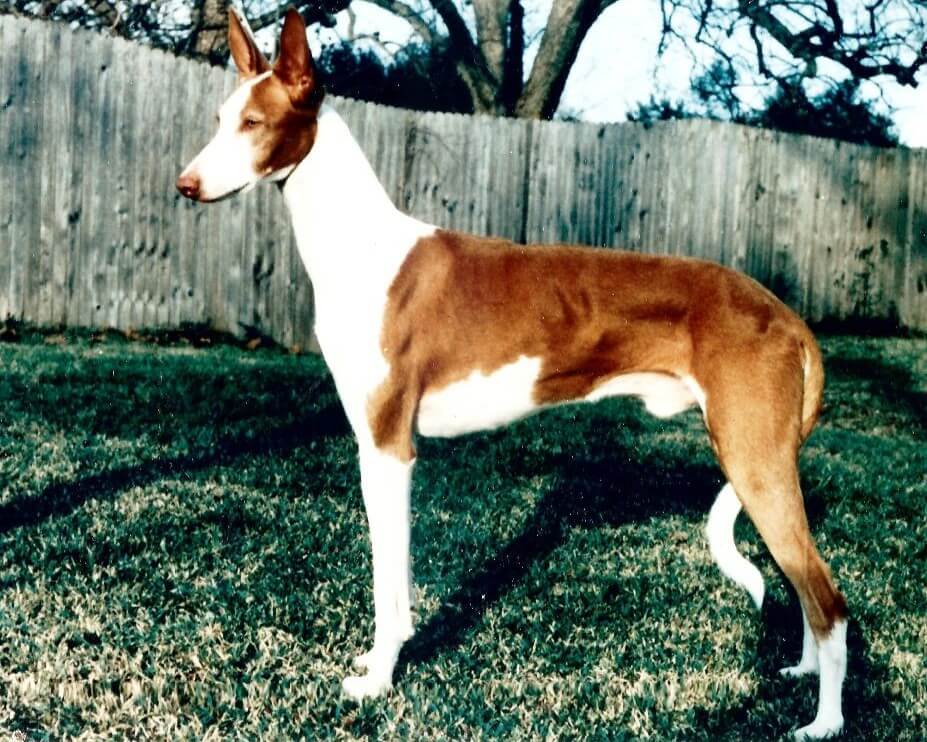
Nancy Liebes: I’m pretty much done breeding. I have an occasional English Toy litter because I feel I can contribute to structural decisions. Also, I am excited to be involved with some excellent breeders who are open-minded and freely share dogs and genetics with others. But my life with big dogs is over. I can’t imagine not having one in my house, but I’m not as strong as I once was, and when I fall, I break.
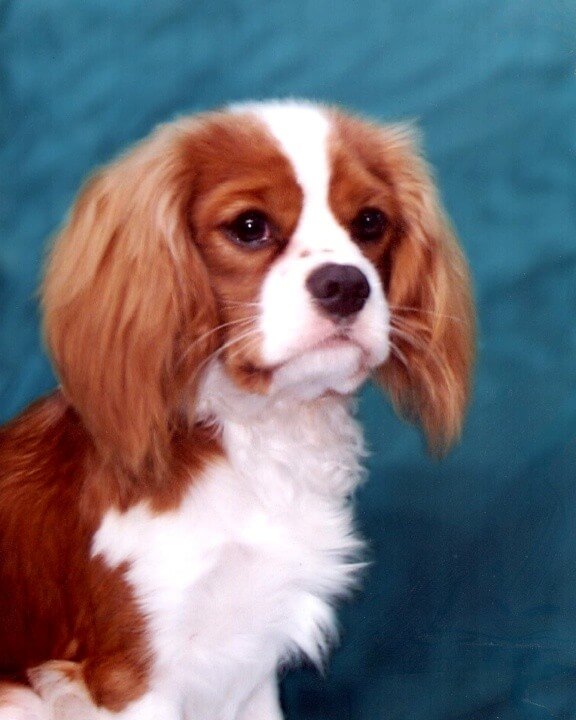
Nancy Liebes: I started out as a music major. My entire life revolved around the piano. When I was in college, I burned out and didn’t pursue it professionally.
I also have been playing in clay for many years. I love pottery, but again, that’s something I can’t really manage any more. It takes strength and a lot of equipment.
I was a corporate trainer for years, and have a lot of experience designing seminars and presenting to groups. I have developed seminars for dog breeds and basic dog show information, like how to interpret Breed Standards. But my favorite seminars have been for handlers who feel “stuck” and can’t figure out how to move up in the ranks. Lately, I find my judging days are mostly one big handling class. Many people don’t have a place to go to practice, so I freely give advice. I want people to advance. To get better. To enjoy their successes with their dogs. I don’t want exhibitors to get frustrated or discouraged. Especially when a simple fix will make a big difference.

Meet the Breeders