Members
Genetic testing is transforming animal care – but without standardization, confusion risks outweigh the benefits. Here’s why it matters.
The Weekly Brief
The best of SHOWSIGHT editorials, weekly wins, and breeder commentary — delivered to your inbox every Sunday morning.
The world of companion animal genetics has witnessed an unprecedented surge in the availability and reliance on DNA testing. What once was a tool used sparingly by researchers has now become a routine part of decisions made by breeders, veterinarians, and pet owners across the globe. Whether assessing health, breeding compatibility, or treatment options, genetic testing is shaping the future of animal care.
Yet, despite our technological advancements, one fundamental issue persists: inconsistency in how results are reported and interpreted.
At the recent International Society for Animal Genetics (ISAG) conference, a workshop dedicated to this very topic exposed the diverse—and sometimes conflicting—methods of reporting genetic test results in the companion animal world. It became clear that standardization is no longer a suggestion; it is a necessity.
Inconsistent reporting of identical genetic findings can lead to vastly different interpretations. One laboratory might describe a result as “Negative,” another might say “Wildtype/Wildtype,” and a third could simplify it as “NN.” To a geneticist, these may all represent the same outcome: an animal unaffected by the mutation. To a breeder or owner, however, such differences can be deeply confusing.
This lack of clarity can result in misguided decisions, including unnecessary neutering, misinformed breeding exclusions, and an erosion of confidence in genetic testing. These errors can cascade beyond individuals to affect entire breeding populations, potentially distorting genetic diversity and health outcomes over time.
The ISAG workshop gathered leading scientists, laboratory representatives, and academic experts to address these challenges head-on. What emerged was a strong consensus: while laboratories may differ in technologies and methodologies, there is an urgent need for harmonized reporting language, format, and interpretation.
Key points of discussion included:
Everyone in attendance agreed: standardization will enhance communication between breeders, vets, pet owners, and researchers.
A cornerstone in this journey toward clarity is OMIA (Online Mendelian Inheritance in Animals). This vital, publicly available database catalogues known genetic disorders, their associated mutations, and references. OMIA’s structure—linking mutations to genes to phenotypes—offers a ready-made framework for standardized nomenclature.
By referencing OMIA, laboratories can align their reporting to a shared language, creating reports that are clear, comparable, and scientifically rigorous. Its use benefits not only those interpreting results but also those conducting cross-laboratory or species-wide research.
The field of human genetics offers valuable lessons in this area. Organizations such as the American College of Medical Genetics and Genomics (ACMG) have developed internationally accepted standards for reporting genetic variants. Their guidelines ensure clarity, transparency, and reproducibility across institutions.
Applying similar structures to companion animal testing would mean:
Adopting these practices can bring companion animal genetics in line with established clinical frameworks and increase trust across the field.
A single word can have enormous consequences. The ISAG workshop revealed that terms like “Negative,” though commonly used, may be misleading. While they may imply a dog does not carry a mutation, they can obscure whether the result was fully conclusive or tested for a specific variant only.
Compare:
The solution lies in contextualization and education. Reports should explain the terminology and offer references to standards, ensuring no interpretation is left to chance.
With more genetic reports being delivered directly to pet owners, clarity is paramount. These reports must empower users—not confuse them.
Best practice includes:
As test accessibility grows, so too does the responsibility to present results responsibly.
The time has come for collaborative action. A standardized framework must contain:
1. Community-wide Collaboration: Laboratories, veterinary organizations, and breed registries must work together—modeled after the ISAG workshop—to draft, adopt, and implement reporting standards.
2. Central Reference Use: OMIA should be the benchmark for reference and harmonization of genetic data, ensuring mapped variants, consistent nomenclature, and current literature are available and referenced on each laboratory report.
3. Transparent Interpretation: Reports should separate raw genotype data from interpretative statements, and make explicit reference to the standards or guidelines followed.
4. Educational Outreach: Reports must include glossaries or clear explanatory notes to demystify terms for end-users.
Ultimately, the goal is that every genetic test result tells the same story, no matter where it is run, empowering informed choices and building trust in the remarkable progress of genetics.
Standardizing genetic test result reporting is not a luxury; it is a moral and scientific obligation. With consistent language, validated references, and accessible interpretation, we ensure that every test tells the same story—regardless of who runs it or where.
It is a pledge to the breeders protecting their lines, the vets making clinical decisions, and the pet owners wanting the best for
their animals.
In doing so, we honor not only the science of genetics but also the companions whose lives—and futures—it touches.
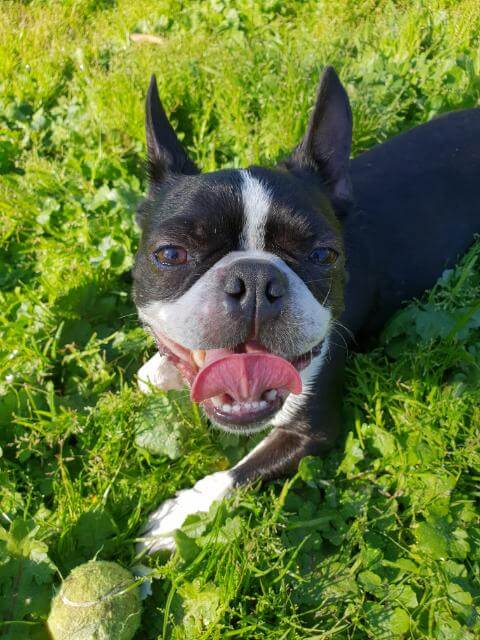
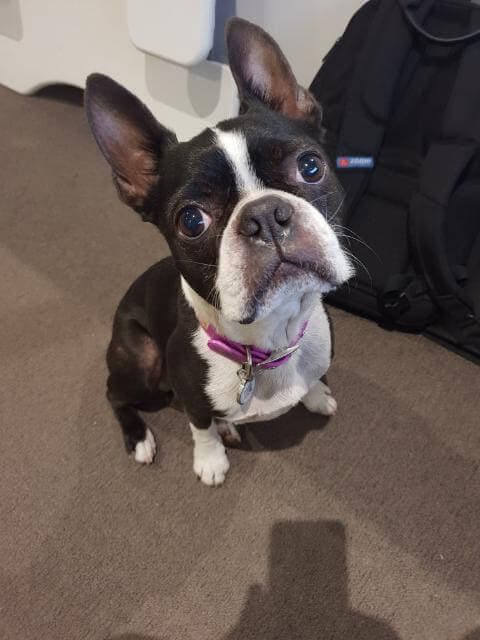
On Thursday, July 26, 2025, I lost a truly great friend and cherished monthly contributor to these pages: Charlie, my Boston Terrier. After 14-1/2 remarkable years of ball-chasing, couch-hogging, and heart-winning, Charlie could chase no more.
It was a tough call for everyone. But in his honor, I pledge to continue writing with the same spirit, clarity, and dedication that he inspired every day.
Rest easy, Charlie. You remain my co-author in spirit.
Specialty & Group Club News
Discover how the Collie Health Foundation advances Collie health through research, education, and community support.