Members
Tripletime Whippets breeder Randy Tincher shares insights on mentorship, breeding philosophy, judging, and sustaining passion in the sport.
The Weekly Brief
The best of SHOWSIGHT editorials, weekly wins, and breeder commentary — delivered to your inbox every Sunday morning.
Randy Tincher: I grew up in Oxford, Ohio, just north of Cincinnati.
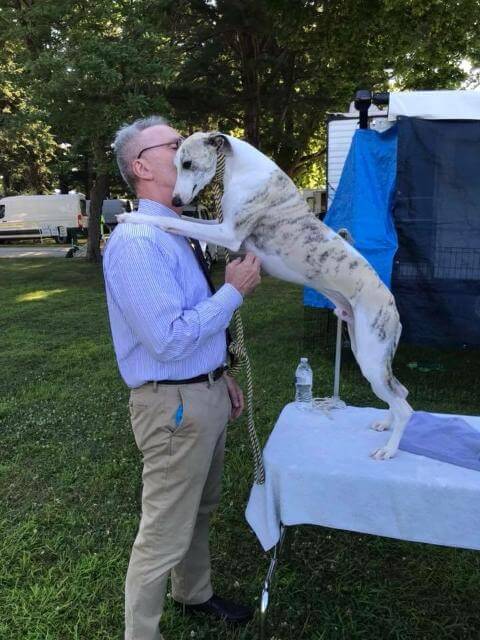
Randy Tincher: I grew up showing and breeding American Quarter Horses on a national level. It was through the horse show world that I met Fran Friedman, who introduced me to Whippets. Fran gave me my first Whippet, “Gia,” RA Hil Tripletime Of WW, a Chalmondaley daughter. The kennel name Tripletime comes from her. After moving to Florida, I started looking for a stud dog. Gia was very beautiful but not very sound. It was then that I met Diane Bleecker of Morshor Whippets. Gia was bred to one of Diane’s dogs, CH Morshor’s Whirling Home. At the time, I was riding horses for Carol Harris at Bo-bett Farm.
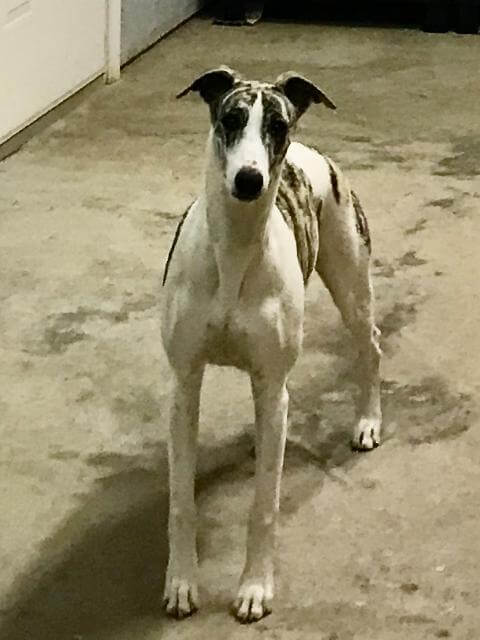
I told Carol about my excitement over my first litter. She asked me to bring the puppies to the farm for her to see when they were eight weeks old. At the time, I had no idea of Carol’s previous purebred dog experience with Doberman Pinschers, Dalmatians, and Scottish Terriers. At eight weeks, I brought the litter to the farm and Carol asked me if she could buy the watermarked fawn bitch (my pick). That bitch became CH Tripletime Tara, the very first Bo-Bett Whippet.
Randy Tincher: I have had incredibly great Whippet mentors. I was fortunate enough (or old enough) to have had great conversations with Doris Wear, Peggy Newcomb, Jim Gray, Diane Bleecker, and Calvin Perry. Each of them, in different ways, helped shape my understanding of the breed. Learning type, soundness, and movement is a long, ongoing process. I bred dogs with JM Roe for nearly 20 years, and we still bounce ideas off each other. Most recently, I have been working with Ron and Dee Vayda (Shojin). We learn from each other every day. I work with Susan Pennington of Ksar Borzoi as well. Her knowledge of pedigrees and linebreeding is amazing.
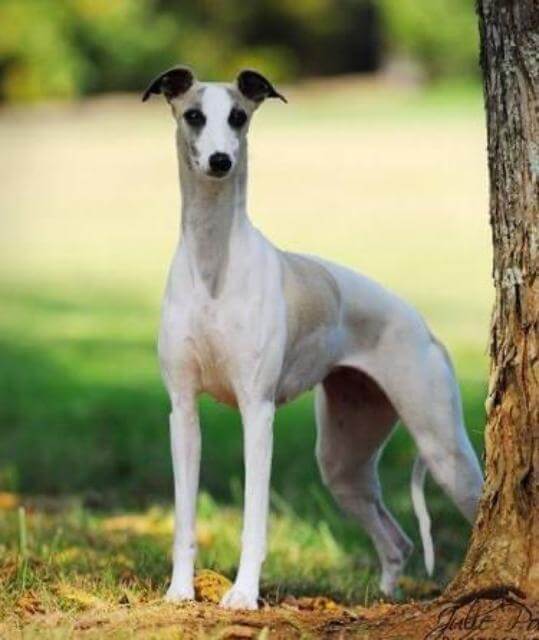
Randy Tincher: Several points have always guided me in planning breedings and picking puppies. For many, these points will seem elementary, but I always try to keep them in mind:
Randy Tincher: Today we have six to eight dogs and they all live in the house. When we had more land and a kennel, the number was closer to 12 to 15. For me, it’s important to have only the number of dogs that can get enough individual attention.
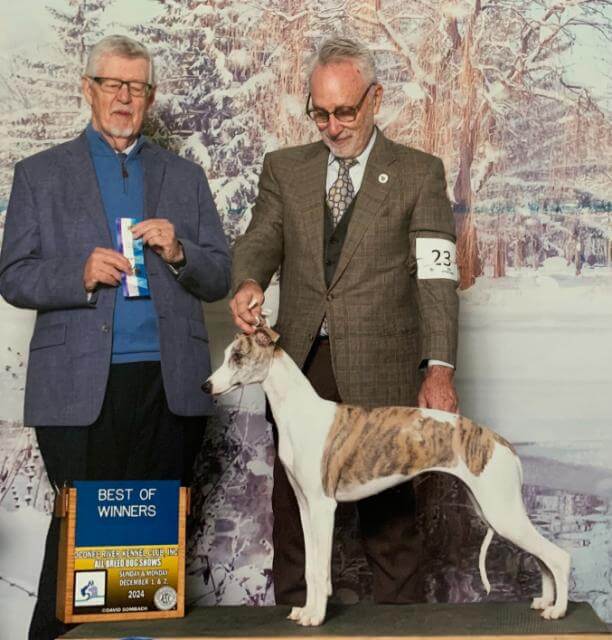
Randy Tincher: I’ve been judging for more than 20 years. I do over half the Hound breeds as well as Poodles and Italian Greyhounds. I enjoy judging all the breeds for which I am approved. I felt that, as a breeder, it was another way for me to be involved in the fancy. I think we, as breeders, need to keep putting high-quality dogs in the ring, and judge, if possible.
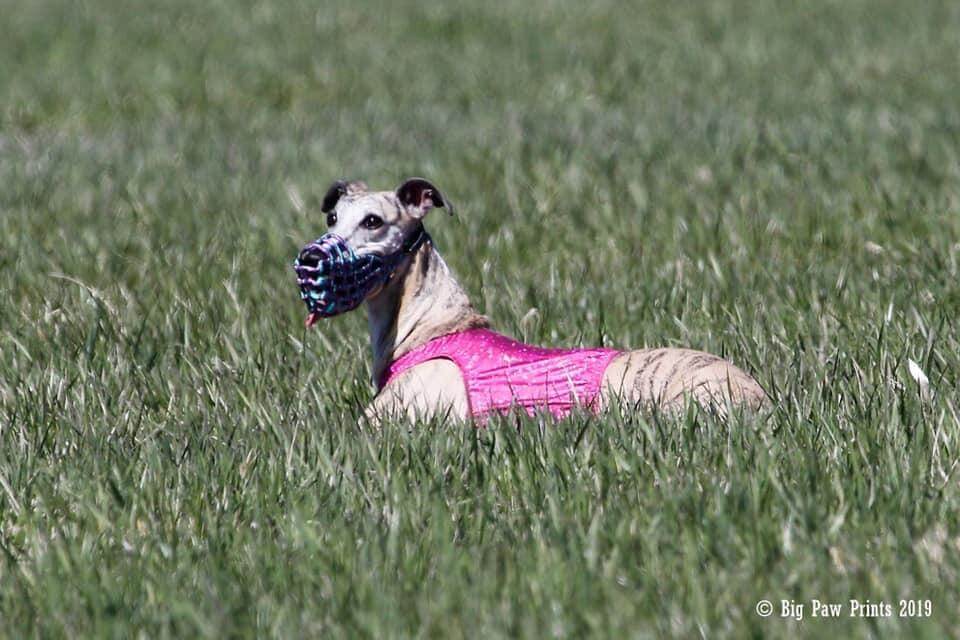
Randy Tincher: I think our breed is in pretty good shape. As a breed, we have improved soundness and movement in a fairly dramatic way. More recently, we have improved shape.
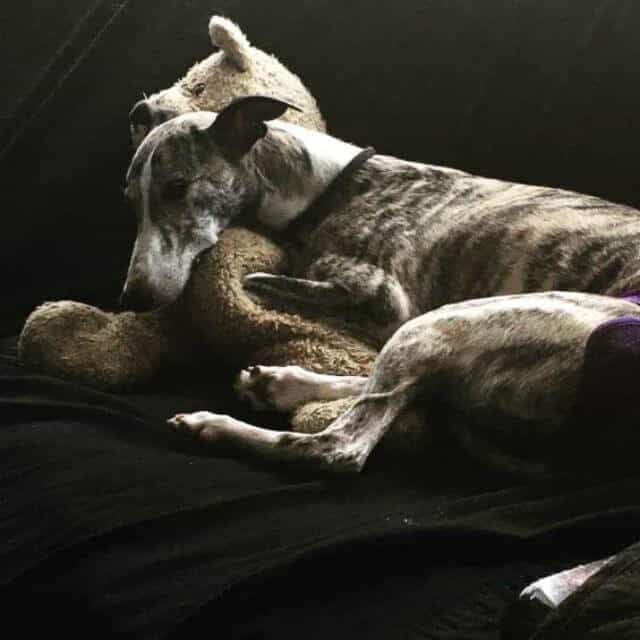
Randy Tincher: Our sport has changed. We have fewer actual large-scale breeders. At one time, the Bred-by-Exhibitor class was the most exciting class in the entry. Because of the emphasis on rankings, we see fewer class dogs being shown. Unfortunately, showmanship has become more important in the Whippet ring. We have many very talented Breeder/Owner Handlers. I feel there are too many shows and so many choices that it cuts down on the entry at many shows.
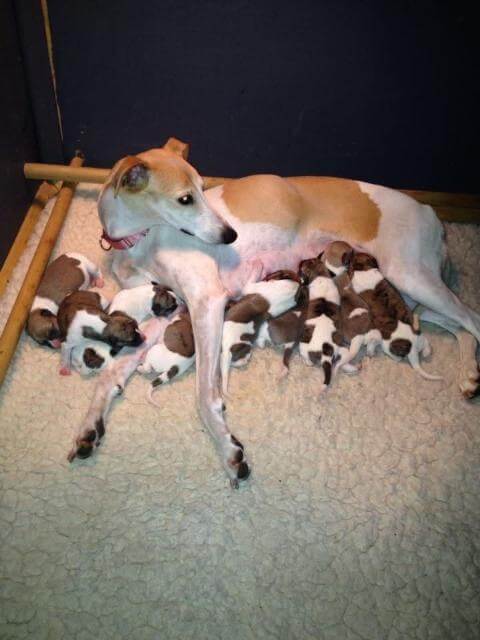
In order for our sport to continue, we must work hard at encouraging newcomers. We try to stay in contact with all puppy buyers as an information resource. We also work at letting them know about all the possible activities they can enjoy with their dog. For potential first-time show homes, we try to either personally coach them or put them in contact with handling classes or a person near them who would be willing to coach. It’s important for them to have some idea of what will happen at the show. I’ve had several breeders give me a heads-up about a puppy they have sold that will be shown in my area. They ask me to help the new owners and make them feel welcome. I’ve done the same in reverse. This works at field trials as well.
Randy Tincher: We have a couple of very exciting litters planned at this point; one outcross that should be really beautiful and one very
tight linebreeding.
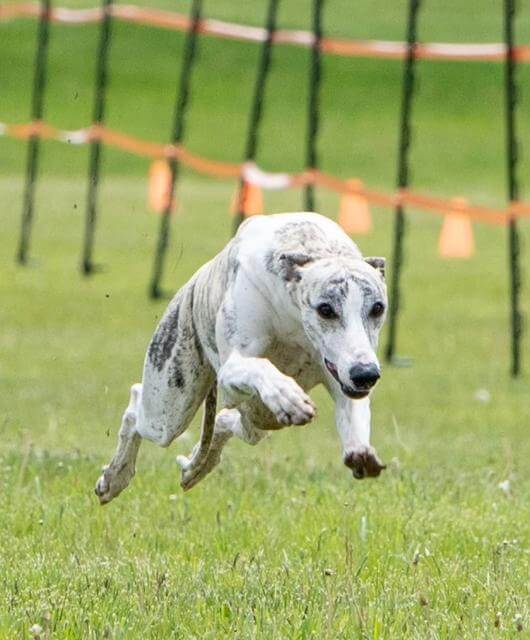
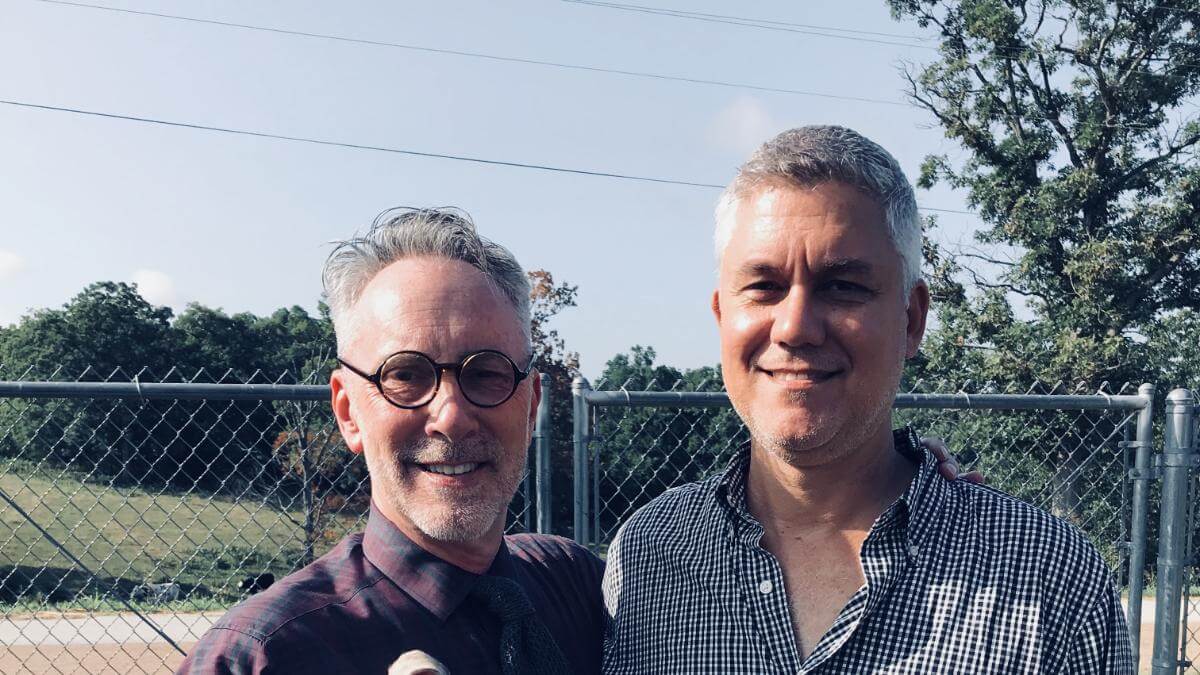
Randy Tincher: I live in Warner Robins, Georgia, with my husband of almost 39 years, Britt Calhoun. I recently retired from over 40 years in fashion retail management. I worked with Macy’s in nearly every capacity, from department manager to buying office, to store management, to regional management. Most recently, I worked with the Neiman Marcus Group, both in Atlanta, Georgia, and St. Louis, Missouri. The dogs are the primary hobby, but travel and gardening are pretty high on the list as well. I still do some personal shopping and wardrobing for some clients. I am also the southeast representative for a South African ceramic art company. And I also read a lot.


Meet the Breeders