Members
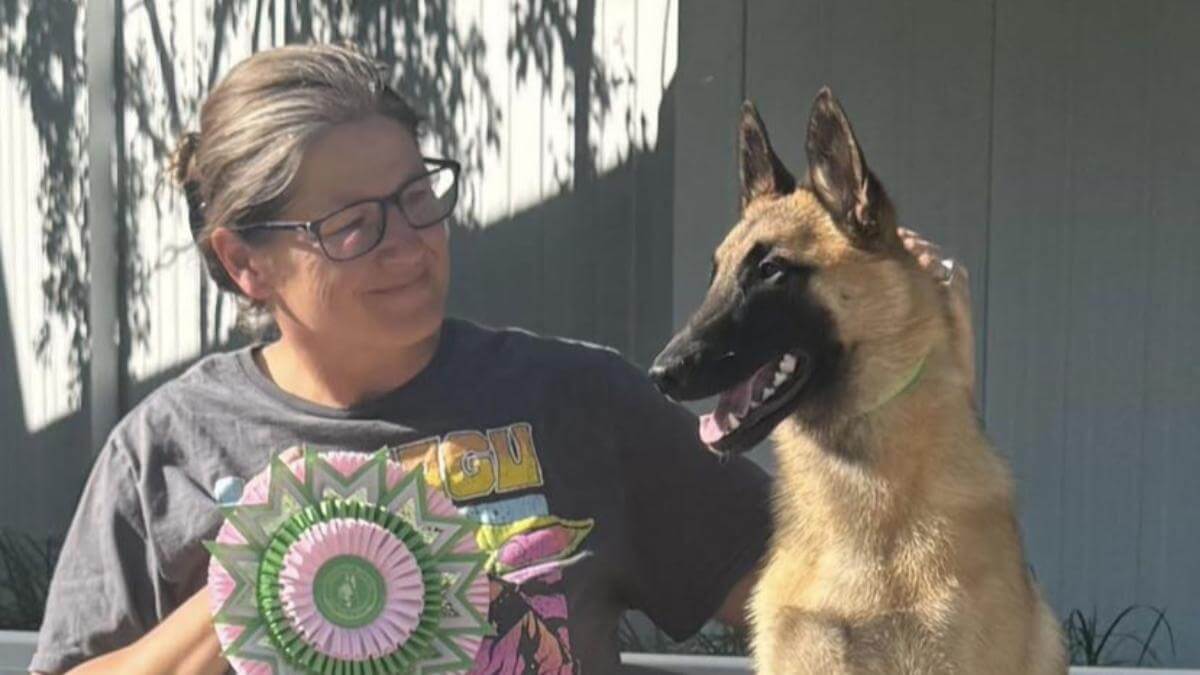
Tasha Mesina of Element Malinois shares her passion for preserving breed purpose, structure, and integrity in Belgian Malinois.
The Weekly Brief
The best of SHOWSIGHT editorials, weekly wins, and breeder commentary — delivered to your inbox every Sunday morning.
Tasha Mesina
1. I live in rural Nevada, where I run a small herding facility. After retiring from professional grooming, I purchased Cindra Grooming Products two years ago (2023) and have been proud to continue its legacy. I’ve been involved with Belgian breeds since 1998, serving as a breeder, owner, and handler throughout the years. I’ve recently been approved as an AKC (American Kennel Club) Herding Judge, which is an exciting next step in my journey with these dogs. I’ve been breeding for about 20 years under the kennel name Element, focusing on Belgian Malinois—with plans to expand into Belgian Laekenois in the near future.
2. Belgian Malinois are a breed that was built for real work, and you’ll lose everything special about them if you forget that. Hallmarks of the breed are agility, power, and drive, wrapped in a sharp, intelligent mind. You can’t overlook structure, either—a correctly built, square Malinois isn’t just pretty, it’s a very functional dog. These dogs weren’t bred to be easy. They were bred to be exceptional.
3. That really depends on the breeder. For me, yes, because I don’t breed without a waitlist. Every placement is intentional, going to someone who understands the responsibility, the intensity, and the reward that comes with living alongside a Belgian. If you’re doing the work ahead of time and breeding with purpose, the homes are there.
That said, the breed’s recent surge in popularity hasn’t done it any favors. You can find Malinois for sale just about anywhere now, and far too many end up in rescue. It’s heartbreaking, and it’s a direct result of careless breeding and impulse buying.
4. I’ve embraced tools that make things better; DNA testing is an outstanding tool that allows us to test for genetic diseases. OFA (Orthopedic Foundation for Animals) hips, elbows, eyes, and heart are still important tests we should be doing as breeders. On the communication side, I keep in touch with puppy homes across the country via group chats, virtual check-ins, and training updates. I still trust a solid pedigree, talking to breeders personally, and getting my hands on dogs, more than I do a TikTok trend.
5. Yes, and not always for the better. There’s this growing idea that if you’re breeding dogs, you’re part of the problem. But it’s more nuanced than that. Purebred dogs with a purpose, bred by ethical, hands-on people who care about the outcome—that’s not the problem. That’s the solution. I spend a lot of time educating people about breed purpose, health testing, and what “responsible breeding” actually means.
6. Absolutely. I’ve noticed a clear shift toward valuing style over substance, and it’s becoming more obvious in the ring. There’s a growing focus on presentation instead of preservation; flashy, incorrect movement getting rewarded over proper structure, long-bodied dogs that lack true breed type, and exaggerated traits that look good in a snapshot, but don’t hold up to the Breed Standard. What’s worse is that fewer people are putting in the time to learn from mentors, from history, and from the dogs themselves.
Judges play a huge role in this. When they reward a pretty picture over correct function, or a dog with an incorrect temperament, it sends the message that optics matter more than integrity. And once that becomes the norm, we’re in trouble. Because if we lose type, temperament, and function, what’s left?
We have a responsibility—as breeders, handlers, and judges—to protect the purpose these dogs were created for. That starts with rewarding dogs that move correctly, fit the Standard, and could do the job they were bred for, whether or not they come with a slick marketing package. The dogs haven’t changed; they’re still willing and capable, but we need to make sure our standards don’t shift so far that they no longer serve the breed.
7. More Breeders are starting to speak up about preserving function, not just form. I’m seeing a resurgence of interest in the original purpose of the breed in herding.

Meet the Breeders